Summary and Key Points: 5 Worst Fighter Planes to Ever Fly
-Early jet-age fighters often arrived quickly, ambitiously, and underdeveloped.
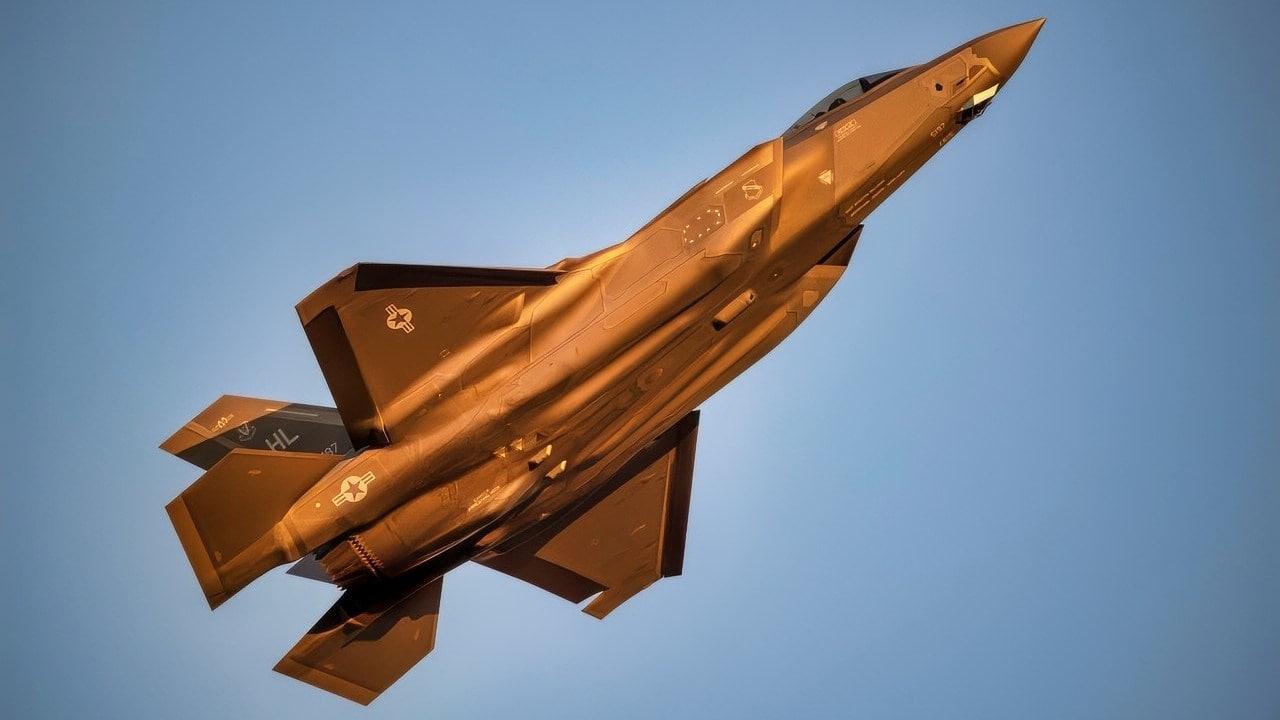
A U.S. Air Force F-35A Lightning II, performs Sept. 24, 2021, at Mather Airport in Sacramento, California. Travis Air Force Base also participated in the event alongside the F-35A Lightning II. With Travis AFB aircraft in sky and its personnel and resources on the ground, Team Travis connected with the community by showcasing what happens behind the gates. (U.S. Air Force photo by Nicholas Pilch)
-The MiG-21 became a mass-produced icon, but early versions lacked radar, and the design is now badly outclassed—yet it still flies in a few fleets, including North Korea’s.
-Sukhoi’s Su-7 was rugged but consumed fuel, forcing trade-offs between range and payload, and it too remains in limited service.
-China’s J-7 was a copy of the MiG-21 and remained widely exported despite being a relic. America’s F-102 struggled to break Mach 1 until major redesigns.
-The Soviet Yak-38 promised VTOL but delivered danger, limits, and early retirement.
5 Fighter Jets With Origin Stories That Aged Poorly
Some of the worst fighter aircraft origin stories are, unsurprisingly, from the early years of the jet age. Early Soviet designs garner several mentions, as does a Chinese license-built copy of a Soviet jet, but one early American fighter also performed poorly.
Many of these aircraft can be found today in aviation and aerospace museums around the world.
However, a few remain in service in limited training roles in a handful of countries, or in the singular case of North Korea, as some of the only fighters Pyongyang classifies as in service.
Mikoyan-Gurevich MiG-21
The MiG-21, one of the earliest Soviet-era jet fighters, first took to the skies in the mid-1950s.
The jet was built around a central, internally located jet engine, and shaped somewhat like a dart. Notably, it holds the distinction of being the most-produced supersonic jet in aviation history. The lightweight fighter could achieve the then-impressive Mach 2 speed, thanks in part to an adjustable inlet cone that optimized airflow to the engine based on airspeed. The jet was noted for its relative simplicity and ease of maintenance.
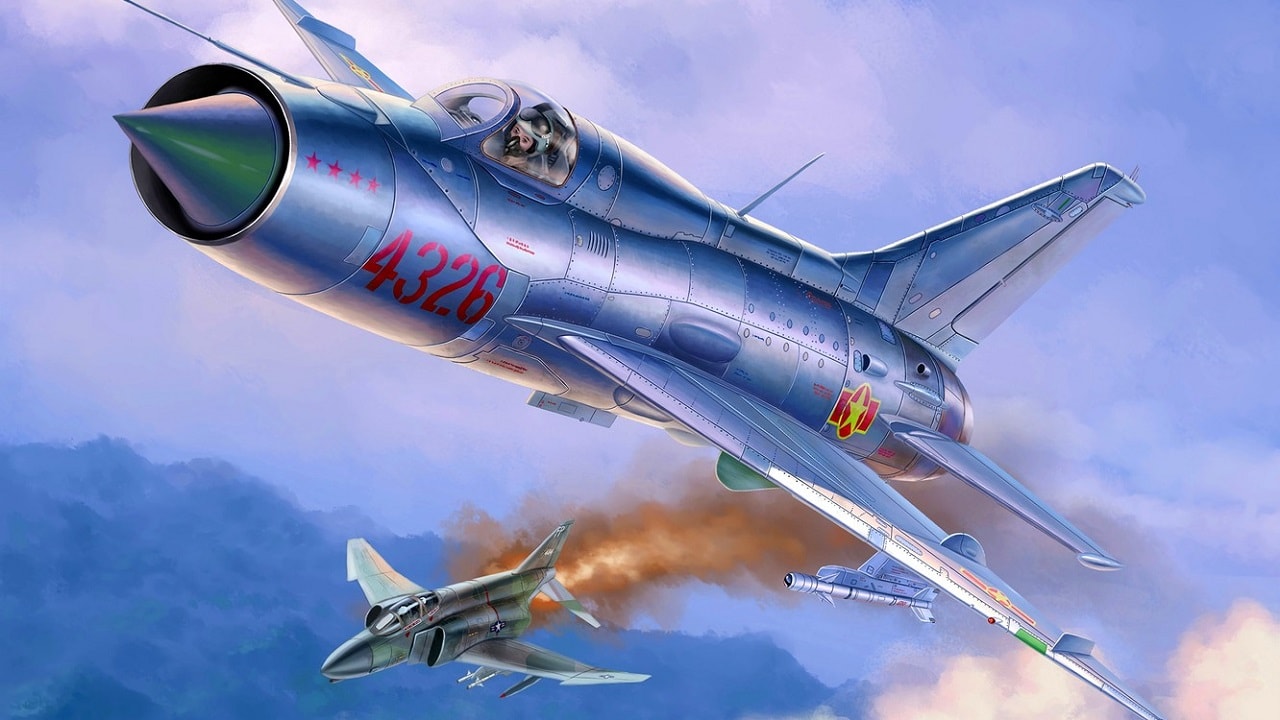
MiG-21 fighter. Image Credit: Creative Commons.
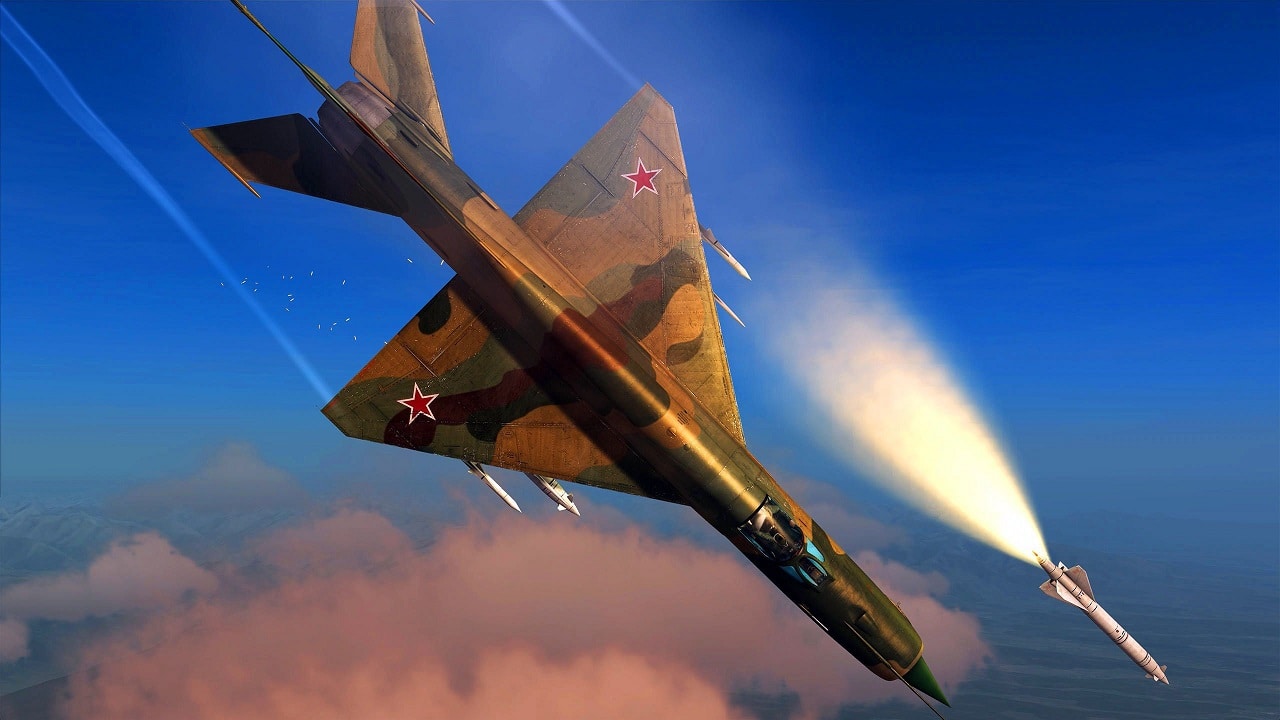
MiG-21. Image Credit: Creative Commons.
However, early iterations of the fighter shipped sans radar assembly, hampering its ability to detect and engage enemy fighters at a distance.
But while that fighter-interceptor was notable for its positive qualities, it debuted over seven decades ago. Today, it is far outclassed in virtually every metric by more modern fighters.
However, it remains in service with a handful of African countries, notably North Korea, despite its dim prospects of success against more capable aircraft.
Sukhoi Su-7
Sukhoi’s Su-7 is similar to Mikoyan-Gurevich’s MiG-21 fighter, and that’s not entirely incorrect. The two jets were contemporaries in the mid to late 1950s, and, broadly speaking, share some design similarities. Both are built around a jet engine buried in the fuselage and sport a prominent nose cone and dramatically swept wings.
The jet was also like the MiG-21, regarded as rugged and reliable, though its intended operational role was as a low-level fighter in tactical situations.
However, one of the jet’s primary shortcomings was its high fuel consumption, which necessitated using some of its hardpoints for additional fuel rather than weapons. Later iterations of the aircraft found some operational usefulness in ground attack and limited fighter-bomber roles, though the jet was quickly outclassed by subsequent aircraft.
Today, only one country operates Su-7 fighters: North Korea.
Chengdu J-7
The Chengdu J-7 is, in essence, a Chinese license-built copy of the MiG-21. A sign of how close the Sino-Soviet relationship was before their acrimonious split during the Cold War, which tore apart their relations.
The J-7 is broadly similar to the MiG-21, especially in its early iterations. However, a redesigned wing in the late 1980s gave the Chinese copy improved maneuverability and superior landing and take-off performance.
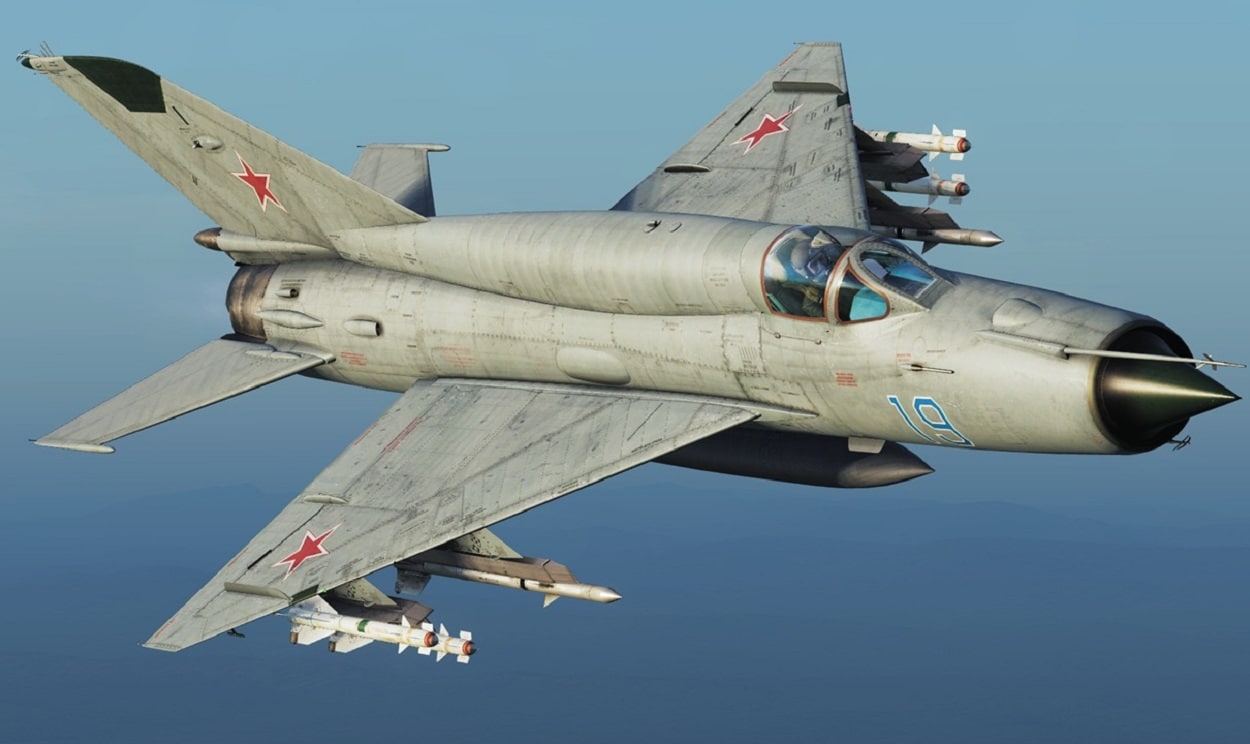
MiG-21. Image Credit: Creative Commons.
Like its MiG-21 predecessor, the J-7 is still flown today, though, thanks to China’s update of that 1950s design, it is more widely in service and is counted among the fleets of several African countries, as well as Iran, Pakistan, North Korea, and several Southeast Asian countries.
But like the MiG-21 upon which the J-7 is based, it too is a historical anachronism, and hardly a match to today’s fifth-generation aircraft, let alone the sixth-generation aircraft on the horizon.
Convair F-102 Delta Dagger
The Convair F-102 Delta Dagger was one of the United States early supersonic interceptor jets, and the first interceptor built by Convair. It was explicitly tasked with defense against Soviet Bomber formations, but its history was torturous and underperforming.
The initial F-102 design struggled to break the sound barrier in level flight due to excessive parasitic drag, a shortcoming addressed only after a redesigned wing optimized to reduce drag and improve performance.
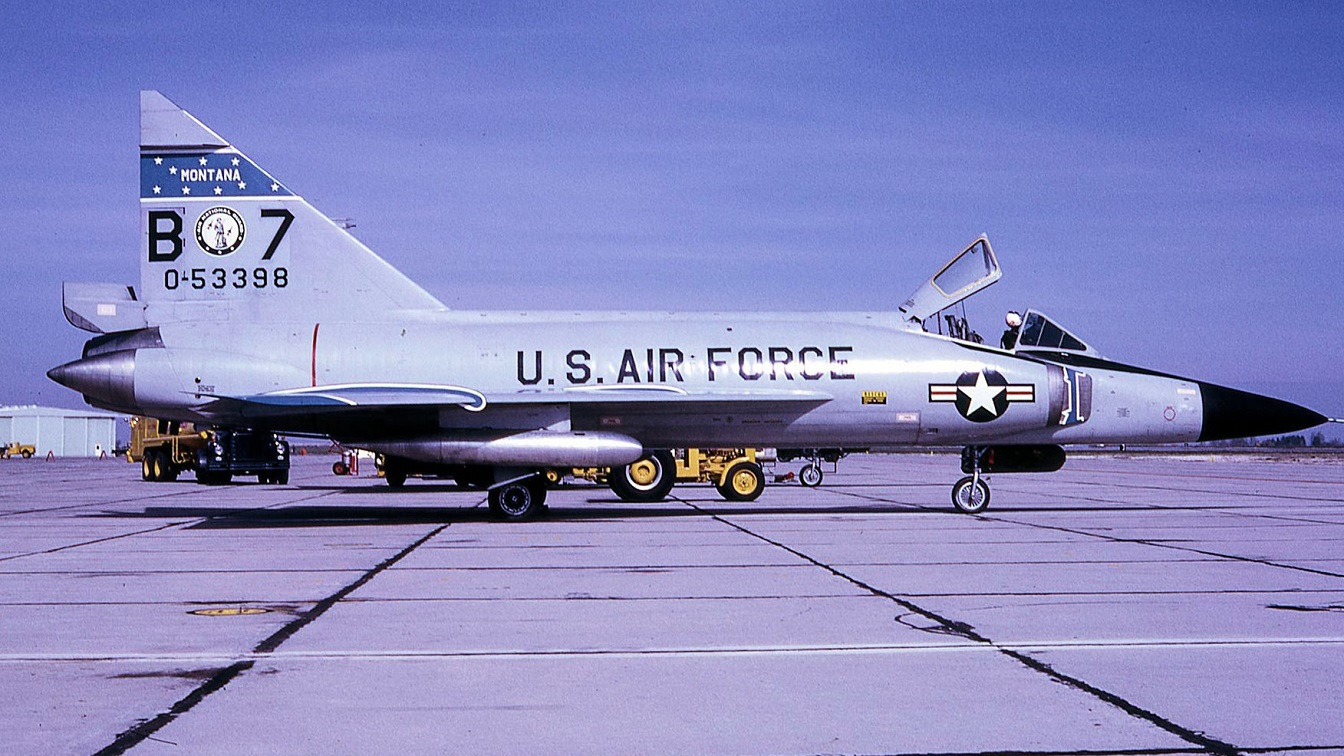
186th Fighter-Interceptor Squadron F-102 Delta Dagger 55-3398
Though that fix addressed some of the jet’s shortcomings, the F-102 was soon eclipsed by the superior F-106 Delta Dart, also built by Convair. The F-102 was illustrative of the shortcomings inherent to early jets, due to underpowered engines and their teething issues. Fast forward to today, and there are no F-102s in service.
Yakovlev Yak-38
The Yak-38 holds a unique place as the only operational VTOL strike fighter aircraft ever to serve with the Soviet Union’s Naval Aviation branch, as well as the Soviet Union’s first carrier-based fixed-wing aircraft.
Naturally, such a first could be thought of with distinction. But the Yak-38 was far from successful.
Introduced in the mid-1970s, the small jet was intended to operate from Kiev-class aviation cruisers, much akin to the British Hawker Siddeley Harrier. But its performance was underwhelming. During operations in hot environments or while fully loaded, vertical takeoff was not always possible.

Yak-38: Only 50 of these VTOL-jets were built. This year (1993) was the last year they were in active service.
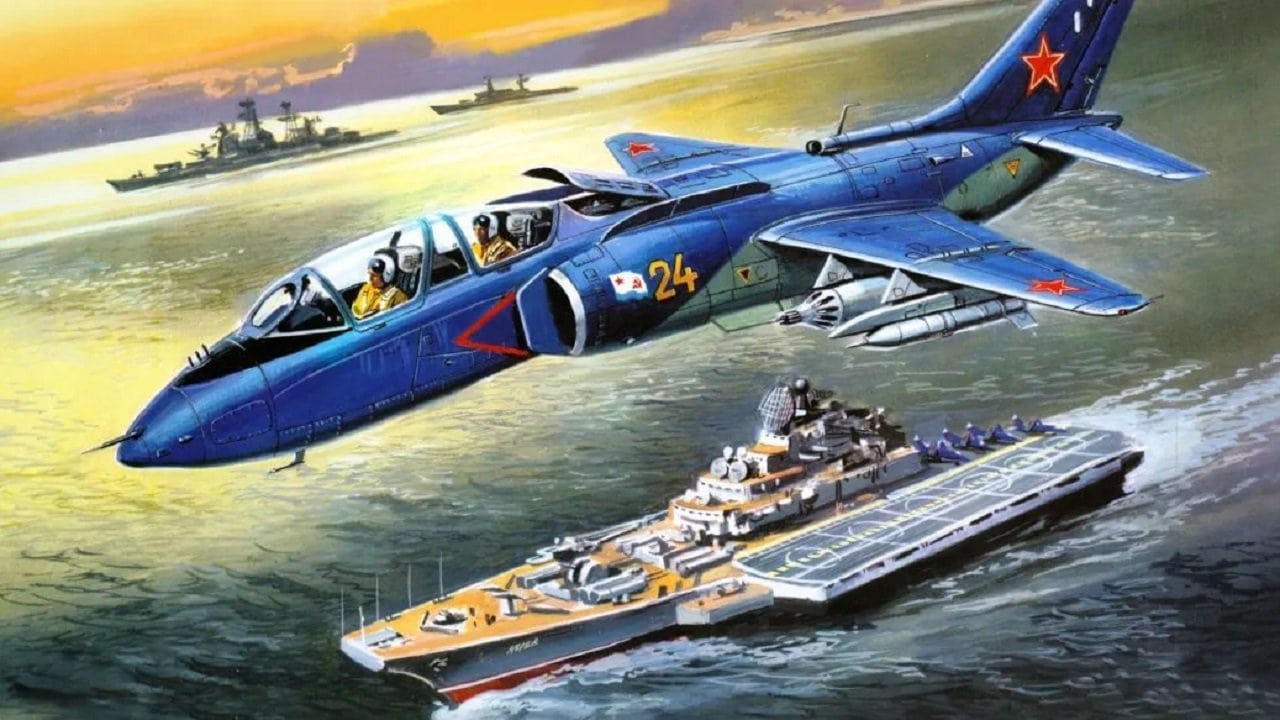
Yak-38. Image Credit: Creative Commons.
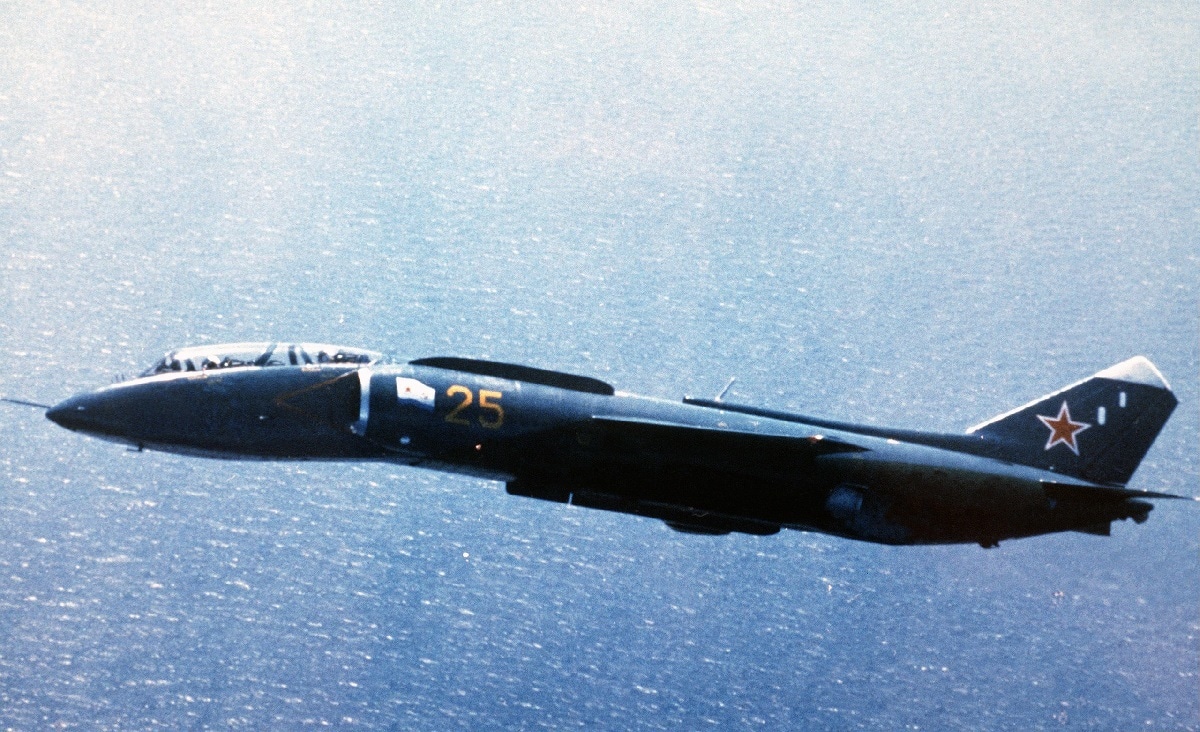
An air to air left side view of a Soviet Yak-38U Forger trainer aircraft.
Pilots sometimes used abbreviated rolling takeoffs to lift off. Early engines were considered unreliable, and asymmetric thrust during vertical flight made takeoff particularly dangerous. To protect pilots, the Yak-38 eventually incorporated an automatic pilot ejection system if an imminent crash was detected — and the Yak-38 was retired in 1991.
About the Author: Caleb Larson
Caleb Larson is an American multiformat journalist based in Berlin, Germany. His work covers the intersection of conflict and society, focusing on American foreign policy and European security. He has reported from Germany, Russia, and the United States. Most recently, he covered the war in Ukraine, reporting extensively on the war’s shifting battle lines from Donbas and writing on the war’s civilian and humanitarian toll. Previously, he worked as a Defense Reporter for POLITICO Europe. You can follow his latest work on X.