
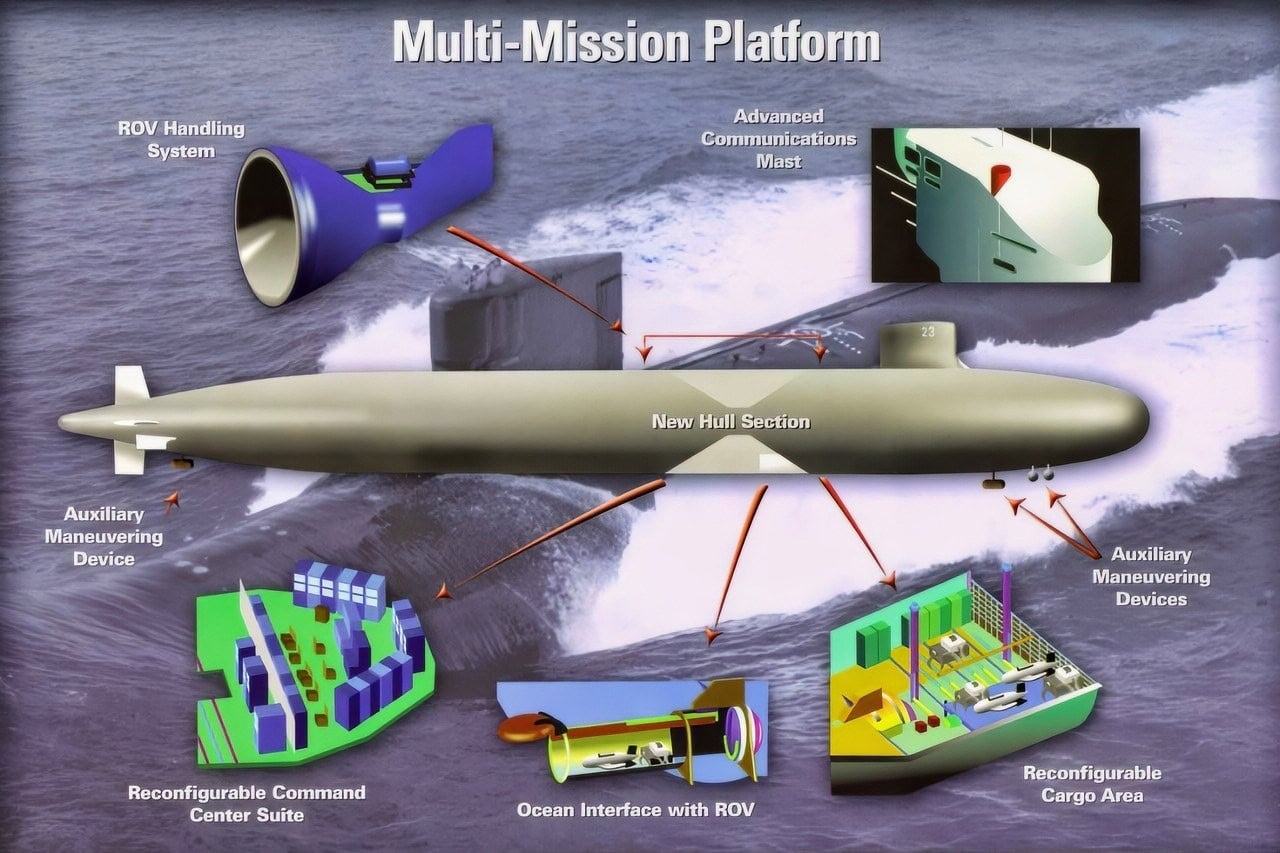
Summary and Key Points: USS Jimmy Carter (SSN-23) is the third and most modified Seawolf-class attack submarine, built around a 100-foot multi-mission platform designed for covert undersea tasks.
-The added section enables a flexible “ocean interface” that can deploy and recover specialized payloads, divers, and remotely operated vehicles without relying on torpedo tubes, while auxiliary precision thrusters help the boat hold position on the seafloor.
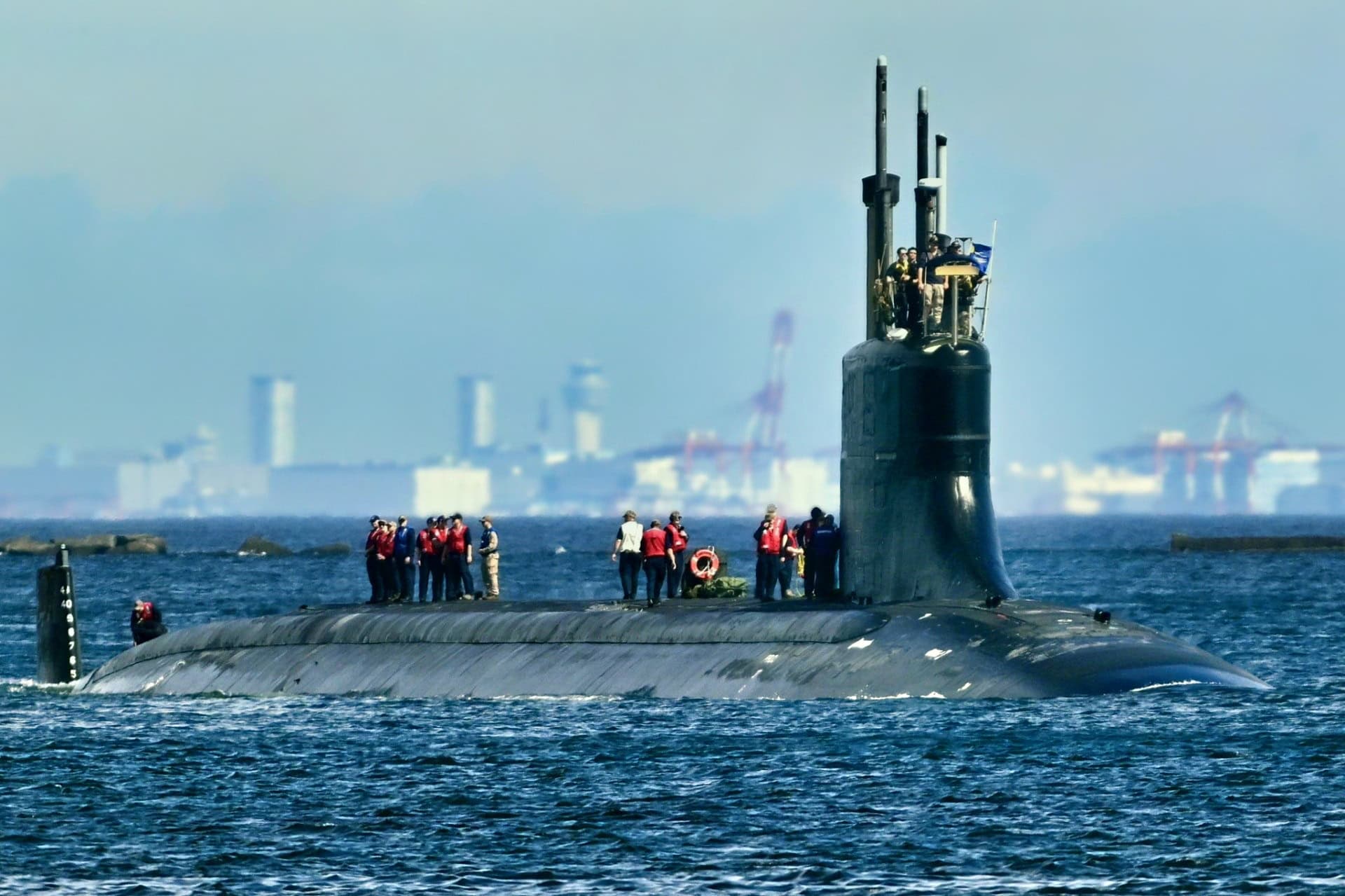
Seawolf-Class Submarine. Image Credit: Creative Commons.
-The piece argues USS Jimmy Carter remains unmatched in speed, stealth, and mission versatility, frames it as worth its $3.5 billion price tag, and presents it as the template for a future seabed-warfare successor.
America’s Most Expensive Attack Sub? Why Seawolf-Class USS Jimmy Carter Costs $3.5 Billion
Commissioned in 2005, the USS Jimmy Carter (SSN-23) is a unique Seawolf-class nuclear-powered fast-attack submarine. The Jimmy Carter is known as a spy submarine because of its special modifications.
The submarine recently completed major maintenance and modernization at Puget Sound Naval Shipyard and is actively performing its unique, covert missions—as evidenced by recent sightings in the Pacific.
This Seawolf-class boat is no ordinary submarine. It races beneath the surface with unmatched speed, stealth, and weaponry, even compared to more modern boats. It is also the most expensive SSN submarine the U.S. Navy has ever built, costing more than $3.5 billion, and it is worth every cent.
SSN-23 is equipped with an additional 100-foot hull extension, the multi-mission platform (MMP), which enables it to launch special equipment such as remotely operated vehicles (ROVs), conduct undersea warfare, deploy Navy SEALs, and potentially tap into undersea cables. The submarine is designed for quiet, deep operations, making it ideal for intelligence gathering and clandestine missions.
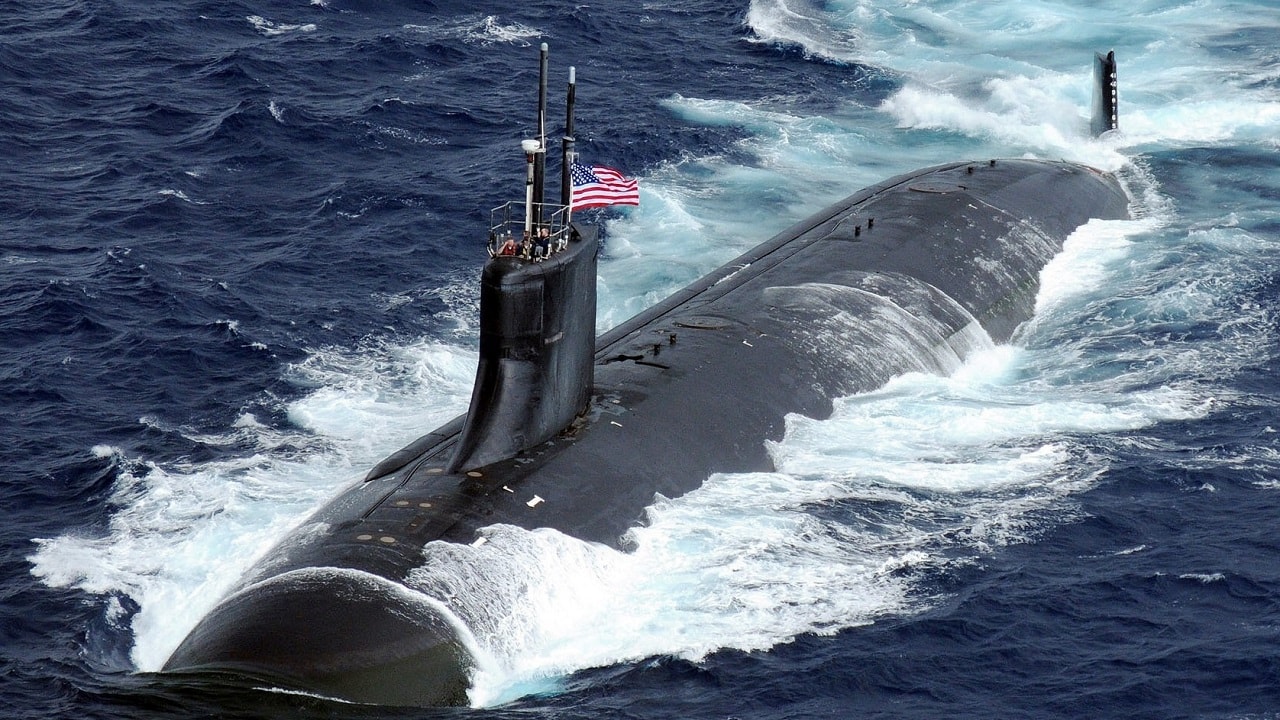
Seawolf-Class Submarine USS Seawolf. Image Credit: Creative Commons.
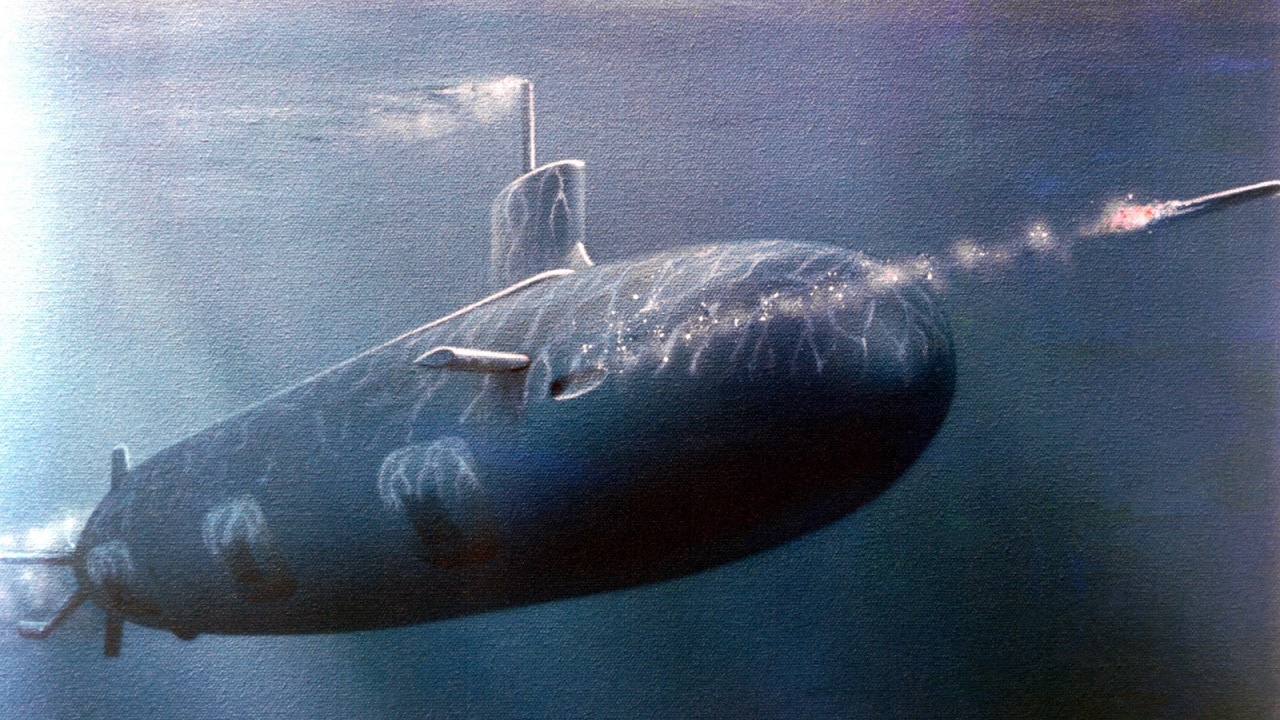
An artist’s concept of the nuclear-powered submarine SEAWOLF (SSN-21).
The Final Seawolf-Class Submarine Is Unique:
The Jimmy Carter was the third and final Seawolf-class submarine. It was modified by Electric Boat to accommodate advanced technologies for naval special warfare, tactical surveillance, and mine warfare operations. It is 100 feet longer than a typical Seawolf submarine, is packed with new technology, and serves as a “mothership” for Navy SEAL teams.
It was named for former President Carter, the only president who ever served on submarines. Carter was a U.S. Navy officer from 1946 to 1953.
Department of Defense studies have described the Navy’s need to develop submarines with “improved payload capabilities and a flexible interface with the undersea environment, without sacrificing Seawolf-class warfighting capability.” According to the Navy, the Jimmy Carter modifications perfectly fit those goals.
The $887 million modification required alterations to the basic Seawolf design in the areas of ballast control, mission-management spaces, and various services.
A unique feature of the modification was the creation of a flexible ocean interface, referred to as the “wasp waist,” which enables the Navy to deploy and recover various payloads without having to use torpedo tubes.
The Jimmy Carter was delivered to the Navy in December 2004 and commissioned in 2005.
The USS Jimmy Carter’s Unique Modifications:
During construction of this MMP submarine, an additional ocean interface (OI) section, sometimes referred to as “the plug,” was inserted into its hull, providing extra space for various missions and equipment.
The OI enables the submarine to launch and recover ROVs, divers, and other payloads without using its torpedo tubes.
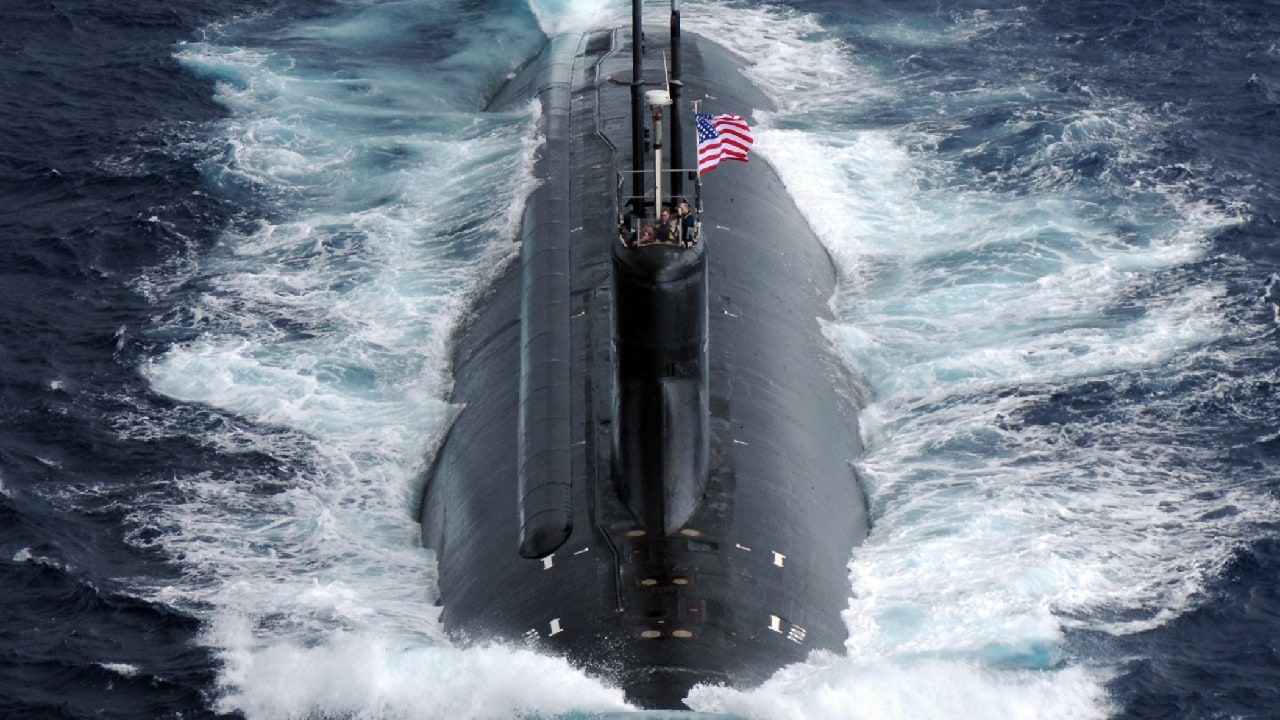
The Seawolf-class fast-attack submarine USS Connecticut transits the Pacific Ocean during Annual Exercise. ANNUALEX is a yearly bilateral exercise with the U.S. Navy and the Japan Maritime Self-Defense Force.
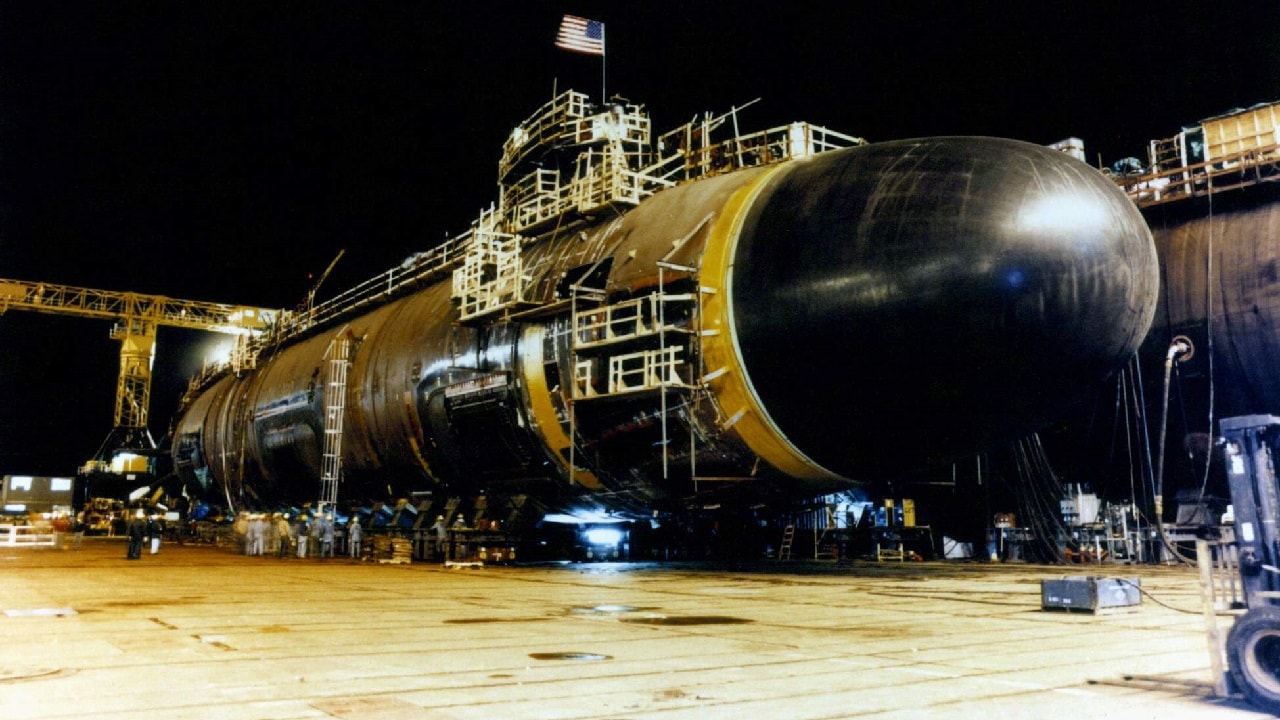
The first of a revolutionary new class of fast attack submarine, the Seawolf (SSN-21). Shown during construction at the Electric Boat Division of General Dynamics Corporation in Groton, Conn. She was christened by Margaret Dalton, wife of Secretary of the Navy John H. Dalton, on June 24, 1995.
The MMP creates a large, floodable hangar area between a smaller internal pressure hull (the “wasp waist”) and the outer hull. This “aquarium” section is filled with seawater and kept at ambient pressure, allowing personnel inside the pressurized hull to operate equipment in the hangar.
The Jimmy Carter also received auxiliary precision thrusters forward and aft, which allow the boat to hold a position relative to a point on the seafloor or a structure—even in tricky currents. Despite its enormous size, the Carter can maneuver like a ballerina.
While there are only two “regular” Seawolf submarines, as well as the Carter, this class is still an outstanding asset. The USS Seawolf (SSN-21) is scheduled for extended maintenance in 2026, leaving the Navy with only the Carter until the USS Connecticut (SSN-22) returns from a five-year dry-dock repair after a collision with an underwater mountain.
Presidential Unit Citation And “The Jolly Roger” Flag:
The crew of the USS Jimmy Carter received the Presidential Unit Citation in 2013 for what has become known as “Mission-7”, with the Navy only saying that it “successfully completed extremely demanding and arduous independent submarine operations of vital importance to the national security of the United States.”
The mission is shrouded in secrecy, but it is widely believed to have involved advanced espionage, such as tapping undersea cables for intelligence gathering in the Pacific. The submarine returned to port in Hawaii for repairs, displaying signs of damage and flying the Jolly Roger flag—a traditional symbol, since World War I, of a successful covert mission.
This led to speculation in 2017 surrounding potential intelligence operations near North Korea.
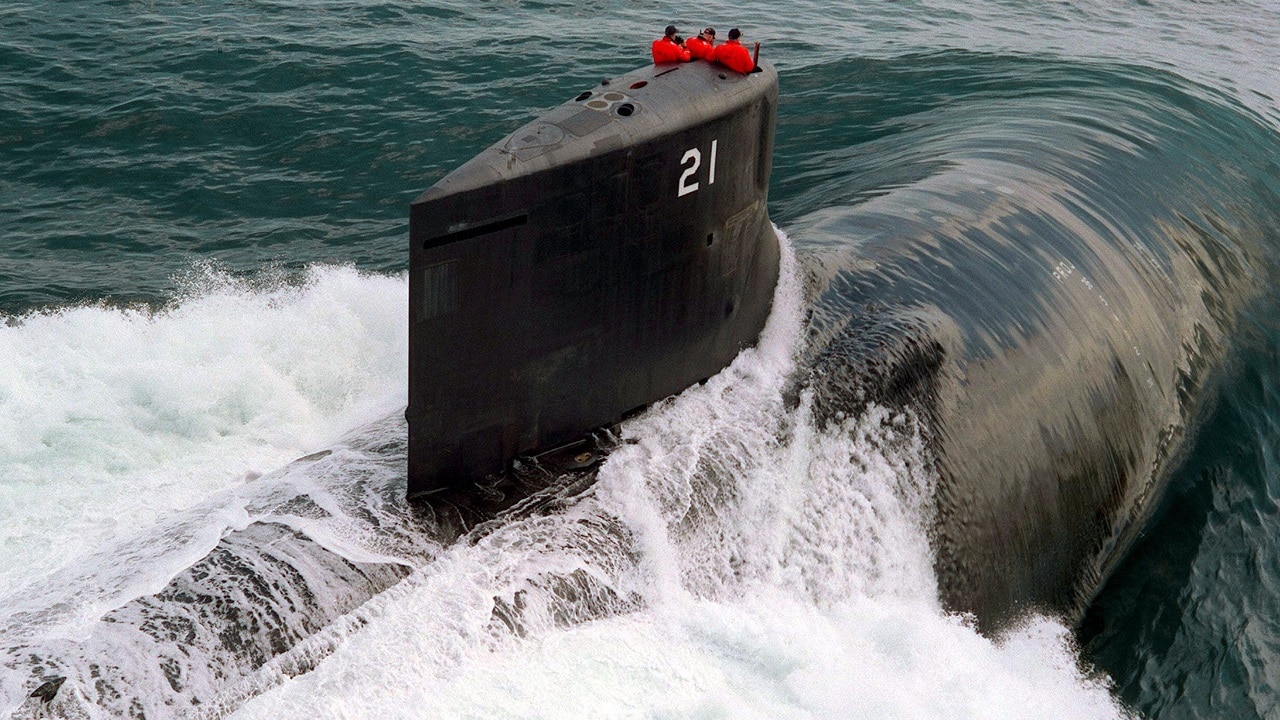
The U.S. Navy’s newest attack submarine, USS Seawolf (SSN 21), conducts Bravo sea trials off the coast of Connecticut in preparation for its scheduled commissioning in July 1997.
Why the Navy Wanted The Seawolf-Class Submarines
The Navy wanted the Seawolf-class submarines to counter increasingly advanced Soviet submarines, such as the Typhoon and Akula classes, during the late Cold War.
The Seawolf design was a next-generation response to this threat, providing unparalleled stealth, speed, and deep-ocean capabilities with advanced sonar and a stronger hull to withstand greater depths.
The ships were also designed to carry a significant arsenal of weapons, including more Tomahawk cruise missiles, and were equipped for both blue-water and shallow-water operations. The Seawolf could race at 35 knots beneath the surface, or go 20 knots in silent mode.
The Seawolf class is actually more advanced than the Virginia-class boats the Navy is building today. The USS Seawolf’s hull was designed to withstand deeper dives; it weighed 9,000 tons, could carry 50 torpedoes and cruise missiles, and had an unsurpassed level of stealth.
The boat was about 300 yards long, packed with weapons and technology, and quieter than a church mouse. When the Soviet Union collapsed in on itself. The 29 Seawolf submarines the Navy wanted were reduced to 12, and then to three.
In another short-sighted move toward the future, the Pentagon cut the program to the bone. The Clinton administration’s “peace dividend” was a mistake that the DoD is still paying for today.
The Navy would love to have another 26 Seawolf submarines today—and another USS Jimmy Carter (or two).
Reports indicate that a new Modified Virginia-class seabed warfare submarine is planned as a successor to the USS Jimmy Carter. That submarine will have mighty big shoes to fill.
Until then, the SSN-23 will exemplify its motto, “Semper Optima,” and remain “Always the Best.”
About the Author: Steve Balestrieri
Steve Balestrieri is a National Security Columnist. He served as a US Army Special Forces NCO and Warrant Officer. In addition to writing on defense, he covers the NFL for PatsFans.com and is a member of the Pro Football Writers of America (PFWA). His work was regularly featured in many military publications.