
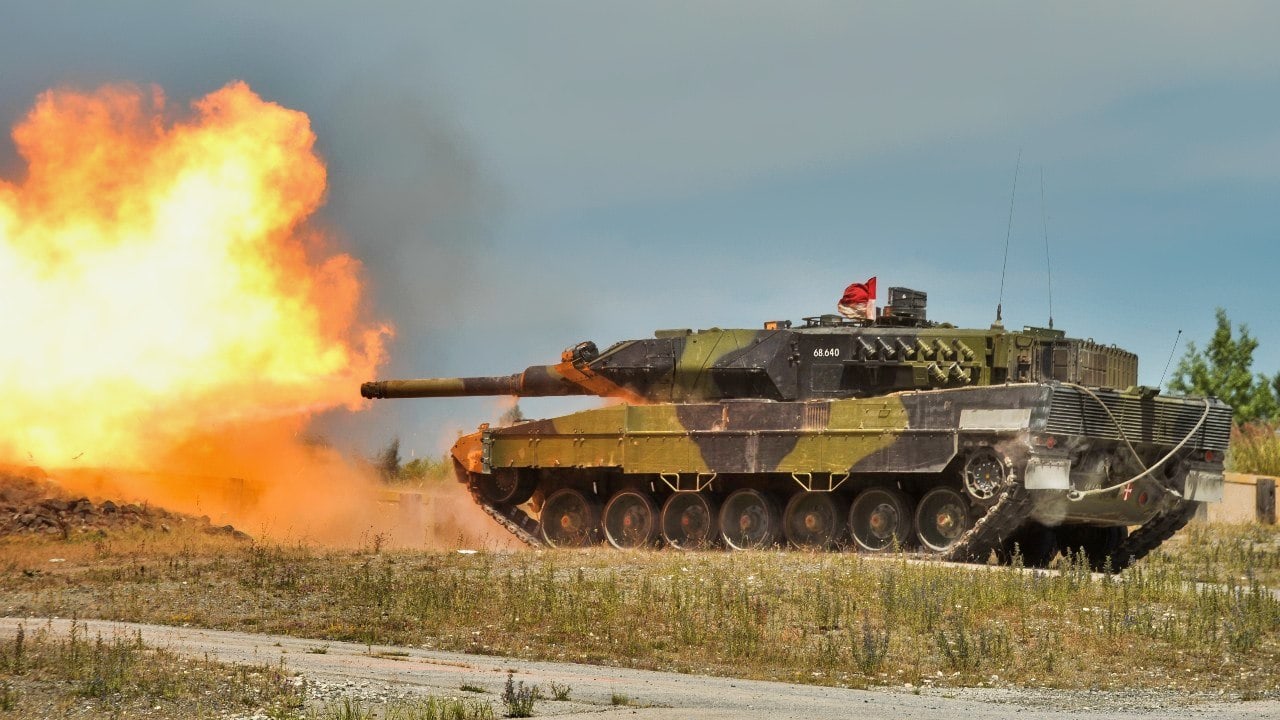
Summary and Key Points: Defense analyst Jack Buckby assesses the Leopard 2’s combat record in Ukraine.
-Despite its Rheinmetall 120-mm smoothbore cannon and MTU 1,500-hp engine, the tank has faced significant attrition from Russian Kornet anti-tank missiles and FPV drones targeting thin top armor.
-This report analyzes the logistical challenges of maintaining a fleet across Poland and Spain, noting that the absence of full NATO combined-arms support has made these advanced platforms targets in attritional warfare.
The Leopard 2 Reality Check: Why even the Best Tank on Earth Struggles in Ukraine’s 2026 Drone Environment
The German-made Leopard 2 is widely considered one of the most capable main battle tanks ever built. Some even say it might be the best tank on Earth today.
With a powerful 1,500-horsepower engine, advanced optics, and a lethal 120-mm cannon, it has long been regarded as the gold standard of Western armored warfare.
Yet the tank’s deployment in Ukraine since 2023 has produced mixed results, revealing how even the most sophisticated platforms can struggle when operating without the logistics, training, and combined-arms support they were designed for.
Ukrainian forces received Leopard 2 tanks from multiple NATO countries as part of an effort to strengthen Kyiv’s ability to counter Russian armored formations. However, battlefield realities – from maintenance challenges to the rise of drone warfare – have complicated their use. It’s all forming an important lesson emerging from the Ukraine war: advanced equipment alone does not guarantee battlefield success.
One of the World’s Most Advanced Tanks
The Leopard 2 was developed in the 1970s by German manufacturer Krauss-Maffei Wegmann as a successor to the Leopard 1, entering service with the West German Army in 1979. Designed during the Cold War to counter large Soviet armored formations, the tank was designed for improved mobility and firepower.
The platform is powered by the MTU MB 873 Ka-501 diesel engine, producing roughly 1,500 horsepower, giving the tank a top speed of around 70 kilometers per hour, depending on the variant.
Its primary weapon is the Rheinmetall Rh-120 120-mm smoothbore cannon, capable of firing a range of advanced ammunition types designed to defeat modern armor.
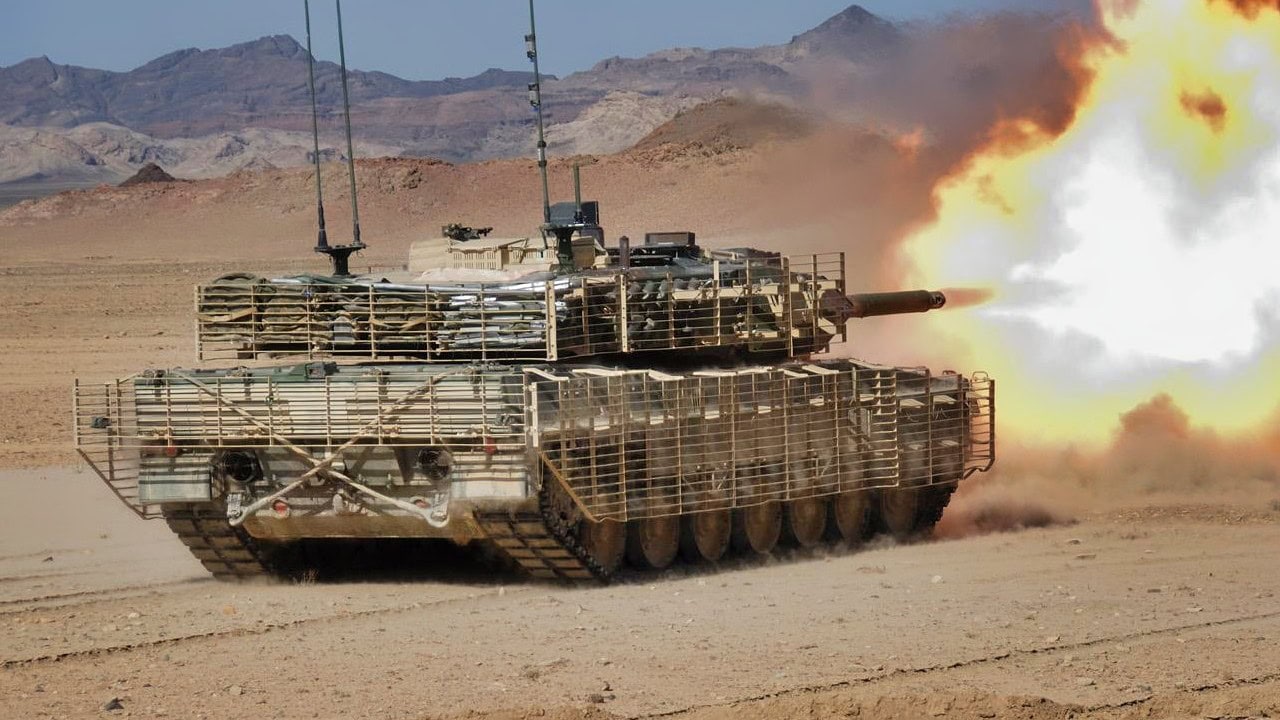
Canada Military Leopard C2 Tank.
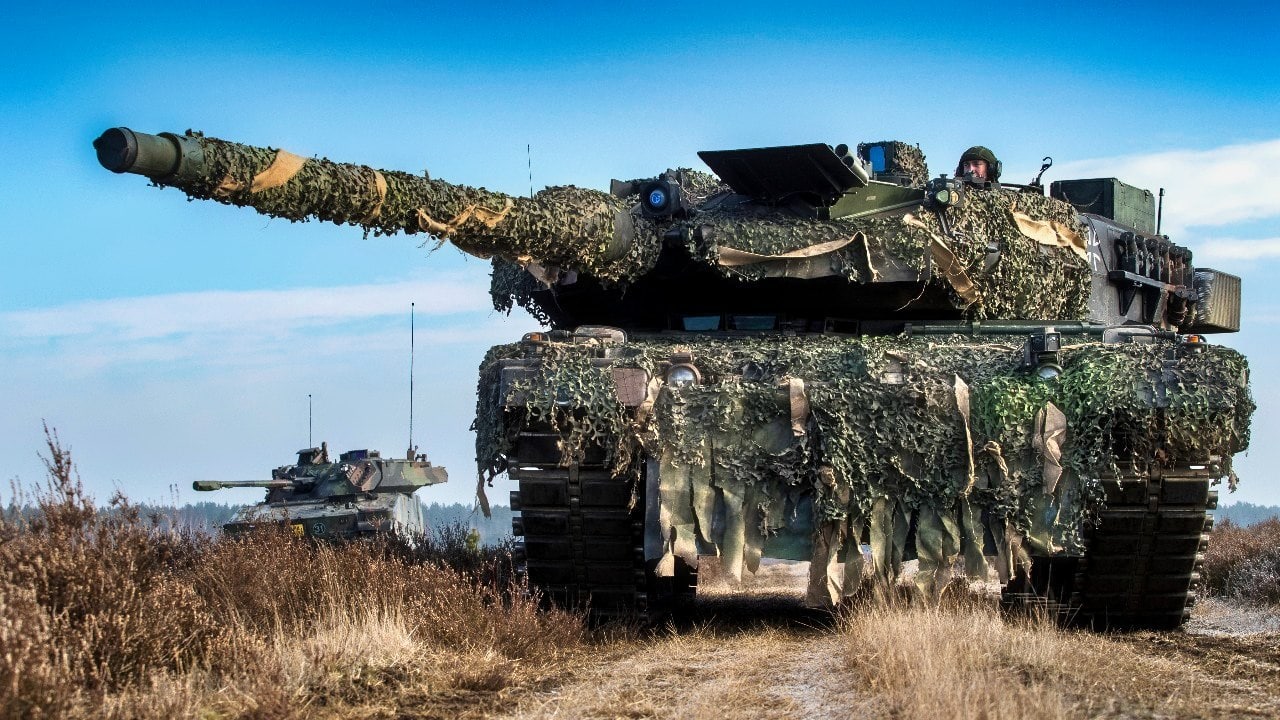
Germany Military Leopard 2 Tank.
Today, the Leopard 2 is operated by more than a dozen NATO and partner nations, including Germany, Poland, Finland, Canada, and Spain, making it one of the most widely used Western tanks. These features have long contributed to the tank’s reputation as one of the most capable armored vehicles in the world.
Ukraine’s Leopard 2 Fleet and the Challenges They Face
Ukraine began receiving Leopard 2 tanks in 2023 after months of debate among Western governments over whether advanced armor should be transferred to Kyiv. Germany initially approved the export of its own tanks while allowing other European countries operating Leopard 2s to transfer theirs as well.
Several countries, including Poland, Norway, Spain, and Canada, contributed tanks to Ukraine’s new armored units. However, operating the Leopard 2 has proven difficult for Ukrainian forces in several respects. The tank’s advanced systems require specialized training and maintenance infrastructure that Western militaries normally provide through extensive logistics networks.
The tank’s engine and fire-control systems require extensive maintenance support, too. Repair facilities capable of handling Leopard 2s were initially located outside of Ukraine, also, requiring damaged tanks to be transported to Poland or other countries for any major work. That logistical complexity has sometimes limited the number of operational tanks that were available on the front line.
Drone Warfare Changes Everything
Another major factor affecting the performance of Leopard 2 tanks in Ukraine is the proliferation of drones and modern anti-tank weapons. Both Ukrainian and Russian forces have increasingly relied on small drones for reconnaissance and attack missions, including so-called first-person-view (FPV) drones that can strike armored vehicles from above.
Those drones often target the relatively thinner armor on the top of tanks – the areas that were historically less protected because earlier threats mainly came from other tanks or ground-based missiles. Today, they’re a window of opportunity for soldiers armed with new tech.
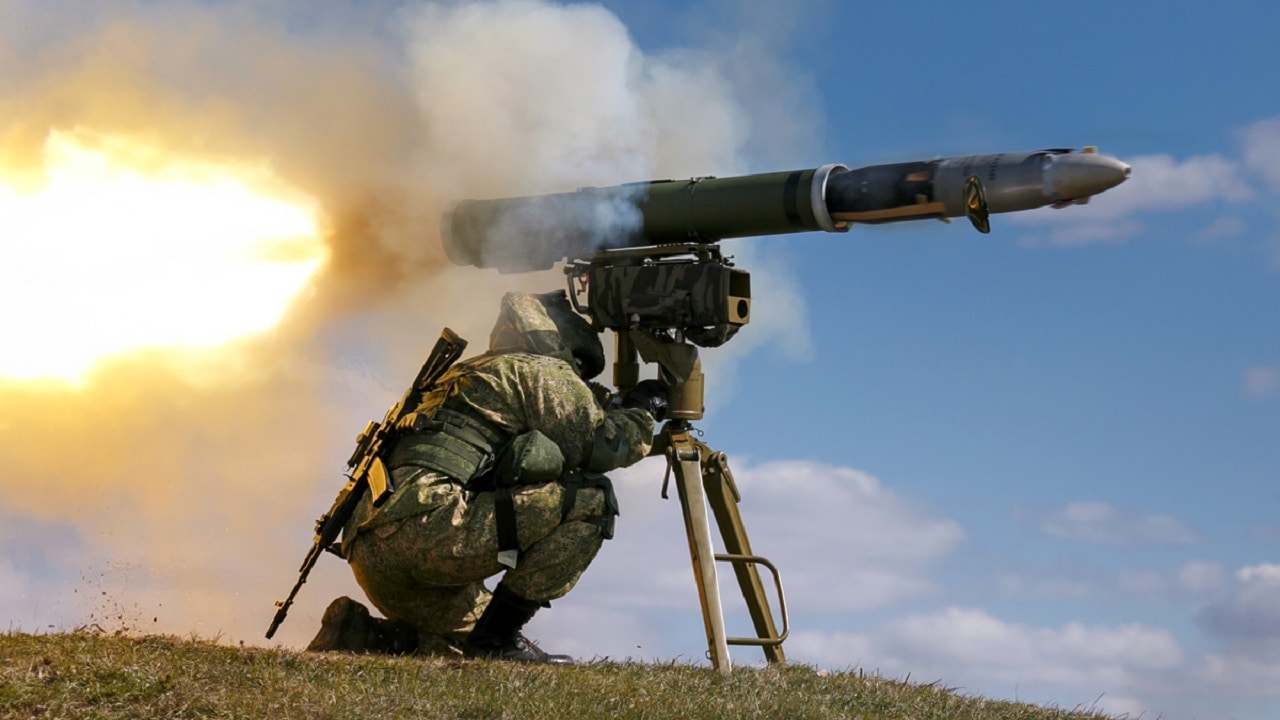
Kornet Anti-Tank Missile. Image Credit: Creative Commons.
Russian forces have also deployed anti-tank guided missiles such as the Kornet and other systems capable of penetrating modern armor.
As a result, even advanced Western tanks – including Leopard 2s and U.S.-supplied M1 Abrams – have faced significant threats when operating without adequate air defense or electronic warfare support.
New Tactics Are Necessary
Another issue affecting Leopard 2 operations in Ukraine is the absence of the full combined-arms doctrine that Western militaries typically use with heavy armor. In NATO doctrine, tanks rarely operate alone. Instead, they work alongside infantry, artillery, drones, air defense systems, and airpower in coordinated operations designed to protect the armored force while maximizing its offensive potential.
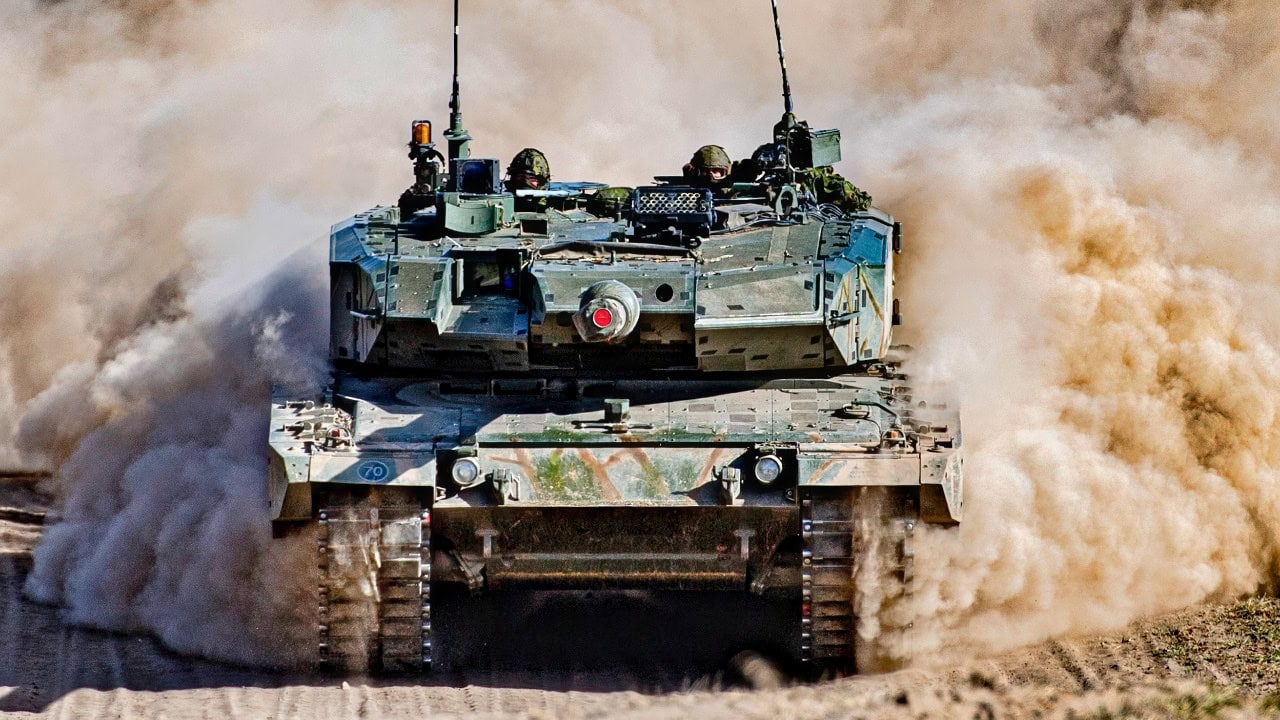
A Leopard 2A4 tank from Lord Strathcona’s Horse (Royal Canadians) drives on the Black Route of the 3rd Canadian Division Support Base Garrison Wainwright Training Area in preparation for Exercise MAPLE RESOLVE 21 on April 28, 2021.
However, the battlefield conditions in Ukraine – especially during counteroffensives in heavily fortified areas – have sometimes forced armored units to operate in more limited or isolated ways. Russia has constructed extensive defensive lines featuring minefields, anti-tank obstacles, and layered artillery support. These defenses have made large armored breakthroughs difficult and turned many operations into slower, attritional fights.
The Leopard 2 remains one of the most capable tanks ever developed, combining strong firepower with mobility and protection. But Ukraine’s experience with the platform demonstrates that even advanced Western systems depend heavily on logistics and integrated battlefield support.
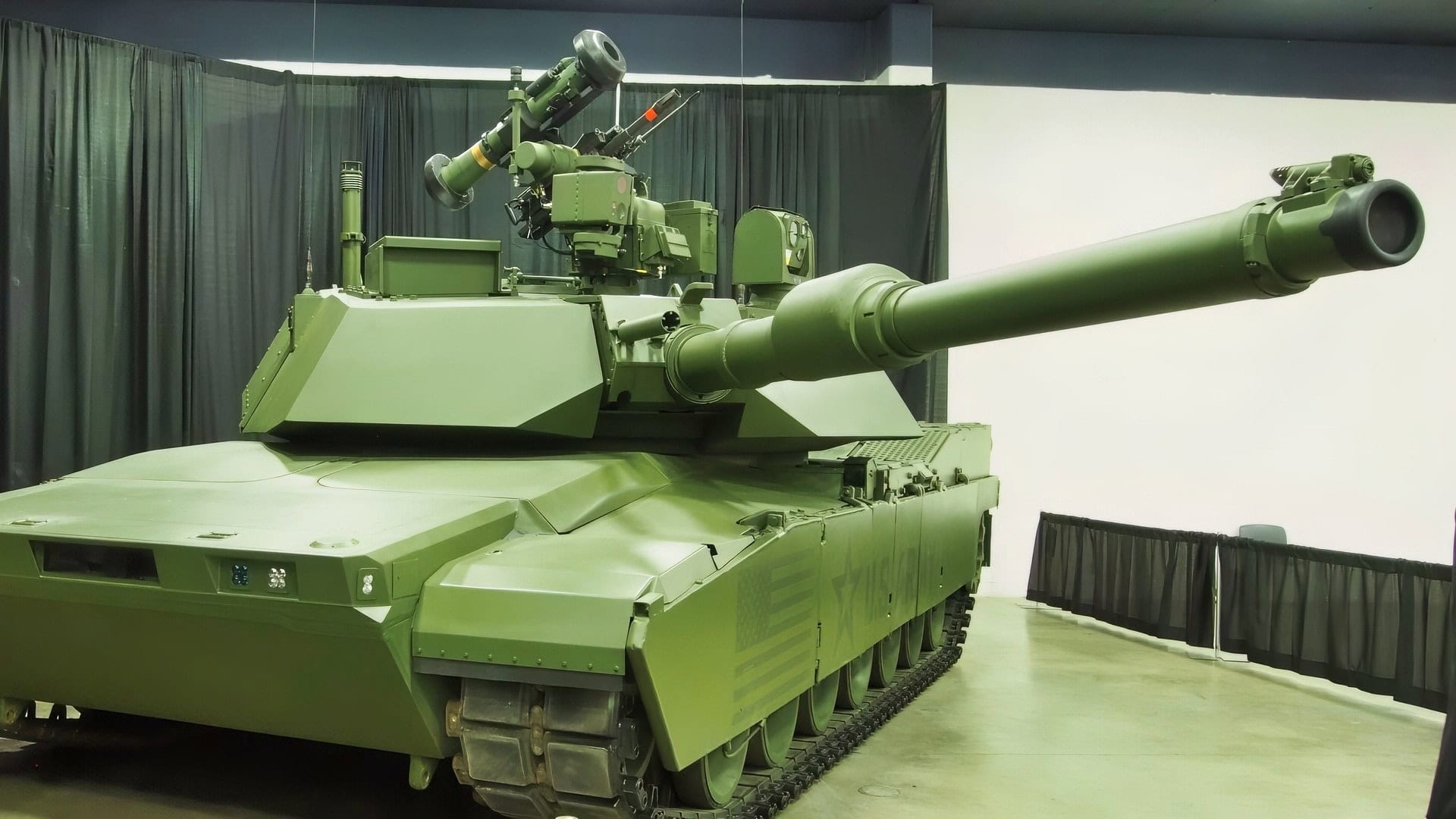
M1E3. 19FortyFive Image from the Detroit Auto Show.
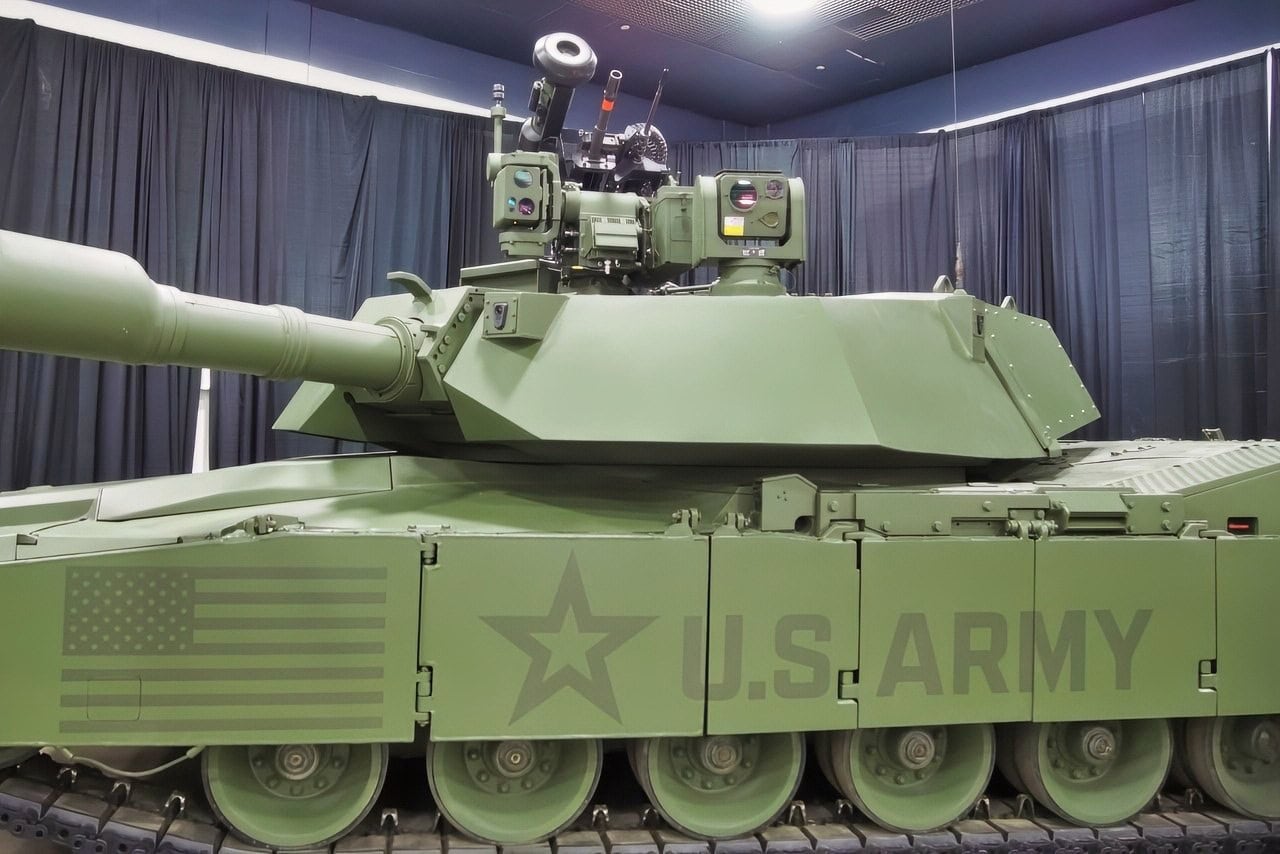
M1E3 from the Detroit Auto Show. Taken by 19FortyFive.com on 1/17/2026.
Modern warfare – especially the drone-saturated battlefield seen in Ukraine – is testing armored vehicles in ways their designers never fully anticipated.
About the Author: Jack Buckby
Jack Buckby is a British researcher and analyst specialising in defence and national security, based in New York. His work focuses on military capability, procurement, and strategic competition, producing and editing analysis for policy and defence audiences. He brings extensive editorial experience, with a career output spanning over 1,000 articles at 19FortyFive and National Security Journal, and has previously authored books and papers on extremism and deradicalisation.