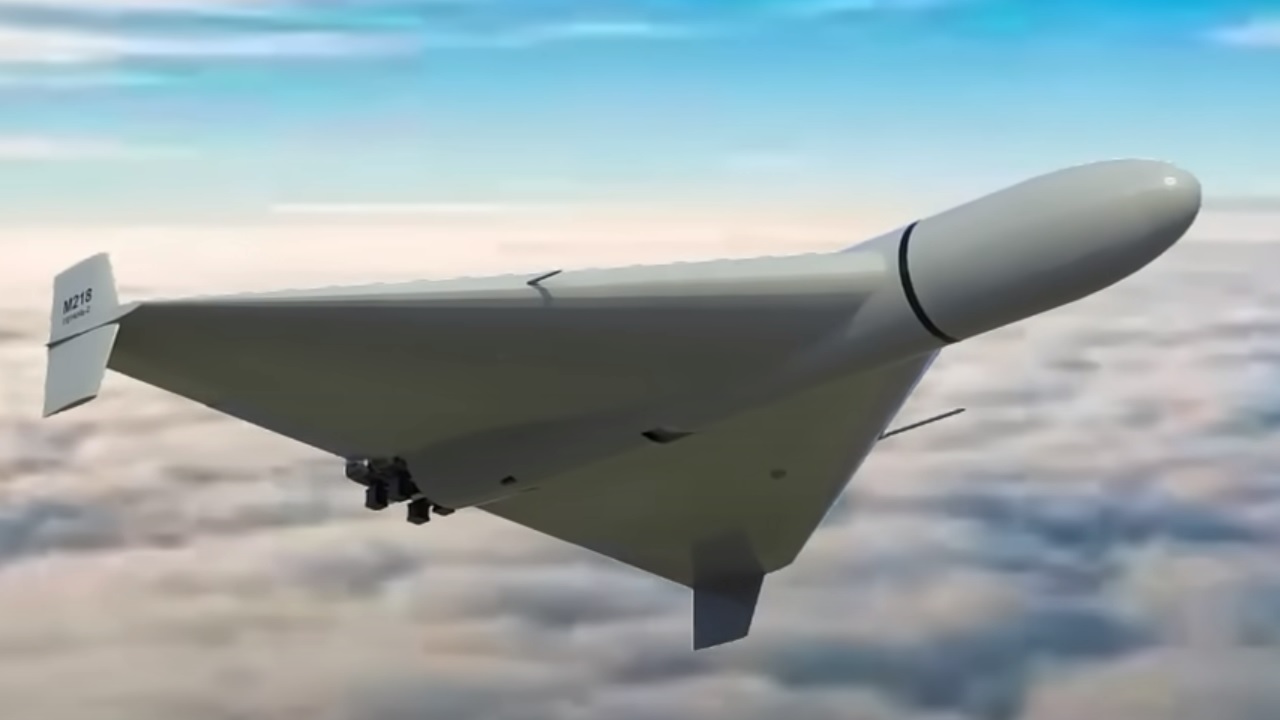
Summary and Key Points: The U.S. Central Command (CENTCOM) has confirmed the first combat use of the LUCAS drone, a low-cost loitering munition developed by Arizona-based SpektreWorks.
-Modeled after the Iranian Shahed-136, the LUCAS offers a $35,000 “kamikaze” alternative to expensive cruise missiles, enabling sustained “swarm-style” attacks against Iranian military infrastructure.
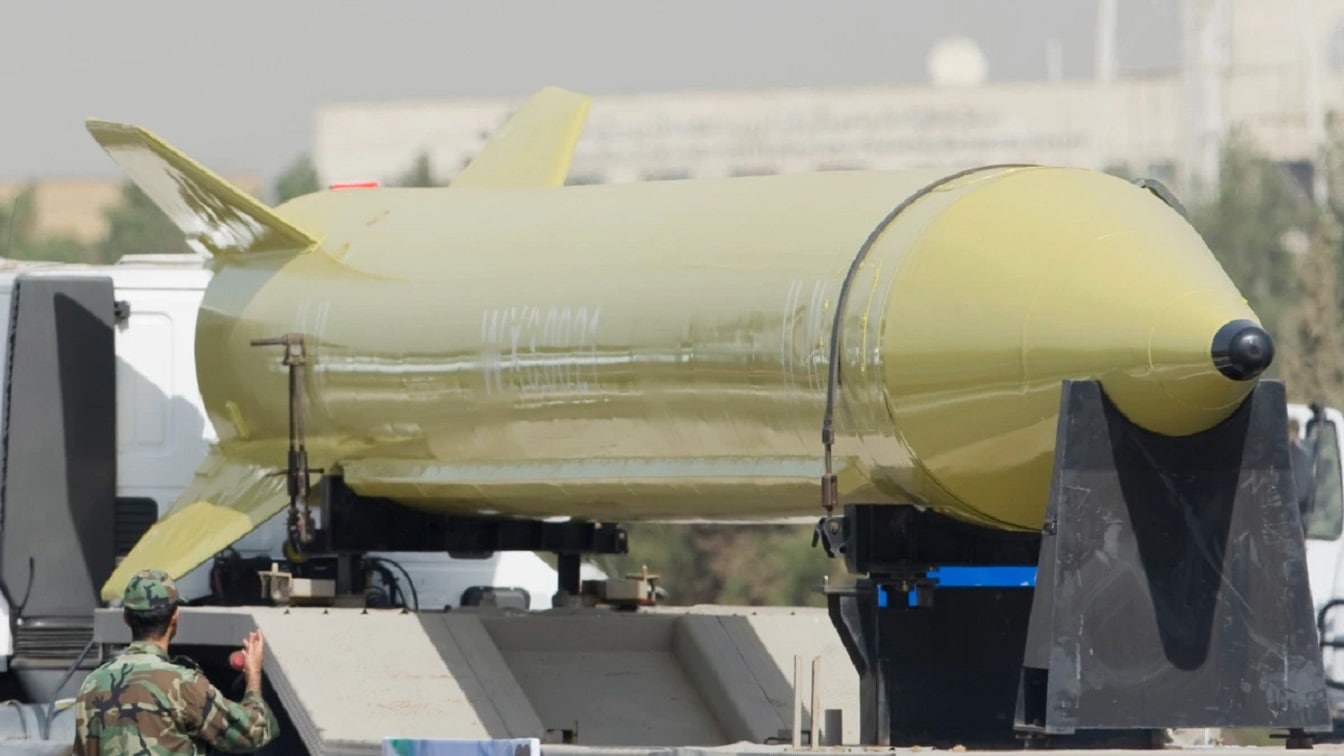
Iranian Ballistic Missile. Image Credit: Creative Commons.
-This 19FortyFive report analyzes how Task Force Scorpion Strike utilizes the drone’s autonomous coordination and mobile launch platforms to preserve U.S. high-end missile stocks.
-With President Trump declaring Iran’s air defenses “gone” as of Tuesday, the LUCAS has become the primary tool for low-cost, high-impact regional attrition.
America’s LUCAS Drone Is Now Striking Iran
As the United States and Israel press ahead with strikes on Iranian military and terrorist infrastructure, a detail has emerged from the early days of this campaign: how Washington can turn Tehran’s own playbook on itself.
A long-range, one-way “kamikaze” drone has been used by the U.S. in this recent combat. The so-called Low-Cost Unmanned Combat Attack System (LUCAS) was reportedly used throughout Operation Epic Fury. CENTCOM said Task Force Scorpion Strike used the drones “for the first time in history” during the operation, lauding them as low-cost systems “modeled after Iran’s Shahed drones.” Shahed-136s are an Iranian-designed loitering munition that Russia has used extensively against civilian and military targets in Ukraine.
Arizona-based SpektreWorks developed the drones after U.S. officials examined and reverse-engineered parts of the Shahed design.
Each LUCAS unit is worth around $35,000, a fraction of the price of traditional cruise missiles or advanced precision-guided weapons that can cost millions. CENTCOM spokesperson Navy Capt. Tim Hawkins told The War Zone in December that the drone offers “cutting-edge capabilities at a fraction of the cost of traditional long-range U.S. systems.”
Just like its inferior Iranian counterpart, LUCAS can fly toward targets and detonate on impact. It can be launched from catapults, rocket-assisted systems, or mobile platforms, and can participate in swarm-style attacks via autonomous coordination.
The Iranian regime has used Shahed drones to indiscriminately strike targets across the Middle East and, via Russia, in Ukraine. Now the U.S. is using an improved version of the Islamic Republic’s design against it.
LUCAS’ debut has arrived amid heightened tensions, with erstwhile Defense Secretary Mark Esper telling CNBC that the U.S. is not set up for a long-term, high-intensity campaign, partly due to limited stockpiles of Patriot and THAAD interceptors and long-range strike weapons. But it seems a lengthy conflict may not be required at all, with U.S. President Trump telling Politico on Tuesday that Iran’s ammunition and essential military capabilities were wearing thin, but that he is “open to working with elements of the regime that survive.”
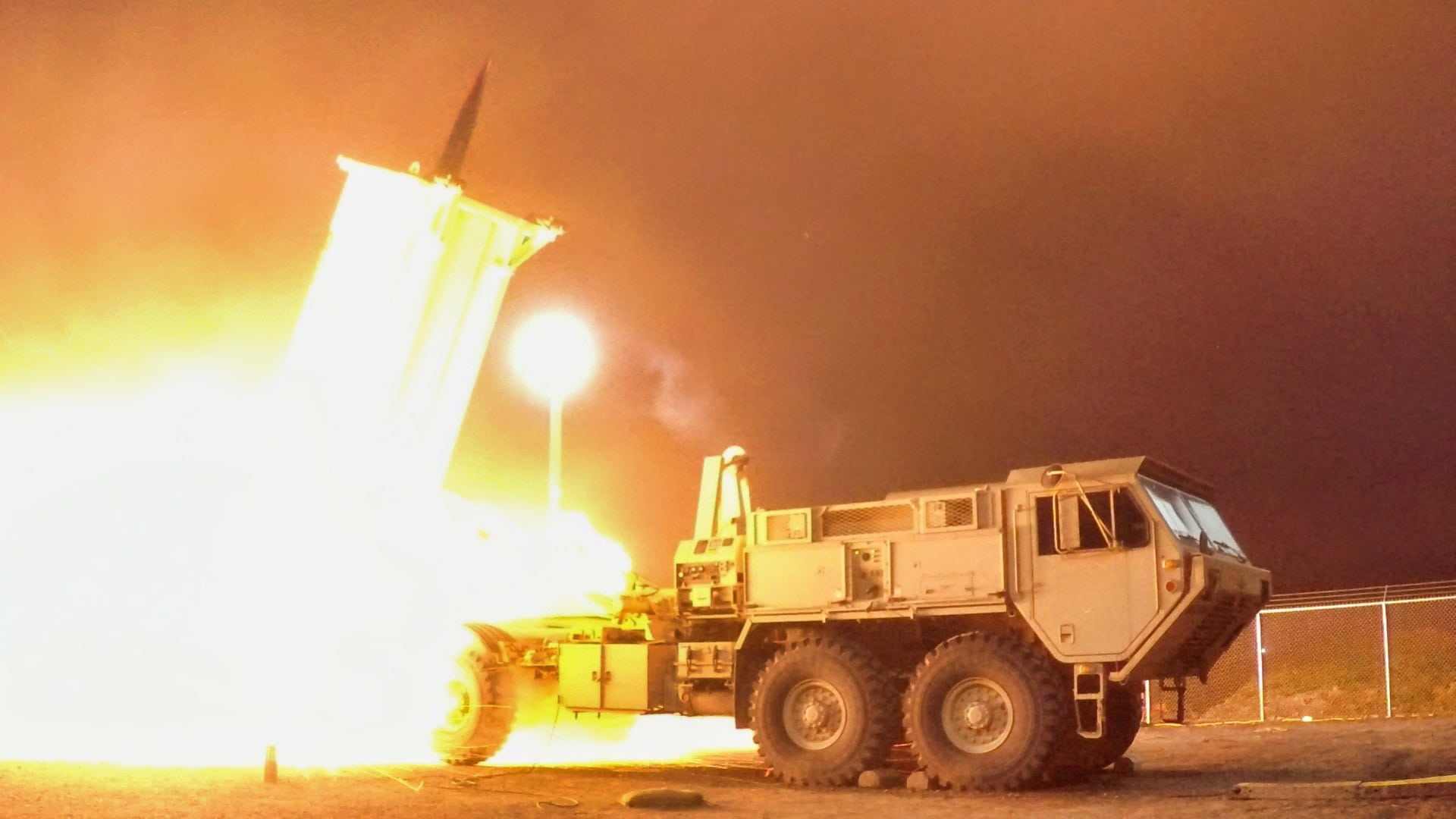
THAAD. Image Credit: Department of Defense.
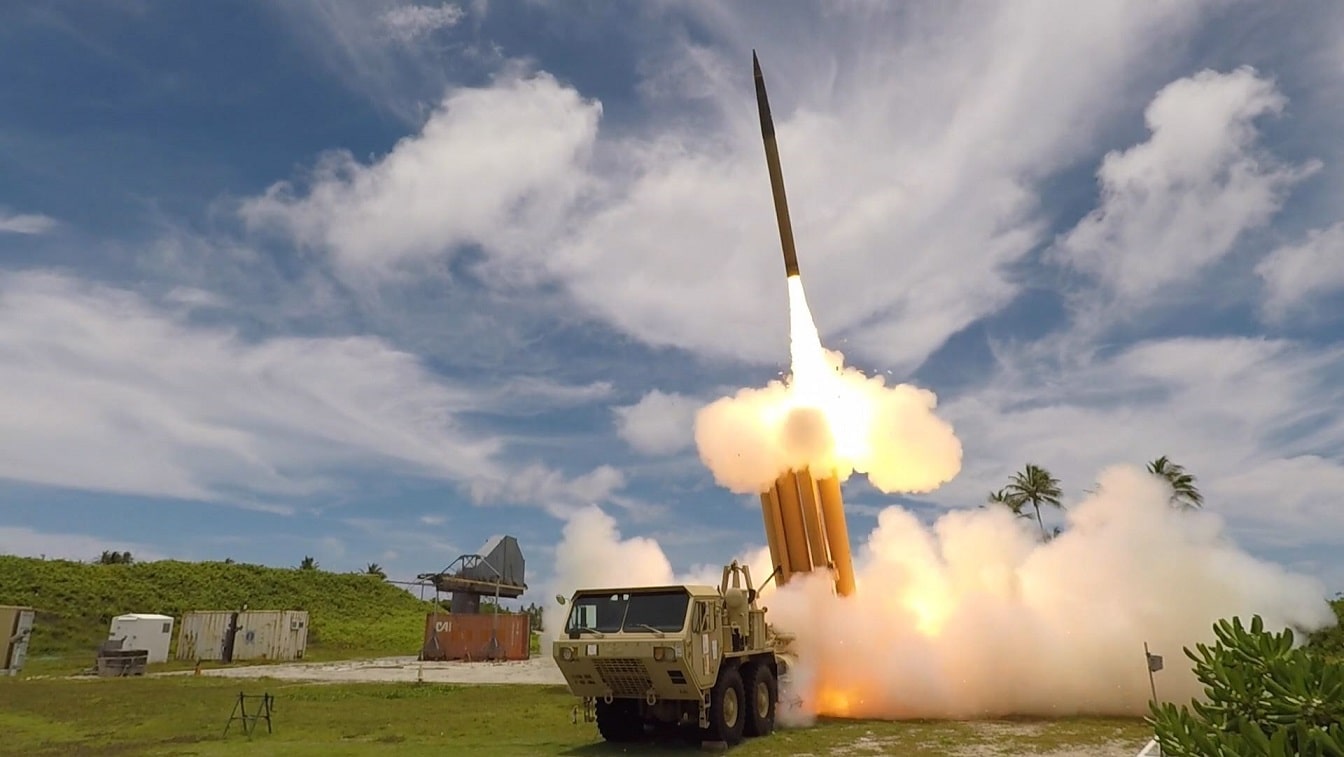
THAAD Missile Defense Battery Firing. Image Credit: Lockheed Martin.
The White House has officially stated that it is aiming to destroy the Iranian regime’s missiles and eliminate its navy. Trump claimed on Tuesday that it is “too late for talks”, as Iran has no functioning navy and air force, and that their air defenses are “gone.”
Trump has previously indicated the campaign could continue “as long as necessary,” raising the prospect of sustained operations. If so, the LUCAS drone could signal an important shift toward cheaper, scalable systems designed not only to strike effectively against global threats, but to preserve Washington’s precious stocks of high-end missiles.
About the Author: Georgia Gilholy
Georgia Gilholy is a journalist based in the United Kingdom who has been published in Newsweek, The Times of Israel, and the Spectator. Gilholy writes about international politics, culture, and education. You can follow her on X: @llggeorgia.