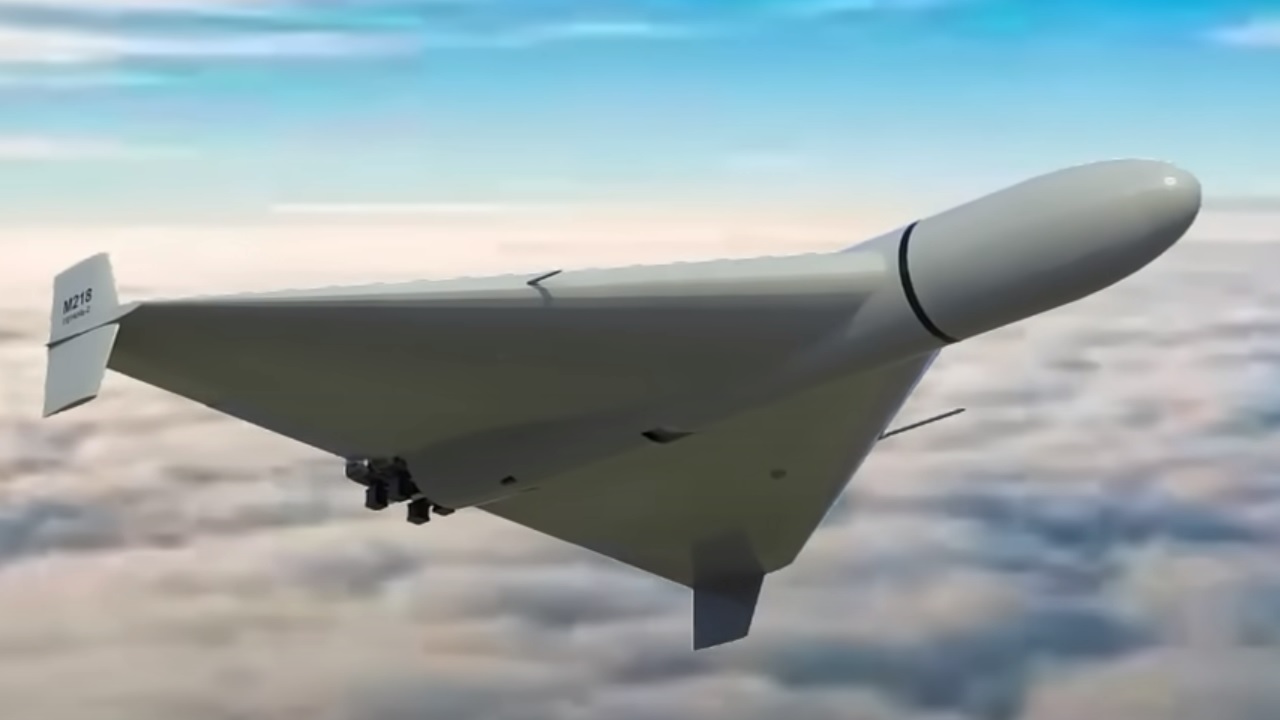
Summary and Key Points: Military expert Kris Osborn analyzes Iran’s asymmetric naval strategy in the Strait of Hormuz, where low-cost Unmanned Aerial Vehicles (UAVs) threaten 20% of global oil transit.
-By utilizing saturation attacks, Iran aims to overwhelm Aegis-equipped destroyers and commercial tankers with sheer volume.
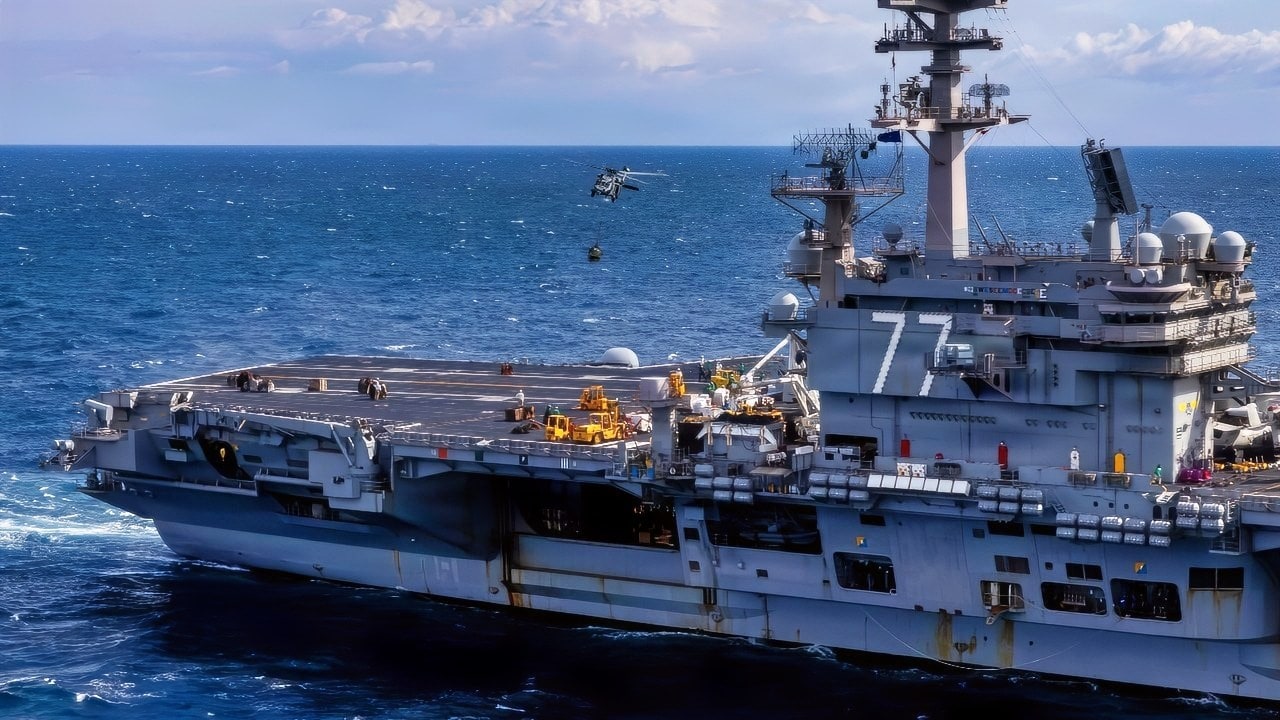
A MH-60S Seahawk helicopter assigned to the “Nightdippers” of Helicopter Sea Combat Squadron (HSC) 5 delivers cargo to the Nimitz-class aircraft carrier USS George H.W. Bush (CVN-77) during a vertical replenishment in the Atlantic Ocean, Feb. 15, 2026. The George H.W. Bush Carrier Strike Group is at sea training as an integrated warfighting team. Composite Training Unit Exercise (COMPTUEX) is the Joint Force’s most complex integrated training event and prepares naval task forces for sustained high-end Joint and combined combat. Integrated naval training provides combatant commanders and America’s civilian leaders highly capable forces that deter adversaries, underpin American security and economic prosperity, and reassure Allies and partners. (U.S. Navy photo by Mass Communication Specialist 2nd Class Mitchell Mason)
-Osborn emphasizes the unfavorable cost-exchange ratio, noting that $20,000 Shahed-style drones often force the expenditure of multi-million dollar interceptor missiles.
-As part of Operation Epic Fury dynamics in 2026, these “stand-in” threats leverage the strait’s narrow 21-nautical-mile geography to complicate CENTCOM maritime security and drive up global insurance premiums.
Closing the Strait of Hormuz: Iran’s Drone Swarm Strategy Targets Global Oil
Iran’s growing use of low-cost drones presents a serious strategic challenge in the Strait of Hormuz, one of the most important waterways for the global economy.
Located between Iran and Oman, this narrow passage connects the Persian Gulf to the Gulf of Oman and serves as a vital route for global energy shipments.
Roughly one-fifth of the world’s oil and significant volumes of liquefied natural gas pass through the strait each day, meaning any disruption can have immediate worldwide economic consequences. This is now unfolding as Iran seeks to close the Strait of Hormuz and continues to attack commercial ships transiting through the chokepoint.
Low-cost drones give Iran an asymmetric tool that allows it to threaten shipping and naval forces without relying on expensive conventional weapons.
Many Iranian drones are relatively simple systems designed for mass production and use in large numbers. Analysts estimate that Iran’s drone industry could produce thousands of drones each month, enabling sustained operations even during extended conflicts.
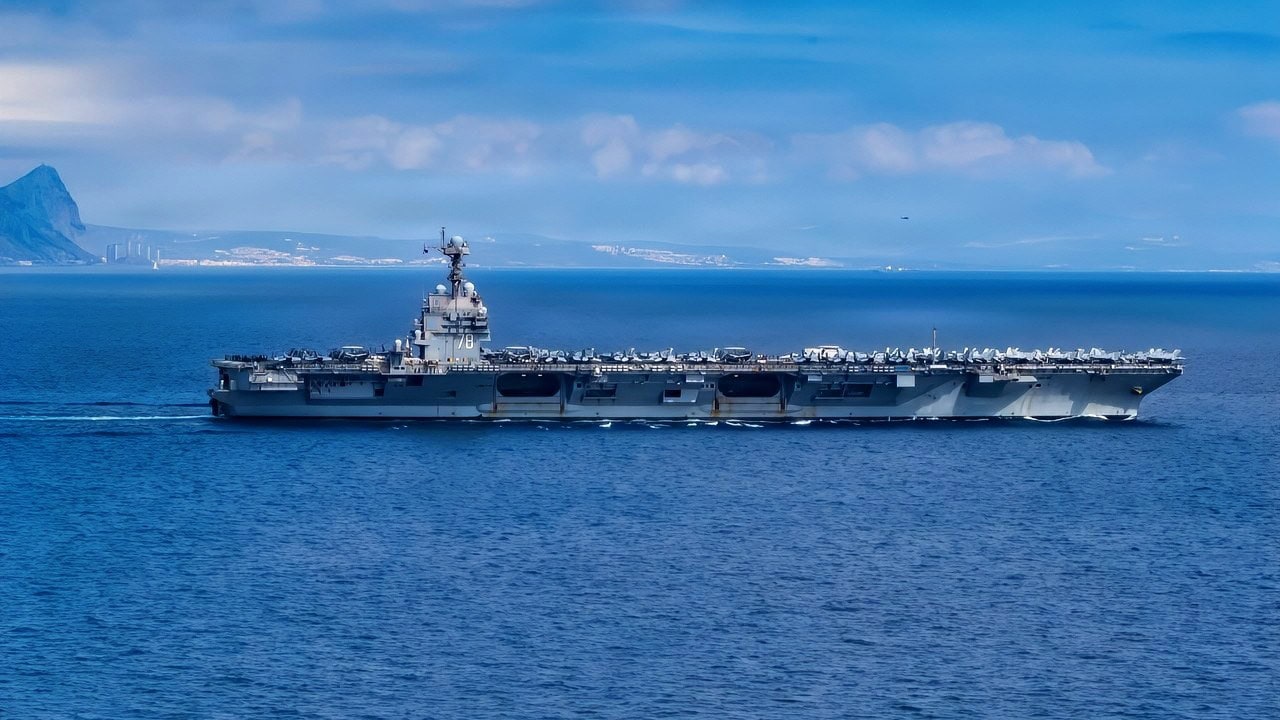
The world’s largest aircraft carrier, USS Gerald R. Ford (CVN 78), transits the Strait of Gibraltar, Oct. 1, 2025. Gerald R. Ford, a first-in-class aircraft carrier and deployed flagship of Carrier Strike Group Twelve, is on a scheduled deployment in the U.S. 6th Fleet area of operations to support the warfighting effectiveness, lethality and readiness of U.S. Naval Forces Europe-Africa, and defend U.S., Allied and partner interests in the region. (U.S. Navy photo by Mass Communication Specialist Seaman Apprentice Alyssa Joy)
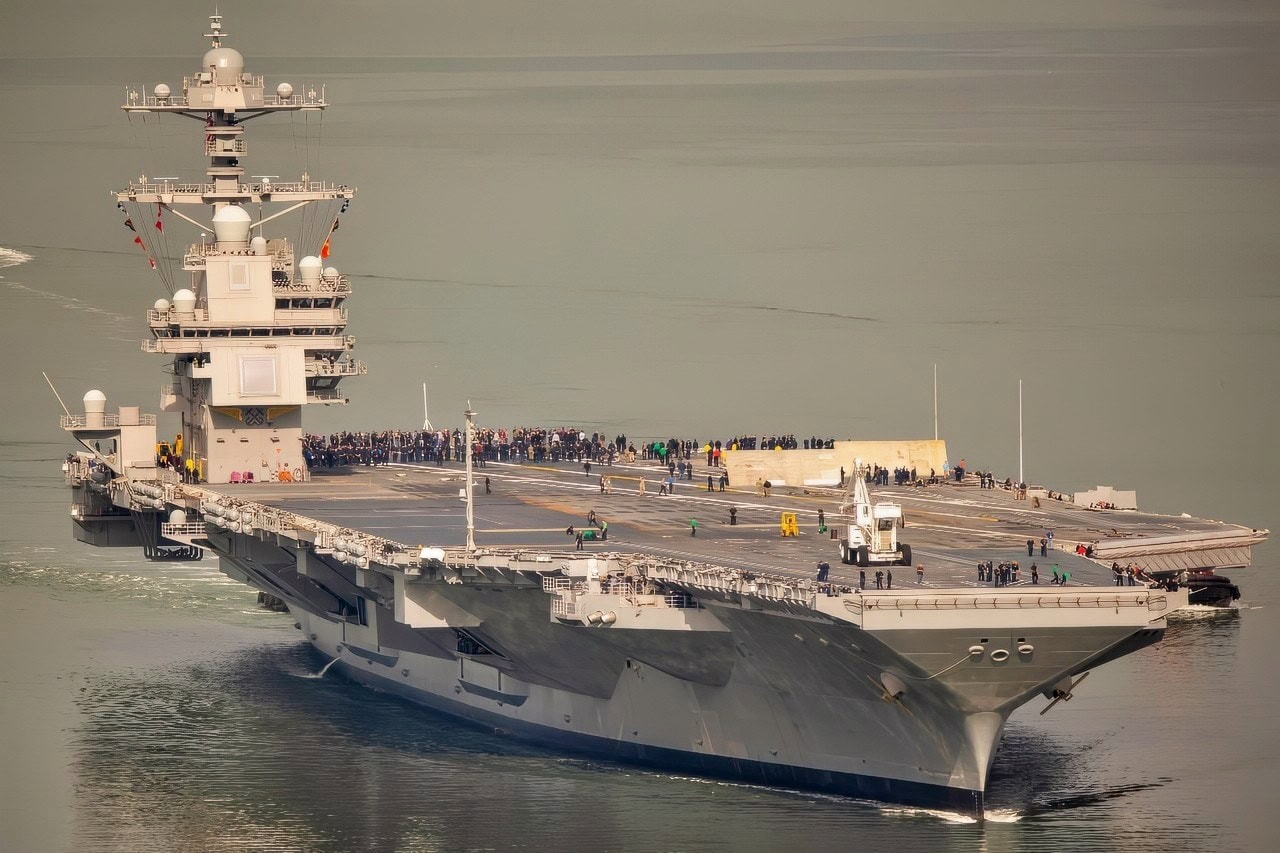
NEWPORT NEWS, Va. (Oct. 25, 2019) USS Gerald R. Ford (CVN 78) gets underway for the first time since beginning its post-shakedown availability July 2018. Ford is currently conducting sea trials, a comprehensive test of the ship’s systems and technologies. (U.S. Navy photo by Mass Communication Specialist 3rd Class Connor Loessin)
This ability to manufacture large quantities means Iran could maintain pressure on maritime traffic for long periods, launching repeated waves of drones against ships or coastal infrastructure.
Saturation Attacks
One of the most significant challenges posed by these drones is their ability to carry out “saturation attacks.”
Instead of relying on a single sophisticated weapon, Iran can launch multiple drones simultaneously in order to overwhelm defensive systems.
Modern naval ships possess advanced air-defense systems, but these defenses can be strained if many targets appear at once.
According to defense analysts, a swarm of drones combined with other threats such as missiles or fast attack boats can overload sensors and interceptors, complicating defensive responses.
Another key issue is the unfavorable cost-exchange ratio. Many Iranian drones cost tens of thousands of dollars, while the interceptor missiles used to destroy them may cost hundreds of thousands or even millions of dollars.
This economic imbalance means that even successful defenses can be financially inefficient.
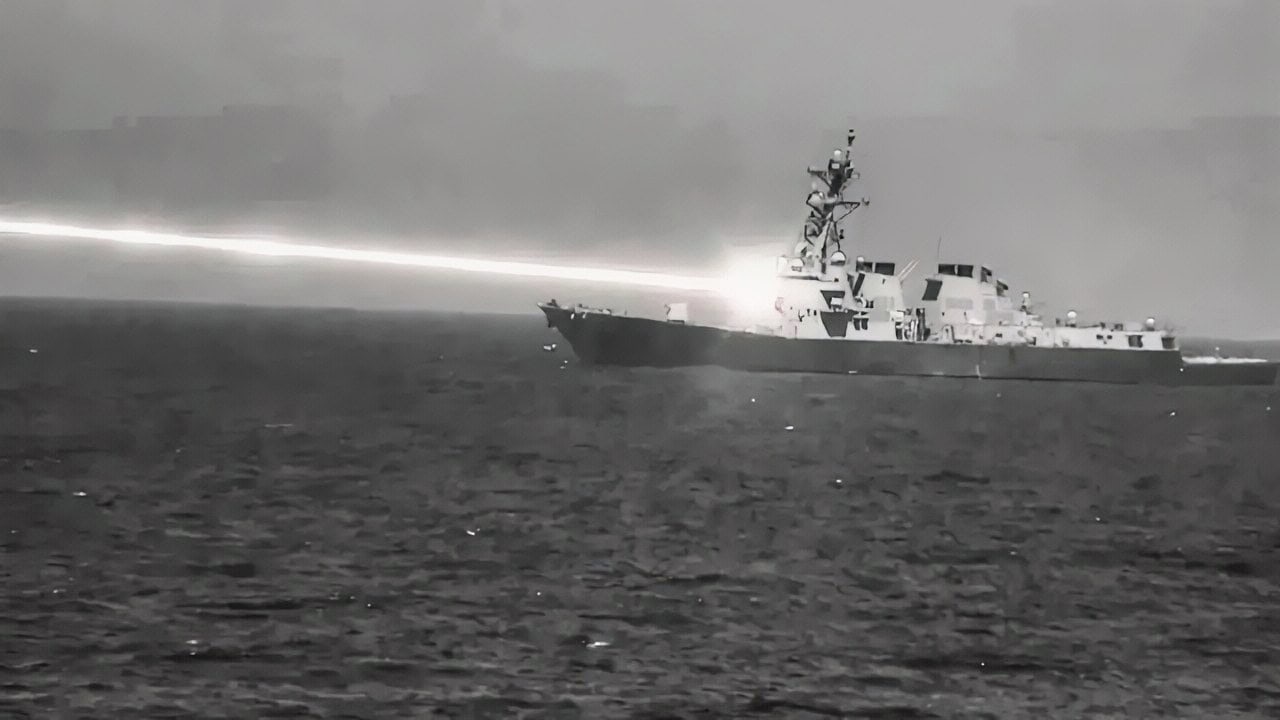
HELIOS Laser Testing U.S. Navy Image.
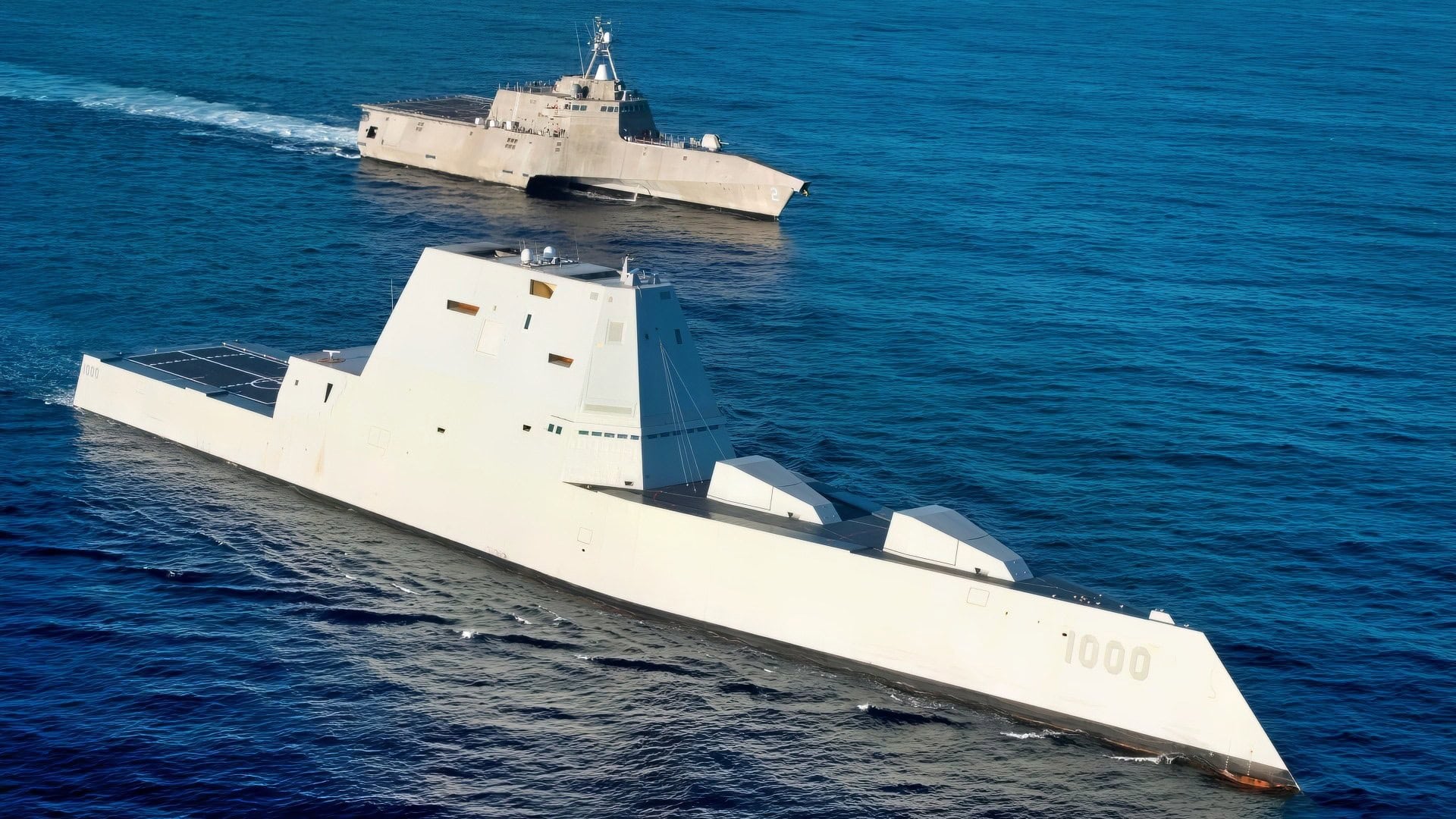
Dec. 8, 2016) The guided-missile destroyer USS Zumwalt (DDG 1000), left, the Navy’s most technologically advanced surface ship, is underway in formation with the littoral combat ship USS Independence (LCS 2) on the final leg of its three-month journey to its new homeport in San Diego. Upon arrival, Zumwalt will begin installation of its combat systems, testing and evaluation, and operation integration with the fleet. (U.S. Navy photo by Petty Officer 1st Class Ace Rheaume/Released)
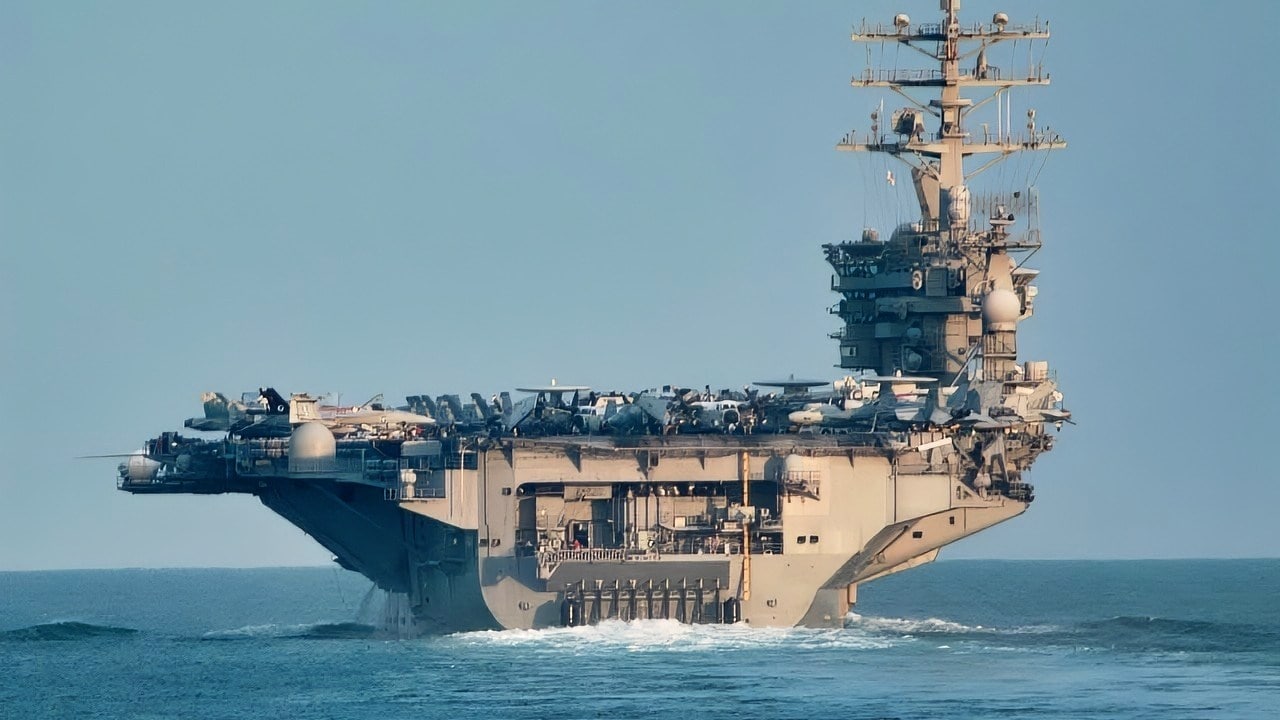
(September 11, 2003) – USS Nimitz (CVN 68) navigates one of the busier sea lanes in the Indian Ocean. Nimitz is deployed with Nimitz Carrier Strike Force in support of Operation Iraqi Freedom, the multi-national coalition effort to liberate the Iraqi people, eliminate Iraq’s weapons of mass destruction and end the regime of Sadaam Hussein. US Navy photo by Photographer’s Mate 2nd Class Monica L. McLaughlin.
In a prolonged conflict, defending forces could expend expensive weapons faster than attackers expend drones, creating strategic pressure on naval defenses.
Drones also threaten the stability of global shipping through psychological and economic effects.
Even a few successful strikes on oil tankers can cause shipping companies and insurers to reconsider operating in the region.
Maritime traffic through the Strait of Hormuz has already been affected during periods of tension, with some shipping lines halting transit and insurance premiums rising dramatically.
Because commercial vessels are large and relatively slow targets, they are particularly vulnerable to drone attacks or explosive unmanned boats.
Narrow Strait of Hormuz
Geography further amplifies the drone threat. The Strait of Hormuz is only about 21 nautical miles wide at its narrowest point and lies very close to Iranian territory.
This proximity allows Iranian forces to launch drones from coastal bases, islands, or even small vessels, making it difficult for defending forces to monitor every possible launch site.
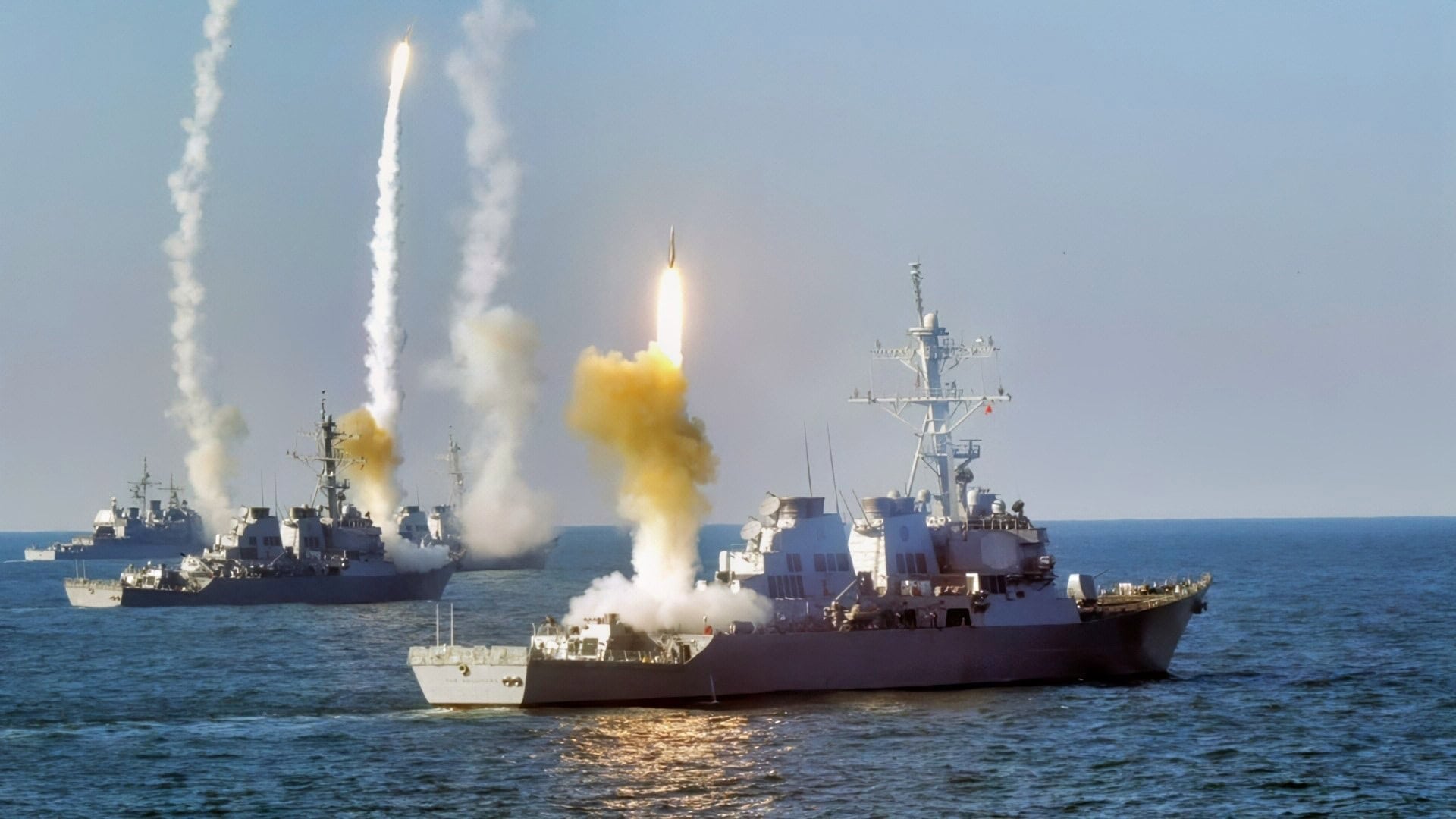
Arleigh Burke Class Destroyer US Navy. Image Credit: Creative Commons.
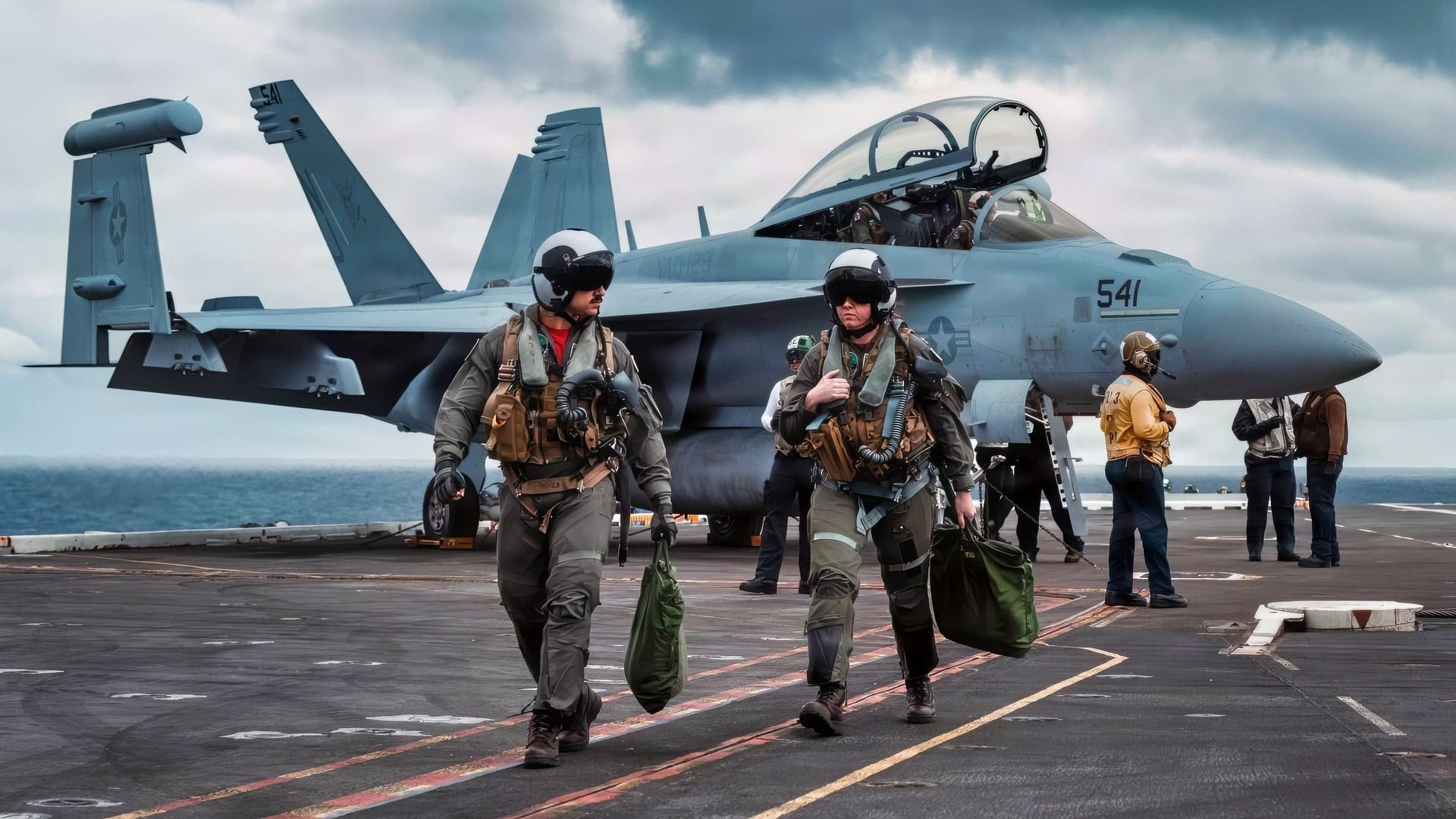
PACIFIC OCEAN (Jan. 24, 2026) – U.S. Navy Lt. Patrick Urrutia, left, and U.S. Navy Lt. Jg. Gabriela Patrick depart a U.S. Navy EA-18G Growler attached to Electronic Attack Squadron (VAQ) 129 on the flight deck of the Nimitz-class aircraft carrier USS Theodore Roosevelt (CVN 71), Jan. 24, 2026. Theodore Roosevelt, flagship of Carrier Strike Group (CSG) 9, is underway conducting exercises to bolster strike group readiness and capability in the U.S. 3rd Fleet area of operations. (U.S. Navy photo by Mass Communication Specialist Seaman Apprentice Cesar Nungaray)
Drones can also be used for surveillance, providing targeting data for other weapons such as missiles or naval mines.
The threats from boat and drone swarms start with a similar concept. These platforms simply try to overwhelm defenses from so many angles at one time, that some get through to cause destruction.
The use of low-cost drones fits into Iran’s broader strategy of asymmetric warfare. Rather than attempting to match the naval power of countries such as the United States directly, Iran focuses on inexpensive systems that exploit geographic advantages and overwhelm more advanced forces through numbers and persistence.
When combined with mines, missile batteries, and fast-attack craft, drones form part of a layered strategy designed to complicate naval operations and potentially disrupt global energy flows.
About the Author: Kris Osborn
Kris Osborn is the President of Warrior Maven – Center for Military Modernization. Osborn previously served at the Pentagon as a highly qualified expert in the Office of the Assistant Secretary of the Army—Acquisition, Logistics & Technology. Osborn has also worked as an anchor and on-air military specialist at national TV networks. He has appeared as a guest military expert on Fox News, MSNBC, The Military Channel, and The History Channel. He also has a Masters Degree in Comparative Literature from Columbia University.