
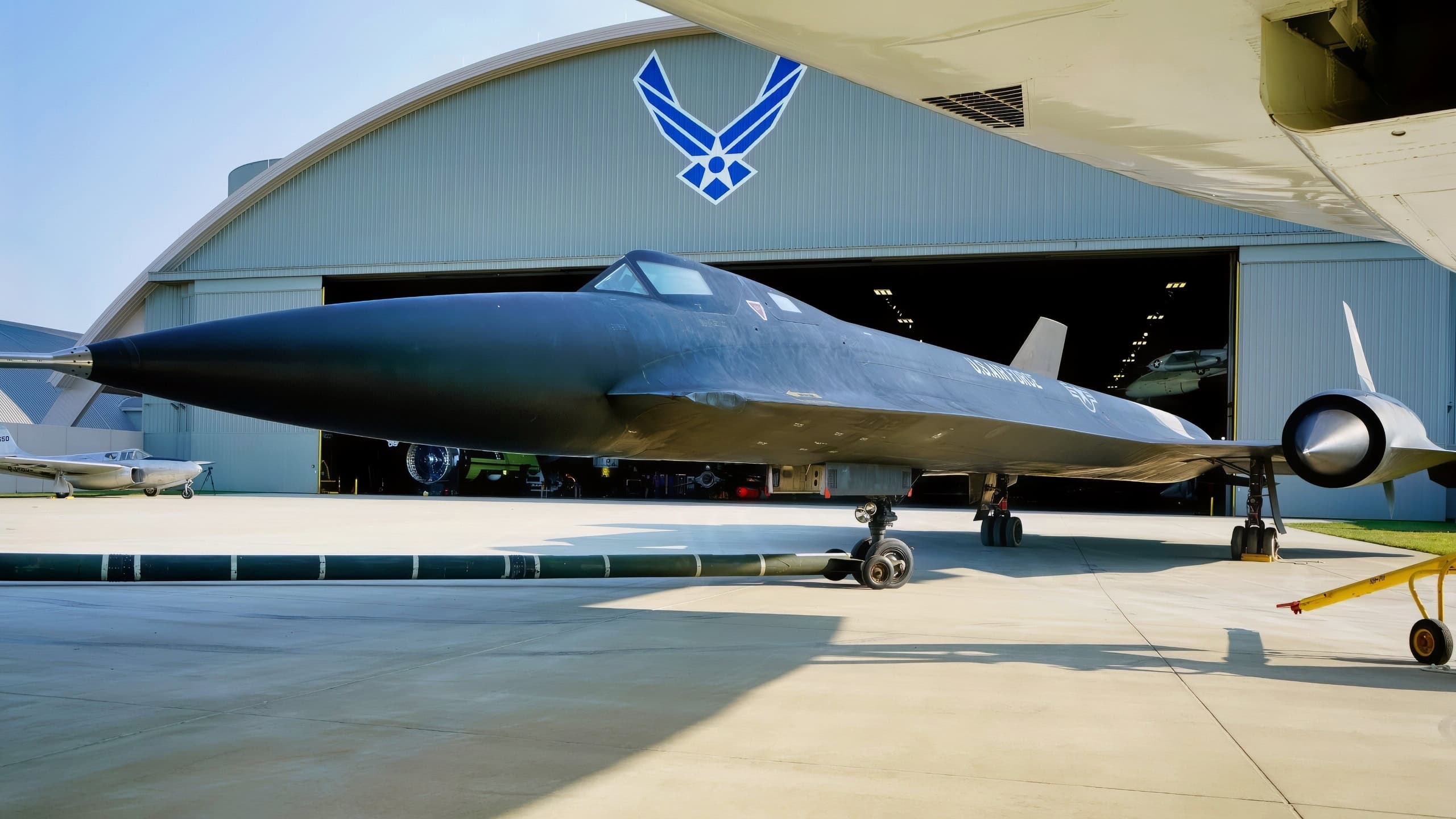
The Lockheed YF-12 Hit Mach 3 and 80,257 Feet in 1965 — Then the Tet Offensive Ended Its Air Force Career
In the 1960s, the Soviet Union’s nuclear triad included a strong bomb-delivery segment. The U.S. Air Force needed a high-speed, high-altitude fighter-interceptor to counter this threat. The aircraft that emerged was impressive in its speed and altitude.
The Lockheed YF-12 was a force of nature, and to document it, we personally took original photos from the National Museum of the U.S. Air Force at Wright-Patterson Air Force Base near Dayton, Ohio.
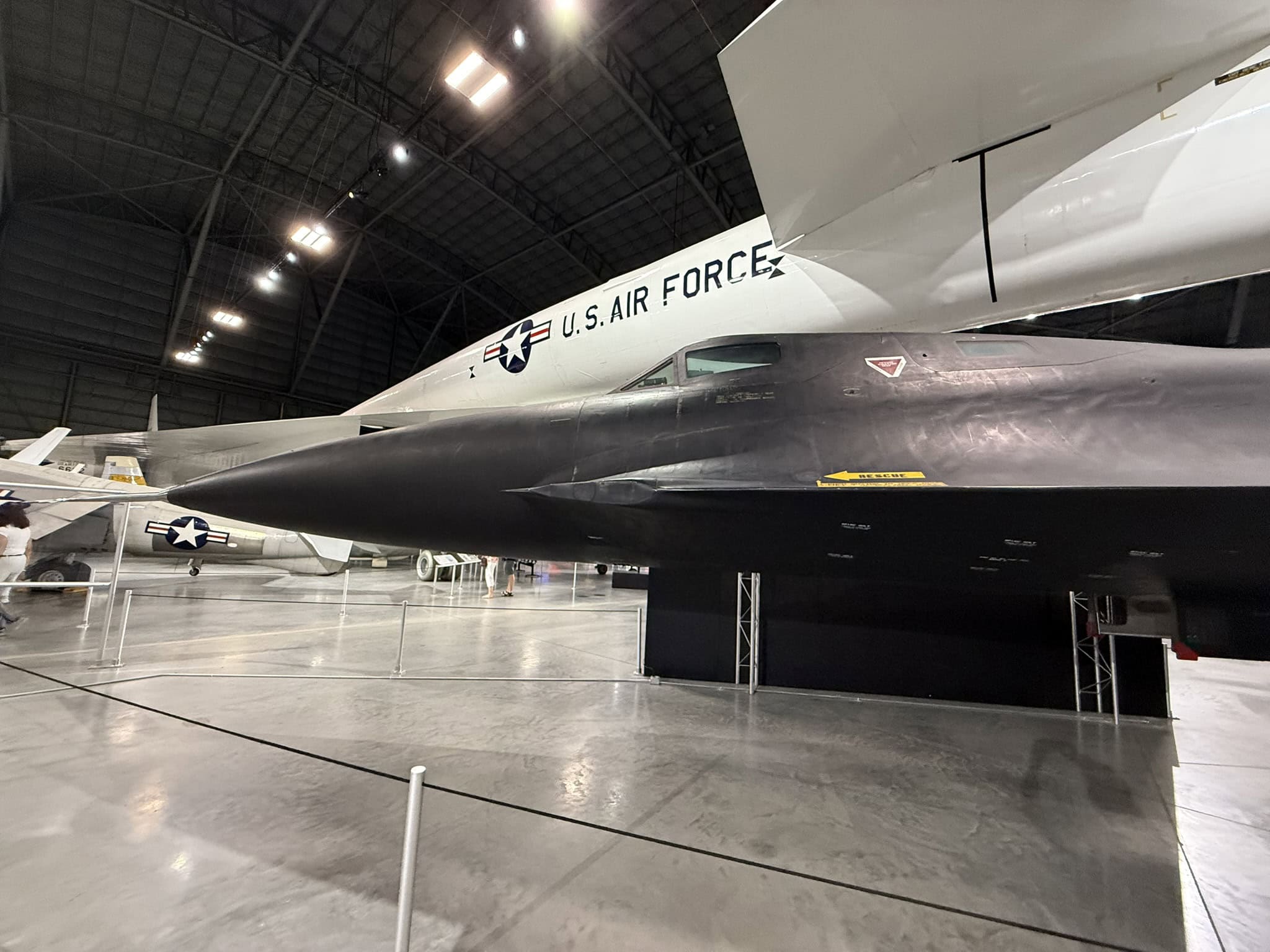
YF-12A. Image taken by Harry J. Kazianis at the National Museum of the Air Force for 19FortyFive.com
Did You Say MACH 3?
The YF-12 could reach an impressive MACH 3. Its design was based on the A-12 Oxcart spy plane. The YF-12 also served as the precursor to the SR-71 Blackbird. In August 1963, the first of three YF-12 aircraft flew.
The initial and final flights set records for speed and altitude. The jets sliced through the air at an incredible 2,070 miles per hour and reached an astonishing altitude of 80,257 feet in May 1965.
“For their speed record flight, Col. Robert L. ‘Fox’ Stephens [pilot] and Lt. Col. Daniel Andre [fire control officer] received the 1965 Thompson Trophy,” according to the National Museum.
Missile Payload Was Ahead of Its Time
The YF-12 carried three Hughes AIM-47A missiles.
This missile could destroy targets from 100 miles away at speeds exceeding MACH 4. To achieve those top speeds and altitudes, the airplane was powered by two Pratt & Whitney J58 engines. These engines produced 32,000 pounds of thrust each with afterburners.
The range was excellent at 2,000 miles. The airplane’s weight was a hefty 127,000 pounds with a combat load.
Vietnam, Existing Fighter Jets, and a Lack of Resources Ended Its Air Force Life
The YF-12 program was canceled by the Air Force in 1968 and never entered active service. The Tet Offensive in Vietnam had just happened, and the Air Force’s focus was on bombers and more available, lower-flying fighter jets like the F-4 Phantom II. The resources simply weren’t available to keep developing such an expensive aircraft. Additionally, the Soviet Union was increasingly relying on ICBMs for nuclear warhead delivery.
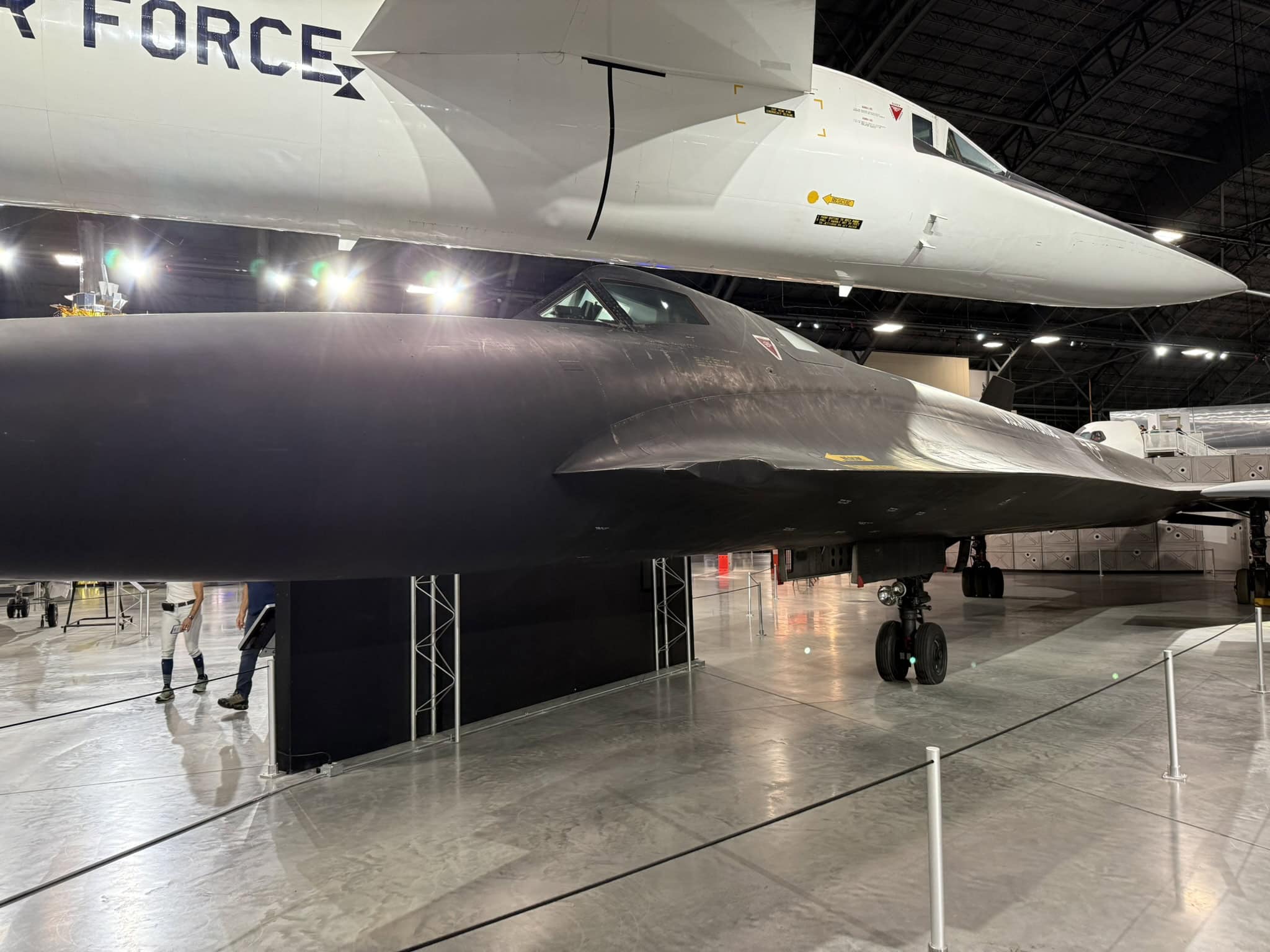
YF-12A. Image taken by Harry J. Kazianis at the National Museum of the Air Force for 19FortyFive.com
Second Act With NASA
However, the YF-12 gained a second life working with NASA. The space agency took two of the YF-12s for a joint research project. Researchers studied “thermal, structural, and aerodynamic effects of sustained, high-altitude, Mach 3 flight,” according to NASA.
Those Egg Heads at Skunk Works Worked Overtime
Original work on the YF-12 started in the 1950s at Lockheed’s highly secretive Skunk Works. It was based on the A-11, later known as the A-12 Oxcart, another high-altitude, high-speed aircraft. The engineers and designers of the YF-12 had previously worked on the U-2 spy plane.
The A-11 was impressive, reaching an altitude of 70,000 feet and speeds over 2,000 miles per hour. President Lyndon B. Johnson announced the existence of the airplane on February 24, 1964. The Air Force tested the YF-12 until 1966, with the intent of replacing the F-106 Delta Dart interceptor.
The YF-12 had a crew of two – a pilot and a flight engineer, also known as a fire control officer. The two officers were challenged in 1971, when one YF-12 “experienced an in-flight fuel line failure that led to a fire in the right engine.
Unable to save the smoking aircraft, Air Force pilot Lt. Col. Ronald Layton and fire control officer Major Billy A. Curtis ejected and were not injured, but the YF-12A was lost in a fiery explosion in the desert,” as NASA explained.
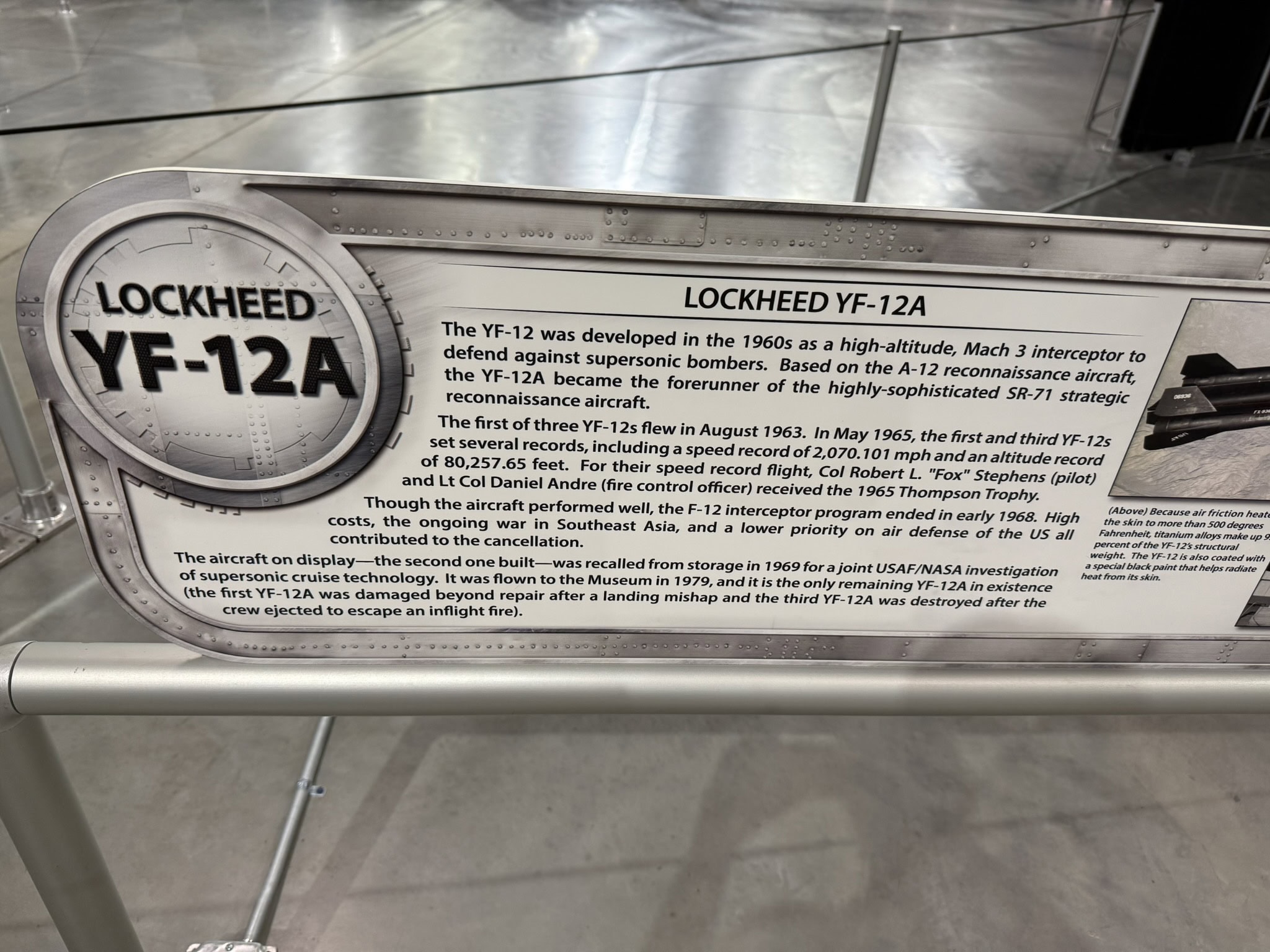
YF-12A. Image taken by Harry J. Kazianis at National Museum of the Air Force for 19FortyFive.com
Powerful Radar and New Design
The agency then relied on the YF-12C, which had a different design that lacked a round nose to accommodate the Hughes AN/ASG-18 fire-control radar, capable of identifying and tracking enemy bombers from 125 miles away. There were other internal and external changes, such as the addition of a forward chine.
Analysts at NASA Got to Work
YF-12C engineers gathered wind tunnel data and conducted propulsion analyses. They needed to determine how much weight the airplane could carry and how it handled at plus-MACH 3.
The technicians also examined performance under airflow, wind gusts, and high drag conditions. Scientists required data on the heat and friction generated during flight. The YF-12C was also “prone to an airflow problem involving the engine inlets called an ‘unstart,’ which caused a thrust imbalance and resulted in violent yawing,” technicians discovered.
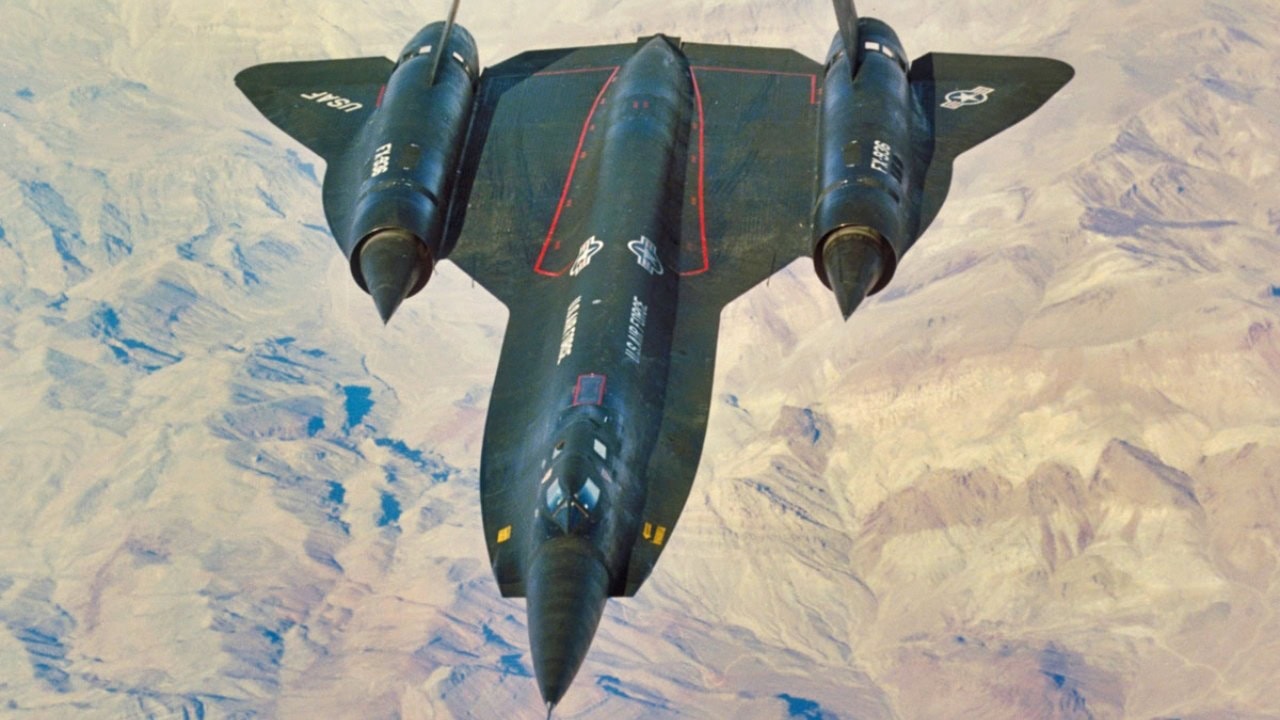
YF-12. Image Credit: Creative Commons.
The project saw the YF-12 complete 297 flights with 450 flight hours over nine years in the 1970s. The experimental flights generated significant data for analysis, but NASA ended its work on the high-flying aircraft in 1979. The space agency was seeking more fuel-efficient aircraft.
The Legacy of the YF-12
The YF-12 was a valuable project for the Air Force and NASA, even though it was never fully operational for hotshot pilots. It had incredible speed and altitude that led to the development of the SR-71 Blackbird.
The experimental phase for NASA was a worthwhile experience.
However, it was eventually canceled due to geopolitical realities and shifts in defense strategy, which focused on countering Soviet ICBMs rather than intercepting Russian bombers.
We were proud to have photographed this historic airplane, and it remains on display for tourists to admire at the National Museum of the U.S. Air Force.
MORE – China’s H-20 Stealth Bomber Is Skipping 40 Years of Development
About the Author: Dr. Brent M. Eastwood
Author of now over 3,500 articles on defense issues, Brent M. Eastwood, PhD, is the author of Don’t Turn Your Back On the World: A Conservative Foreign Policy and Humans, Machines, and Data: Future Trends in Warfare, plus two other books. Brent was the founder and CEO of a tech firm that used artificial intelligence to predict world events. He served as a legislative fellow for US Senator Tim Scott and advised the senator on defense and foreign policy issues. He has taught at American University, George Washington University, and George Mason University. Brent is a former US Army Infantry officer. He can be followed on X @BMEastwood.