

No enemy ever shot down an SR-71 Blackbird in 25 years of flying over hostile territory. Twelve were destroyed anyway — and the last one was given military honors and buried in the Mariana Trench on Christmas Eve.
The SR-71 Blackbird: The Accidents
The SR-71 Blackbird spy plane was famously never shot down during its 25 years in service. However, there were several known incidents over the years when the famed spyplane crashed.
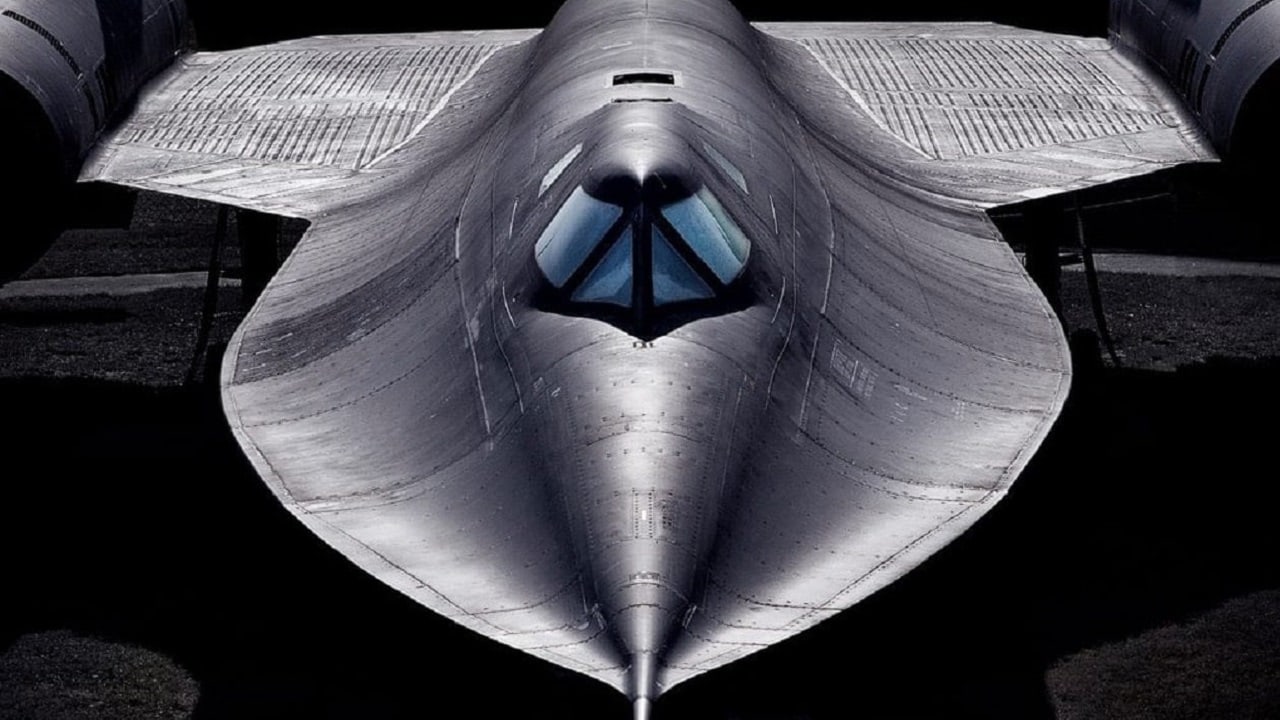
SR-71 Blackbird Spy Plane. Image Credit: Creative Commons.
One of them was known as the “Rapid Rabbit,” also known as #978. It got that name from the Playboy bunny logos on either side.
That specific plane was famous for another reason: the incident in the spring of 1972, when it malfunctioned while flying at Mach 3.2 over Hanoi during the Vietnam War. Quick thinking by Major Tom Pugh (the pilot) and Major Ronnie Rice (the RSO) kept the plane flying, and both men survived.
Pugh, one author said, later met a former Vietnamese general who told him that there was a reason the Vietnamese didn’t try to shoot the SR-71 down: They suspected that the spyplane was “booby-trapped and loaded with a nuclear weapon.” This, alas, was not the case.
The “Rapid Rabbit” survived that day, but it met its end a few months later, and not under enemy fire.
According to the SR-71 Blackbird website, the plane was “written off” on July 20, 1972.
“In extreme crosswinds, the pilot, Captain Dennis K. Bush, attempted a landing at Kadena, deploying the drag chute to combat the crosswind situation and slow the plane. A go-around was initiated after the chute was jettisoned when it became obvious the rollout would not be successful,” the site said.
“On the next landing attempt, the aircraft touched down slightly ‘hot, ‘ but he had no chute to reduce the aircraft’s speed. The pilot was unable to keep the plane on the runway due to the crosswinds. The landing gear hit a concrete barrier.” The captain and RSO both survived and escaped injury.
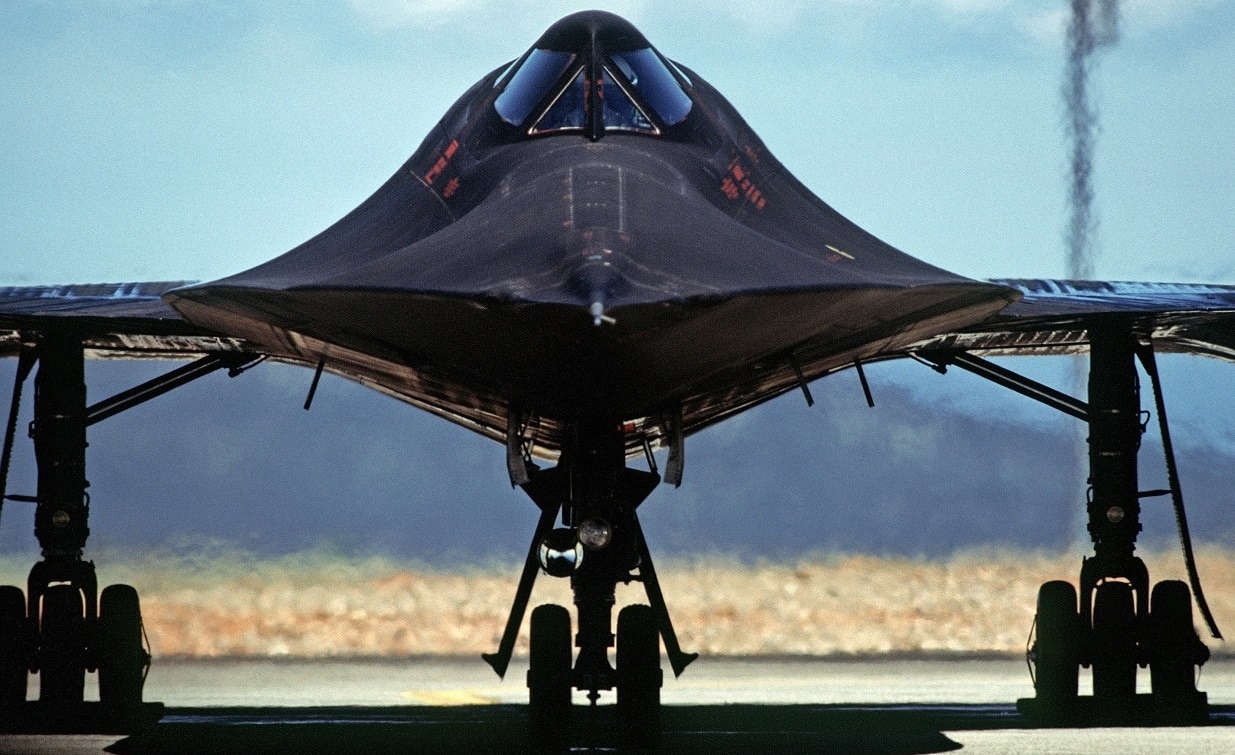
SR-71. Image: Creative Commons.
The site also said that attempts were made to burn the remains of the plane, which were unsuccessful.
“It has been said that #978 was buried there at Kadena; however, some parts, including the rudders, were used on other Blackbirds,” the website account said. That included one piece that was included in #975’s back rudder.
The Story of the #61-7974
Another lost Blackbird, and the last one lost in the spyplane’s lifetime, was the #61-7974, which met its end in 1989. Back in 2021, Aviation Geek Club told the story of the plane that was the first SR-71 to crash since 1972.
That day, per that account, Pilot Lt. Col Dan House and RSO Blair Bozek were at the controls. As the jet “accelerated through three times the speed of sound, the left compressor bearing froze, causing the immediate disintegration of the port engine, and resultant explosion from the catastrophic failure, sending shrapnel through critical hydraulic lines.”
Both pilots successfully ejected and were rescued by fishermen below.
Per the SR-71 Blackbird official website, when the recovery team was searching for the spyplane’s remains, a Filipino fisherman approached and asked them, in perfect English, “Do you want to know where the airplane went down?”
It was, however, the end of that jet, which had to be pulled out of the water.
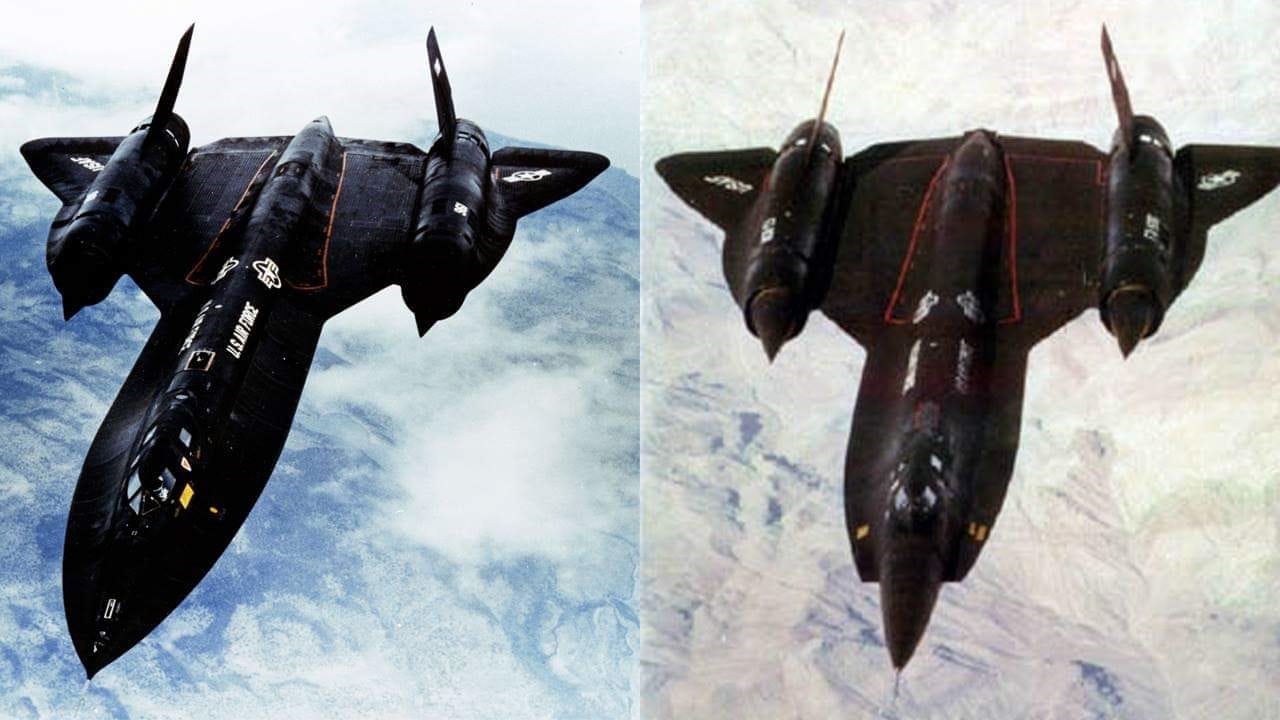
SR-71 and A-12 side by side for comparison.
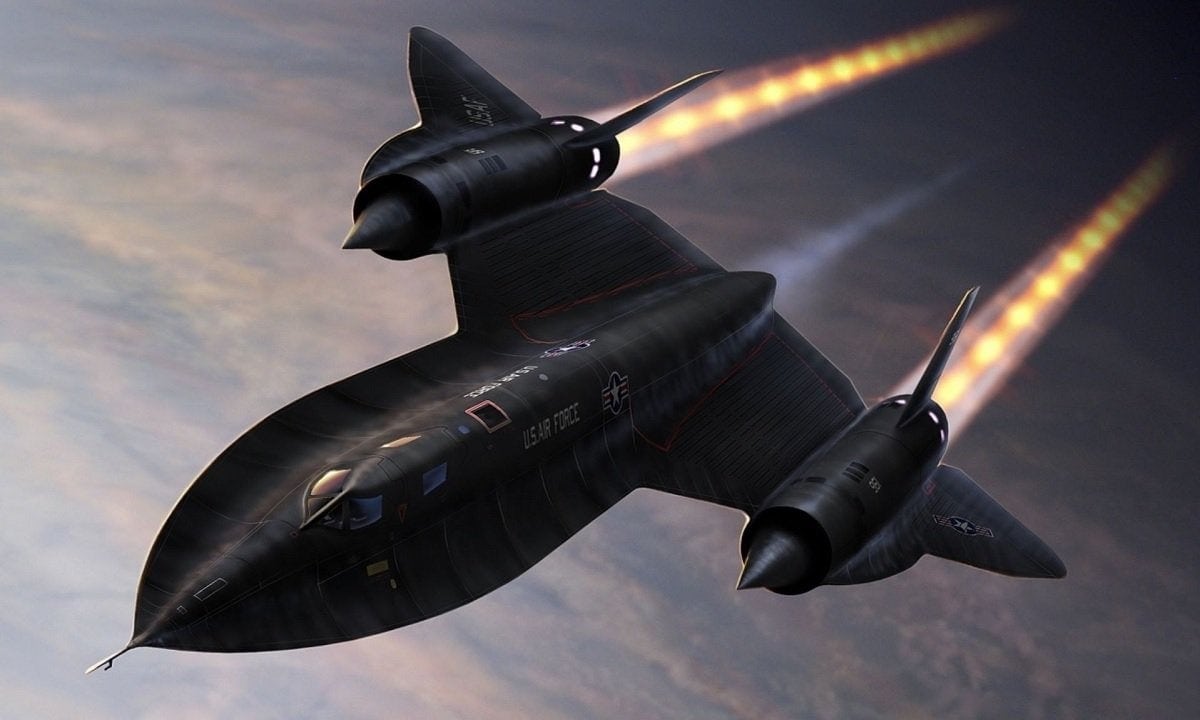
SR-71. Image: Creative Commons.
Former US Air Force (USAF) Tech Rep at Beale, Jack M Levine, told Aviation Geek Club what the salvage operation was like- and it wasn’t easy.
“When 974 was raised from the ocean by the US Navy, the chemical TEB that mixed with oxygen to ignite the engines caused flames to shoot out from around the SR-71 like Puff the magic dragon when it was raised up out of the water,” Levine said.
“The chemical caused a high flash temp to get the engines to ignite. This was needed because JP-7 fuel would not ignite without the mix. The TEB was stored in special tanks to allow for up to 16 shots to start the engines when unstarts would happen or to ignite the afterburners.”
One of the things found, Levine told AGC, was the Nav Guidance Group, which he said resembled R2-D2, the small beeping robot from the “Star Wars” movies.
USAF CMSgt (Ret) Roberto Garnica also told Aviation Geek Club about discoveries during the salvage.
“It was witnessed and reported that the aircraft impacted the water inverted, all heavy components broke through their upper support structure – note the landing gear is sticking out from the top of the wing! Both engines broke all mounts and broke through their nacelles’ upper structure!” Garnica said.
What Happened After
In the book “SR-71 Blackbird: Tales and Legends,” former Blackbird RSO Colonel (Ret) Don Emmons discussed the wreckage being placed in the same hangar from which it had taken off earlier.
“Although this was an ideal place for the Accident Investigation Board to examine the wreckage, it didn’t do much for the morale at Det 1,” Emmons said in that book.
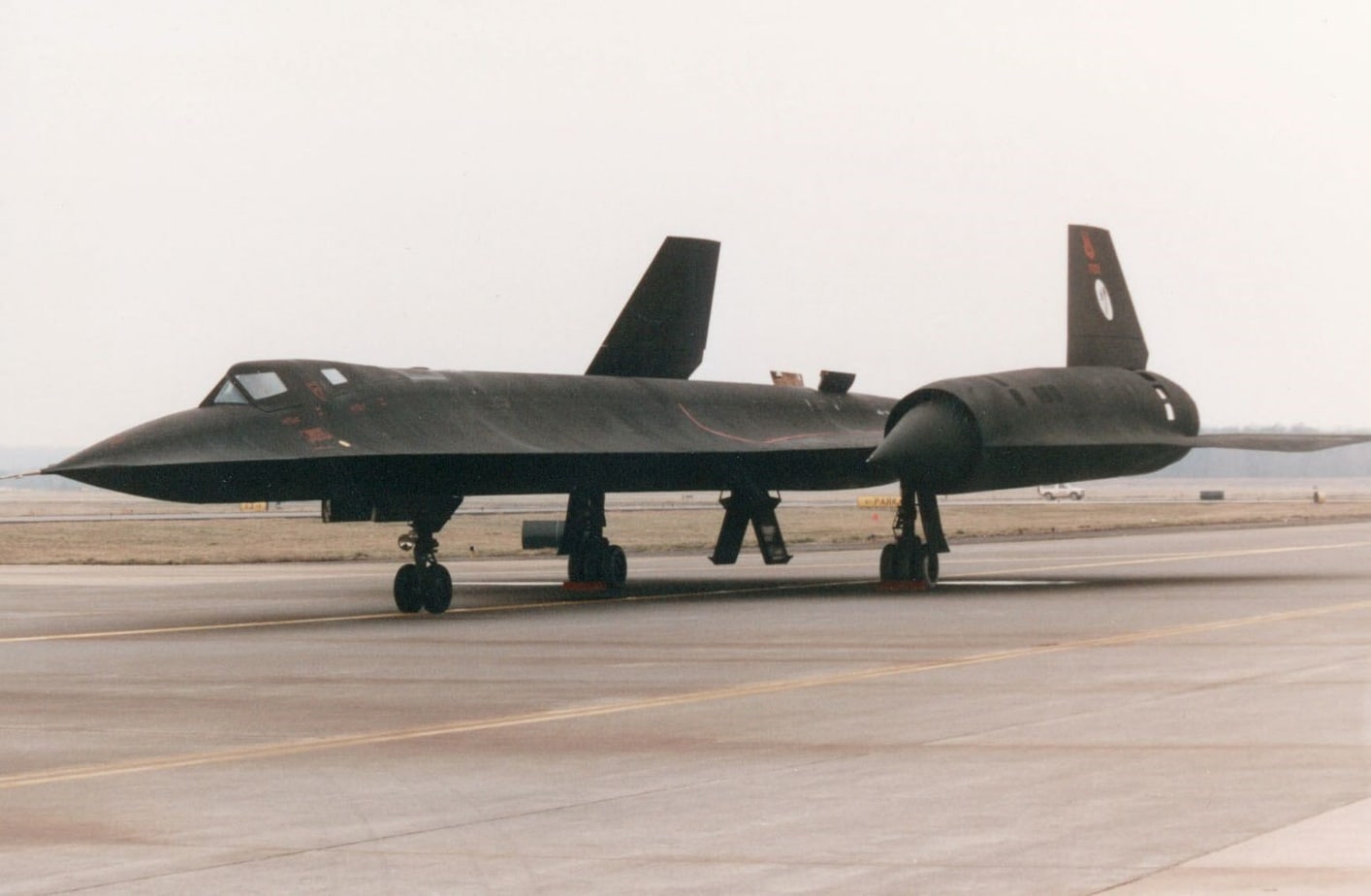
SR-71. Image Credit: Creative Commons.

SR-71. Image: Creative Commons.
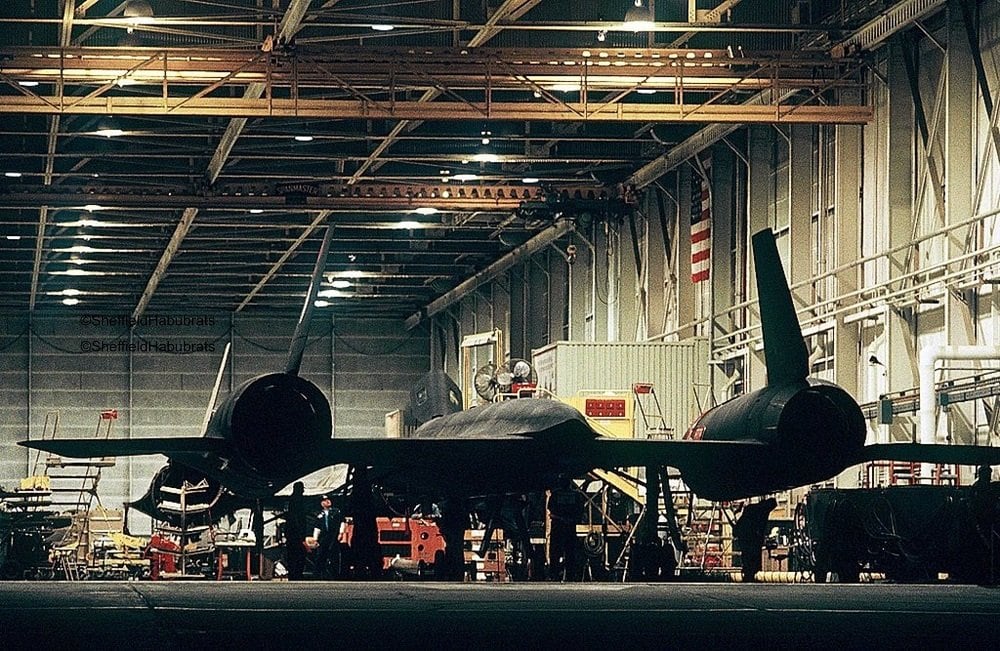
SR-71 Blackbird in a hanger. Image: Creative Commons.
“Imagine the tremendous satisfaction and pleasure of working daily on a larger-than-life machine, and then later, viewing it daily in a destroyed state. Consequently, when the board completed its investigation, the wreckage needed to be removed ASAP. Burial at sea seemed the best option.”
Ultimately, though, that’s what happened, and the remains of that Blackbird were indeed given military honors and buried at sea, on Christmas Eve in 1989. Its final resting place is in the Mariana Trench.
Other Jets Lost
The Aviationist, in 2025, looked at all 12 SR-71 Blackbirds that were lost and the circumstances of each, from the first flight in 1967 to the last Blackbird flown by NASA in 1999. Several of those losses occurred early in the spyplane’s life.
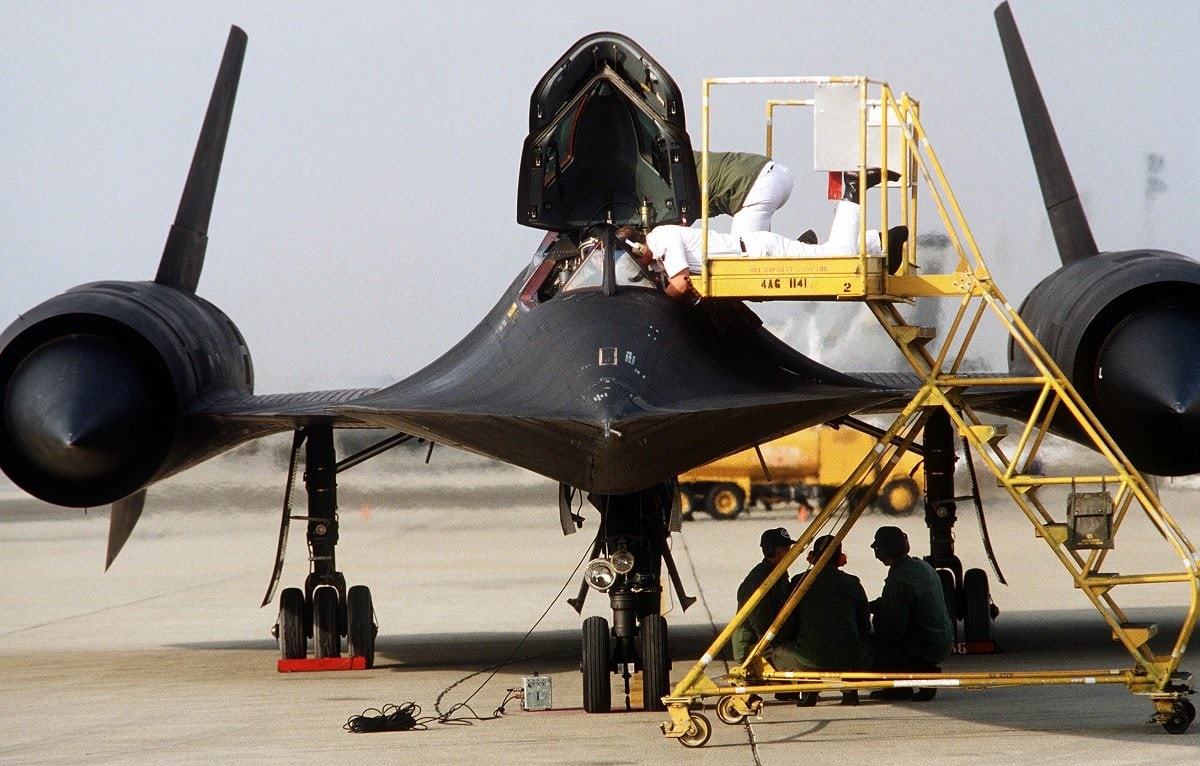
A direct front view of an SR-71 Blackbird aircraft after landing from its 1,000th sortie.
“Seemingly impervious to loss by enemy defenses, a dozen Blackbirds were lost to accidents,” the Aviationist story said.
About the Author: Stephen Silver
Stephen Silver is an award-winning journalist, essayist, and film critic, and contributor to the Philadelphia Inquirer, the Jewish Telegraphic Agency, Broad Street Review, and Splice Today. The co-founder of the Philadelphia Film Critics Circle, Stephen lives in suburban Philadelphia with his wife and two sons. For over a decade, Stephen has authored thousands of articles that focus on politics, national security, technology, and the economy. Follow him on X (formerly Twitter) at @StephenSilver, and subscribe to his Substack newsletter.