
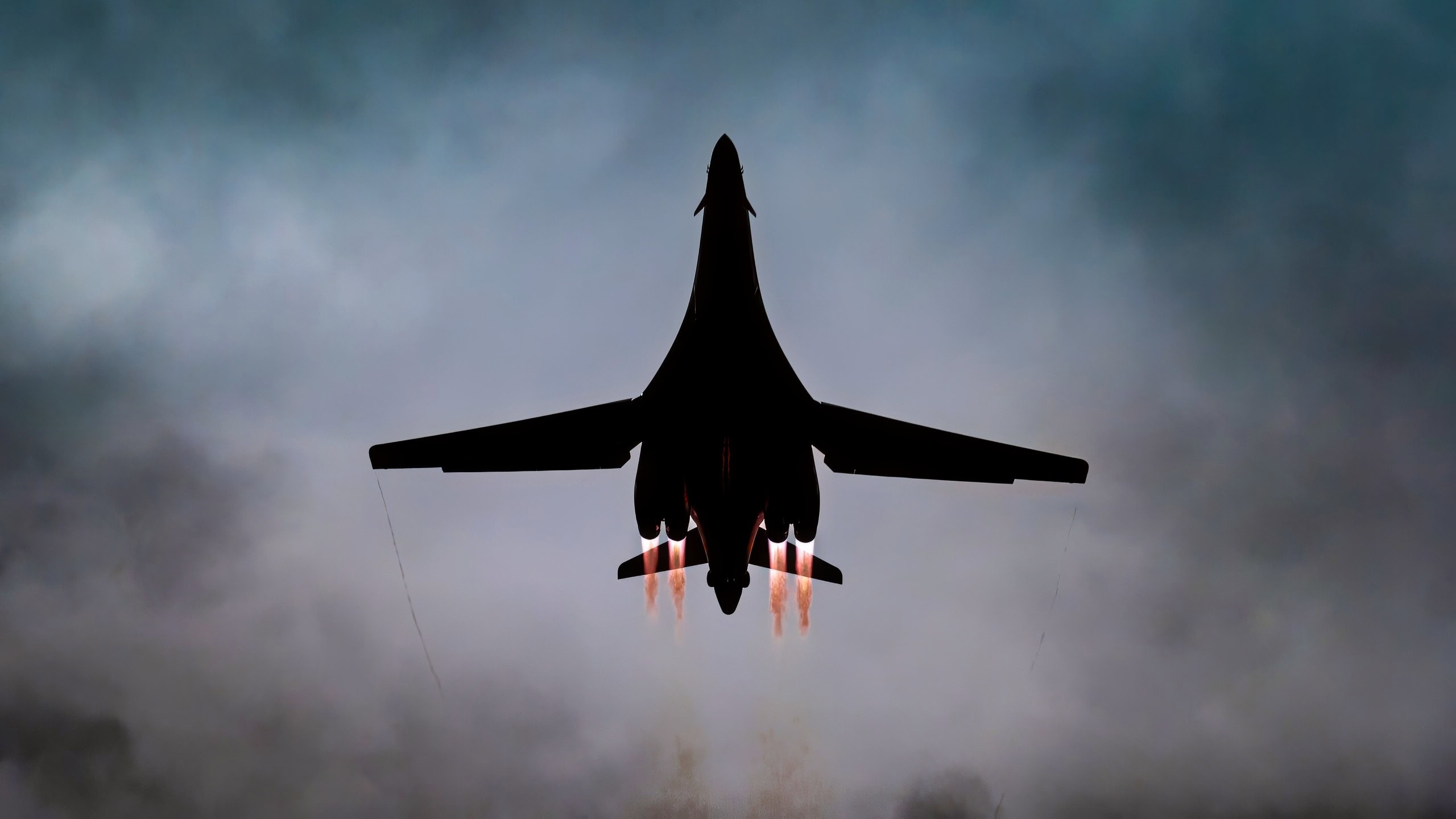
Trump Hoped for Venezuela — A Quick Decapitation Strike That Ended the Regime Overnight. Iran Didn’t Break.
The Iran War has become a stalemate.
U.S. President Donald Trump hoped that the war would be quick—perhaps as efficient as the one-and-done political decapitation of Venezuela.
U.S. air power is tremendous, and Israel has remarkable intelligence on the ground in Iran.
U.S. and Israeli leaders probably hoped that strikes synchronized with a widespread uprising by disgruntled Iranians would pressure the clerical regime in Tehran to make major concessions.
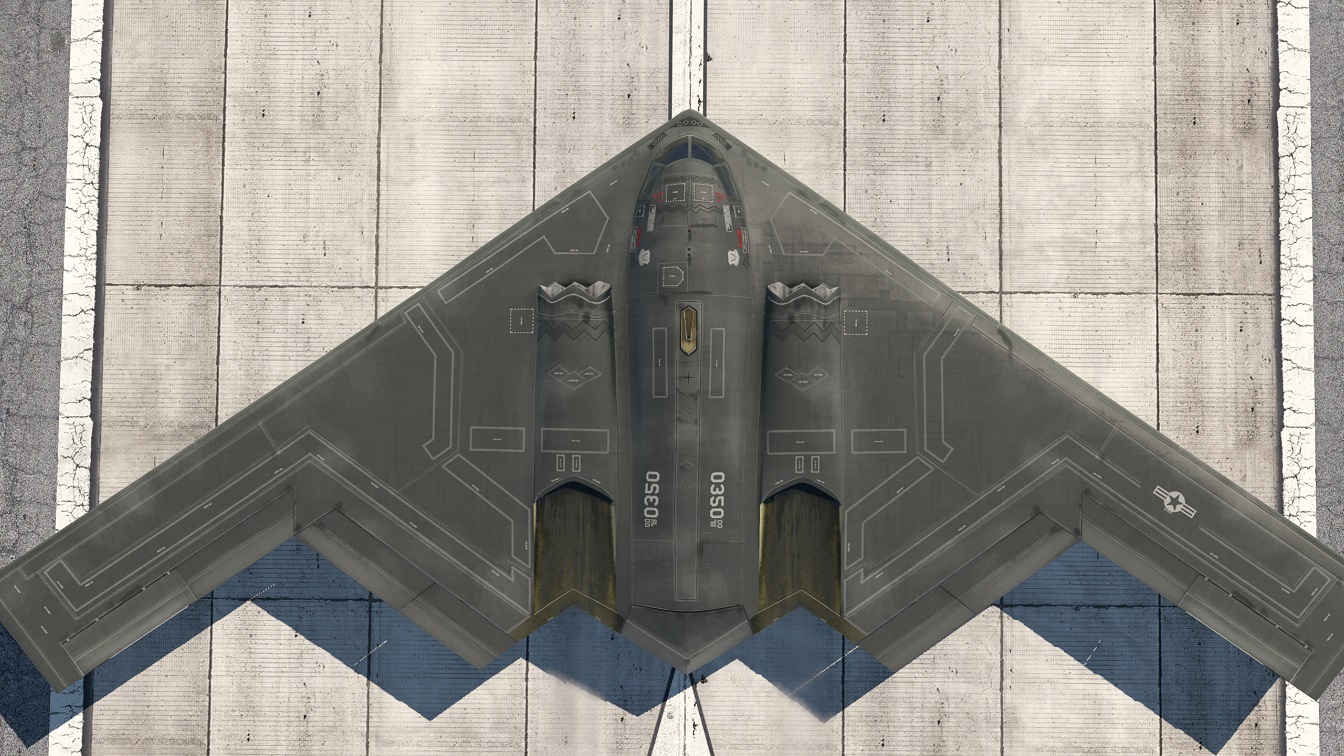
B-2 Bomber. Image Credit: Creative Commons.
Early in the war, there may have been a window of time within which this could have happened.
The Window for a Quick Victory has Closed
That window is now closed. The U.S.-Israeli bombing campaign has not fractured the regime; if anything, the attacks may have strengthened it.
The deceased leader’s son is now in charge, and Mojtaba Khamenei is more of a hardliner than his father was.
Meanwhile, the role of the Islamic Revolutionary Guard Corps might have expanded.
Where the old regime had some power-sharing mechanisms, Iran’s Islamists now appear to be more firmly in charge than before.
Worse, the regime has closed the Strait of Hormuz and appears ready to permanently charge tolls for transiting that choke point if it survives the war. Further, the regime will almost certainly pursue a nuclear weapon—again, if it survives the war.
The United States and Israel have bombed Iran twice in less than a year, and the United States unilaterally quit a nuclear deal it had reached with Iran. Critics claim the deal was balance-negative, but U.S. behavior toward Iran ensures that Tehran will not believe any new promises from the Americans.
The smart thing for Iran to do is what North Korea did: Sprint for a nuke—do not rely on commitments the United States may break later.
Washington thus faces a strategic defeat in Iran. It can run tactically excellent operations against Iran, but it cannot defeat the country, nor change the regime’s truculent behavior.
More specifically, it cannot do these things from the air; it could only succeed if it invades on the ground.
Victory Requires a Ground War
Because air power is not enough, the Trump administration faces the unsavory choice of either ending the war or escalating with an invasion. Trump and Secretary of Defense Pete Hegseth have tried for several weeks to avoid this choice.
They escalated from the air.
Their recent comments about “bombing Iran back to the Stone Age” and “raining down hell on Iran” point to their frustration. Trump has set several deadlines recently to compel Iranian capitulation with extravagant threats. Perhaps he will get lucky. But if Iran has not capitulated yet, it is hard to imagine the clerics suddenly caring that their population is suffering from yet more air attacks, and giving in.
Hence the idea of a ground war. At minimum, a ground incursion would need to reopen the strait of Hormuz and destroy Iran’s nuclear materials. Free passage of the strait was available before the war.
If it is unavailable after, Trump will be blamed. Similarly, Trump and his administration have repeatedly said that Iran must not have a nuclear weapon. The only way to prevent that outcome is to take or destroy Iran’s fissile material.
These missions would be very risky. To reopen the strait would require, at minimum, taking control of the Iranian coast around the Strait of Hormuz. That is a long, thin strip opposite the elbow of the strait, wherein sit the coastal bases and launchers used to fire on shipping.

M2 Bradley. Image Credit: Creative Commons.
This enclave would come under immediate indirect fire from all over Iran after any U.S. seizure.
Significant Iranian military personnel and resources would converge on it. Infiltrators would penetrate the area to snipe, hostage-take, and plant improvised explosive devices. Beating back such attacks would require heavy air cover and could easily pull the United States deeper into Iran to take a buffer zone around the coastal strip. That buffer could, in turn, require its own buffer—and so on.
A raid to take or destroy Iran’s nuclear stockpiles also would be large and complicated. Once again, Iran’s armed forces would converge on the affected area; heavy U.S. air cover or a ground expansion of the area taken would be required in response.
In short, limiting a ground incursion to a small area and a short period of time is highly unlikely.
Vietnam War Moment: Mission Creep Looms for Iran War
Once U.S. casualties occur in these zones, there would be public and bureaucratic pressure to do more. The United States could easily get sucked into an expanding conflict to protect initially small incursions.
This is how the Vietnam War escalated.
After an air campaign could not defeat the enemy, the United States slowly widened its ground incursions.
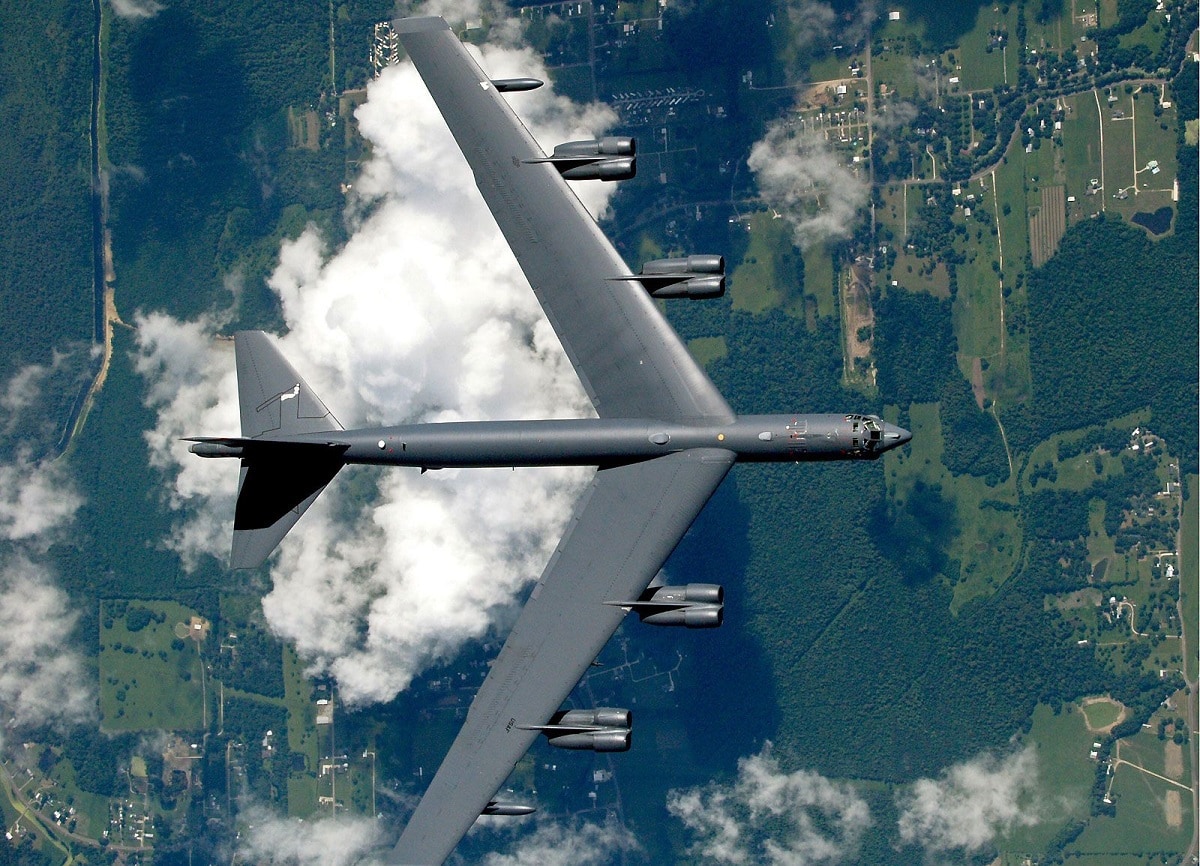
B-52 Bomber Image: Creative Commons.
It is easy to foresee a similar pattern of events in Iran. Any U.S.-controlled enclaves would be so vulnerable that they would encourage mission creep deeper into the country.
And since regime change is the only assured way to keep the strait open and prevent an Iranian nuclear capability after the war, there would be pressure, once a ground war began, to go for total victory and displace the regime.
That risks a full-blown quagmire for the United States in the Middle East—yet again.
Author: Dr. Robert Kelly, Pusan National University
Dr. Robert E. Kelly is a professor of international relations in the Department of Political Science and Diplomacy at Pusan National University in South Korea. His research interests focus on Security in Northeast Asia, U.S. foreign policy, and international financial institutions. He has written for outlets including Foreign Affairs, the European Journal of International Relations, and the Economist, and he has spoken on television news services such as the BBC and CCTV. His personal website/blog is here; his Twitter page is here.