
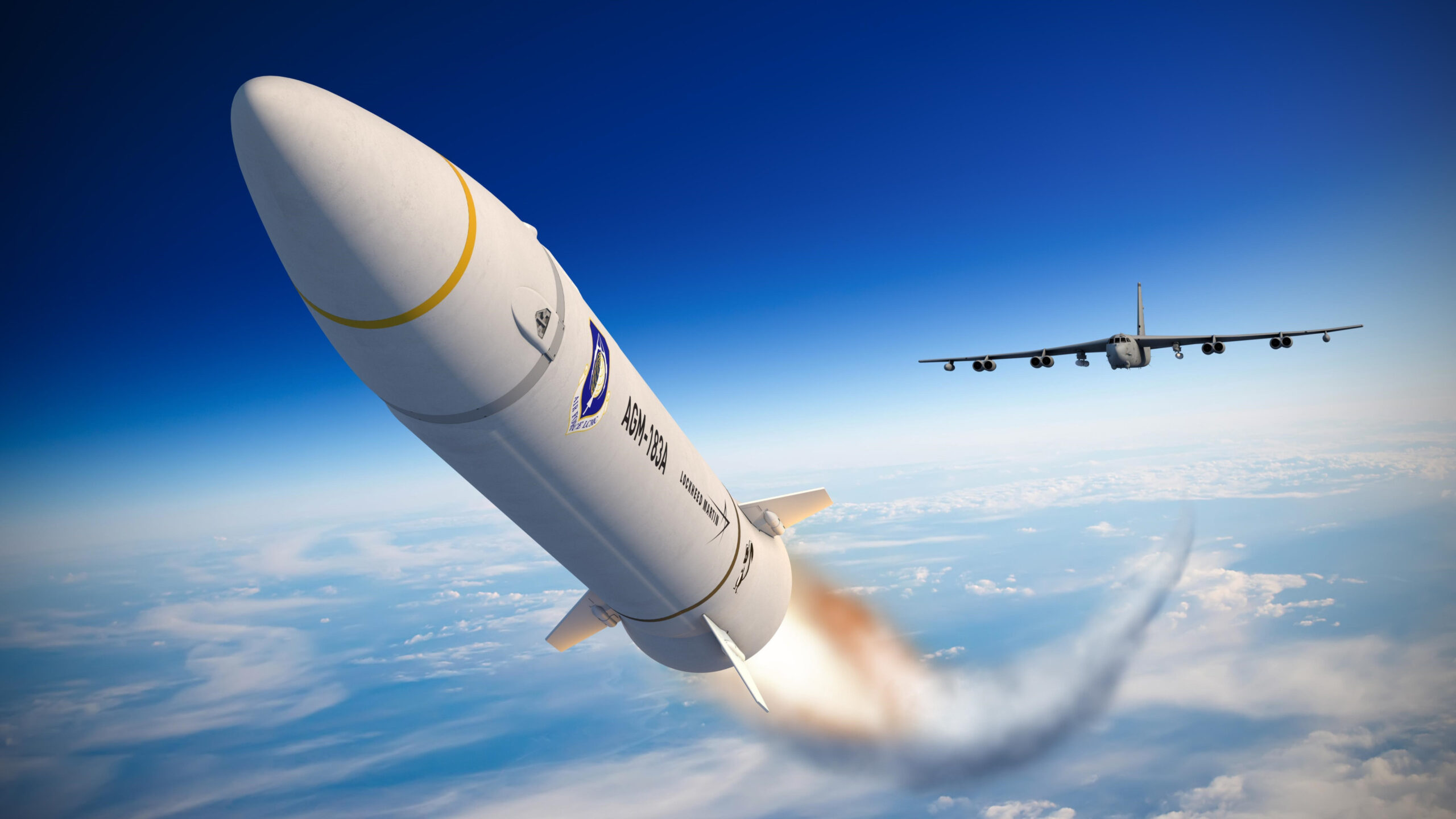
Iran Doesn’t Need to Win the War — It Just Needs to Keep the Strait of Hormuz Closed Long Enough for Americans to Turn Against It
Before President Donald Trump ordered Operation Midnight Hammer – last year’s mission to eliminate Iranian nuclear infrastructure, I warned that this could lead to the closing of the Strait of Hormuz, while that didn’t happen as I predicted, this time during Operation Epic Fury, the Strait is effectively closed.
How will the United States respond to the blockage of this crucial waterway, through which 20 percent of the world’s oil and liquefied natural gas passes?
The Strait is lined with mines, small submarines, and fast boats.
Ballistic missiles and drones can be launched from shore at ships. It is a narrow, shallow channel, ranging from 120 to 360 feet deep and about 2 miles wide. The Strait is easy to block.
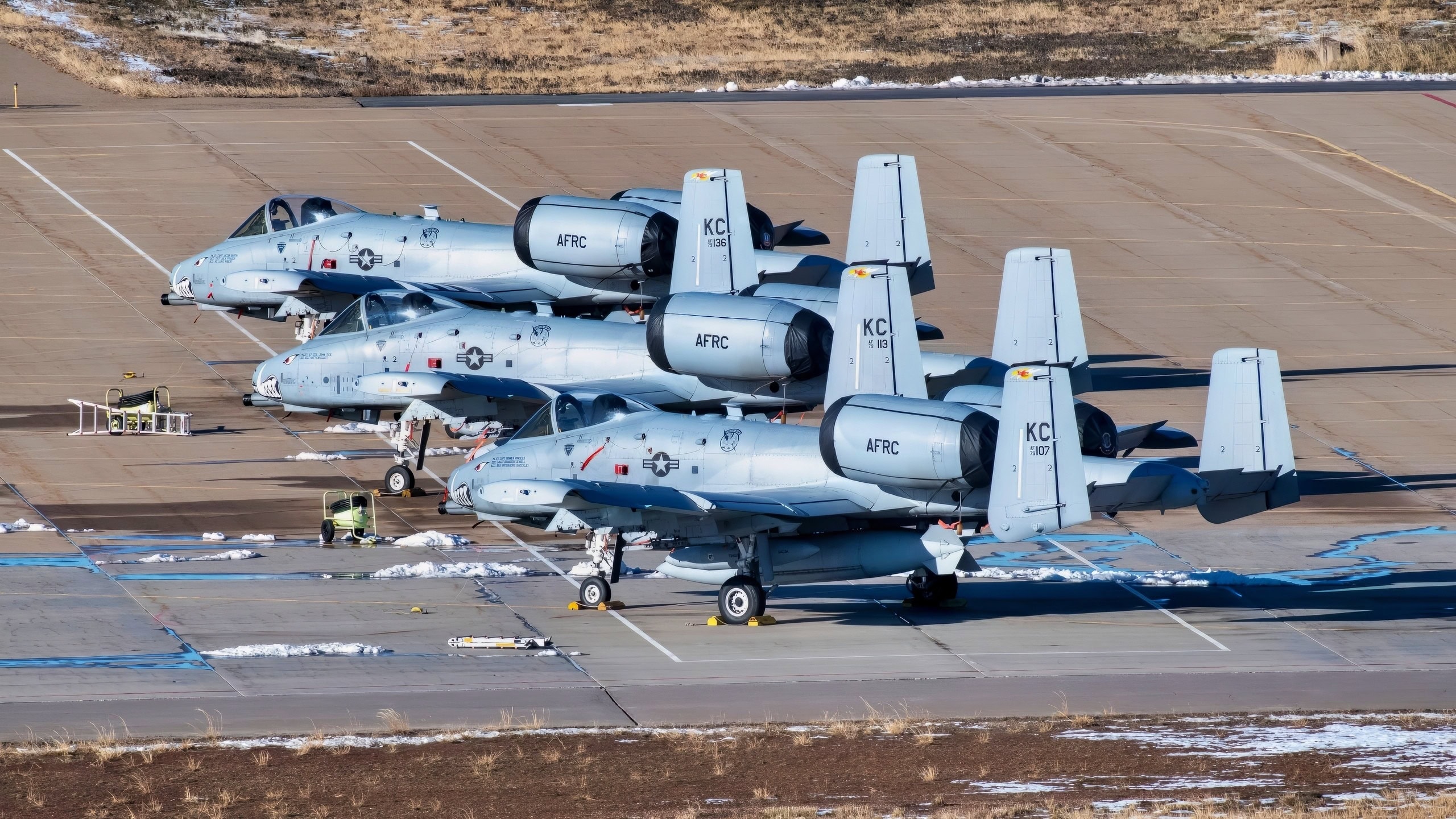
A-10 ‘Warthog’ Thunderbolts are seen on the flightline at Hill Air Force Base, Utah, Dec. 13, 2023. (U.S. Air Force photo by Senior Airman Jack Rodgers)
Iran Has the Ultimate Asymmetric Advantage
The Iranians can charge some commercial ships a toll to pass while stopping others, but most vessels have little room to avoid hazards.
Blocking the Strait also doesn’t take much effort for Iran. Its leadership can just wait until oil becomes unaffordable for customers worldwide.
Watch Out for a Narrow ‘Kill Zone’
There is also the risk that the Strait could become an ambush zone where the Iranians can easily target ships like fish in a barrel. There isn’t much time to warn tanker and cargo ships before drones and missiles start raining down.
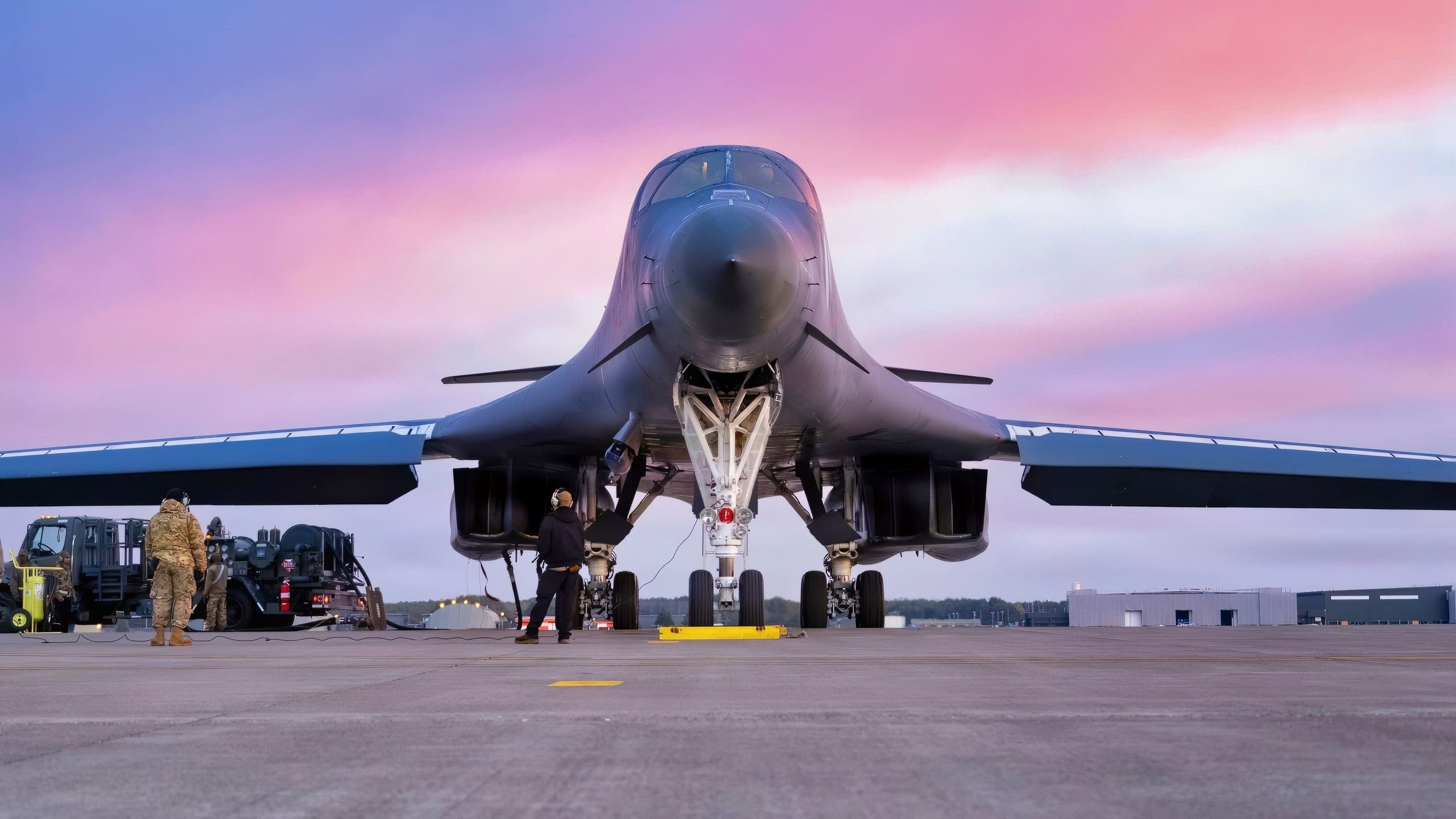
A U.S. Air Force B-1B Lancer gets hot pit refueled before its return to Dyess Air Force Base, Texas, at Misawa Air Base, Japan, Nov. 17, 2025, concluding a bomber task force deployment. BTF operations employ U.S. strategic bombers globally, deter adversaries, assure allies and partners, strengthen interoperability and maintain readiness and global strike capability. (U.S. Air Force photo by Senior Airman Emma Anderson)
Iran has mobile missile launchers that can move along 1,000 miles of coastline along the Persian Gulf.
Iran could also use a small boat filled with explosives to ram a ship in a kamikaze-style attack.
With all these threats, the Iranians hold the upper hand in the Strait.
Keep Working Toward a Diplomatic Solution
That raises the question of what Iran needs to do to keep the Strait of Hormuz open at all times.
First, there must be a ceasefire and a diplomatic solution that leads to a fair and lasting peace.
This deal would include reopening the Strait for commerce.
But this is Iran’s main leverage, and they only need to wait out the Americans. Many in the United States oppose the war and are affected by high gas prices. The longer the fighting goes on, the more likely it is that additional people will become war skeptics.
U.S. Battlefield Tactical Success Does Not Mean a Total Win
A crew member of a downed F-15E Strike Eagle was rescued during a daring special operations forces raid on April 5.
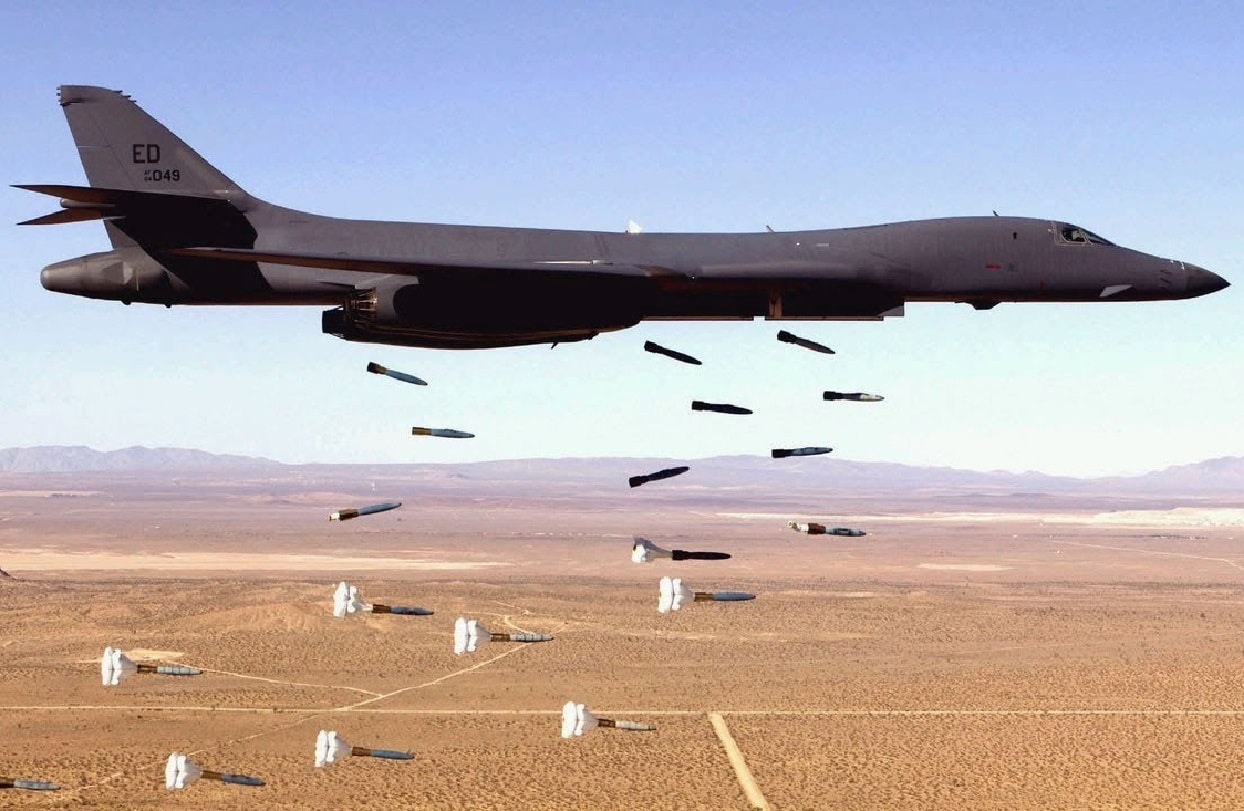
B-1B Lancer. Image: Creative Commons.
This demonstrates the reach and skill of American Tier One operators and special mission units, but the excitement and pride are only temporary.
The war is ongoing, and the Strait remains closed. Iran can outlast the Americans despite the U.S. military’s significant successes.
A Land Attack Would Be Risky and Costly
What can the United States do? To reopen the Strait, the Americans could deploy ground personnel near the narrowest chokepoint.
This would involve more special operations forces, U.S. Marines, and Army soldiers to secure the shoreline.
However, this would be an expensive and time-consuming commitment. Many casualties could occur, and it is unclear if they could be replenished easily logistically.
Iran might respond with more missile and drone strikes and continue its asymmetric warfare.
Not Much Political Support for a Ground War
This is the “boots on the ground” option that the president has refused to rule out, and one that many Congressional lawmakers from both parties are hesitant to support.
Trump has always criticized open-ended “forever wars” in the Middle East and has considered himself a “peacemaker.”
Now, he finds himself owning a war of choice that could result in more American casualties beyond the 13 already killed and approximately 365 wounded. The political support for deploying ground troops is lacking — neither on Capitol Hill nor among the American public.
Big Words from the President
On April 5, Trump issued a new warning to Iran. The president pledged he would order strikes against Iranian electrical power plants and bridges if the waterway was not fully opened.
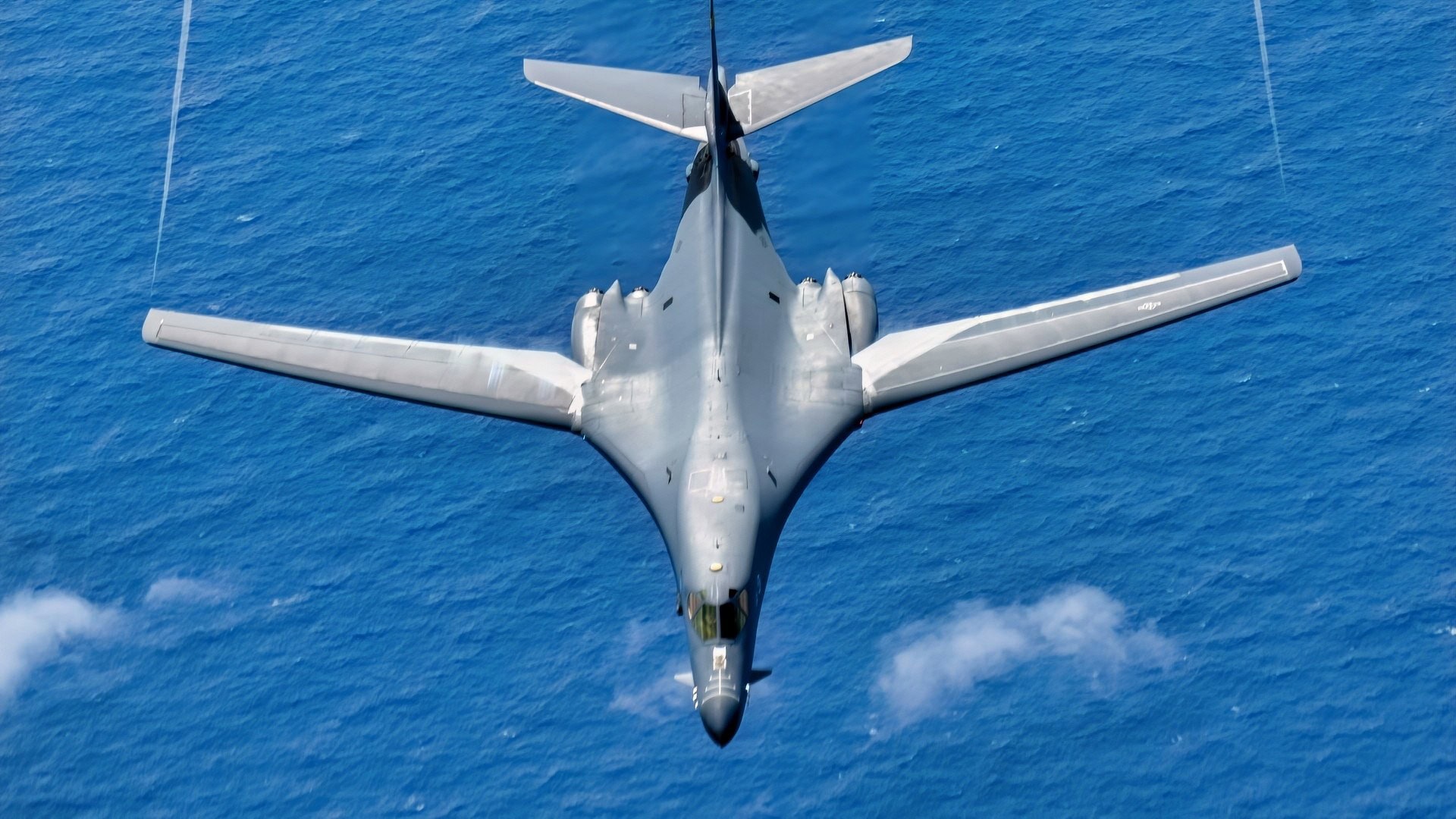
A U.S. Air Force B-1B Lancer assigned to the 34th Expeditionary Bomb Squadron, Ellsworth Air Force Base, S.D., descends after conducting aerial refueling with a KC-135 Stratotanker assigned to the 506th Expeditionary Air Refueling Squadron in support of Bomber Task Force 25-1 over the Pacific Ocean, Mar. 4, 2025. Bomber Task Force enhances readiness, to include joint and multilateral, to respond to any potential crisis or challenge in the Indo-Pacific. (U.S. Air Force photo by Airman 1st Class Alec Carlberg)
“With a little more time, we can easily OPEN THE HORMUZ STRAIT, TAKE THE OIL, & MAKE A FORTUNE. IT WOULD BE A ‘GUSHER’ FOR THE WORLD???” Trump said in a post on his Truth Social platform last week, as reported by the Times of Israel.
Escort Oil Tankers and Other Cargo Ships
Making threats on social media is one thing, but reclaiming vital territory is another. Another option is for the U.S. Navy to escort ships through the Strait. Destroyers and Littoral Combat Ships could form convoys capable of neutralizing threats against commercial shipping. This is a complex operation to plan and execute, facing logistical challenges and increased costs of deploying the U.S. Navy in this manner.
High Hopes for Islamabad Accord
Therefore, the United States has no viable option but to seek a diplomatic solution to open the Strait.
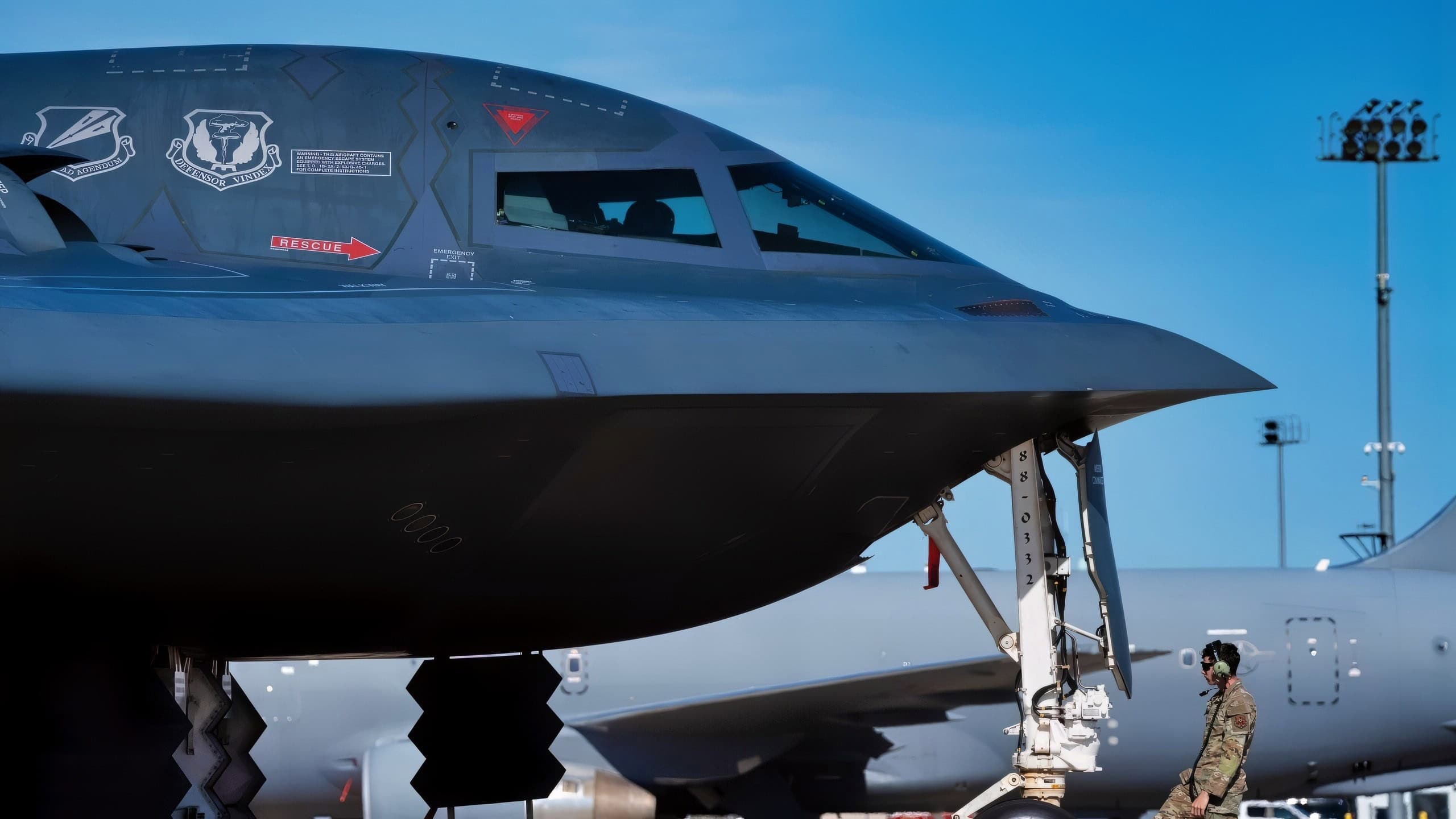
U.S. Air Force Staff Sgt. Hunter Kaloci, 393rd Bomber Generation Squadron crew chief, adjusts a wheel chock in front of a parked B-2 Spirit aircraft at Pease Air National Guard Base, New Hampshire, Sept. 20, 2025. The 393rd BGS provides worldwide combat capability by planning and conducting all aspects of on-aircraft maintenance, launch and recovery of B-2 aircraft in direct support of Joint Chiefs of Staff nuclear and conventional taskings. (U.S. Air Force photo by Staff Sgt. Joshua Hastings)
On April 6, the United States and Iran received a 45-day ceasefire plan from Pakistan. This is called the “Islamabad Accord.” The plan has two phases: first, a halt to fighting, followed by the reopening of the Strait. Additionally, there will be direct in-person talks in Pakistan that offer a chance to address all grievances and work toward ending the war permanently.
The Strait of Hormuz Will Eventually Open
This could work and should be supported by both parties. I don’t see a scenario in which the Strait will be permanently closed.
Although the closure of Hormuz is a major negotiation advantage for Iran, Tehran also understands that U.S. and Israeli airstrikes will persist, and cities across the country might face prolonged power outages.
This diplomatic plan would also reduce the need for the United States to deploy troops on the ground, a relief for the American people and political leaders.
The Strait will not be closed forever; it will take effective negotiations from both sides to reach a peaceful solution.
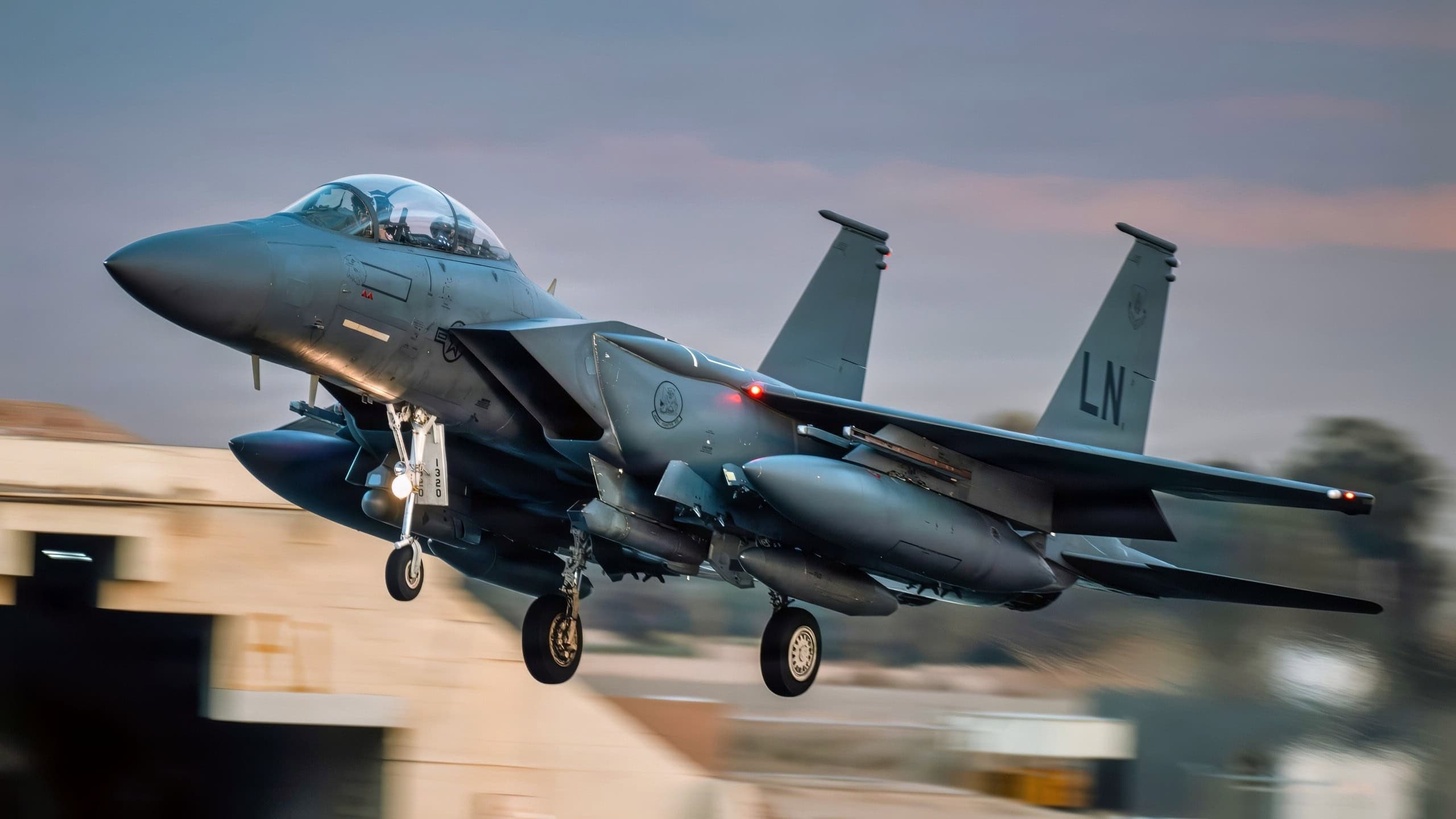
A U.S. Air Force F-15E Strike Eagle aircraft prepares to land at a base in the Middle East, Jan. 18, 2026. The U.S. maintains a highly agile fighting force, leveraging the most advanced capabilities to support the long-term security and stability of the region. (U.S. Air Force photo by Senior Airman Jonah Bliss)
The Islamabad Accord should be taken seriously by both parties, and I remain hopeful that some of the points in the peace plan will be implemented.
A ceasefire may be just around the corner, and let’s hope the plan also includes opening the Strait of Hormuz.
About the Author: Dr. Brent M. Eastwood
Author of now over 3,500 articles on defense issues, Brent M. Eastwood, PhD, is the author of Don’t Turn Your Back On the World: A Conservative Foreign Policy and Humans, Machines, and Data: Future Trends in Warfare, plus two other books. Brent was the founder and CEO of a tech firm that used artificial intelligence to predict world events. He served as a legislative fellow for US Senator Tim Scott and advised the senator on defense and foreign policy issues. He has taught at American University, George Washington University, and George Mason University. Brent is a former US Army Infantry officer. He can be followed on X @BMEastwood.