
Iran’s remaining arsenal, high gas prices, Strait of Hormuz passage, and terrorism threats are all emphasized focal points for assessments of Operation Epic Fury, a combat operation against Iran that may, or may not, be ending “soon.”
The current ceasefire offers a window through which many are likely to assess the relative effectiveness of Operation Epic Fury, and there is a measure of ambiguity and loud voices on both sides of the analysis.

Gas Prices Outside of Walt Disney World. Taken by Harry J. Kazianis for 19FortyFive.com on 4/5/2026.
There seems to be little doubt regarding what might be considered the most useful metric through which to measure success, as Iran’s ability to launch attacks in the region and control proxy terrorist groups — Hezbollah in Lebanon, and the Houthis in Yemen — has been “massively degraded.”
Iran no longer has a Navy or Air Force, and unknown amounts of stockpiled weapons, missiles, and drones have been targeted and destroyed from the air.
Iran War Success: Destroyed Weapons Production
Perhaps of greatest significance, Iran’s manufacturing and weapons production capacity has been targeted and destroyed to a large extent as well.
This is quite significant as a potential long-term threat because even if Iran retains some underground missile stockpiles, its inability to build more leaves it with a finite or at least challenged supply in the coming years.
Rebuilding missile production capacity will take years, so Iran’s ability to launch attacks in the region has been reduced, both in quantity and service life.
Israeli Defense Forces spokesman Brig. Gen. Effi Dafrin stated that 70 percent of Iran’s missile launchers have been destroyed, and that 100 weapons production sites have been hit and disabled. Dafrin added that this will “disrupt Iran’s ability to re-arm in the future.” The IDF added that 500 Iranian Command and Control targets were hit.

A Sailor assigned to the Zumwalt-class guided missile destroyer USS Michael Monsoor (DDG 1001) reunites with a family member following routine operations in the U.S. 3rd, and 7th Fleet areas of operations to maintain a free and open Indo-Pacific, Oct. 3. An integral part of the U.S. Pacific Fleet, U.S. 3rd Fleet leads naval forces in the Indo-Pacific and provides the realistic, relevant training necessary to execute the U.S. Navy’s role across the full spectrum of military operations. U.S. 3rd Fleet works together with allies and partners to advance freedom of navigation and overflight, the rule of law and other principles that underpin security for the Indo-Pacific region. (U.S. Navy photo by Mass Communication Specialist 2nd Class Lordin Kelly)
There have been fewer details and damage assessments announced by the Pentagon, apart from general comments stating Iran’s capacity to attack has been massively reduced or decimated.
The official assessment thus far from the Pentagon is that Iran’s ability to launch drone and missile attacks is “functionally destroyed,” and that 66 percent of Iran’s production facilities for drones and missiles have been destroyed.
“Iran’s ability to build and stockpile ballistic missiles and long-range drones has also been set back by years compared to where it was six months ago before Operation Epic Fury,” White House spokesperson Karoline Leavit told reporters April 8.
Remaining Iranian Drones & Missiles
At the same time, U.S. officials cited in news reports say Iran does still operate a threatening arsenal. Multiple news reports, including NBC News, Reuters, New York Times, and others, are quoting U.S. intelligence community sources stating that roughly 50 percent of Iran’s missile capacity has been destroyed.
One report from Reuters breaks it into thirds, citing U.S. intelligence sources, stating that one-third has been destroyed and another third is “buried” beneath rubble. Should these assessments be accurate, it would seem that Iran does still retain a dangerous drone and missile arsenal despite suffering thousands of U.S. air attacks in Epic Fury.
The largest question mark perhaps pertains to the prospect of a long-term threat, meaning will IRGC hardliners retain control of Iran and pursue the same regime ambitions that have remained in place for years, goals which for decades have included actions such as “death to America” and the complete destruction of Israel.
Will the intent of the Iranian leadership evolve or change as a result of Operation Epic Fury?
Or will antagonistic approaches only grow stronger and more emboldened following the U.S. and Israeli attacks?
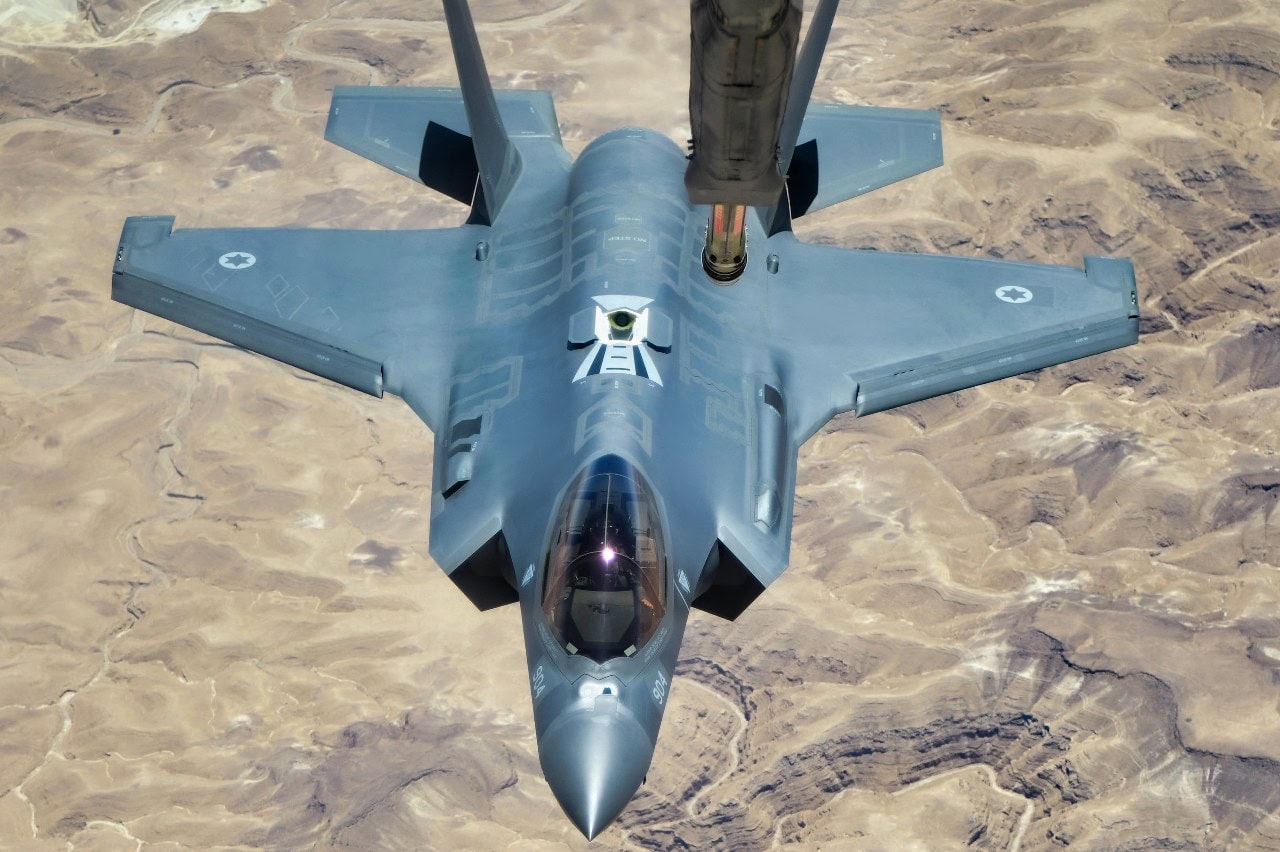
An Israeli Air Force F-35I Lightning II “Adir” approaches a U.S. Air Force 908th Expeditionary Refueling Squadron KC-10 Extender to refuel during “Enduring Lightning II” exercise over southern Israel Aug. 2, 2020. While forging a resolute partnership, the allies train to maintain a ready posture to deter against regional aggressors. (U.S. Air Force photo by Tech. Sgt. Charles Taylor)
It seems unlikely that the new Iranian leaders will experience a policy or attitude shift, or change in sensibility toward Israel and the West. This reality suggests that Iran may return as an equal or greater threat in the next five to ten years.
What About the Opposition
An equally pressing question pertains to the fate of the Iranian protestors who sought regime change and envisioned a different future for their country. Will they continue to be targeted and killed?
President Trump and other senior U.S. officials say the Iranian regime murdered as many as 45,000 Iranians during its crackdown on protestors.
Following the massacre, the unarmed protestors quietly disappeared, yet most assessments indicate that a majority of the country wants regime change in Iran. Has the Iranian regime been weakened to the point that it is vulnerable to being overthrown or overrun by Iranian protestors?
As of now, the Iranian opposition does not appear armed, so there may be little ability for large numbers of pro-regime supporters to mobilize and take action — unless they are armed and supported on the ground.
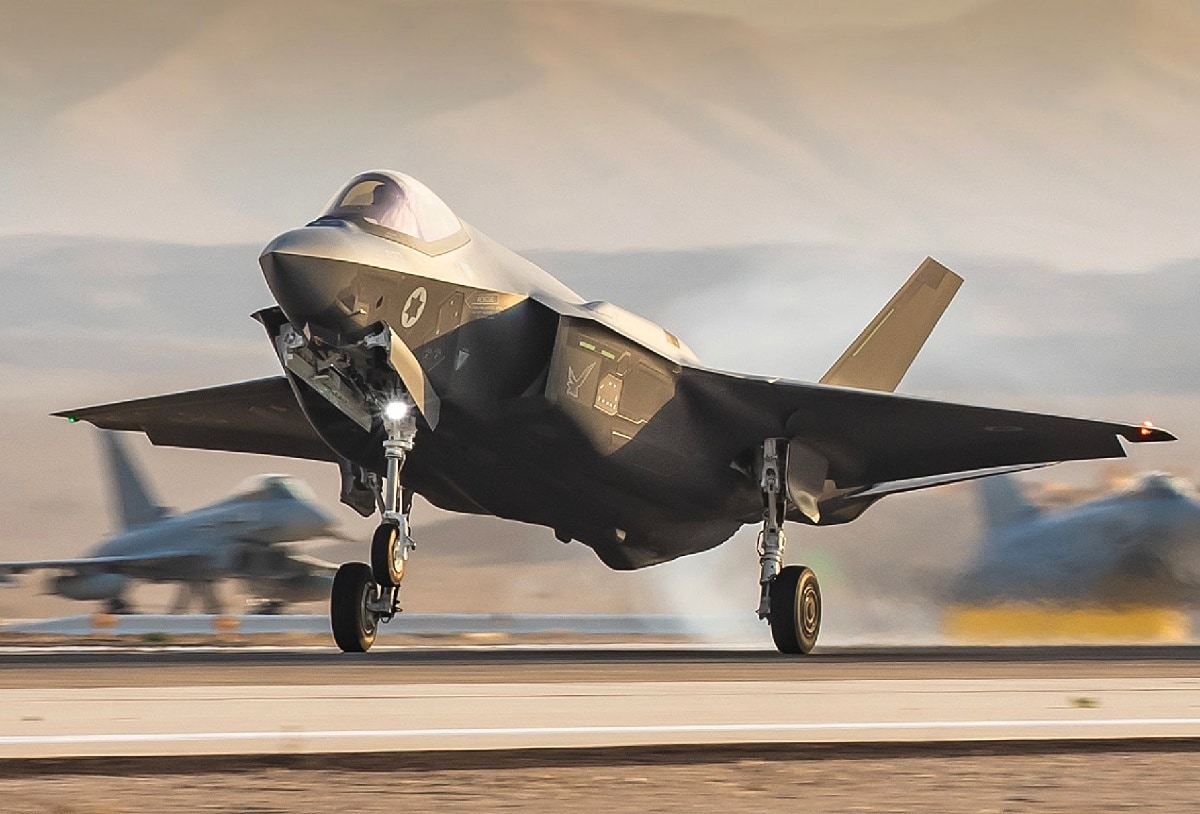
F-35I Adir. Image Credit: Creative Commons.
Strait of Hormuz Not Opened Just Yet
The largest ambiguity or disconnect is the Strait of Hormuz, as Iranian and U.S. positions remain at odds.
To date, Trump has demanded a complete, immediate “opening” of the Strait. Yet Iran’s 10-point ceasefire proposal says the Iranian regime and its military will essentially retain access and passage control over the Strait of Hormuz.
These positions appear to present a massive disparity that may not be reconcilable.
Surely the U.S. cannot let the Iranian military retain control of and profit from the Strait, yet that seems like an actual “real” possibility at this point.
Even if the Iranian regime does not exercise its control over the Strait in a way that is hostile to the U.S., the mere reality that it will “monitor” and control access and transit would seem highly problematic for the U.S.
Would this kind of status quo leave Iran in a better position than it was previously regarding the Strait?
No wonder so many Americans consider Operation Epic Fury, despite all its success, to feel like a loss.
Kris Osborn: Warrior Maven President
Kris Osborn is the President of Warrior Maven – Center for Military Modernization. Osborn previously served at the Pentagon as a highly qualified expert in the Office of the Assistant Secretary of the Army—Acquisition, Logistics & Technology. Osborn has also worked as an anchor and on-air military specialist at national TV networks. He has appeared as a guest military expert on Fox News, MSNBC, The Military Channel, and The History Channel. He also has a Masters Degree in Comparative Literature from Columbia University.