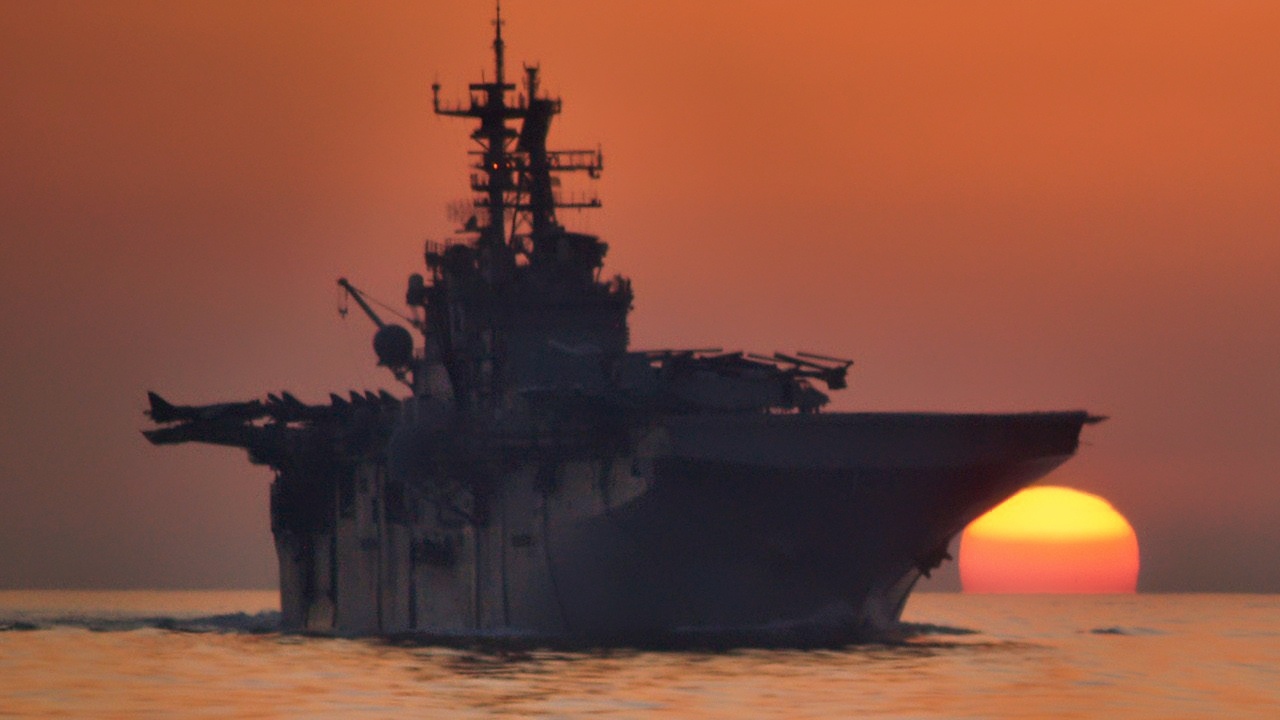
Kharg Island Is 400 Miles From the Strait. Taking It Won’t Open Hormuz. Trump May Try Anyway.
Given President Donald J. Trump’s recent, increasingly aggressive social media posts about the need for the Islamic Republic of Iran, which the forty-seventh president (and the Israelis) have provoked into a major regional conflict, it is clear that Trump is considering an escalation involving U.S. ground forces.
The Context
The Iranians are not going to give up control of the Strait of Hormuz because they properly see that their blockade of this critical oil transit choke point is their main leverage over Washington and Tel Aviv.
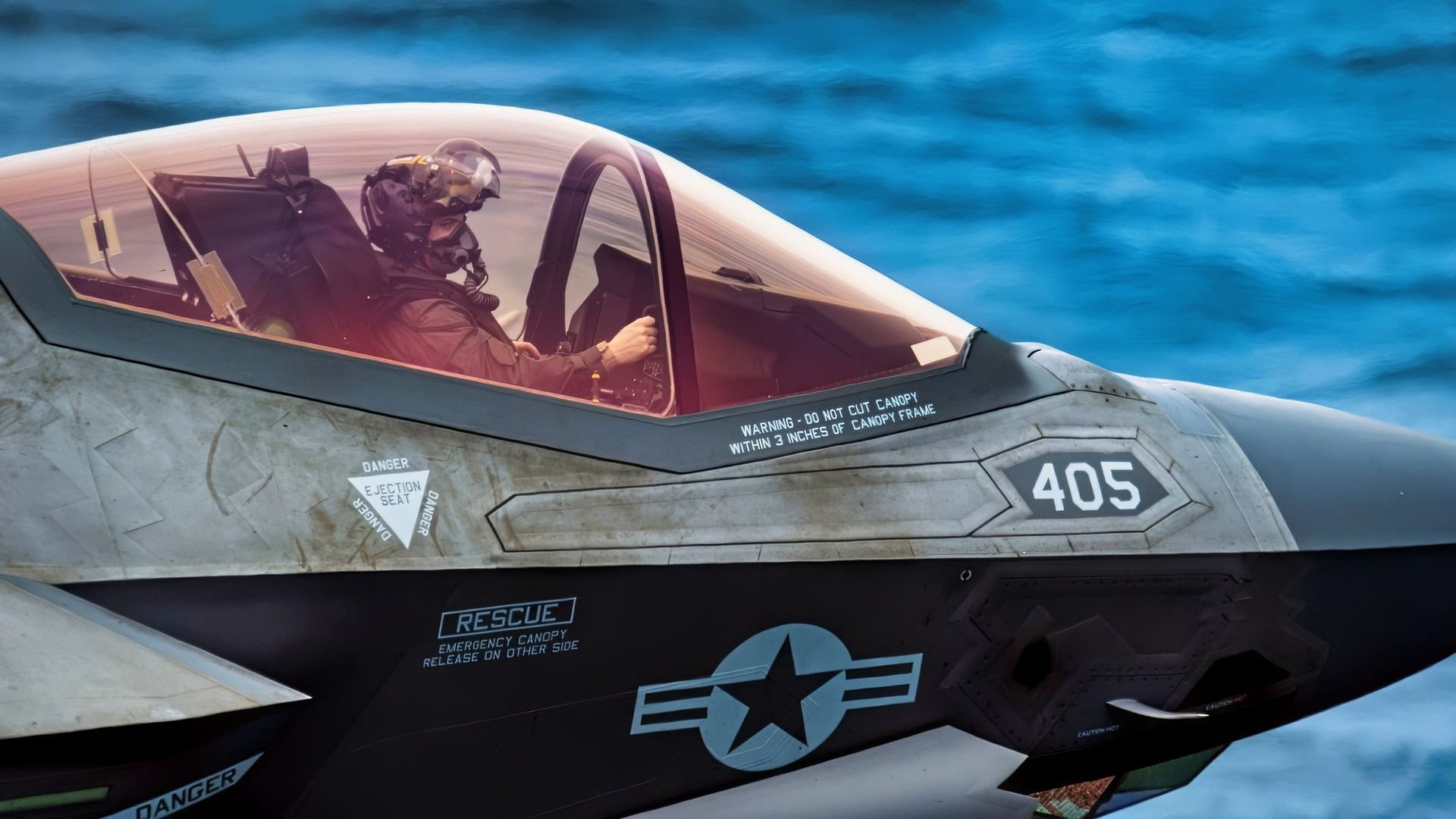
(Jan. 10, 2025) Lt. Cmdr. Joseph Anderson, of Severna Park, Md., waits for launch in an F-35C Lightning II, assigned to the “Warhawks” of Strike Fighter Squadron (VFA) 97, on the flight deck of the Nimitz-class aircraft carrier USS Carl Vinson (CVN 70), Jan. 10, 2025. Vinson, the flagship of Carrier Strike Group ONE, is underway conducting routine operations in the U.S. 7th Fleet area of operations. (U.S. Navy photo by Mass Communication Specialist 3rd Class Nate Jordan)
Given that, it seems probable that Trump will try to open the Strait of Hormuz by landing US ground troops along Iran’s coastline. There are three main locations where the Americans might attempt such a landing, with Kharg Island the most likely.
Let’s first clarify what’s at stake here. Kharg Island is the core of Iran’s oil industry. It handles about 90 percent of Iran’s crude exports, loads around 7 million barrels of oil daily, and is one of the few deep-water terminals in Iran capable of handling supertankers. The island is also crucial to China, which purchases nearly 80 percent of Iran’s oil.
The president and some of his key advisers believe that by fully taking Kharg Island out of Iran’s control, they can financially weaken the Iranian regime and cause serious damage to China in the process. That’s why Trump keeps returning to this plan. While Iran is waging economic war on the West by attacking Gulf States’ oil supplies and closing the Strait of Hormuz, Trump seems to want to retaliate.
Furthermore, Kharg Island is located in the Persian Gulf, which connects to the Strait of Hormuz, potentially giving the United States a strategic point near the Strait for conducting sea control operations (although Kharg is still somewhat distant from the Strait itself).
Because Iran is currently blockading and threatening the safe passage of civilian ships through the Strait of Hormuz, global energy and trade flows are at risk.
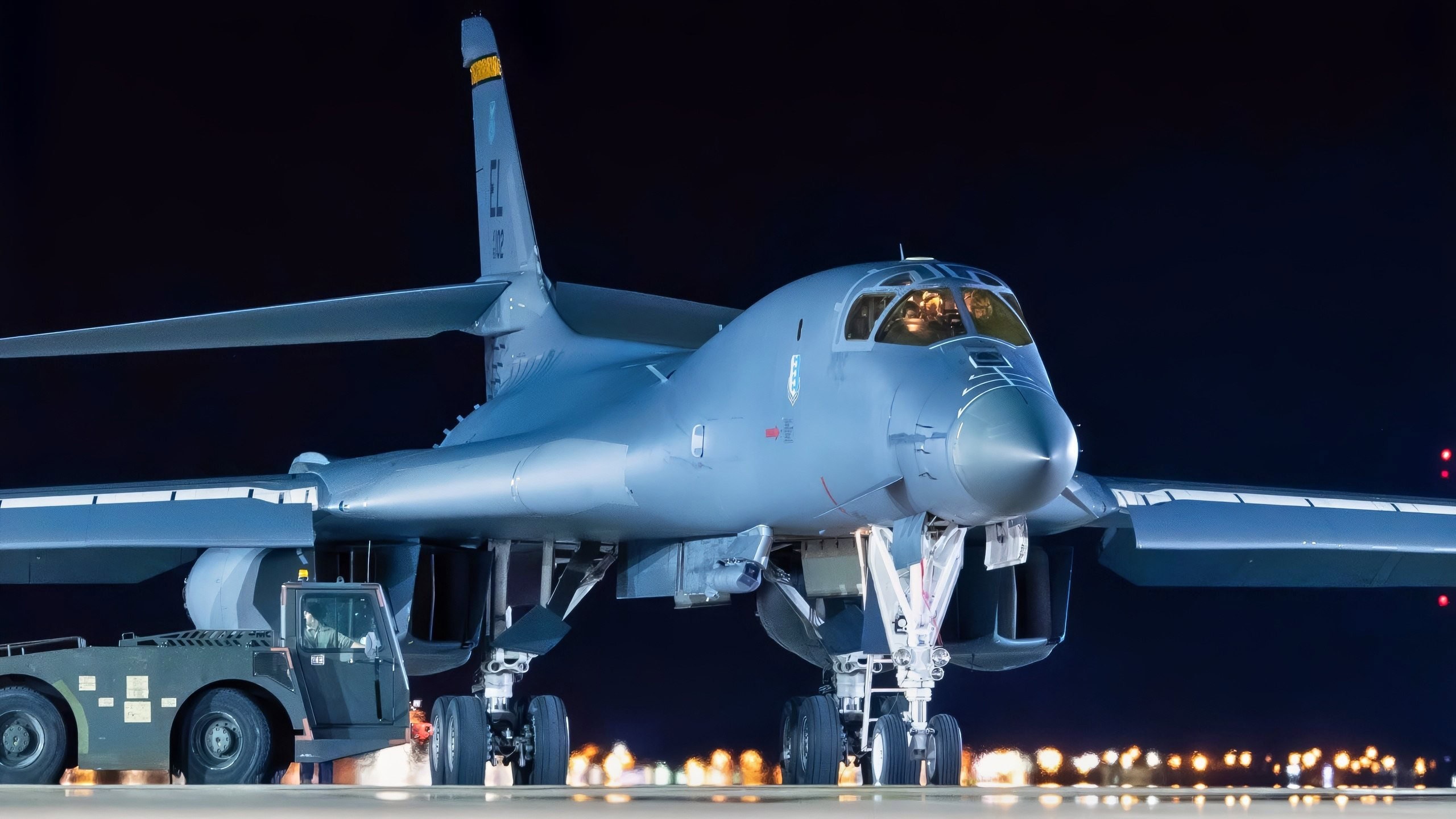
Aircrew piloting a B-1B Lancer prepare to park at Ellsworth Air Force Base, S.D., April 30, 2020. A pair of B-1s flew from the continental United States and conducted operations over the South China Sea as part of a joint U.S. Indo-Pacific Command and U.S. Strategic Command Bomber Task Force mission. (U.S. Air Force photo by Tech. Sgt. Jette Carr)
Geoeconomic Warfare
For the record, the Strait of Hormuz accounts for around 20-25 percent of global oil trade and nearly 20 percent of all global liquefied natural gas (LNG) trade. Tehran’s strategic calculus is very straightforward.
They believe that if the Americans prevent them from freely exporting Iran’s abundant energy resources, they will just block everyone from using the Strait of Hormuz. The Trump administration is responding by trying to stop Iran from exporting at all.
Currently, the United States has been increasing its airstrikes against Kharg Island, indicating that a real reshaping of battlefield operations is underway. Other options for the Americans could include preventing any tankers from reaching Kharg Island. That’s a lower risk for the Americans than attempting an invasion to take over Kharg Island.
But it is legally complicated and unsustainable, as US Navy warships are already refusing to conduct escort duty in the Strait of Hormuz, raising the understandable question of why the Navy would risk its ships in a long-term blockade that may or may not yield any positive results.

Basic Combat Training, also known as “boot camp,” is the process in transforming civilian volunteers into Soldiers. Over 10 weeks, trainees will go through four phases that cover Army core values, physical training, first aid, hand grenades, obstacle course, basic rifle marksmanship, navigation, and three separate field exercises. Basic training produces Soldiers that are disciplined, resilient, physically fit and competent in their basic skills who can successfully contribute as members of a team when they arrive at their first unit of assignment. (US Army photo by Robin Hicks)
Trump is clearly seeking to escalate, and the next logical step is the deployment of ground troops. This would involve thousands of forces taking control of Kharg Island and then operating under a comprehensive and sustained air and missile defense shield to safeguard against the drone swarms and missile volleys Iran plans to unleash once they land.
Additionally, this would necessitate constant naval support—something that, again, the Navy is hesitant to provide near the Strait of Hormuz.
Complicating Factors
But the main issue with Kharg (or any of the islands the Trump administration is considering) is that it will be hard to hold the territory once troops arrive. The island is about 15 miles from Iran’s mainland. That means Iran’s often underestimated arsenal of ballistic missiles, cruise missiles, drones, and hypersonic weapons will likely overpower whatever the Americans deploy there for defense.
This becomes a static target problem.
Essentially, the US Marines would be asked to take and hold a fixed position under constant bombardment, making resupply very uncertain due to the continuous attacks.
Furthermore, taking Kharg Island does not mean reopening the Strait of Hormuz, which remains the primary strategic issue facing Americans and their allies today.
Iran could still mine the Strait of Hormuz, launch anti-ship ballistic missiles at anything passing through Hormuz, use proxies like the Houthis to blockade either the Red Sea or the Strait of Bab el-Mandeb, and attack Gulf infrastructure. Kharg is 400 miles from the Strait! So, taking Kharg would cripple Iran’s exports but wouldn’t necessarily restore the more important shipping lanes.
Here again, as with many American military operations today, there’s a clear gap between tactical success and strategic victory.
An Insane Proposition
If the Americans take Kharg Island, which it seems likely they will attempt soon, one can expect immediate Iranian retaliation in the form of strong missile strikes on Gulf oil facilities, expanded attacks on shipping (thereby worsening the global economic crisis), and possibly mining the Strait of Hormuz.
There will also be second-order effects, including a major oil shock that could trigger global economic panic; China might become more involved due to its reliance on Iranian energy exports; and a regional war could escalate into a world war.
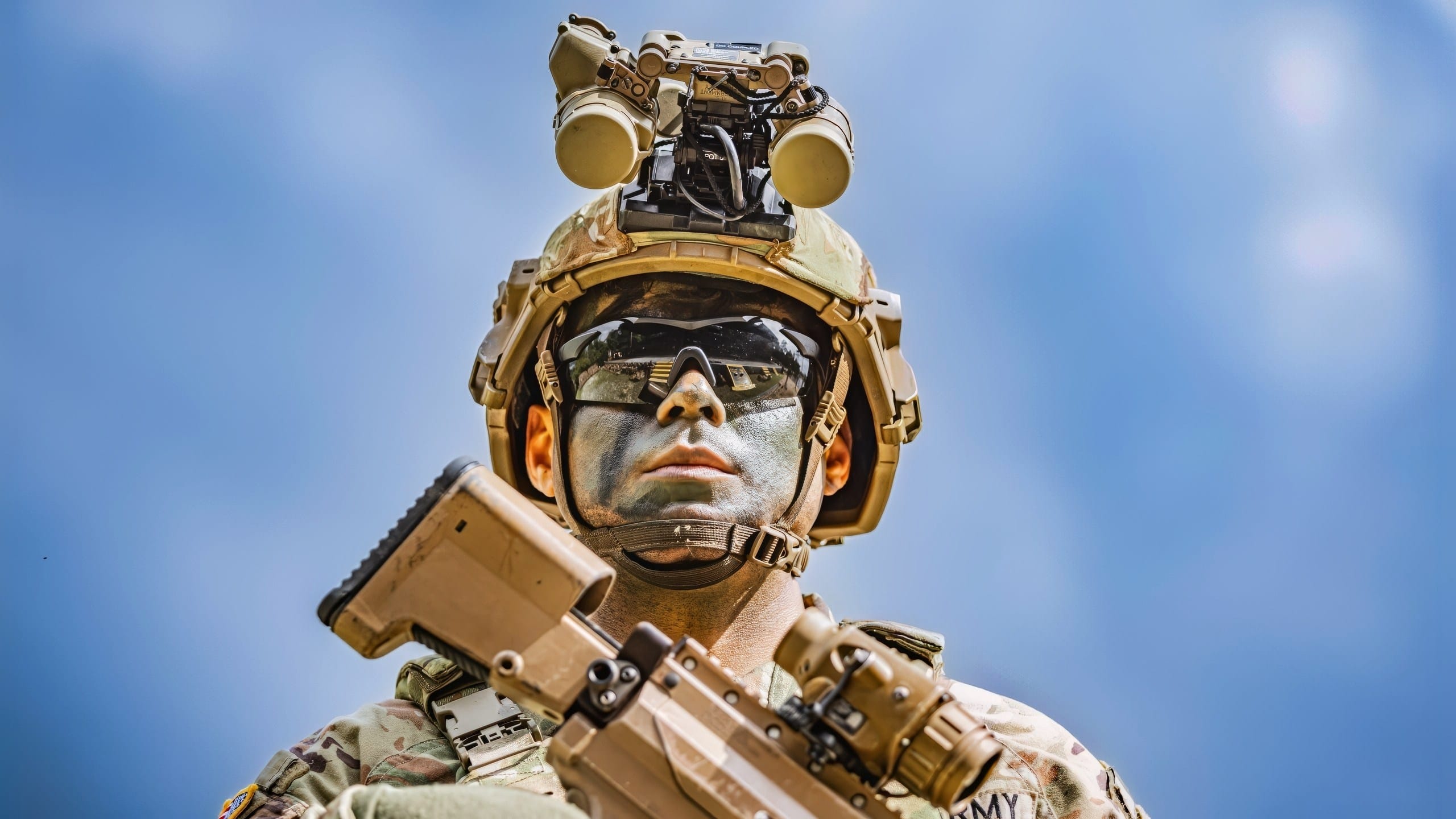
Soldiers, family and friends attend the Rangers in Action demonstration and graduation for class 08-25 Aug. 08, 2025, at Victory Pond on Fort Benning, Georgia. (U.S. Army photo by Capt. Stephanie Snyder)
The Iranians have played their hand skillfully. As long as they keep control of the Strait of Hormuz, they hold escalation dominance and a significant strategic leverage over Washington. It is precisely because Iran is orchestrating the Hormuz situation that Trump is frantically escalating—the president seeks his own leverage over Iran, which he believes would come from taking the oil production facilities on Kharg Island.
And time is working against Trump, with global oil prices spiking, Iran still constraining the flow of goods through the Strait of Hormuz, the war lasting much longer than Trump had anticipated, and none of America’s allies truly stepping up. Trump believes Kharg offers him a clear, measurable, and immediate way to counter Iranian moves in the Strait.
Sleepwalking into World War III
But this isn’t just about an island. It’s about a fundamental strategic choice. What does victory look like? Does one win by seizing Iranian territory, like Kharg Island? Or does the American president succeed by managing the global system that his predecessors spent decades establishing?
Kharg Island is a strategic mirage. Or worse, a strategic dead-end. It feels decisive. It looks like leverage. It offers the (empty) promise of a knockout blow. In modern warfare, however, the most obvious target can be a trap. Iran expects the Americans to land on Kharg because of its strategic value. The Iranians want the Americans to go there, fully aware of the kind of hell Tehran’s forces can unleash on the invading Americans over time.
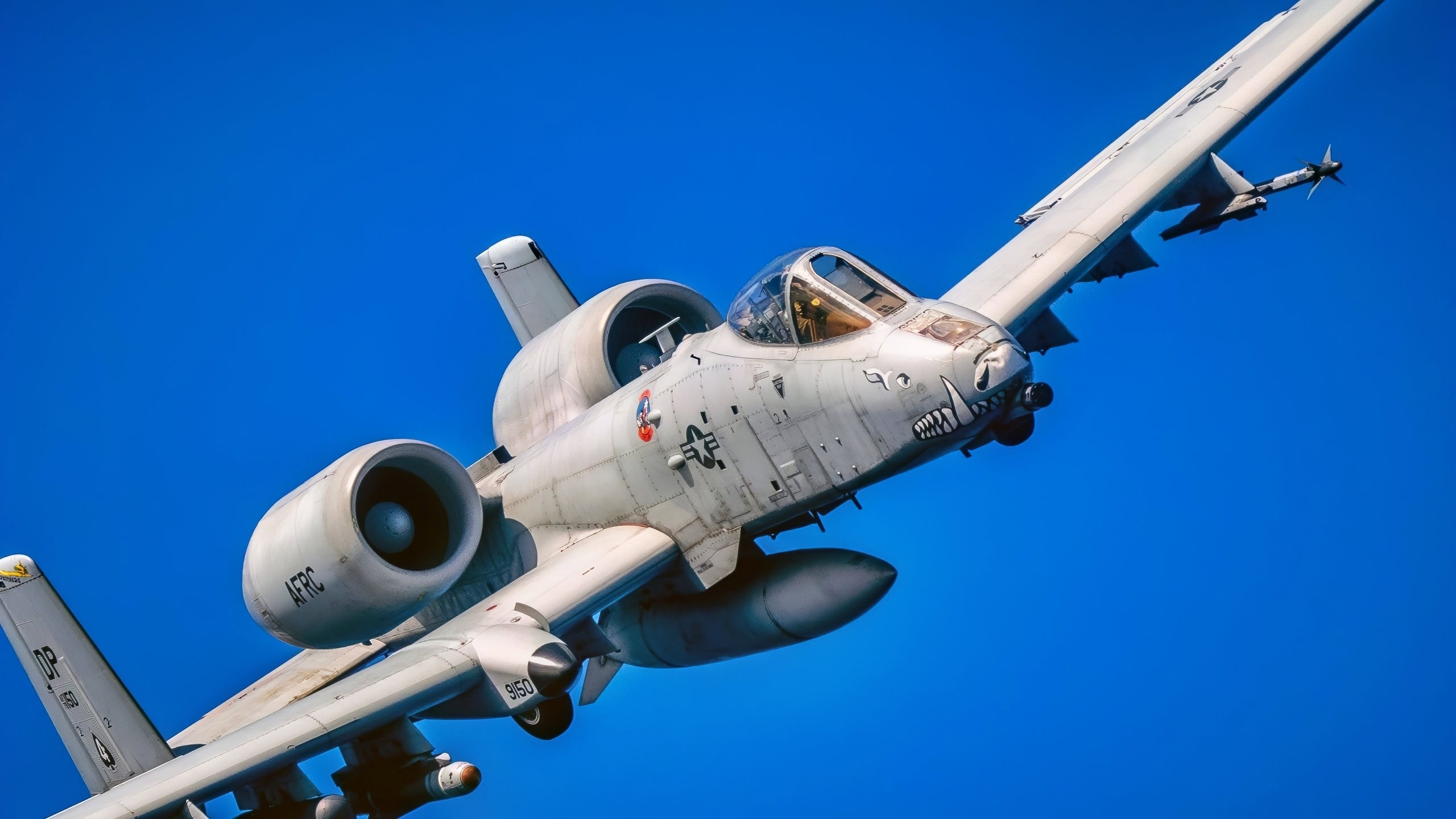
The Legend-class cutter USCGC Midgett (WMSL 757) conducted an Air Raid exercise with a U.S. A-10C Thunderbolt II, the Italian Navy Thaon di Revel-class offshore patrol vessel ITS Montecuccoli (P 432) and the Arleigh Burke-class guided-missile destroyer USS Kidd (DDG 100) as part of Rim of the Pacific (RIMPAC) exercises, July 17, off the coast of Hawaii. Twenty-nine nations, 40 surface ships, three submarines, 14 national land forces, more than 150 aircraft, and 25,000 personnel are participating in and around the Hawaiian Islands, June 27 to Aug. 1. The world’s largest international maritime exercise; RIMPAC provides a unique training opportunity while fostering and sustaining cooperative relationships among participants critical to ensuring the safety of sea lanes and security on the world’s oceans. RIMPAC 2024 is the 29th exercise in the series that began in 1971. (U.S. Coast Guard photo by David Lau)
An invasion of Kharg Island won’t reopen the Strait of Hormuz, but it will ensure the Americans get stuck in another endless Middle East war that destroys us. The Iranians are aware of this. They’re hoping for it.
About the Author: Brandon J. Weichert
Brandon J. Weichert is the Senior National Security Editor at 19FortyFive.com. Recently, Weichert became the editor of the “NatSec Guy” section at Emerald.TV. He was previously the senior national security editor at The National Interest. Weichert is the host of The National Security Hour on iHeartRadio, where he discusses national security policy every Wednesday at 8pm Eastern. He hosts a companion show on Rumble entitled “National Security Talk.” Weichert consults regularly with various government institutions and private organizations on geopolitical issues. His writings have appeared in numerous publications, among them Popular Mechanics, National Review, MSN, and The American Spectator. And his books include Winning Space: How America Remains a Superpower, Biohacked: China’s Race to Control Life, and The Shadow War: Iran’s Quest for Supremacy. Weichert’s newest book, A Disaster of Our Own Making: How the West Lost Ukraine, is available for purchase wherever books are sold.