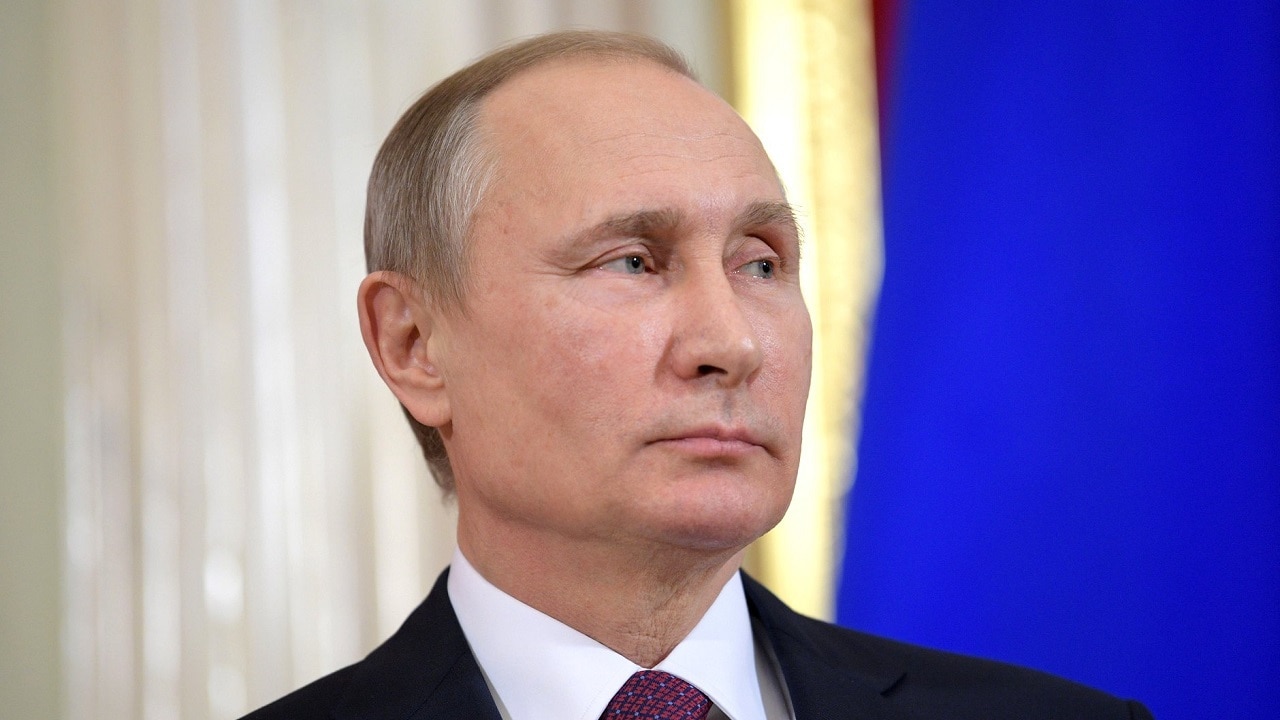
Ukraine Strikes Deep Into Russia: The Omsk Oil Refinery, which is the largest in Russia, has ceased operations since being hit by a Ukrainian drone on Monday, 6 July. This is according to at least two industry sources who spoke to Reuters following the attack.
Monday’s strike on the refinery, which is located deep in Siberia, was one of the longest-range attacks by Ukraine since the start of Russia’s full-scale invasion in February 2022. The Omsk facility is Russia’s largest producer of refined petrol. Its shutdown is predicted to deepen the already disruptive fuel crisis in Russia, which over the past several weeks has become progressively worse with each Ukrainian attack on Moscow’s oil industry.
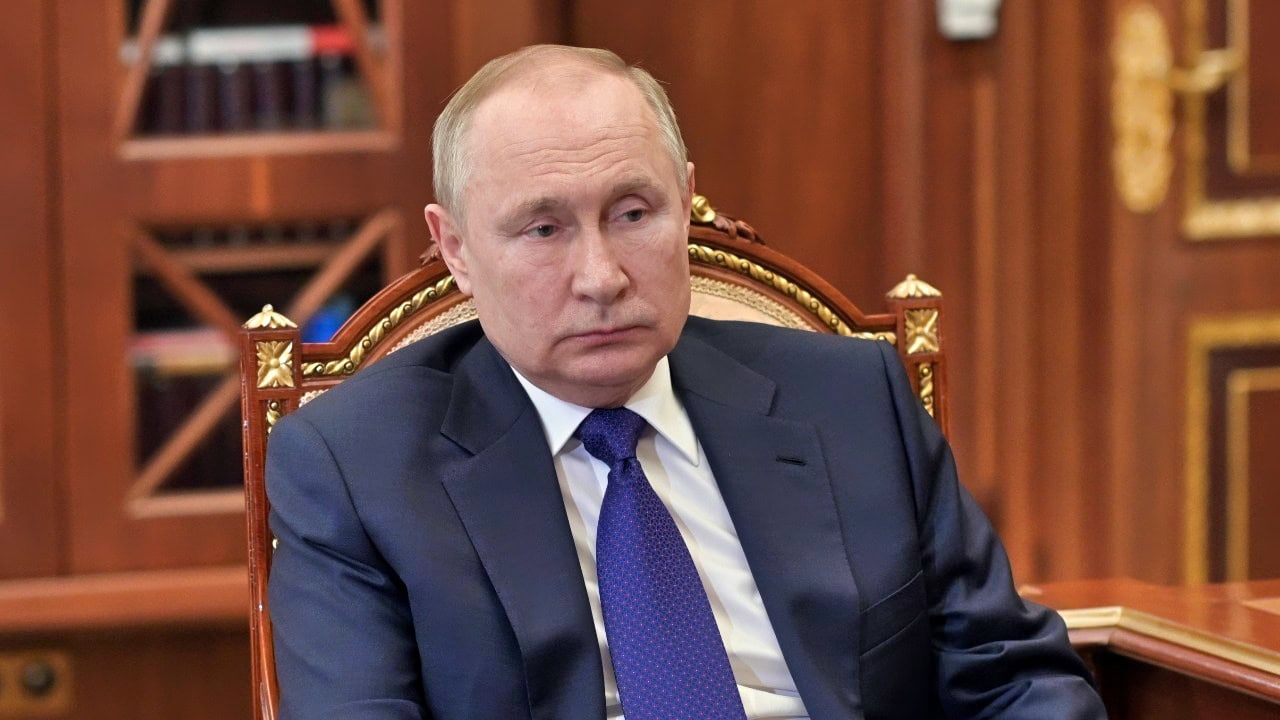
Russia’s President Putin. Image Credit: Russian Government.

Then President-elect Vladimir Putin aiming with an AK-74 rifle simulator at an electronic shooting gallery during his visit to the Russian Railways Scientific and Technical Development Center in Moscow’s Rizhsky railway station.
“Facilities at the Omsk oil refinery were damaged as a result of [Monday’s] attack. No plant personnel were injured,” said Anatoly Seryshev, President Vladimir Putin’s representative in Siberia, in a statement on Tuesday, 7 July.
“Damage assessment is currently underway, and competent services have organized restoration work,” Seryshev said, but without providing any details on which sections or areas of the plant were damaged, to what extent the refinery’s operations have been impacted, or for how long.
Damage to Main Processes Causes Halt in Petrol Sales
Gazprom Neft owns the Omsk refinery and the famous Moscow refinery, which was hit twice in June 2026. The areas destroyed at the Moscow plant will require extensive repairs, so the facility is unlikely to be back online until 2027.
The company did not immediately reply to requests for comment, but the Omsk refinery stopped selling gasoline and diesel on the St. Petersburg International Mercantile Exchange as of today, Tuesday, according to information from the exchange trading floor.
Sources familiar with the Omsk site state that one of the key installations at the refinery is a crude distillation unit, CDU-10, which is responsible for approximately 38 percent of the plant’s production. It has a processing capacity of 24,580 metric tons a day and is one of the sections that caught fire and was damaged in this attack. Again, there is no immediate information as to how long it will be out of commission.
The same sources report that another primary processing unit, CDU-11, was taken offline as well. This section accounts for 37 percent of the plant’s capacity and typically processes 24,000 tons of oil per day.
The CDU-11 unit did not suffer any serious damage from the attack, but external network links essential to its operation were reportedly damaged. Provided these ancillary units can be brought back into operation, the CDU-11, which first began operation in 2023, could come back online in the near future.
Extensive Fallout from Ukraine’s Latest Attack
The Omsk refinery also has two older primary refining units, CDU-7 and CDU-8, that had been shut down some time ago when the newer, more modern units were put into operation. These two stations, previously mothballed, have a production capacity of 10,000 tons per day each – less than half the capacity of the two units currently not in operation following the attack.
In theory, the plant could restart them to restore at least part of the production capacity lost due to damage to CDU-10. But a drop in processing is putting output considerably below the norm – and for how long a period of time, no one knows for sure – is creating serious fallout from the Ukraine attack.
According to sources who spoke to Western media, in 2024 the Omsk oil refinery processed 22 million tons of oil, or around 440,000 barrels per day. At that time, the facility produced 5 million tons of gasoline and 8 million tons of diesel.
Now, since the attack by Ukraine, the situation in Omsk has taken on the same profile as in many other regions of Russia. According to local residents, queues stretching for kilometers are now forming at petrol stations across the region.
Russian media reports say that Topline, Omsk’s largest petrol station chain with 53 locations, has stopped selling fuel to private customers after its refinery supplies were halted.
But this fallout from the attack extends well beyond Russia’s borders. Central Asian countries that have relied almost entirely on Russia as their main fuel supplier have already reported shortages and higher prices.
Uzbekistan has had to cancel commercial flights because of jet fuel shortages. Kazakhstan is now exploring the possibility of importing fuel from the People’s Republic of China as a hedge against further attacks and resulting supply disruptions.
“Russia is losing more than just refining capacity and the ability to supply its own needs,” said a military analyst in Moscow who spoke to 19FortyFive. “They are losing some very long-time and dependable sources of sales in the form of export customers.”
About the Author: Reuben F. Johnson
Reuben F. Johnson has thirty-six years of experience analyzing and reporting on foreign weapons systems, defense technologies, and international arms export policy. Johnson is the Director of Research at the Casimir Pulaski Foundation. He is also a survivor of the Russian invasion of Ukraine in February 2022. He worked for years in the American defense industry as a foreign technology analyst and later as a consultant for the U.S. Department of Defense, the Departments of the Navy and Air Force, and the governments of the United Kingdom and Australia. In 2022-2023, he won two awards in a row for his defense reporting. He holds a bachelor’s degree from DePauw University and a master’s degree from Miami University in Ohio, specializing in Soviet and Russian studies. He lives in Warsaw.