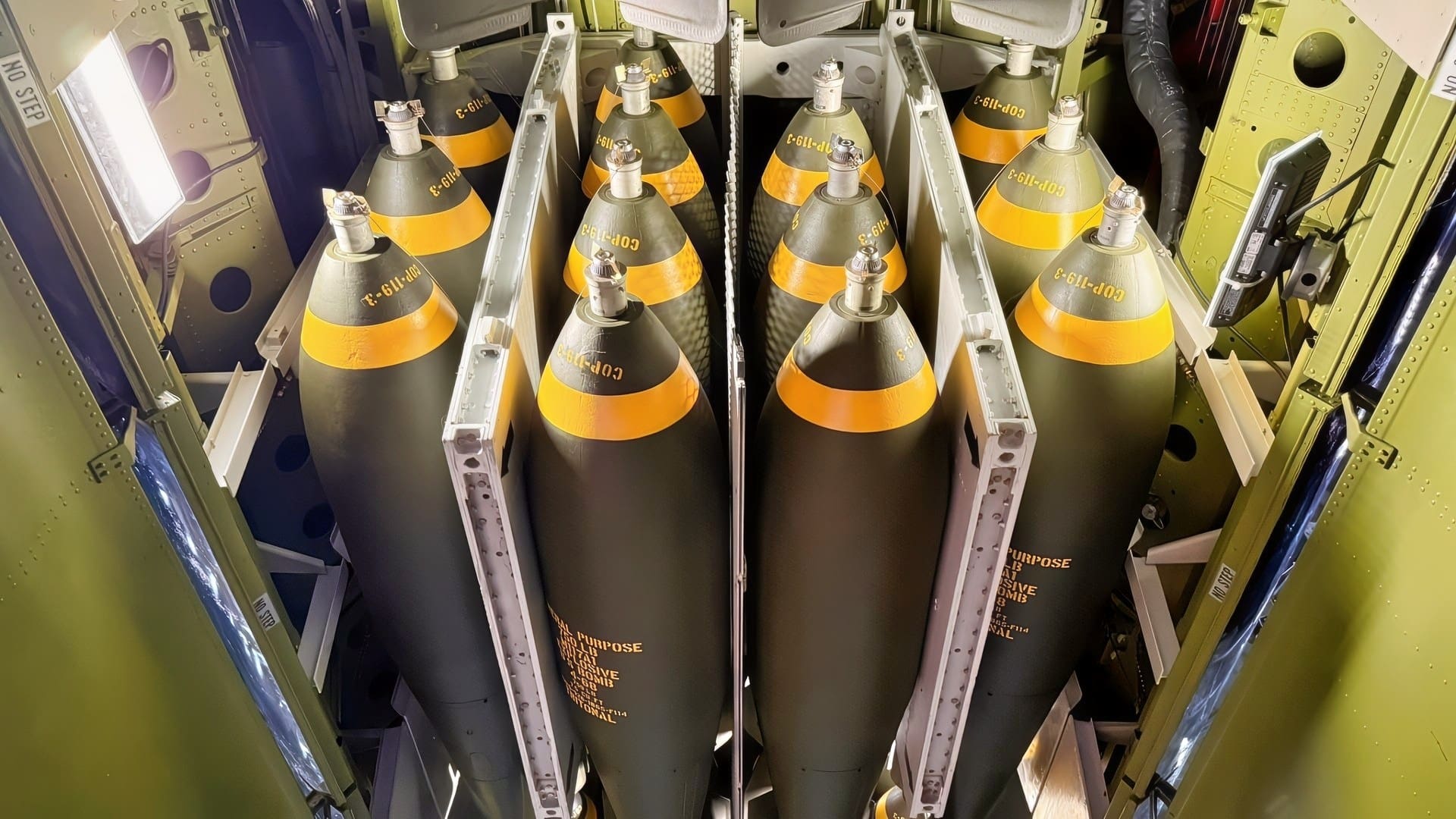
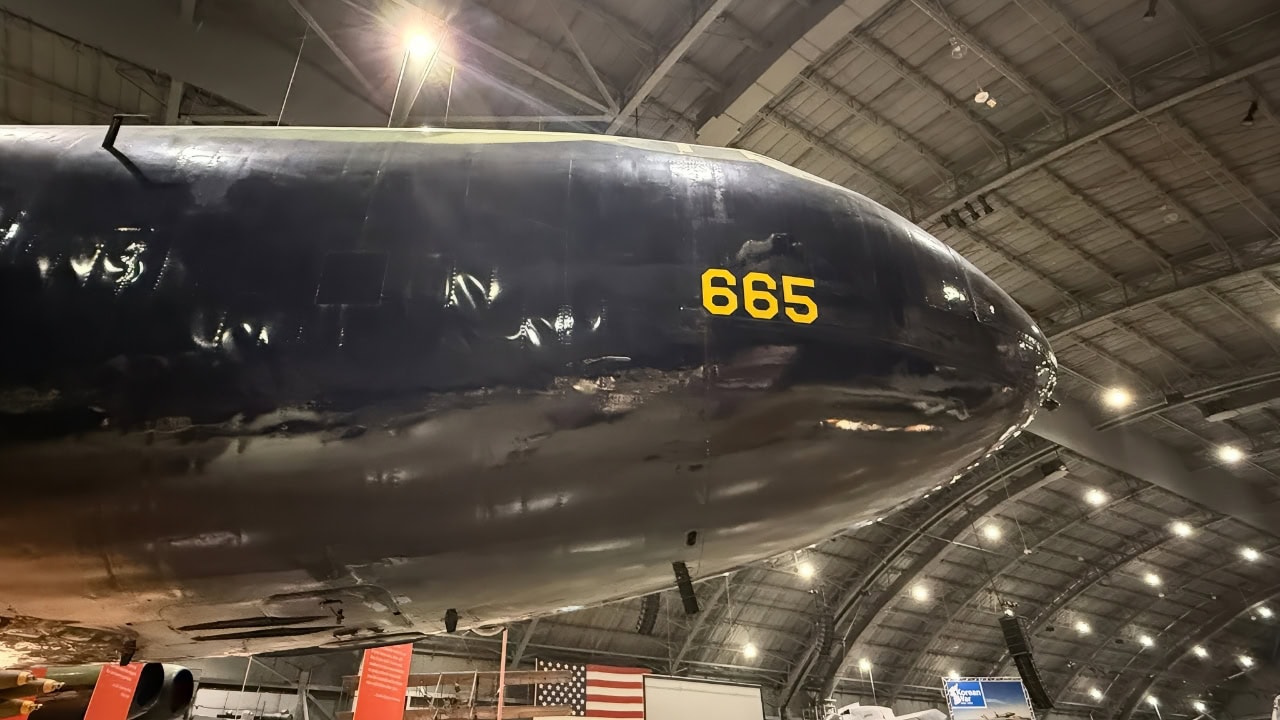
For all the attention lavished on flashy new stealth jets and drones, some of the aircraft that performed the most vital tasks during the war with Iran were much older and far less glamorous: the colossal, aging B-52 Stratofortress and the B-1B Lancer, both operating from Royal Air Force Fairford in Gloucestershire, England. If the war has underlined anything, it is that these lumbering Cold War-era workhorses still matter to Washington. In fact, we visited both bombers last year, and this essay includes some interesting photos that showcase their power.
Ceasefire, For Now…
That verdict looks even stronger after Wednesday’s abrupt diplomatic turn.
A two-week ceasefire has interrupted a conflict that was escalating toward a potentially even more intense phase that might have targeted critical Iranian infrastructure.
U.S. President Donald Trump said the United States and Iran would now work toward removing Iran’s deeply buried uranium stockpile—although Vice President JD Vance called the truce “fragile.”
At the Pentagon, Secretary of Defense Pete Hegseth and Joint Chiefs Chairman General Dan Caine nonetheless presented the campaign as a military success, with Caine stating that U.S. forces had destroyed about 80 percent of Iran’s air defenses, struck more than 450 ballistic missile storage sites, and wrecked much of Tehran’s military infrastructure.
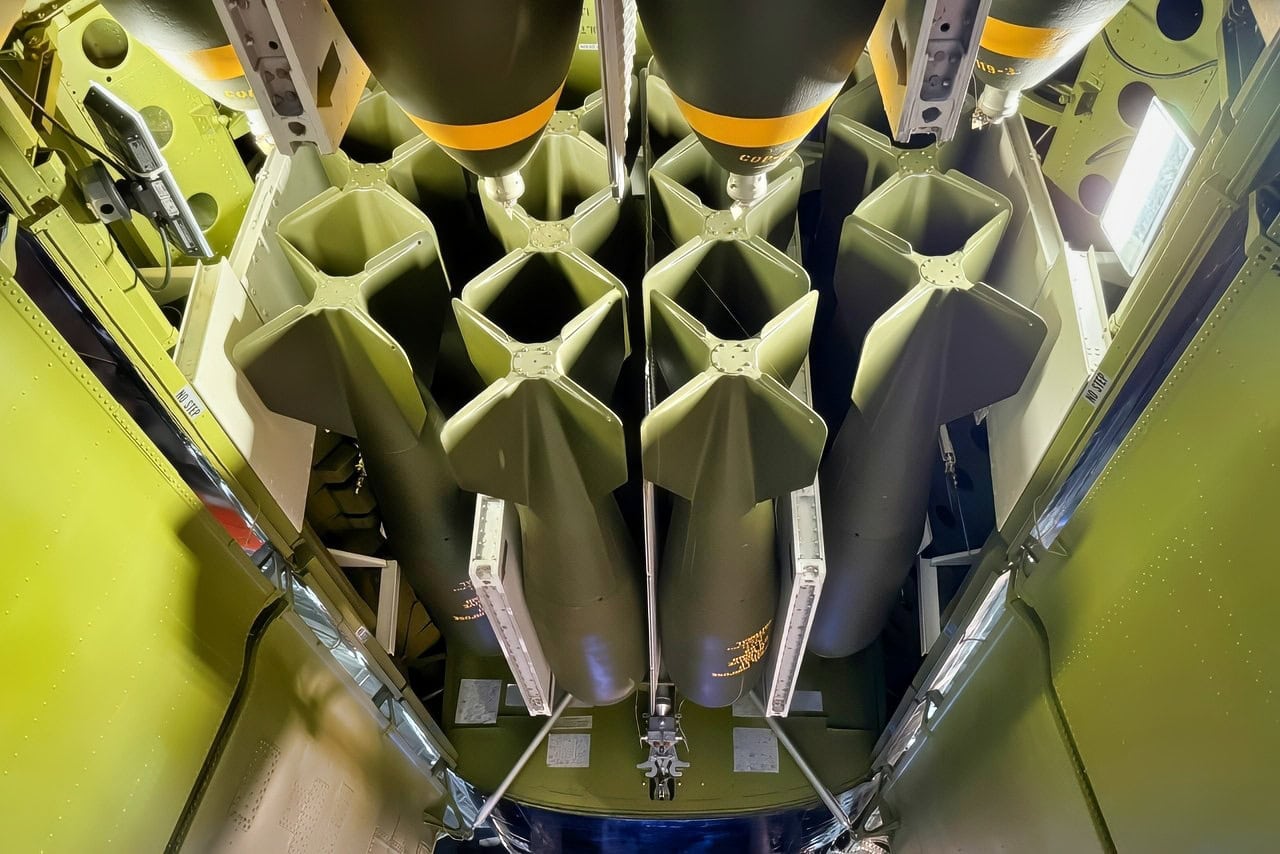
B-52 bombs. Image Credit: 19FortyFive.com Taken at the National Museum of the Air Force.
Those claims help explain why the bombers became so important.
Fox News reported on April 3 that B-52s started flying over Iran after the United States gained air superiority. That is not a small development. The B-52 is not stealthy, not especially fast, and not something commanders send into dangerous airspace unless they believe the enemy’s defenses have been battered badly enough to permit it.
Older Bombers Still Offer Speed and Strength
What made these older aircraft so useful was not sophistication, but brute military practicality.
The B-52 can carry some 70,000 pounds of ordnance and remain in a battlespace long enough to strike several targets in one fell swoop. Then there is the B-1B, which is also known for bulk and a hefty internal payload.
In earlier stages of the campaign, the United States relied heavily on long-range bomber attacks from the continental United States, but once Britain allowed RAF Fairford to be used for strikes, the bomber fleet suddenly gained a much shorter route to the theater and operated at a much faster tempo.
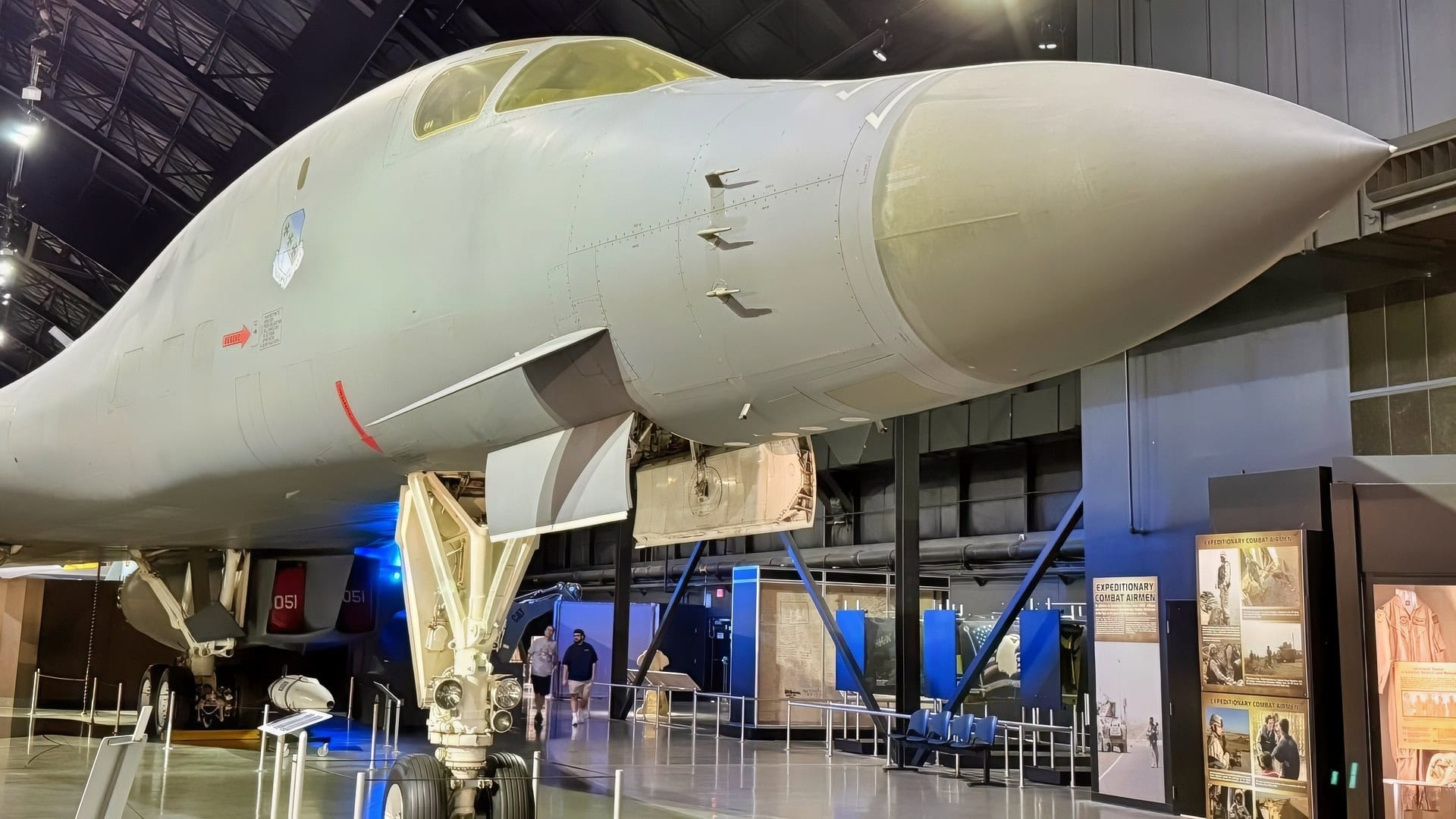
B-1B Lancer at National Museum of the U.S. Air Force. 19FortyFive.com Original Photo.
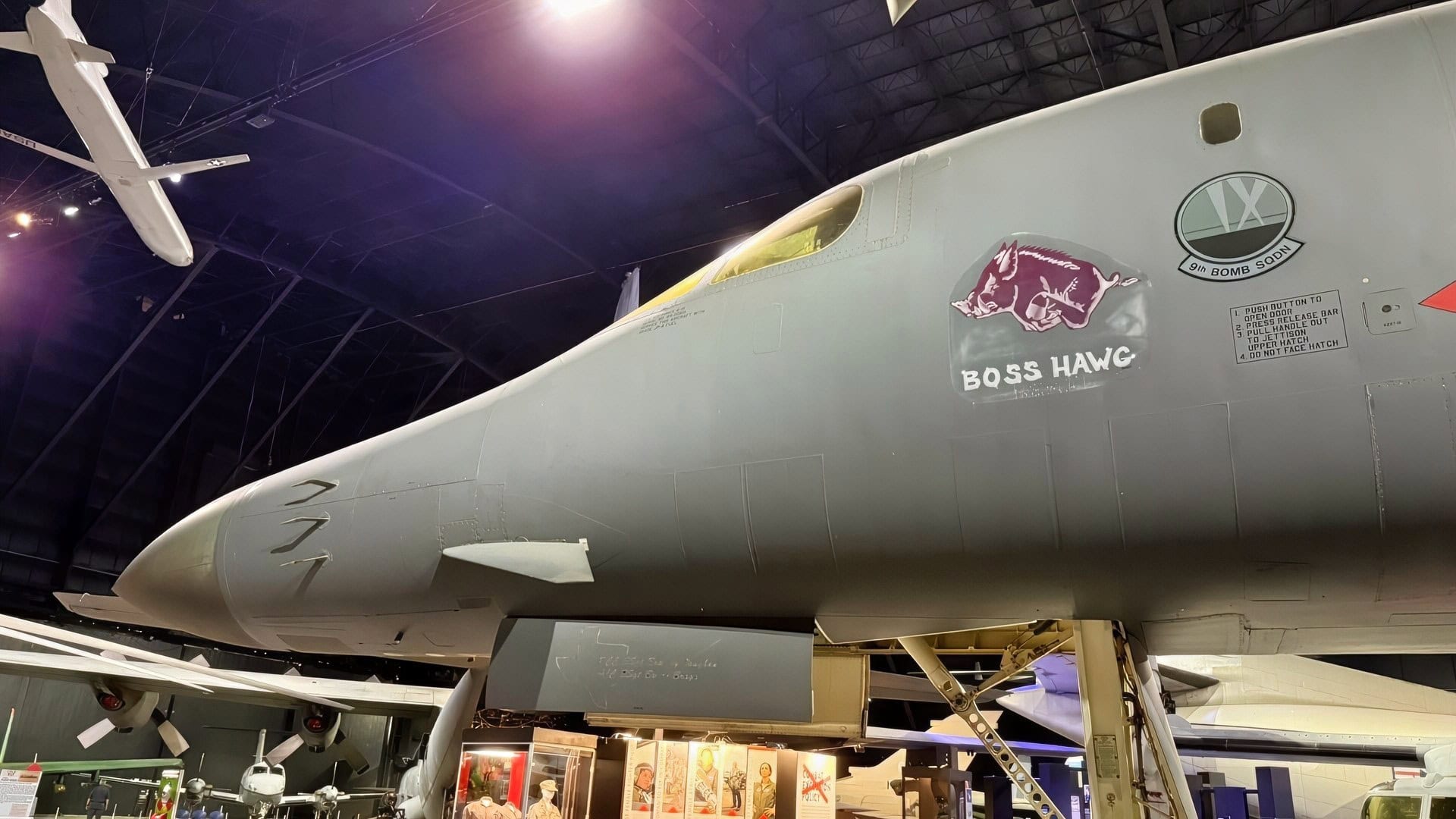
B-1B Lancer Bomber at National Museum of the Air Force. 19FortyFive.com Photo.
Air & Space Forces Magazine reported in late March that Fairford was hosting 15 B-1Bs and six B-52Hs — one of the biggest American bomber deployments seen in recent years.
Fifteen B-1Bs would be about one-third of the Lancer fleet. Fox’s Mark Gunzinger, a retired Air Force colonel and former B-52 pilot, told the magazine that the U.S. bomber inventory totals about 140 aircraft across the B-52, B-1B, and B-2 fleets, with fewer than 50 likely combat-ready at any given time.
His conclusion was blunt: America was using a majority of its combat-capable bombers to sustain this fight.
B-52 To Remain in Use For Decades to Come
While many assume these older platforms are simply waiting to be replaced by modern machines, the invaluable role these older jets played in recent missions challenges that view.
In this campaign, aircraft designed decades ago were a vital component of Washington’s strategy.
The B-52 has already outlived numerous bombers that were thought to demote the Stratofortress to the scrapyard, and it will likely remain in service into the 2050s—more than a century after it was designed.

A modified B-52H Stratofortress departs Edwards Air Force Base for an evening training mission on June 25, 2025. The aircraft is assigned to the 419th Flight Test Squadron, Global Power Bombers Combined Test Force, tasked with supporting developmental testing across the B-52, B-1, and B-2 bomber portfolio. Along with most 412th Test Wing aircraft, B-52H bombers at Edwards include special instrumentation to conduct a variety of testing activities. (Air Force photo by Chase Kohler)
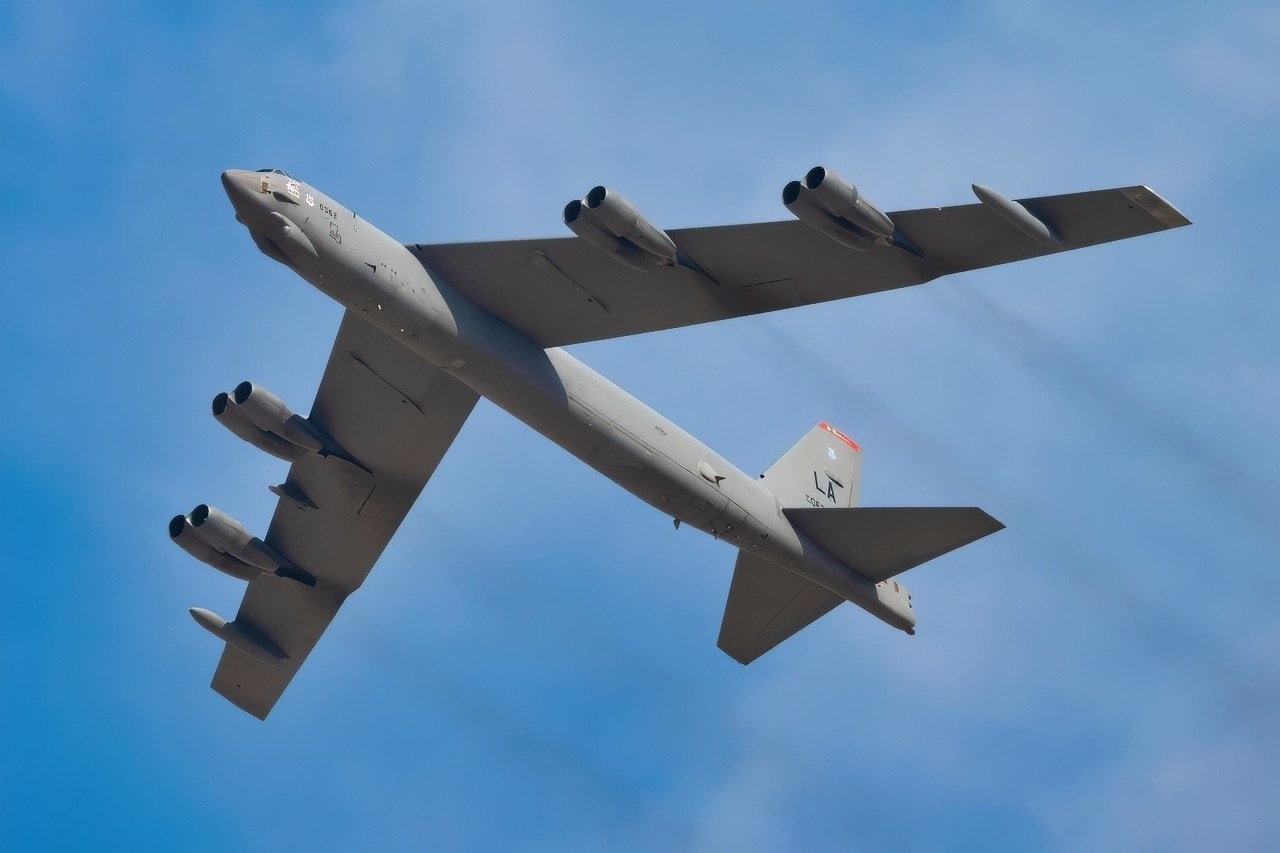
A U.S. Air Force B-52 Stratofortress aircraft, assigned to the 96th Bomb Squadron from Barksdale Air Force Base, Louisiana, flies over spectators at the Dubai Airshow 2025, Nov. 17, 2025, at the Al Maktoum International Airport in Dubai, United Arab Emirates. The B-52 flew from Rota, Spain, to participate in the event, showcasing U.S. airpower on a global stage. (U.S. Air Force photo by Staff Sgt. Tylin Rust)
Today, The Sun newspaper reported that U.S. bombers, including B-52s, had made their way back to RAF Fairford with their payloads intact after Trump’s ceasefire announcement. That leaves the bombers in an unusual position.
They were not merely instruments of escalation, but leverage. Their presence over Iran, and their readiness to keep striking, helped create the pressure behind the deal now being sold as a ceasefire.
Whether this temporary pause holds is another question.
But if one is asking which aircraft came out of this war looking most useful, most relevant, and most vindicated, the answer is clear.
About the Author: Georgia Gilholy
Georgia Gilholy is a journalist based in the United Kingdom who has been published in Newsweek, The Times of Israel, and the Spectator. Gilholy writes about international politics, culture, and education. You can follow her on X: @llggeorgia.