
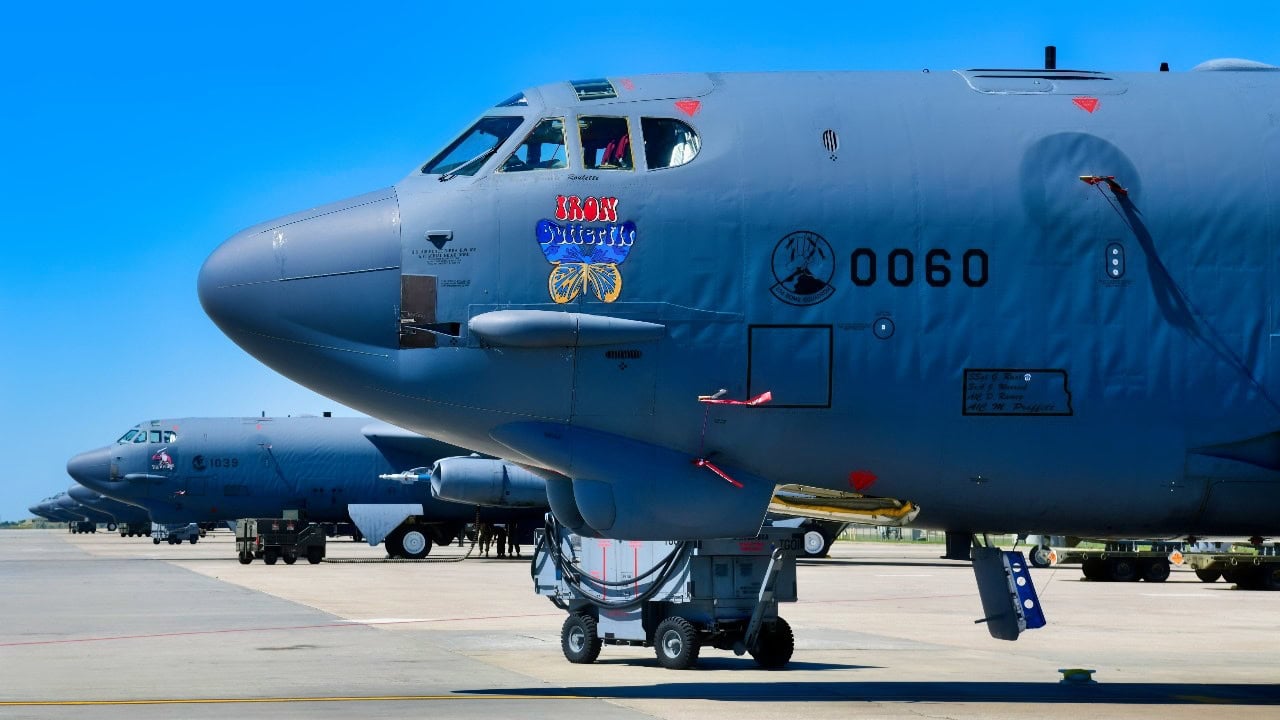
$48 Billion to Keep a 70-Year-Old Bomber Flying Until 2050 — Why the B-52J Is Still Cheaper Than Every Alternative
The B-52J modernization program, with its staggering $48 billion investment, has faced cost overruns, delays, and criticism.
But the aircraft’s role in Operation Epic Fury has placated some of the program’s detractors; the B-52 has been a workhorse bomber in the campaign.
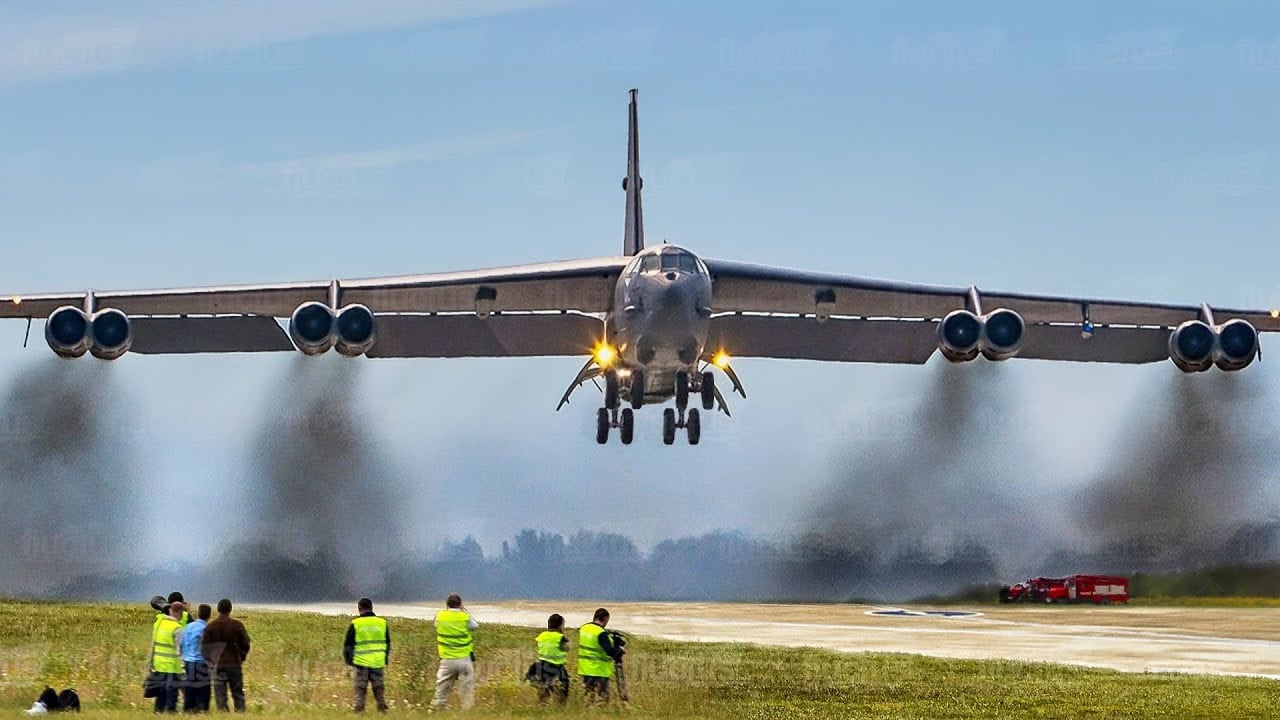
B-52 Bomber. Image Credit: Creative Commons.
Still, using Iran as a justification is troubling, given the campaign’s questionable strategic aims.
That said, the B-52J is likely the least expensive way to maintain the current US bomber force structure.
The Modernization Program Explained
The B-52J program entails the CERP engine replacement and the RMP radar modernization.
The updates should improve the B-52’s fuel efficiency and reliability—plus add new AESA radar.
The downsides are the costs, pushing $50 billion, and the delays, now pushing back into the 2030s.
The costs and delays stem from integration problems; sometimes it can be difficult to plug modern digital systems into mid-century airframes. This is not a minor upgrade but a life-extension into the 2050s.
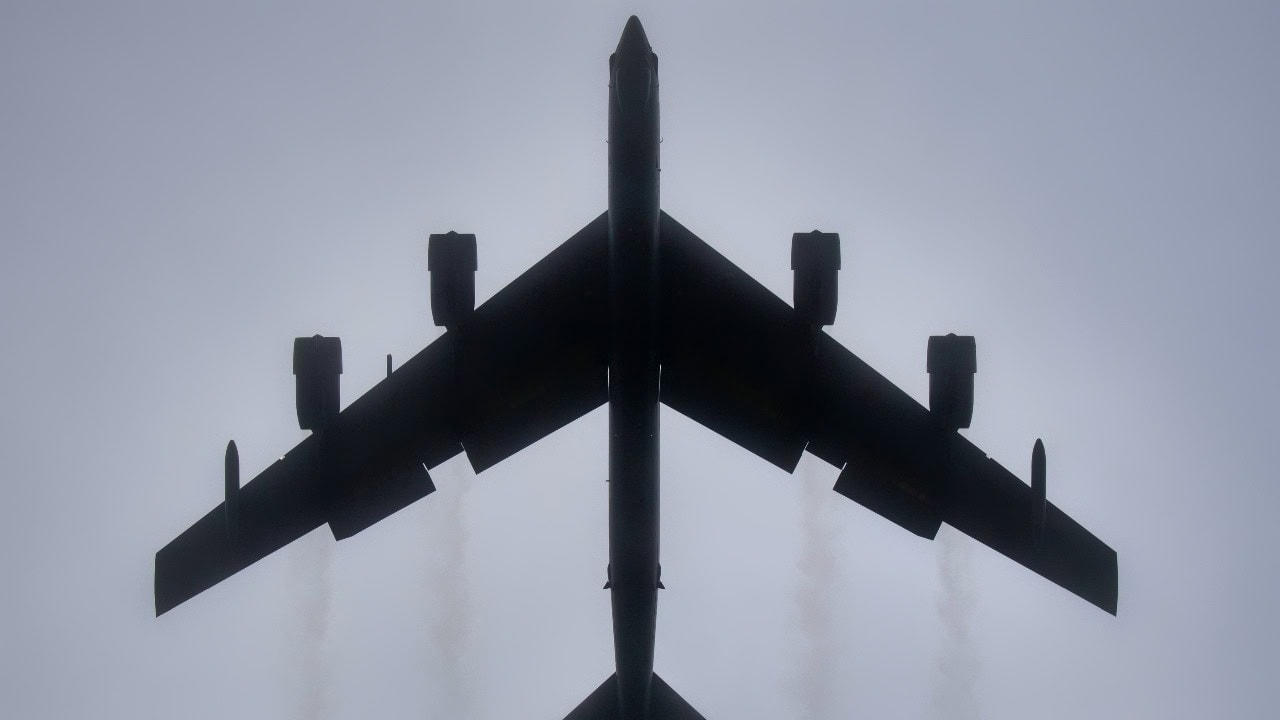
A B-52 Stratofortress takes off during Global Thunder 2019 at Barksdale Air Force Base, La., Nov. 5, 2018. Global Thunder is an annual U.S. Strategic Command (USSTRATCOM) exercise designed to provide training opportunities to test and validate command, control and operational procedures. The training is based on a notional scenario developed to drive execution of USSTRATCOM and component forces’ ability to support the geographic combatant commands, deter adversaries and, if necessary, employ forces as directed by the President of the United States. (U.S. Air Force photo by Airman 1st Class Lillian Miller)
Why the Upgrade Makes Sense
The B-52 constitutes over 50 percent of the US bomber fleet. That dependency is compounded by the slated retirements of the B-1B and B-2, and by the fact that the B-21 is not yet available.
So the Air Force needs the B-52 now and in the foreseeable future—especially until the B-21 is fielded in sufficient numbers. And even then, the next-gen stealth bomber will be expensive and rare and won’t make sense as a workhorse bomber.
The B-52J upgrades also make sense because, without an upgrade, the Air Force would need a clean-sheet bomber.
That would cost more and take years and years to produce. So while $50 billion invested so far sounds steep—and it is—it likely represents a fraction of what it would cost to develop a B-52 replacement from scratch.
The Air Force can’t let the B-52 amble on unaddressed, either.
The old engines are failing; the fleet would no longer be functional by the 2030s, especially as parts scarcity deepens, accelerating the cannibalization that has already begun.
The new engines will improve reliability and fuel economy, giving the otherwise sound airframes a sound power source.
What Epic Fury Showed
After Iran’s air defense systems were degraded sufficiently, the B-52 was dispatched over Iranian territory.
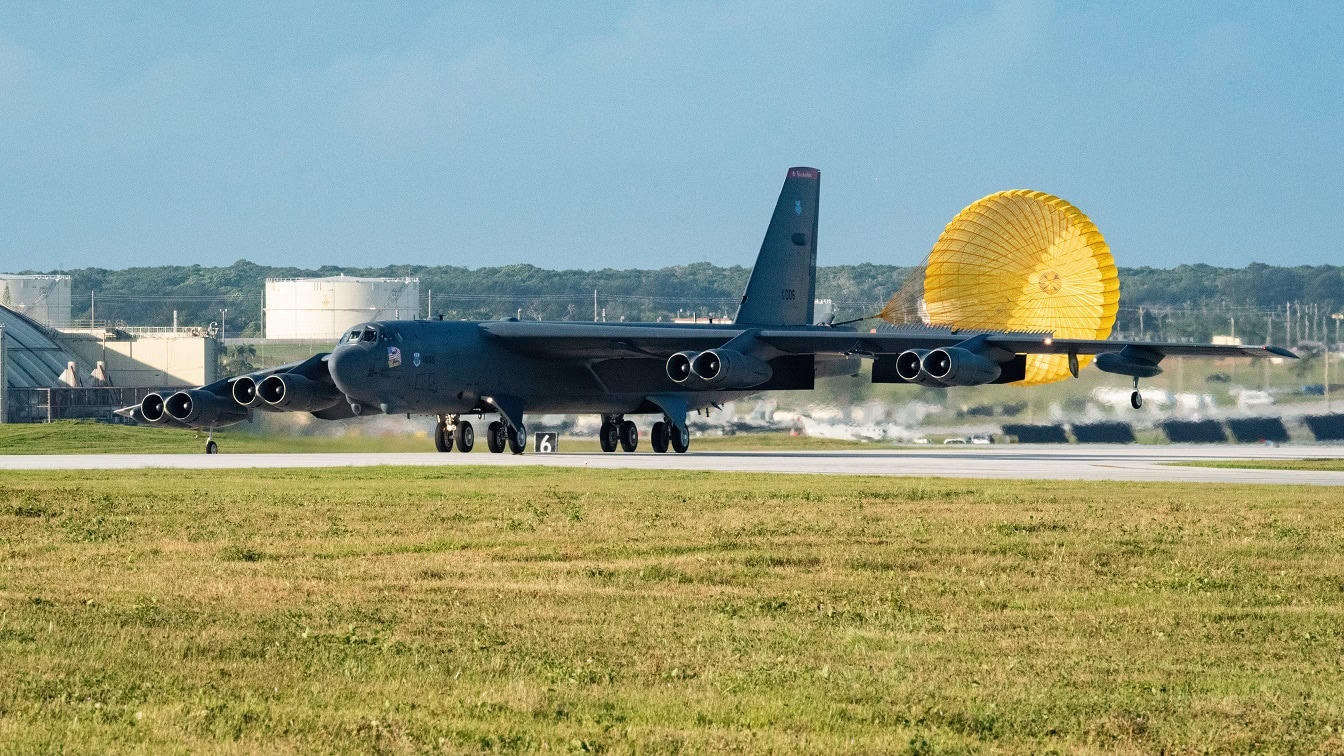
A B-52 Stratofortress from Barksdale Air Force Base, prepares to land on a flightline in support of a Bomber Task Force mission at Andersen Air Force Base, Guam, Feb. 9th, 2022. BTF missions demonstrate lethality and interoperability in support of a free and open Indo-Pacific. (U.S. Air Force photo by Senior Airman Jonathan E. Ramos)
With a payload of 70,000 pounds, the B-52 could produce massive strike volume per sortie, accelerating the tempo of the operation and, in theory, allowing the US to accomplish its objectives more quickly.
The B-52 mission set included hits against hardened targets, missile sites, and C2 nodes.
The B-52 is credited with striking 1,700 targets.
The eight-engine bomber can also loiter, remaining on station for extended periods and responding in real time to engage mobile or time-sensitive targets. In sum, the B-52 made Epic Fury faster, cheaper, and more efficient.
The Wrong Lessons
But using Iran to justify the B-52J is concerning. One, because Iran itself was hard to justify. The US arguably didn’t need the B-52 in Iran because the US didn’t need to be in Iran. So using Iran to justify a military expenditure is a flawed premise.
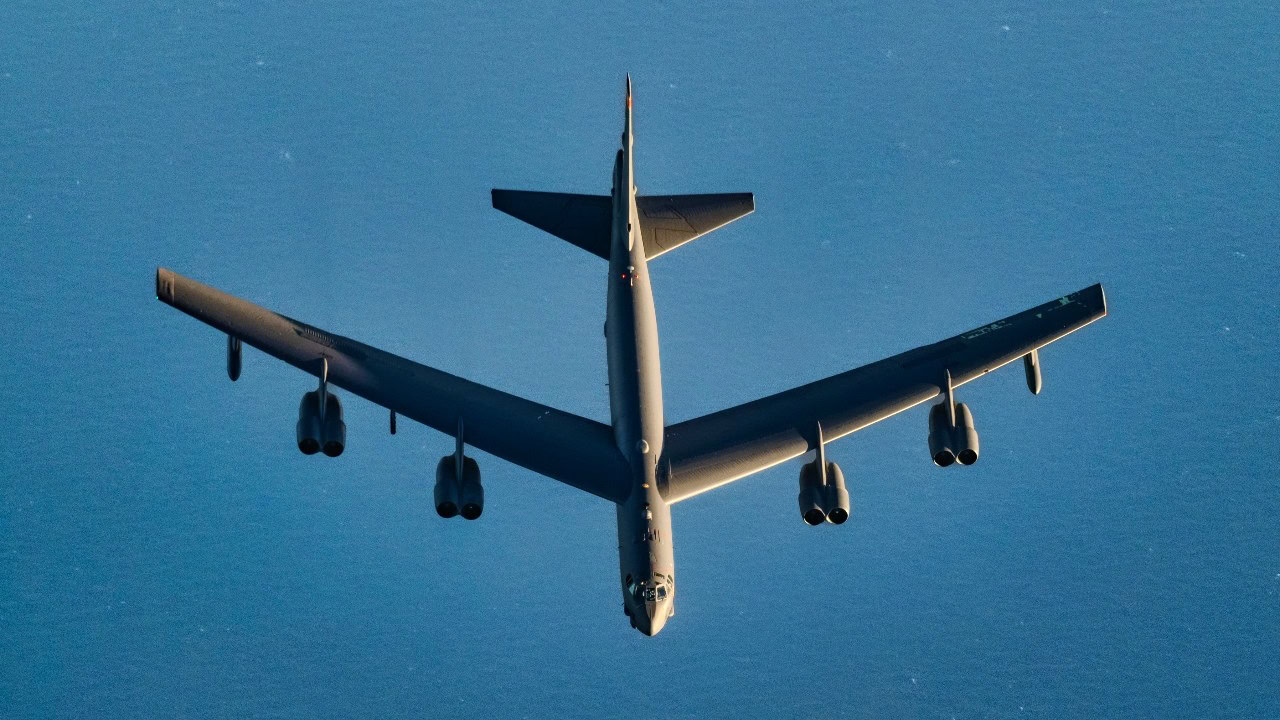
A U.S. Air Force B-52H Stratofortress flies a show of presence mission over the U.S. Central Command area of responsibility, Feb. 20, 2025. Strategic bombers contribute to stability in the CENTCOM theater by demonstrating the credibility, capability, and readiness of the U.S. bomber force, which is critical to deterring attacks against the U.S. and its allies and partners. (U.S. Air Force photo by Staff Sgt. Jackson Manske)
We shouldn’t craft procurement strategies based on bad strategic precedents. Two, Iran became a permissive environment after the initial SEAD operation, allowing the non-stealth B-52 to operate mostly unhindered.
Will future conflicts be so permissive? China has a more advanced IADS than Iran, against which the B-52 would be highly vulnerable. Iran doesn’t necessarily serve as a template for future conflict.
And given the intensive, multi-domain effort required to secure the airspace, Iran could instead serve as a harbinger of less permissive airspace in future conflicts.
Using the B-52J
The B-52J likely makes sense because it’s a cost-effective way to maintain bomber mass. The B-21 will be effective for high-threat missions, but it won’t be an everyday workhorse.
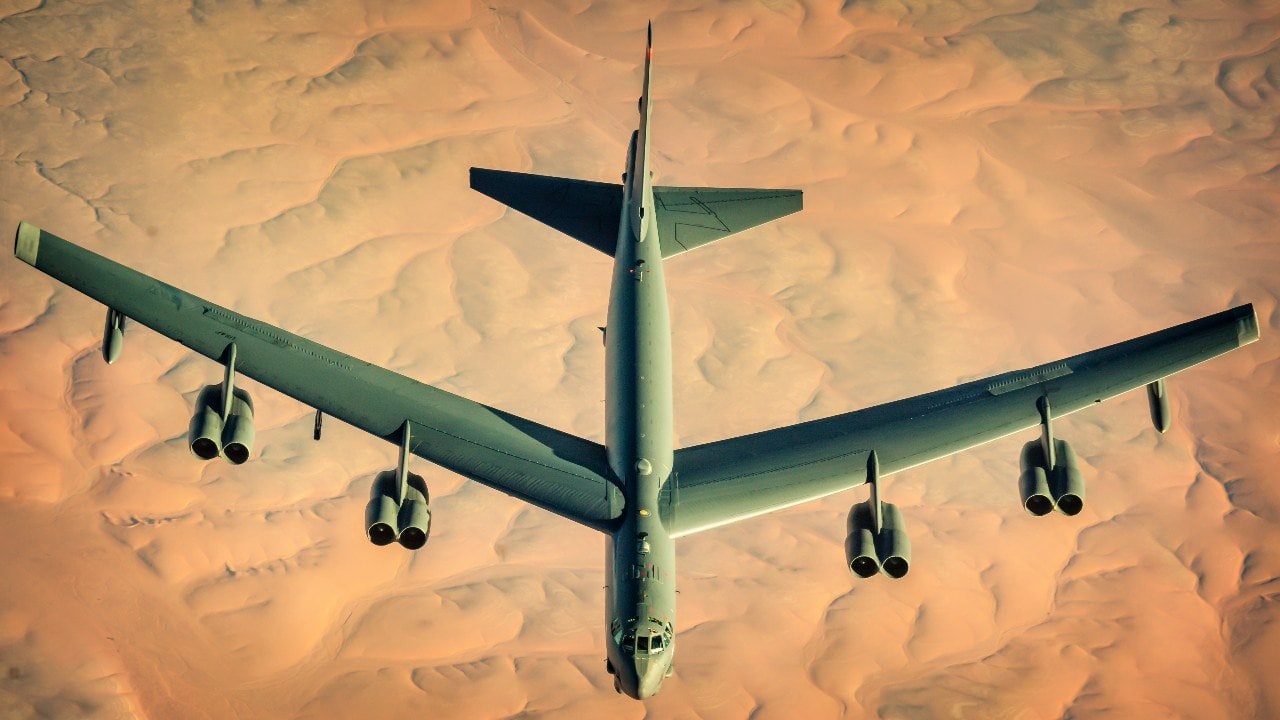
A U.S. Air Force B-52 Stratofortress assigned to the 2nd Bomb Wing departs after receiving fuel from a KC-135 Stratotanker assigned to the 340th Expeditionary Air Refueling Squadron, during a multi-day Bomber Task Force mission over Southwest Asia, Dec. 10th, 2020. The B-52 is a long-range bomber with a range of approximately 8,800 miles, enabling rapid support of BTF missions or deployments and reinforcing global security and stability. (U.S. Air Force photo by Staff Sgt. Trevor T. McBride)
In the future, the high-low mix bomber fleet will allow the B-21 to conduct penetration missions and the B-52 to conduct volume missions.
Epic Fury showed that both phases, penetration and volume, are still relevant. And for volume, it makes sense to use a low-cost, dependable platform. The B-52J is the US’s least-cost, lowest-friction path to securing a low-cost, dependable platform for future volume missions.
About the Author: Harrison Kass
Harrison Kass is an attorney and journalist covering national security, technology, and politics. Previously, he was a political staffer and candidate, and a US Air Force pilot selectee. He holds a JD from the University of Oregon and a master’s in global journalism and international relations from NYU.