
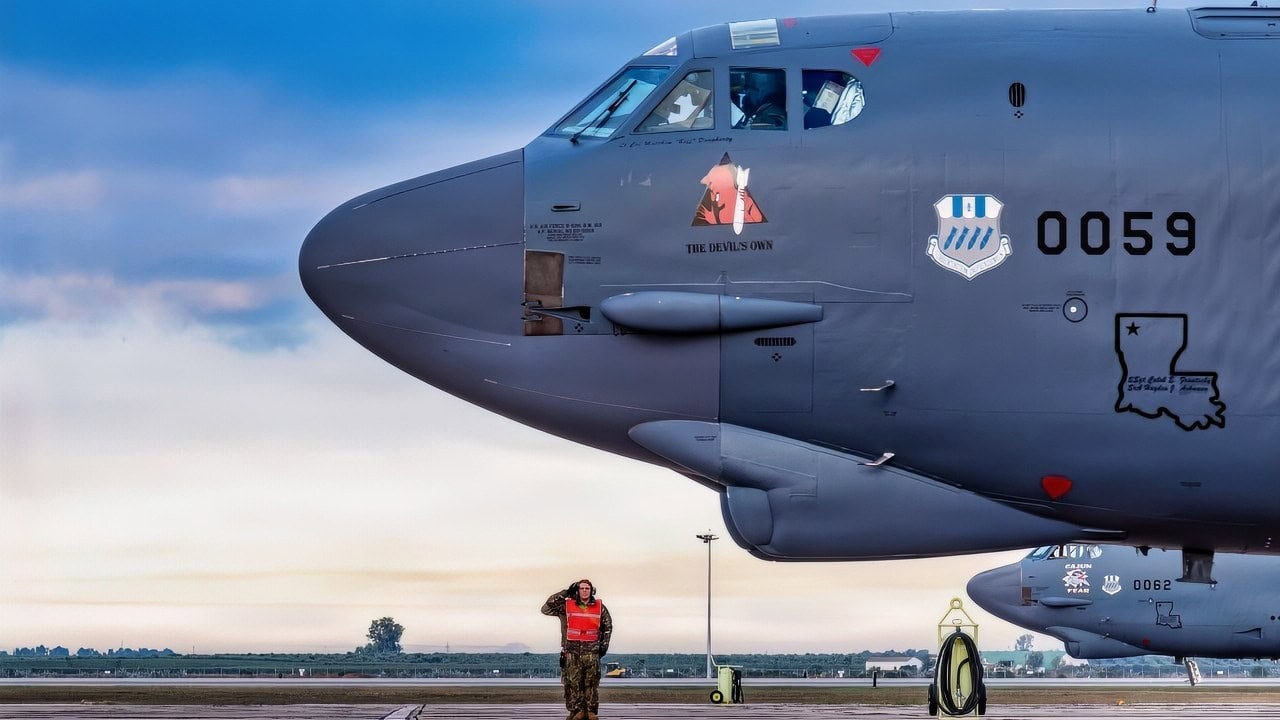
Summary and Key Points: Defense expert Dr. Brent M. Eastwood evaluates the B-52J modernization program amid the ongoing air campaign against Iran.
-While the B-52H has proven effective in the latter stages of Operation Epic Fury, the transition to the “J” variant is plagued by a GAO-reported three-year delay in radar production.
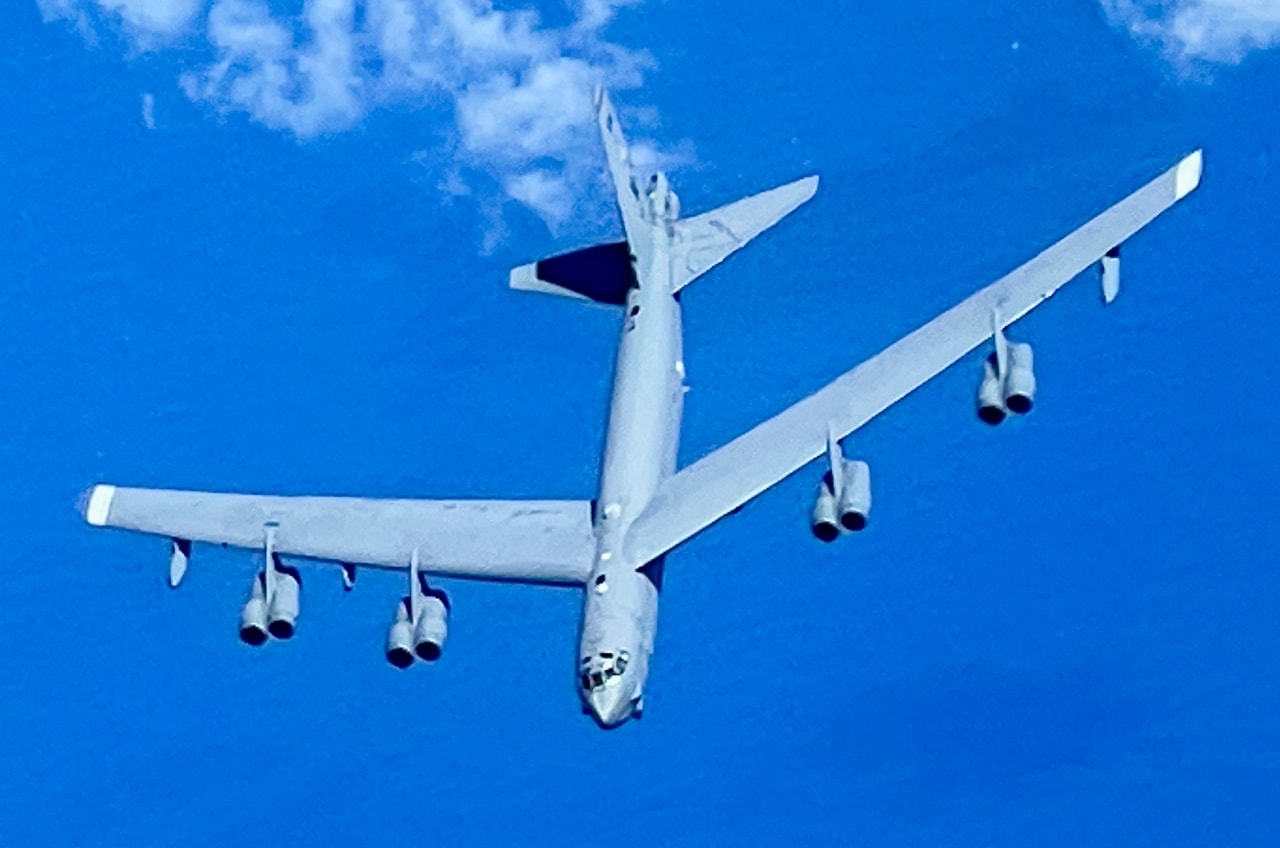
A B-52 Stratofortress assigned to the 2nd Bomb Wing, Barksdale Air Force Base, Louisiana, approaches a KC-135 Stratotanker assigned to the 6th Air Refueling Wing, MacDill AFB, Florida, for fuel over the southeastern United States, Nov. 5, 2024. The B-52 Stratofortress is a long-range, heavy bomber that can perform a variety of missions. As part of the Air Force Global Strike Command, the B-52 enables combat-ready forces to conduct strategic nuclear deterrence and global strike operations in support of combatant commanders. (U.S. Air Force photo by Senior Airman Mia McNeill)
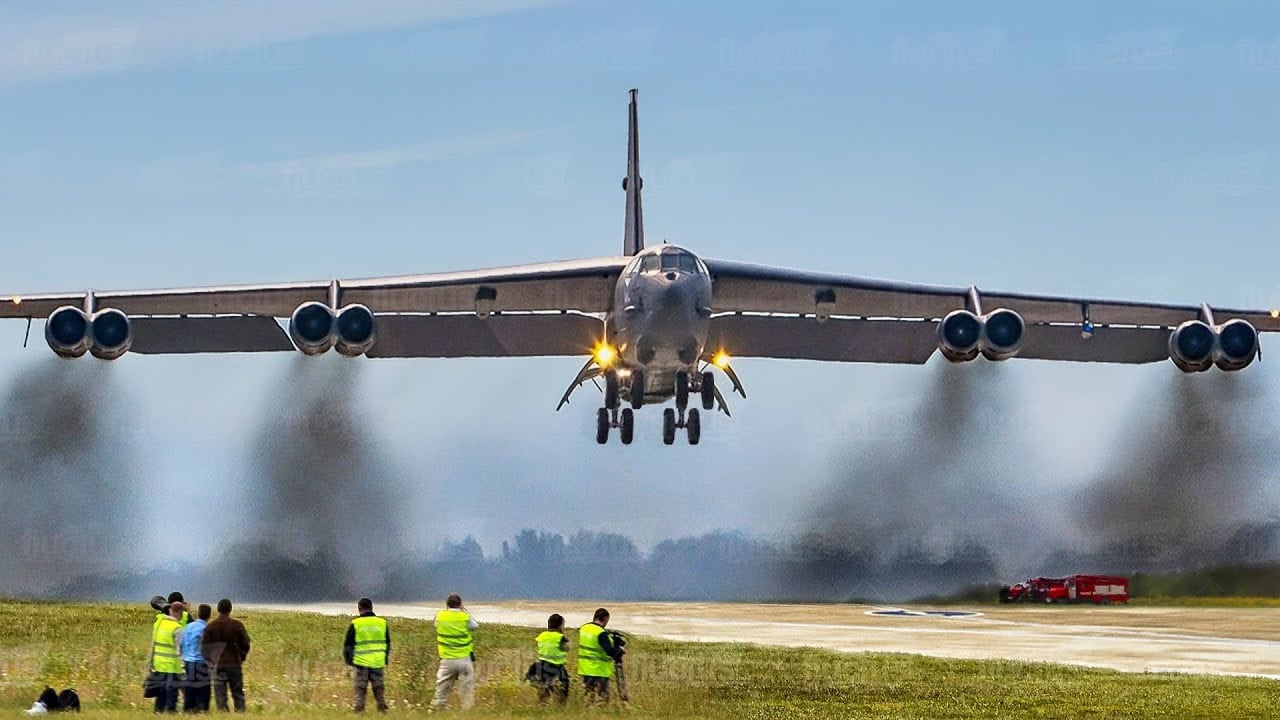
B-52 Bomber. Image Credit: Creative Commons.
-This report analyzes the replacement of legacy engines with Rolls-Royce F130s and the integration of hypersonic weapons.
-Eastwood explores the B-52J’s role as a conventional “missile truck” supporting the B-21 Raider, concluding that the upgrade is vital for deterring a potential 2027 Chinese invasion of Taiwan.
The B-52J Struggle: Why Cost Overruns and Radar Delays are Hampering the 2026 Modernization Effort
The B-52 Stratofortress has been deployed in the skies over Iran. It has struck military targets and command-and-control centers, ballistic-missile production facilities, and projectile launchers during Operation Epic Fury. This is an effective bomber, however, a program to upgrade it is going through some pain—cost overruns and delays are hampering the B-52H’s transition to the B-52J.
Working with the Advent of the B-21 Raider
The aging Stratofortress fleet needs to be modernized to be effective in potential future deployments against China, North Korea, or Russia. The B-52H can fire stand-off missiles and drop numerous precision-guided munitions once air dominance is assured. The B-52 is not a Day One combat asset though.
Indeed, it was several days into the war before B-52 strikes began. For now, that is still a satisfactory outcome for Air Force battle planners who also expect the new B-21 Raider stealth bomber to enter active duty in 2027.
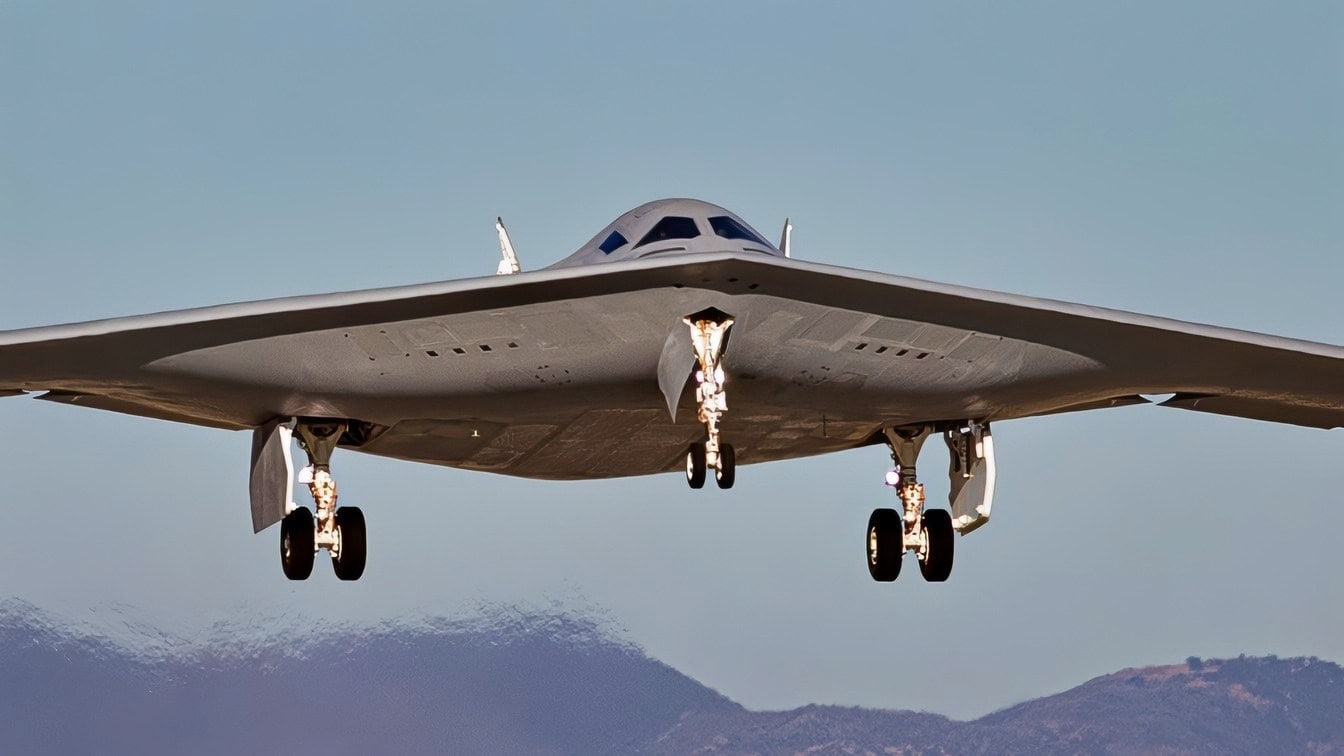
A second B-21 Raider test aircraft takes off, Sept. 11, from Palmdale, Calif., to join the Air Force’s flight test campaign at Edwards Air Force Base, Calif. The addition of the second test aircraft expands mission systems and weapons integration testing, advancing the program toward operational readiness. (Courtesy photo)
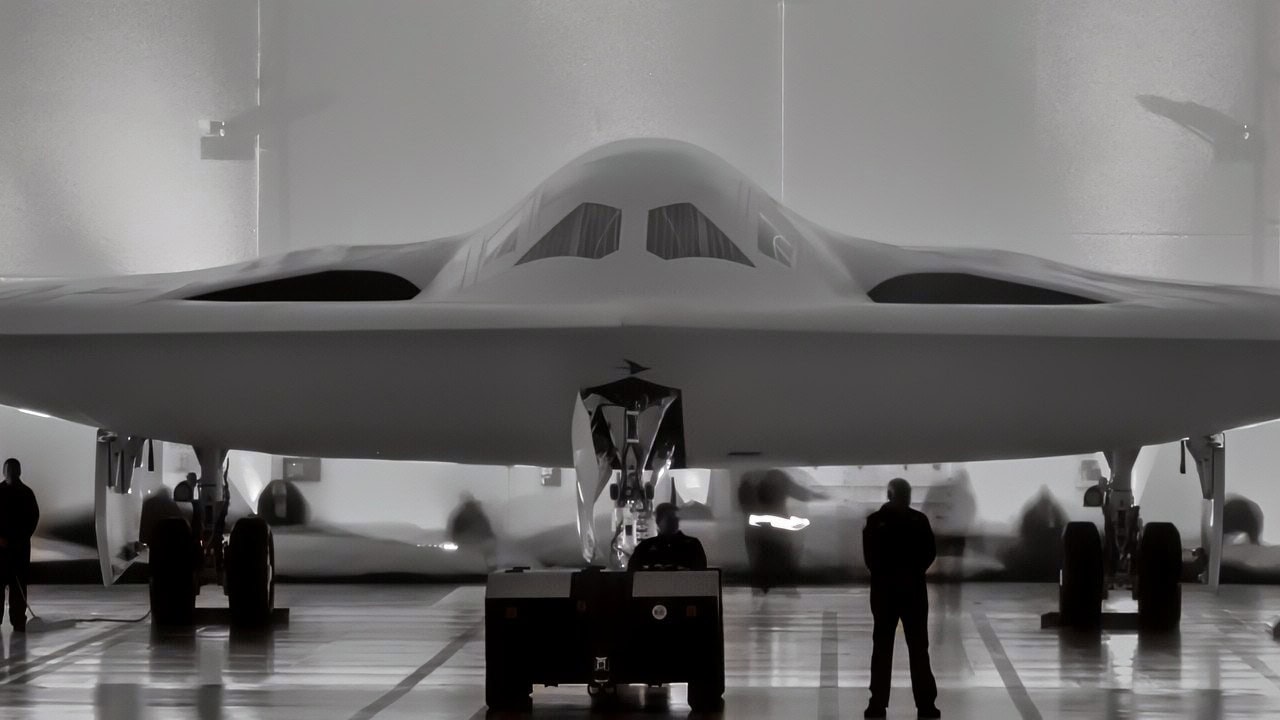
A B-21 Raider is unveiled at Northrop Grumman’s manufacturing facility on Air Force Plant 42 in Palmdale, California, Dec. 2, 2022. The B-21 will be a long-range, highly survivable, penetrating strike stealth bomber capable of delivering both conventional and nuclear munitions. (U.S. Air Force photo by Airman 1st Class Joshua M. Carroll)

U.S. Air Force Airmen with the 912th Aircraft Maintenance Squadron prepare to recover the second B-21 Raider to arrive for test and evaluation at Edwards AFB, Calif., Sept. 11, 2025. The arrival of a second test aircraft provides maintainers valuable hands-on experience with tools, data and processes that will support future operational squadrons. (U.S Air Force photo by Kyle Brasier)
Big Ugly Fat Fellow Is Running Behind
But others are concerned with the B-52J update program. Thanks to these upgrades, the Stratofortress could serve into the 2050s, which would make a remarkable run for the “Big Ugly Fat Fellow.”
Decades of use have taken their toll on the Stratofortress, and it needs new engines and radars, as well as dozens of other upgrades for its weapon systems to be effective in the future.
New Efficient Engines and Weapons Capabilities
The B-52J will turn to new Rolls-Royce-Hill F130 engines for better fuel efficiency and reliability. New radars will enhance the efficacy of munitions. And there will be improvements in delivery systems for stand-off missiles and hypersonic weapons.
Is the Airframe Sound Enough to Survive the Next 20 Years?
The updates have taken considerable time, and the war in Iran has made time and resource constraints more apparent. The modernization effort needs to happen, but is the timing right? It seems that current B-52s are able to answer the call for combat operations—but the B-52J would be more efficient and lethal with its new engines and radar. The Stratofortress would be able to launch hypersonic missiles with the update, which would keep it relevant for the next two decades.
This role as a “missile truck” is necessary and could be a factor in the outcome of the current war. That’s why despite the troubles it has encountered, the Air Force should continue to pursue the modernization program. The United States needs as many strategic bombers to be operational as possible. The B-21 is dual-capable, with the ability to deliver nuclear weapons. The B-52 is nuclear-capable, too. There are some B-52s that are only available for strategic strike missions. That means some are out of the mix for conventional strike. If the Air Force could succeed in bringing the B-52J into service, non-strategic weapon delivery missions would receive a helpful boost.
Used In the Latter Stages of Warfare
Use of the B-52 is not always assured. The Air Force and Navy must maintain adequate air superiority and suppress enemy defenses before the BUFF can fly its strike missions. This has been possible during the war with Iran, but air dominance is not assured against China or Russia. It is also worth considering that the United States could experience shortages of stand-off weapons, but it has a near-unlimited supply of Joint Direct Attack Munitions (JDAMs) and other guided and unguided bombs.
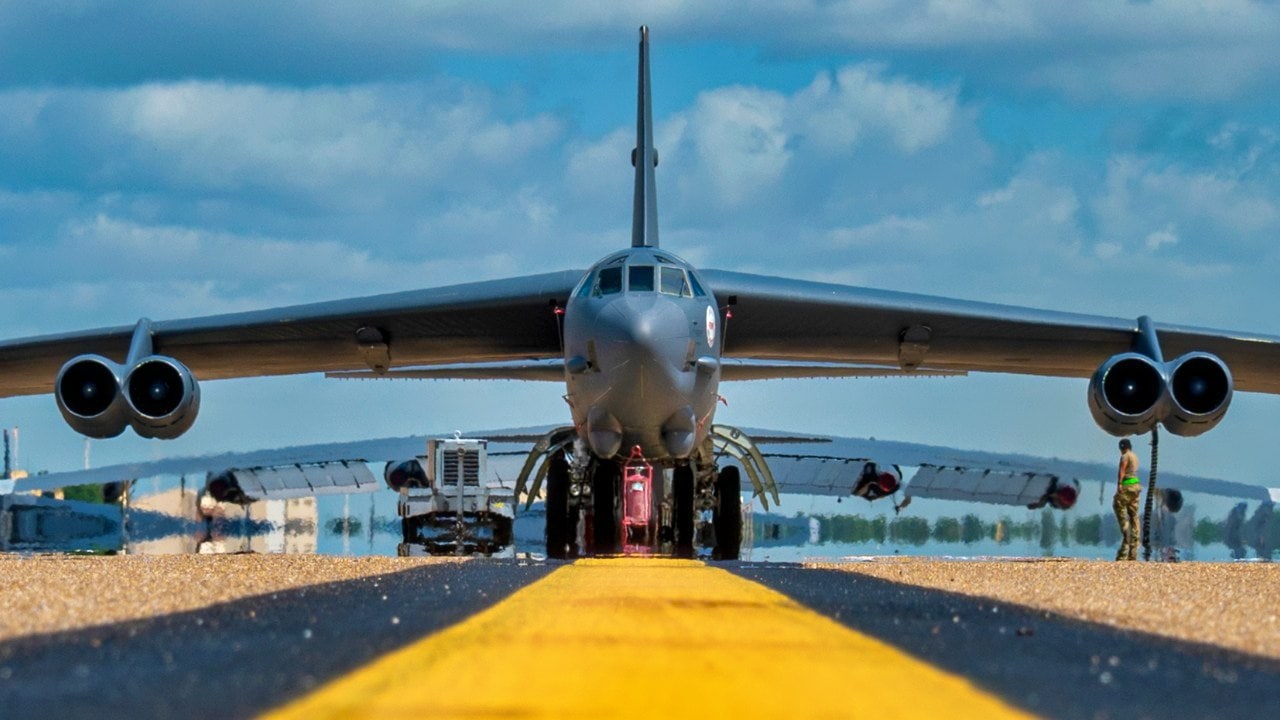
A U.S. Air Force B-52H Stratofortress bomber assigned to the 307th Bomb Wing goes through an engine check June 24, 2021, at Barksdale Air Force Base, Louisiana. Eight Pratt & Whitney TF33 engines power the B-52H to give it the capability of flying at high subsonic speeds. (U.S. Air Force photo by Senior Airman Kate Bragg)
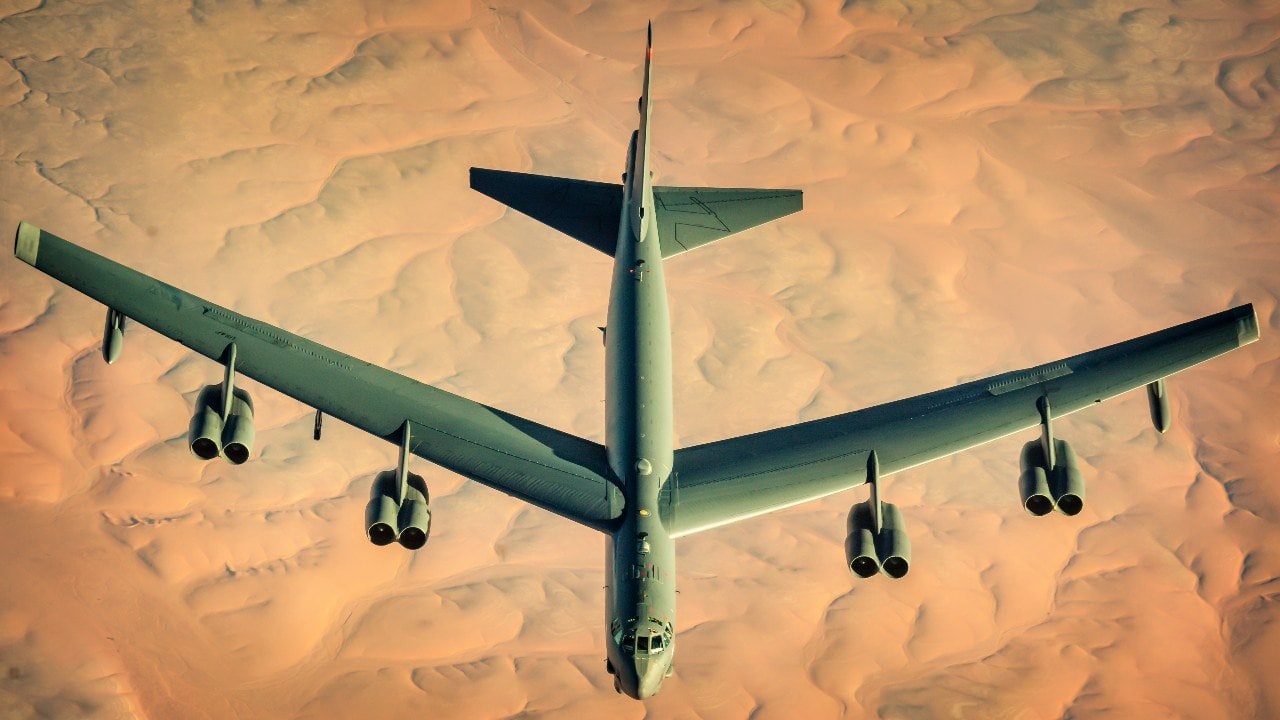
A U.S. Air Force B-52 Stratofortress assigned to the 2nd Bomb Wing departs after receiving fuel from a KC-135 Stratotanker assigned to the 340th Expeditionary Air Refueling Squadron, during a multi-day Bomber Task Force mission over Southwest Asia, Dec. 10th, 2020. The B-52 is a long-range bomber with a range of approximately 8,800 miles, enabling rapid support of BTF missions or deployments and reinforcing global security and stability. (U.S. Air Force photo by Staff Sgt. Trevor T. McBride)

B-52 Bomber. Image Credit: Creative Commons.
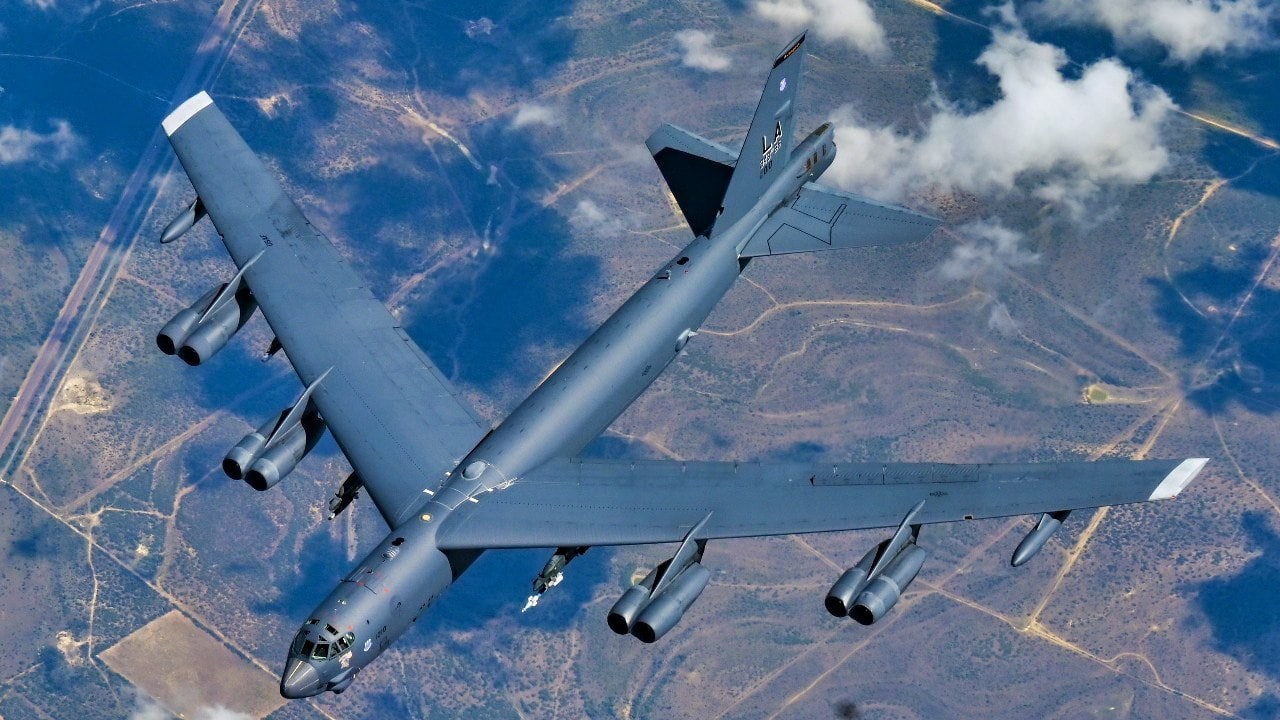
A KC-135 Stratotanker from the 465th Air Refueling Squadron assigned to Tinker Air Force Base, Oklahoma, refuels a B-52 Stratofortress from the 96th Bomb Squadron assigned to Barksdale Air Force Base, Louisiana, during a cross country mission 13 Sept 2021. The sortie enabled the B-52’s dynamic and close air support mission in support of Special Operations Attack Course qualification. (U.S. Air Force photo by 2nd Lt. Mary Begy)
Schedule Slips Are Frustrating
The B-52J will be nice to have, but are all the upgrades necessary? It is probably too late to quit the modernization program now. The Air Force could opt to only replace the engines, but the work has been going on concurrently for a significant amount of time.
The B-21 Is a Bright Spot
Meanwhile, the B-21 program is going well. Photos were recently released of the Raider re-fueling with an KC-135R Stratotanker. The B-21 is due for active duty in 2027. This is good news for the B-52J, as the Raider could eliminate enemy air defenses in an anti-access/area denial-covered environment such as that China oversees. Several days into a potential war, the B-52J could deliver its stand-off missiles.
Government Watchdog Is Rabidly Overseeing The B-52J Upgrades
But before the B-52J can be relied on to intervene after early successes against enemy air defenses, it must be updated properly. In June 2025, the Government Accountability Office (GAO) expressed concern with the modernization program. The GAO does not think the radars will be ready until 2030, which is three years behind schedule.
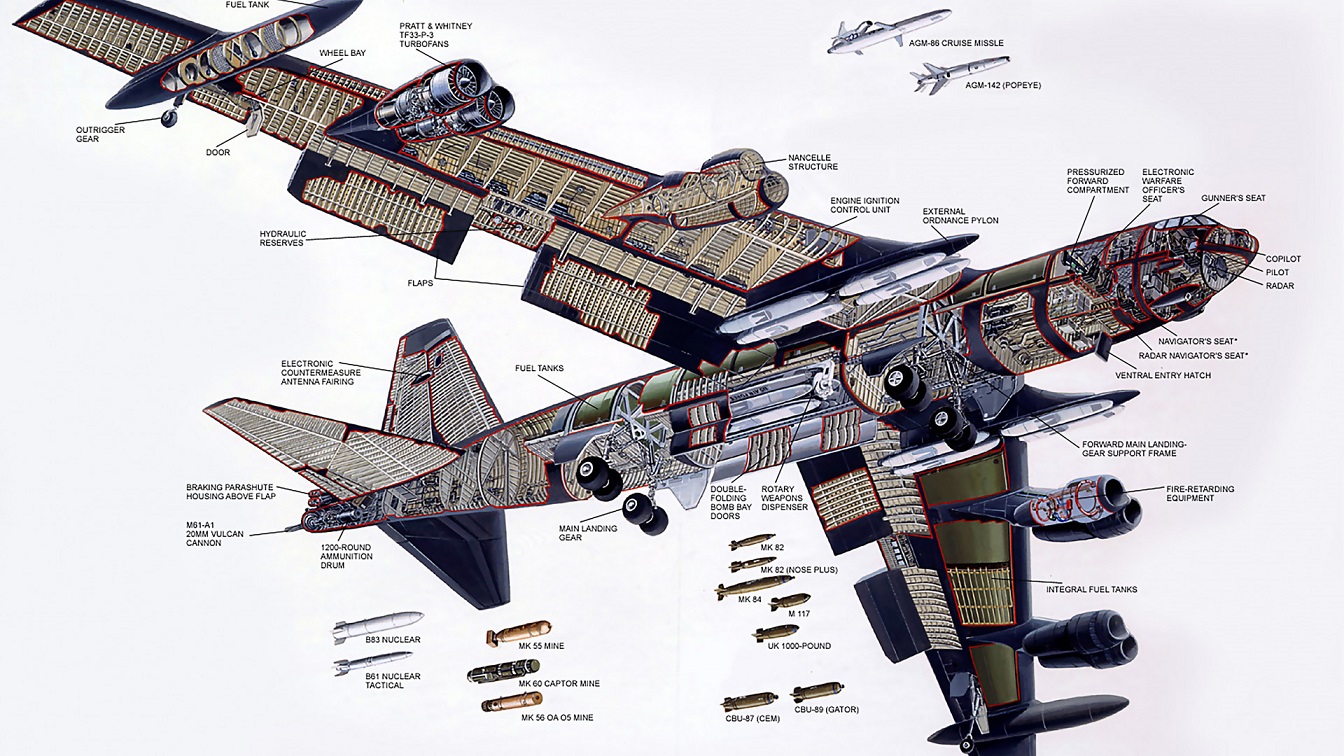
B-52 bomber. Image Credit: Creative Commons.
“An Air Force official disclosed in May that the radar upgrade had suffered a cost breach. The effort, known as the B-52 Radar Modernization Program (RMP), has officially breached the program’s baseline schedule for both the beginning of production and initial operational capability,” the GAO said in a report.
The Bottom Line
As soon as 2027, the Chinese could invade Taiwan, and the Americans will need as many bombers as possible if they decide to intervene to stop either an amphibious operation against Taiwan, or a blockade or quarantine.
It’s time for the B-52J modernization effort to work faster and more efficiently. The B-52J will be a much-improved airplane when complete, but with the engines and radars delayed, Congress must examine that GAO report and look for ways to get the program on track.
The B-52J is still necessary, but it must be modernized if the bomber is to be paired with the B-21 in the coming years.
About the Author: Brent M. Eastwood
Author of now over 3,000 articles on defense issues, Brent M. Eastwood, PhD is the author of Don’t Turn Your Back On the World: a Conservative Foreign Policy and Humans, Machines, and Data: Future Trends in Warfare plus two other books. Brent was the founder and CEO of a tech firm that predicted world events using artificial intelligence. He served as a legislative fellow for US Senator Tim Scott and advised the senator on defense and foreign policy issues. He has taught at American University, George Washington University, and George Mason University. Brent is a former US Army Infantry officer. He can be followed on X @BMEastwood.