
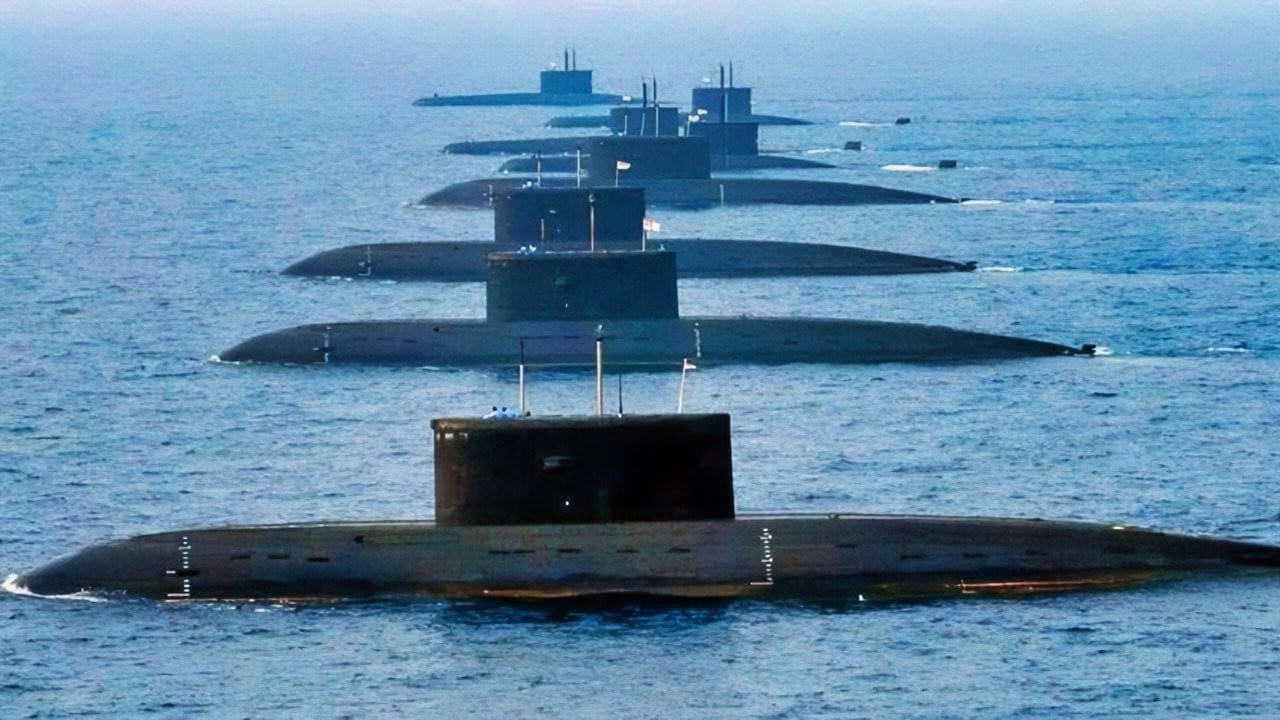
Summary and Key Points: Defense analyst Jack Buckby evaluates reports from CBS News and Jennifer Jacobs indicating that Iran is deploying naval mines via small, difficult-to-track vessels in the Strait of Hormuz.
-As Operation Epic Fury continues, Tehran has pivoted to asymmetric tactics to block the 21-mile-wide Strait of Hormuz.
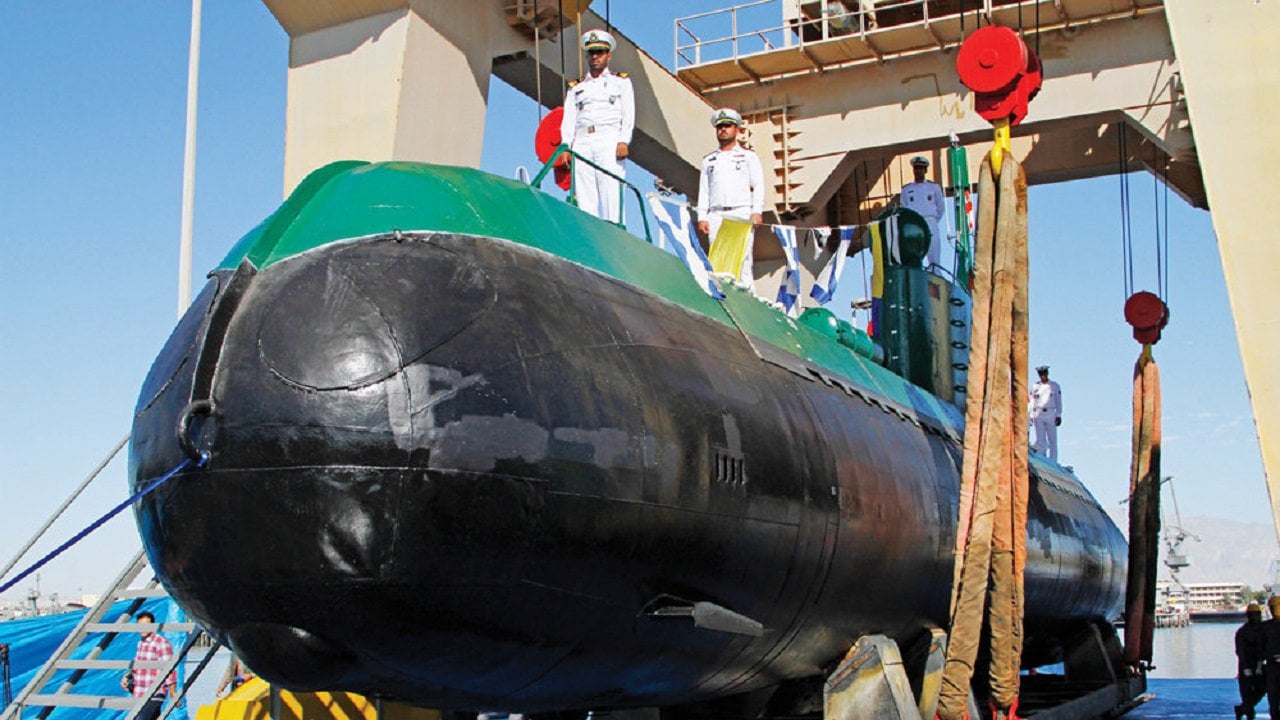
Ghadir Submarine. Image Credit: Iran State Media.
-This report analyzes President Trump’s $20 billion insurance guarantee for commercial tankers and the warnings from Admiral James Stavridis.
-Buckby concludes that even a “token” mining effort could freeze global energy markets, forcing the U.S. Navy into a high-stakes, slow-motion mine-clearing operation during active hostilities.
The Hormuz Minefield: Why U.S. Intelligence is Tracking Iranian “Small Craft” in the Shipping Lanes
U.S. intelligence assets have reportedly begun detecting indications that Iran may be preparing to deploy naval mines in the Strait of Hormuz shipping lane, according to claims by CBS News on Tuesday. Senior White House reporter Jennifer Jacobs posted the claims on X at 2:13 pm on March 10, 2026, citing national security respondent Jim LaPorta.
The full text of the post reads:
“NEWS via @CBSNews: U.S. intelligence assets have begun to see indications Iran is taking steps to deploy mines in the Strait of Hormuz shipping lane. Iran is using smaller crafts that can carry 2 to 3 mines each. While Iran’s mine stock isn’t publicly known, estimates over the years have ranged from roughly 2,000 to 6,000 naval mines of Iranian, Chinese, and Russian-made variants, @JimLaPorta reports.”
The news comes amid escalating tensions in the Persian Gulf with U.S. and Israeli strikes continuing to target Iranian military infrastructure.
The likelihood of the crisis impacting the Strait of Hormuz has always existed, and has long been a particular sticking point with regard to nuclear negotiations with Iran. Given that the regime in Tehran cannot compete with the vastly superior military assets of the U.S. Navy and Air Force, asymmetric tactics like mining the Strait of Hormuz or disrupting trade in other ways have long been recognized as a likely response to military action.
Iran’s Recent Efforts to “Close” the Strait
The possibility of mine warfare has been looming for some time now. Following the initial round of U.S. and Israeli strikes on Iranian targets, Iranian officials and state media outlets claimed that the Strait of Hormuz had been effectively closed to shipping – a statement widely interpreted as a signal that Tehran could disrupt tanker traffic if the conflict escalated.
The White House quickly pushed back on those claims, stating that the waterway remained open and that the United States would ensure the continued flow of commercial shipping through the narrow maritime corridor.
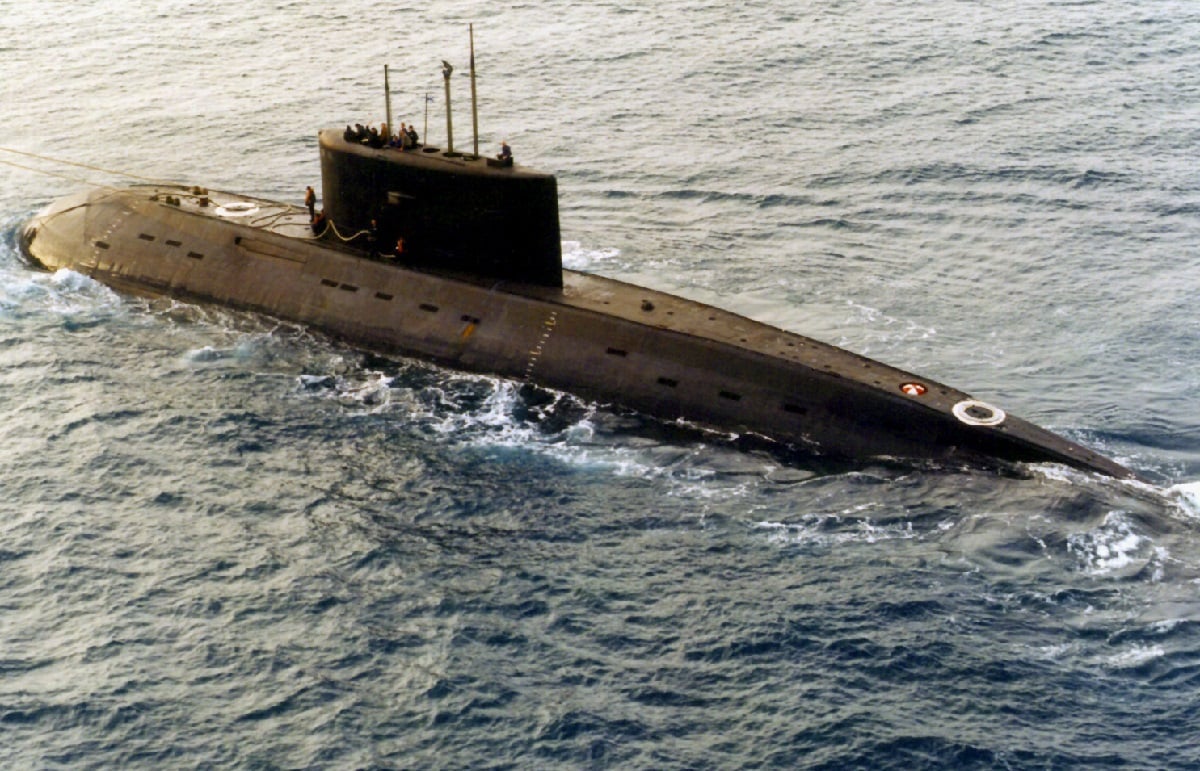
This is the third Kilo-class submarine the Iranians have purchased from Moscow. DoD photo
President Donald Trump also proposed a policy designed to stabilize tanker traffic and calm energy markets: a U.S.-backed insurance guarantee for vessels transiting the strait. Under the $20 billion reinsurance proposal, commercial ships moving through the region could receive financial protection backed by the U.S. government against losses caused by Iranian attacks, reducing risk for insurers and shipping companies that might otherwise avoid the area entirely.
Why Iran May Use Naval Mines
The deployment of naval mines in the Strait of Hormuz is among the few remaining tactics left to discourage continued U.S. and Israeli strikes against Iran.
The country’s conventional navy – or what’s left of it – cannot match the capabilities of the U.S. navy and its regional allies. Instead, Tehran has long invested in tools designed to disrupt maritime traffic at a relatively low cost, including fast attack craft, anti-ship missiles, drones, and naval mines.
Mining the Strait of Hormuz would not require a large fleet. Small boats could deploy mines in key shipping lanes, forcing international forces to conduct slow and complex mine-clearing operations before tanker traffic could safely resume.
Former NATO Supreme Allied Commander Admiral James Stavridis warned about exactly this possibility in a March 5 Bloomberg opinion piece, writing that Iran could “turn the Persian Gulf into a minefield” if the conflict escalated.
What Naval Mines Could Do to Global Shipping
Naval mines could be particularly disastrous because they do not need to sink large numbers of ships to be effective.
Even the discovery of a small number of mines could halt tanker traffic due to the risk involved in navigating mined waters. The Strait of Hormuz is only about 21 miles wide at its narrowest point, with designated shipping lanes just two miles wide in each direction.
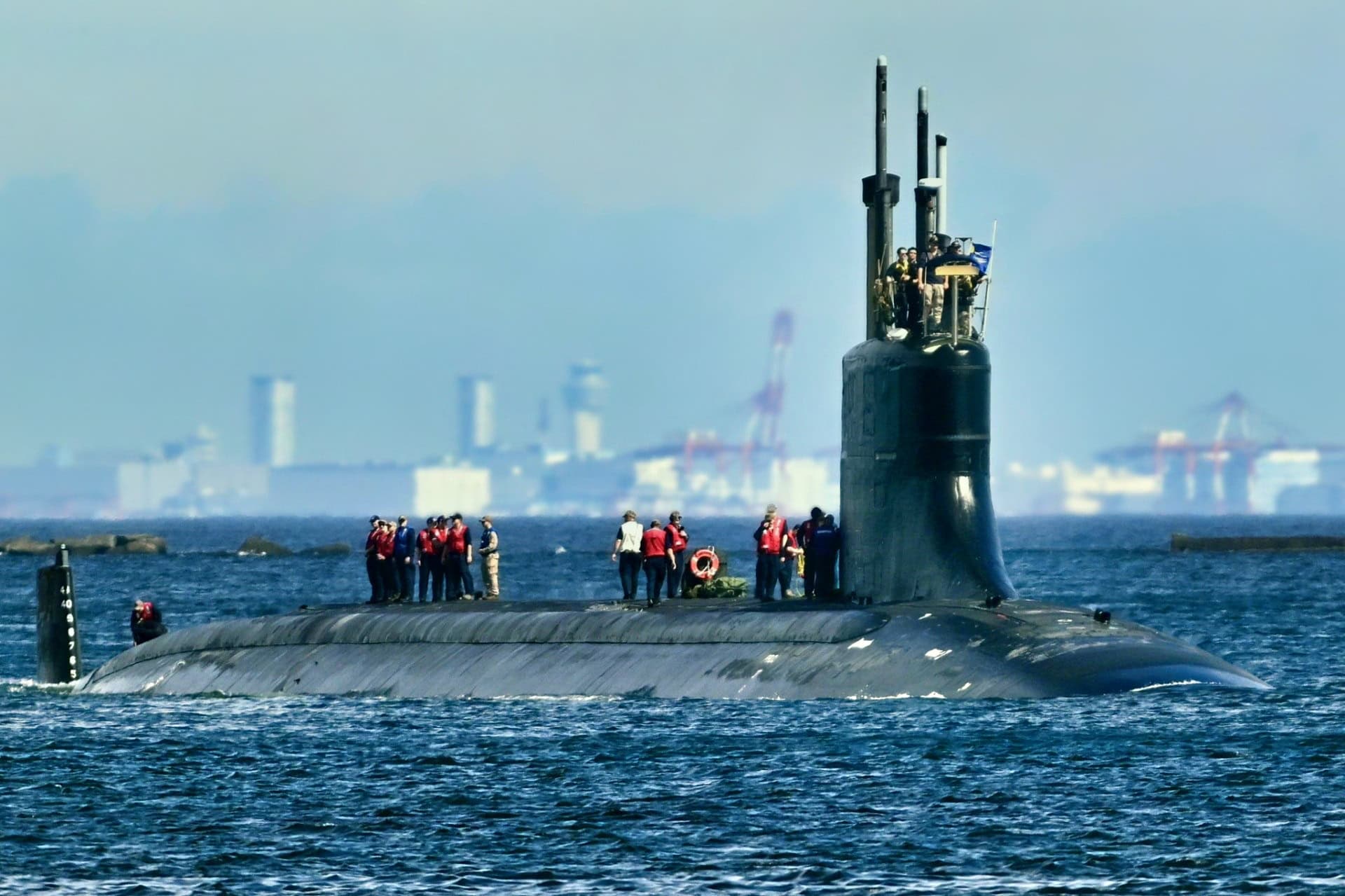
Seawolf-Class Submarine. Image Credit: Creative Commons.
Mining even a portion of those lanes could temporarily close the passage until mines are located and neutralized.
And then there’s the clean up: mine-clearing operations are notoriously slow and dangerous, requiring specialized vessels, underwater drones, helicopters, and other tools to locate and dispose of the explosive devices.
During that time, global energy markets could react significantly. Oil prices have already experienced significant volatility in recent days amid fears that the Strait could be disrupted.
About the Author: Jack Buckby
Jack Buckby is a British researcher and analyst specialising in defence and national security, based in New York. His work focuses on military capability, procurement, and strategic competition, producing and editing analysis for policy and defence audiences. He brings extensive editorial experience, with a career output spanning over 1,000 articles at 19FortyFive and National Security Journal, and has previously authored books and papers on extremism and deradicalisation.