
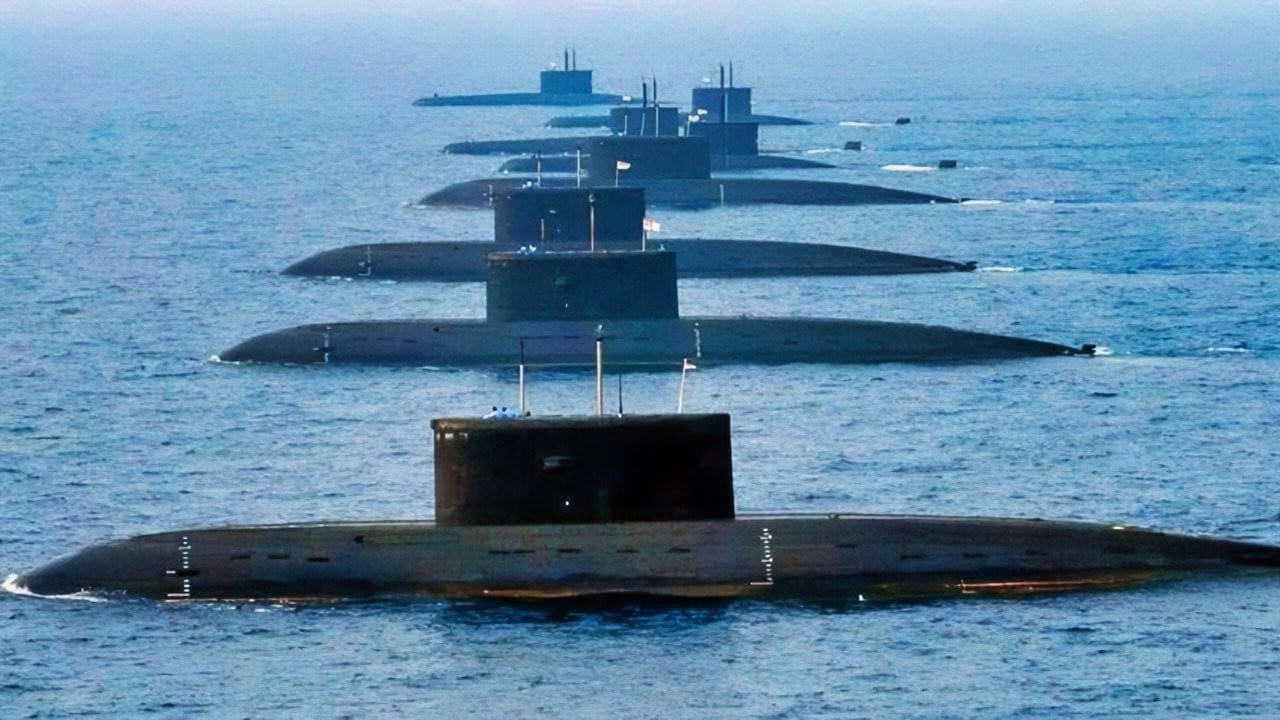
Summary and Key Points: After fresh warnings from U.S. President Trump over Iran’s nuclear program, U.S. naval forces moved deeper into the 5th Fleet area as deterrence and leverage.
-Iran’s response options extend beyond missiles to its submarine arm, led by three Tareq-class (Kilo-derived) diesel-electric boats, two Fateh-class submarines, and numerous Ghadir mini-subs.
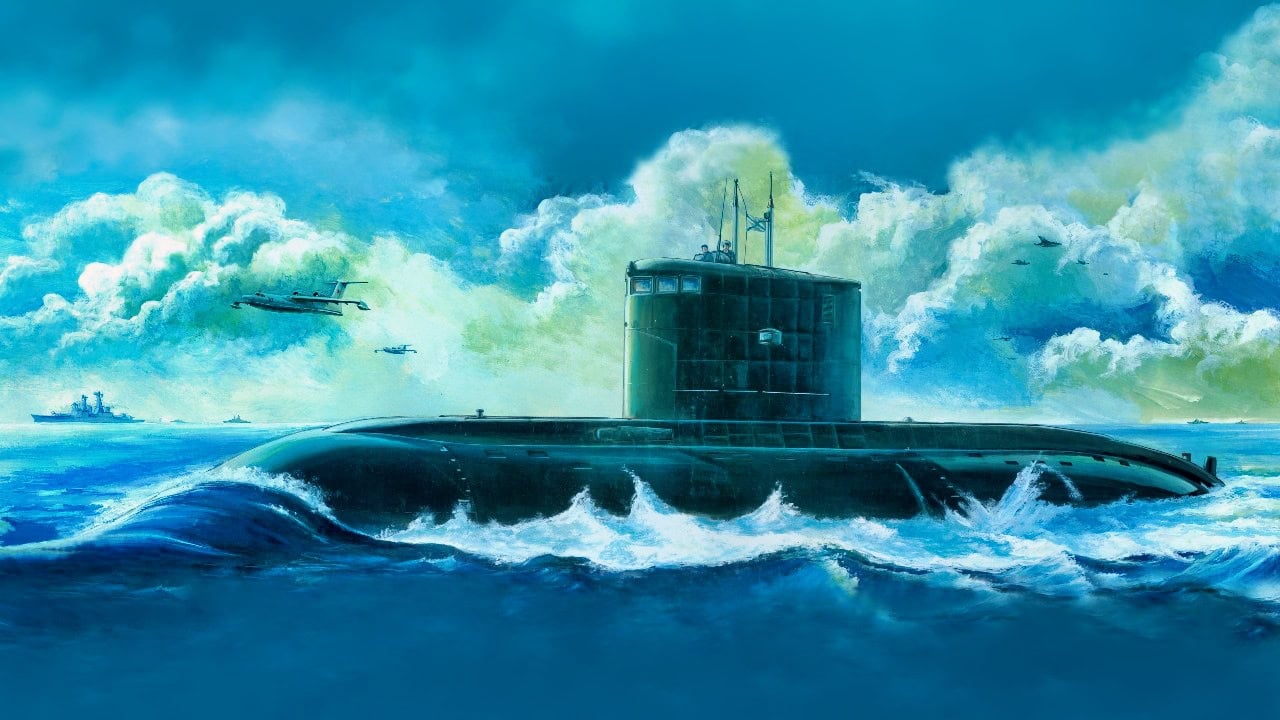
Kilo-Class Submarine
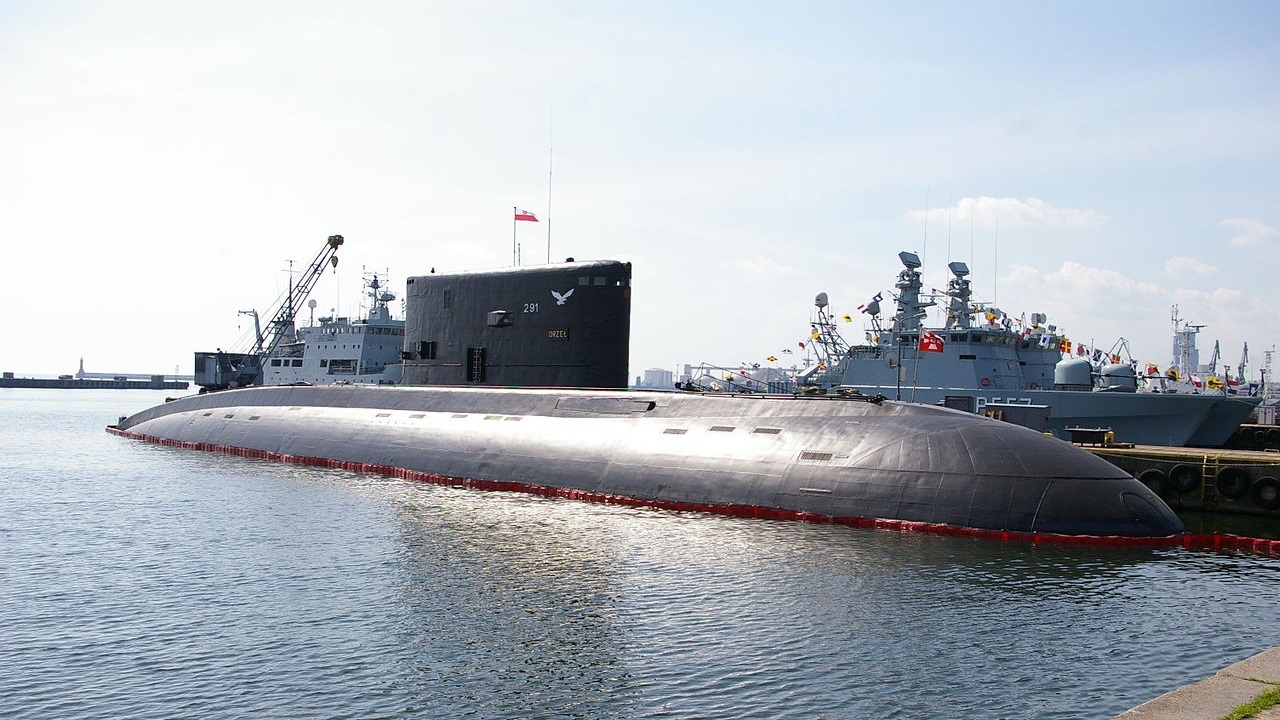
Polish Navy submarine, Kilo-Class.
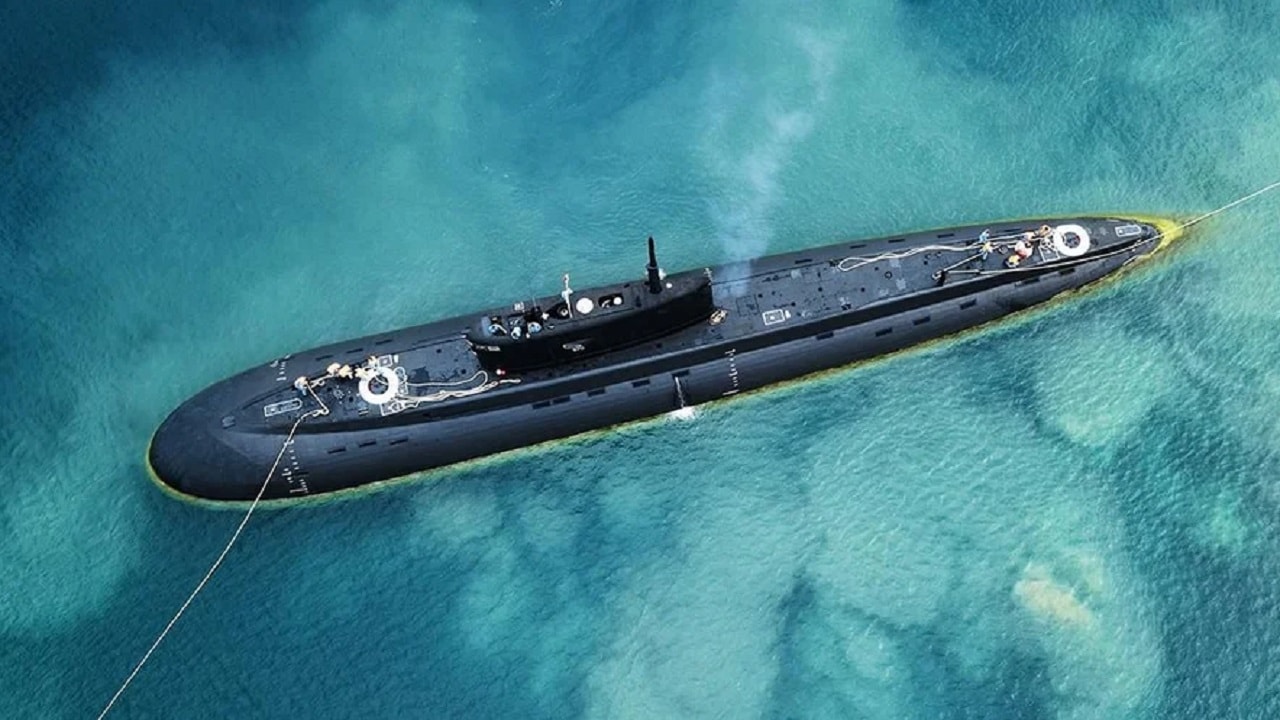
Kilo-Class Submarine. Image Credit: Creative Commons.
-The Kilos are described as 74 meters long, able to carry 18 torpedoes, and harder to track thanks to anechoic tiles, though they require about 164 feet of depth, limiting operations across much of the Persian Gulf.
-In a crisis, these boats would complicate escort duties, maritime security, and regional signaling.
Iran’s Kilo-Class ‘Black Hole’ Subs: The Quiet Threat in a U.S. Navy Showdown
Tensions in the Middle East continue to flare following U.S. President Donald Trump’s recent warnings to Iran.
In a host of new threats directed at the Iranian regime, Trump cautioned that he would direct U.S. warships in the region to launch an attack if the two countries do not reach a deal regarding Iran’s nuclear program.
“Hopefully Iran will quickly ‘Come to the Table’ and negotiate a fair and equitable deal – NO NUCLEAR WEAPONS – one that is good for all parties,” Trump wrote in the Jan. 28 social media post. “Time is running out, it is truly of the essence!” Trump also referred to the high-stakes U.S. air campaign targeting three Iranian nuclear facilities last June to emphasize how a strike now could destabilize the Middle Eastern nation.
The Latest Updates
On January 26, the Abraham Lincoln carrier strike group moved into the U.S. 5th Fleet/Central Command area of responsibility, according to U.S. officials cited by multiple news outlets. If the United States were to strike Iran, the regime would try to strike back using its most powerful available options.
While Iran’s missile arsenal would certainly participate in a counterattack, the regime’s submarine fleet could also be dispatched. Only time will tell if a full-on kinetic conflict erupts between Tehran and Washington.
An Overview of Iran’s Submarine Capabilities
The Islamic Republic of Iran Navy (IRIN) is a central pillar of the Middle Eastern nation’s military architecture. Currently, Iran possesses roughly 28-30 vessels. These operate in the Persian Gulf, Caspian Sea, the Gulf of Oman, the Arabian Sea, and sometimes the Indian Ocean.
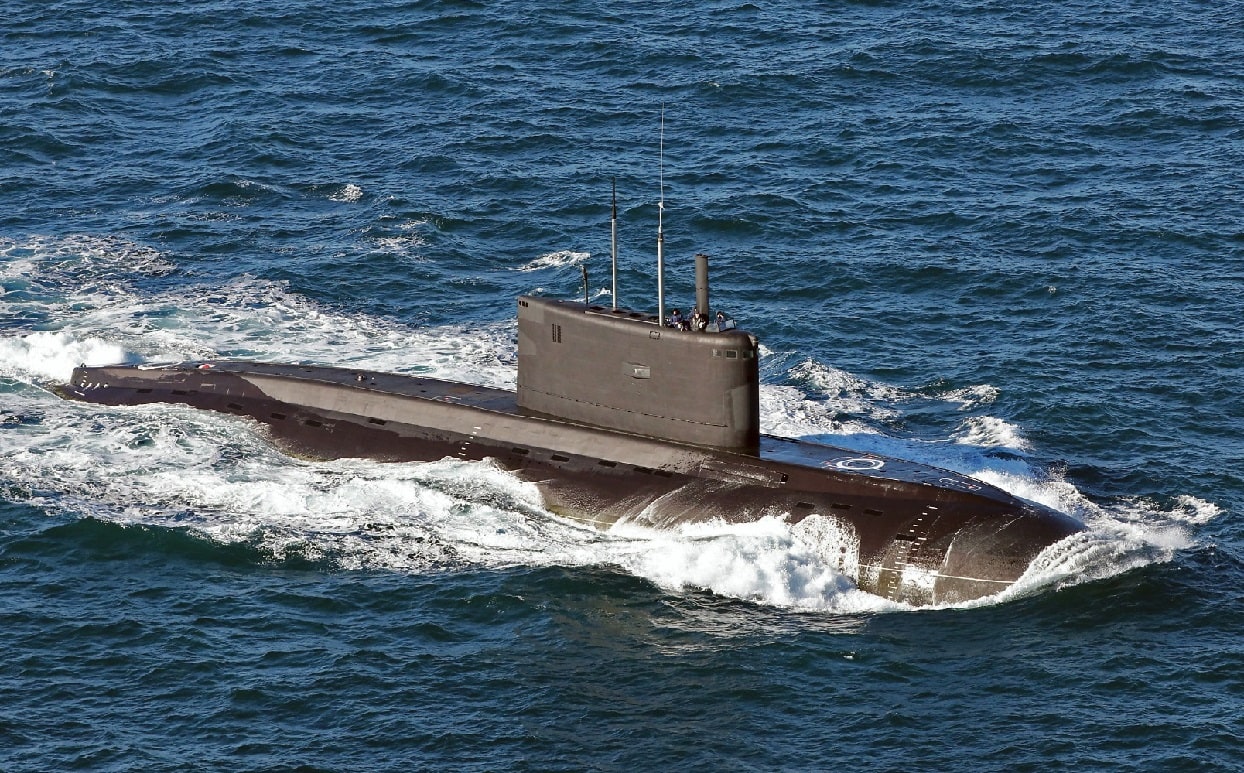
Kilo-class Submarine. Image Credit: Creative Commons.
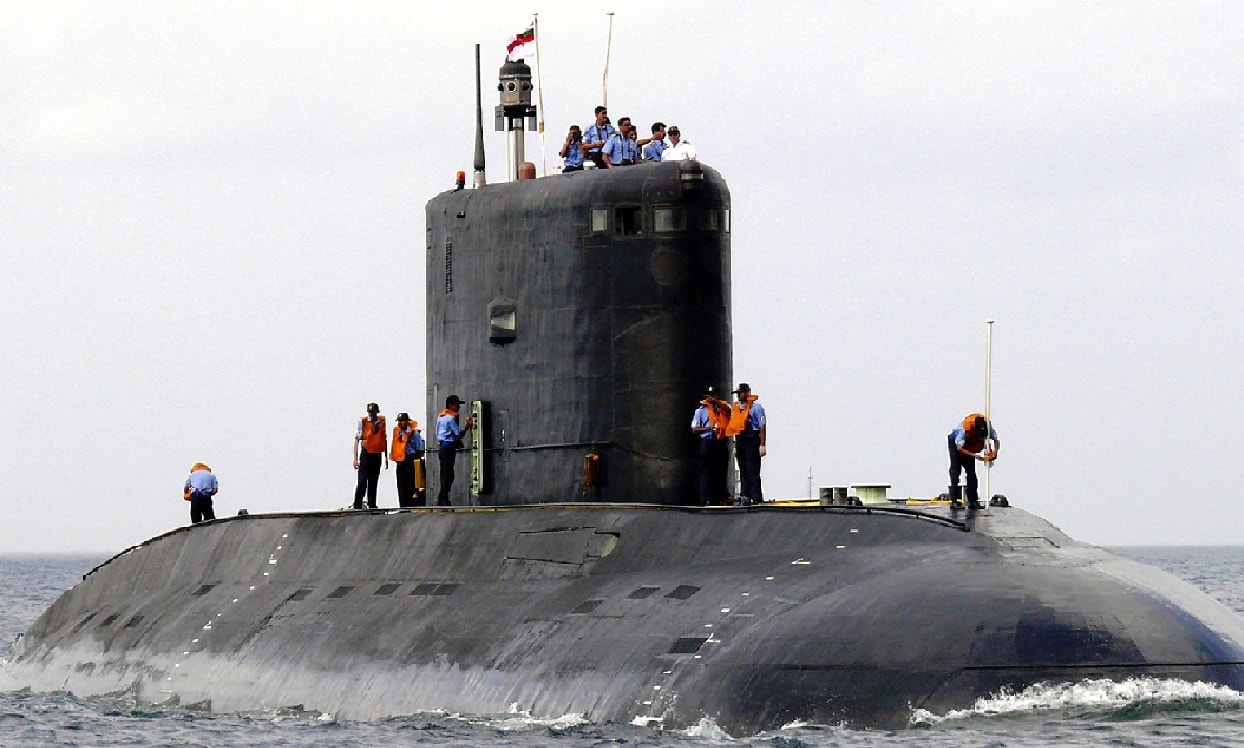
Kilo-class Submarine.
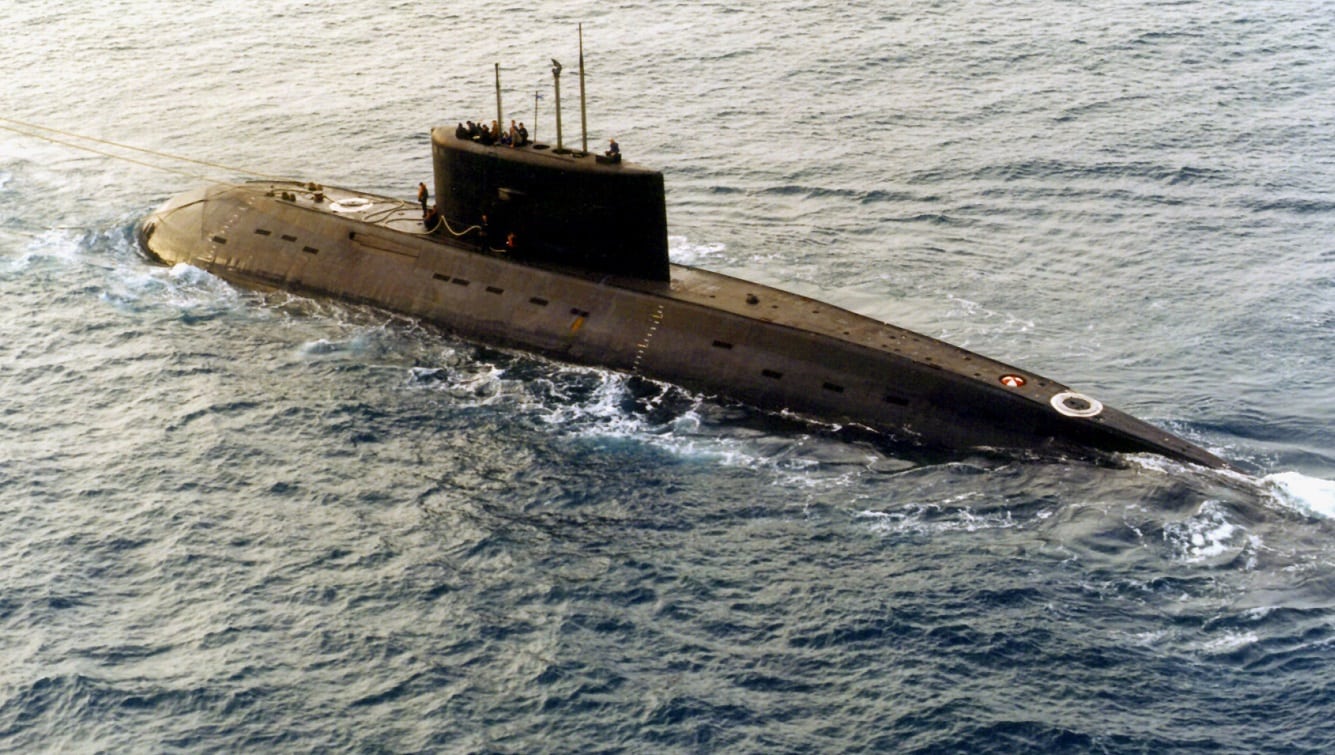
A Russian-built, Kilo-class diesel submarine purchased by Iran, is towed by a support vessel in this photograph taken in the central Mediterranean Sea during the week of December 23. The submarine and the support ship arrived at Port Said, Egypt, on Tuesday and were expected to begin transiting the Suez Canal today, Jan. 2, 1996. Ships and aircraft from the U.S. NavyÕs Sixth Fleet are tracking the submarine, which has been making the transit on the surface. This is the third Kilo-class submarine the Iranians have purchased from Moscow. DoD photo
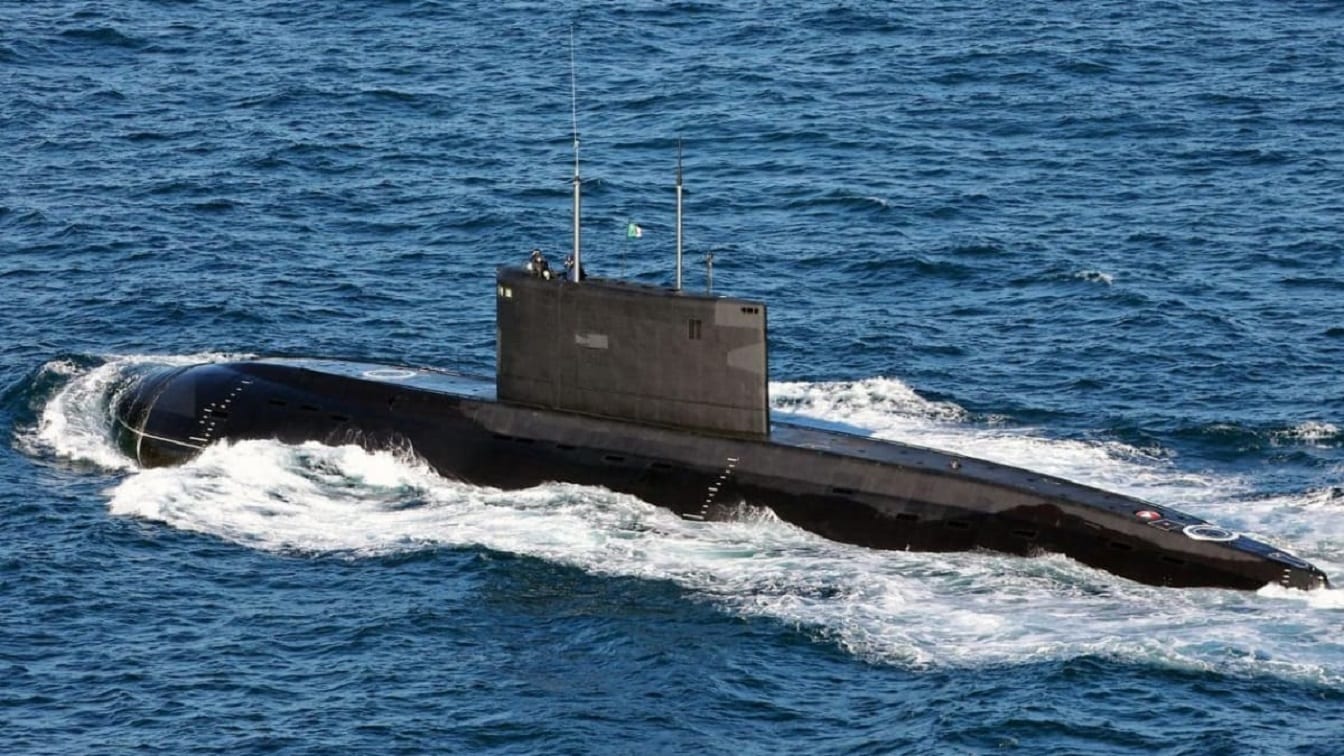
Iran’s Navy Has Kilo-Class Submarines. Image Credit: Creative Commons.
According to the Global Firepower 2024 report, Iran’s navy ranks 37th out of 145 naval forces.
This position indicates the regime is nowhere near as powerful as larger nations in maritime strength, but it also suggests the IRIN has maintained respectable naval capabilities despite international sanctions.
In terms of submarine power, Iran possesses three Tareq-class diesel-electric submarines (essentially Russian Kilo-class boats), two Fateh-class submarines, and additional Ghadir-class mini-submarines.
Introducing the Kilo-class
Like much of the military equipment Iran utilizes today, its Kilo-class boats originate from the Soviet era. The Rubin Design Bureau constructed these submarines in the 1970s for the Soviet Navy. More than 70 were produced and today sail for Russia, Iran, Poland, Algeria, Vietnam, India, and other nations.
Iranian officials first penned a deal to procure a Kilo-class submarine in 1988. Designated as Tareq, this submarine was officially commissioned into the IRIN in 1992. Over the years, the submarine has undergone several facelifts in order to remain relevant.
Specs and Capabilities
Iran’s Kilo fleet is the regime’s largest and most sophisticated submarine class, nicknamed the ‘black hole’ for its quietness under the waves. The submarines are 74 meters long, can carry 18 torpedoes, and can remain submerged for several days.
Since these boats were made primarily for anti-surface warfare in coastal waters and anti-submarine warfare, they are reportedly able to detect adversarial subs at a “range three to four times greater than it can be detected itself,” according to the Nuclear Threat Initiative.
The Kilos require a depth of at least 164 feet, a limitation that prevents operations in nearly two-thirds of the Gulf.
The Kilos’ hulls were constructed with anechoic tiles, which make the submarines more difficult to track. As explained by Forces News, “Reports say anechoic tiles make detecting submarines more difficult because their unique design distorts sonar waves being used to discover the vessel’s location. In layman’s terms, anechoic tiles to submarines are like the invisibility cloak to Harry Potter.”
While Russian manufacturers have reportedly aided in the maintenance and overhauls of Iran’s Kilo submarines, the IRIN is also believed to have implemented its own domestically made improvements.
About the Author: Maya Carlin
Maya Carlin, national security writer with 19FortyFive, is an analyst with the Center for Security Policy and a former Anna Sobol Levy Fellow at IDC Herzliya in Israel. She has over 1,000 articles published over the last several years on various defense issues. Carlin has bylines in many publications, including The National Interest, Jerusalem Post, and Times of Israel. You can follow her on Twitter: @MayaCarlin.