
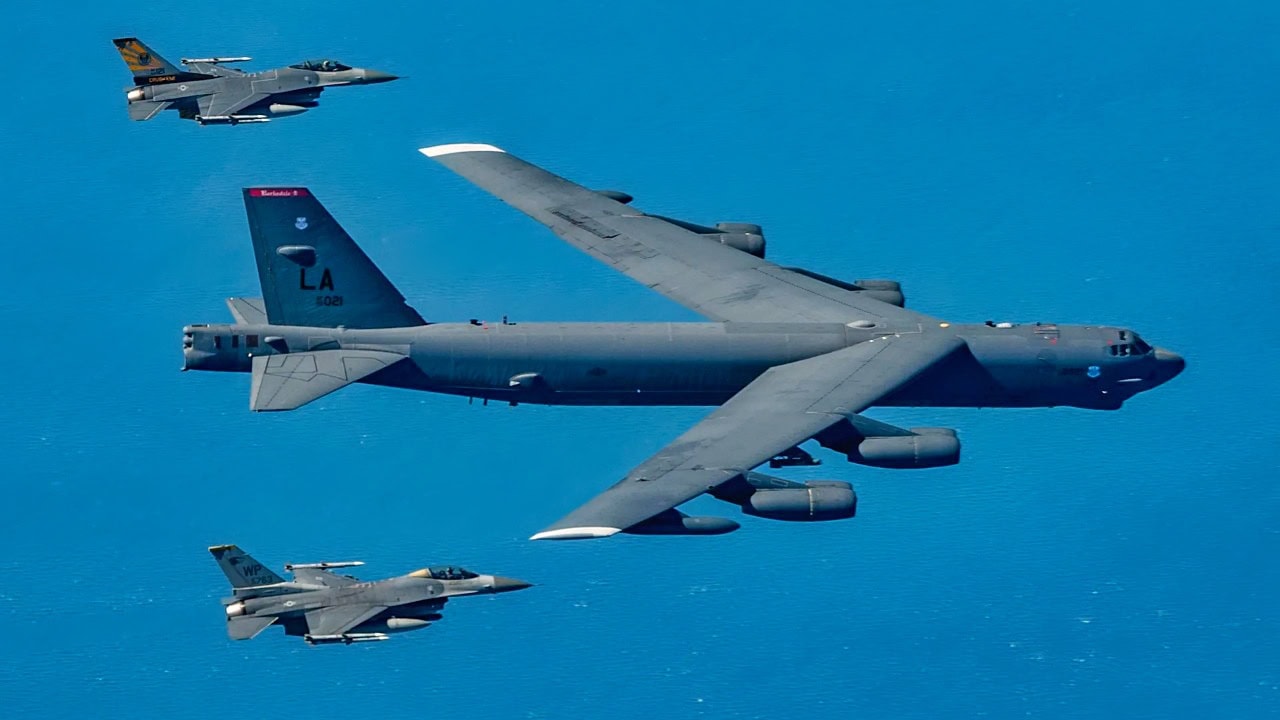
Key Points and Summary – The B-52J is a re-engined, digitally modernized B-52H designed to keep the Stratofortress relevant into the 2050s and beyond. Replacing eight TF33s with Rolls-Royce F130s should cut fuel burn, boost reliability, extend range, and reduce maintenance as parts scarcity worsens.
-A new AESA radar, updated avionics, and improved data links reframe the bomber as a networked standoff arsenal built for JASSM-ER, LRASM, hypersonic weapons, and the LRSO nuclear cruise missile.
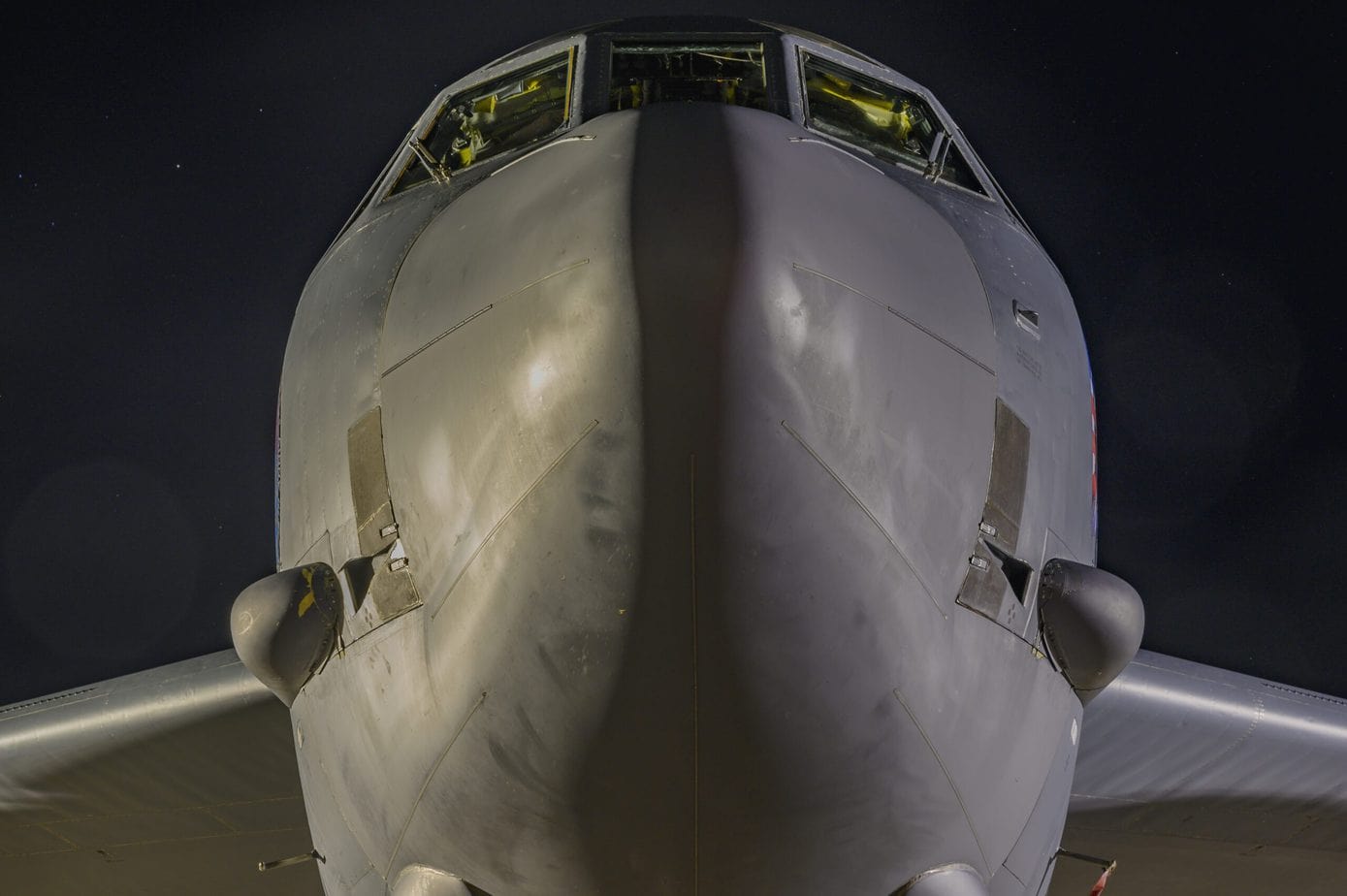
A U.S. Air Force B-52 Stratofortress assigned to Barksdale Air Force Base, La., is prepared for a Mark-82 munitions load, in support of a Bomber Task Force deployment, Feb. 1, 2020, at Andersen Air Force Base, Guam. The bomber deployment underscores the U.S. military’s commitment to regional security and demonstrates a unique ability to rapidly deploy on short notice. (U.S. Air Force photo by Senior Airman Jacob M. Thompson)
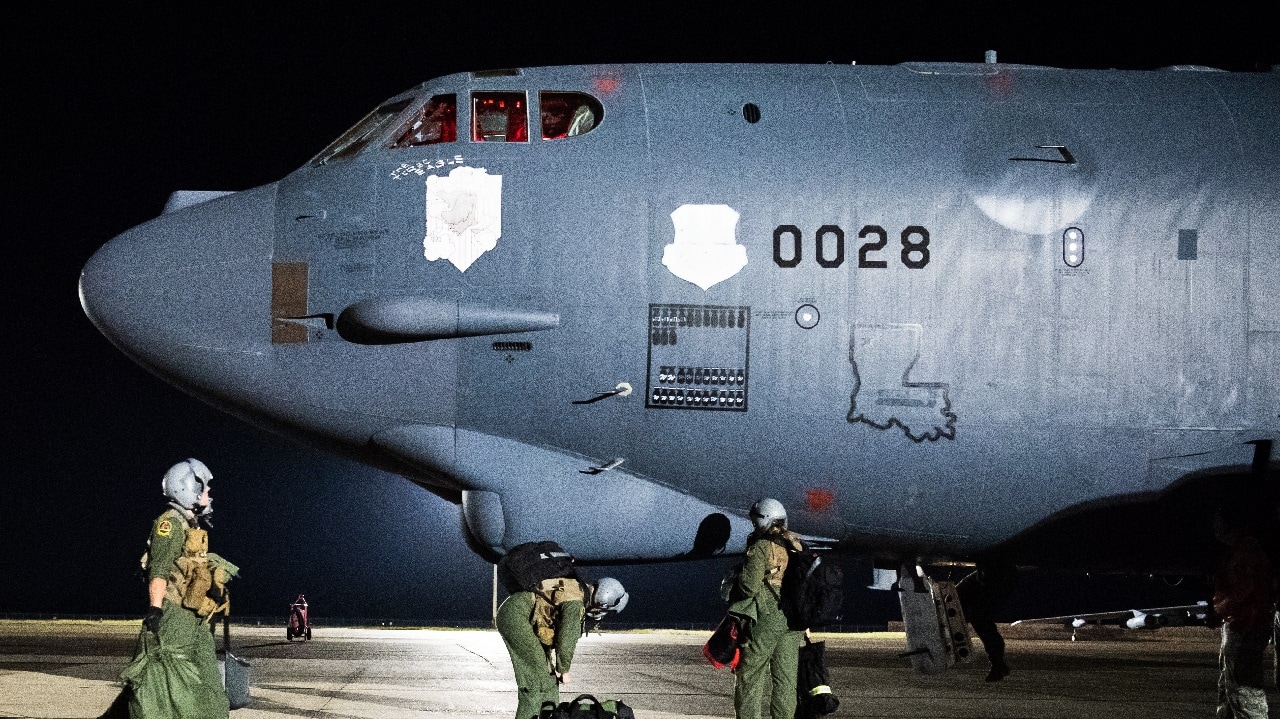
Airmen from the 96th Bomb Sqaudron load gear onto a B-52H Stratofortress at Barksdale Air Force Base, La., Oct. 13, 2020. The crew took part in a NATO crossover exercise designed to increase interoperability with NATO mission partners. (U.S. Air Force photo by Airman 1st Class Jacob B. Wrightsman)
-It won’t penetrate modern air defenses; it complements the B-21 Raider and expands massed standoff fires.
-That tradeoff is the point: reuse an existing airframe, cut risk, and add capacity.
The B-52J Has a Message: America Plans to Fly This Bomber for a Century
The B-52 first flew in 1952 and entered service in 1955, making it older than the vast majority of jet aviation concepts still in use.
The forthcoming B-52J represents the most ambitious modernization in the storied bomber’s history, offering new engines, radar, and avionics.
The upgrades are ironic: the Air Force is spending billions to modernize an 80-year-old aircraft.
Historical Context of B-52J
The B-52 was initially designed for high-altitude nuclear bombing over the Soviet Union.
Since its introduction, the B-52 has survived multiple doctrinal revolutions, from high-altitude nuclear bombing to low-altitude penetration to a standoff missile platform; the B-52 has proved endlessly adaptable.
For example, in Vietnam, the aircraft was used for carpet bombing, yet during the Cold War, it was used for nuclear deterrence; and in the Post-9/11 era, it has been used for precision strikes. The platform’s key advantages have remained the same: payload, range, reliability, and flexibility (if not survivability).
What Is the B-52J?
The B-52J is not a new bomber—it is a re-engined, digitally modernized version of the B-52H, part of a plan to keep the aircraft flying into the 2050s-2060s.
Remarkably, the current plan will keep the B-52 in active service for over 100 years, where it will serve alongside the forthcoming B-21 Raider to supplement America’s 21st-century strategic bomber force.
The core change concerns the engines.
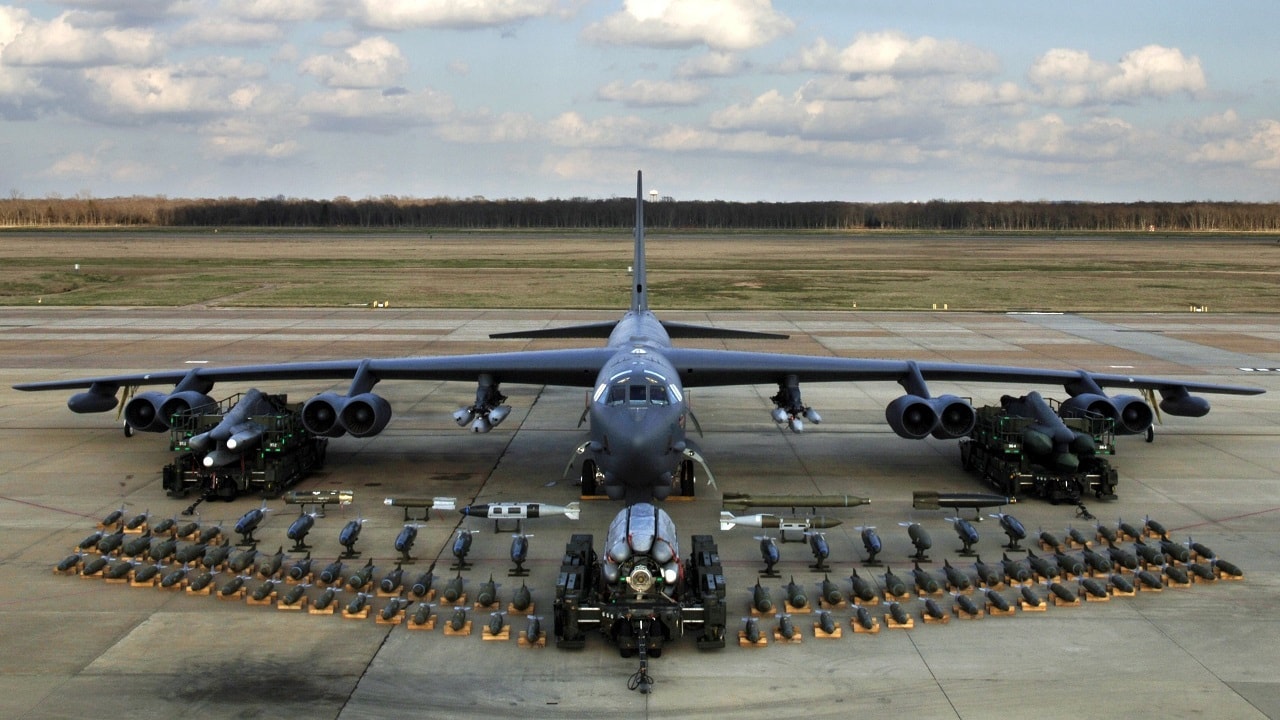
Boeing B-52 static display with weapons, Barksdale AFB 2006. Image: Creative Commons.
The old B-52s relied on eight Pratt & Whitney TF33 engines from the 1960s.
These had poor fuel efficiency, a high maintenance burden, and limited parts availability.
The new engines, the Rolls-Royce F130, offer significant improvements, like 30 percent better fuel efficiency, far greater reliability, reduced maintenance hours, and more extended range—all of which will save billions over the aircraft’s lifecycle.
But the upgrades do carry downsides. Upfront costs are incredibly steep.
The re-engineering of pylons, nacelles, and flight controls, along with the corresponding certification, is a complex process. Critics argue that the Air Force is spending money on new aircraft for the old aircraft’s performance.
The engines aren’t the only upgrade, either.
The J-variant will also feature a new active electronically scanned array (AESA) radar, which enables maritime targeting, high-resolution mapping, and better standoff strike coordination.
The cockpit has been modernized with a digital layout. And data links have been improved for enhanced network integration.
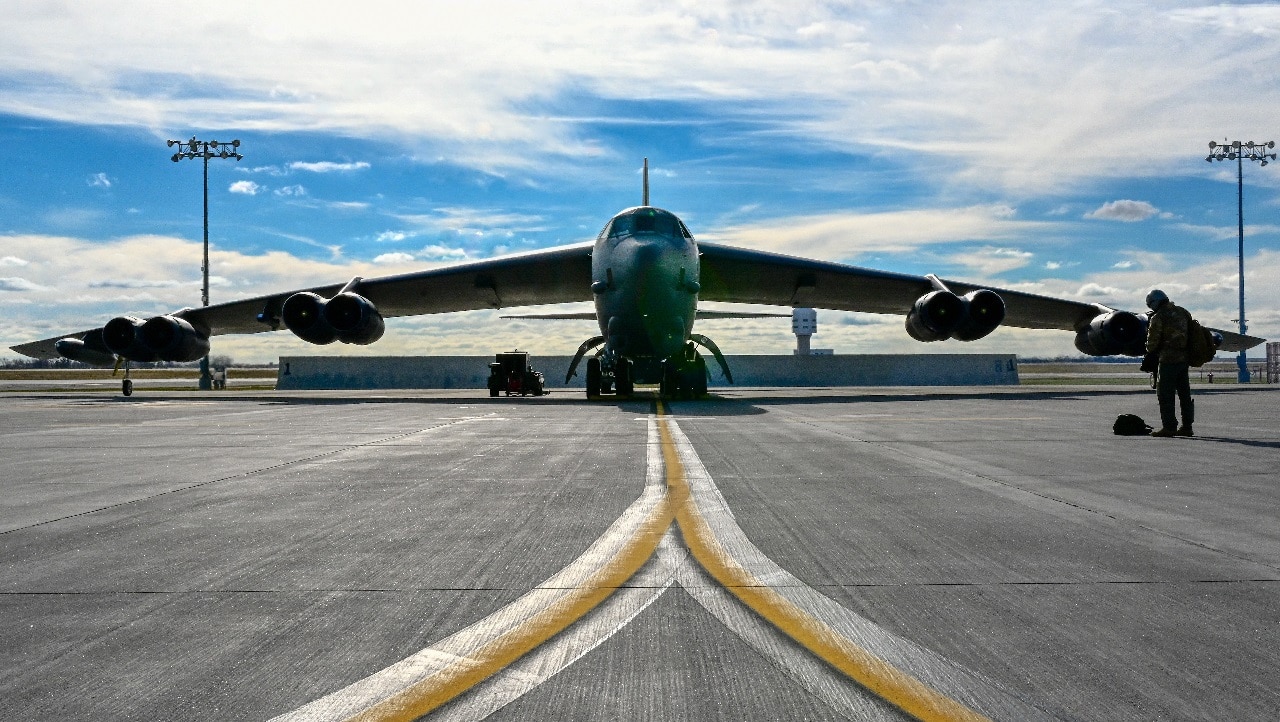
A B-52H Stratofortress is prepared for fight at Minot Air Force Base, N.D., Oct. 25, 2021. The last B-52H built was delivered in Oct. 1962. (U.S. Air Force photo by Airman 1st Class Zachary Wright)
Weapons integration has also been improved; the J-variant was designed to carry the JASSM-ER, LRASM, hypersonic weapons, and the LRSO nuclear cruise missile.
In effect, the B-52J becomes a stand-off missile arsenal, not a penetrator, as the non-stealth platform would have been highly vulnerable against modern air defense systems.
Pushing Ahead
Despite some criticism about the merit of upgrading such an old platform, the Air Force is forging ahead.
There are tradeoffs, yes, but designing and building bombers from scratch takes decades.
The B-52 is already in service, already works well enough, and is already paid for.
And the B-52 still has a renowned payload advantage; no other bomber carries so many weapons as cheaply as the B-52.
The platform also carries low operational risk—it is a known airframe with a mature logistics pipeline and experienced crews.

PHILIPPINE SEA (Feb. 24, 2024) A U.S. Air Force B-52 Stratofortress, attached to the 5th Bomb Wing, and aircraft attached to Carrier Air Wing (CVW) 11, fly in formation over the Nimitz-class aircraft carrier USS Theodore Roosevelt (CVN 71), Feb. 24, 2024. Theodore Roosevelt, flagship of Carrier Strike Group Nine, is underway conducting routine operations in the U.S. 7th Fleet area of operations. U.S. 7th Fleet is the U.S. Navy’s largest forward-deployed numbered fleet, and routinely interacts and operates with allies and partners in preserving a free and open Indo-Pacific region. (U.S. Navy photo by Mass Communication Specialist 1st Class Thomas Gooley)
And the strategic reality is that not every mission requires an advanced stealth platform; sometimes, rudimentary missile trucks are essential, even in a peer conflict.
But the B-52J is not a perfect solution.
The platform is large and slow, and non-stealth.
It simply cannot survive inside contested airspace against China or Russia, and will be forced to rely upon standoff weapons, escort fighters, and SEAD/DEAD.
The B-21 Raider Question
Critics have argued that the money spent on B-52J upgrades would be better spent on accelerating B-21 production. But that decision has already been made—the Air Force is committed to the B-52J. In effect, the US bomber force will become tiered.
The B-21 will be used for penetration missions while the B-52J will be used for massed standoff fires. This spreads the risk across platforms and increases flexibility. The B-2 will also supplement stealth operations before being retired outright (while the B-1B is also scheduled for retirement).
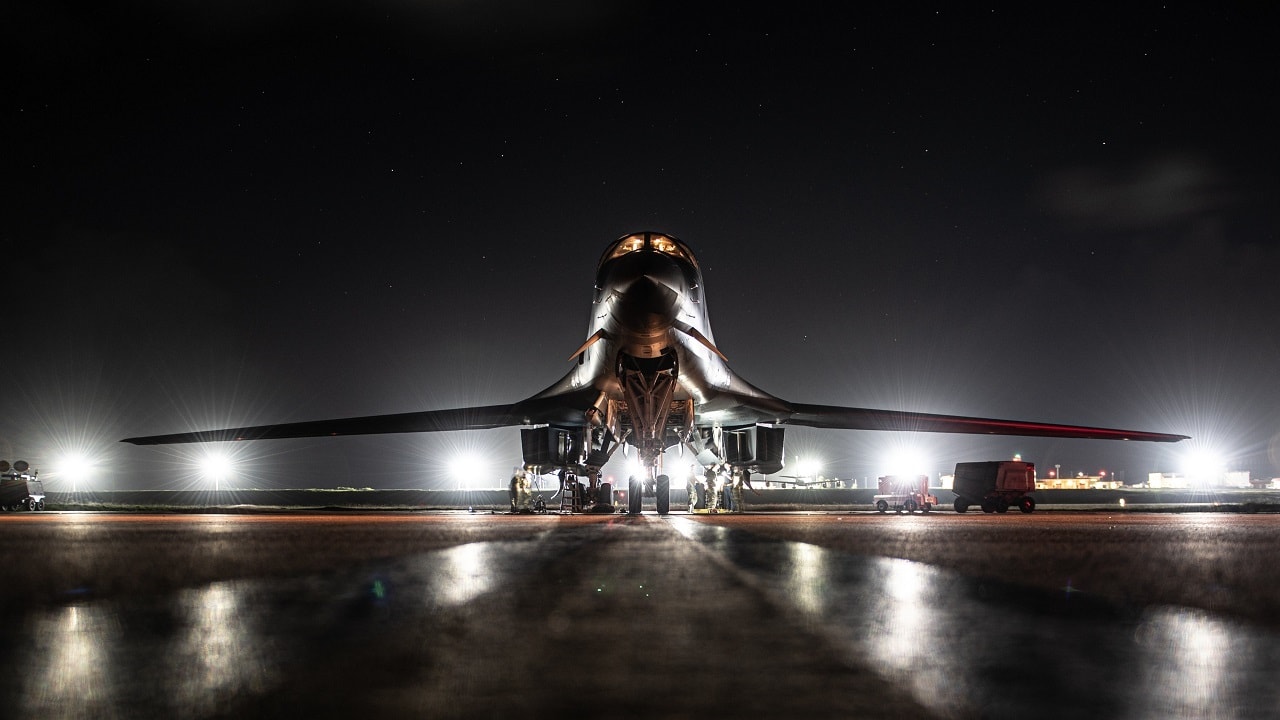
B-1B Lancer Bomber. Image Credit: U.S. Air Force.
Ultimately, the B-52J shows that even the world-leading US defense industrial base has limitations, sometimes making it easier to upgrade than replace, with modernization serving as a hedge against production delays.
While not necessarily exciting, to update such an old and familiar airframe, the B-52J is a pragmatic solution with tactical upside.
About the Author: Harrison Kass
Harrison Kass is an attorney and journalist covering national security, technology, and politics. Previously, he was a political staffer and candidate, and a US Air Force pilot selectee. He holds a JD from the University of Oregon and a master’s in global journalism and international relations from NYU.