
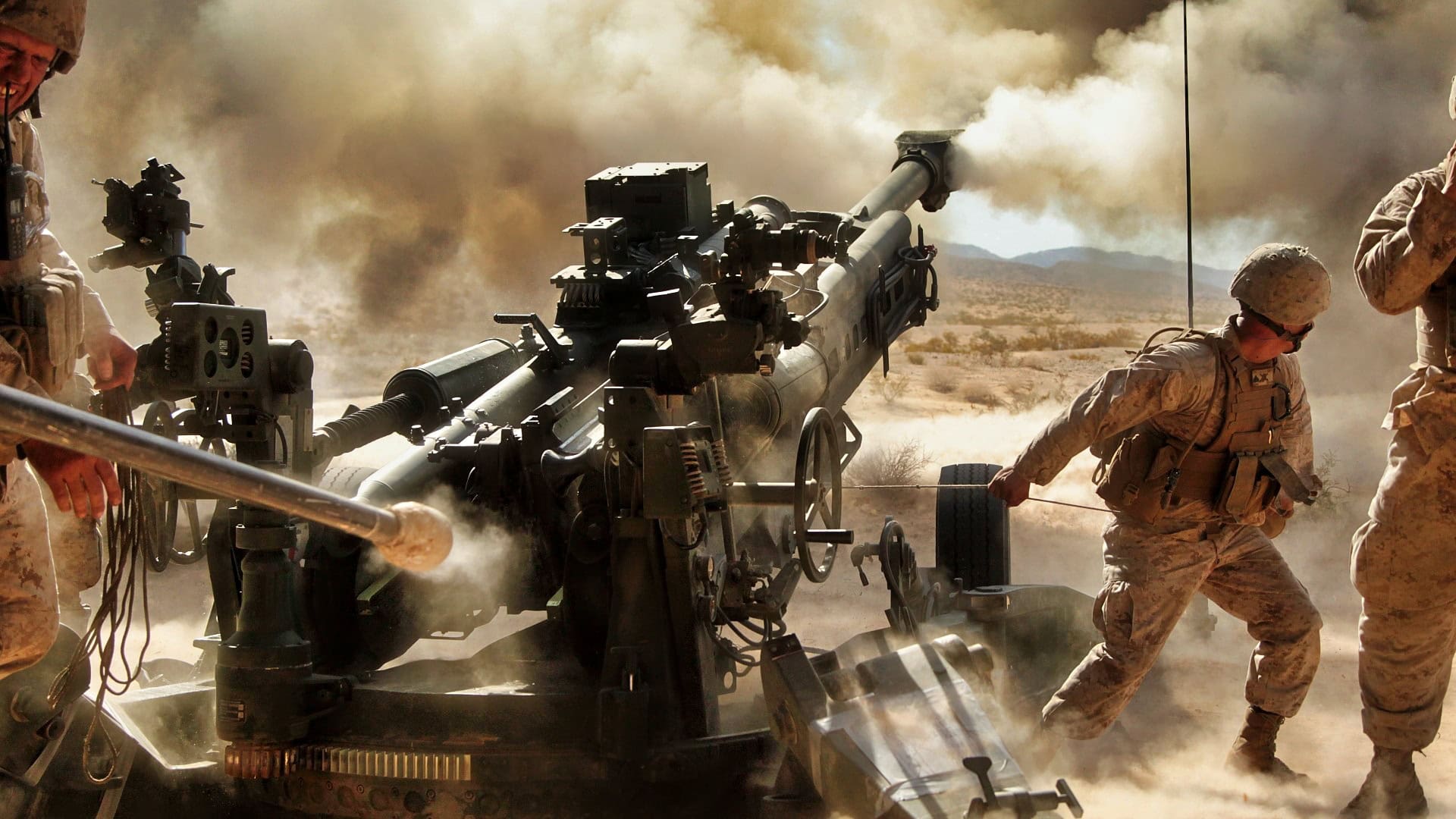
Invading Kharg Island Could Transform the Iran War Into a Possible Disaster for America
U.S. President Donald Trump has publicly floated the possibility of attempting to militarily take Kharg Island, Iran’s critical oil export hub. An invasion would mark a significant escalation—beyond airstrikes and coercive rhetoric, to the deployment of ground troops. U.S. boots on the ground on territory near the Iranian mainland would be a terrible idea, even if the deployment were limited and remained offshore.
Landing on Kharg Island would be sold from a tactical perspective by presenting it as a manageable invasion.
But strategically, the invasion would cross a major threshold, committing the United States to a new and more dangerous dimension of a war that was already built on a questionable strategic foundation.
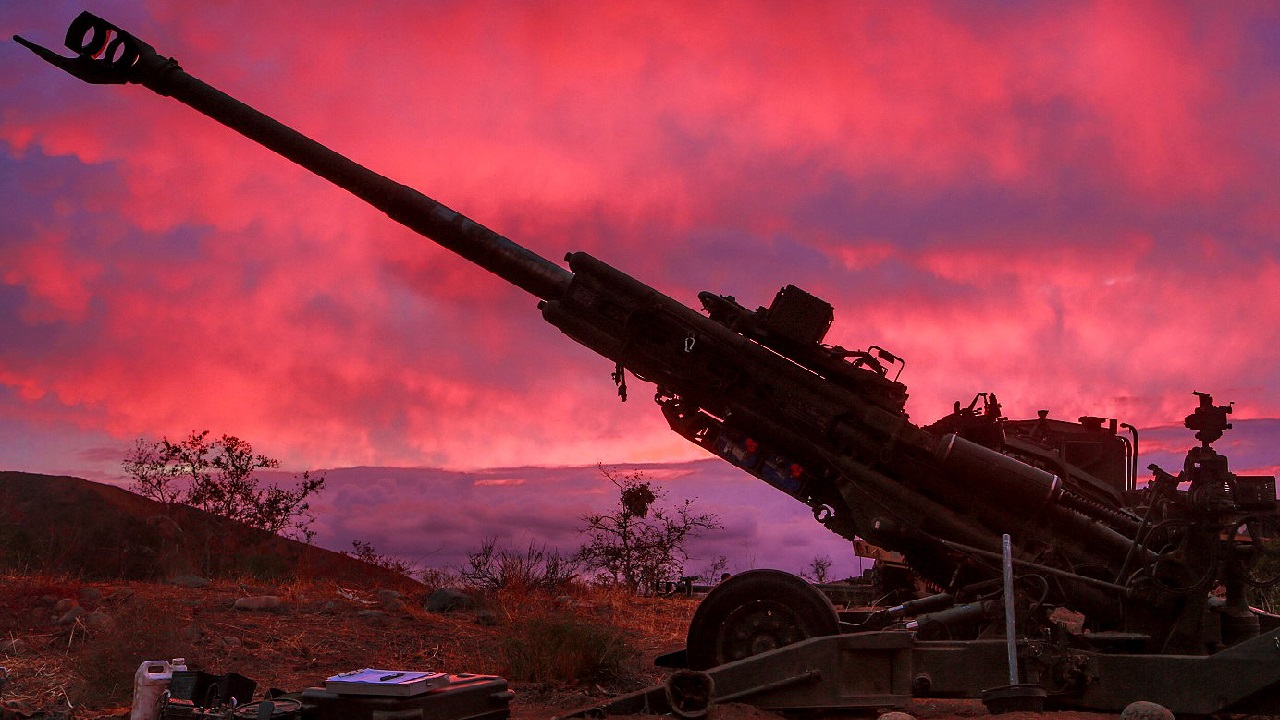
(U.S. Marine Corps HDR photo by Sgt. Jamean R. Berry/Released)
What is Kharg Island
Kharg Island handles roughly 90 percent of Iran’s crude oil exports, making the island a vital economic pressure point. Trump appears to want to use Kharg to force Iran to reopen the Strait of Hormuz.
Kharg is likely attractive to the Trump administration because it is discrete, visible, and economically central. But precisely because Kharg is all of those things, committing ground forces would be symbolically and strategically explosive.
What Has Already Happened
The United States has already struck military targets on the island, including airport facilities, while initially leaving oil infrastructure intact. Trump has also threatened to destroy the island’s energy and water infrastructure if Iran does not accommodate U.S. demands.
Note Trump’s progression—from airstrikes to coercive threat to public talk of a ground invasion. It suggests the administration is considering escalation, including physical occupation.
A New Threshold
Even a “limited” deployment on Kharg Island would see U.S. ground combat on Iranian territory. That would fundamentally change the nature of the conflict, from a remote strike campaign to a territorial seizure.
The symbolism is impossible to ignore—especially given the United States’ recent history of ground occupations in the region.
And don’t expect Tehran to take the escalation lightly. An occupation, no matter how limited or temporary, would be seen as an invasion in Tehran and the rest of the region, and the reaction would be calibrated accordingly.
Once Americans are physically holding ground, the political logic of the conflict would also change. Because leaving while under fire looks like failure, the United States might wait for an ideal set of circumstances to withdraw, thereby prolonging the conflict for optics.
Support of the Escalation
Supporters of the invasion would likely argue that the island target, close to sea-based U.S. power, is manageable. The United States already has amphibious forces in the region, and the Iranian conventional navy has been significantly degraded.
The USS Tripoli (LHA-7) and the Marines already in theater give the United States options to reliably take the island, which would deny Iran oil revenue and intensify pressure on Tehran. But taking an island and holding an island are different aims.
The Kharg Trap
Kharg sits less than 20 miles from the Iranian mainland. That means any occupying force would sit within range of rockets, artillery, drones, and missiles. Iran wouldn’t even need to retake the island conventionally.
Instead, Iran could bombard the island, mine the surrounding waters, strike support ships and logistics—anything to impose a constant attritional cost on the U.S. occupation. Basically, even a small U.S. occupation would create a fixed target close to enemy fire.
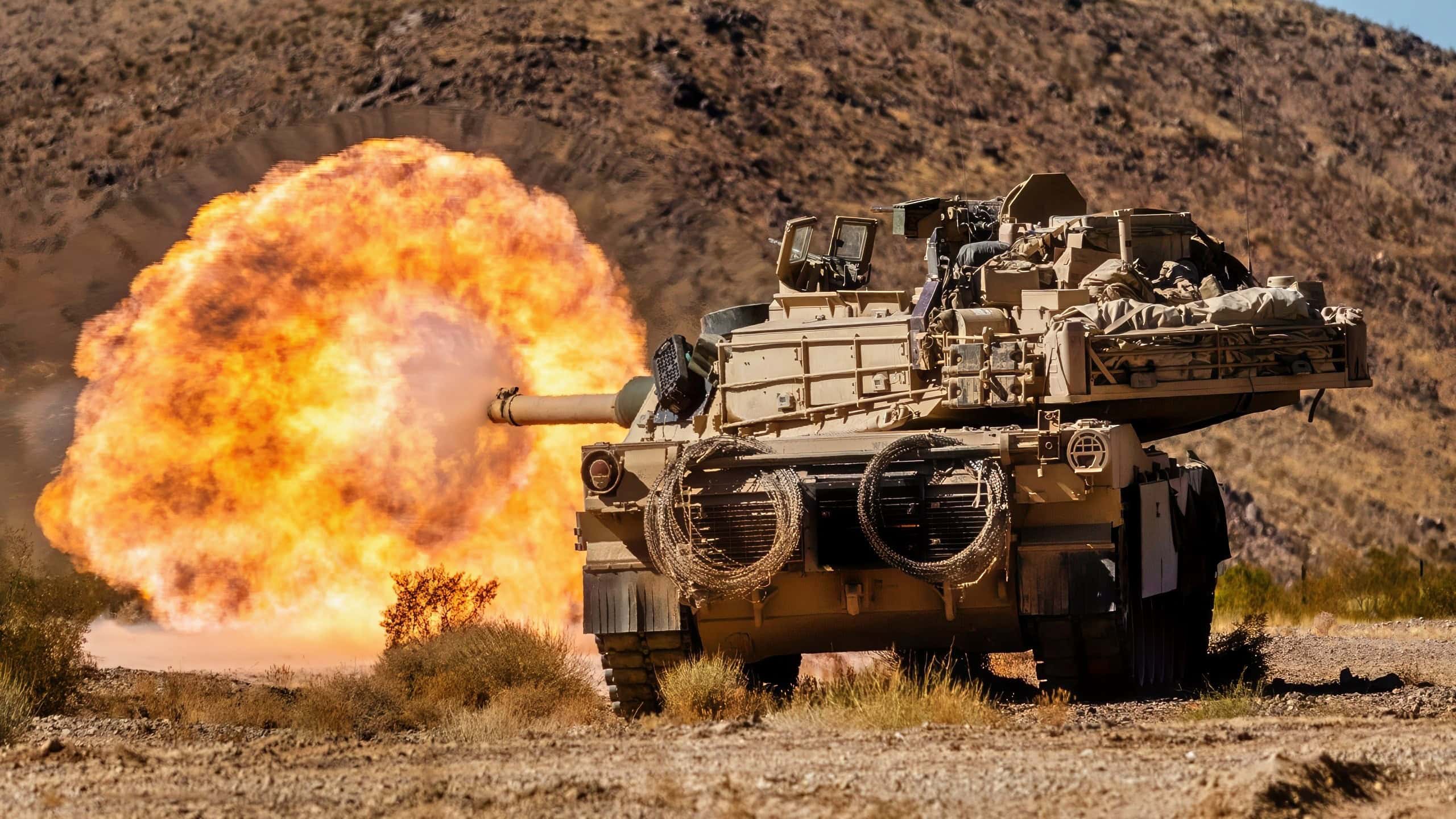
U.S. Soldiers assigned to 1st Battalion, 9th Cavalry Regiment, 2nd Armored Brigade Combat Team, 1st Cavalry Division fire an M1 Abrams main battle tank at an enemy target during Rotation 25-02 at the National Training Center, Fort Irwin, Calif., Nov. 07, 2024. Rotations at the National Training Center ensure Army Brigade Combat Teams remain versatile, responsive, and consistently available for current and future contingencies. (U.S. Army photo by Spc. Casey Auman, Operations Group, National Training Center).
So while Kharg might be easy to seize, it would be harder to hold without expanding the campaign toward the Iranian mainland.
Will Trump Do It?
It’s certainly possible that Trump will call for the mission—but not inevitable. The military buildup could just be part of Trump’s negotiation tactics—a maximum-pressure campaign designed to force Iranian concessions.
On the other hand, Trump has a well-documented tendency to accumulate forces before using those forces (such as off the coast of Venezuela). Kharg Island could just be the next data point in that trend. The threat may be coercive theater—but that theater is backed by a real capability that would be dangerous to dismiss.
The Next Phase
If the United States lands on Kharg, the conflict enters a new phase. The Iran-U.S. War becomes more direct, territorial, politically charged, and harder to withdraw from. The risks go up. Retaliation becomes more likely.
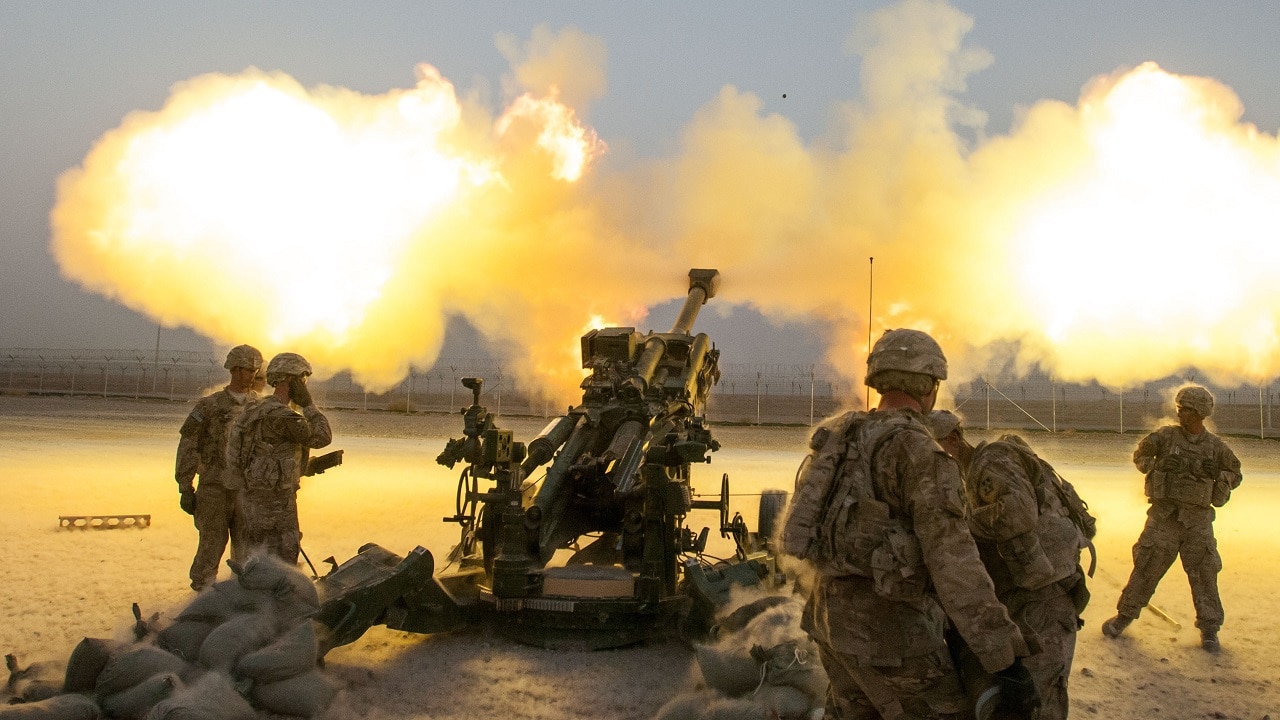
Soldiers serving with Alpha Battery, 2nd Battalion, 77th Field Artillery Regiment, 4th Infantry Brigade Combat Team, 4th Inf. Division, shoot a round down range from their M777A2 howitzer on Kandahar Airfield, Afghanistan, Aug. 22, 2014. The round was part of a shoot to register, or zero, the howitzers, which had just arrived on KAF from Forward Operating Base Pasab. The shoot also provided training for a fire support team from 1st Battalion, 12th Infantry Regiment, 4th IBCT, 4th Inf. Div.
Oil-economy shock becomes more likely. And the burden on U.S. forces increases. Boots on the ground, even on a small island, would not be a side note or tangent—it would be a substantive and symbolic escalation.
More: The Aircraft Carrier Age Is Over
About the Author: Harrison Kass
Harrison Kass is an attorney and journalist covering national security, technology, and politics. Previously, he was a political staffer and candidate, and a US Air Force pilot selectee.