
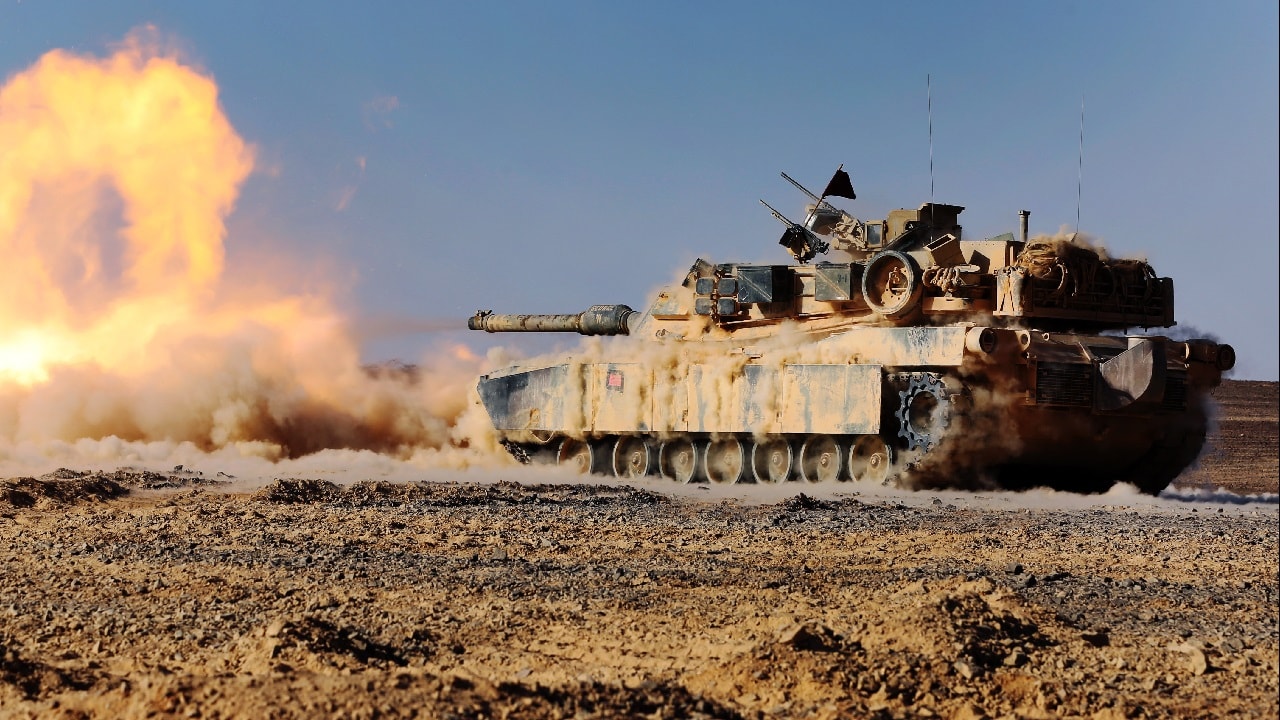
In March 2026, senior U.S. Army officials confirmed they are preparing a narrower version of “right to repair” legislation after Congress removed broader provisions from the Fiscal Year 2026 National Defense Authorization Act (NDAA). Importantly, the decision was not due to a lack of support. The original provisions had support from both parties, senior leadership within the Pentagon, and even the White House – but they were ultimately stripped from the final bill following lobbying from defense contractors and industry groups.
Army Under Secretary Michael Obadal stated at the McAleese Defense Programs Conference on March 25 that the service is now working with Congress to “get more refined” on what authorities it needs, emphasizing that future proposals will be “very narrow.”
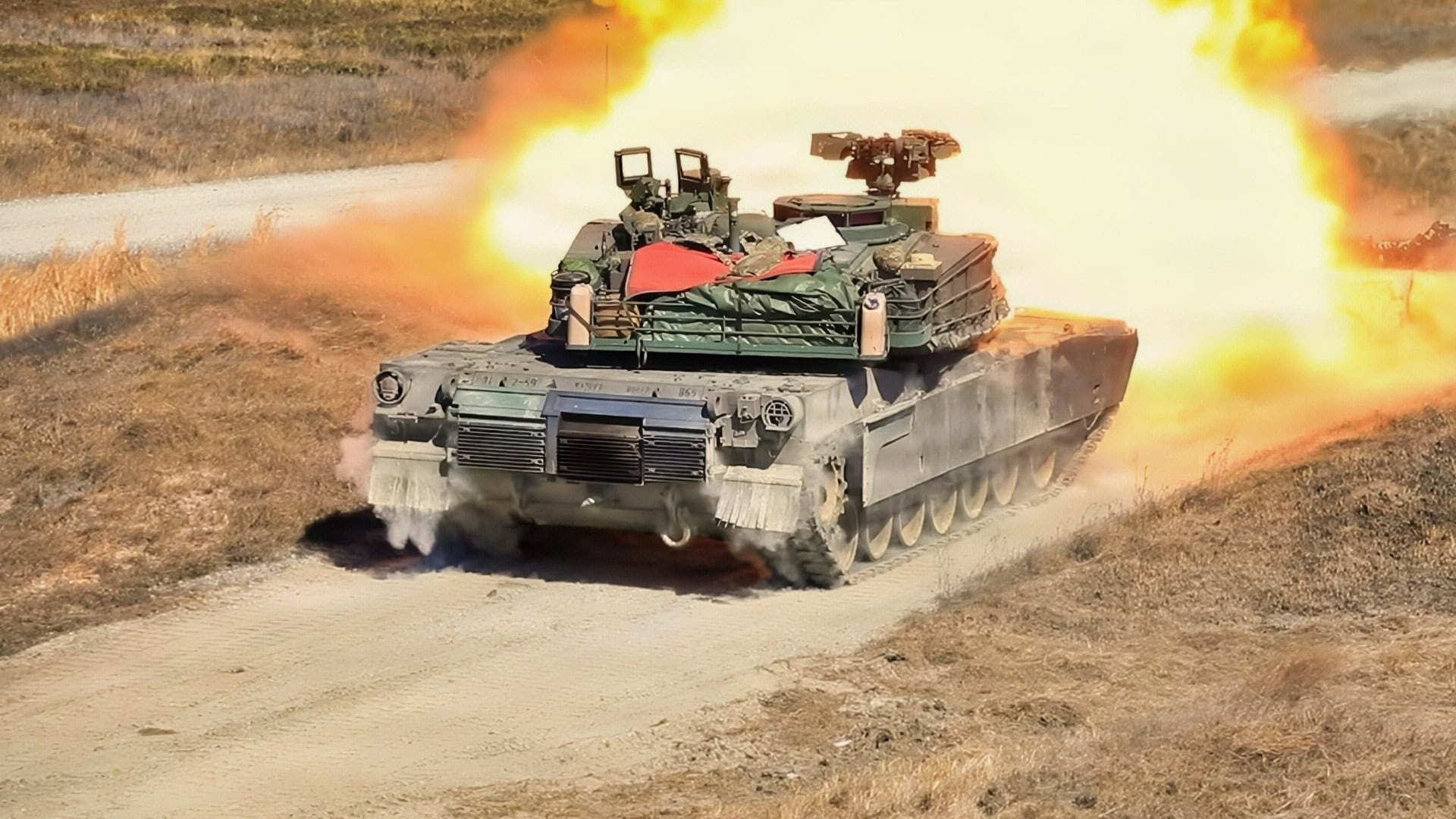
An M1 Abrams tank, operated by U.S. Soldiers assigned to the 2nd Battalion, 69th Armor Regiment, 2nd Armored Brigade Combat Team, 3rd Infantry Division, conduct a Table V live-fire exercise during Spartan Focus at Fort Stewart, Georgia, Feb. 1, 2026. The Marne Division is innovating, experimenting and investing in emerging technologies to dominate the battlefield. (U.S. Army photo by Staff Sgt. Anthony Herrera)
The debate is the product of an ongoing problem within the U.S. military – specifically, that troops are often unable to repair the equipment they operate, even when deployed and trained to do so.
What the Army Is Trying to Fix
The Army’s new efforts are focused on the specific problem of maintaining and repairing equipment when forward-based. In his recent comments, Obadal said that soldiers need the ability to repair equipment without sending entire systems back home to the United States, thereby creating delays and inefficiencies.
The Army has already conducted a service-wide review of contracts to identify where limited access to technical data is preventing soldiers from maintaining equipment in the field, suggesting the problem will likely draw even more attention in the coming months.
But the new proposals will not address problems related to intellectual property transfers, which is one of the chief points of contention for the defense contractors.
Instead, it is likely to focus on specific categories of systems and repair functions and preserving control over commercial software updates, while also expanding military access to core maintenance data.
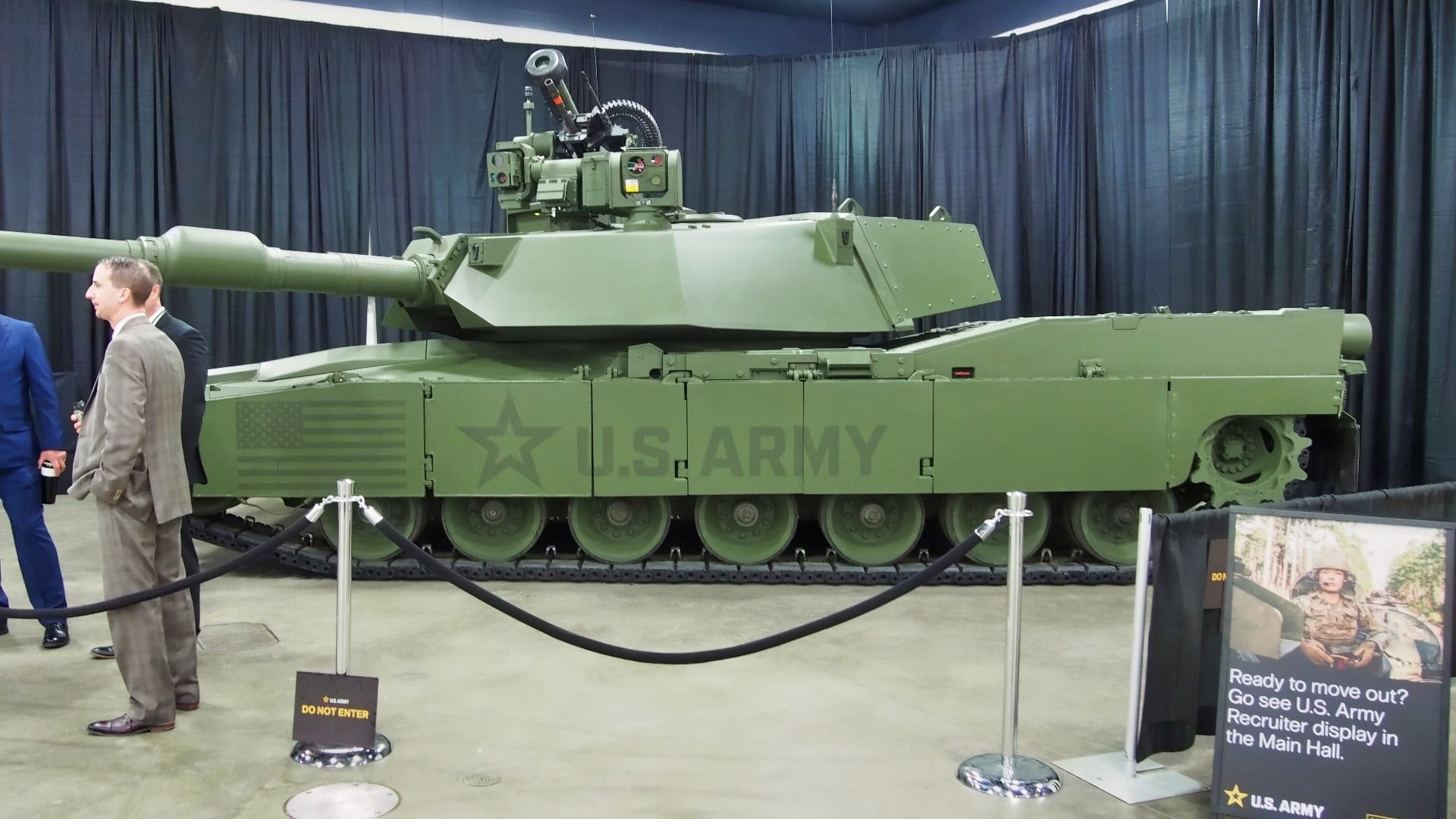
M1E3 Abrams Tank. Taken by 19FortyFive.com
In effect, the plans are intended to strike a balance.
The Army isn’t trying to take control of everything; that wouldn’t be necessary. It is simply trying to regain basic repair capability.
How Repair Restrictions Actually Work
The crux of the issue is access to technical data, including schematics, diagnostic tools, software interfaces, and repair procedures required to identify and fix faults. Without access to that data, maintainers cannot legally (or even practically) perform repairs.
In many modern systems, especially those that are software-driven – which is increasingly the case – the limitation is not physical access to the insides of various pieces of machinery, but information that informs maintainers about what needs to be fixed and how.
Diagnostic systems used by official partners of defense contractors, or indeed their own teams, are typically proprietary. That means they often require manufacturer-authorized tools or software keys. In some cases, even identifying a fault requires access to encrypted data under the contractor’s control.
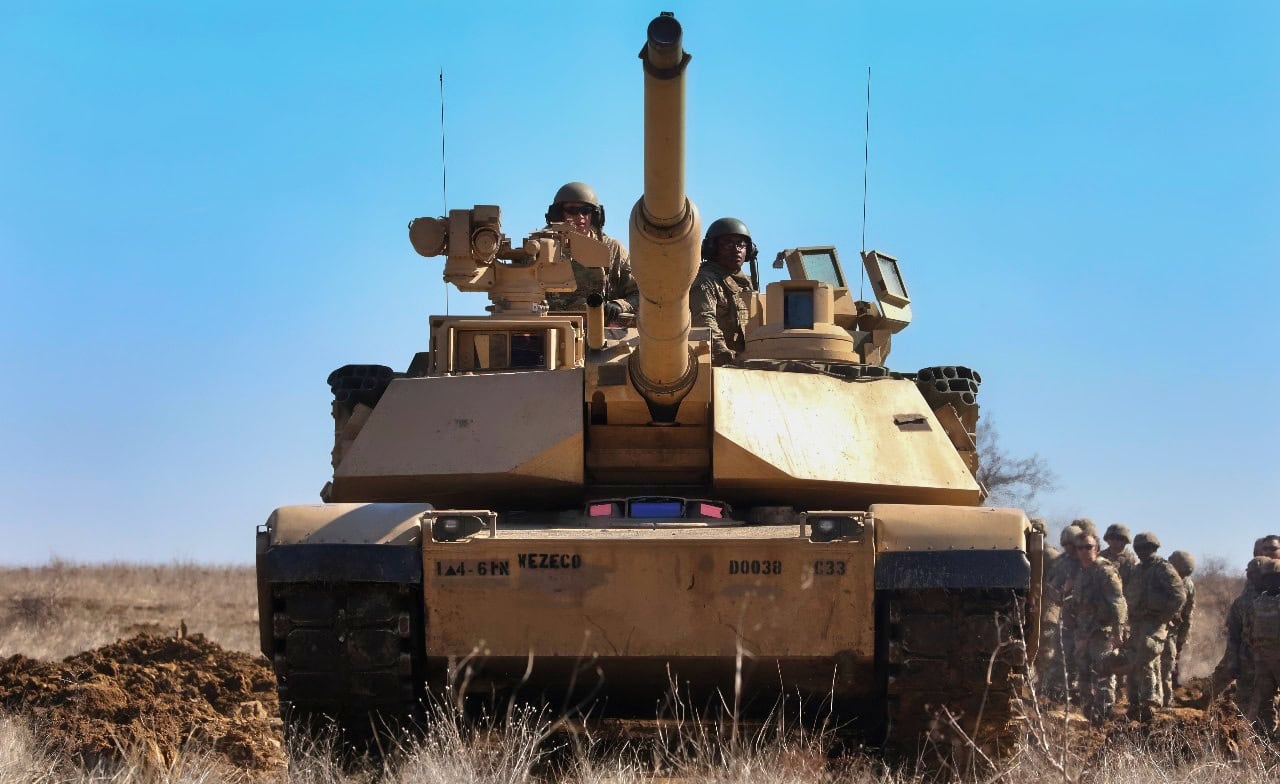
A U.S. Army M1 Abrams, assigned to 4th Battalion, 6th Infantry Regiment, 3rd Armored Brigade Combat Team, 1st Armored Division, fully emerges from the tank firing point to engage the simulated enemy at Novo Selo Training Area, Bulgaria, March 5, 2025. 1st Armored Division, a rotational force supporting V Corps, conducts training with engineers and tank operators in the European Theatre to maintain readiness and instill fundamental Soldier skills that are vital in maintaining lethality. (U.S. Army photo by Spc. Kyle Kimble)
That creates a “vendor lock,” in which the military is dependent on the original equipment manufacturer (OEM) for sustainment. A 2025 analysis by the Center for Strategic and International Studies noted that the lack of intellectual property ownership directly affects the Pentagon’s ability to conduct maintenance and introduces long-term cost and readiness risks.
It followed a speech by Secretary of the Army Dan Driscoll, during which he held an Army-made prototype of a fin for a Black Hawk’s external fuel tank that cost $14,000 from a vendor. He noted that his team had printed a prototype for just $300 that was 300 percent stronger and 78 percent cheaper.
There is a problem; the Army knows there is a problem, and efforts are finally being made to balance the service’s requirements with vendors’ rights to own their own technologies. But until then, the military can only operate the equipment and cannot fully control its maintenance or repair.
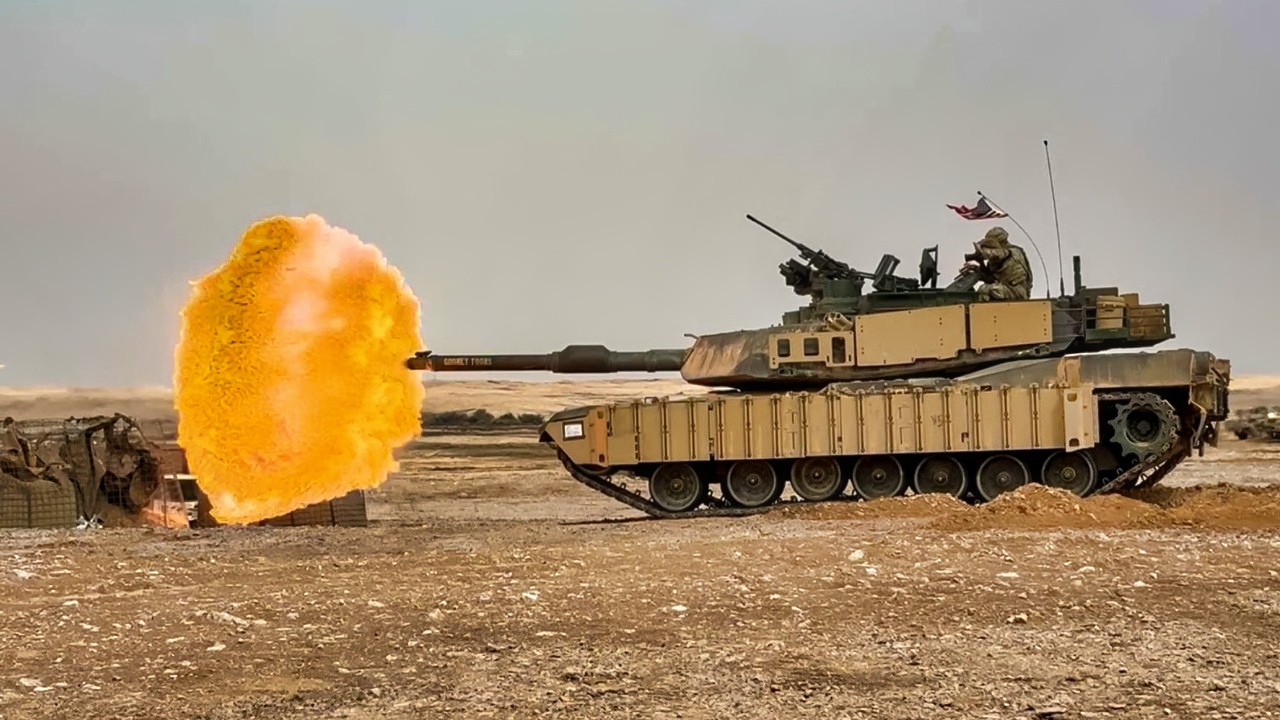
U.S. Army Soldiers assigned to Troop G, 2nd Squadron, 278th Armored Cavalry Regiment, Task Force Reaper fire a M1A2 Abrams tank within the U.S. Central Command’s area of responsibility during the Friendship 25 exercise, Feb. 12, 2025. Exercises like Friendship 25 develop U.S. and Royal Saudi Land Forces service members and enable increased military capacity to address threats to regional security. (U.S. Army Photo by U.S. Army Photo by Maj. Matthew Madden)
How the Pentagon Gave Up Control
Prior to the 1990s, the Department of Defense more consistently sought to acquire broad technical data rights alongside major weapons systems, allowing it to conduct maintenance internally or compete for sustainment work across multiple contractors.
That approach began to shift during post-Cold War acquisition reforms, when the Pentagon moved toward a model that prioritized lower upfront costs and greater reliance on industry.
A series of policy changes in the mid-1990s, including reforms to rights in technical data and computer software and the introduction of contractor-maintained designs, shifted control over system design and sustainment toward the manufacturers.
Over time, this has led the Pentagon to increasingly acquire licenses rather than acquire technical data outright. As noted by the Congressional Research Service, contractors now typically retain ownership of intellectual property and grant the government limited rights to use that data.
These changes largely began during the Bill Clinton administration, when the number of major defense contractors fell from more than 50 to a handful of dominant firms, reducing competition and increasing contractors’ leverage in negotiations. At the same time, the Pentagon began prioritizing lower upfront procurement costs and faster acquisition timelines. Instead of buying full data rights, licensing agreements that limited access to technical data became acceptable.
The FY2026 NDAA itself acknowledged that the problem is rooted in early acquisition decisions. The Joint Explanatory Statement that accompanied the 2026 NDAA stated as much.
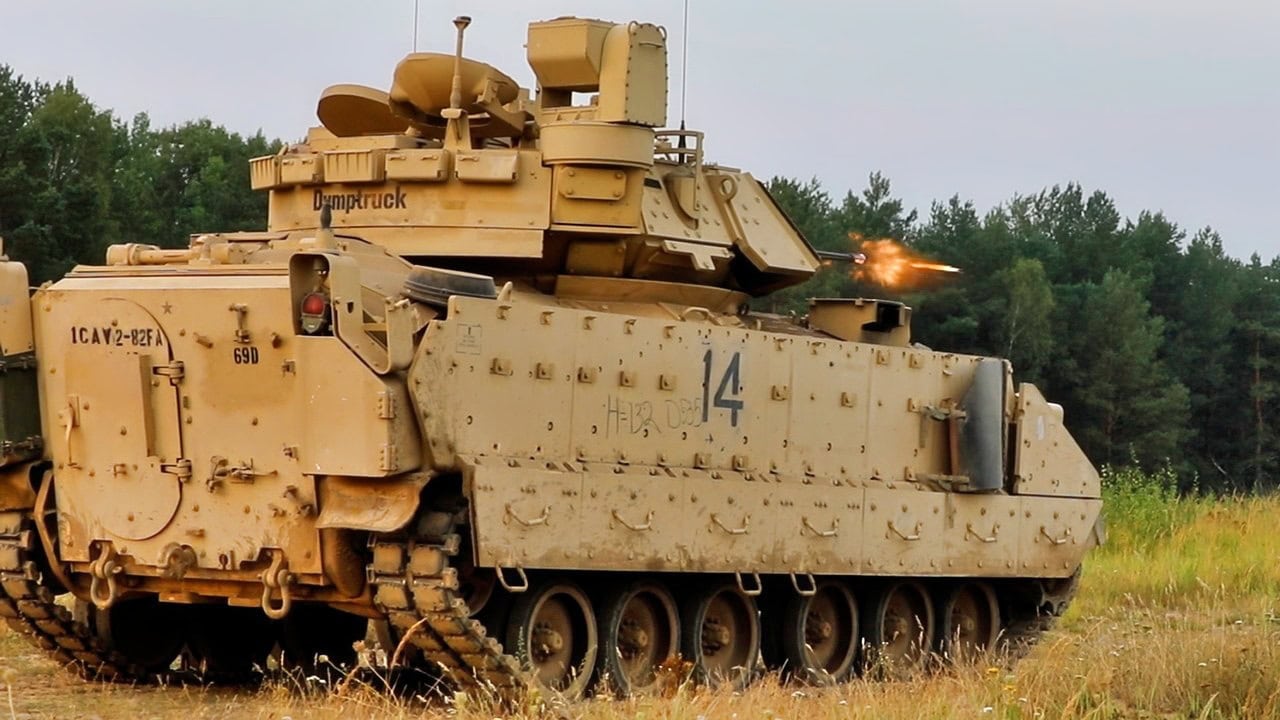
Troopers with 3rd Armored Brigade Combat Team, 1st Cavalry Division firing the 25mm canon on a Bradley fighting vehicle in order to zero the vehicles weapons systems at a range in Poland. Ranges such as these familiarize troopers with the vehicles systems in order to ensure combat readiness.
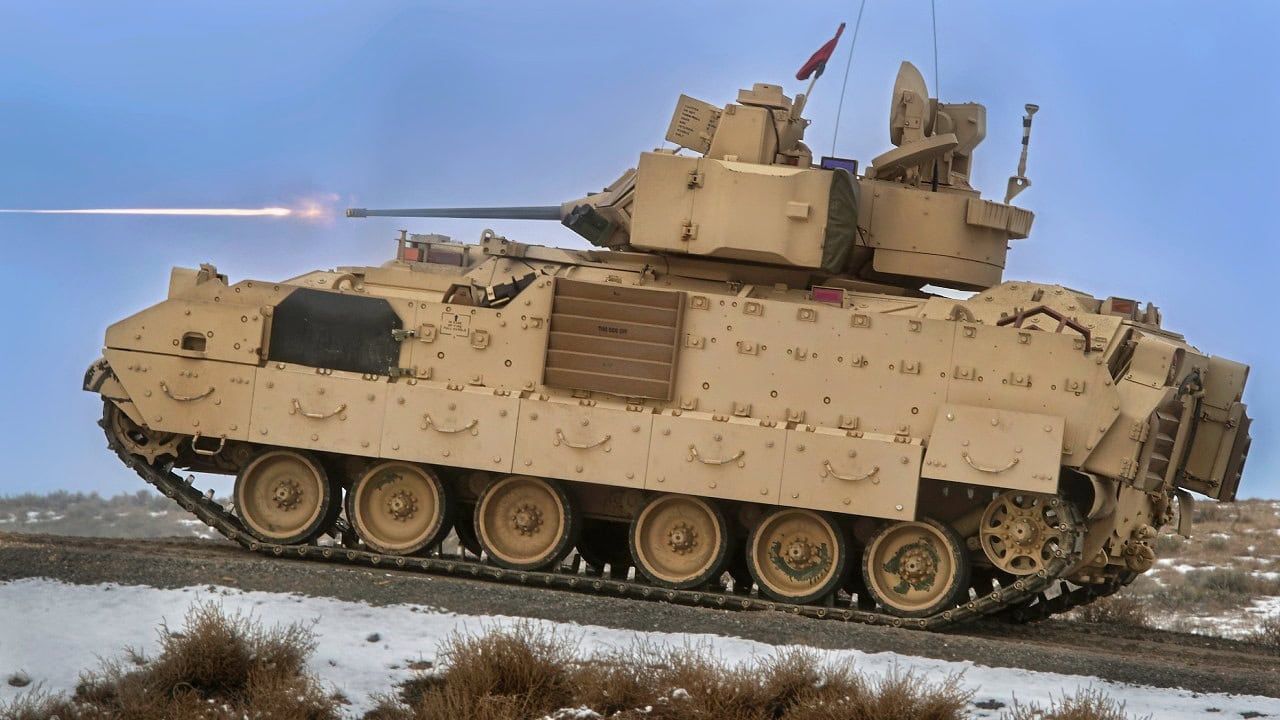
The Bradley Fighting Vehicle cuts loose several rounds from the 25mm main gun on the orchard Combat Training Center Range.
Soldiers completed training this week of the Bradley Commanders Course with the 204th Regional Training Institute, (RTI), of the Idaho Army National Guard on Gowen Field. The course is designed to train active duty, reserve and national guard officers and non-commissioned officers in combat critical M3 Bradley Fighting Vehicle Commander Skills. Field exercises were conducted on the newest Range 10, the Digital Air Ground Integrated Range (DAGIR), on the Orchard Combat Training Center grounds.
“We assess that the Department’s challenges related to technical data are not rooted in an insufficiency in the law, but rather insufficiencies in the Department’s planning and resourcing decisions made early in the acquisition phase related to the sustainment of the systems it procures, and in some cases the Department’s insufficient inspection, acceptance, and management of technical data that have been negotiated,” the document reads.
“We strongly encourage the Department to make every effort to ensure that the maximum amount of competition is maintained throughout development, procurement, and sustainment phases and take necessary planning, resourcing, and contracting actions to ensure that lack of technical data does not impede the effective operation and maintenance of systems acquired by the Department,” it continues.
The F-35 As An Example
The consequences of these decisions are visible across multiple platforms, but the F-35 Lightning II program – which forms the backbone of modern airpower for 20 countries across the world – is a particularly good example.
The Department of Defense does not fully control the intellectual property associated with the aircraft’s systems, which has complicated sustainment and increased long-term costs. The aircraft relies heavily on proprietary logistics and software systems, meaning maintainers often depend on contractor support for diagnostics and repair.
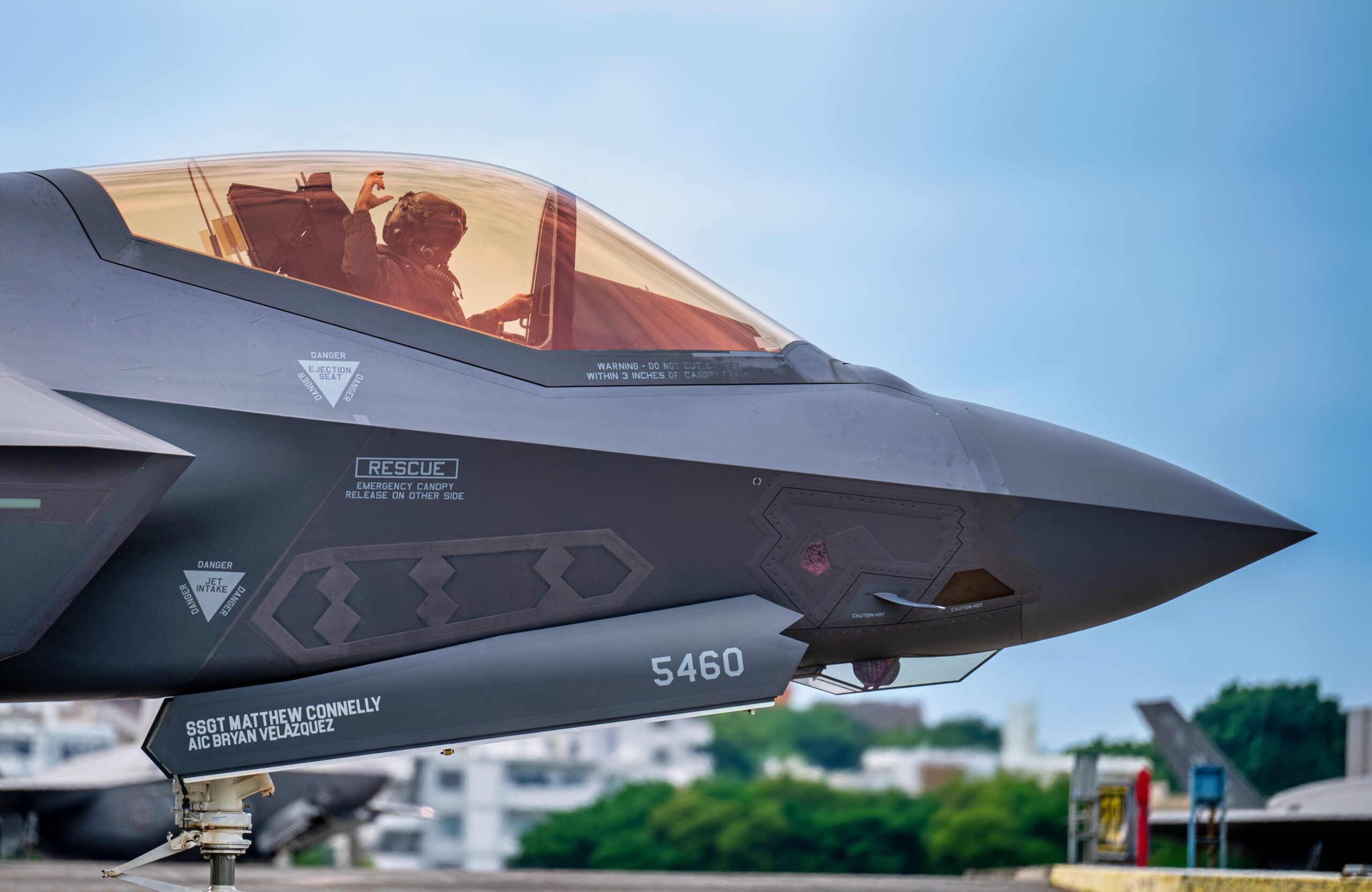
A U.S. Air Force F-35A Lightning II pilot assigned to the 355th Expeditionary Fighter Squadron taxis on the flightline at Marine Corps Air Station Futenma, Japan, during a routine 18th Wing readiness exercise at Kadena Air Base, Japan, May 6, 2025. The U.S. Air Force continues to work on its ability to meet new challenges in dynamic environments. In line with this direction, U.S. Pacific Air Forces is constantly evaluating and validating new warfighting concepts. (U.S. Air Force photo by Senior Airman Catherine Daniel)
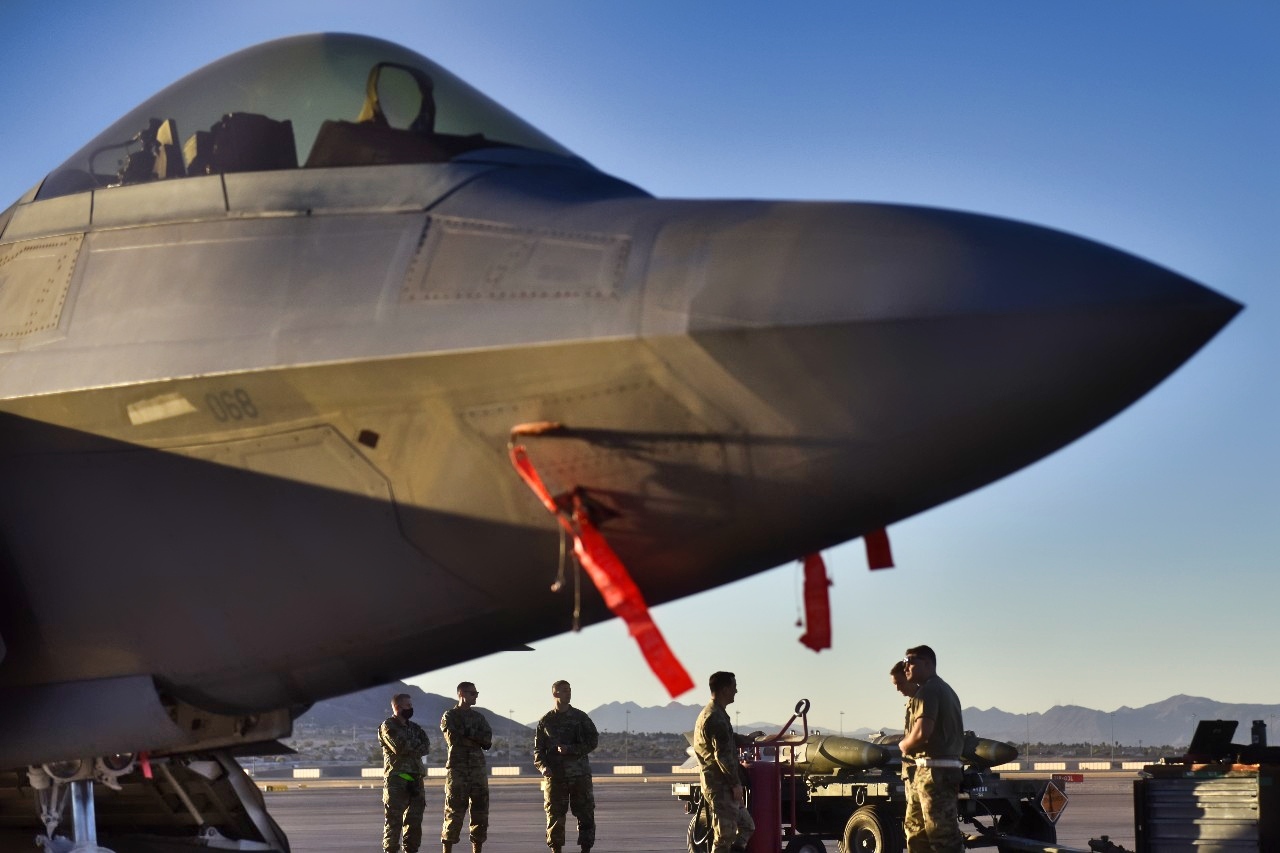
Airmen from the 757th Aircraft Maintenance Squadron talk about their execution plan next to an F-35 Lightning prior to the start of weapons load crew competition at Nellis Air Force Base, Nevada, Oct. 16, 2020. Throughout the year weapons crews are put to the test of safely loading and unloading ordinance to their respective aircraft in front of their peers while being timed. At the end of the year, the winners from each event are pitted against each other to see which team is the best. (U.S. Air Force photo by Tech. Sgt. Alexandre Montes)
“The lack of intellectual property delivery has also been problematic as DOD attempts to stand up a software maintenance, repair component to the current depot structure,” a 2023 Government Accountability Office report explains.
“F-35 aircraft have required over 8 million lines of software code, all of which has been written by its prime contractor and subcontractors. Currently, these same contractors, according to a DOD official, manage and repair the code.
According to a cognizant DOD official, the F-35 program has known for more than five years that it wants to take over software sustainment.
The official stated that the military services have the capability to sustain software because they have been doing it on other aircraft for years; however, the F-35 program has not acquired the necessary source code to sustain F-35 software, and this military service capability remains unused.”
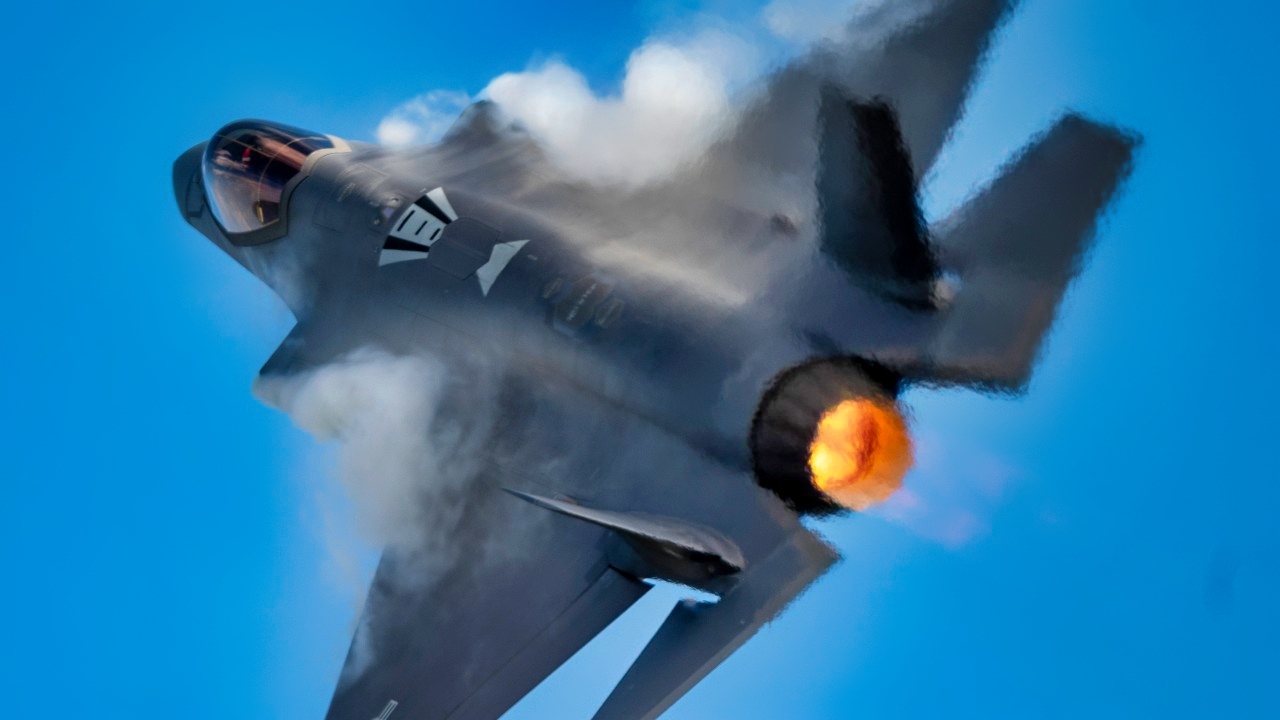
U.S. Air Force Maj. Melanie “Mach” Kluesner, the pilot for the F-35A Demonstration Team, performs aerial maneuvers in a USAF F-35A Lightning II during the practice day before the airshow at Jacksonville Naval Air Station, Florida, on 18 October, 2024. The practice day ensures that the team is able to safely and properly display the power, agility, and lethality of America’s 5th generation fighter jet. (U.S. Air Force photo by Senior Airman Nicholas Rupiper)
The Army’s effort to repair the current system remains in the drafting phase following its removal from the FY2026 NDAA.
Any new proposal is expected to be reintroduced during the next legislative cycle or as a targeted amendment tied to specific acquisition programs, rather than a service-wide mandate.
About the Author: Jack Buckby
Jack Buckby is a British researcher and analyst specializing in defense and national security, based in New York. His work focuses on military capability, procurement, and strategic competition, producing and editing analysis for policy and defense audiences. He brings extensive editorial experience, with a career output spanning over 1,000 articles at 19FortyFive and National Security Journal, and has previously authored books and papers on extremism and deradicalization.