
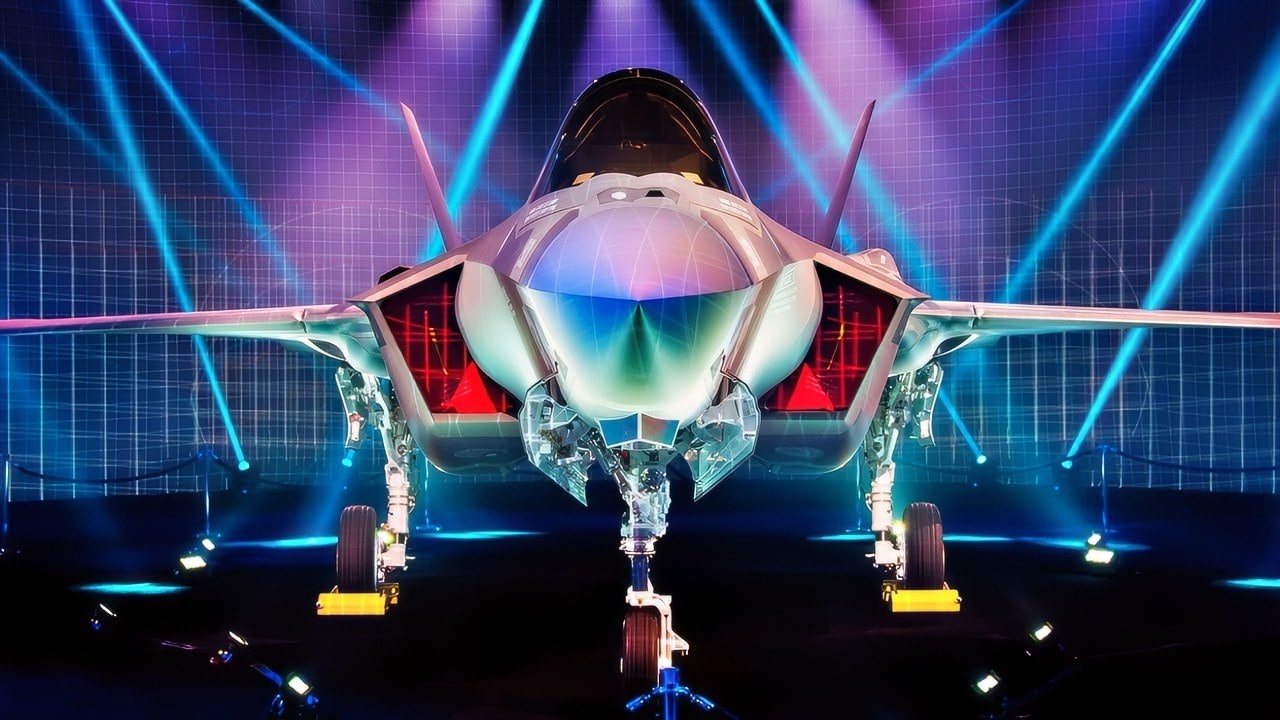
Israel just approved a massive new fighter purchase—roughly 25 F-35I Adir stealth fighters and 25 F-15IA aircraft—as part of a $119 billion post-war force expansion amid the ongoing Iran conflict. The decision, made directly because of lessons learned during Operation Lion’s Roar, will eventually bring Israel’s F-35I fleet to 100 stealth fighters and its F-15IA fleet to 50 aircraft.
Israel Approves New F-35, F-15 Squadrons Amid Ongoing Iran Conflict
Israel approved the purchase of two new U.S.-built fighter squadrons on May 3, 2026, adding more F-35I Adir stealth fighters and F-15IA aircraft as part of a major post-war force expansion amid the ongoing conflict with Iran. The decision, confirmed by Israel’s Ministry of Defense following a vote by its Ministerial Committee on Procurement, authorizes the acquisition of roughly 25 aircraft of each type, with contracts to be finalized in the near future.
It is the first part of a 350 billion shekel ($119 billion USD) program to strengthen Israeli readiness ahead of what is expected to be a “demanding decade for Israeli security.”
What Israel Is Buying
Israel is expected to purchase a fourth F-35 squadron from Lockheed Martin and a second F-15IA squadron from Boeing.
Israeli officials have not publicly confirmed the exact number of aircraft in the newly approved purchase, but recent Israeli fighter squadron purchases have generally involved 25 jets, suggesting the deal will add 25 F-35Is and 25 F-15IAs. That would eventually bring Israel’s planned F-35I fleet to 100 aircraft and its F-15IA fleet to 50 aircraft.
The F-15IA deal builds on a previous U.S. approval for Israel to buy up to 50 new F-15IA fighters and upgrade 25 existing F-15I aircraft, a package valued at an estimated $18.82 billion.
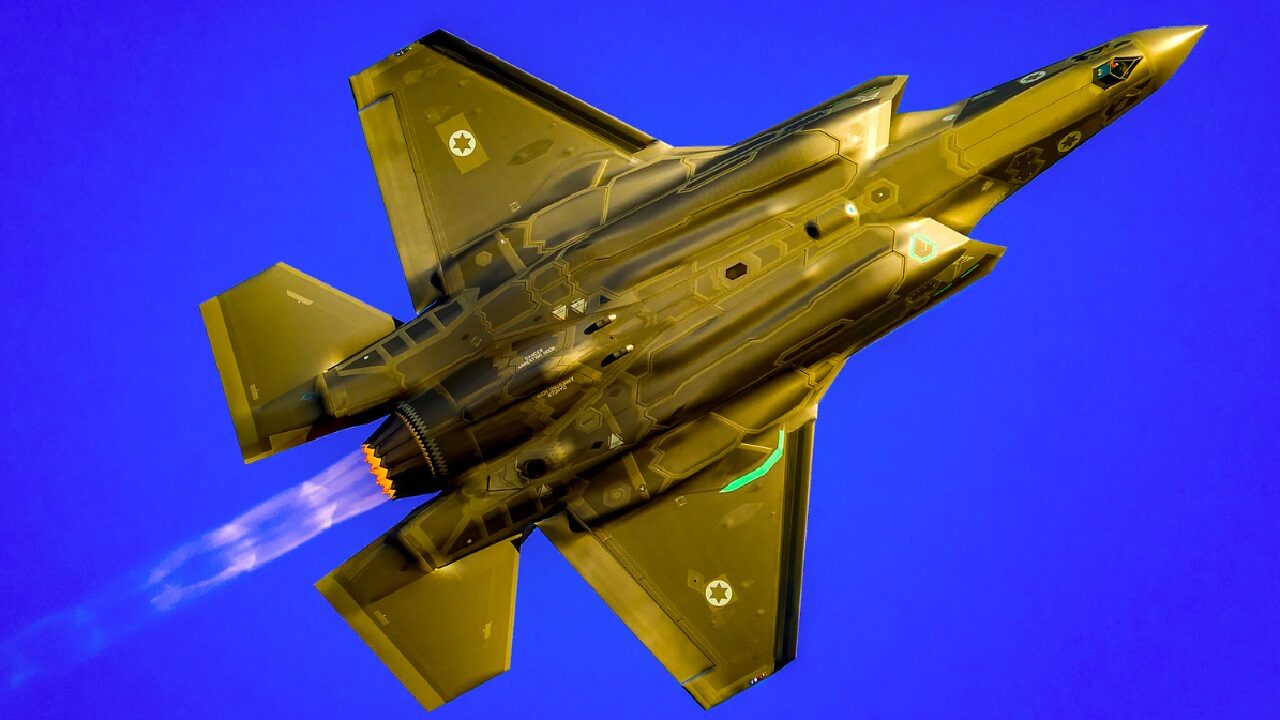
F-35I Adir. Image Credit: IDF Air Force.
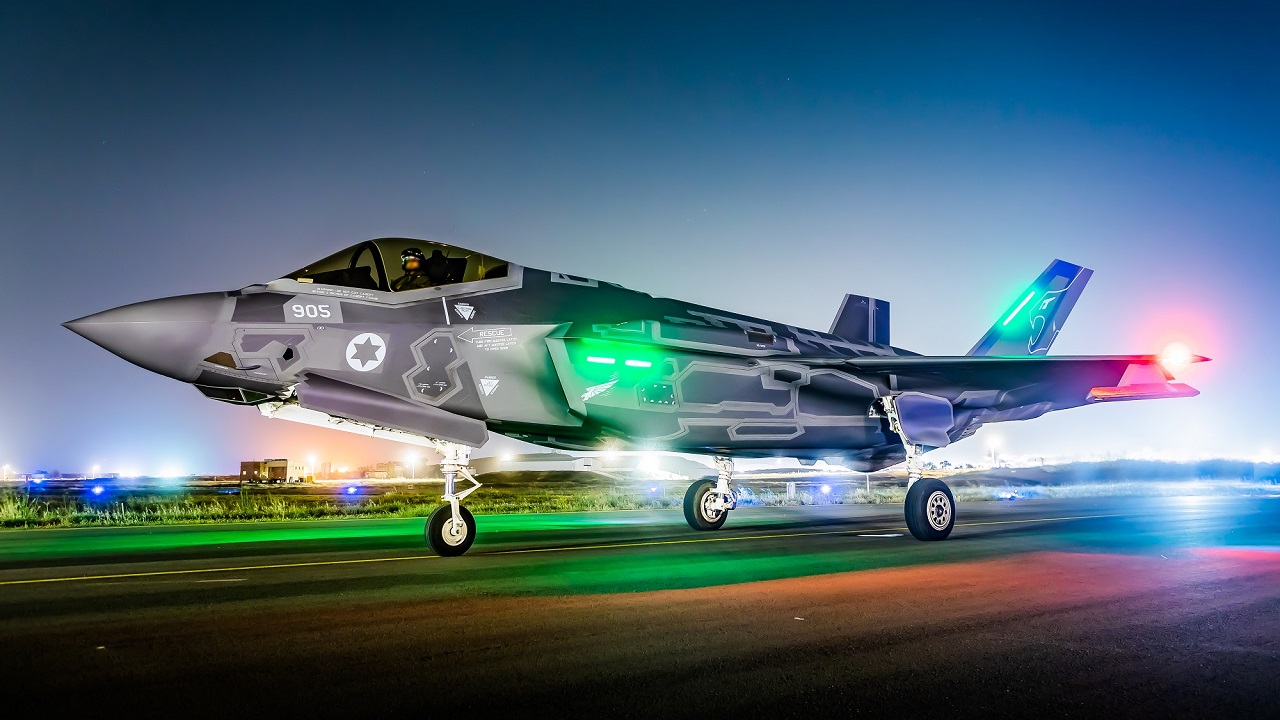
F-35I Adir serving in Israel’s Air Force. Image Credit: Creative Commons.
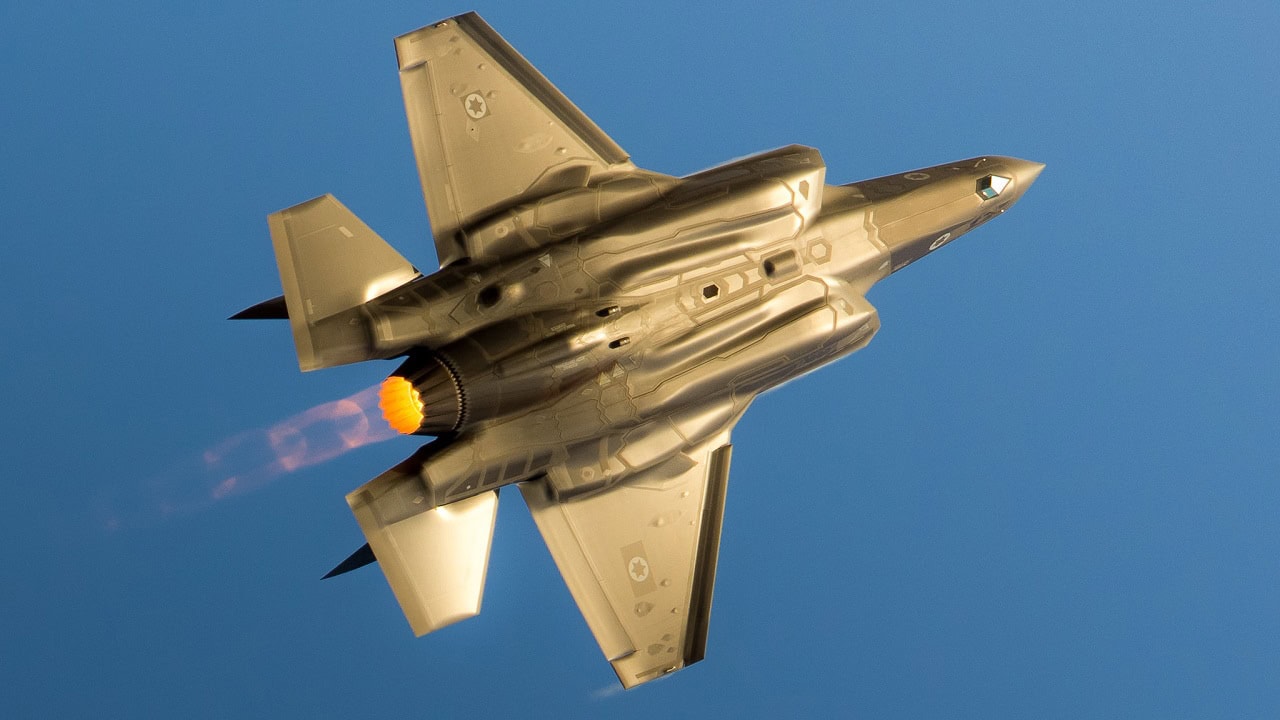
F-35I Adir. Image Credit: Creative Commons.
The Defense Security Cooperation Agency said in 2024 that the proposed sale included aircraft, engines, radars, navigation pods, launchers, cannons, communications equipment, and sustainment support. Israel also signed a $3 billion deal in 2024 for 25 additional F-35s, expanding its Adir fleet to 75 aircraft before this latest decision to procure a fourth squadron. The aircraft are expected to begin arriving in 2028.
Lessons from the Iran War
In an official statement, Israeli Defense Minister Israel Katz said that the decision was directly influenced by “operational lessons learned from the campaign against Iran,” which he said forced Israel to accelerate its force buildup.
Katz also said that Operation Lion’s Roar – the name given to the campaign against Iran by the Israeli military – demonstrated the “power” of the Israeli Air Force and its “crucial role in safeguarding the security of the State of Israel.”
“The operational lessons learned from this campaign compel us to continue accelerating our force development to ensure the Air Force’s superiority in the decades to come,” he continued.
Amir Baram, Director General of the Israeli Defense Ministry, also described the decision as a strategic one, calling it the “first and central step” in preparing for the next decade.
“In the face of evolving threats in the region and alongside immediate procurement for wartime needs, we are committed to acting now to ensure the IDF’s military superiority even a decade from now and beyond,” Baram said.
“Operation Lion’s Roar has once again demonstrated the crucial importance of the strategic partnership between Israel and the U.S. and the need for advanced air power. The combination of the two squadrons’ distinct capabilities will provide the Air Force with full flexibility to address a wide range of combat scenarios,” he continued.
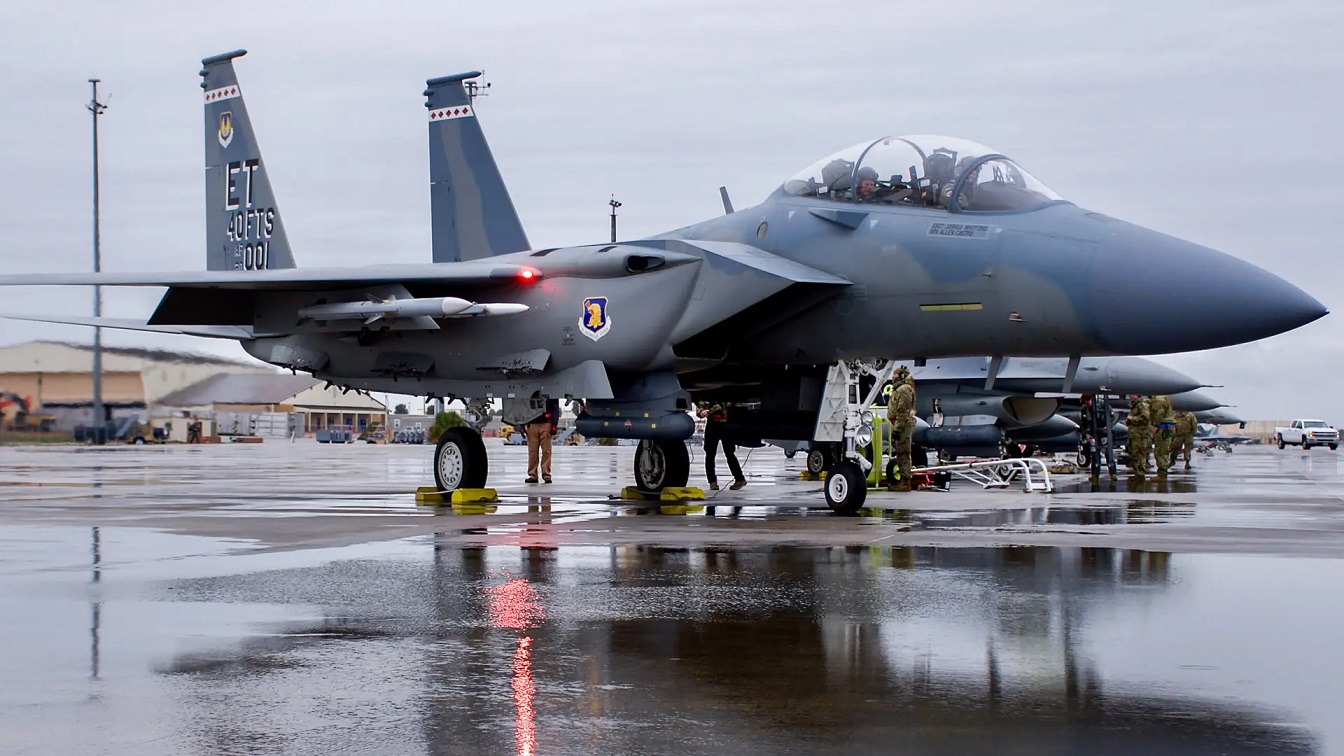
F-15EX. Image Credit: U.S. Air Force.
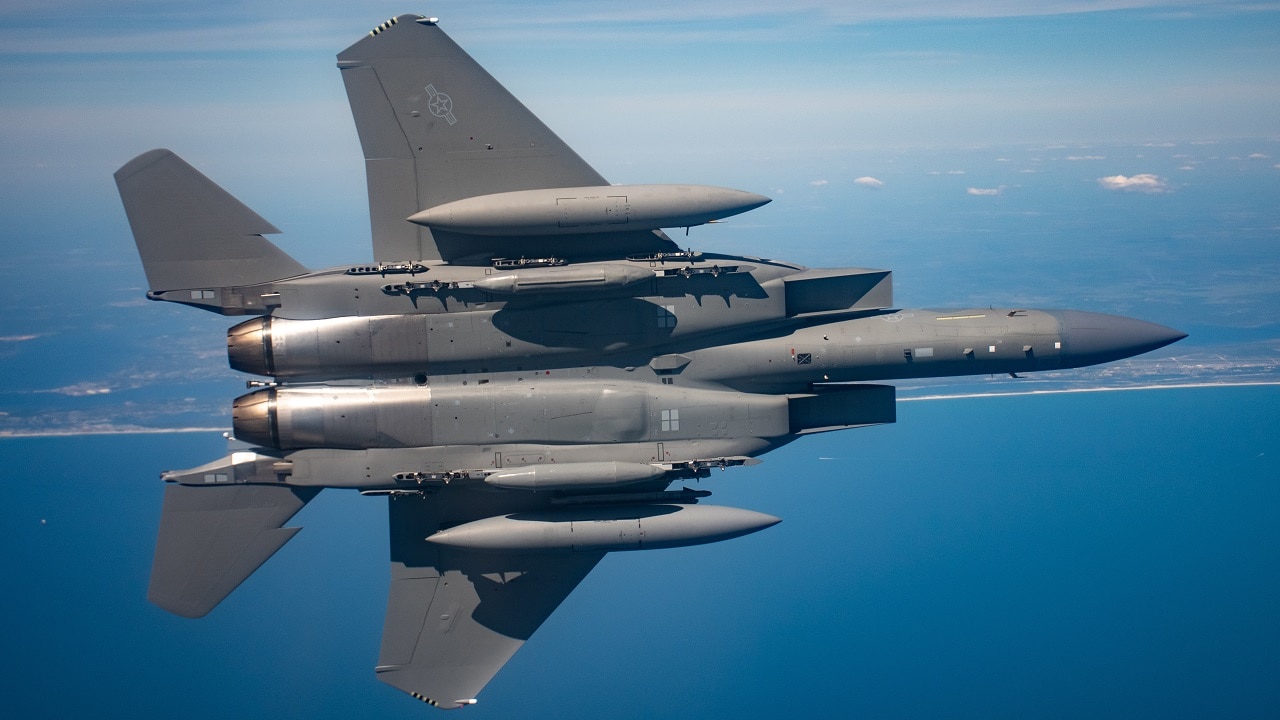
An F-15EX Eagle II from the 85th Test and Evaluation Squadron, 53rd Wing, takes flight for the first time out of Eglin Air Force Base, Fla., April 26, 2021, prior to departure for Northern Edge 2021. The F-15EX brings next-generation combat technology to a highly successful fighter airframe that is capable of projecting power across multiple domains for the Joint Force. (U.S Air Force photo by 1st Lt Savanah Bray)
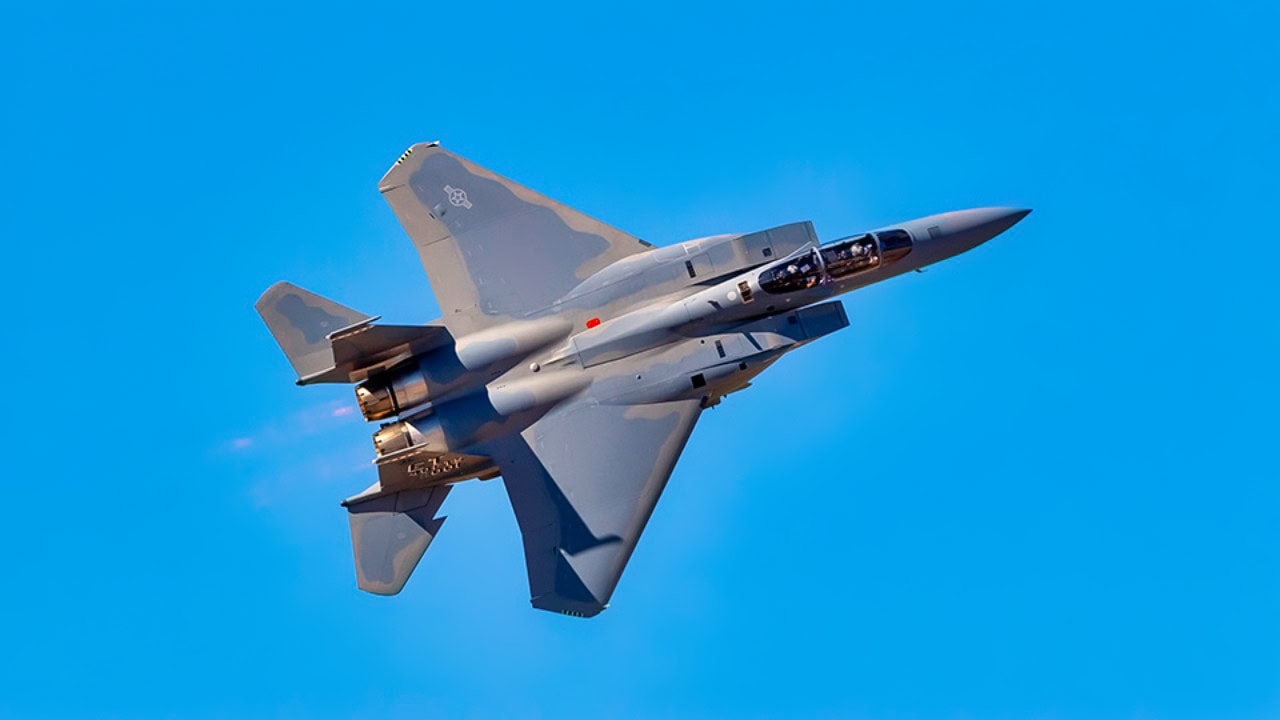
F-15EX Eagle II Fighter from Boeing.
Israel is not attempting to simply replace aging aircraft, but is instead restructuring its air force around sustained, long-range strike operations against adversaries like Iran and Iran-backed proxies throughout the region.
Simultaneously, the Israeli Air Force is looking to maintain sufficient capacity for campaigns in Gaza, Lebanon, Syria, and beyond. Since the October 7, 2023,
Hamas attacks, Israeli aircraft have been used continuously across multiple theaters, including strikes on Hamas targets in Gaza, Hezbollah positions throughout Lebanon, and Iranian-linked proxies and assets throughout the rest of the region. That level of activity has placed sustained operational strain on Israel’s existing fleet, explaining the need for expansion.
Why the Fighters Matter Right Now
The planned purchase reveals a lot about how Israel expects to fight – and the challenges ahead for the U.S. and its allies. The F-35I Adir provides stealth and sensor fusion for penetrating defended airspace, and Israel has used the platform since 2018, making it a central part of its ongoing strike and intelligence missions.
The F-15IA, meanwhile, fills a different role – it is a long-range strike platform with large payload capacity, best suited for standoff weapons and sustained attack missions. It is also expected to replace elements of Israel’s aging F-15A-D fleet, some of which date back to the 1970s.
For Washington, the deal reinforces the long-standing military relationship between the two countries.
The United States provides Israel with $3.8 billion annually under a 10-year agreement between 2019 and 2028, including $33 billion in military financing and $5 billion for missile defense.
Since October 2023, that support has expanded, with Israel securing an additional $8.7 billion U.S. aid package in 2024 for procurement and new air defense systems.
About the Author: Jack Buckby
Jack Buckby is a British researcher and analyst specializing in defense and national security, based in New York. His work focuses on military capability, procurement, and strategic competition, producing and editing analysis for policy and defense audiences. He brings extensive editorial experience, with a career output spanning over 1,000 articles at 19FortyFive and National Security Journal, and has previously authored books and papers on extremism and deradicalization.