
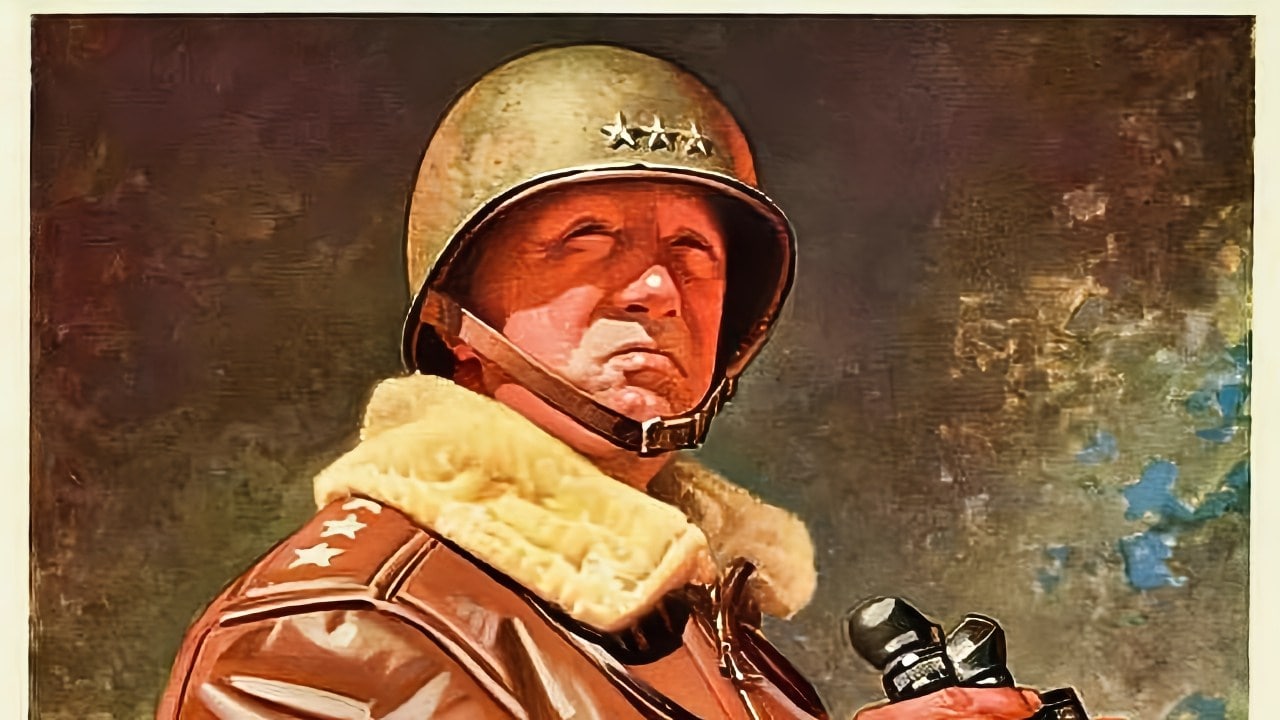
George S. Patton said it best: “You’re never beaten until you admit it.” Before he ever became one of the most famous American generals of WWII, the legendary “Old Blood and Guts” fought his first battle not on the battlefield but against his own dyslexia—a learning disability so severe he didn’t read fluently until age 11 and failed his first year at West Point.
Monday Army Quote From Patton
“You’re never beaten until you admit it.” – George S. Patton, U.S. Army General
George S. Patton is renowned for winning many battles during the Second World War. After winning multiple victories on the battlefield, he became one of the most famous American generals of the war.
Before his time as a soldier, Patton fought his first fight not on the battlefield, but against himself. As a child, he struggled with reading and writing, resulting in subpar academic performance. Despite these early learning difficulties, Patton soon overcame them through ambition and sheer determination.
Early Life and Learning Difficulties
As a child, Patton struggled persistently with reading and writing.
He learned to read far later than most children, not achieving basic fluency until around age 11. Even after this milestone, reading remained slow and exhausting for the boy, and spelling continued to cause him problems throughout his life.
Today, most historians seem to agree that he struggled with some kind of dyslexia, although the diagnosis did not exist at the time. Other symptoms related to dyslexia include mood swings, obsessiveness, impulsiveness, feelings of inferiority, and a tendency to boast, all of which Patton demonstrated throughout his life.
For several years, Patton was educated at home until he was 11. His father played a central role in this process, reading aloud to him and encouraging repetition as a learning tool. Spoken language became Patton’s strongest avenue for absorbing information, and memorization soon replaced conventional reading as his main method of study.
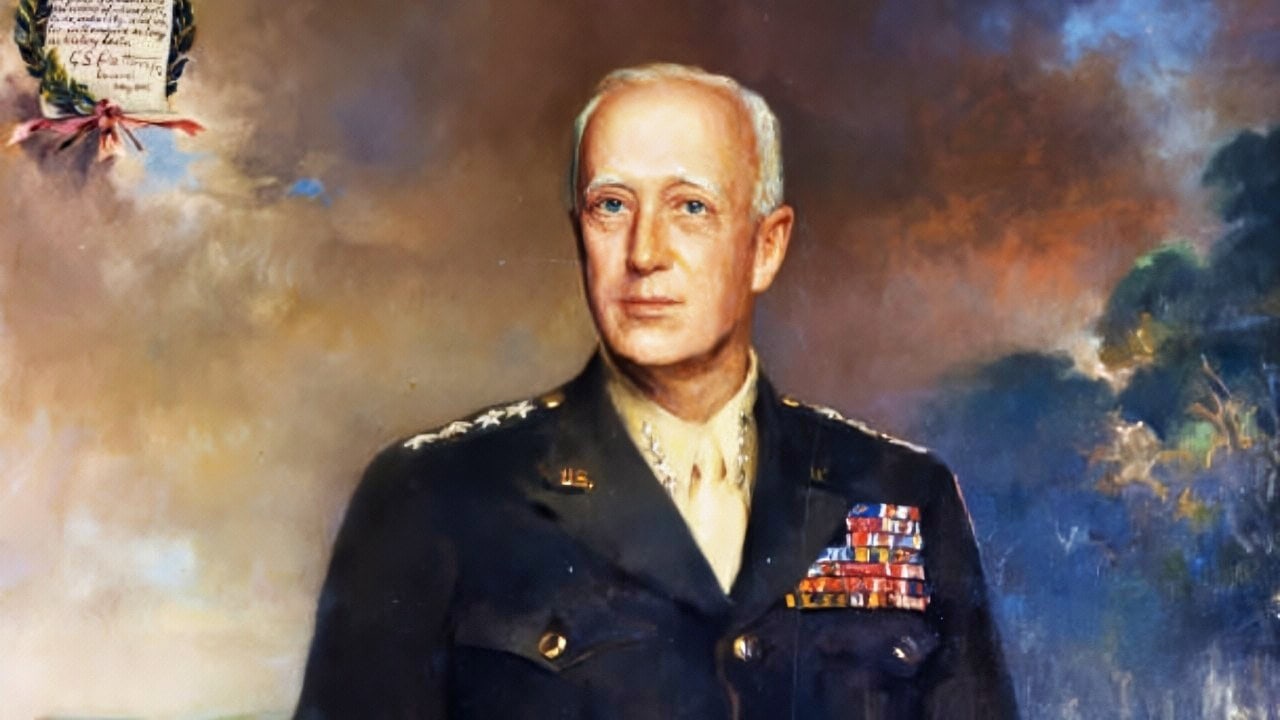
Portrait of Army General Patton. Image Credit: Creative Commons.
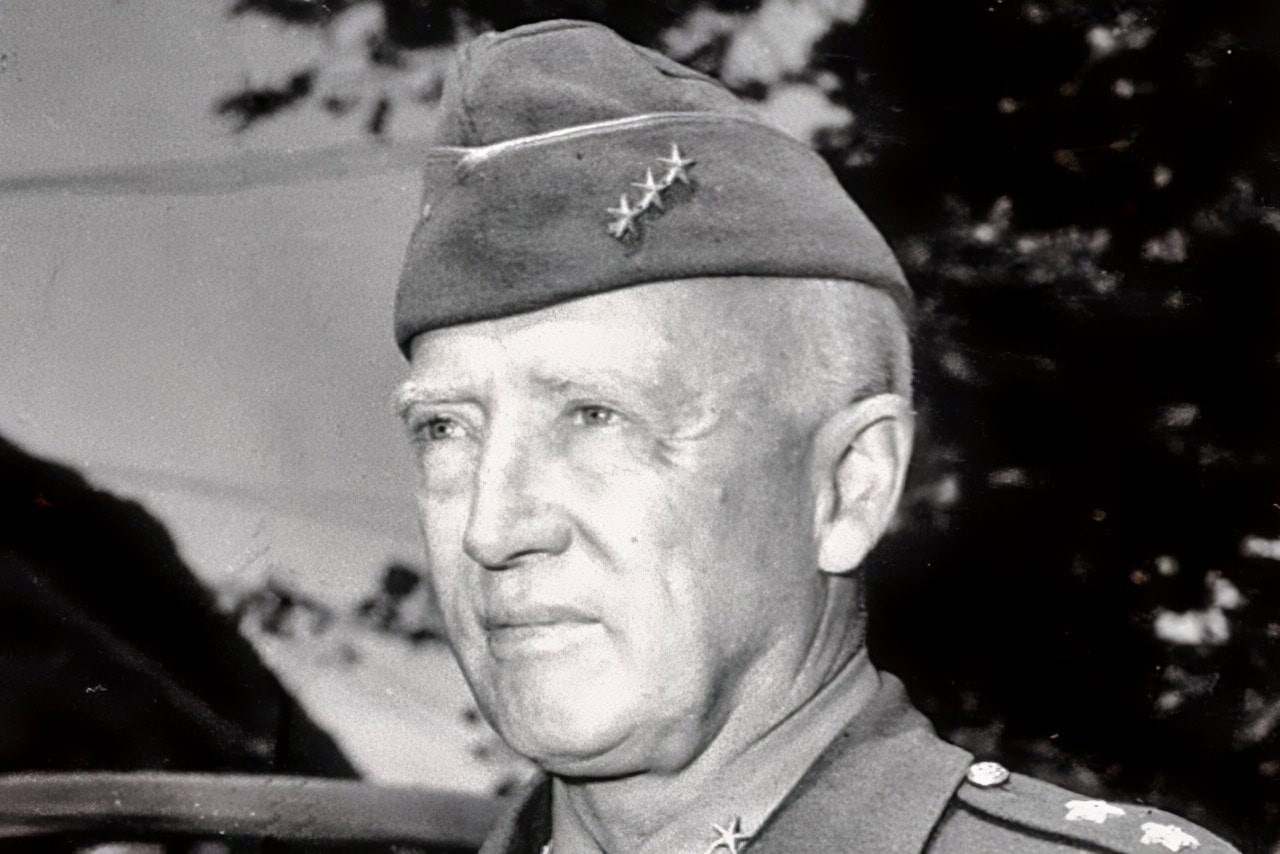
George S. Patton Quote of the Day. Creative Commons Image.
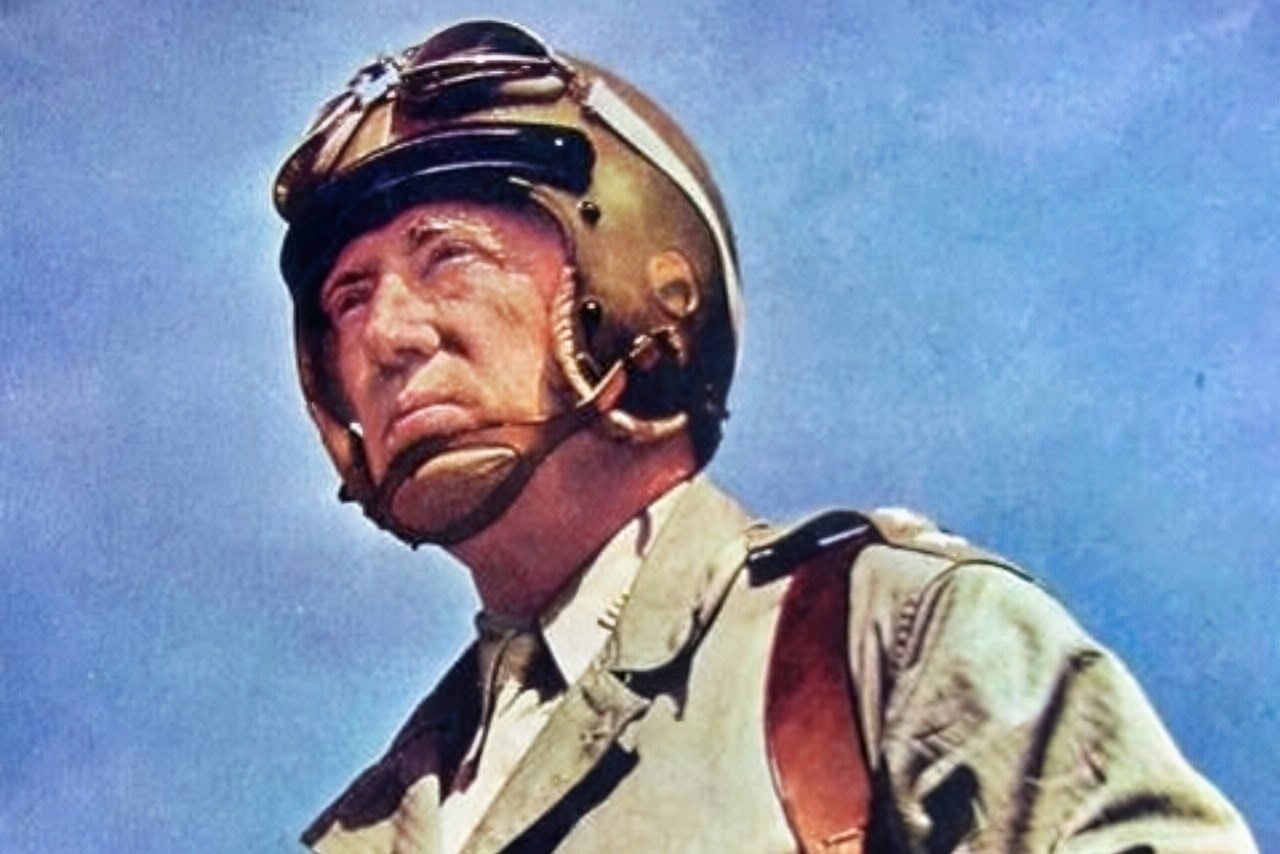
General George Patton of the U.S. Army. Image Credit: Creative Commons.
By the time he was enrolled in private school, he could quote long passages of classical literature and poetry from memory.
Battling Through West Point
When Patton sought admission to the United States Military Academy at West Point, he was still struggling academically. He was accepted in 1904, but the demanding academic environment immediately pushed him to his limits.
Mathematics in particular proved difficult, and he failed his first year, forcing him to repeat it. This setback was devastating to his pride and nearly ended his military career prematurely. Many cadets would have been discouraged enough to leave, but Patton reacted differently. The failure sparked a fierce resolve to persevere, and he approached his studies with relentless discipline.
Patton compensated for his reading difficulties through exhaustive repetition. He studied longer than most of his classmates, often reciting material aloud until it was firmly fixed in his memory. His initial failure spurred him on even further, and he sought to excel in other areas, such as athletics.
Although he never rose to the top of his class academically, his determination carried him through. He graduated in 1909, ranking in the middle of his class. For Patton, finishing West Point was a deeply personal victory.
Overcoming His Personal Struggles
By the time World War II rolled around, Patton had almost completely overcome his initial struggles. He developed a reputation as an avid reader and had very few issues with writing.
Because of his military upbringing, he had a keen fondness for history, especially military history.
He developed a habit of modeling his own actions on those of historical commanders he admired, treating the past as a guidebook for present action.
From 1910 to the day of his death in 1945, Patton regularly updated his diaries.
His entries are usually short and to the point, but they are a testament to his ability to overcome his earlier struggles with writing.
Patton’s childhood experiences were instrumental in shaping the man that he would later become. He carried with him a profound belief that success depended on willpower rather than innate talent.
This conviction fueled his later intolerance for excuses, both in himself and in others. He expected soldiers to endure hardship and rise above fear, just as he believed he had done.
His harsh leadership style was partially a result of his lifelong refusal to accept weakness, particularly the kind he had once seen in himself.
About the Author: Isaac Seitz
Isaac Seitz, a Defense Columnist, graduated from Patrick Henry College’s Strategic Intelligence and National Security program. He has also studied Russian at Middlebury Language Schools and has worked as an intelligence Analyst in the private sector.