
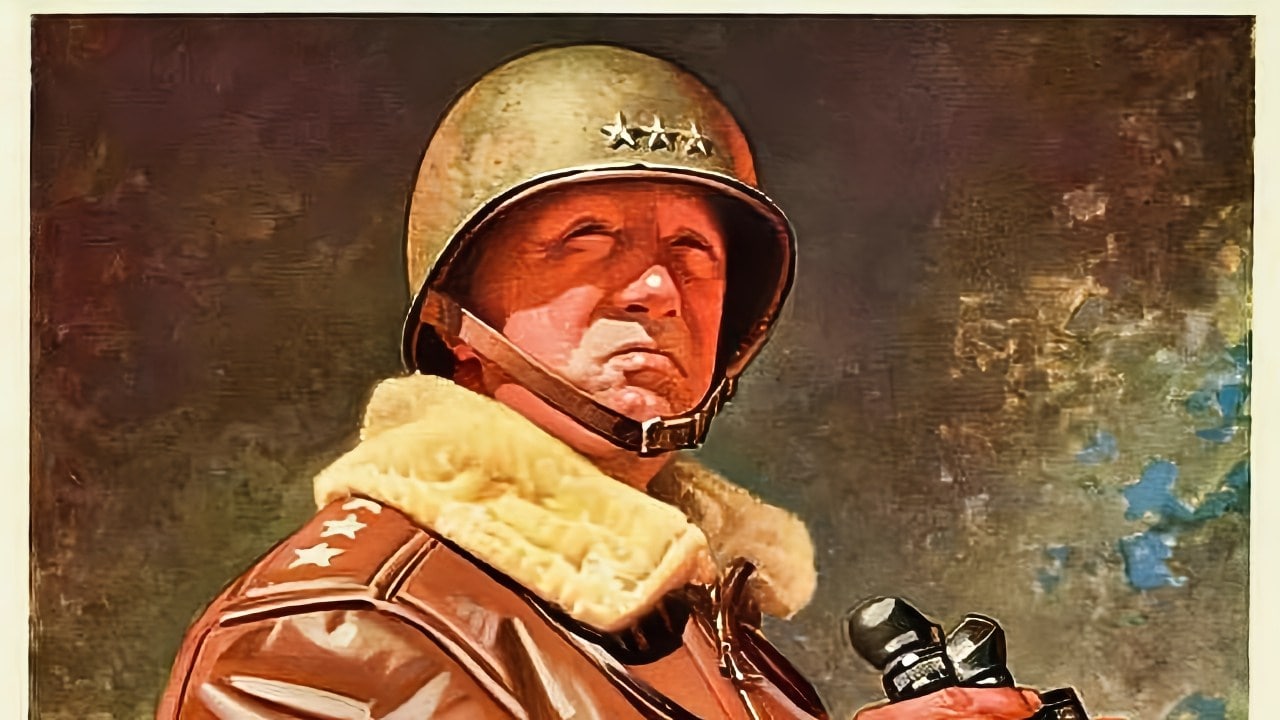
General George Patton Built the American Tank Corps in WWI and Wrote the Doctrine for Massed Armor — Then Led the First U.S. Tank Attack at St. Mihiel
General George S. Patton Jr. was arguably the United States’ best combat field commander. Although highly controversial, he was a very respected commander and was esteemed by the men under his command.
Most well-known for his service in World War II in North Africa, Sicily, and later Western Europe, Patton’s first taste of combat was in Mexico during America’s Punitive Expedition against Pancho Villa, and then in World War I as the first U.S. tank corps commander.
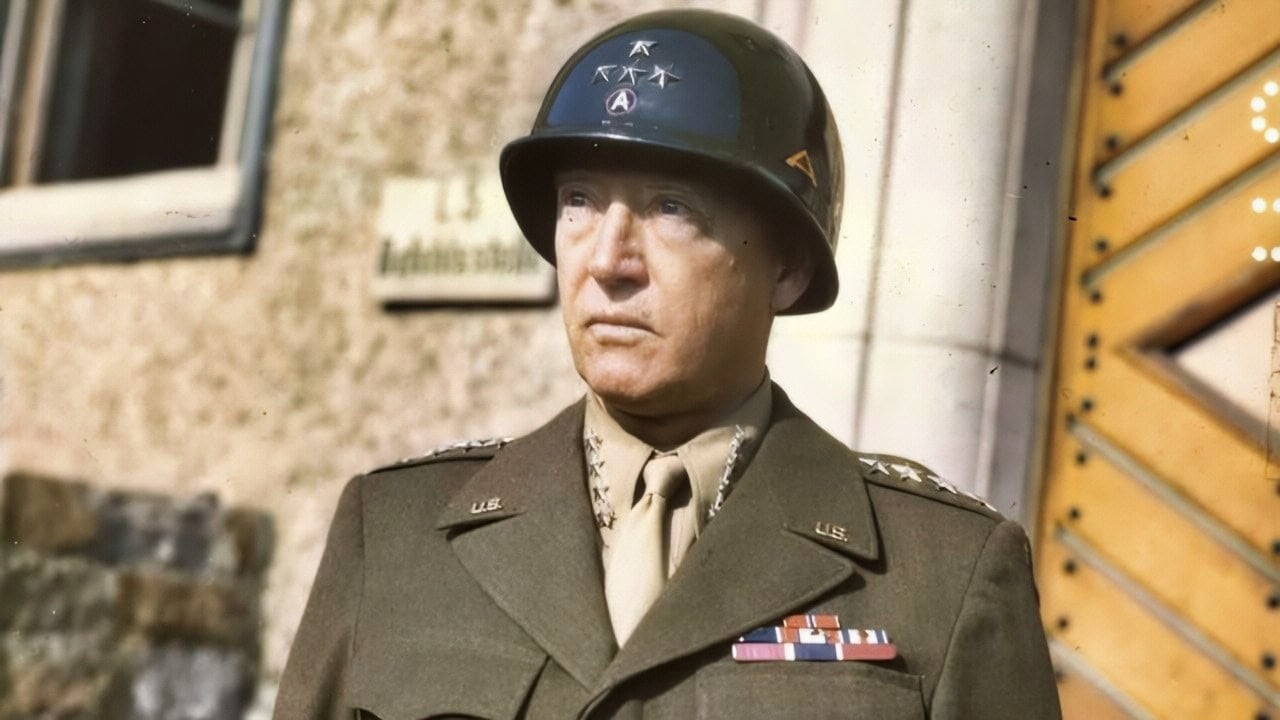
General George Patton U.S. Army Photo
Patton’s mastery of armored warfare, unparalleled speed in offensive operations, and ability to inspire troops were legendary. He led the Third Army to rapid victories across France and Germany, emphasizing aggressive, high-speed tactics and combined arms warfare.
The Germans respected Patton because his use of armor and mastery of a combined-arms approach were similar to the German blitzkrieg.
First Motorized Attack in U.S. Military History
During the Mexican Punitive Expedition of 1916-1917, Patton was a cavalry lieutenant serving under General Pershing. He was an Olympic athlete and an expert swordsman.
In the spring of 1917, the Americans learned the whereabouts of General Julio Cárdenas, head of Villa’s personal bodyguard—the Dorados, or “Golden Ones.” Moving in automobiles instead of horses, Patton and a small detachment got into a shootout with Cardenas and his men.
In the end, Cardenas was killed, supposedly by Patton himself, and the brash young Lieutenant carved a notch in his famous ivory-handled Colt .45s. He lashed Cardenas to the hood of his car. He returned the car and the general’s body to Pershing’s headquarters. It was the first motorized attack in U.S. military history.
Patton Service in World War I, With The Fledgling Armor Corps:
Patton saw in Pershing the officer that he wished to one day become. After Pershing brought his staff, which included Patton, to London early in 1917, they began setting the stage for bringing large units to England and France for the U.S.’s entry into the ground fighting of the war.
Bored with staff duty, Patton requested a transfer to the Tank Corps in the fall of 1917. On November 10, 1917, he was officially accepted into the Tank Corps and was ordered to develop a school for light tanks. Thrilled to be away from staff duty, Patton wrote in his diary, “This is [my] last day as staff officer. Now I rise or fall on my own.”
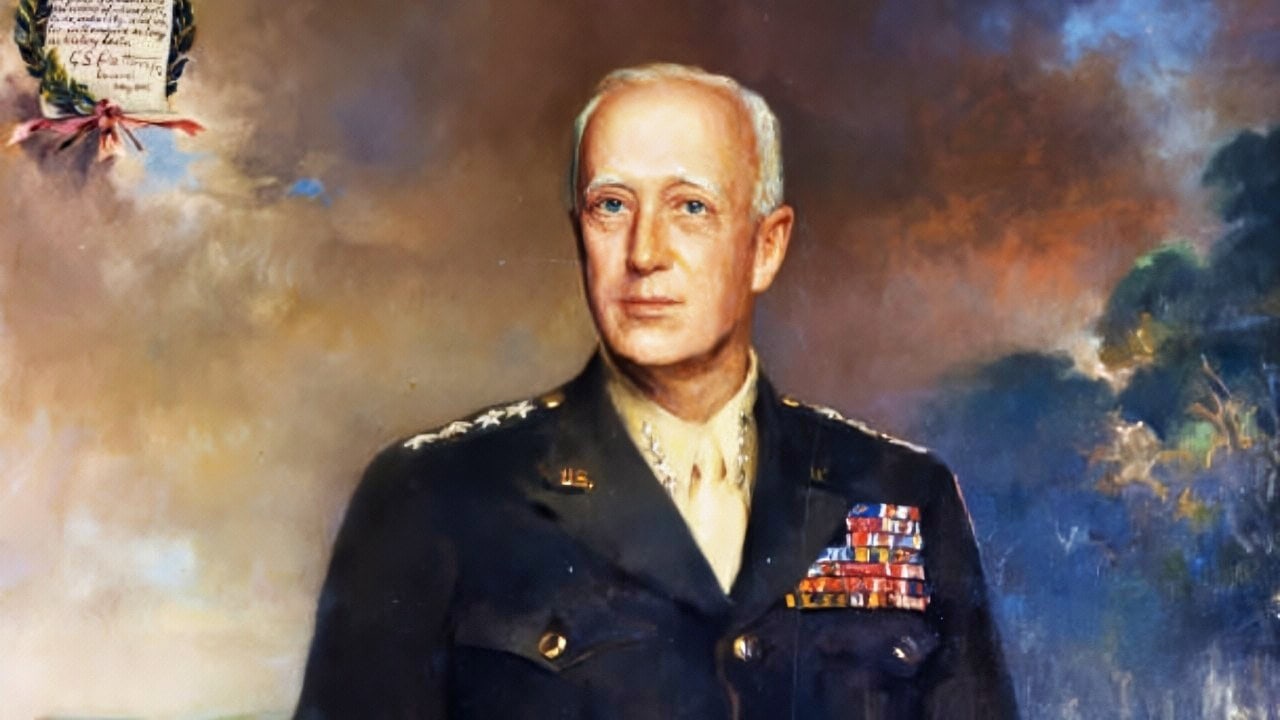
Portrait of Army General Patton. Image Credit: Creative Commons.
Patton and Lieutenant Elgin Braine visited the French tank factories and armored units. They made four suggestions, all of which were adopted. These included a self-starter, improvements to the fuel tank to prevent leaks, an interchangeable mount that allowed the tank to carry a 37mm cannon or machine gun, and a steel panel to separate the crew from the engine.
The American Expeditionary Force Light Tank School was set up. Patton’s men trained mainly with the French Renault light tank, which was easy to drive and had a crew of two: a commander in the turret and a driver.
He wrote a 58-page report on tanks and armored warfare, arguing that, rather than being used piecemeal, tanks should be employed en masse to punch holes in the enemy’s front lines that the infantry can exploit.
First Armored Combat in France
Patton was promoted twice in quick succession, first to Major, and then Lieutenant-Colonel in March of 1918. Later in September, the American Expeditionary Force (AEF) would be conducting its first major offensive against the Germans in the St. Mihiel area.
Before the battle, Patton gave one of his patented speeches to his men. “American tanks do not surrender,” he said. “As long as one tank can move, it must go forward. Its presence will save the lives of hundreds of infantry and kill many Germans. Finally, this is our big chance. Make it worthwhile.”
He led his men on foot; his tanks captured two towns, Beney and Jonville. His bravery was noted by the men and officers in his command, who observed him leading from the front. However, his immediate supervisor, Colonel Samuel Rockenback, was less impressed and ordered him to remain in the rear and lead his troops telephonically.
The Meuse-Argonne Offensive
During the next major offensive, the Meuse-Argonne, 18 American divisions would face 18 dug-in German divisions across a 20-mile-wide front. As soon as the fighting began, he disregarded his commander’s orders and set out to lead his men from the front.
While personally leading men against prepared German positions, Patton was hit in his left thigh, with the bullet exiting out his butt. Suffering from blood loss, Patton was saved by PFC Joseph Angelo, but before being taken to a hospital, he insisted that he be taken to HQs to make his report.
The Americans had inflicted over 100,000 casualties on the Germans, had taken more than 26,000 prisoners, with 874 guns and 8,000 machine guns captured. Patton remained in the hospital, however, until the Armistice was signed a few weeks later.
Writing to his wife, Patton said, “missing half my bottom, but otherwise alright,” he received notice that, in addition to the Purple Heart, he would be awarded the Distinguished Service Cross and the Distinguished Service Medal for his actions in France.
Patton’s exploits and experience in World War I would serve him well when World War II began.
World War II, The North Africa Campaign
After the U.S. entry into WWII, Operation Torch was the first U.S. offensive in the European Theater of Operations (ETO).
During Operation Torch in November 1942, Patton commanded the Western Task Force, leading 35,000–39,000 U.S. troops in the seizure of Casablanca, Morocco. As part of the Allied invasion of French North Africa, Patton’s forces conducted the first amphibious landing in Europe, overcoming Vichy French resistance to secure the area.
After the disastrous defeat at the Kasserine Pass by the Germans in Tunisia, the commander of II Corps, General Lloyd Fredenhall, was relieved after his troops were soundly defeated. Discipline was poor, and his communications were nearly impossible for his commanders to decipher. His headquarters were over 70 miles from the front.
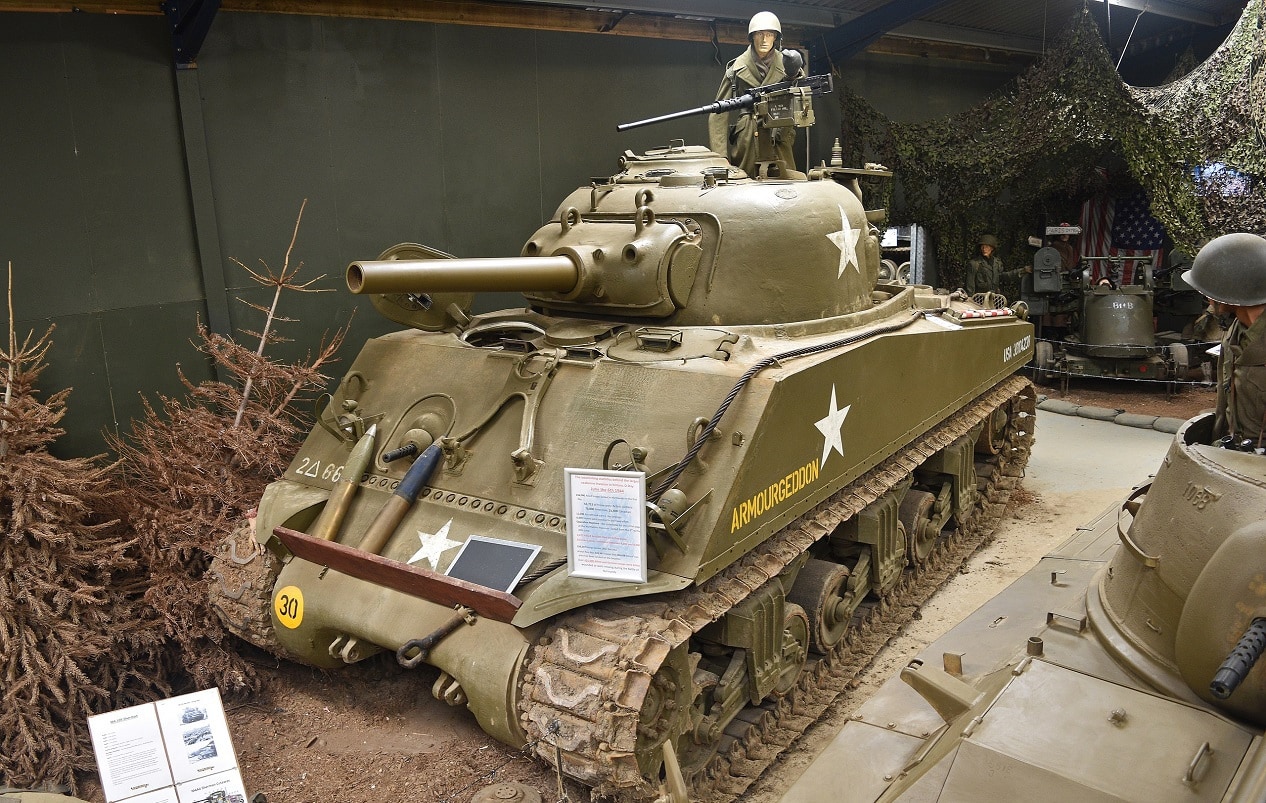
M4 Sherman Tank.
Patton’s leadership quickly changed all that, and shortly thereafter, his troops routed the German 10th Panzer Division at El Guettar. The British and U.S. troops eventually pushed the Germans out of North Africa, clearing the way for the invasion of Sicily.
Patton’s Seventh Army In Sicily, And Controversy
The Allied invasion of Sicily, also known as the Battle of Sicily and Operation Husky, was a major campaign of World War II in which Allied forces invaded the Italian island of Sicily in July 1943 and took it from Axis forces defending the island, including the Italian 6th Army and the German XIV Panzer Corps.
Patton commanded the U.S. Seventh Army, and British General Bernard Montgomery commanded the British Eighth Army.
Narrow mountainous roads and flexible German defense slowed the advance. Patton, while supposedly protecting Montgomery’s left flank, disobeyed orders and swung westward and took the city of Palermo.
It essentially split the island in two and set up a race between the two allied generals to Messina to cut off the retreating Germans. Patton’s troops entered the city first, followed closely by the British.
But the campaign was marred with controversy. Patton, while visiting wounded men in the hospital, encountered two soldiers in different incidents suffering from battle fatigue, today known as PTSD.
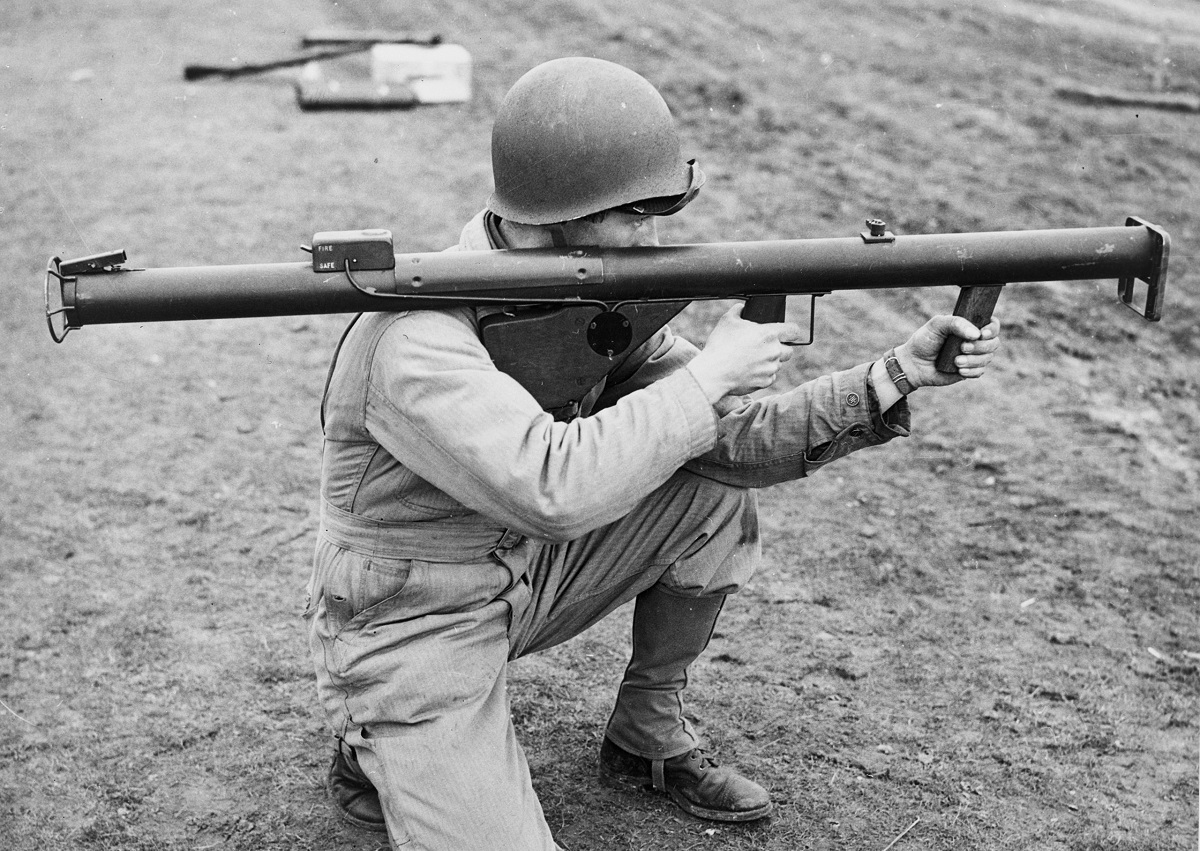
Bazooka Anti-Tank Weapon. Image: Creative Commons.
He slapped them with his gloves, and the second soldier, after he slapped him, threatened to shoot him with his pistol. When the news broke, the reaction was divided between Congress and the Army, as, at that time, soldiers suffering from that were thought to be cowardly.
Eisenhower ordered him to apologize to the soldiers and the medical staff.
The D-Day Invasion, Subterfuge, and Fame With The Third Army
Eisenhower used Patton’s behavior to keep him on the sideline at first, as a decoy in Operation Fortitude, sending faulty intelligence to German agents that Patton was leading a fictitious Army Group during Operation Overlord, the Allied invasion of Europe.
The invasion was expected to take place in the Pas-de-Calais area. And the Germans bought it hook, line, and sinker. Even in the immediate aftermath of D-Day, the Germans initially believed it to be a diversionary attack.
It wasn’t until August 1 that the Third Army was activated, and, together with the First Army, it became the 12th Army Group under General Omar Bradley, who had always been a subordinate to Patton. That was when Patton got a field command in France.
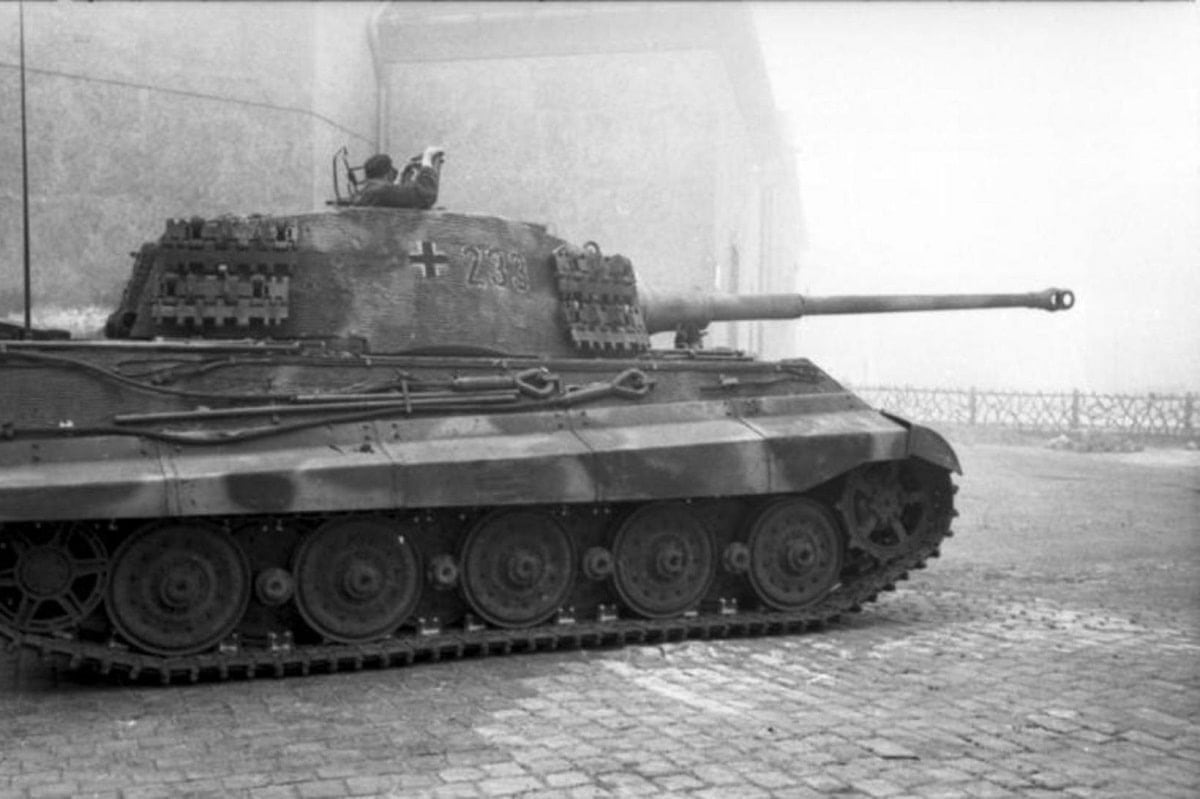
WWII tanks. Image: Creative Commons.
The Third Army, under Patton’s leadership, executed one of the most rapid and brilliant campaigns in modern history, advancing across France and moving farther and faster than any other army at the time. They traveled 150 miles in 19 hours at one point, leaving German defenders completely on their heels.
Using the Germans’ blitzkrieg tactics, his forces swept eastward to Le Mans, closed the Falaise Gap where German forces in the West were encircled, and moved 475 miles to the Meuse River, where a lack of logistics and fuel slowed their advance in front of the fortified cities of Nancy and Metz. The weather also turned bad, slowing Allied advances across the Western Front.
The Battle Of The Bulge And Turning An Army 90 Degrees
The Germans’ Ardennes Offensive, known as the Battle of the Bulge, was Patton’s finest hour. Well before other Allied leaders recognized it for what it was (they thought it was merely a spoiling attack), Patton saw it and immediately had his staff begin planning for a pivot north.
Indeed, he was convinced the Germans would attack in the First Army area. On November 25, he wrote in his diary, “First Army is making a terrible mistake leaving the VIII Corps static; the Germans are probably building up east of them.”
The day before the German attack on December 16, he told his staff, “I want you, gentlemen, to start making plans for pulling the Third Army out of its eastward attack, change the direction ninety degrees, moving to Luxembourg and attacking north.”
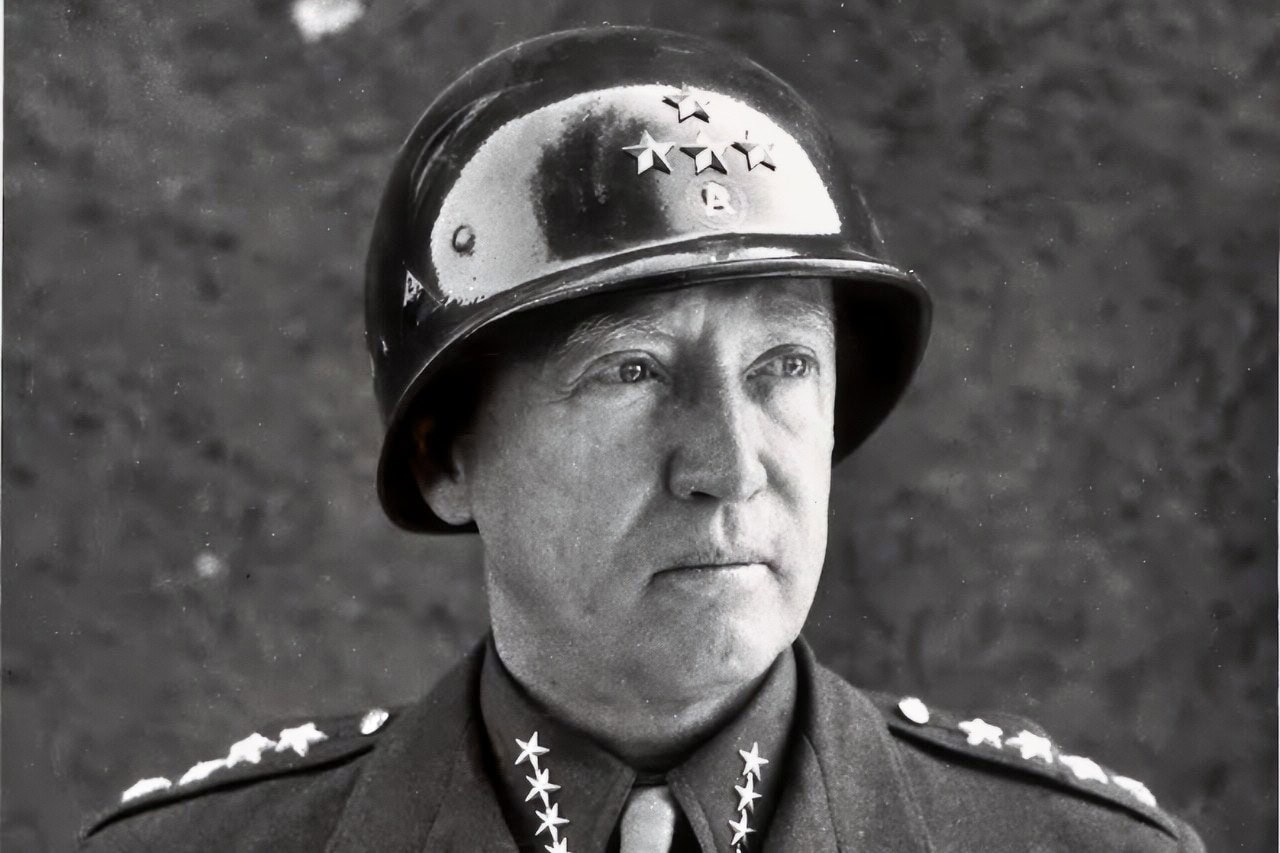
U.S. Army General George Patton
When Allied Supreme Commander Dwight Eisenhower convened a crisis meeting on December 19, 1944, Patton promised and then delivered decisive action, pivoting his entire Third Army of over 250,000 men and hundreds of tanks in terrible weather.
Patton stunned all in the room by announcing, “I can attack with three divisions in forty-eight hours.”
It was an outstanding example of operational control of an Army, pivoting Third Army from a campaign in the Saar on the German border, turning 90 degrees and attacking the German flank of the Bulge.
This attack occurred during the worst winter in over 50 years.
His troops of the 4th Armored Division broke the siege of Bastogne, allowing vital supplies to reach the 101st Airborne and allowing the evacuation of the wounded.
By January 16, his troops took Houfalize and sealed off the Bulge.
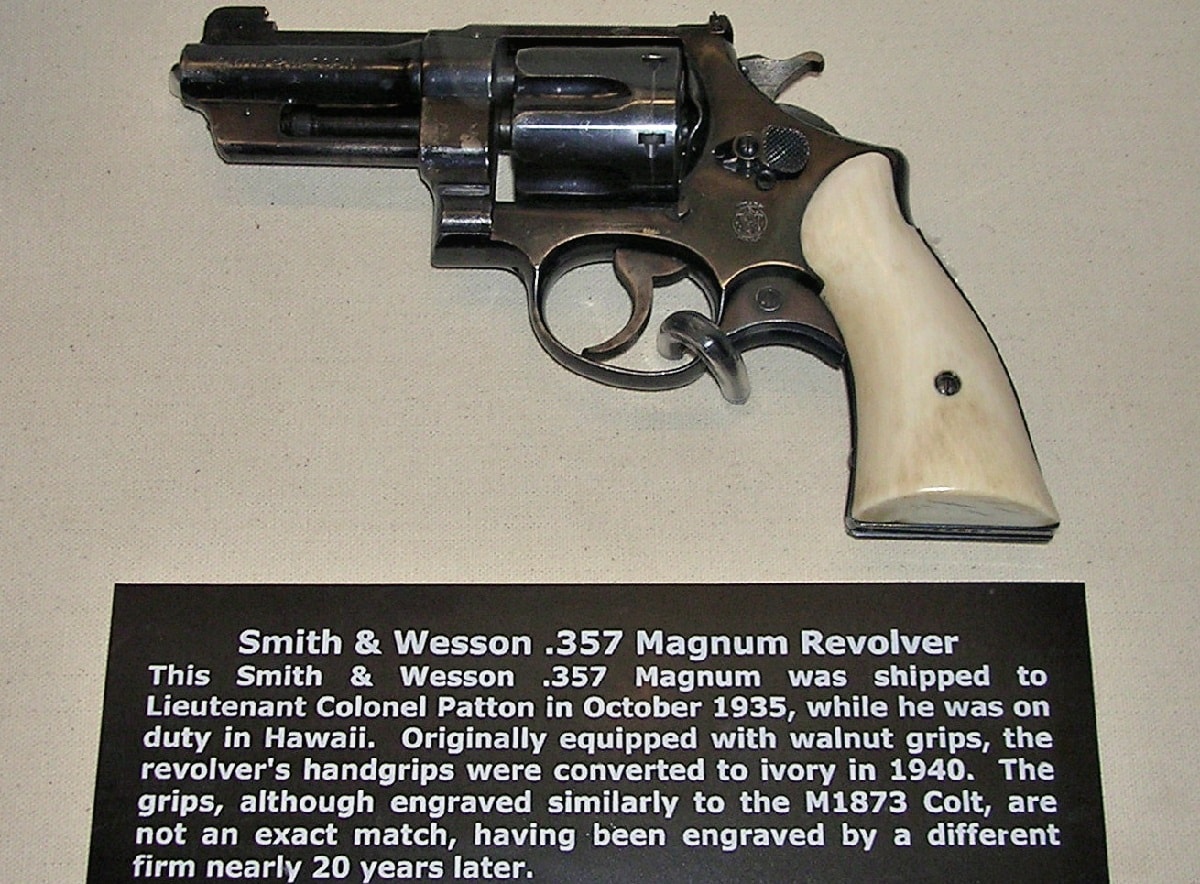
Patton’s well-known custom ivory-handled revolver.
It was his finest hour and showed the value of intelligence, prior planning, and superb operational control. No other U.S. commander could have accomplished that in December 1944.
After the war, Patton died as a result of a car accident in Germany. He’s buried with his troops in the Third Army cemetery in Luxembourg.
About the Author: Steve Balestrieri
Steve Balestrieri is a National Security Columnist. He served as a U.S. Army Special Forces NCO and Warrant Officer. In addition to writing on defense, he covers the NFL for PatsFans.com and is a member of the Pro Football Writers of America (PFWA). His work was regularly featured in many military publications.