
Summary and Key Points: Isaac Seitz, a strategic intelligence analyst and defense columnist, evaluates the analytical depth behind General George S. Patton’s aggressive style of warfare.
-Drawing on Patton’s background as a “lifelong scholar of war,” Seitz explores how Patton internalized lessons from Hannibal and Napoleon to master 20th-century armored maneuvers.
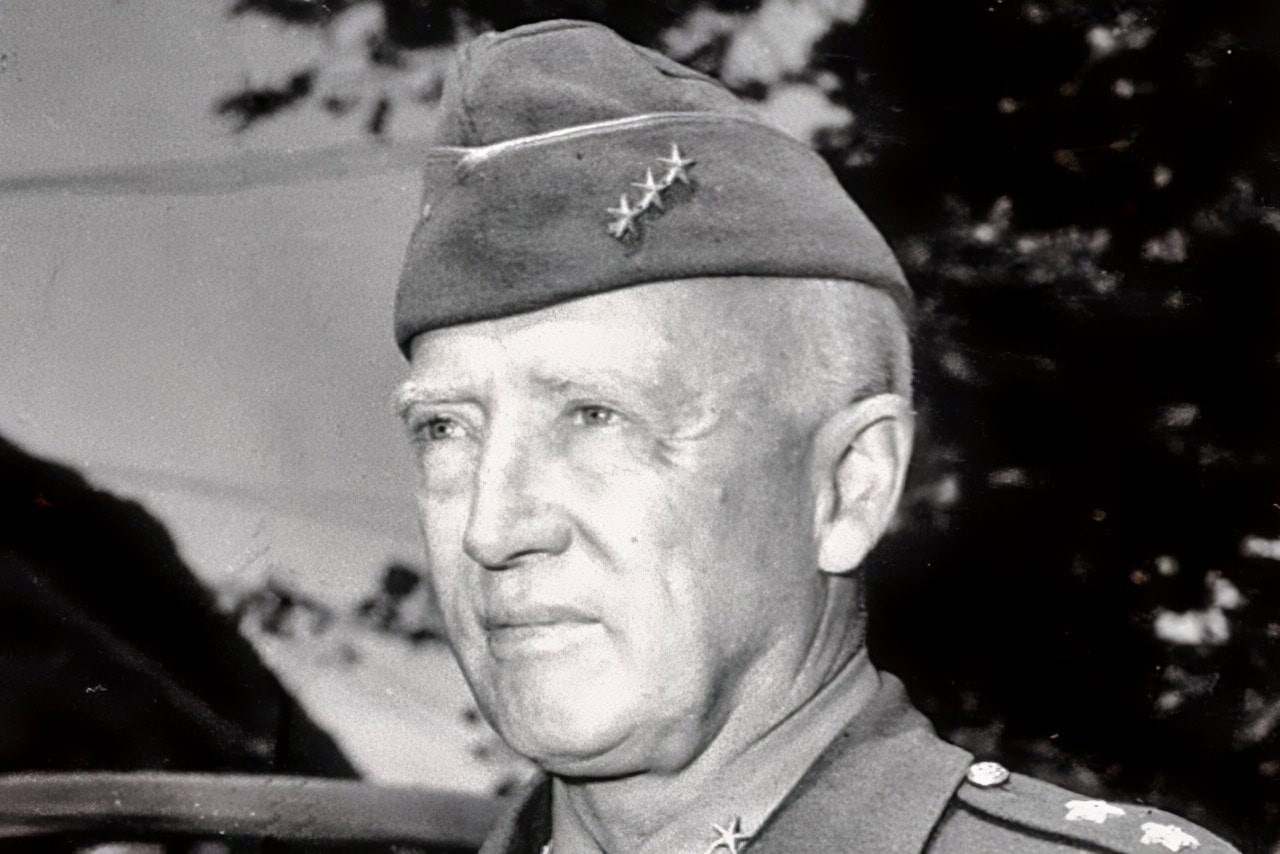
George S. Patton Quote of the Day. Creative Commons Image.
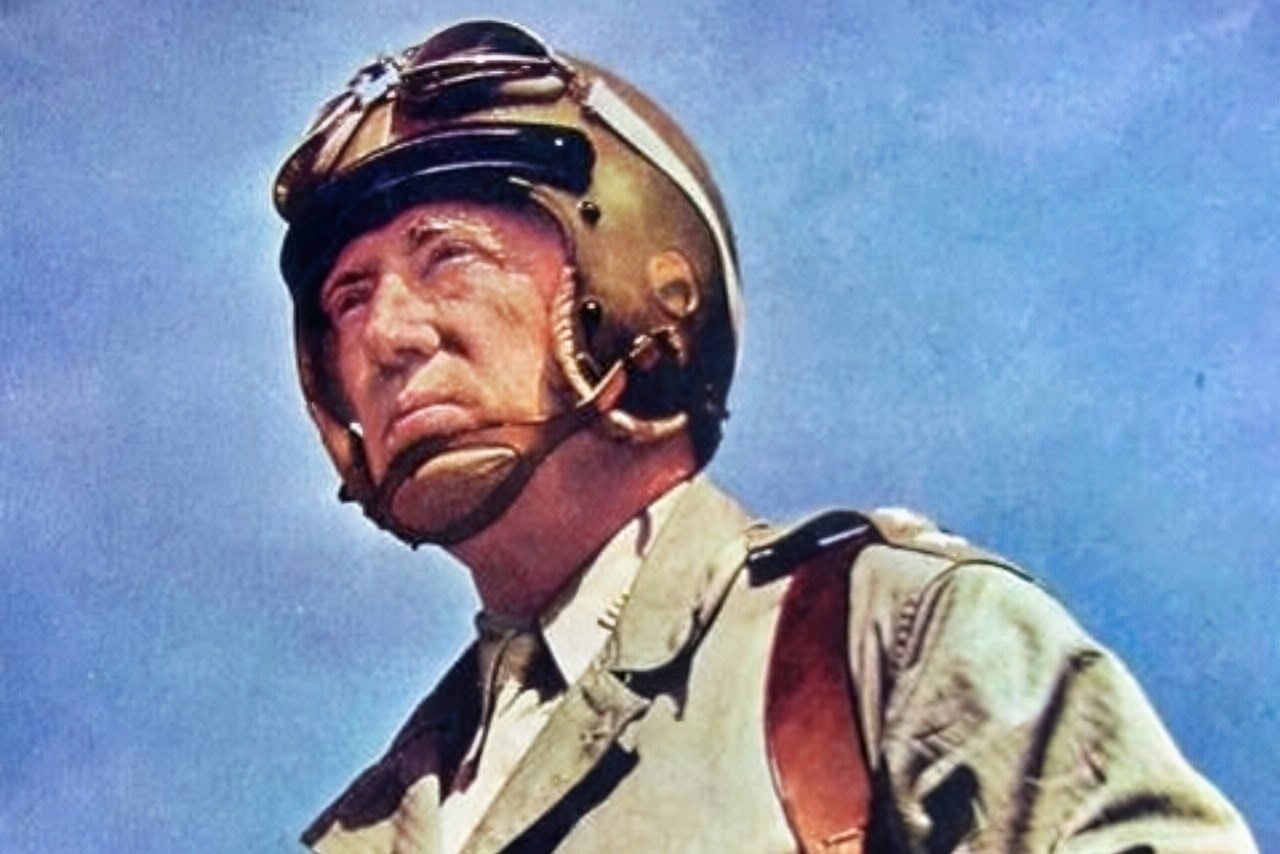
General George Patton of the U.S. Army. Image Credit: Creative Commons.
-This 19FortyFive report analyzes Patton’s ability to “study the enemy as a system,” anticipating German vulnerabilities in fuel and logistics.
-Seitz concludes that Patton’s theatrical persona was a calculated psychological tool designed to project unpredictability to the Wehrmacht while instilling an unrelenting drive for momentum in the U.S. Third Army.
Beyond the Persona and the Quote: Analyzing the Intellectual Discipline of General George S. Patton
Quote of the Day by Patton – “Give me an army of West Point graduates, and I’ll win a battle; give me an army of Texas Aggies, and I’ll win a War.” – By George Patton, but disputed by many experts.
George S. Patton’s style of warfare was built on speed, audacity, and an unrelenting drive to keep the enemy off balance, but beneath the aggressive exterior was a deeply analytical mind that studied opponents with remarkable intensity.
His reputation as a bold battlefield commander often overshadows the intellectual discipline that shaped his decisions, yet his success cannot be understood without recognizing how thoroughly he examined the psychology, doctrine, and vulnerabilities of the forces he faced.
His methods, as historians have noted, were informed not only by his own reading and analysis but also by the experiences and observations of the soldiers he led.
Patton’s Philosophy of Relentless Offensive Action
Patton believed that war rewarded momentum. To him, the side that seized the initiative dictated the terms of battle, and hesitation was the most dangerous enemy of all. He saw warfare as a contest of wills in which speed and shock could break an opponent psychologically before they were defeated physically.
This belief shaped his insistence on rapid movement, continuous pressure, and exploitation of breakthroughs. Once an enemy line cracked, he pushed forward without pause, convinced that allowing the enemy time to regroup was a strategic sin.
Patton had spent years studying the campaigns of Napoleon, Hannibal, and the great cavalry commanders of the American Civil War. He saw in their victories the same pattern: decisive commanders who moved faster than their opponents could comprehend or counter. His own operations in North Africa, Sicily, and France reflected this historical understanding, translated into the mechanized warfare of the twentieth century.

Napoleon with the Crown. Image Credit: Creative Commons.
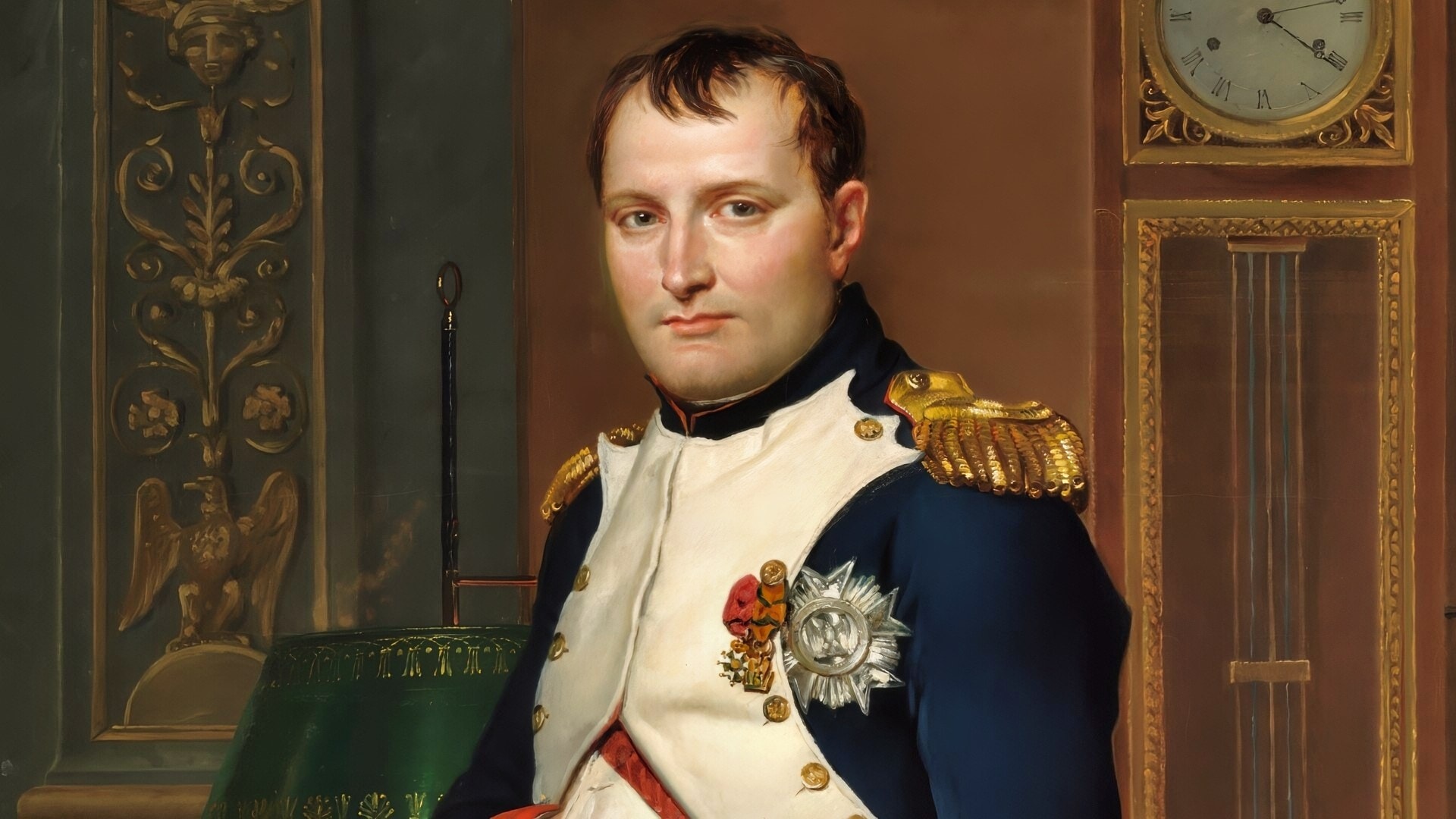
Napoleon Painting Creative Commons Image
Patton: A Lifelong Scholar of War
Patton’s intellectual preparation began long before he commanded armies. While he was certainly no academic, he was a voracious reader of military history, theory, and memoirs. These studies were influenced by his bizarre belief that he had been reincarnated throughout history (or perhaps it was his studies that brought about this strange worldview).
His personal library was extensive, and he annotated his books heavily, drawing connections between ancient battles and modern tactics. He believed that every great commander left behind lessons, and he sought to internalize them all.
This study shaped his belief in maneuver warfare. Scholars analyzing his theories note that he placed great importance on subordinate initiative and the psychological dimensions of combat, viewing war as a dynamic contest in which adaptability mattered as much as firepower. Patton’s intellectual curiosity extended to technology as well. He was one of the U.S. Army’s earliest advocates of armored warfare, studying the emerging German doctrine of Blitzkrieg with particular interest.
He recognized that tanks, when used aggressively and in coordination with infantry and air support, could achieve the kind of rapid, decisive breakthroughs he admired in historical campaigns.
Studying the Enemy as a System
Patton’s understanding of his adversaries was not limited to battlefield observation. He studied enemy commanders, doctrines, logistics, and morale with a level of detail that allowed him to anticipate their actions. He believed that knowing the personality of an opposing general was as important as knowing the terrain.
If he understood whether an enemy commander was cautious or bold, predictable or erratic, he could shape his own operations to exploit those tendencies.

General Patton Portrait. Image Credit: Creative Commons.
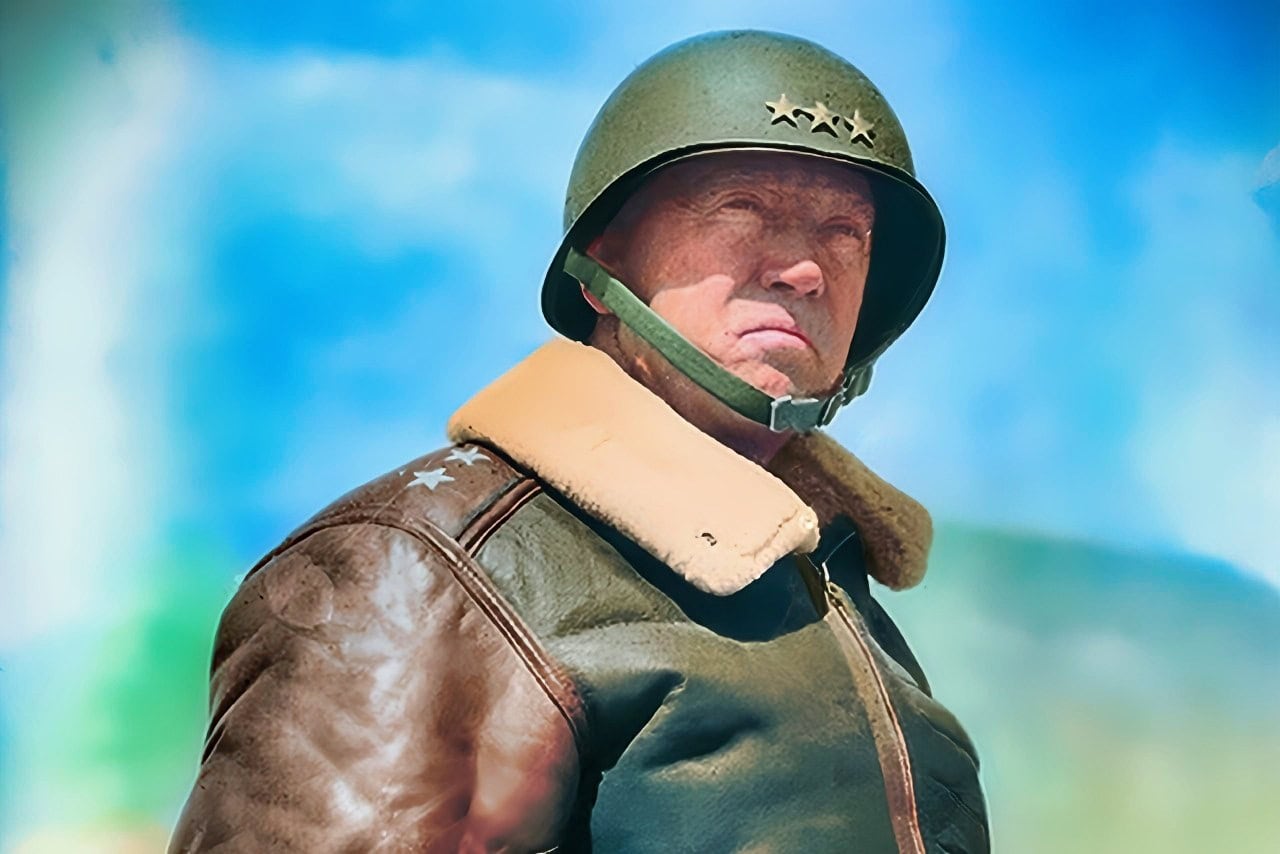
George Patton U.S. Army Photo
He also examined enemy doctrine closely. His respect for German operational methods was well known, and he prepared his forces to counter them by moving even faster and striking even harder. He understood that German units were disciplined and tactically proficient, but he also recognized their logistical vulnerabilities.
Fuel shortages, overextended supply lines, and rigid command structures were weaknesses he sought to exploit. By understanding things like how enemy armies supplied themselves, he could predict where they would be strongest and where they would be most fragile. His rapid advances across France in 1944 were made possible not only by his own logistical ingenuity but also by his ability to identify and strike at German supply weaknesses.
Intelligence, Reconnaissance, and Anticipation of Patton
Patton used intelligence not simply to react to enemy movements but to anticipate them. He demanded constant reconnaissance and personally reviewed maps, reports, and aerial photographs. His staff often remarked on his ability to visualize the battlefield with exceptional clarity, absorbing complex information quickly and forming accurate predictions about enemy intentions. This predictive ability was evident during the Battle of the Bulge.
When the German offensive began, Patton pivoted the Third Army northward with remarkable speed because he had already prepared contingency plans for such a scenario. His habit of thinking several steps ahead, grounded in his study of enemy doctrine and behavior, enabled him to respond with the flexibility few commanders could match.
Patton’s flamboyant persona was not merely theatrical. It was a deliberate psychological tool aimed at both his own soldiers and the enemy (and also the result of his unusual and unorthodox character).
For his troops, he used dramatic rhetoric to instill aggression, confidence, and a sense of destiny.
His speeches to the Third Army, including the famous address delivered before D-Day, were designed to prepare men mentally for the brutality of combat. For the enemy, Patton cultivated a reputation for unpredictability and ferocity.
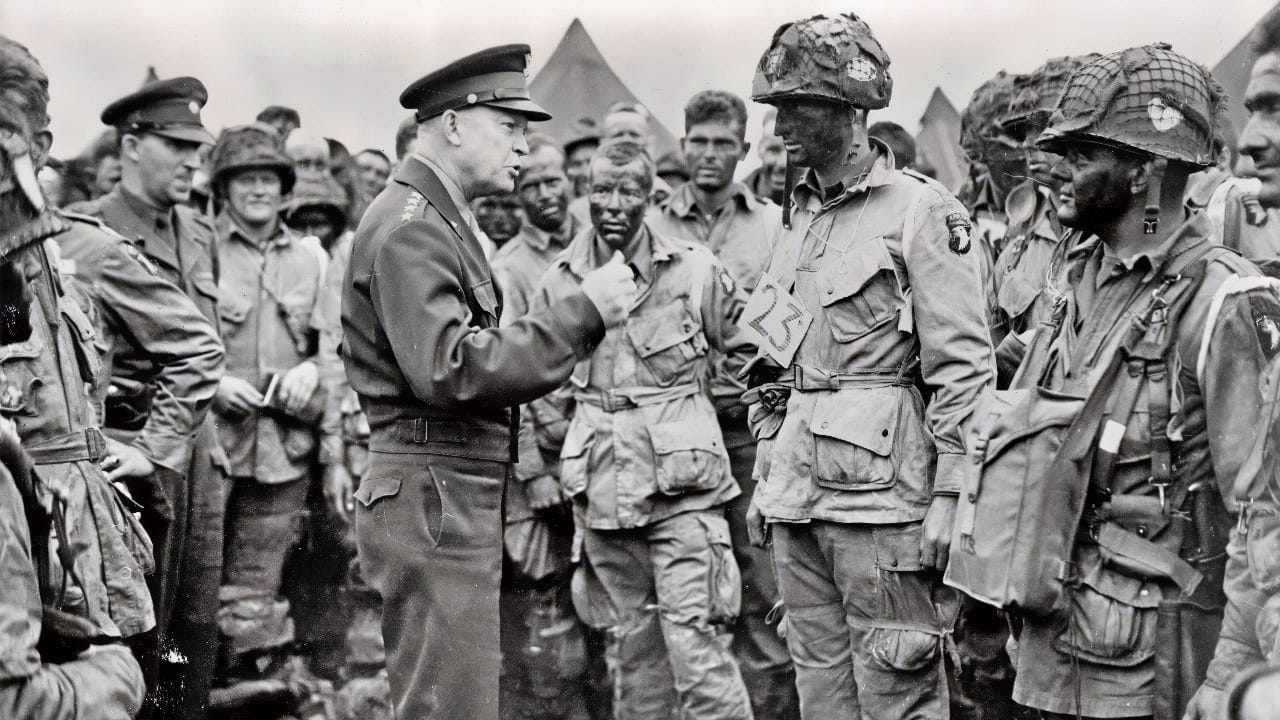
Dwight D. Eisenhower D-Day 1944. Image Credit: Creative Commons.
German intelligence viewed him as the Allies’ most dangerous commander, a perception that the Allies exploited during deception operations leading up to the Normandy invasion.
His persona became part of his warfighting style and an extension of his operational philosophy of shock and dominance.
About the Author: Isaac Seitz
Isaac Seitz, a Defense Columnist, graduated from Patrick Henry College’s Strategic Intelligence and National Security program. He has also studied Russian at Middlebury Language Schools and has worked as an intelligence Analyst in the private sector.