

One of the greatest joys of my life was back in 2004 when I literally got within 100 feet of USS Connecticut, an actual Seawolf-class nuclear attack submarine, as it was under repair in Groton. You can’t appreciate the size of these massive boats until you see them out of the water, in dry dock, being updated, as I did all those years ago. And, sadly, there could have been a lot more of them
The Seawolf-class Class Story
The Seawolf-class exists because the Soviet Union built submarines that the U.S. Navy could not reliably find.
By the mid-1980s, intelligence assessments of the Soviet Akula-class concluded that Moscow had closed substantial portions of the acoustic gap the United States had spent the entire Cold War building.
The Akula was quieter than the standard Los Angeles-class and roughly matched the Improved Los Angeles variants the Navy had been counting on as its premier hunter. The American advantage that had allowed U.S. submarines to track Soviet ballistic missile boats undetected for decades was eroding.
Reagan-era defense planning produced the response. Initial design studies for what became the Seawolf class began in 1973 under Project Nobska, with formal program approval in 1985. The Navy intended to build 29 of the boats. The lead ship USS Seawolf was laid down at Electric Boat’s Groton shipyard on February 25, 1989, and entered service on July 19, 1997 as the quietest and most heavily armed attack submarine the United States had ever fielded. The class was capped at three boats — Seawolf, Connecticut, and Jimmy Carter — when the end of the Cold War and the resulting budget pressures led the Navy to truncate the program in favor of a cheaper successor.
The three boats that were built remain the high-water mark of American submarine acoustic engineering. Nothing built since, by either the U.S. Navy or any rival service, has been able to definitively claim the title that the Seawolf class established.
Layer Upon Layer Of Silence
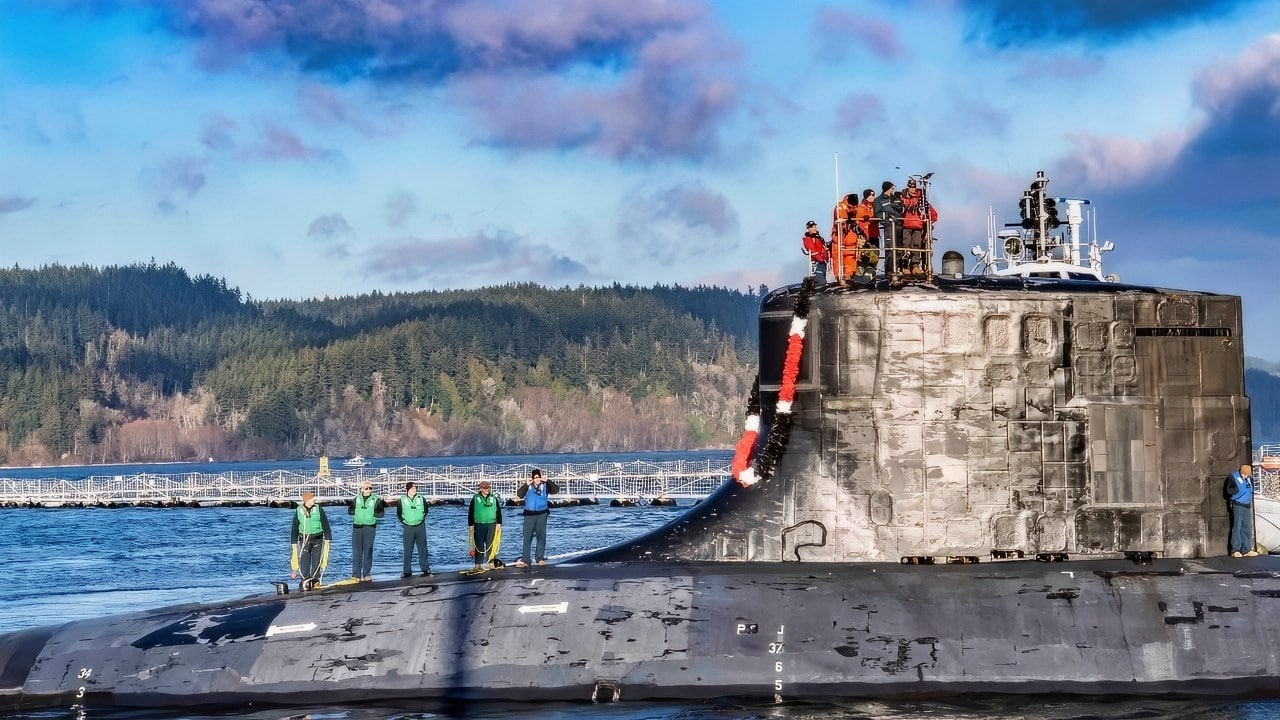
The Seawolf-class fast-attack submarine USS Seawolf (SSN 21) returns home to Naval Base Kitsap-Bangor, Washington, Dec. 14, 2022, following a seven-month deployment. Seawolf is the first of the Navy’s three Seawolf-class submarines, designed to be faster and quieter than its Los Angeles-class counterpart. (U.S. Navy photo by Mass Communication Specialist 2nd Class Gwendelyn L. Ohrazda)
USS Jimmy Carter Seawolf-Class. Image Credit: Creative Commons.
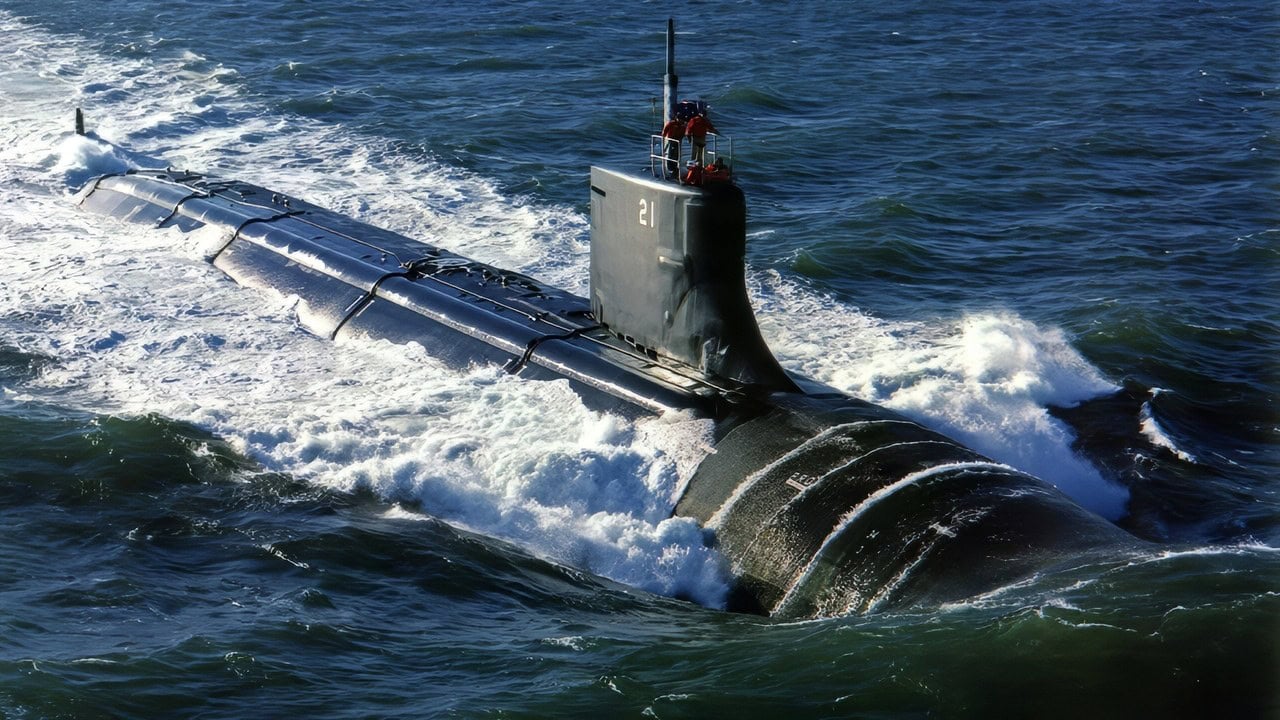
The nation’s newest and most advanced attack submarine Seawolf (SSN 21) puts to sea in the Narragansett Bay operating area for her first at-sea trial operations on July 3, 1996. Sea trials include various tests of the Seawolf propulsion systems and the first underway submergence of the submarine. The Seawolf represents the Navy’s most advanced quieting technology, weaponry, tactical capability and communications. Seawolf is scheduled to be delivered to the Navy and commissioned this fall. U.S. Navy photo courtesy of General Dynamics.
The Seawolf’s acoustic performance was not the result of a single breakthrough. It was achieved through what amounts to an obsessive engineering campaign to suppress every possible source of noise across the entire submarine.
The hull form itself was extensively tested and refined to reduce hydrodynamic noise. The teardrop shape minimized turbulent flow as the boat moved through the water. The exterior was then coated in anechoic tiles — sound-absorbing rubber composite panels that both dampen the boat’s own outgoing noise emissions and attenuate active sonar pings reflected back to an enemy. The technology was not new in concept — Soviet submarines had been using anechoic tiles since the 1980s, and British Trafalgar-class boats had adopted them across the same period — but the American application of the technology to a clean-sheet submarine design produced acoustic reductions that exceeded any prior implementation.
Inside the pressure hull, every major piece of machinery was mounted on isolation rafts designed to prevent vibrations from transferring into the hull. Auxiliary systems — pumps, motors, generators, the equipment that has always been the dominant noise source on a submarine — were redesigned from scratch with variable-pitch propulsor blades and silencing technology that had never before been attempted at this scale. The result was a submarine in which the human crew often had to wear soft-soled shoes to avoid making noise that might compromise the boat’s acoustic discipline.
The single most consequential design choice was the propulsion system. The Seawolf-class abandoned the conventional propeller used on every previous American attack submarine in favor of a pump-jet propulsor — a ducted propeller enclosed within a cowling that substantially reduces cavitation noise across the operating speed envelope. The pump-jet allowed the Seawolf to maintain acoustic discretion at speeds that would have produced cavitation noise on any other submarine in service. The submarine could sprint quietly at speeds at which Soviet and Russian submarines would have given away their position through the noise of their own propellers.
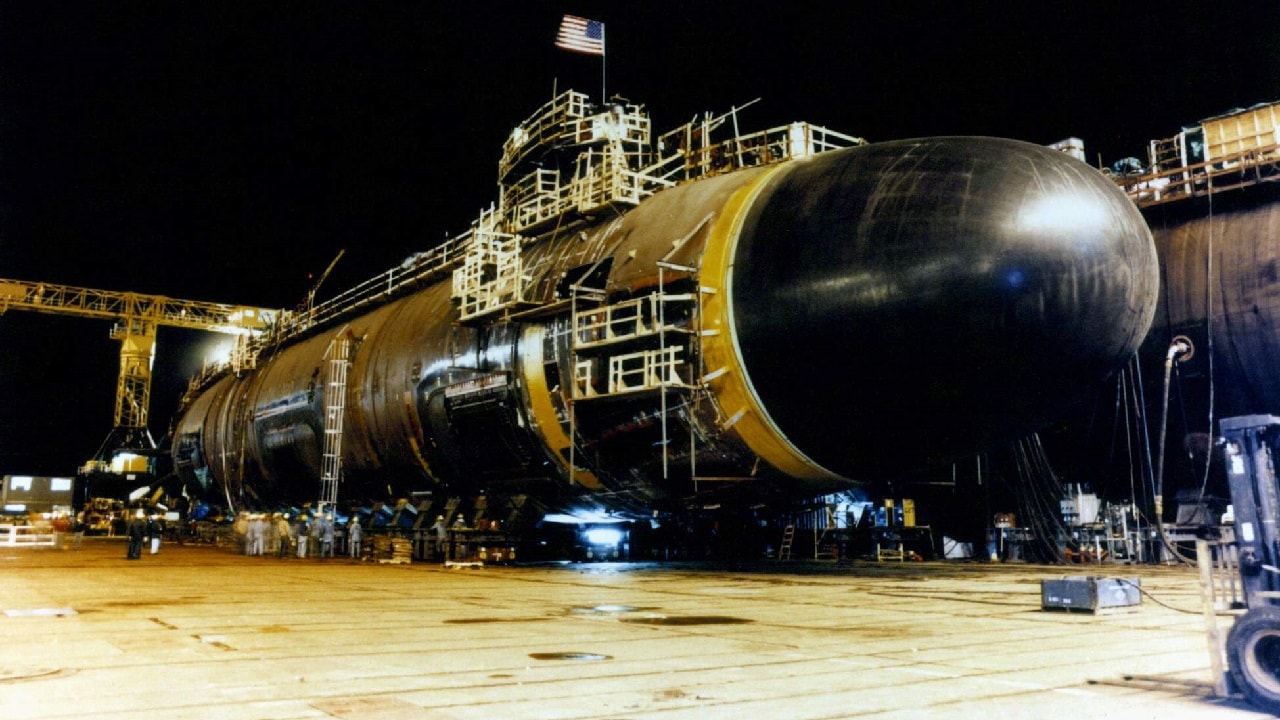
The first of a revolutionary new class of fast attack submarine, the Seawolf (SSN-21). Shown during construction at the Electric Boat Division of General Dynamics Corporation in Groton, Conn. She was christened by Margaret Dalton, wife of Secretary of the Navy John H. Dalton, on June 24, 1995.
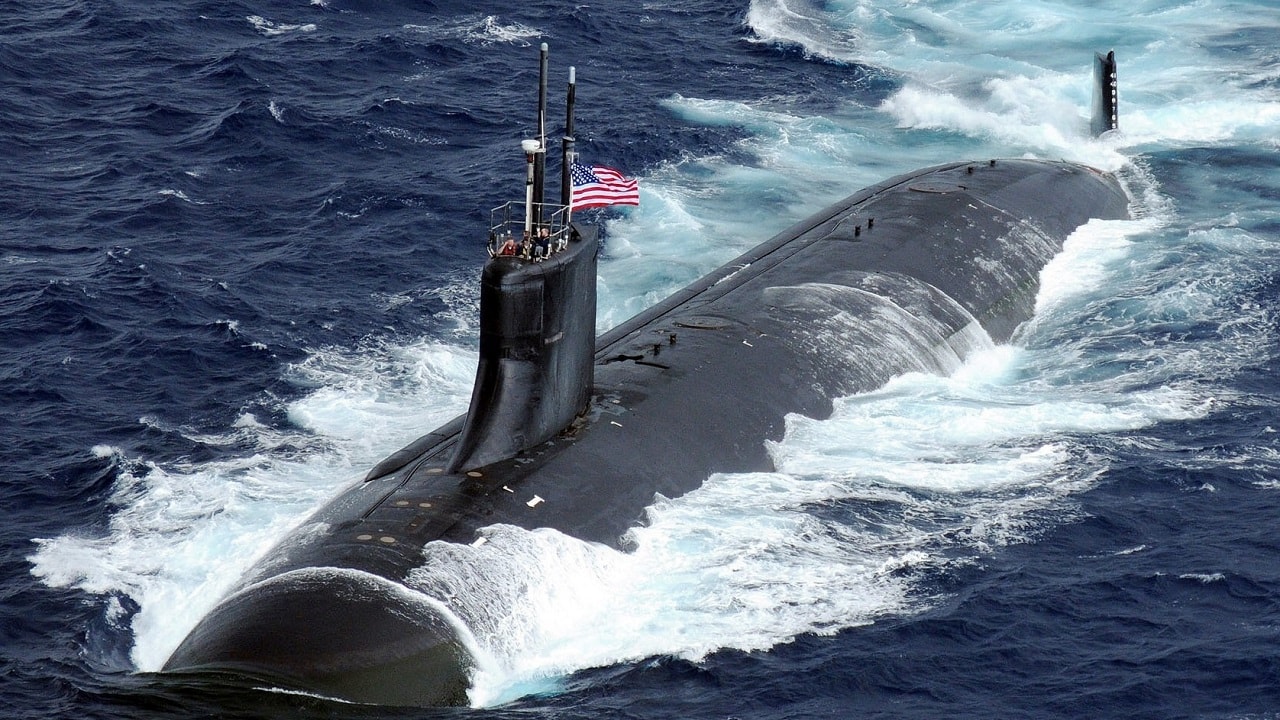
Seawolf-Class Submarine USS Seawolf. Image Credit: Creative Commons.
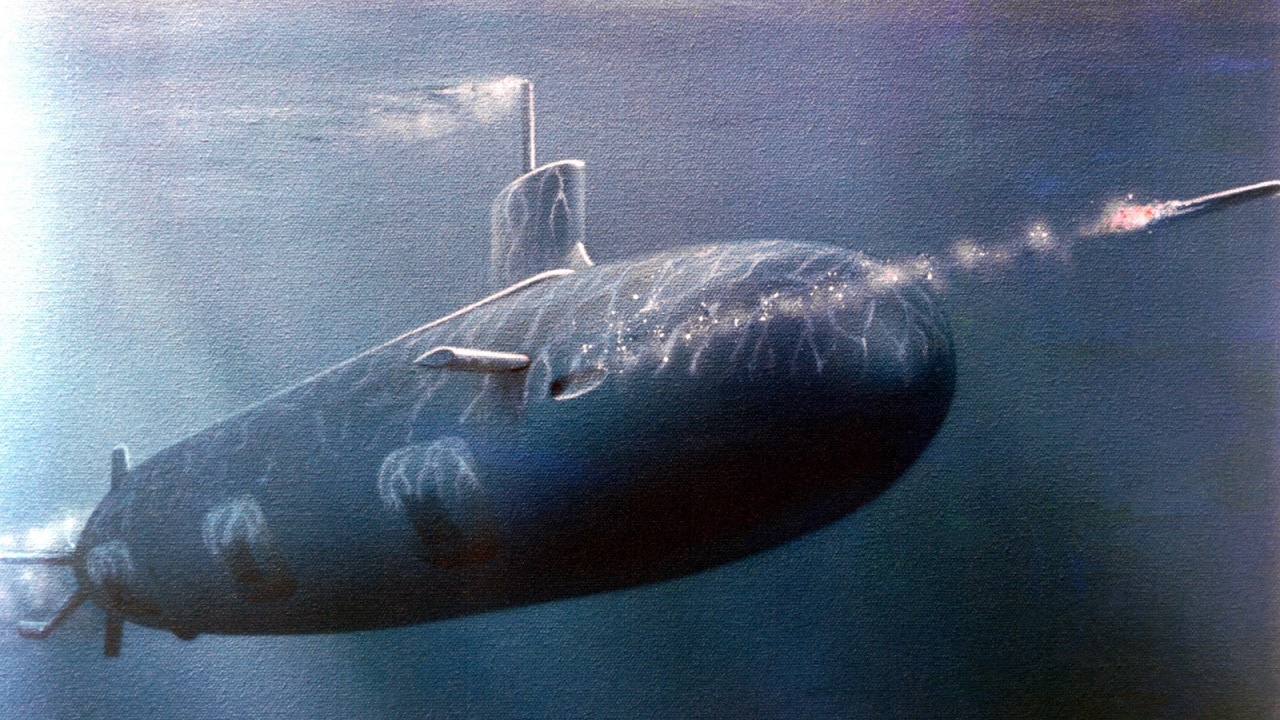
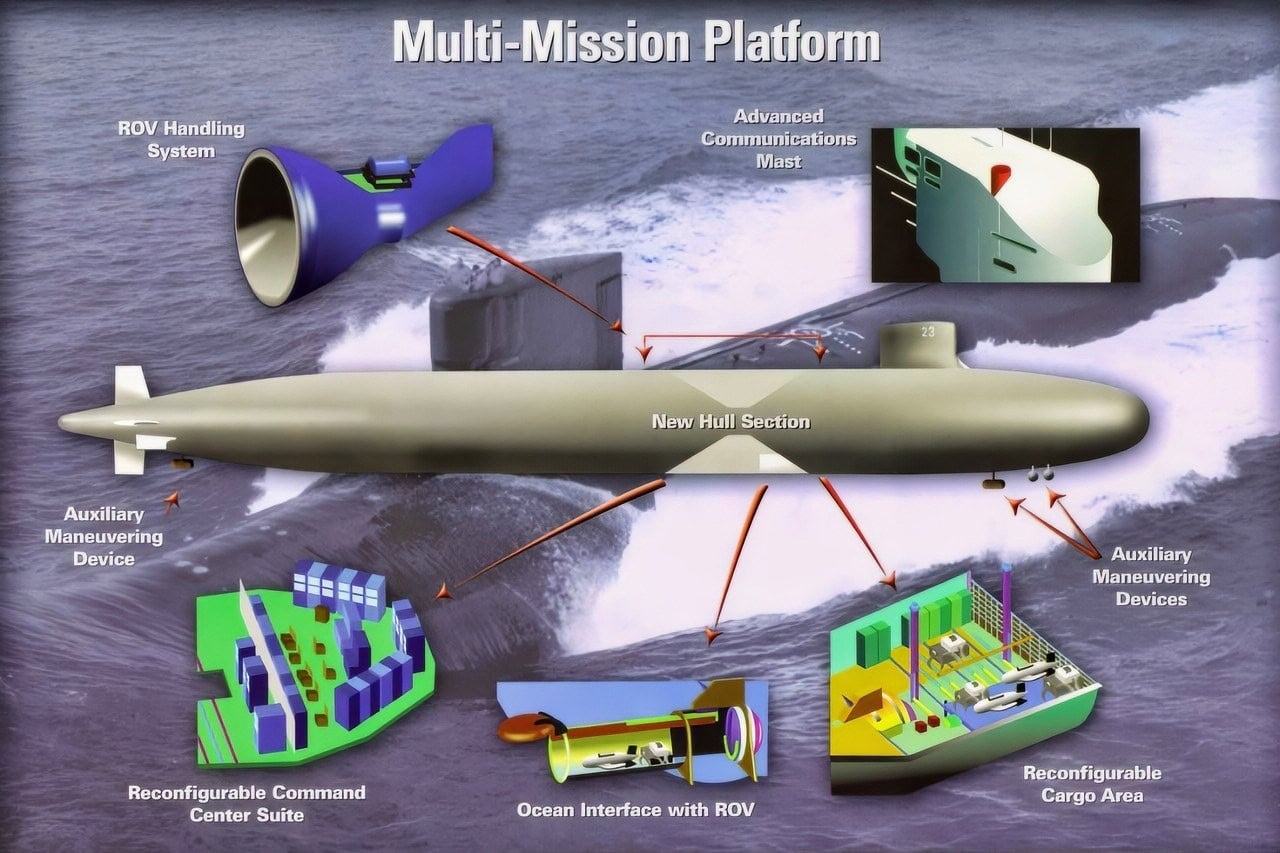
An artist’s concept of the nuclear-powered submarine SEAWOLF (SSN-21).
Quieter Than A Pier-Side Submarine At 25 Knots
The most-cited public claim about the Seawolf’s acoustic performance comes from General Dynamics Electric Boat, the prime contractor for the class. Per the company’s public marketing materials, the Seawolf-class is less detectable at high speed than a Los Angeles-class submarine sitting at pier side. The claim has been repeated by multiple defense analysts and is widely accepted as an accurate characterization of the boat’s acoustic signature.
The technical comparison the Navy itself has used is equally striking. According to GlobalSecurity’s compiled assessment of the program, at her top speed the Virginia-class follow-on makes less noise than the 688-I Improved Los Angeles submarines do at 5 knots — and the primary design driver for the Virginia class was to achieve acoustic quietness equal to that of the Seawolf, even at the cost of reducing maximum top speed.
The Seawolf was the standard. The Virginia-class was built to match it, not to exceed it.
The boats can also operate where most submarines cannot. The combination of the HY-100 high-yield steel hull, the deep test depth, and the acoustic discipline that allows them to operate undetected in noisy environments means the Seawolf class is designed to function in the deep Arctic and heavily trafficked naval zones where most submarines either cannot survive or cannot remain hidden.
The class spent substantial portions of the post-Cold War era conducting intelligence operations in waters no other American submarine could reach without compromising its acoustic signature.
Has Virginia Surpassed Seawolf?
The question of whether the newer Virginia-class has matched or exceeded the Seawolf’s acoustic performance is genuinely contested in the open-source defense literature.
The Navy has substantially upgraded the Virginia-class across five production blocks since the lead boat entered service in 2004, and each block has introduced acoustic improvements over the previous one.
The Block V variant of the Virginia class is widely described as the most acoustically capable American submarine currently in production. Per defense industry coverage of the class, the Virginia is now considered one of the quietest submarines ever built, on par with or exceeding the Seawolf in certain acoustic regimes — a careful framing that acknowledges parity in some operating conditions without claiming overall superiority.
Other open-source assessments are less generous to Virginia. Some defense analysts and current and former American submariners maintain that the Seawolf remains the faster, deeper-diving, and quieter boat — particularly at the higher speeds and deeper operating depths where the Seawolf’s HY-100 hull and pump-jet propulsor still provide structural and acoustic advantages the Virginia class cannot match. The Seawolf-class was designed to operate at depths and speeds that exceed Virginia’s design envelope across the board.
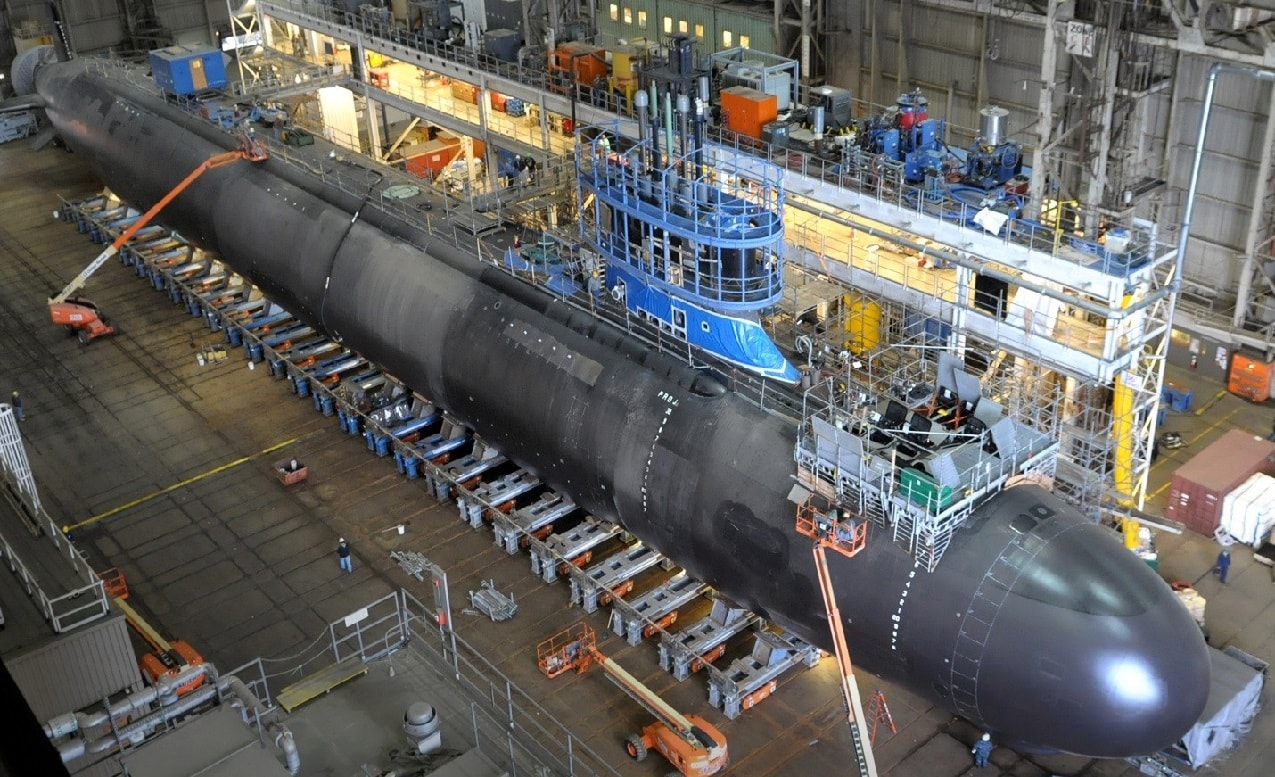
US Navy Virginia-class Submarine Under Construction.
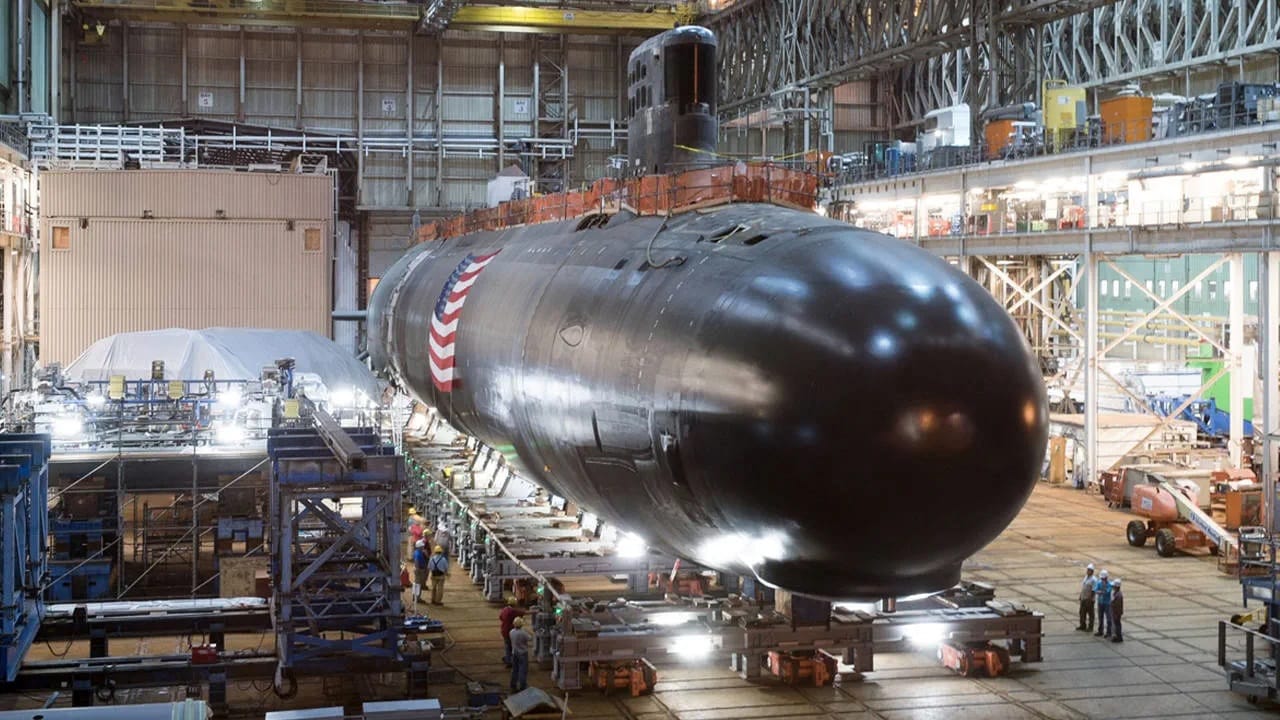
US Navy Virginia-class Submarine Under Construction.
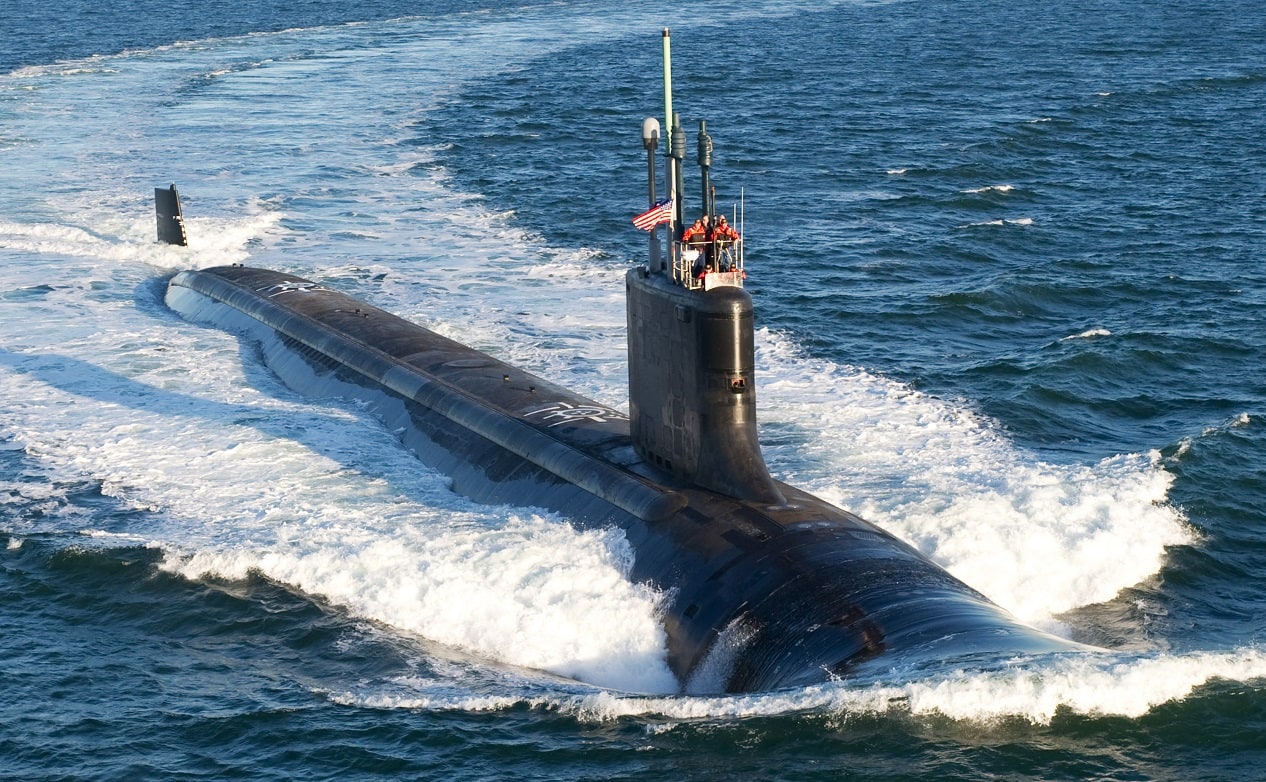
The Virginia-class attack submarine Pre-Commissioning Unit Mississippi (SSN 782) conducts alpha trials in the Atlantic Ocean. (U.S. Navy photo courtesy of General Dynamics Electric Boat)
The honest analytical answer is probably that Virginia has closed most of the gap in some acoustic regimes while the Seawolf retains advantages in others. The newest Virginia boats are quieter than older Virginia boats. They may be quieter than the Seawolf class in certain narrow operating profiles. But the Seawolf-class as a whole — across the full envelope of speed, depth, and operating conditions — remains the standard against which the Virginia-class continues to be measured.
What The Acoustic Edge Buys
The strategic value of the Seawolf class’s acoustic performance is straightforward. A submarine that cannot be detected can operate where the enemy thinks no enemy submarine can reach. Per the Navy’s own public framing of the program, the Seawolf was designed as the ultimate submarine hunter — stealthier, more heavily armed, and capable of matching or exceeding adversary boats in speed and maneuverability.
The boats have spent the past three decades conducting missions the Navy does not publicly discuss, in waters the Navy does not publicly identify, against adversaries the Navy does not publicly acknowledge as being tracked.
The class has paid for that capability in dollars. Each Seawolf-class boat cost approximately $3.5 to $4.5 billion in 1990s dollars, compared to roughly $1.8 to $2.0 billion for current-generation Virginia-class hulls. The Navy could not afford to build the Seawolf at scale. It built three boats and accepted that the Virginia class would provide most of the capability at substantially lower cost.
What the Navy gave up in the trade is the absolute acoustic performance that the Seawolf class established. The Virginia class is the boat that the Navy actually builds. The Seawolf remains the boat the Navy built when cost did not matter, and the acoustic standard it established three decades ago has yet to be definitively surpassed.
About the Author: Harry J. Kazianis
Harry J. Kazianis (@Grecianformula) was the former Senior Director of National Security Affairs at the Center for the National Interest (CFTNI), a foreign policy think tank founded by Richard Nixon based in Washington, DC. Harry has over a decade of experience in think tanks and national security publishing. His ideas have been published in the NY Times, The Washington Post, The Wall Street Journal, CNN, and many other outlets worldwide. He has held positions at CSIS, the Heritage Foundation, the University of Nottingham, and several other institutions related to national security research and studies. He is the former Executive Editor of the National Interest and the Diplomat. He holds a Master’s degree focusing on international affairs from Harvard University. Kazianis is Editor-In-Chief of 19FortyFive.

