Summary and Key Points: Brandon J. Weichert, Senior National Security Editor, evaluates the Virginia-class attack submarine’s transformation into the U.S. Navy’s primary undersea asset as of March 2026.
-Due to SSN(X) delays and the retirement of Ohio-class SSGNs, the Block V Virginia-class—equipped with the Virginia Payload Module (VPM)—is now the fleet’s only viable “missile barge,” carrying 40 Tomahawk missiles.
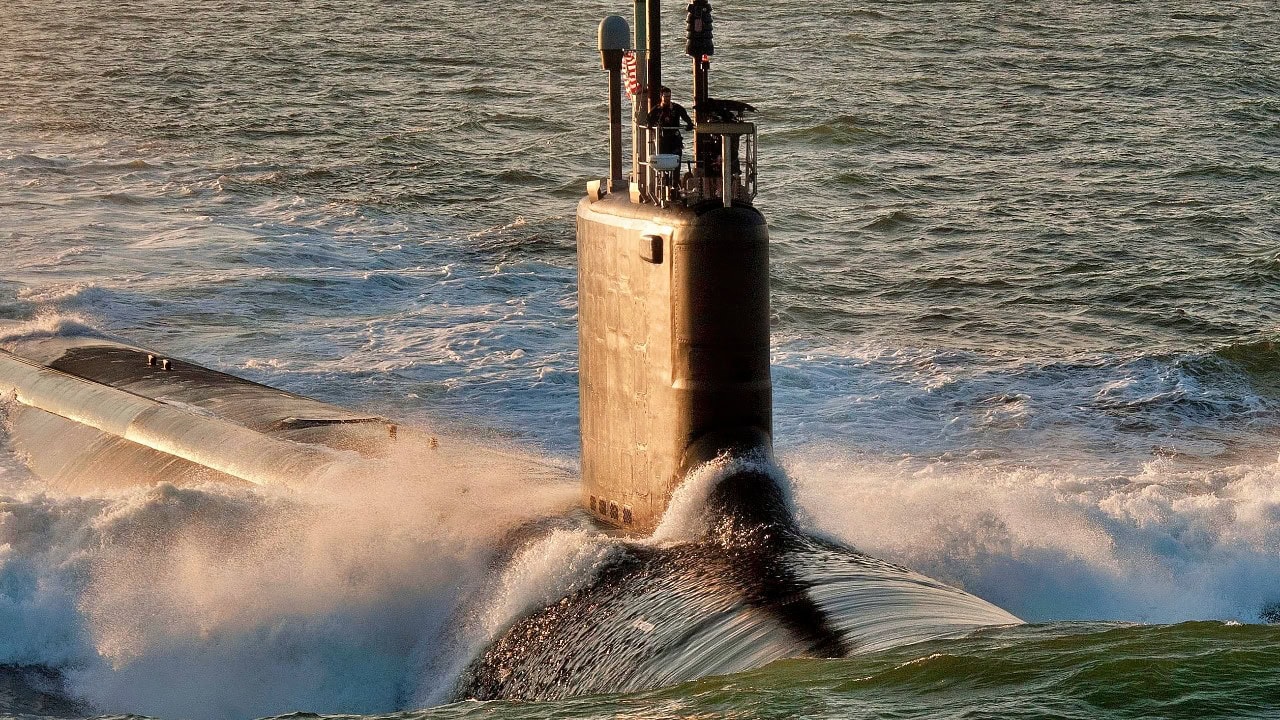
U.S. Navy Virginia-Class Submarine.
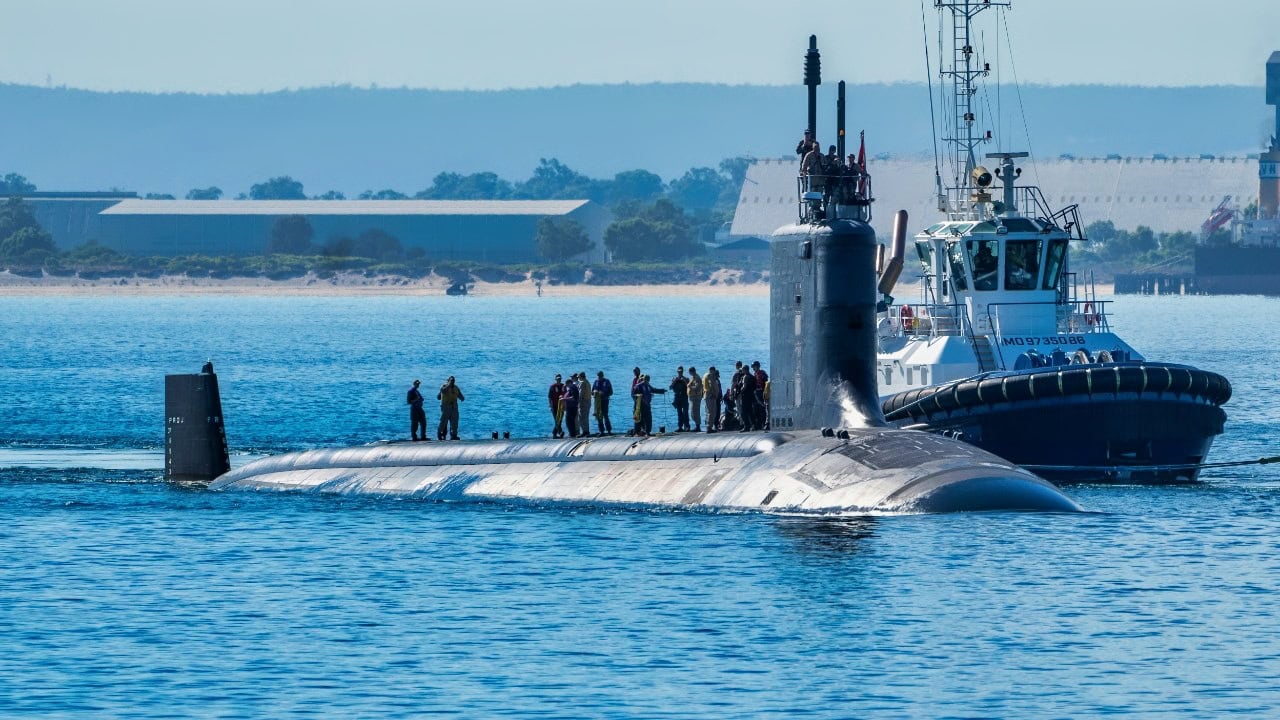
Western Australia, Australia (Feb. 25, 2025) The Virginia-class fast-attack submarine USS Minnesota (SSN 783) prepares to moor at HMAS Stirling, Western Australia, Australia, Feb. 25, 2025. Minnesota arrived in Western Australia kicking off the first of two planned U.S. fast-attack submarine visits to HMAS Stirling in 2025. Minnesota is currently on deployment supporting the U.S. 7th Fleet, the U.S. Navy’s largest forward-deployed numbered fleet, operating with allies and partners in preserving a free and open Indo-Pacific region. (U.S. Navy photo by Lt. James Caliva)
-This report analyzes the industrial crisis at General Dynamics Electric Boat and Huntington Ingalls, where production remains stalled at 1.2 boats per year.
-Weichert concludes that without an industrial-scale revival, the AUKUS commitment and domestic readiness remain at critical risk.
The Accidental Pillar: Why the Virginia-Class Submarine is Forced to Lead the Navy Until 2045
The Virginia-class attack submarine is rapidly becoming the backbone of the United States Navy’s undersea force, far longer than originally planned. This extended service life is largely due to delays in the Navy’s next-generation SSN(X) program (and the shipbuilding base struggling). But the role the Virginia-class plays in America’s fleet today was meant to be transitory (which is odd, given the time and money spent on the Virginia-class).
A “Bridge” Sub That Became the Backbone
Virginia-class subs were meant to replace the Navy’s iconic Cold War-era Los Angeles-class submarines. The Virginia-class has instead become the foundational pillar of America’s (tenuous) undersea dominance. Thanks to the aforementioned complications arising from the SSN(X) development program, the Virginia-class submarine will likely continue to serve deep into the 2040s.
A primary factor behind the ubiquity of the Virginia-class attack submarine was the end of the Cold War, which led to the cancellation of the Seawolf-class attack submarine program. That system was expensive and complex—it remains one of the world’s most advanced submarines—and Congress killed it before it could grow into the program it was meant to be in the aftermath of the Cold War.
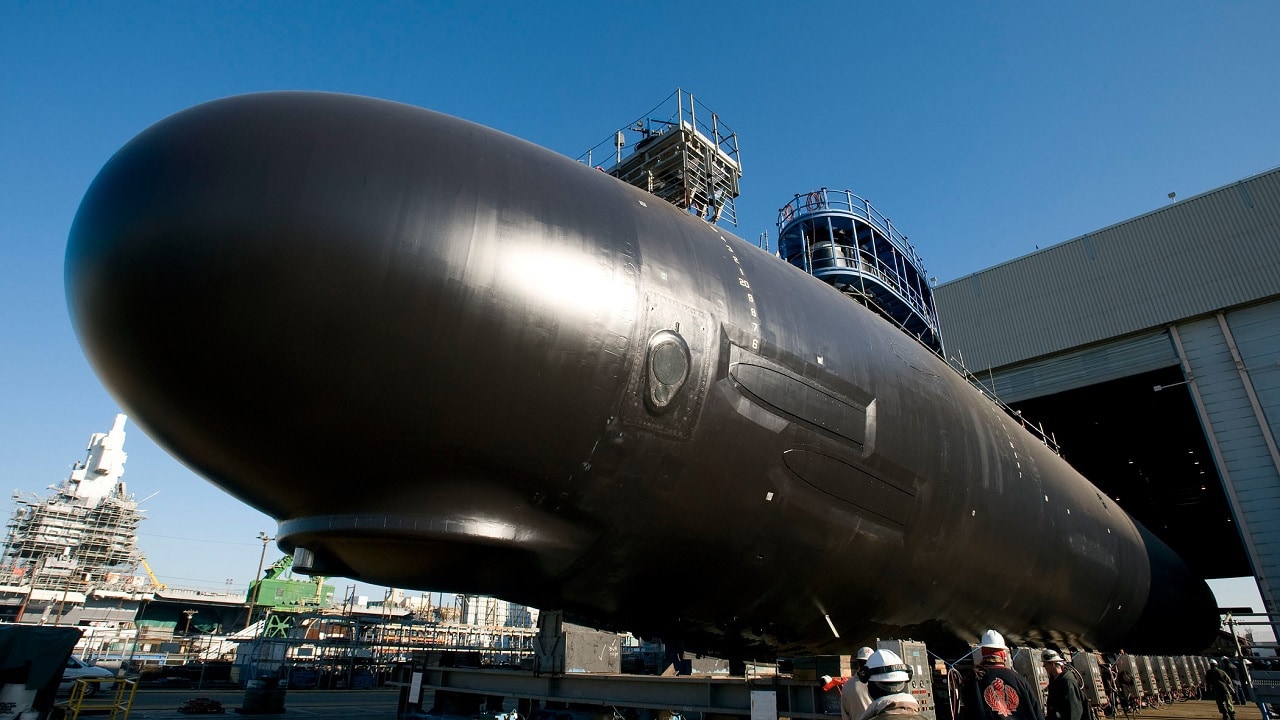
Virginia-Class. Image Credit: Creative Commons.
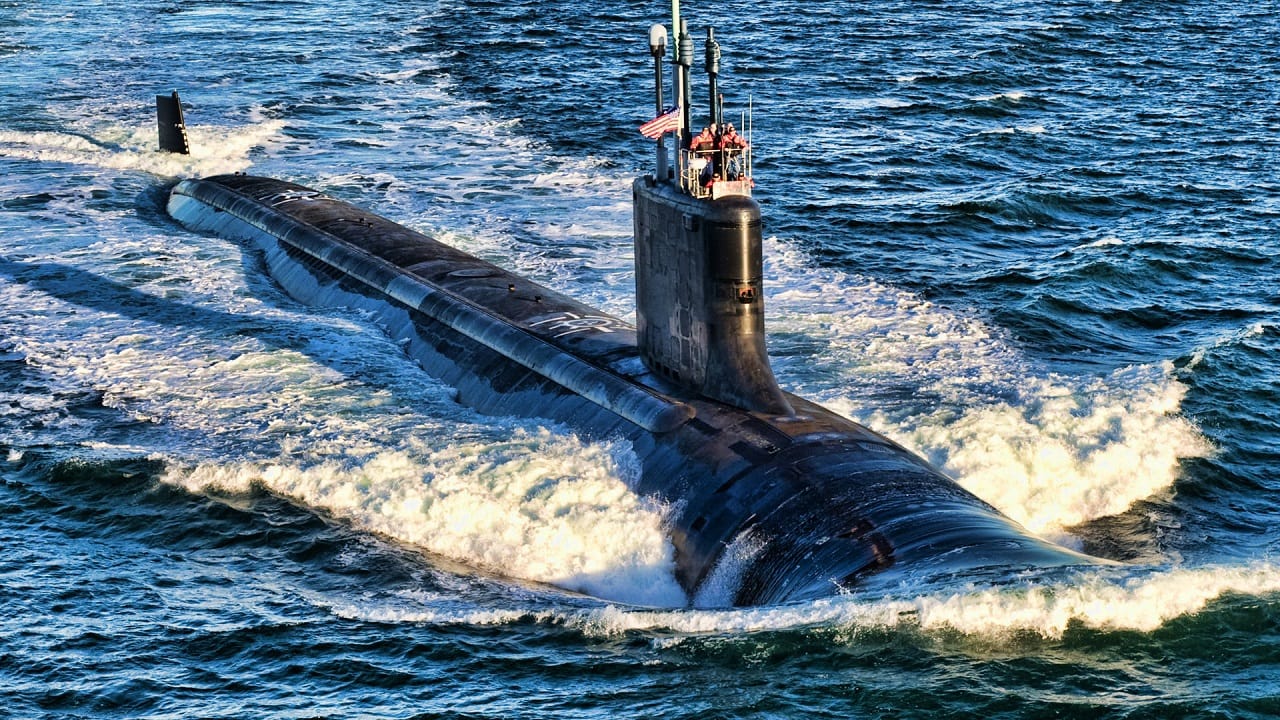
US Navy Attack Submarine. Image Credit: Creative Commons.
Modular Design
One of the reasons the Virginia-class has endured so long is its modular design philosophy. Naval designers modeled the development of the Virginia-class less on previous submarine models, where the Navy would replace submarines wholesale each generation. Instead, the Navy wanted to mirror the way the private sector designs products.
Thus, the “block” model of submarine construction incorporates upgrades while preserving the overall hull architecture.
Early variants introduced new sonar systems and better stealth. Later blocks focused on operational availability and maintainability, reducing the number of major overhauls required over a submarine’s service life.
The most significant enhancement came with the Block V iteration, which introduced the Virginia Payload Module (VPM). This additional hull section increased the submarine’s overall strike capacity, allowing it to carry dozens of cruise missiles—effectively replacing some of the firepower lost when the Navy retired the guided-missile Ohio-class submarines.
Shipyard Bottlenecks and Collapse of Production Capacity
This resulted in a submarine capable of performing an astonishing array of missions, from intelligence gathering to anti-submarine warfare (ASW) to special operations support to precision strikes against land targets.
Despite its operational successes, the Virginia-class program has been plagued by problems. These range from the fact that the United States has only two shipyards capable of building nuclear submarines (General Dynamics Electric Boat and Huntington Ingalls Industries).
Both are operating at maximum capacity. Within the shipyard program, there are workforce shortages, supply-chain disruptions, and pandemic-era production delays—all of which have slowed overall submarine construction for the US Navy.
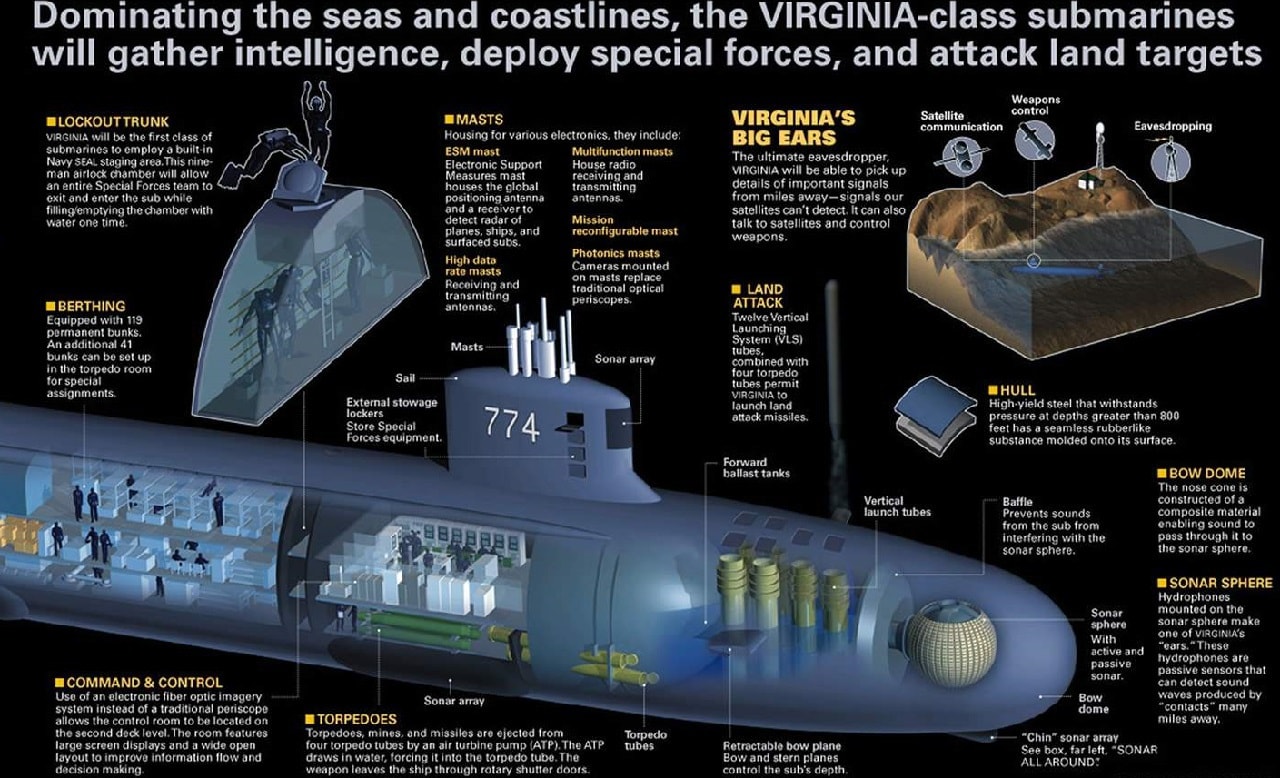
Image of Virginia-class Submarine features. Image Credit: Creative Commons.
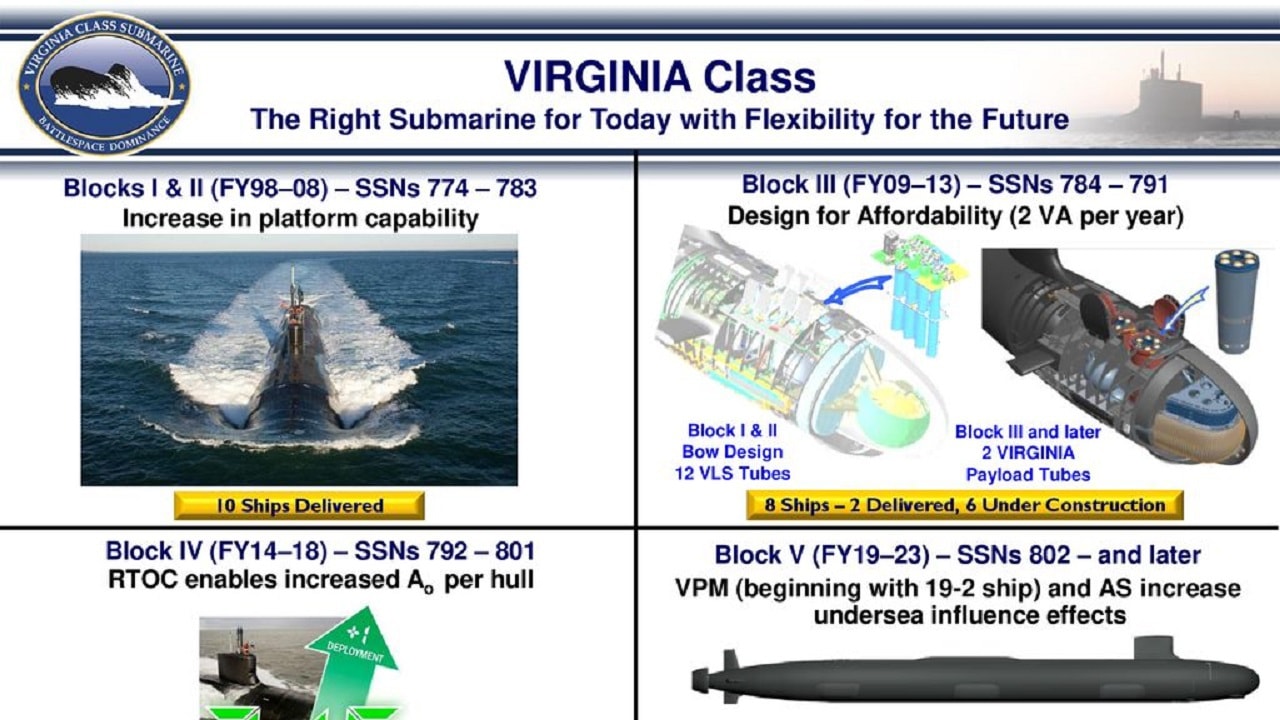
(FY98–08) – SSNs 774 – 783. Block III (FY09–13) – SSNs 784 – 791. Increase in platform capability. Design for Affordability (2 VA per year) Block I & II Bow Design. 12 VLS Tubes. Block III and later 2 VIRGINIA Payload Tubes. 10 Ships Delivered. 8 Ships – 2 Delivered, 6 Under Construction. Block IV (FY14–18) – SSNs 792 – 801. Block V (FY19–23) – SSNs 802 – and later. RTOC enables increased Ao per hull. VPM (beginning with 19-2 ship) and AS increase undersea influence effects. 10 Ships – 5 Under Construction, 5 Under Contract. In Design Phase, FY19 Construction Start. 16.
Therefore, the Navy’s long-term goal has been for the meager target of producing two Virginia-class submarines per year. In reality, however, the shipyards cannot maintain that pace, given all the other demands and complications involved with the yards.
What’s more, maintenance issues with submarines have compounded the problems with America’s submarine force. Some subs remain trapped in shipyards for extended overhaul periods, meaning fewer boats are available for deployment.
For a Navy already facing a rising Chinese maritime challenge, this bottleneck represents a strategic vulnerability.
The AUKUS Deal
The United States, meanwhile, has committed to supplying nuclear-powered submarines to Australia under the Australia-United Kingdom-United States (AUKUS) security agreement. Under current plans, several Virginia-class subs will be transferred to the Royal Australian Navy in the 2030s. While strategically important for balancing against China in the Indo-Pacific, the deal adds to the strain on an already strained submarine production system.
In practical terms, every submarine transferred to Australia is one fewer boat available to the US Navy unless production significantly increases (which it will not). Not to worry, though, the prospects that AUKUS will be anything more than an empty alliance are very low, meaning the threat of losing any US subs to Australia’s procurement under AUKUS is unlikely for the foreseeable future.
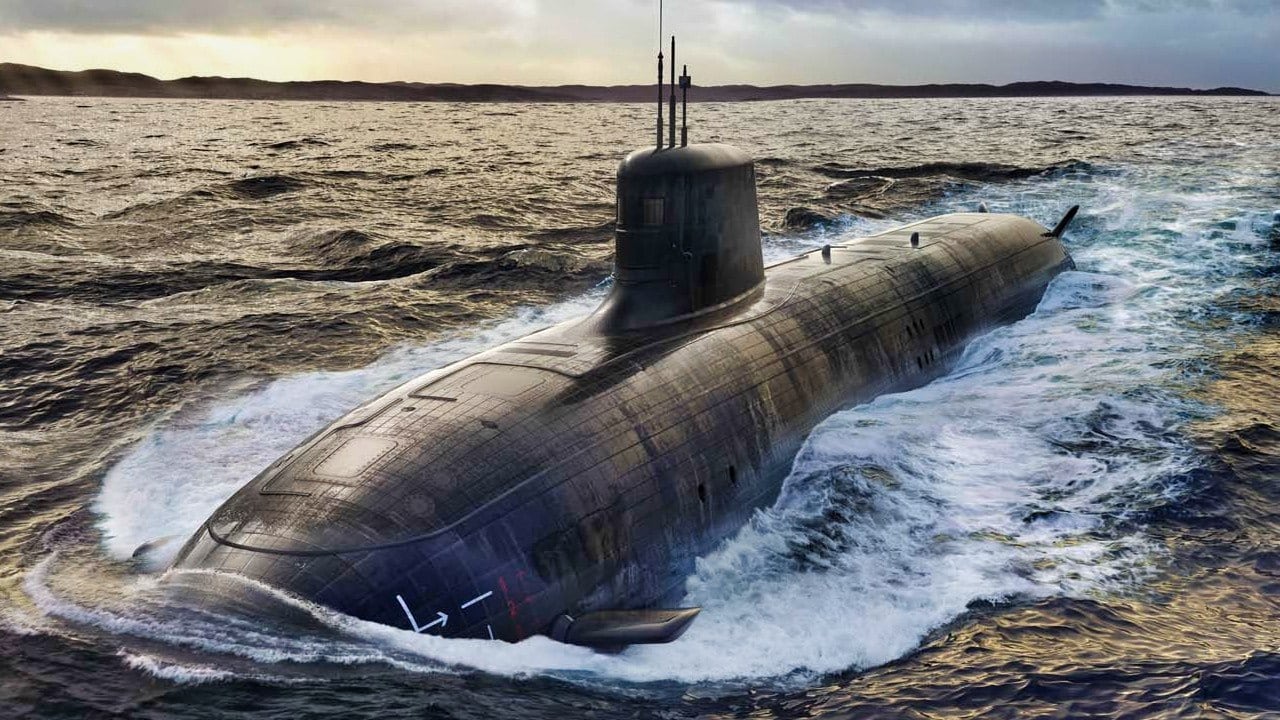
SSN-AUKUS Submarine. Image is Creative Commons Artist Rendering.
Without a Shipbuilding Revival, Even the Best Sub Won’t Be Enough
The Virginia-class submarine was designed as a bridge between generations of undersea warfare. Instead, this system inadvertently became the foundation of American undersea strategy. In an era defined by intensifying competition with China and Russia, stealthy attack submarines remain one of the few platforms capable of penetrating heavily defended environments. They can strike targets ashore, track enemy submarines, and collect intelligence in ways that surface ships cannot.
Yet the very success of the Virginia-class submarine program highlights a deeper problem.
America’s undersea dominance ultimately depends not only on technological innovation. It requires the US to be capable of industrial-scale output to sustain that dominance. Thus far, the US has not showcased such capabilities. If Washington fails to solve the problem, even the most advanced submarine in the world will not be enough.
About the Author: Brandon J. Weichert
Brandon J. Weichert is the Senior National Security Editor at 19FortyFive.com. He was previously the senior national security editor at The National Interest. Weichert is the host of The National Security Hour on iHeartRadio, where he discusses national security policy every Wednesday at 8pm Eastern. He hosts a companion show on Rumble entitled “National Security Talk.” Weichert consults regularly with various government institutions and private organizations on geopolitical issues. His writings have appeared in numerous publications, among them Popular Mechanics, National Review, MSN, and The American Spectator. And his books include Winning Space: How America Remains a Superpower, Biohacked: China’s Race to Control Life, and The Shadow War: Iran’s Quest for Supremacy. Weichert’s newest book, A Disaster of Our Own Making: How the West Lost Ukraine, is available for purchase wherever books are sold. He can be followed via Twitter/X @WeTheBrandon.