
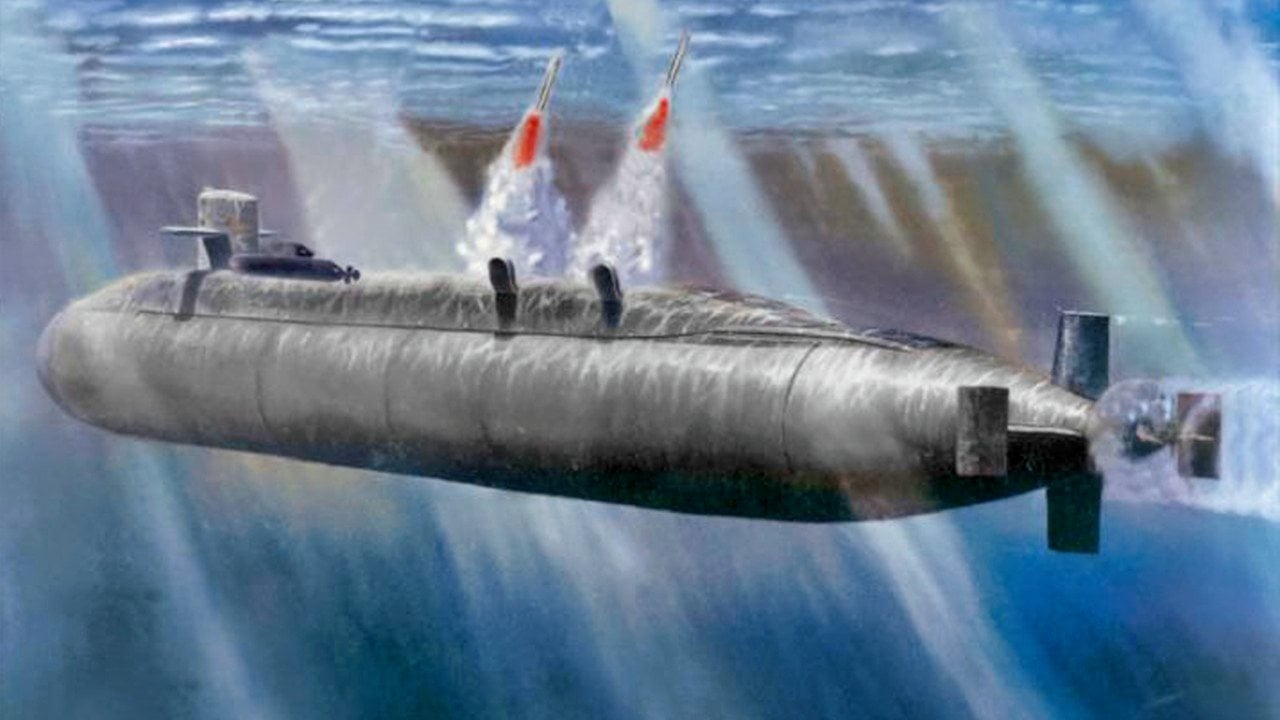
Summary and Key Points: Harrison Kass, an attorney and former Air Force pilot selectee, evaluates the strategic “firepower trap” facing the U.S. Navy as it nears the mandatory retirement of the Ohio-class SSGNs.
-While these four “underwater missile barges” provide an unmatched 154-Tomahawk surge capacity, their 1980s-era hulls and nuclear reactors are reaching terminal fatigue.
-This report analyzes the transition to a distributed strike model using Block V Virginia-class submarines with the Virginia Payload Module (VPM).
-Kass concludes that while retiring the Ohio-class creates a near-term “magazine depth” risk, it is an unavoidable trade-off to fund the Columbia-class and SSN(X) programs.
The 154-Tomahawk Legacy: Why the U.S. Navy is Forced to Retire its Ohio-Class Missile Barges
Ohio-class SSGNs (guided-missile submarines) are nearing their retirement window. Converted from SSBN (ballistic missile) boats in the early 2000s, the Ohio carries a large payload of Tomahawk cruise missiles, sparking debate over whether to retire the sub on schedule due to age and cost, or extend its service life to take advantage of its added firepower.
With the Indo-Pacific coming into strategic focus and rising concerns about magazine depth, the question is especially relevant.
Introducing the Ohio
Originally, four Ohio-class SSBN hulls were converted to the SSGN configuration, with a vertical launch capacity of up to 154 Tomahawk missiles per boat. The Ohio was also configured for support of special operations forces (SOF), swimmer delivery vehicles, and ISR missions.
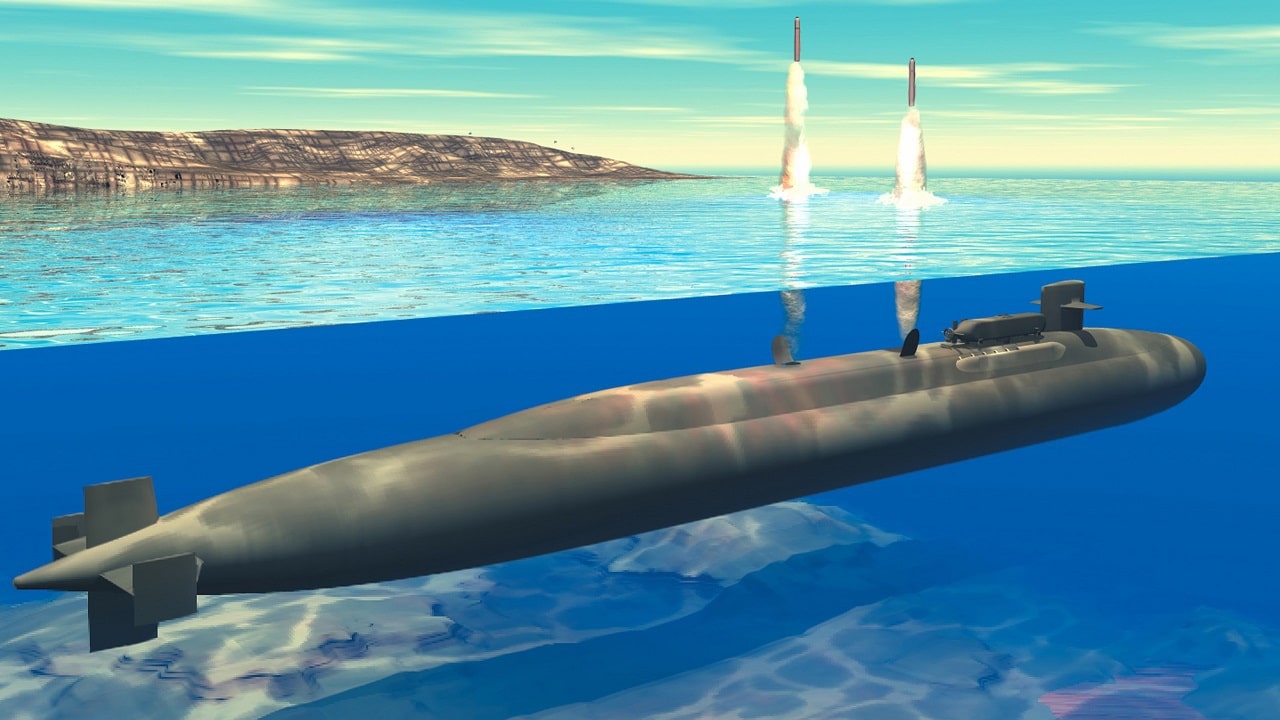
Artist’s concept of an Ohio-class SSGN launching Tomahawk Land Attack Missiles.
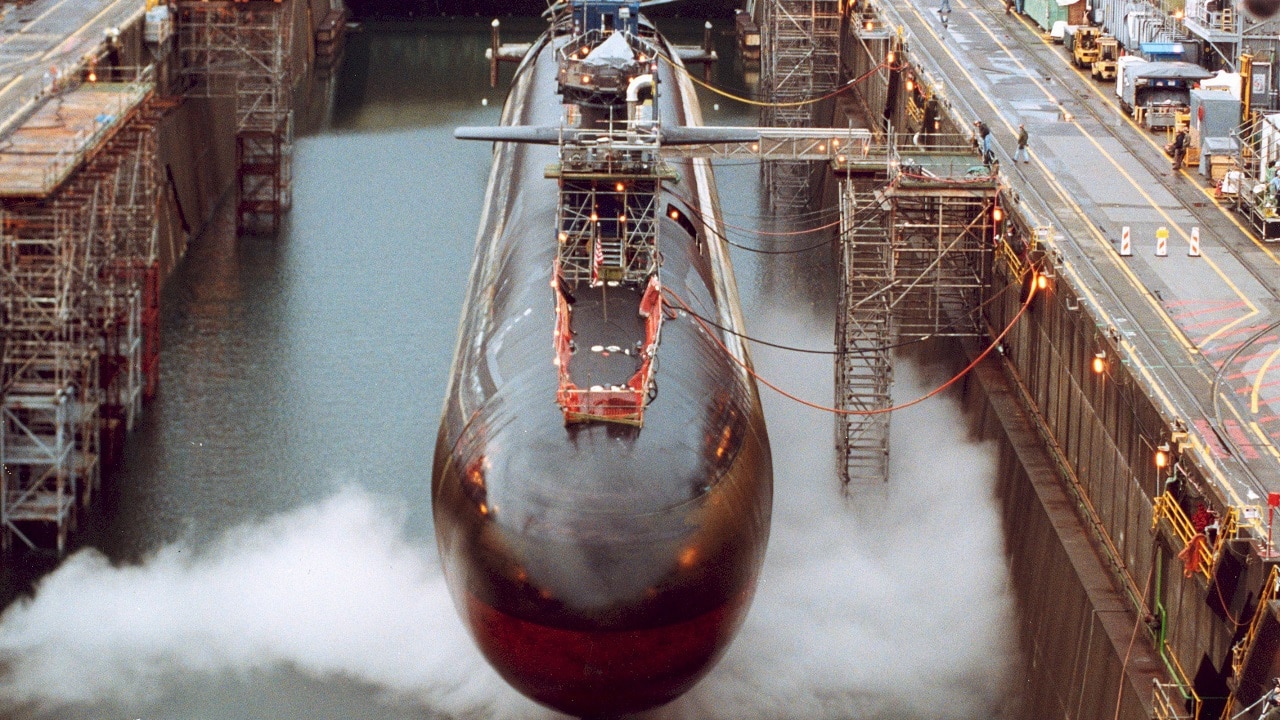
Puget Sound Naval Shipyard, Wash. (Aug. 14, 2003) — USS Ohio (SSGN 726) is in dry dock undergoing a conversion from a Ballistic Missile Submarine (SSBN) to a Guided Missile Submarine (SSGN) designation. Ohio has been out of service since Oct. 29, 2002 for conversion to SSGN at Puget Sound Naval Shipyard. Four Ohio-class strategic missile submarines, USS Ohio (SSBN 726), USS Michigan (SSBN 727) USS Florida (SSBN 728), and USS Georgia (SSBN 729) have been selected for transformation into a new platform, designated SSGN. The SSGNs will have the capability to support and launch up to 154 Tomahawk missiles, a significant increase in capacity compared to other platforms. The 22 missile tubes also will provide the capability to carry other payloads, such as unmanned underwater vehicles (UUVs), unmanned aerial vehicles (UAVs) and Special Forces equipment. This new platform will also have the capability to carry and support more than 66 Navy SEALs (Sea, Air and Land) and insert them clandestinely into potential conflict areas. U.S. Navy file photo. (RELEASED)
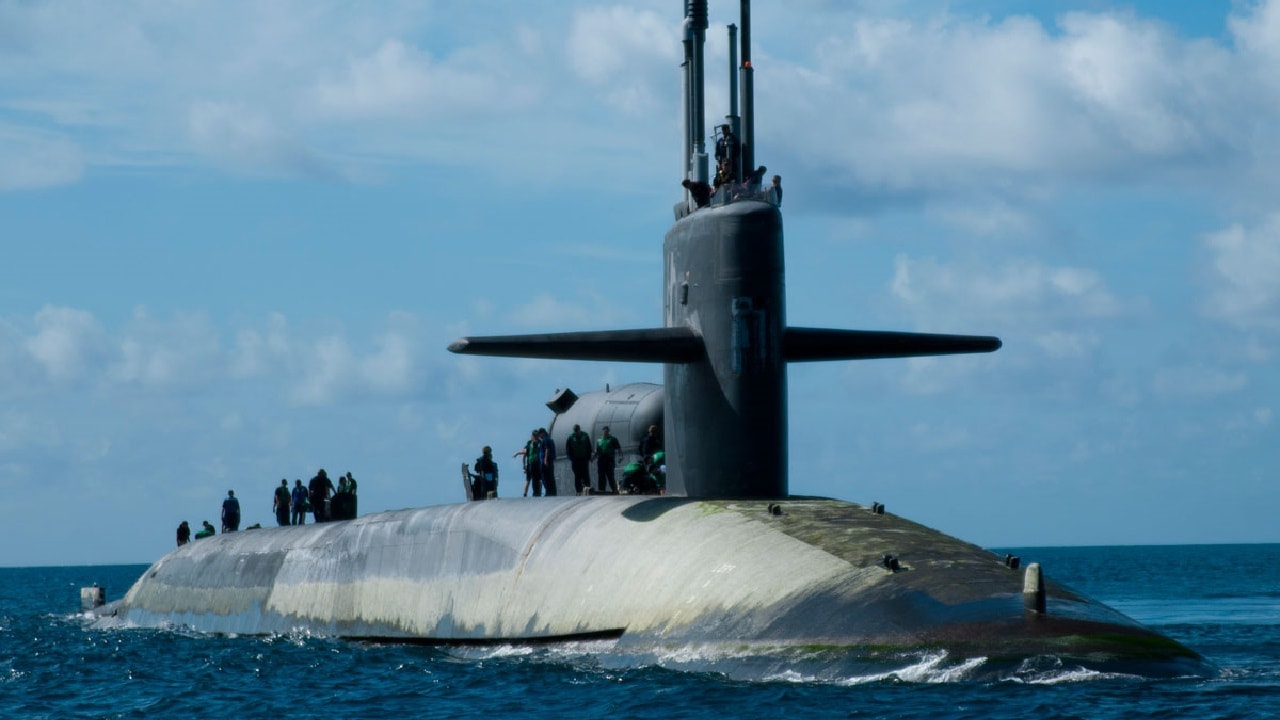
Ohio-class submarine. Image Credit: Creative Commons.
Nuclear-powered, the Ohio has fantastic endurance and global reach—with an extremely large displacement when compared to the Virginia-class.
Strategic Relevance
The Ohio-class is important because they are essentially underwater missile barges, with unmatched conventional strike volume per hull; they are ideal for opening salvos in major conflict, i.e., Operation Epic Fury.
Offering the US Navy a way to quietly deploy significant firepower directly off an adversary’s coast, the Ohio is a unique tool, also useful for gray-zone pressure without visible surface forces.
Argument for Retiring
The argument for retiring the Ohio is compelling: the hulls were built in the 1980s, and the nuclear reactors are approaching the end of their lifespans.
Maintenance costs are rising sharply, and modernization is becoming less cost-effective over time. And with a larger crew requirement than newer submarines, the operating costs for the Ohio remain high.
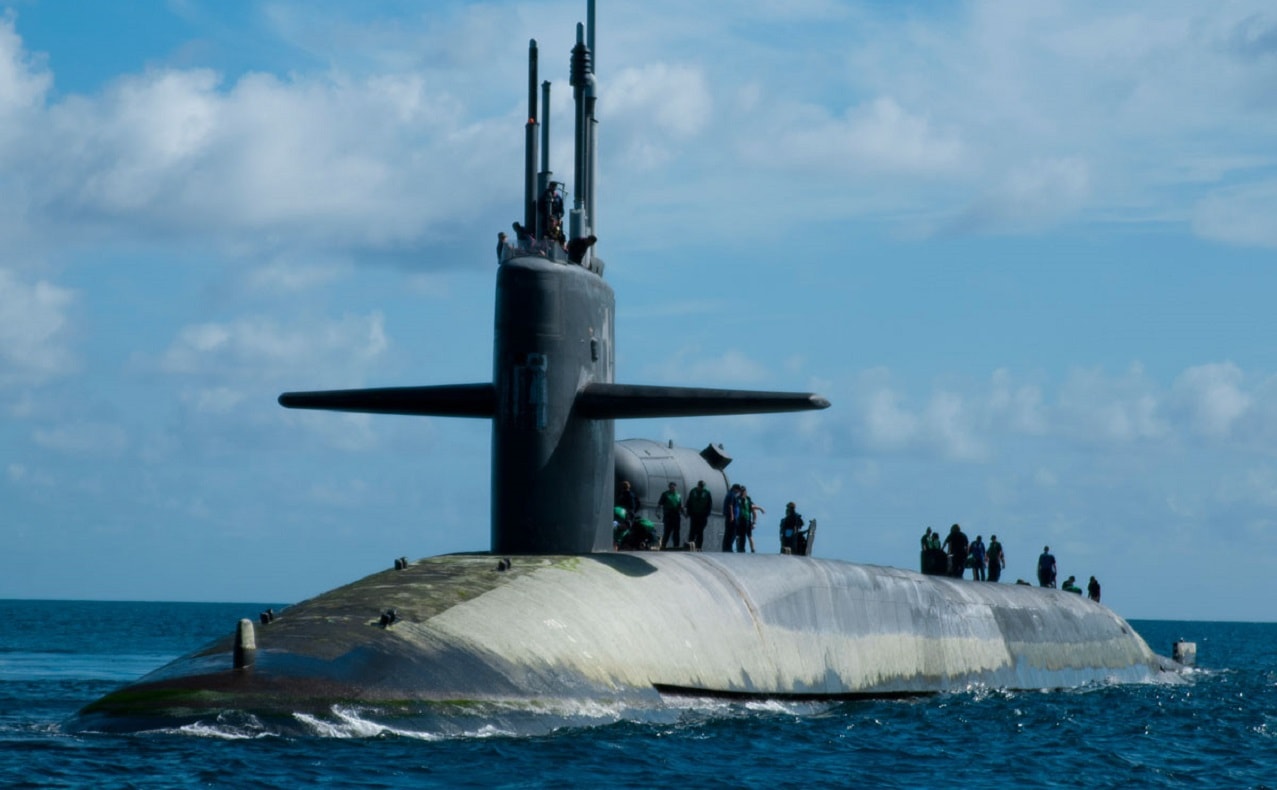
Ohio-class SSGN Submarine. Image Credit: US Navy.
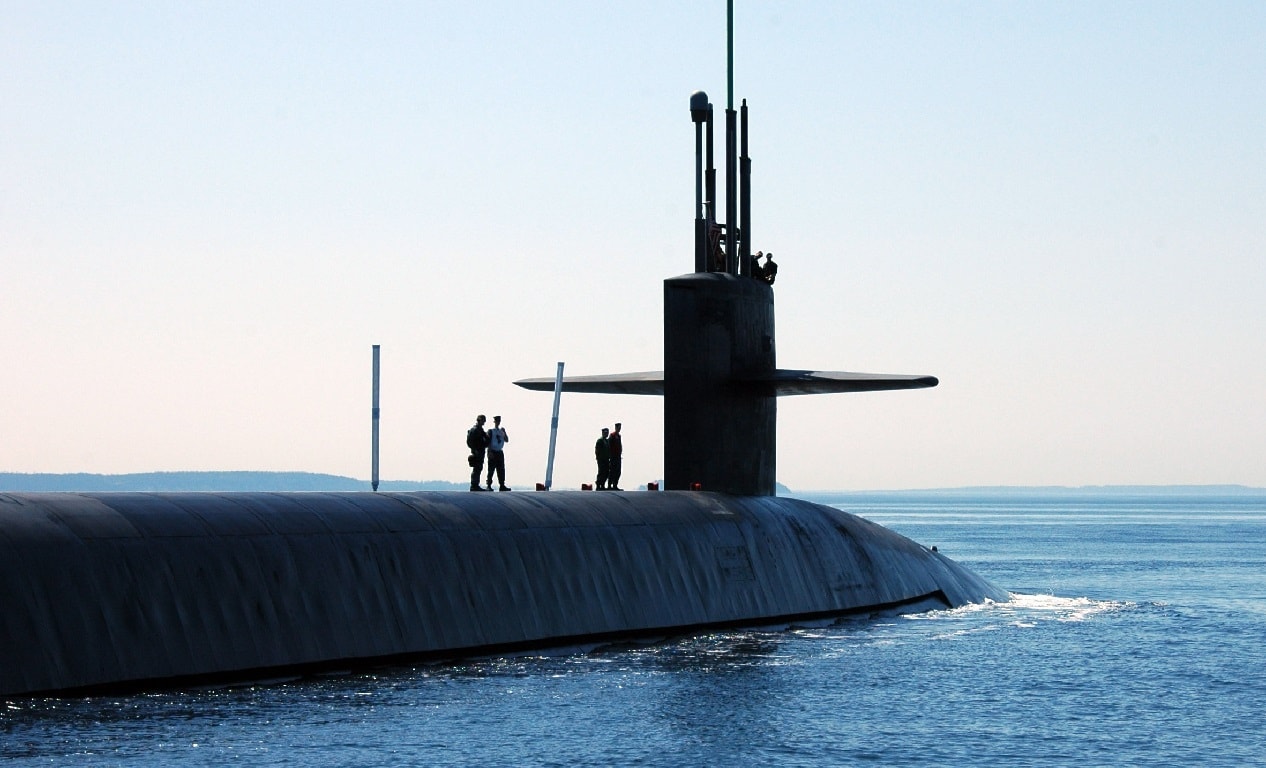
STRAIT OF JUAN DE FUCA, Wash. (Aug. 12, 2012) The Ohio-class ballistic missile submarine USS Nebraska (SSBN 739) prepares to conduct a personnel transfer as it returns to its homeport of Naval Base Kitsap-Bangor, Wash. (U.S. Navy photo by Lt. Ed Early/Released)
At the same time, the type’s primary design purpose—a Cold War ballistic mission—had disappeared decades earlier.
Now, the Navy is prioritizing the Columbia-class SSBN and Virginia-class production—and because shipyard capacity is finite, lesser priority programs like the Ohio may be shouldered out. Submarine production is already strained; extending SSGN production could further strain maintenance capacity.
Capability Gap
But retiring the Ohio-class potentially leaves a capability gap. Each SSGN carries 150-plus cruise missiles.
The Virginia-class, even with the VPM upgrades, carries far fewer. Ohio’s retirement, therefore, removes a massive, concentrated, congenial strike capacity.
And in the Indo-Pacific, the US will aim to have a heavy concentration of submarine-launched cruise missiles; magazine depth matters in a prolonged conflict.
The Virginia-class
The Virginia-class, with VPOM upgrades, adds four large-diameter payload tubes, significantly increasing Tomahawk capacity relative to earlier Virginias and offsetting the potential gap from an SSGN retirement.
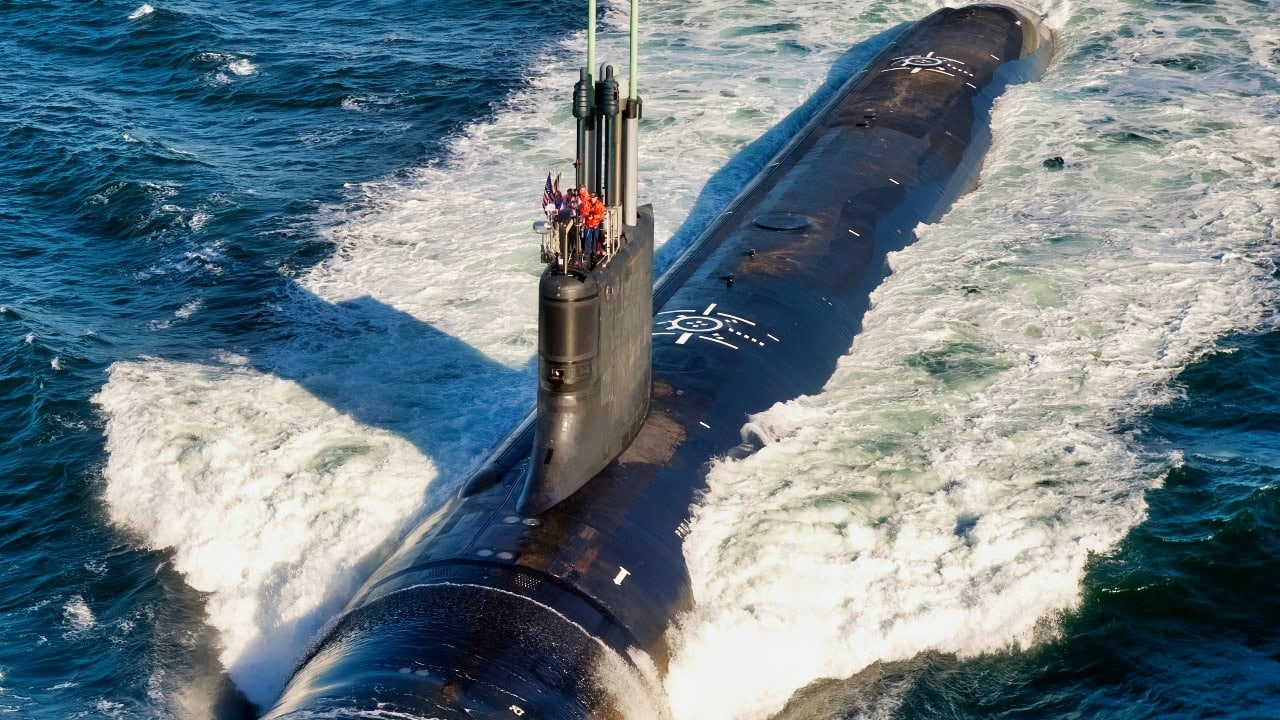
Virginia-Class Submarine.
But the Virginia still does not match the Tomahawk capacity of the SSGN, meaning the Navy will need a more distributed network of Tomahawks, in smaller magazines across more hulls. Survivability may increase with this dispersion method, but surge-strike capability likely declines.
Indo-Pacific Context
China’s A2/AD environment complicates surface strike operations, placing a stronger onus on submarines, which are better equipped to survive within the A2/AD envelope. And as Operational Epic Fury just demonstrated, long-range land-attack cruise missiles are central to the first phases of a conflict.
SSGNs could be used to saturate coastal defenses, but losing four Ohio hulls would equal the loss of concentrated strike mass. and could create, at least in the short term, a conventional missile gap.
Platform Tradeoffs
In extending the Ohio, the Navy would accept a higher concentrated cruise missile mass, with high immediate strike density, and the benefit of simplicity, that is, fewer hulls to manage. In prioritizing Virginia, the Navy would gain distributed mass, which is harder for adversaries to target and neutralize, and would allow for more flexible patrol patterns. But with the Virginia magazine, depth would be reduced.
Extending the SSGNs is also costly and technically complex. And hull fatigue and lifecycle realities are not optional or theoretical—these are real constraints limiting the service life of the Ohio. The Navy cannot simply keep every legacy platform indefinitely. Tradeoffs will be required to fund the Columbia and SSN(X) programs.
A strategic nuclear deterrent will ultimately take precedent.
Retirement Inevitable
Retiring the Ohio is likely unavoidable. But the timing may be inconveniently aligned with China’s contingency planning, leading to a near-term decline in conventional strike depth. This is a strategic risk, but it is manageable if Virginia production stabilizes and munitions production increases.
The transition may be awkward, but the pivot will allow for a distributed strike structure and the ability to fund newer programs.
About the Author: Harrison Kass
Harrison Kass is an attorney and journalist covering national security, technology, and politics. Previously, he was a political staffer and candidate, and a US Air Force pilot selectee. He holds a JD from the University of Oregon and a master’s in global journalism and international relations from NYU.