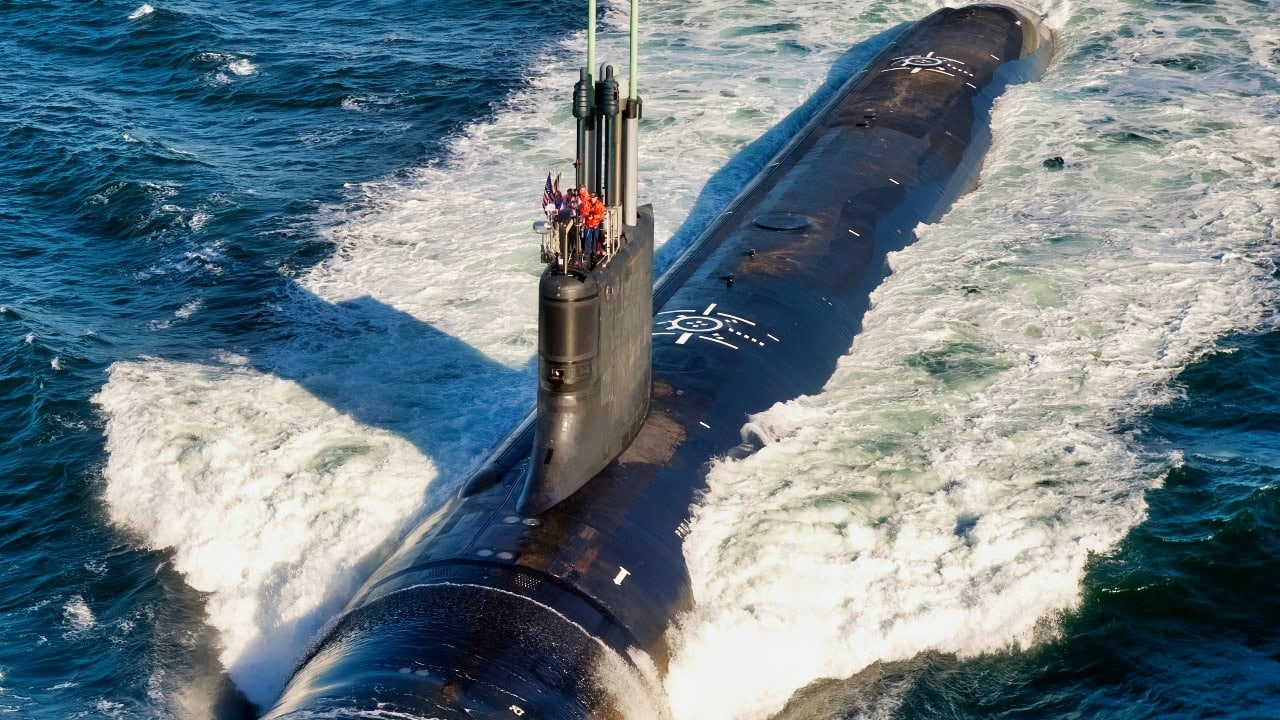
Summary and Key Points: Brandon J. Weichert, Senior National Security Editor and author of Winning Space, examines the structural failures of the AUKUS pact as of early 2026.
-With U.S. and British shipyards struggling to meet internal demand for Virginia-class and Astute-class nuclear-powered submarines, Australia faces a critical capability gap against the People’s Liberation Army Navy (PLAN).
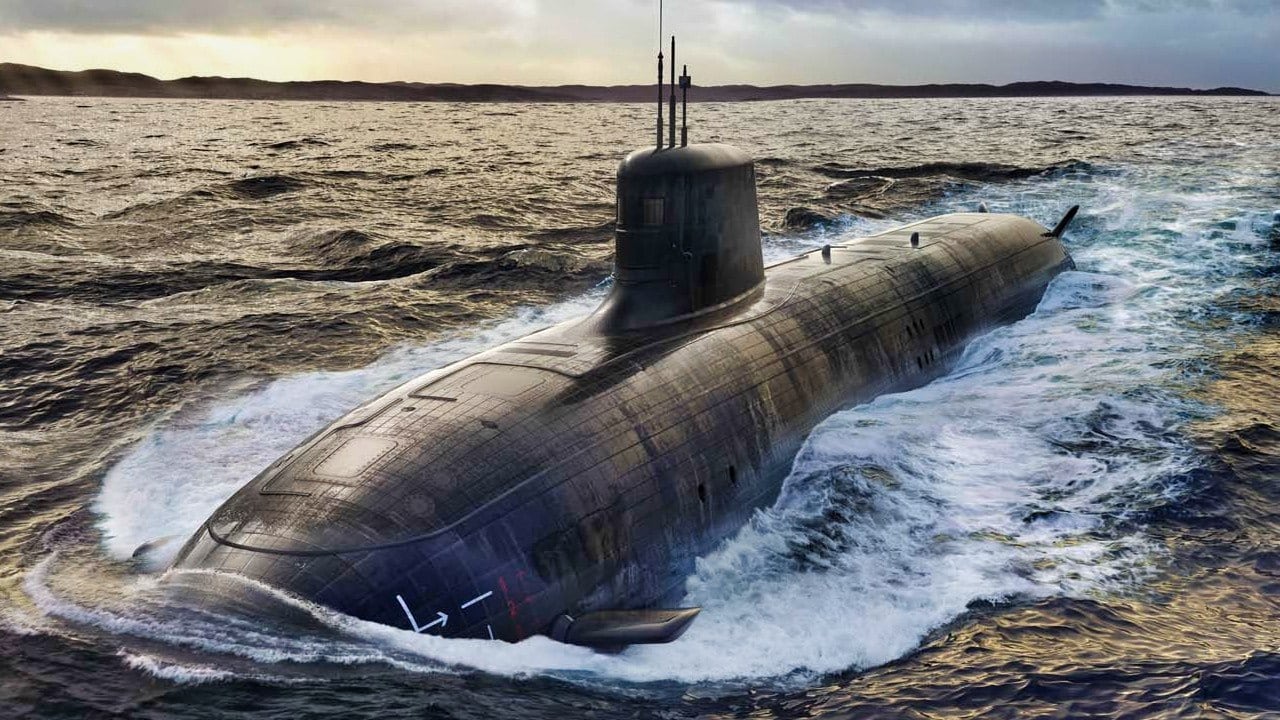
SSN-AUKUS Submarine. Image is Creative Commons Artist Rendering.
-This 19FortyFive report analyzes alternatives like leasing younger Los Angeles-class attack submarines from the U.S. Navy or revisiting affordable French diesel-electric designs to secure the Second Island Chain and establish a credible deterrent against China’s expanding undersea fleet.
AUKUS on Life Support: Why the U.S. and U.K. Submarine Industrial Base is Failing Australia
The Australia-United Kingdom-United States (AUKUS) pact was forged several years ago to unite the submarine-building capacities of the United States and United Kingdom to sell new submarines to Australia, a nation increasingly on the frontlines of the new great game between the West and China.
The AUKUS Challenge, Explained
The only problem is that there are apparently no new submarines to sell the Australians, because neither the Americans nor British can actually build submarines anymore.
AUKUS was a great idea.
But it falls apart primarily because the onus to produce new, advanced nuclear-powered submarines rests on the shoulders of two countries—Britain and America—that are struggling to produce and maintain their own submarine forces, let alone build one for Australia.
What Canberra needs sooner rather than later is a submarine force that can credibly counter and deter China’s rapidly growing Navy.
Of course there’s no requirement that Australia needs wildly complex and expensive U.S. nuclear-powered submarines, such as the Virginia-class.
Strategic Windows
Instead, Australia just needs to enhance the size and reach of its submarine force. But they need it quickly, because China not only has the world’s second-largest navy, but also the world’s largest submarine force outside of the United States.
What’s more, Chinese forces are increasingly meddling in the second island chain, which includes Australia.
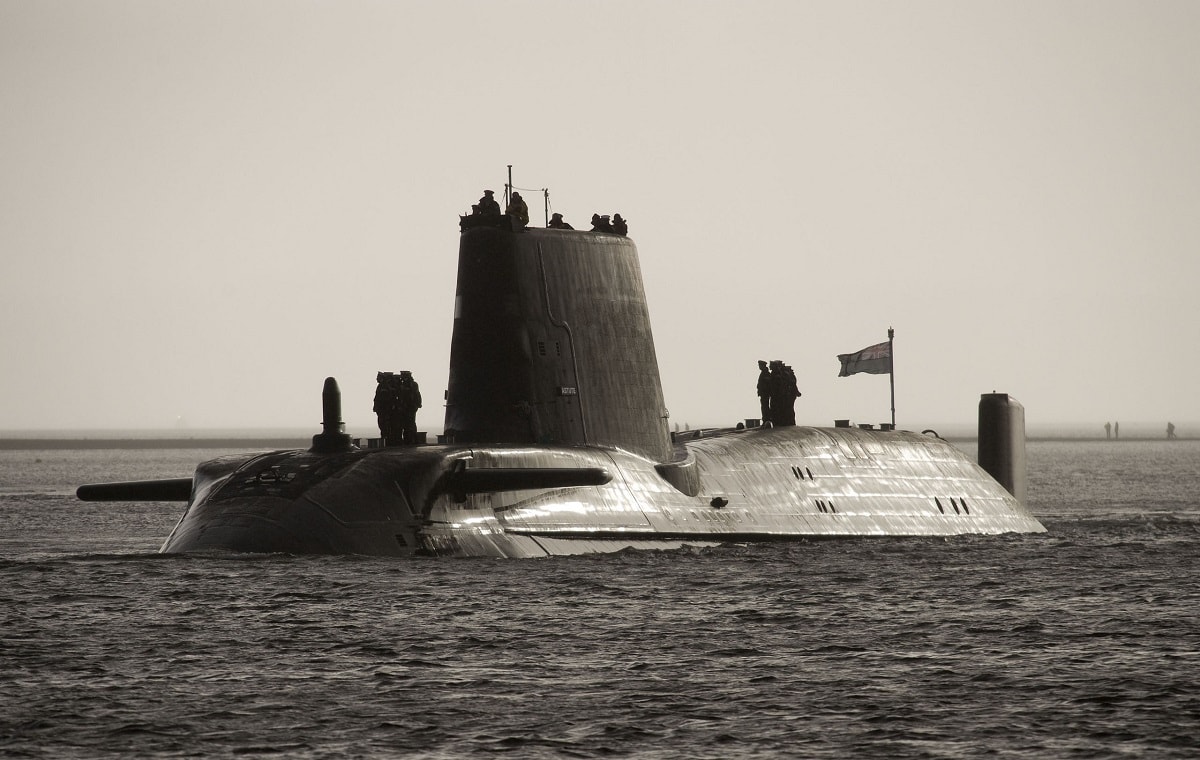
Image of Astute-class Submarine. Image Credit: Creative Commons.
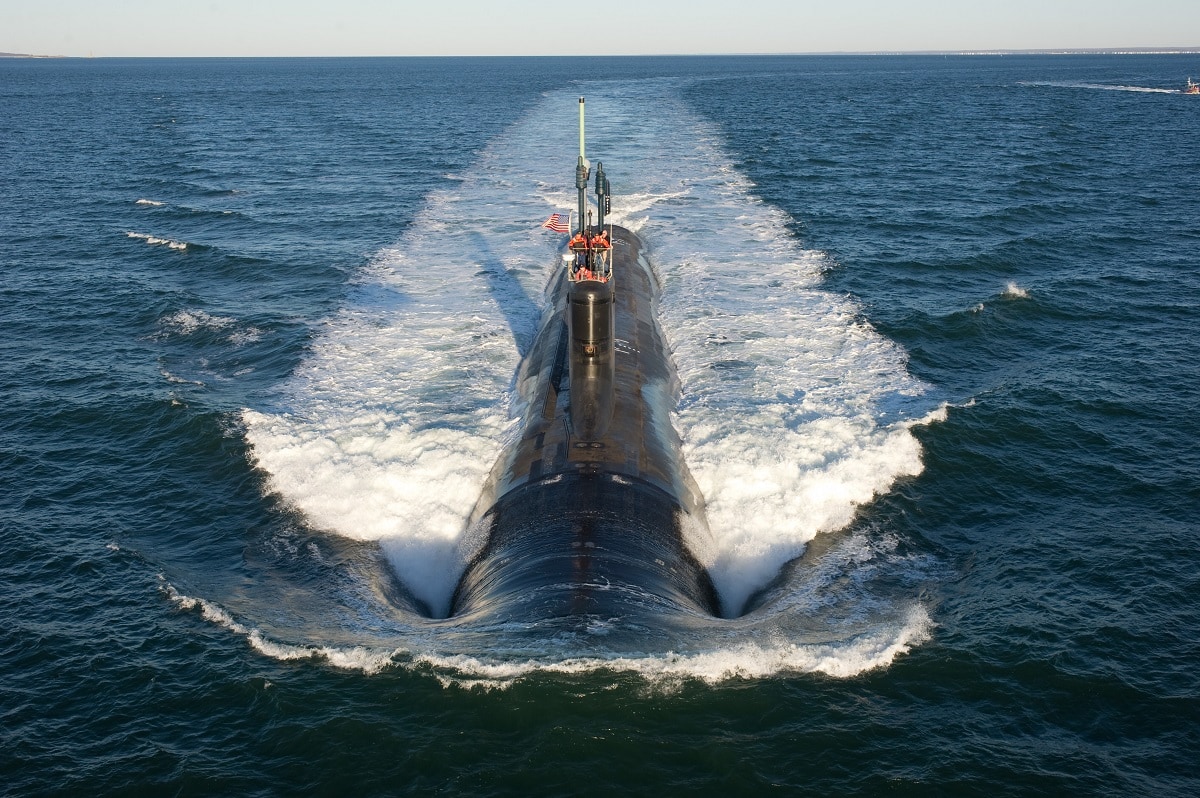
The Virginia-class attack submarine Pre-Commissioning Unit Mississippi (SSN 782) conducts alpha trials in the Atlantic Ocean. (U.S. Navy photo courtesy of General Dynamics Electric Boat)
There’s no time for Canberra to sit around and wait for U.S. shipyards to get their acts together. Instead, Australia should be looking for other alternatives. Washington could instead lease a handful of Los Angeles-class attack submarines to Australia. They may be old but they are capable, and Australia sorely needs submarines.
What About the French?
Before AUKUS came about, the Australians were keen to sign a contract with France for a tranche of their affordable, smaller submarines. At the last minute, the Americans and British waded into the discussion and offered their nuclear-submarine knowhow to the Australians.
Canberra ultimately went with the Anglo-American alliance, Canberra’s leaders, as the meme goes, choose poorly. Perhaps it should restart negotiations to acquire the cheaper French submarines.
Of course, Paris was apoplectic over the breakdown of what they thought was a done deal between Australia’s government and French submarine producers. That purchase would have been more prudent, considering how obvious it was that neither U.S. nor British shipyards would be able to ensure their quick and safe delivery. Procuring some French submarines now would go a long way toward helping Australia establish a credible defensive apparatus.
Purchasing the Los Angeles-class?
Another interesting idea that has floated around for years is for Washington to fully hand over the youngest Los Angeles-class submarines. Under that potential agreement, Australia gains access to advanced U.S. submersibles, while the U.S. Navy gets to offload some older systems that were bound for retirement anyway.
According to Forbes, “Loaning Australia the remaining set of younger Los Angeles Class [sic] subs, America gets a politically painless path to enjoy the efficiencies of maintaining an almost exclusively Virginia Class attack submarine fleet. The ‘Divest-to-Reinvest’ minded Department of Defense would be gleeful to see the U.S. Navy spared another decade of additional expenses tied up in maintaining separate Los Angeles Class training, sustainment and maintenance issues. Instead, it could all be transferred over to Australia while still intact.”
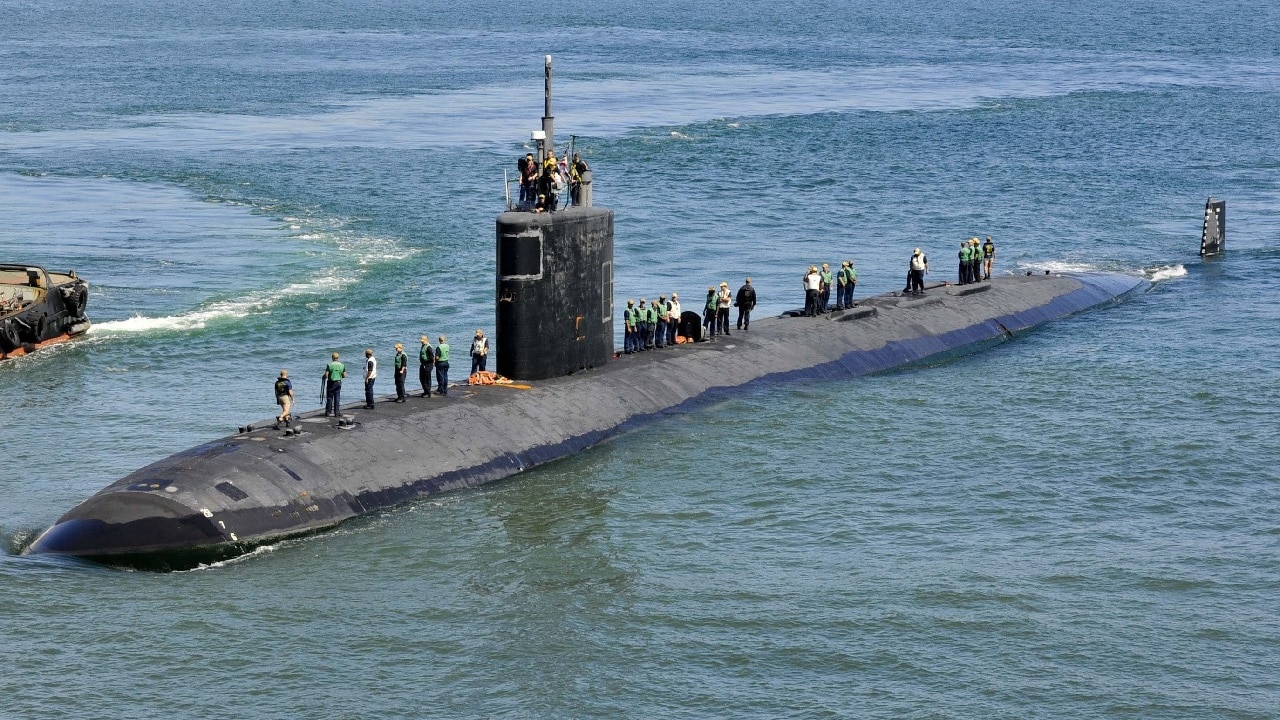
PUERTO PRINCESSA, Philippines – (Dec. 9, 2018) – The Los Angeles-class attack submarine USS Greenville (SSN 772) prepares to moor alongside the submarine tender USS Emory S. Land (AS 39), Dec. 9. Emory S. Land is a forward-deployed expeditionary submarine tender on an extended deployment conducting coordinated tended moorings and afloat maintenance in the U.S. 5th and 7th Fleet areas of operations. (U.S. Navy photo by Mass Communication Specialist 2nd Class Daniel Willoughby/RELEASED)
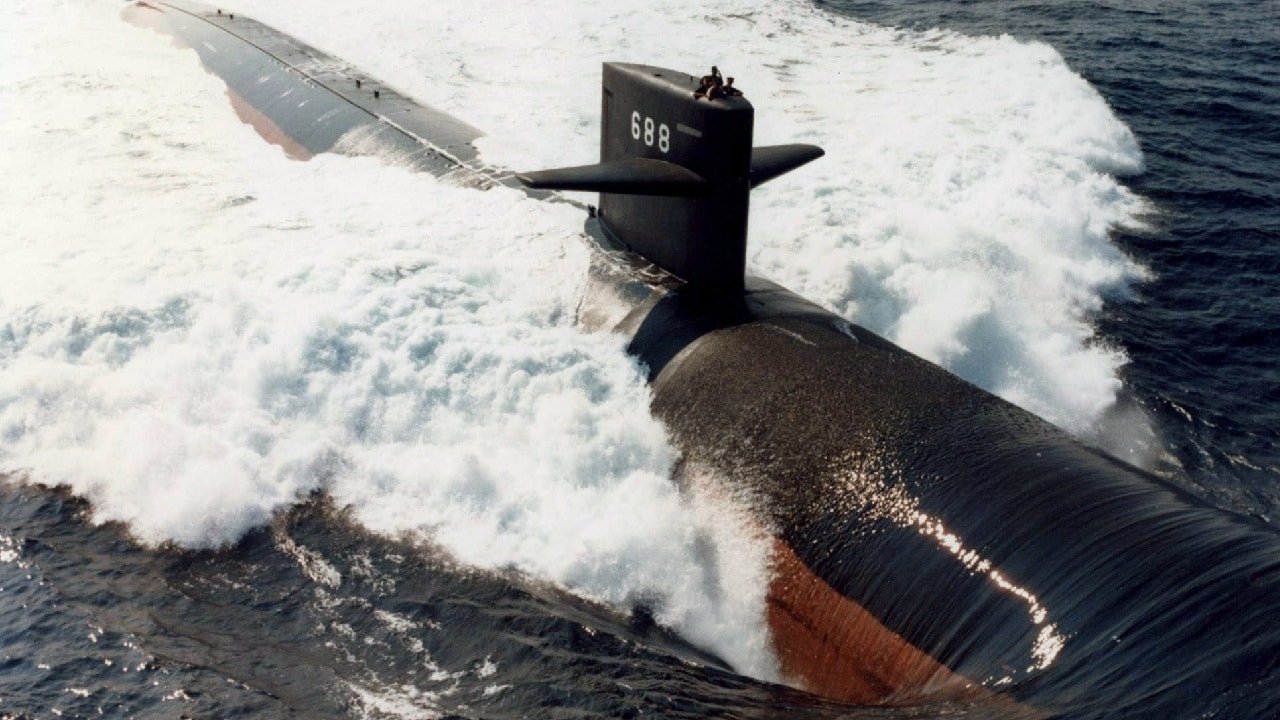
Los Angeles-class attack submarine. Image Credit: Creative Commons.
Such an arrangement would allow for Australia to start developing the capabilities needed to support a nuclear submarine program while still satisfying the needs of the AUKUS agreement.
One thing is certain, though—the deal as it is structured will never work.
AUKUS may not be dead. But it is on life support.
About the Author: Brandon J. Weichert
Brandon J. Weichert is the Senior National Security Editor at 19FortyFive.com. He was previously the senior national security editor at The National Interest. Weichert is the host of The National Security Hour on iHeartRadio, where he discusses national security policy every Wednesday at 8pm Eastern. He hosts a companion show on Rumble entitled “National Security Talk.” Weichert consults regularly with various government institutions and private organizations on geopolitical issues. His writings have appeared in numerous publications, among them Popular Mechanics, National Review, MSN, and The American Spectator. And his books include Winning Space: How America Remains a Superpower, Biohacked: China’s Race to Control Life, and The Shadow War: Iran’s Quest for Supremacy. Weichert’s newest book, A Disaster of Our Own Making: How the West Lost Ukraine, is available for purchase wherever books are sold. He can be followed via Twitter/X @WeTheBrandon.