
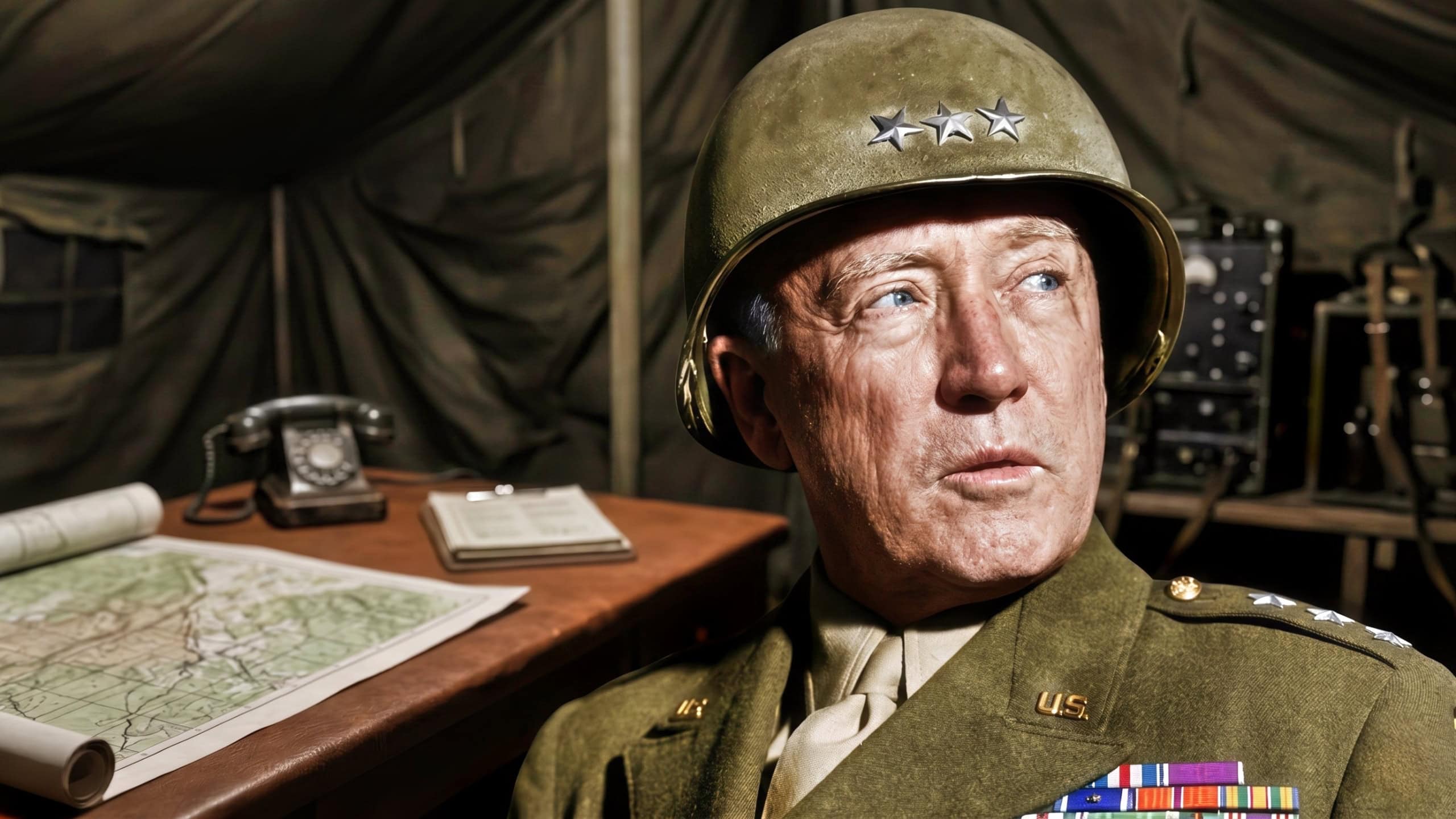
U.S. Army General George Patton Quote of the Day: “You’re Never Beaten Until You Admit It”
General George S. Patton Jr. was an outstanding combat leader, rising from a lieutenant in Mexico during the Punitive Expedition to chase Pancho Villa to commanding a battalion of the new armored forces in World War I and the Third Army in Europe during World War II.
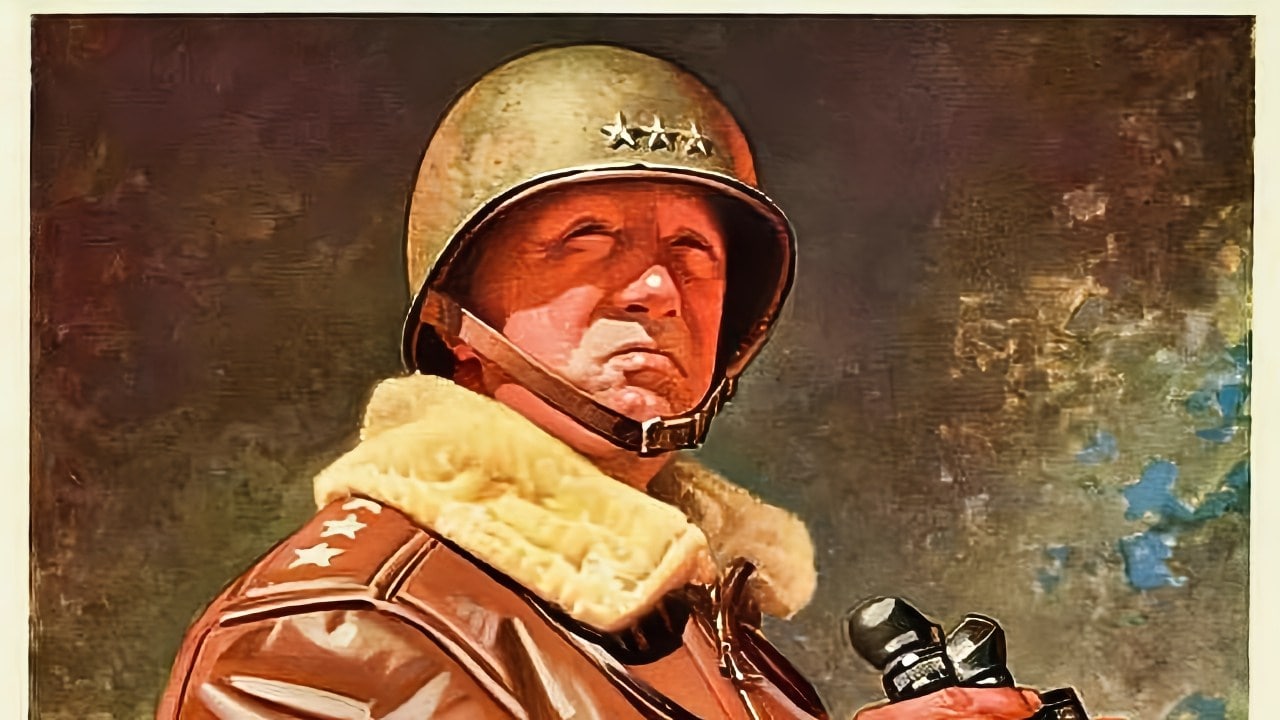
General George Patton. Image Credit: Creative Commons.
Patton was arguably the finest combat commander that the United States ever produced. He was one of the most admired and most controversial generals ever to wear the uniform of the United States Army.
Patton grew up in a military family, where his ancestors fought in the American Revolution and for the Confederacy during the Civil War. He believed in reincarnation and wrote poetry. Although in public, he often delivered intense, profane, and charismatic extemporaneous speeches designed to instill aggression, confidence, and a “killer instinct”.
Patton was an avid horseman, fencer, and athlete at the US Military Academy. He set the West Point record in the hurdles in his senior year.
Patton was also an Olympic Modern Pentathlete in the 1912 Games (and robbed of a medal). During the pistol competition, the judges ruled that he missed the target entirely. Patton, an expert marksman, claimed his shot went through the same hole (bullseye). He finished fifth because of it and would have earned a medal.
Significance Of The Patton Quote
Patton’s quote, “You’re Never Beaten Until You Admit It, encourages never giving up, regardless of the challenge. Patton was a firm believer in bravery under fire, relentless aggression, and never, ever giving up, regardless of the situation.
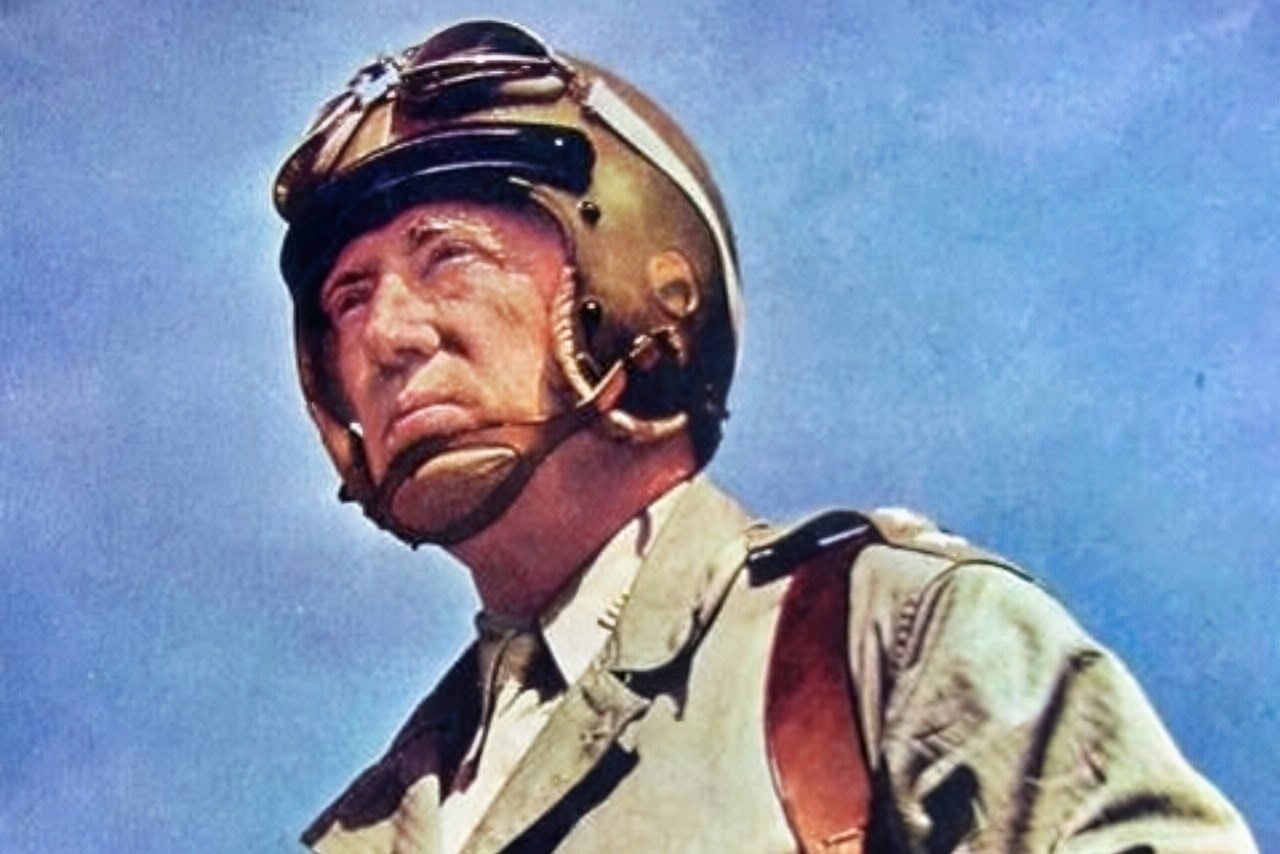
General George Patton of the U.S. Army. Image Credit: Creative Commons.
Patton’s mastery of armored warfare, unparalleled speed in offensive operations, and ability to inspire troops were legendary.
He led his troops to rapid victories across Morocco, Tunisia, Sicily, France, Belgium, Luxembourg, Germany, and Czechoslovakia, emphasizing aggressive, high-speed tactics and combined-arms warfare.
World War II, The North Africa Campaign
After the US entry into WWII, Operation Torch was the first US offensive in the European Theater of Operations (ETO).
During Operation Torch in November 1942, Patton commanded the Western Task Force, leading 39,000 U.S. troops in the invasion. After three days, Patton’s forces captured Casablanca, Morocco.
As part of the Allied invasion of French North Africa, Patton’s forces conducted the first amphibious landing in Europe, overcoming Vichy French resistance to secure the area. It also marked a turning point: after the invasion, French troops joined the Allied effort against the Germans.
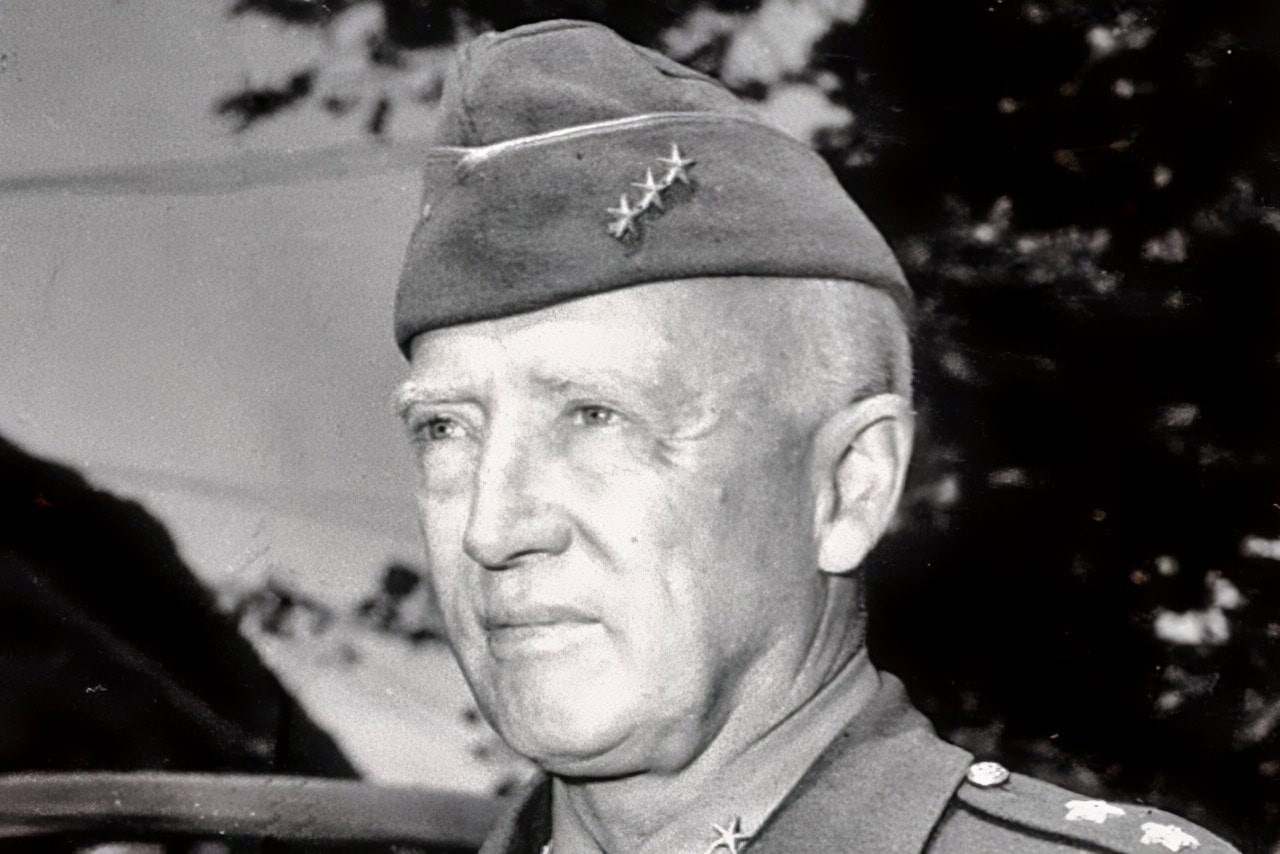
George S. Patton Quote of the Day. Creative Commons Image.
Patton Takes Over II Corps After The Debacle In Tunisia
In the first action between American troops and the veteran troops of the German Afrika Korps, the US troops suffered a humiliating loss. After his disastrous defeat at the Kasserine Pass by the Germans in Tunisia, the commander of II Corps, General Lloyd Fredenhall, was relieved after his troops were soundly defeated.
Discipline was poor, and his communications were nearly impossible for his commanders to decipher. His headquarters were over 70 miles from the front.
One particular message was indicative of the problems his subordinates faced when trying to glean the meaning of: “Move your command, i.e., the walking boys, pop guns, Baker’s outfit, and the outfit which is the reverse of Baker’s outfit and the big fellows to M, which is due north of where you are now, as soon as possible. Have your boys report to the French gentleman whose name begins with J at a place which begins with D, which is five grid squares to the left of M.”
In ten days of fighting during the battle, the green Americans lost 7,000 men and 183 tanks. Upon arriving in the II Corps area, Patton was shocked by the utter lack of discipline among US troops. In a diary post, he wrote, “I cannot see what Fredendall did to justify his existence. Have never seen such little order or discipline.”
Patton’s leadership quickly changed all of that, and shortly after that, his troops routed the German 10th Panzer Division at El Guettar.
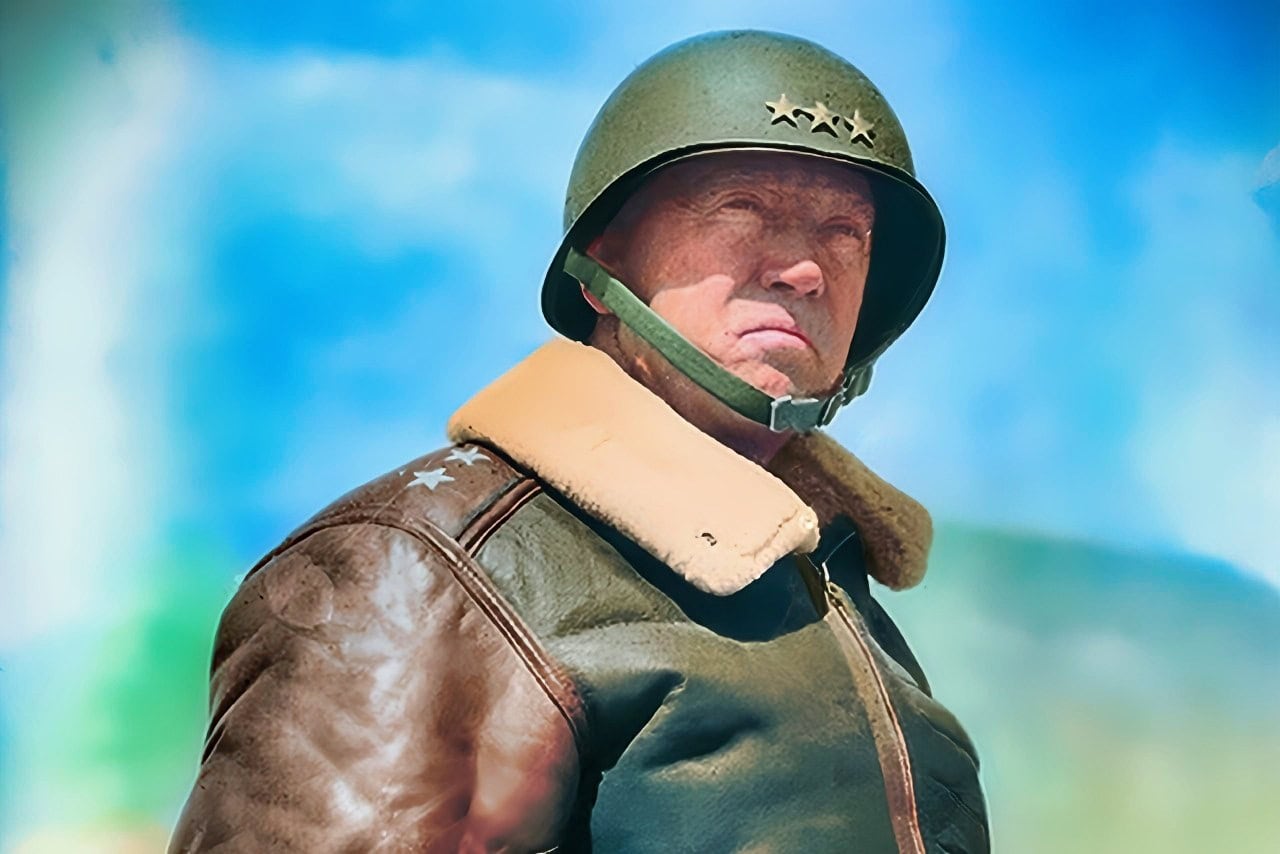
George Patton U.S. Army Photo
The Germans attacked Patton’s 1st Infantry Division (The Big Red One). And the infantrymen, with the support of the 601st Tank Destroyer Battalion, knocked out more than 30 German tanks, stopping the attack cold.
The British and US troops eventually pushed the Germans out of North Africa, clearing the way for the invasion of Sicily.
It was the first of Patton’s victories against the Germans during the war.
About the Author: Steve Balestrieri
Steve Balestrieri is a National Security Columnist. He served as a US Army Special Forces NCO and Warrant Officer. In addition to writing on defense, he covers the NFL for PatsFans.com and is a member of the Pro Football Writers of America (PFWA). His work was regularly featured in many military publications.