
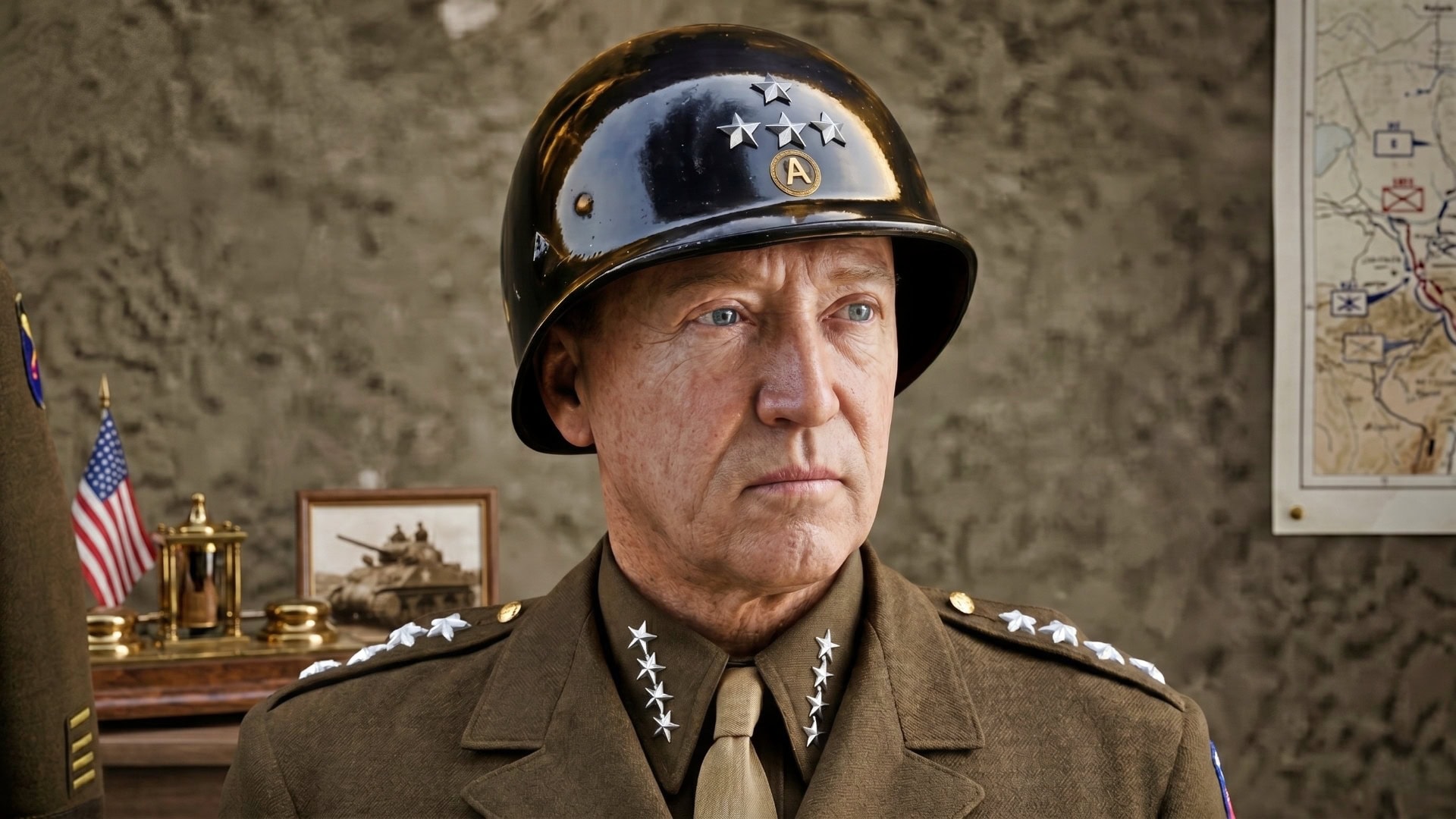
“Give me an army of West Point graduates, and I’ll win a battle; give me an army of Texas Aggies, and I’ll win a War.” – General George S. Patton
This quote, often attributed to Patton but disputed, was likely said in jest, but perhaps not. In any case, Patton always offers vital lessons on how to wage war and what lessons can be learned in military conflict.
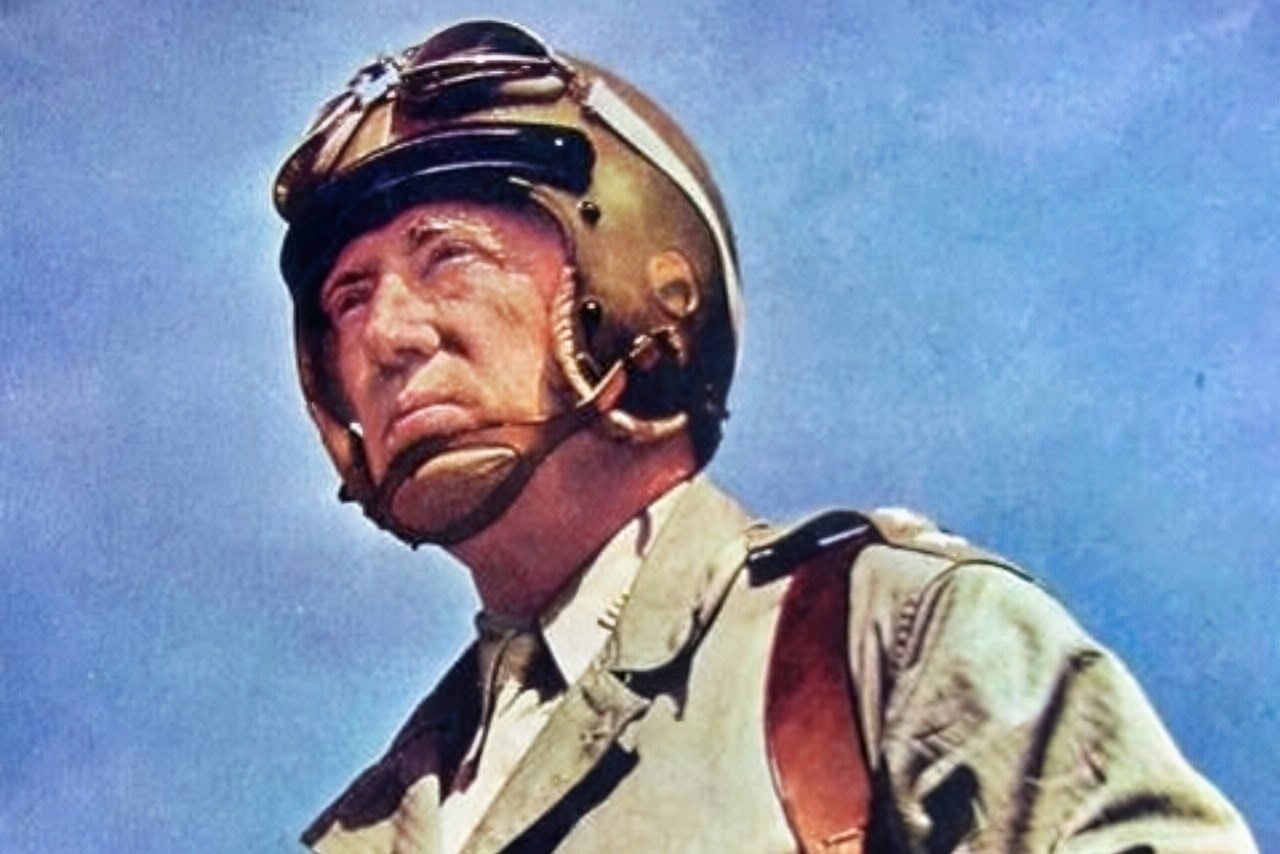
General George Patton of the U.S. Army. Image Credit: Creative Commons.
General George S. Patton – A Quote Machine That Defined the U.S. Army During WWII
Patton himself understood that while tactics and strategy are important, it is the courage and valor of the soldiers that ultimately decides the course of the battle.
For this reason, he tried hard to motivate his men and spur them on to fight. While his methods were sometimes cruel, he reasoned that the Army demanded nothing short of the best from its soldiers and pushed them hard.
Patton and His Soldiers
His SoldiersPatton viewed soldiers primarily as fighting men whose purpose was to achieve victory.
He believed that at the end of the day, war was but a brutal contest that demanded strength of will above all else.
This belief shaped how he interacted with his troops. He did not attempt to coddle his men or shield them from the harsh reality of combat, nor did he soften his language to preserve morale. Instead, he spoke directly and forcefully about fear and a soldier’s duty to their country.
He was convinced that men performed better when the stakes were explained in plain terms.
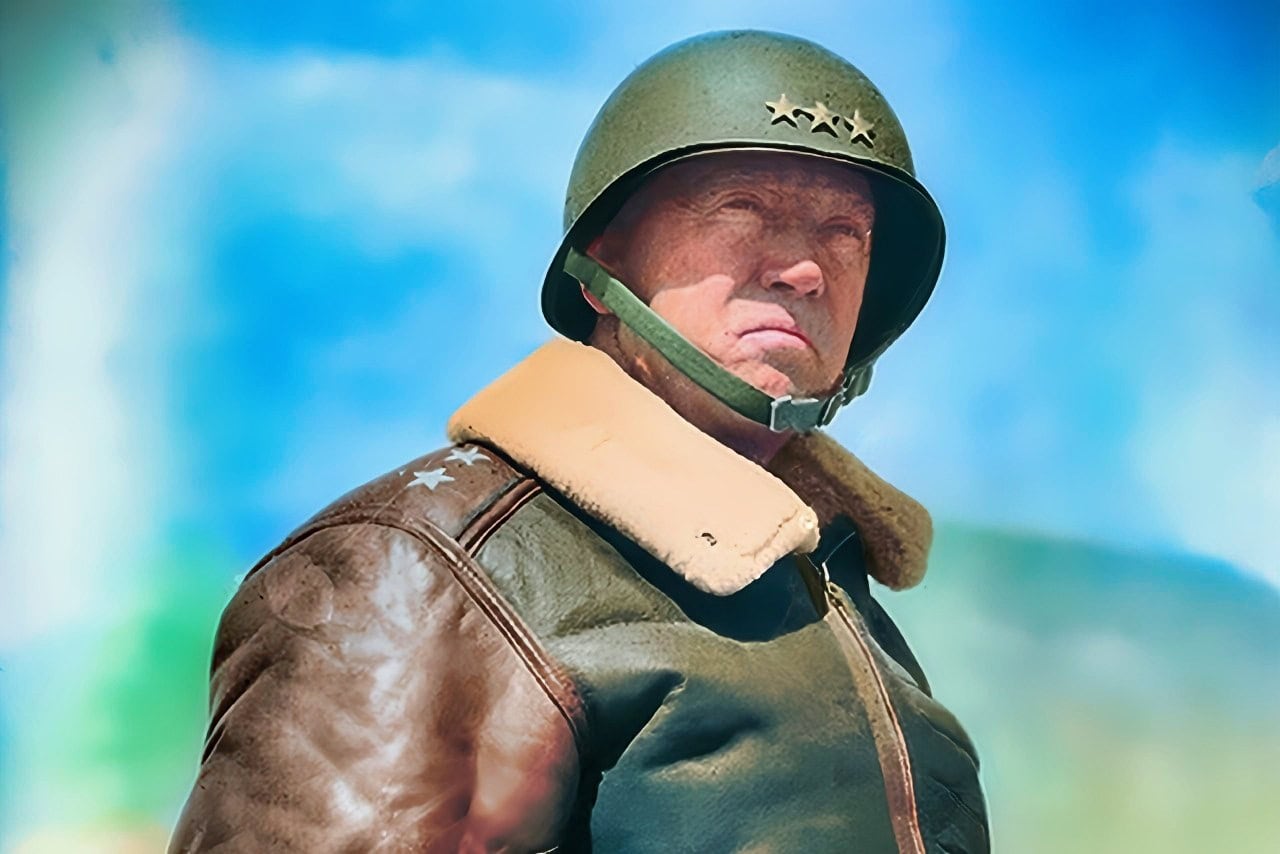
George Patton U.S. Army Photo
Patton was brutally honest about the war; he knew there was a good chance that many of his men would never return home. However, in his view, hiding this grim reality was an insult to his soldiers’ intelligence and courage.
To inspire (or perhaps also to intimidate) his troops, Patton cultivated a distinct image of himself.
He consciously fashioned himself as a warrior-general, complete with an ivory-gripped revolver and a clean, well-kept uniform.
This outward display was not a show of vanity, but rather, it was a projection of confidence and professionalism that he sought to cultivate in his troops.
Soldiers facing the prospect of combat often looked to their commanders for reassurance that the situation was under control, and Patton, through appearance alone, offered a great deal of reassurance to many of his men.
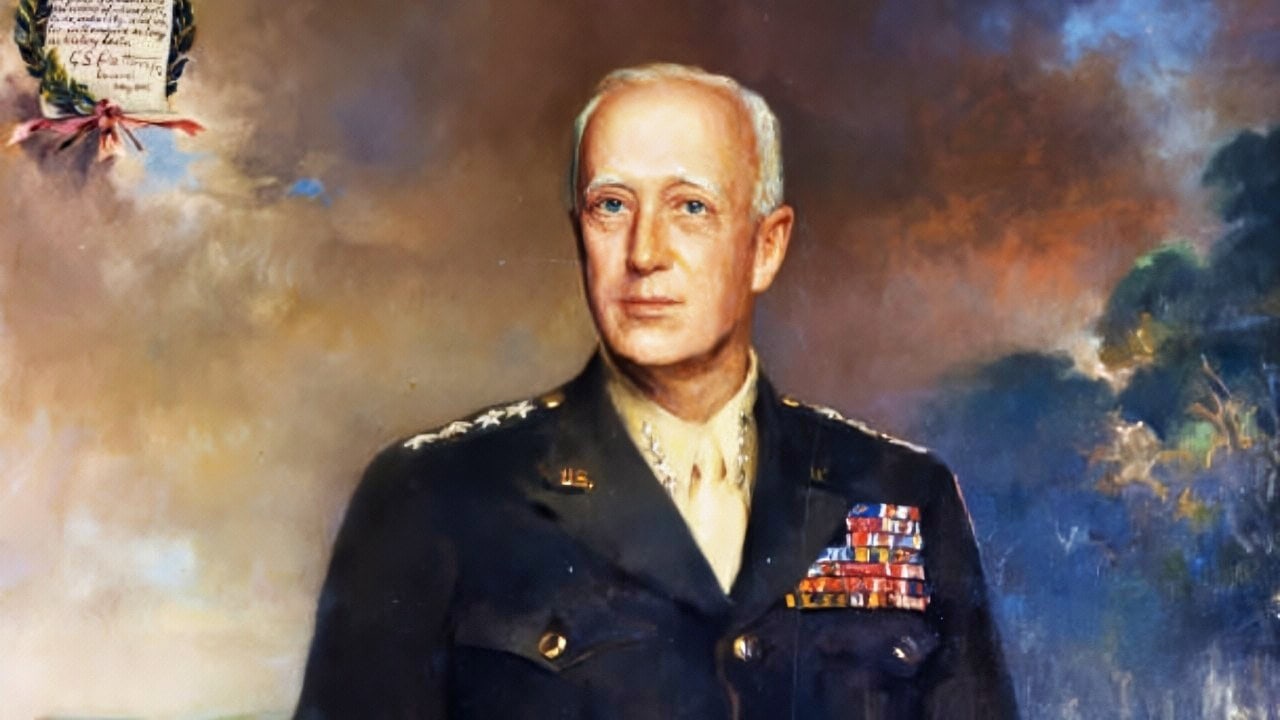
Portrait of Army General Patton. Image Credit: Creative Commons.
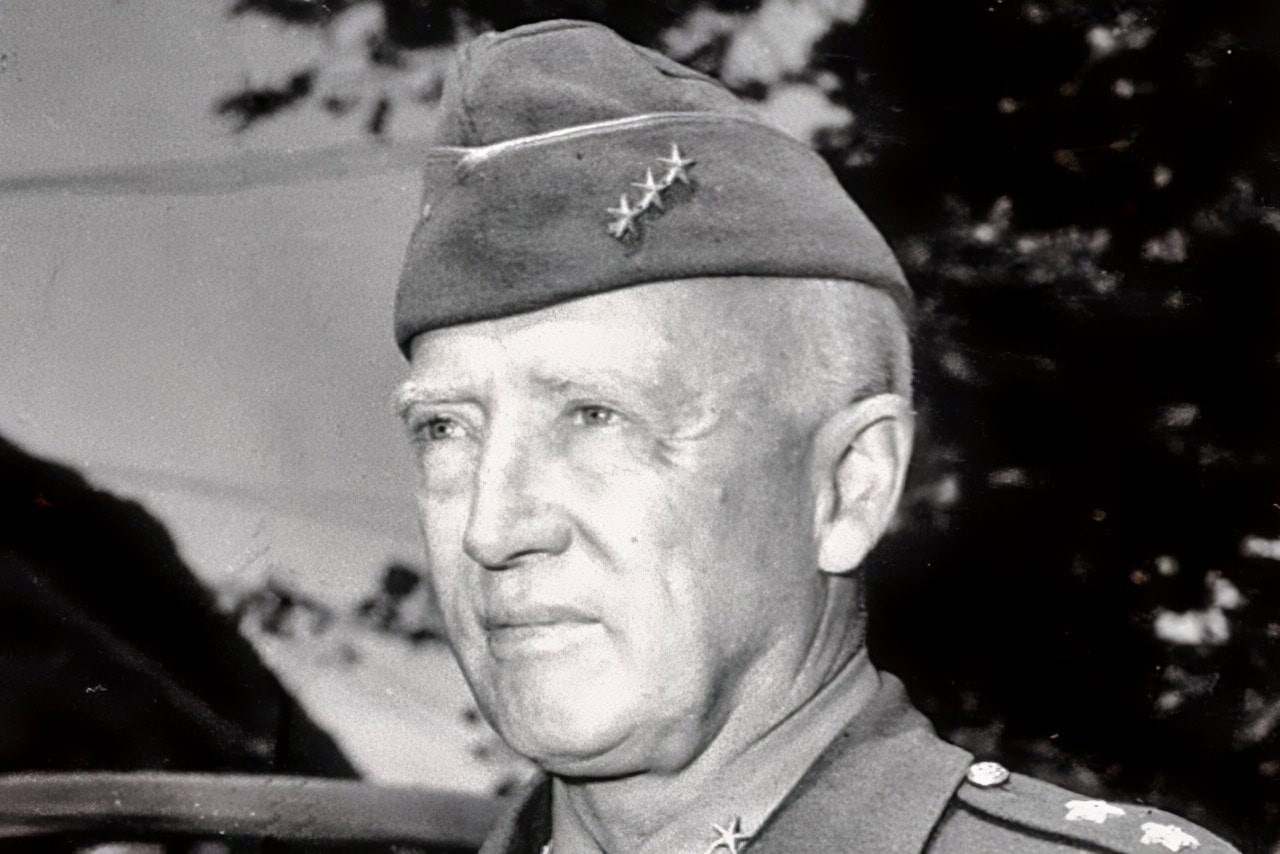
George S. Patton Quote of the Day. Creative Commons Image.
Courage and Confidence: The Mark of a Great Soldier
Despite Patton’s lack of political prowess and his inability to control his tongue around the press, he still possessed excellent rhetorical skills that he used to great effect on his troops.
Delivered in blunt, earthy language and often with much profanity, his speeches appealed directly to the emotions and instincts of fighting men.
His vulgar sense of humor also allowed him to stoop to the level of his troops and gave many of his men the sense that Patton was one of them at heart.
He praised those who fought with courage and valor and condemned those whom he described as cowards.
Even those who found his tone abrasive often admitted that it cut through anxiety and doubt in moments of uncertainty. Patton understood that soldiers did not need abstract rhetoric; they needed a commander who sounded certain of victory.
Discipline was the cornerstone of Patton’s command philosophy, and he enforced it vigorously on his subordinates.
He demanded strict adherence to standards of behavior, appearance, and performance, believing that discipline in small matters translated directly into effectiveness in battle. Helmets were to be worn correctly, vehicles had to be maintained meticulously, and orders had to be executed promptly.
Soldiers sometimes resented this rigid order, especially in rear areas where the troops rarely saw combat. However, many veterans later acknowledged that these demands instilled habits that saved lives once they reached the front lines.
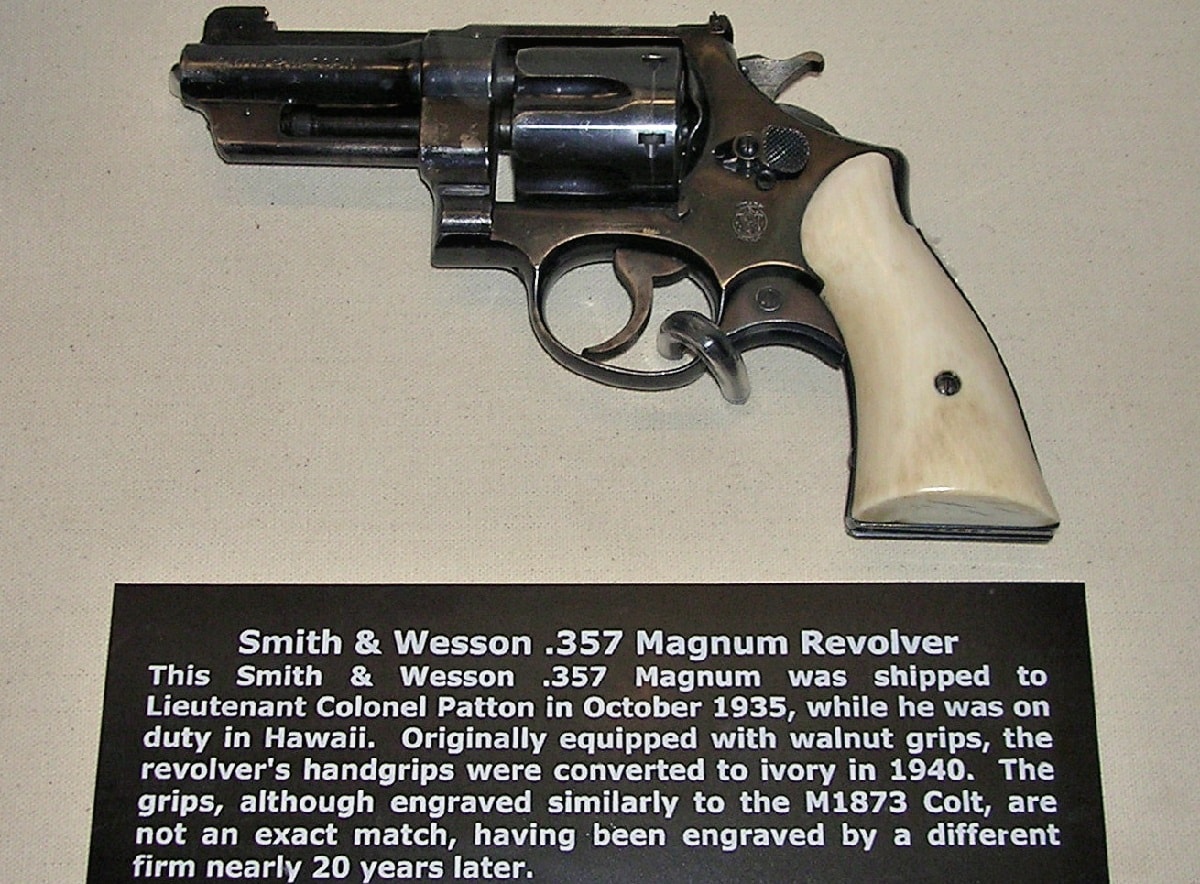
Patton’s well-known custom ivory-handled revolver.
“His Guts, Our Blood”
While Patton’s methods were undoubtedly effective, they sometimes verged on cruelty.
He had little tolerance for what he interpreted as weakness, particularly when he believed it threatened a unit’s fighting spirit. This is best illustrated in the now infamous slapping incidents during the Sicily campaign, when Patton struck two hospitalized soldiers suffering from severe battle fatigue.
To Patton, these men appeared to be avoiding combat, which he believed to be the lowest action that a soldier could take.
The public was quick to react, with the press hounding him for abusing his soldiers and calling for his removal from command. Allied command was also upset upon hearing of the incident and ordered Patton to issue a formal apology to his troops and everyone directly and indirectly involved.
While his methods were sometimes extreme, a critical factor in sustaining his troops’ loyalty was Patton’s willingness to place himself in danger alongside his men. He frequently visited front-line units, often under enemy fire, speaking directly with soldiers and observing the battlefield firsthand.
These visits made a powerful impression. Soldiers valued commanders who understood their circumstances, and Patton’s physical presence conveyed that he did not ask others to make sacrifices without sharing in the risk himself. This behavior earned him favor even among those who disliked his personality.
Under Patton’s command, soldiers developed a strong sense of identity. His army, particularly after the Normandy invasion, was renowned for the speed of its advance. Units took pride in being associated with his name, which fostered cohesion and motivation.
Soldiers pushed themselves to live up to the reputation of Patton’s army. This collective identity strengthened bonds among soldiers, even as it placed intense pressure on individuals to perform.
When Patton ordered his troops to halt their advance and march North to Bastogne in the dead of Winter, it was this bond and this cohesion that allowed them to accomplish wonders.
MORE – Army Quote of the Day by General George Patton: ‘You’re Never Beaten Until You Admit It’
About the Author: Isaac Seitz
Isaac Seitz, a Defense Columnist, graduated from Patrick Henry College’s Strategic Intelligence and National Security program. He has also studied Russian at Middlebury Language Schools and has worked as an intelligence Analyst in the private sector.