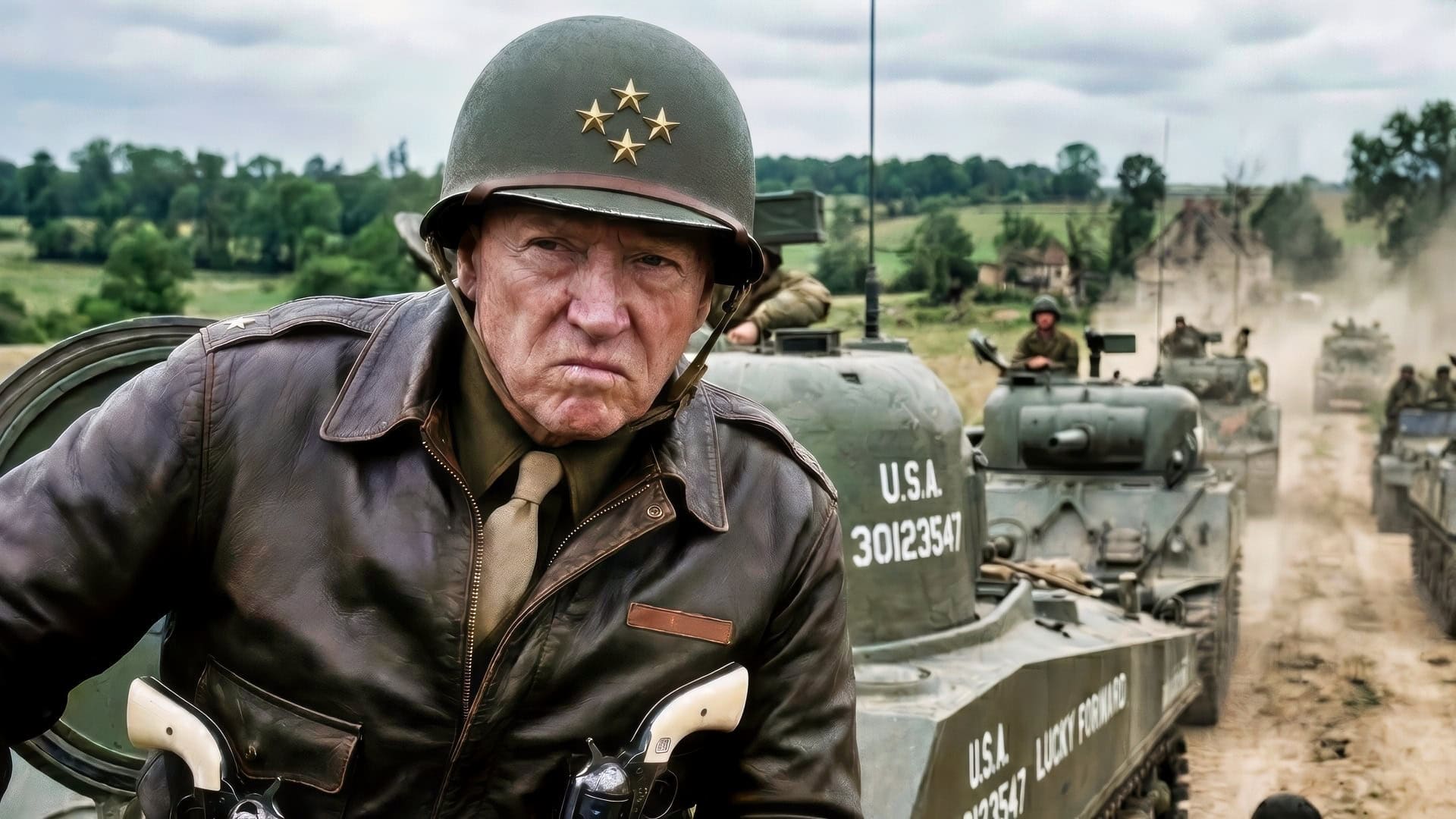
“War Means Fighting, Fighting Means Killing” – U.S. Army General George S. Patton
General George S. Patton Jr. was arguably the United States’ best combat field commander. Although highly controversial, he was highly respected by the men under his command.
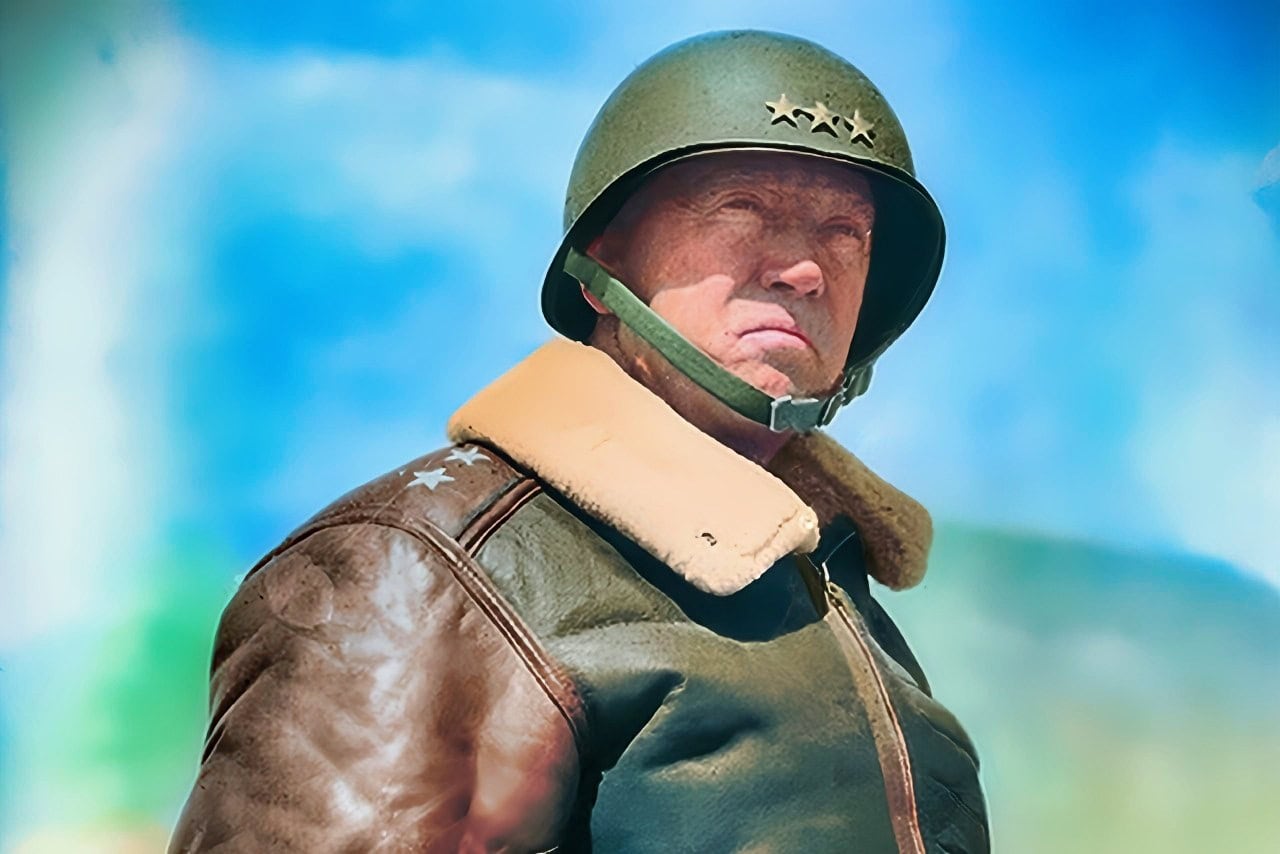
George Patton U.S. Army Photo
Most well-known for his service in World War II in North Africa, Sicily, and later Western Europe, Patton’s first taste of combat was in Mexico during America’s Punitive Expedition against Pancho Villa, and then in World War I as the first US tank corps commander.
George S. Patton and a Quote With Real Historical Weight
Patton’s mastery of armored warfare, unparalleled speed in offensive operations, and ability to inspire troops were legendary. He led the Third Army to rapid victories across France and Germany, emphasizing aggressive, high-speed tactics and combined arms warfare.
His quote, “War means fighting, fighting means killing,” is a quintessential summary of Patton’s uncompromising, brutal, and direct approach to warfare.
Significance and History of the Quote:
This quote was also mixed in with some of his other speeches with a similar quote, “War is a bloody, killing business. You’ve got to spill their blood, or they will spill yours. Rip them up the belly. Shoot them in the guts.”
And in fact, Patton was not the first person to use this particular quote. It was in first used by Confederate General Nathan Bedford Forrest, someone Patton greatly admired, studying his cavalry tactics and adapting them for modern armored warfare.
Patton, an avid student of military history and whose family fought for the Confederacy in the Civil War, viewed Forrest as a master of aggressive, high-speed, and decisive maneuver tactics.
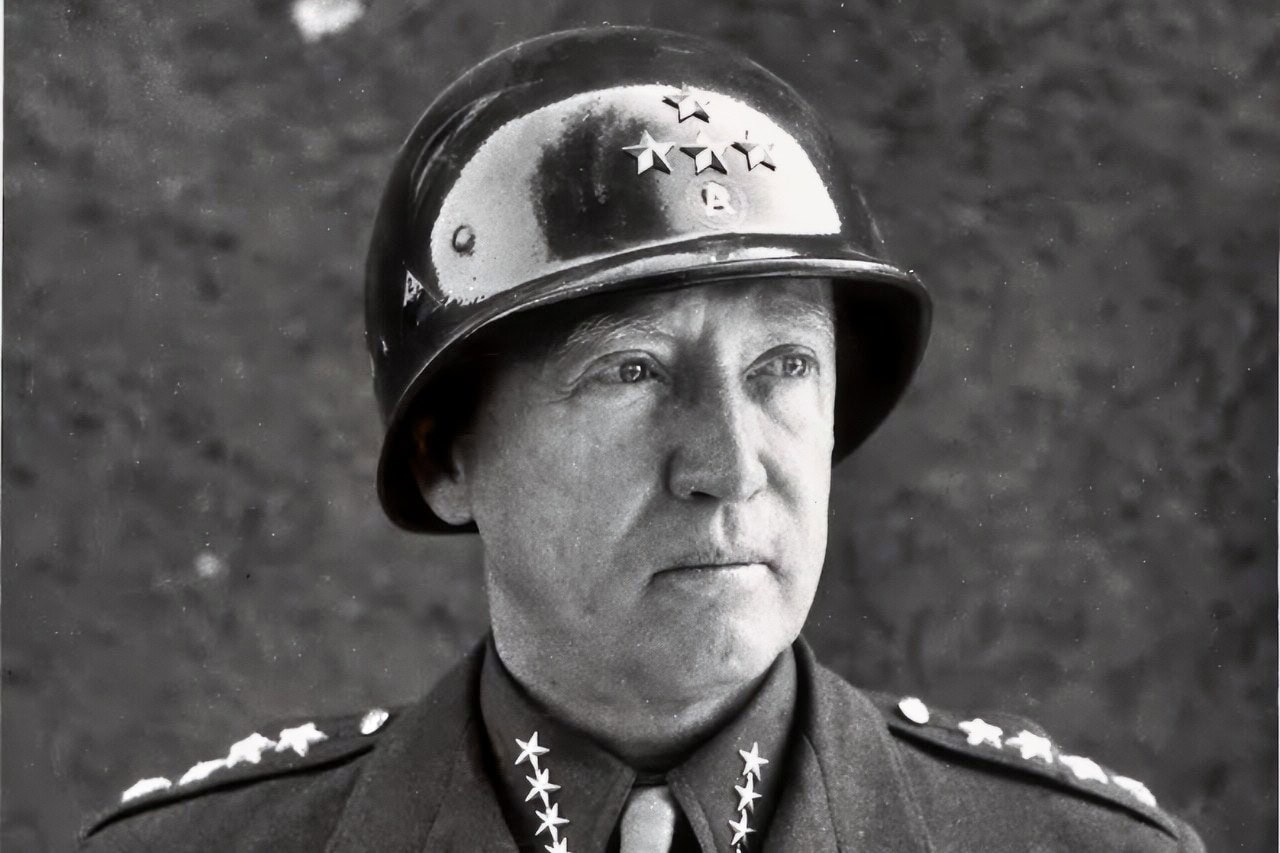
U.S. Army General George Patton

U.S. Army General George Patton. Image Credit: Creative Commons.
Patton was not alone in studying Bedford Forrest’s tactics, particularly the “split in half and attack in both directions” tactics, and adapted these maneuvers toSet featured image command tank units, aiming for the same speed and shock value. German general Erwin Rommel, “The Desert Fox,” also studied Bedford Forrest’s tactics closely.
The following are three of arguably Patton’s most important battles.
World War II, The North Africa Campaign:
After the US entry into WWII, Operation Torch was the first US offensive in the European Theater of Operations (ETO).
During Operation Torch in November 1942, Patton commanded the Western Task Force, leading 35,000–39,000 U.S. troops to seize Casablanca, Morocco.
As part of the Allied invasion of French North Africa, Patton’s forces conducted the first amphibious landing of the war in Europe, overcoming Vichy French resistance to secure the area.
But what happened after that was particularly important. During the first fighting between American and German forces of the Afrika Korps, the Americans suffered a disastrous defeat at the Battle of the Kasserine Pass by the Germans in Tunisia.
The commander of the US II Corps, General Lloyd Fredenhall was relieved after his troops were soundly defeated. Discipline was poor, and his communications were nearly impossible for his commanders to decipher. His headquarters were over 70 miles from the front.
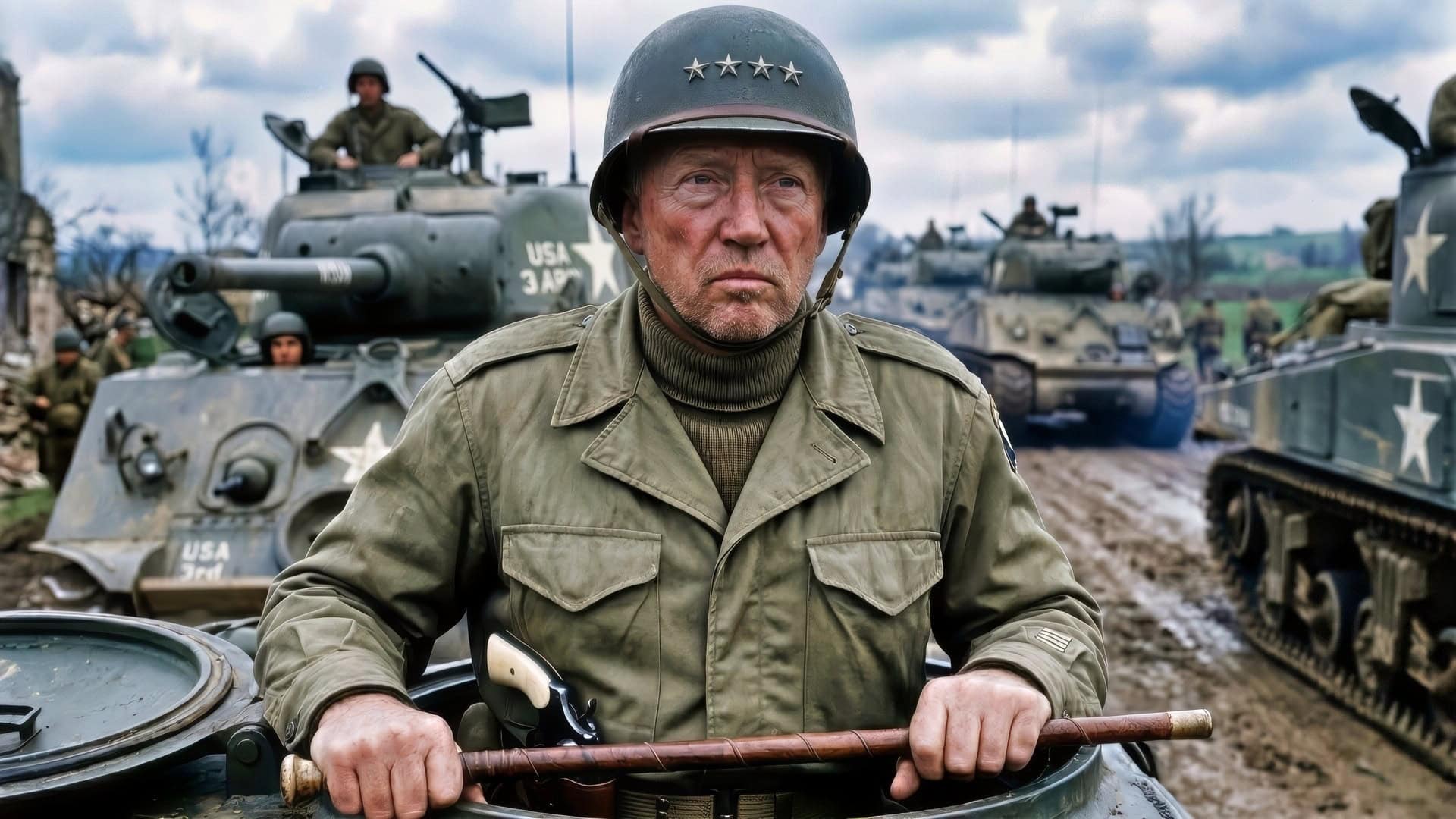
General George S. Patton Ready for War. Banana Nano Image.
Patton was given command of II Corps and had little time to reorganize, and revitalize his troops into a force that could take on the veteran German Panzer troops.
Patton’s leadership quickly changed all of that, and shortly after that, his troops routed the German 10th Panzer Division at El Guettar. The Germans thought that they would rout the Americans again, but this time, troops of 1st Infantry Division (The Big Red One), elements of the 9th Infantry Division, and the newly arrived 601st Tank Destroyer Battalion stopped the Germans cold.
After some early success, the Americans pushed 31 new M-10 Tank Destroyers into the line and they quickly destroyed 30 German tanks within one hour. The battle redeemed the U.S. Army after the disastrous Battle of Kasserine Pass, proved the effectiveness of American tank destroyers, and restored morale, signaling that U.S. forces were capable of winning against German armor.
The British and US troops eventually pushed the Germans out of North Africa, clearing the way for the invasion of Sicily.
Operation Fortitude And How It Influenced The D-Day Invasion:
Patton was a key element to the D-Day invasion of Normandy, although he wasn’t even a part of it.
Eisenhower used Patton as a decoy in Operation Fortitude, sending faulty intelligence to German agents that Patton was leading a fictitious Army Group during Operation Overlord, the Allied invasion of Europe.
Operation Fortitude was a massive WWII Allied deception campaign aimed at misleading German high command regarding the timing and location of the D-Day invasion.
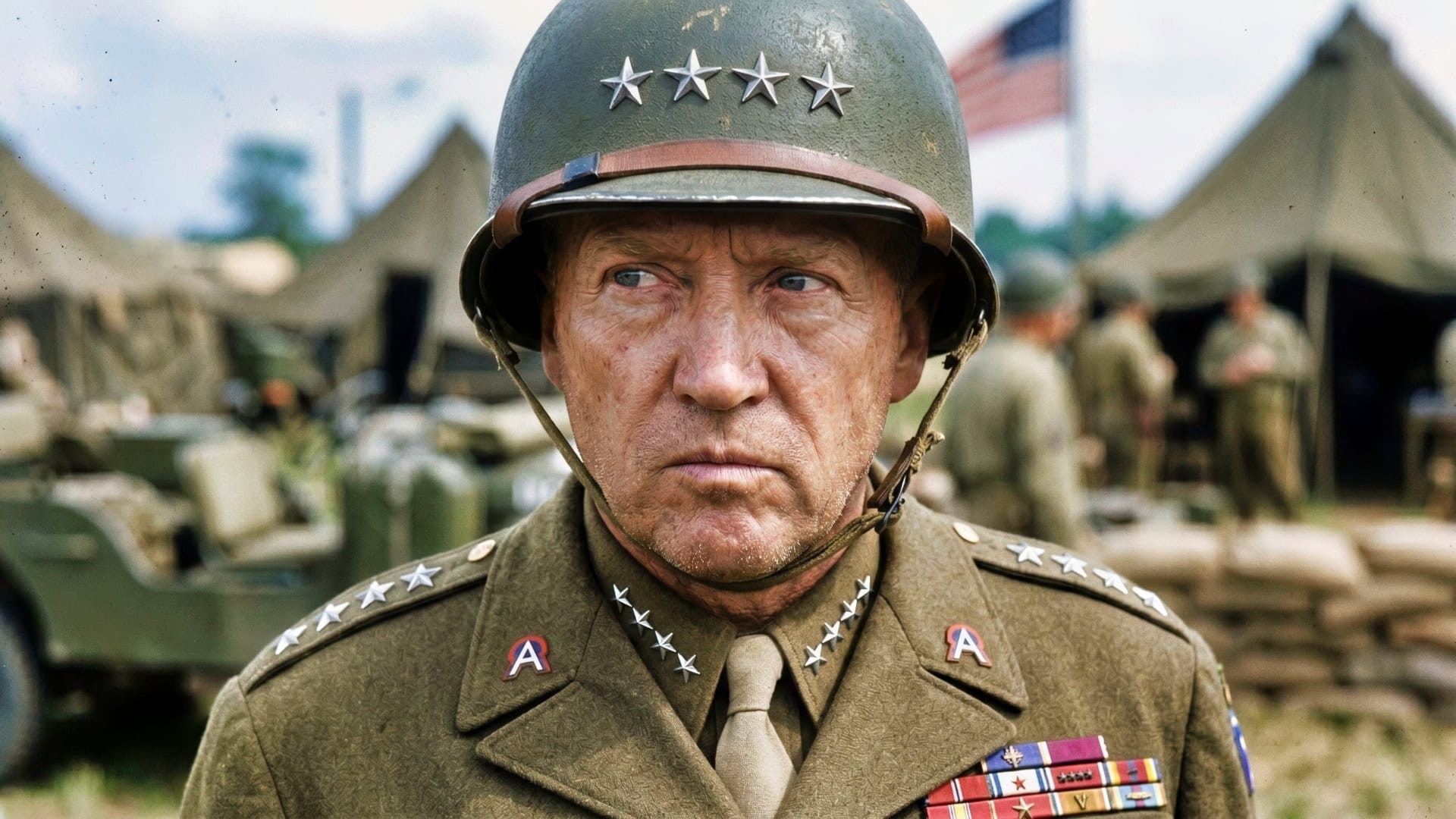
New General George Patton in Camp WWII. Image Credit: Banana Nano Image.
By using fake armies (inflatable tanks, dummy landing craft), fake radio traffic, and double agents to threaten Norway (North) and Pas-de-Calais (South), it forced Hitler to hold key reinforcements away from Normandy, ensuring Allied success
The Germans were convinced that Patton, not Montgomery, would lead the Allied invasion into France. The invasion was expected to take place in the Pas de Calais area. And the Germans bought it completely. Even in the immediate aftermath of D-Day, the Germans initially believed it was a diversionary attack until the scope of the invasion proved it was the real thing. But by then, the Allies had a bridgehead on the continent.
It wasn’t until August 1 that the Third Army was activated, and, together with the First Army, it became the 12th Army Group under General Omar Bradley, who had always been a subordinate to Patton. Patton did get a field command in France.
Third Army under Patton’s leadership executed one of the most rapid and brilliant campaigns in modern history, advancing across France, moving farther and faster than any other army at the time. They traveled 150 miles in 19 hours at one point, leaving German defenders completely on their heels.
Using the Germans’ blitzkrieg tactics, his forces swept eastward to Le Mans, closed the Falaise Gap where German forces in the West were encircled, and moved 475 miles to the Meuse River. The German Army on the Western Front was nearly destroyed.
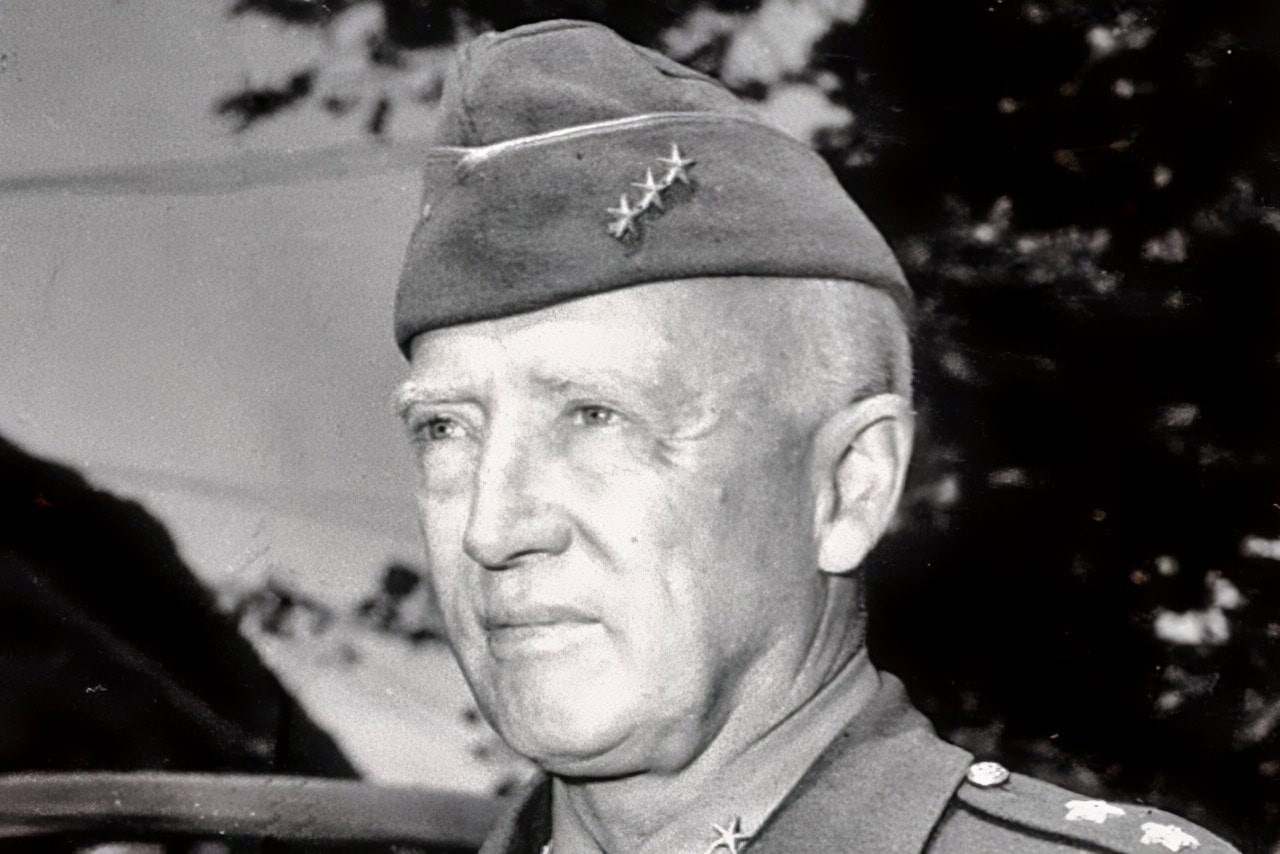
George S. Patton Quote of the Day. Creative Commons Image.
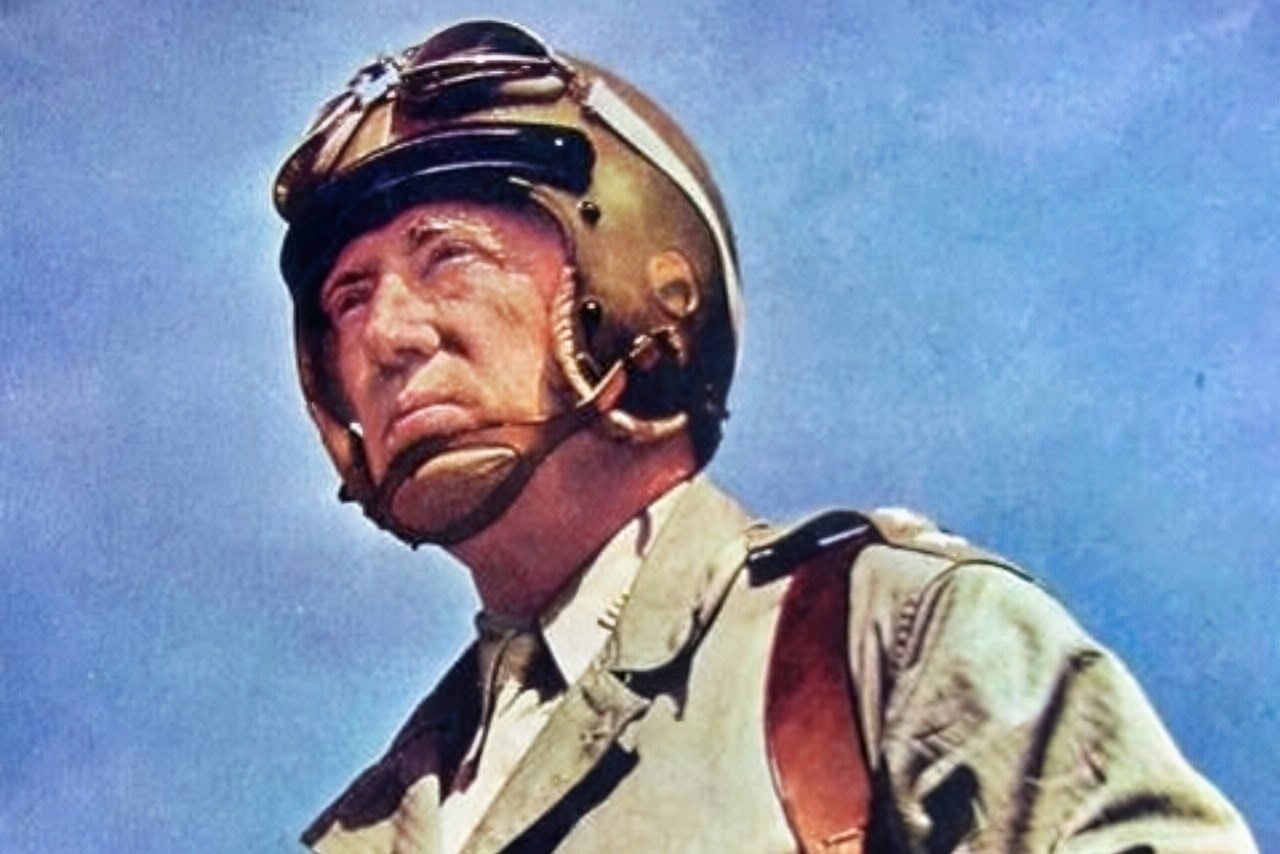
General George Patton of the U.S. Army. Image Credit: Creative Commons.
Patton’s Offensive During The Battle Of The Bulge:
The Germans’ Ardennes Offensive, known as the Battle of the Bulge, was Patton’s finest hour. Well before other Allied leaders recognized it for what it was (they thought it was merely a spoiling attack), Patton saw it and immediately had his staff begin planning for a pivot north.
Indeed, he was convinced the Germans would attack in the First Army area. On November 25, he wrote in his diary, “First Army is making a terrible mistake leaving the VIII Corps static; it is highly probable that the Germans are building up east of them.”
The day before the German attack on December 16th, he told his staff, “I want you, gentlemen, to start making plans for pulling the Third Army out of its eastward attack, change the direction ninety degrees, moving to Luxembourg and attacking north.”
After the German attack routed the green 106th Division, they created a huge bulge in the line between the Army Groups of Bradley and Montgomery. Their ultimate goal was to split the two armies and drive on Antwerp.
When Allied Supreme Commander Dwight Eisenhower held a crisis meeting on December 19, 1944, Patton promised and then delivered decisive action, pivoting his entire Third Army of over 250,000 men and hundreds of tanks in terrible weather.
Patton stunned all in the room by announcing, “I can attack with three divisions in forty-eight hours.”
It was an outstanding example of operational control of an Army, pivoting Third Army from a campaign in the Saar on the German border, turning 90 degrees and attacking the German flank of the Bulge.
This attack took place in the worst winter in over 50 years.
His troops of the 4th Armored Division broke the siege of Bastogne, allowing vital supplies to reach the 101st Airborne and allowing the evacuation of he wounded.
By January 16th, his troops took Houfalize and sealed off the Bulge.
It was his finest hour and showed the value of intelligence, prior planning, and superb operational control. No other US commander could have accomplished that in December 1944.
These battles show Patton’s aggressive, attacking spirit of his cavalry roots and helped shorten the war.
About the Author: Steve Balestrieri
Steve Balestrieri is a National Security Columnist. He served as a US Army Special Forces NCO and Warrant Officer. In addition to writing on defense, he covers the NFL for PatsFans.com and is a member of the Pro Football Writers of America (PFWA). His work was regularly featured in many military publications.