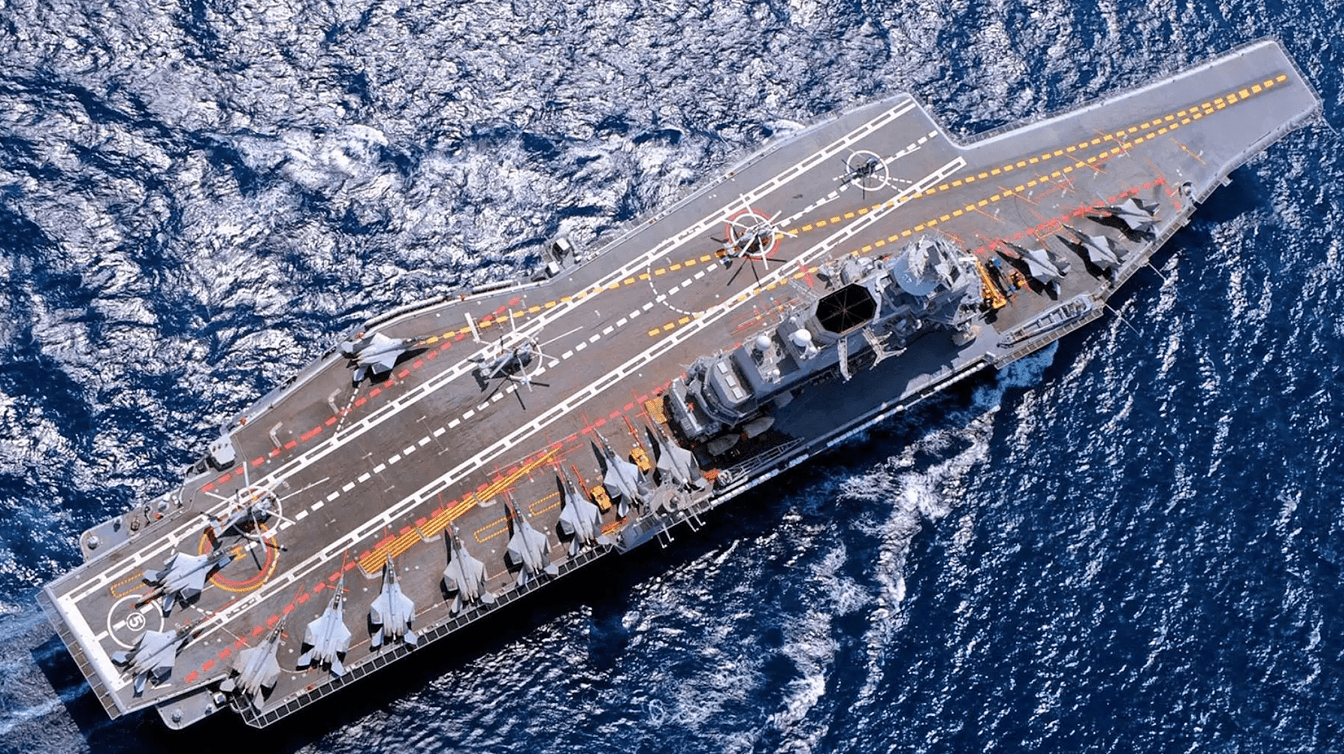
India is on the path to becoming the next great global power. To live up to this claim, New Delhi has been on a major military modernization push for over a decade. India’s navy is building new submarines, and they’re even committed to acquiring their own aircraft carrier capability. To jumpstart the Indian Navy’s quest for aircraft carriers, New Delhi purchased an old Soviet-era carrier from the Russians.
India’s Carrier Ambitions Meet Painful Soviet-Era Realities
Known today as the Indian Naval Ship (INS) Vikramaditya, the Soviet Union commissioned it in 1987 as Baku.
Unlike American supercarriers, the Soviets designed her as a hybrid “carrier-cruiser.” The Baku was effectively part missile platform, part aviation ship. Soviets armed the Baku with heavy anti-ship missiles, such as the P-500 Bazalt.
Fundamentally, the Baku reflected Soviet naval doctrine, which differed from that of the US Navy.
In the US Navy, carriers are the centerpiece of surface warfare power projection. In the Soviet Navy, carriers were merely support systems that augmented other aspects of the Soviet fleet (such as submarines and missiles).
From Cold War Relic to Modern Strategic Gamble
Once the USSR collapsed at the end of the Cold War, the post-Soviet Russian Federation was cash-strapped and militarily overstretched.
During that era, Moscow renamed Baku to Admiral Gorshkov.
In 1996, years of neglect led to a boiler explosion, and the Russians mothballed Admiral Gorshkov.
By the early 2000s, India faced a dangerous capability gap.
Their only aging carrier, the INS Viraat, was nearing retirement. New carriers from the United States or Europe were financially out of reach. So, New Delhi turned to its Russian friends (who desperately needed the money and wanted badly to offload the Gorshkov).
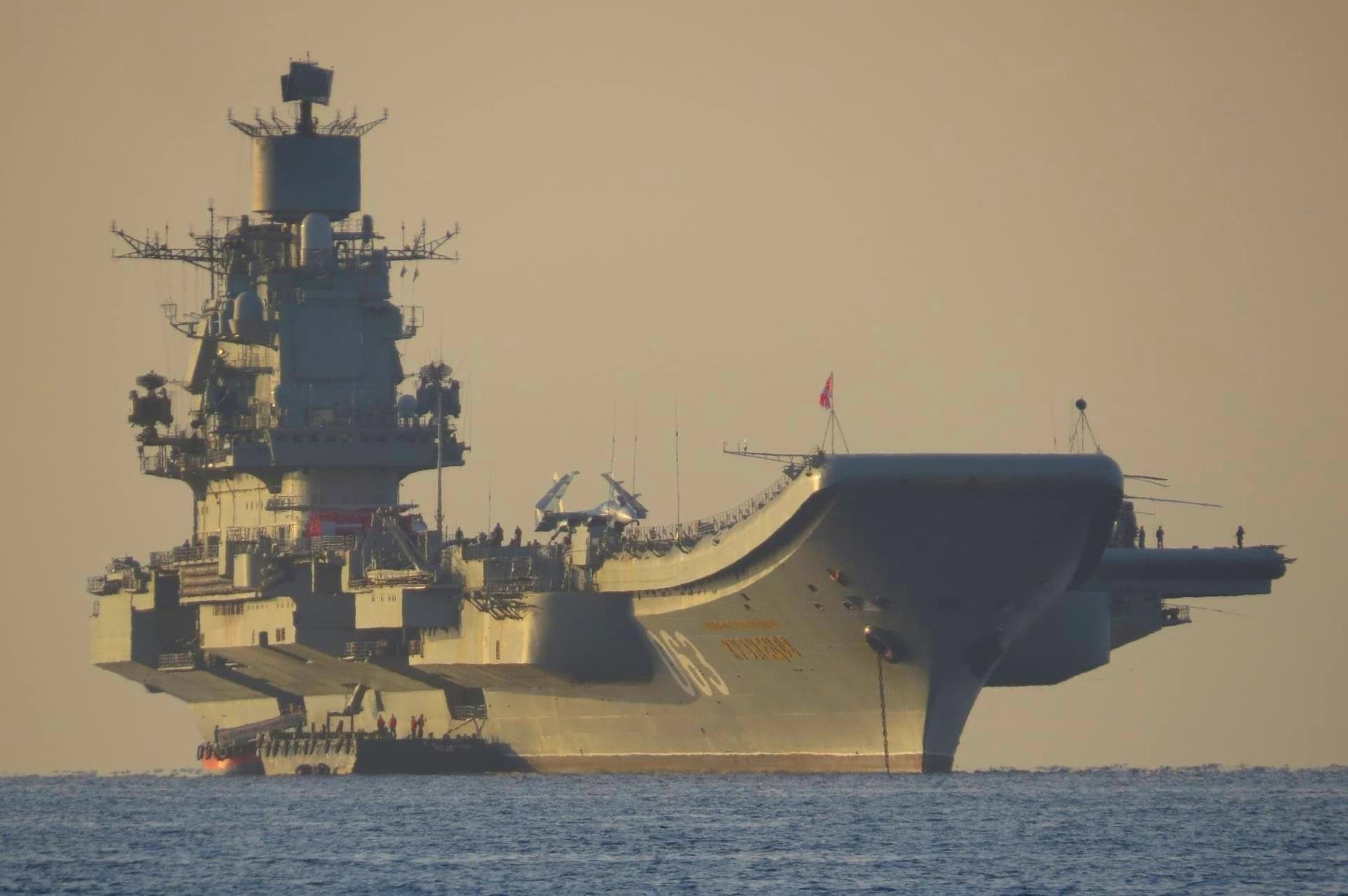
Aircraft Carrier Admiral Kuznetsov. Image Credit: Creative Commons.
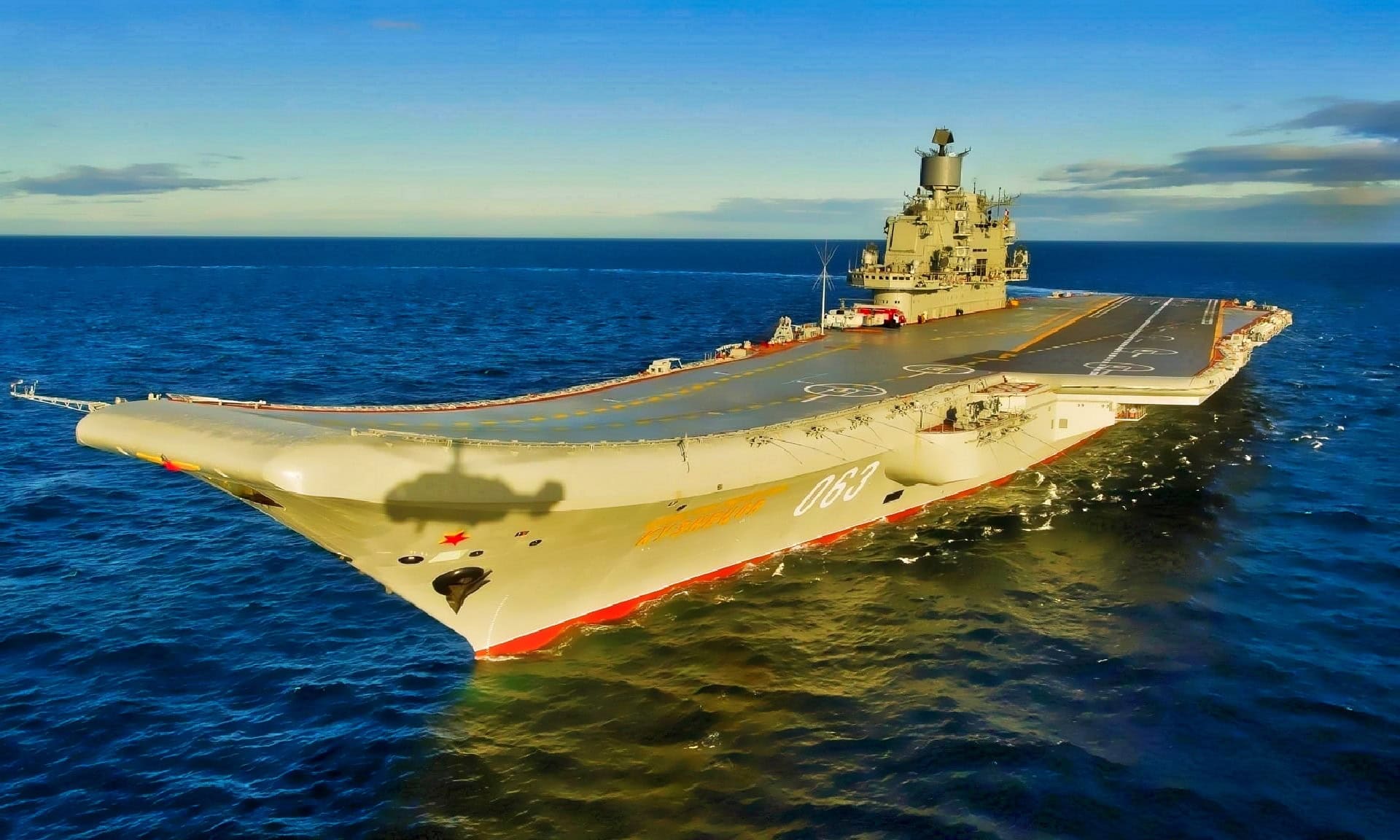
Admiral Kuznetsov Aircraft Carrier. Image Credit: Creative Commons.
In 2004, New Delhi struck a deal with Moscow to procure the aging and poorly maintained Admiral Gorshkov.
The Bargain That Became a Money Pit
The ship was essentially free because the Russians were so eager to end their support for the vessel. India then invested approximately $974 million in refitting the Admiral Gorshkov.
They added $1 billion to develop an air wing for the carrier and upgrade all its systems.
India planned to transform the dying Soviet relic into a modern carrier, replete with a Short Take-Off But Arrested Recovery (STOBAR) system that was capable of handling MiG-29K warplanes.
New Delhi believed it had gotten the bargain of the (young) century.
Twenty-two years later, it was less of a deal and more of an epic poison pill.
India paid for the upgrade of Russia’s iconic Sevmash shipyard for the Admiral Gorshkov.
There were massive cost overruns that ballooned to more than $2 billion, with Moscow demanding the full price upfront.
The expected delivery was sometime in 2008. But the actual delivery date was 2013. It turned out that the Sevmash shipyards were among the best submarine builders in the world.
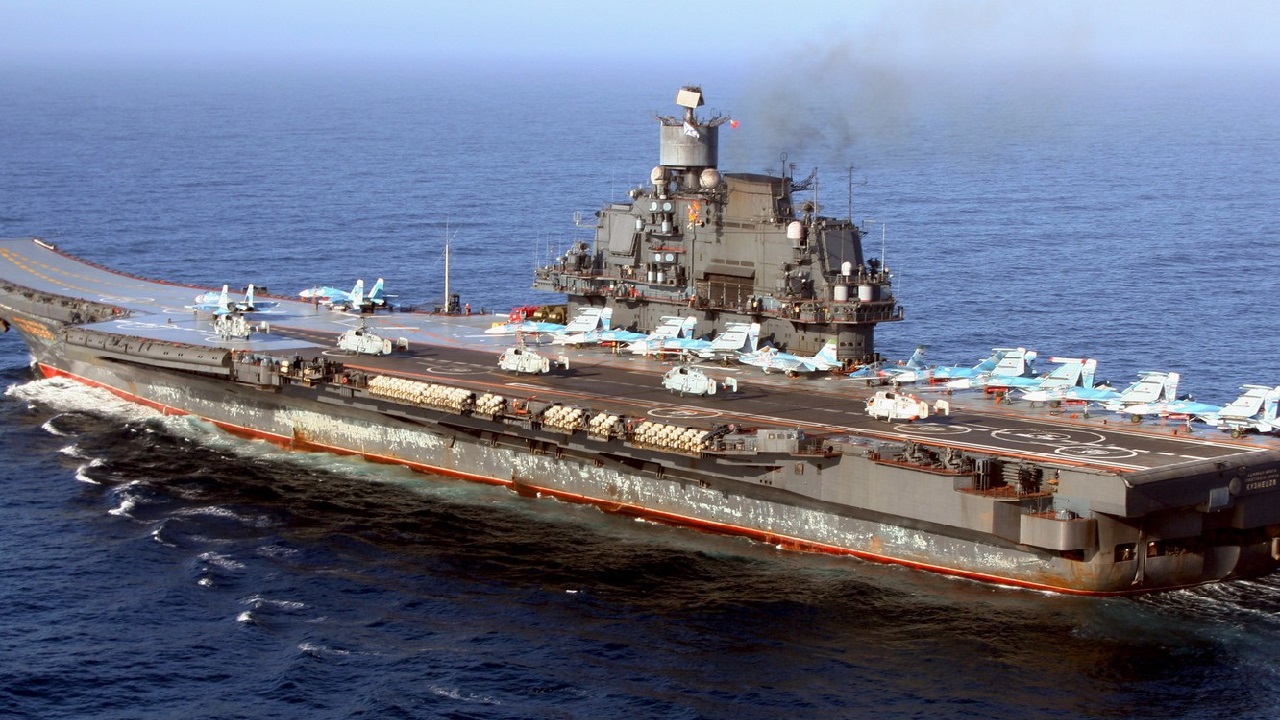
Admiral Kuznetsov Aircraft Carrier. Image Credit: Creative Commons.
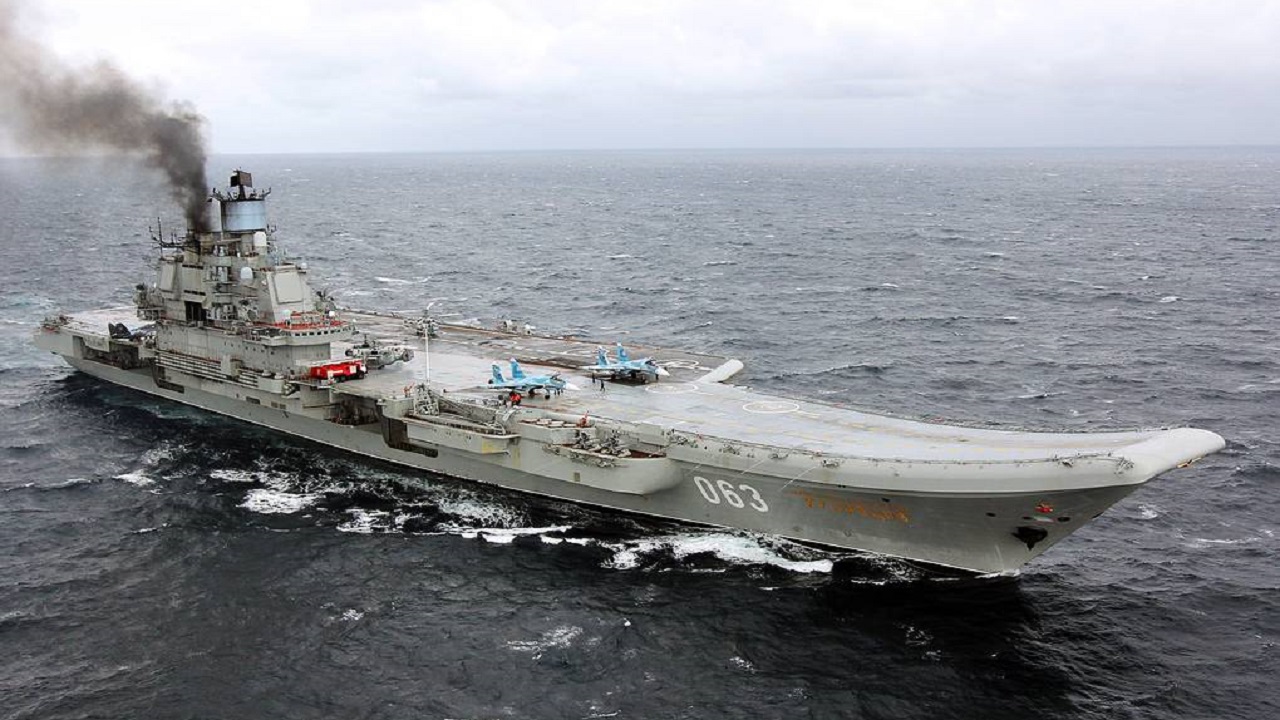
Russian Navy Northern Fleet Press Office/TASS/Russian State Media
When it came to building and upgrading aircraft carriers, however, they weren’t as proficient as they claimed.
There was widespread industrial incompetence among the Russians in their upgrades to the Admiral Gorshkov.
Because New Delhi had already sunk $1 billion into the project, it lacked the option to abandon the project with Russia.
The Russians knew this, and they, therefore, effectively held the Indians hostage in the deal
. Things got so tense between the Russian and Indian sides over the failed deal that then-Russian President Dmitri Medvedev had to intervene in 2009 to personally move the project forward.
Technical Problems That Didn’t End at Delivery
Even after its commissioning into the Indian Navy in 2013, problems persisted.
Russian engineers replaced all eight boilers on the ship.
Yet, even after their replacement, major defects with these systems emerged. The ship broke down midway through its transit from Russia to India.
Meanwhile, Russian engineers blamed Chinese components for the many failures. Beijing denied involvement.
One of the biggest problems was that the Russians sourced parts for the Admiral Gorshkov upgrade from more than 200 contractors across multiple countries! This decision by Sevmash engineers ensured delays and cost overruns.
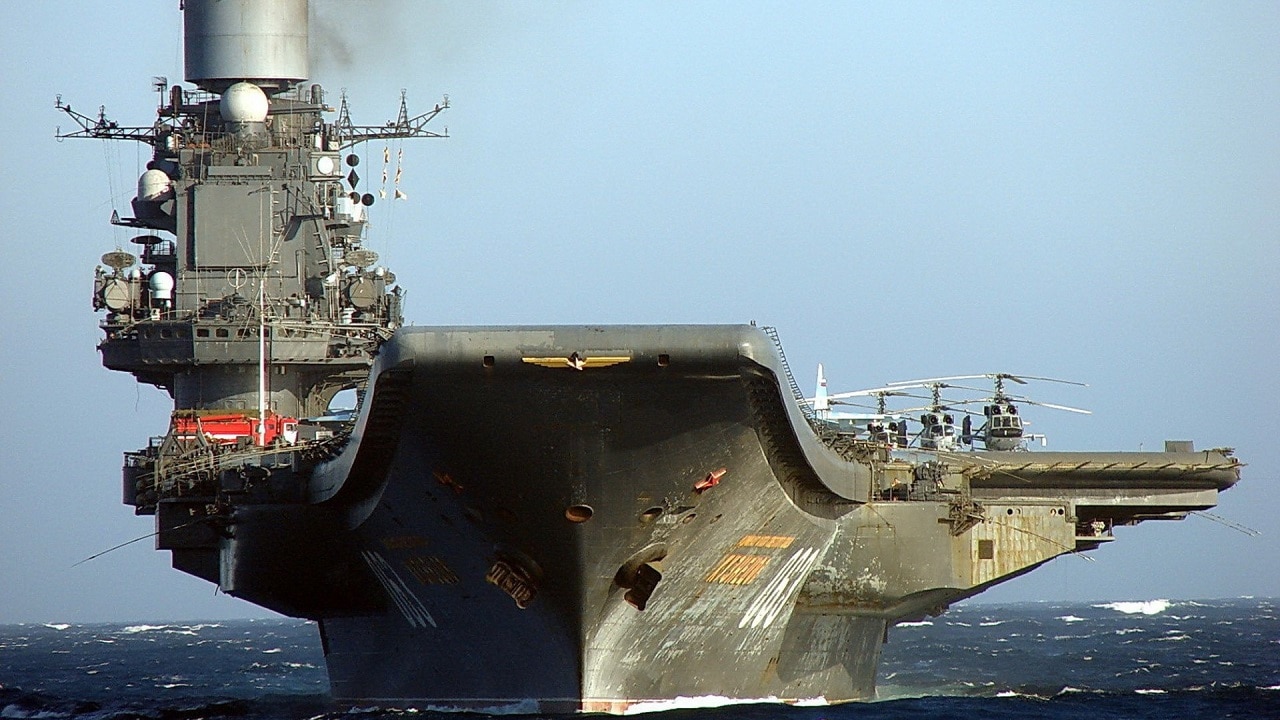
Russia Admiral Kuznetsov. Image Credit: Image Creative Commons.
What’s more, it has made long-term sustainment of the ship a complex and, therefore, costly affair for the Indian Navy.
Then there was the lack of modern self-defense on the carrier.
For instance, the carrier lacks modern Close-In Weapon Systems (CIWS) and relies heavily on its escorts, such as the INS Kolkata, for protection. At the same time, all carriers rely on their escorts for layered defense.
Few rely on their escorts in the way that the Admiral Gorshkov (now INS Vikramaditya) does.
What India Actually Got
Despite all the problems, the Vikramaditya is technically a functional carrier. She has a displacement of around 44,500 tons and a 900-foot flight deck with a ski-jump.
Her air wing today includes Russian-made MiG-29K warplanes and Kamov helicopters.
This very bad system nevertheless ensured that India would not suffer through a severe carrier capability gap after their Viraat aircraft carrier was retired in the early 2000s.
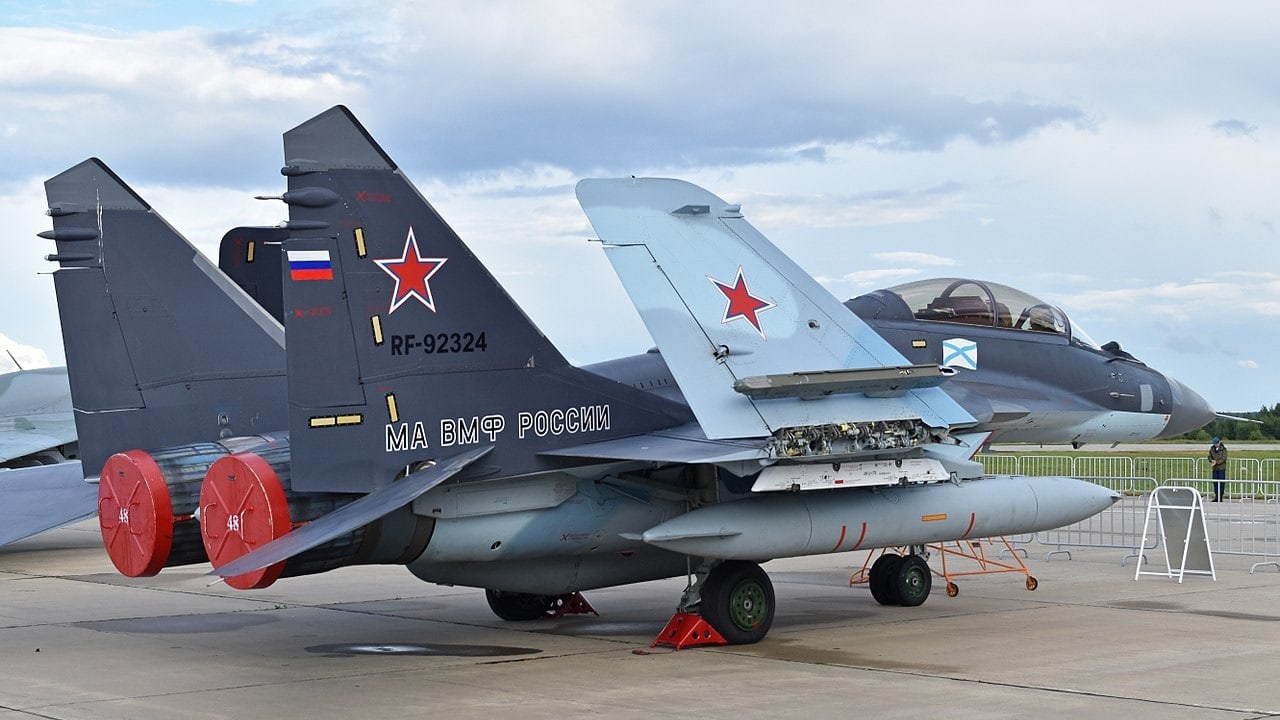
Naval variant of the second generation MiG-29, with the NATO codename ‘Fulcrum-D’. Reported to be operated by the 100th Independent Shipborne Fighter Aviation Regiment (OKIAP) based at Severomorsk. On static display at the Aviation cluster of the ARMY 2017 event. Kubinka Airbase, Moscow Oblast, Russia.
By having Vikramaditya at the ready, even in its diminished capacity, New Delhi could effectively counter China’s growing carrier force in the Indian Ocean, too.
Unlike China, which also purchased an aging Soviet-era carrier from Russia and successfully upgraded it, India has struggled to mass-produce its own indigenous advanced carriers.
In contrast, the Chinese have successfully done so ever since acquiring the Liaoning aircraft carrier from Moscow.
Strategic Reality: Mistake or Necessary Evil?
Overall, the Indians made a terrible deal with the Russians. It went over-budget, it was years late, and the maintenance headaches have ensured this ship was the definition of a sunk cost.
Without Vikramaditya, however, India would have a severe carrier gap at the very moment that China was rapidly expanding its navy.
The Vikramaditya fiasco highlights a greater problem. That is India’s defense procurement process, which is nowhere near as reliable or effective as that of other nations, such as China.
In fact, last year’s Indo-Pakistani War highlights the painful reality that Pakistan’s defense procurement system might be more effective than even India’s!
After all, Pakistan employed Chinese-made warplanes and missiles so successfully at the start of that four-day conflict that India essentially ran up the escalation ladder in a bid to stop the Pakistanis from beating India with those Chinese-made systems.
Mistake or Necessary Evil?
Already, then, India’s military modernization program is running into major complications, notably with its navy–likely the most important aspect of its modernization campaign, given the threat that China poses to India’s interests in the Indian Ocean.
The story of the INS Vikramaditya is about what happens when strategy, budgetary limitations, and industrial weaknesses collide. India didn’t get a bargain. They got a hard lesson in military procurement.
If New Delhi can apply those hard-learned lessons to future Indian ship design, then it will ultimately have been worth it. Thus far, however, it still appears as though India hasn’t fully learned.
And that failure could prove an unmitigated one whenever India faces its next major threat.
About the Author: Brandon J. Weichert
Brandon J. Weichert is the Senior National Security Editor at 19FortyFive.com. Recently, Weichert became the editor of the “NatSec Guy” section at Emerald. TV. He was previously the senior national security editor at The National Interest. Weichert hosts The National Security Hour on iHeartRadio, where he discusses national security policy every Wednesday at 8 pm Eastern. He hosts a companion show on Rumble entitled “National Security Talk.” Weichert consults regularly with various government institutions and private organizations on geopolitical issues. His writings have appeared in numerous publications, among them Popular Mechanics, National Review, MSN, and The American Spectator. And his books include Winning Space: How America Remains a Superpower, Biohacked: China’s Race to Control Life, and The Shadow War: Iran’s Quest for Supremacy. Weichert’s newest book, A Disaster of Our Own Making: How the West Lost Ukraine, is available for purchase at any bookstore. Follow him via Twitter/X @WeTheBrandon.