
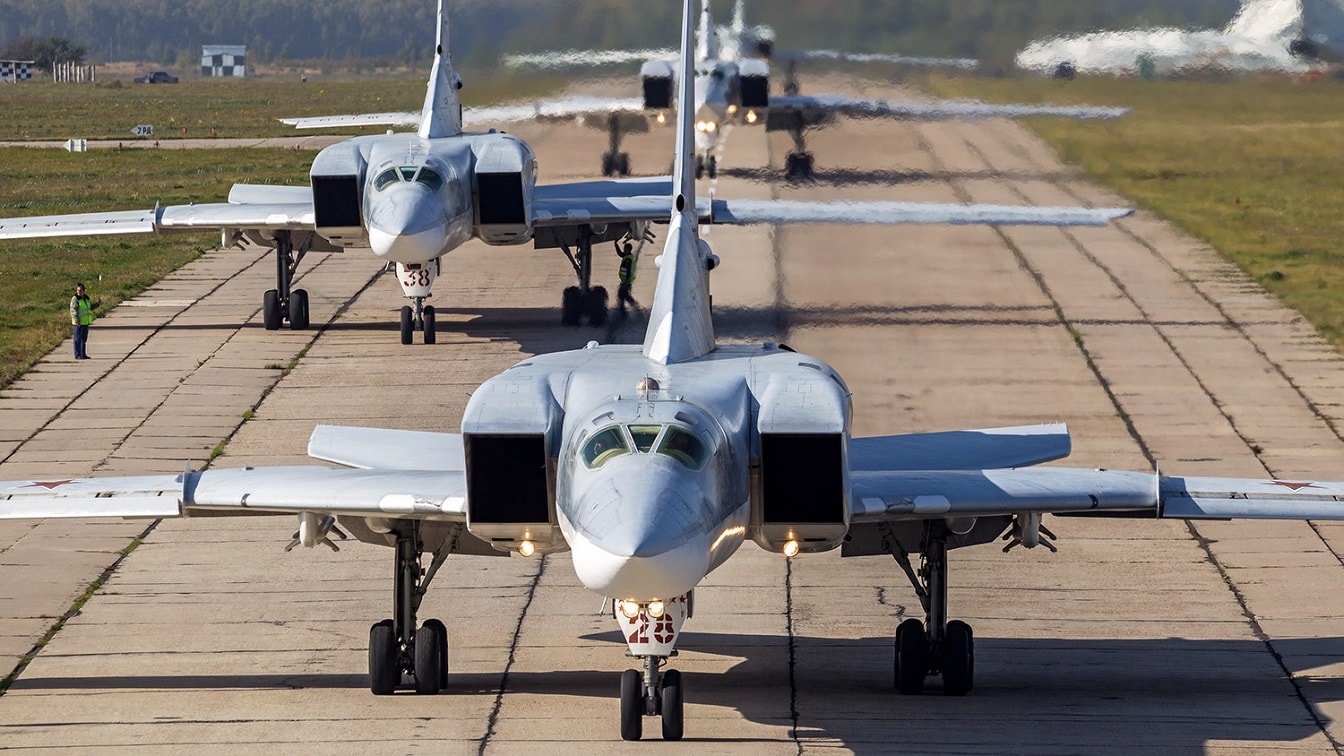
The Tu-22M3 “Backfire” is a Cold War-era long-range bomber used for maritime strike and theater-level missile delivery. A long-time staple of the Russian fleet, the Tu-22 has suffered a 10-15% attrition rate since the Russo-Ukraine War began in 2022, leaving a mission-capable fleet of just 27-30 aircraft. The Tu-22 is being slowly depleted, and because the bomber cannot be replaced, every loss permanently erodes Russia’s long-range strike capability.
What is the Tu-22M3?
The Tu-22 is a supersonic, swing-wing bomber. Operating with a four-person crew, the bomber has a high speed of Mach 1.8+, offering long-range strike capability. Outfitted with Kh-22/Kh-32 cruise missiles, the ship began as an anti-ship “carrier killer” before evolving into a stand-off missile platform. Accordingly, the bomber’s value lies in missile delivery, not in survivability.
Degradation of the Fleet
Russia has lost its Tu-22s in various ways. In April 2024, a Tu-22 was shot down with a modified S-200 missile fired from a range of 300 kilometers. Tu-22s have also been destroyed on the ground, through drone strikes on Russian airbases.
Specifically, aircraft have been destroyed at Soltsy-2, Olenya in the Arctic, and Belaya in Siberia. Russia has also suffered non-combat losses, with crashes due to aging systems forced to keep up with high operational tempos.
So, the fleet is struggling and being attacked across the full lifecycle—in the air, on the ground, and indirectly through attrition and tempo during maintenance.
The FrankenSAM Breakthrough
Modifications of the S-200 SAM, originally released in the 1960s, have complicated Tu-22 operations.
The S-200 has likely been upgraded with a new seeker head that allows independent tracking.
This allows for extended reach and the ability to hit bombers deeper inside Russian airspace. In turning legacy systems, sixty years old, into strategic weapons, Ukraine has made it harder for the Tu-22 to operate safely in either Ukrainian airspace or Russian airspace.
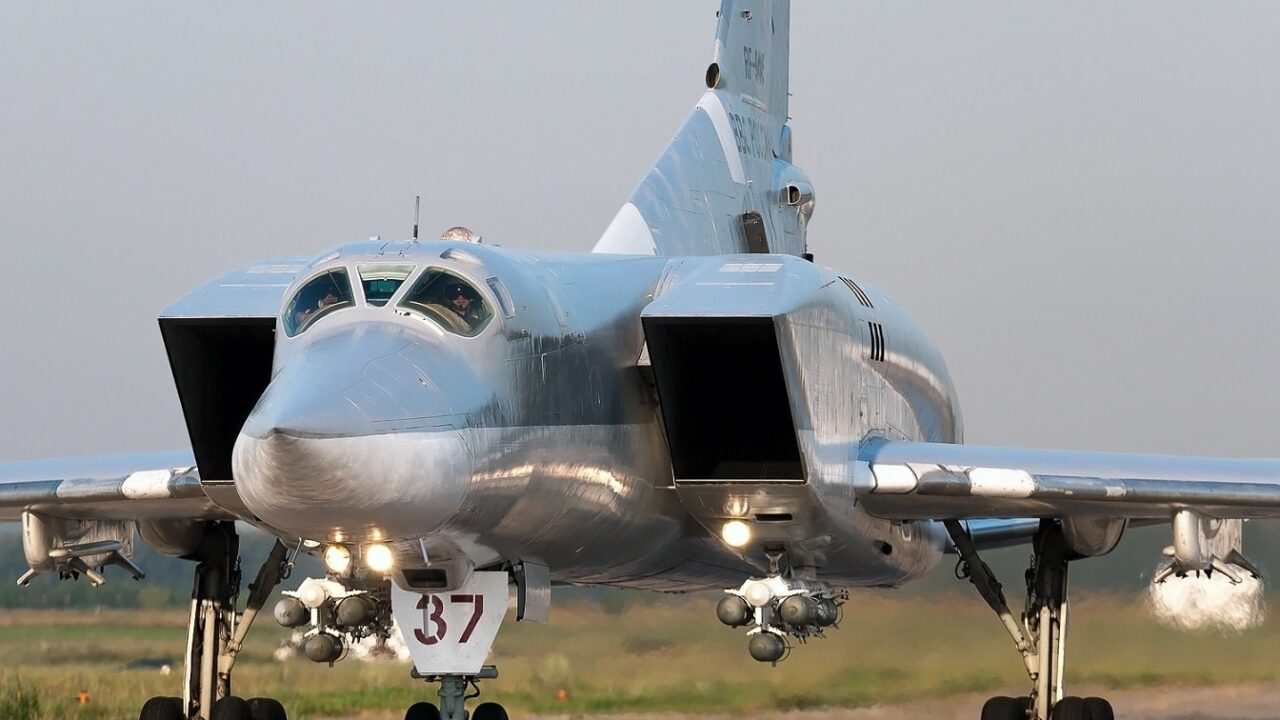
Russian Tu-22M Bomber. Image Credit: Creative Commons.
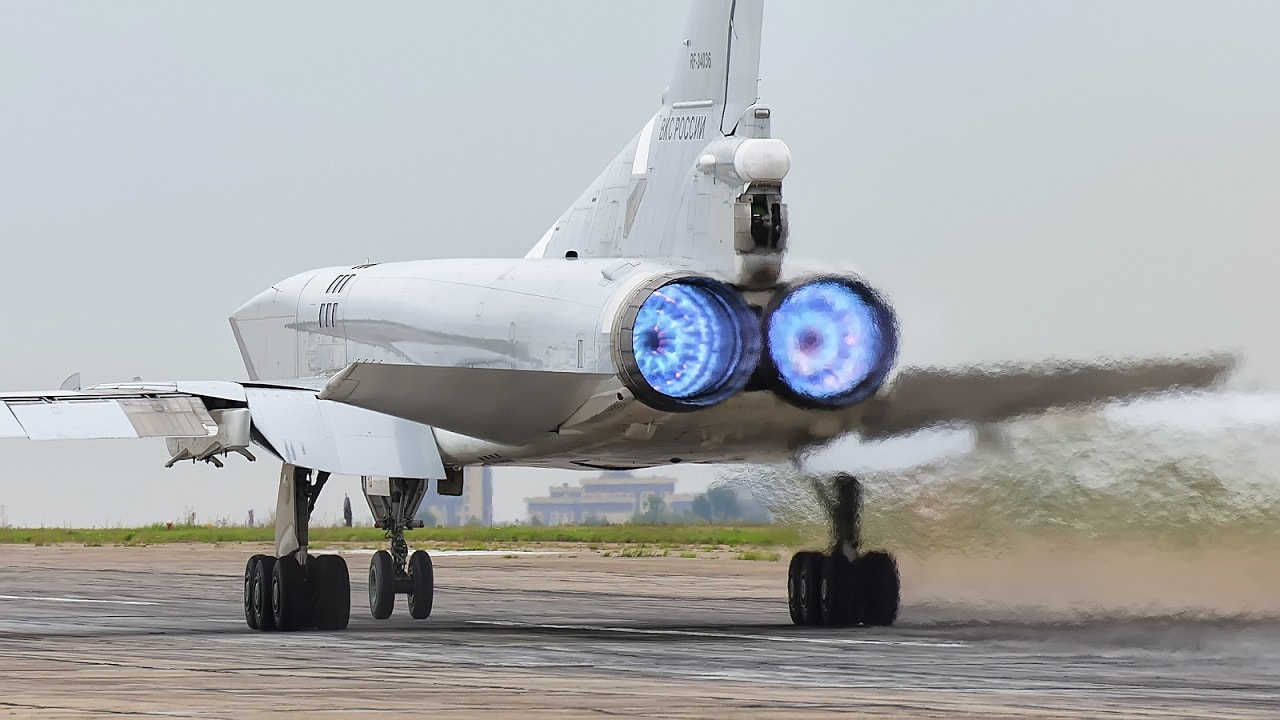
Russia’s Tu-22M3 Bomber. Image Credit: Creative Commons.
Shift to Stand-off Warfare
Tu-22 operations have shifted over the course of the Russo-Ukrainian War. Bombers no longer approach battlefield fronts, operating instead as a “missile truck,” launching their wares from deep inside Russia. By standing off, survivability increases significantly—but flexibility and effectiveness decrease. The Tu-22 is still a useful platform, but far less dynamic when used in a stand-off-only configuration.
The Irreplaceability Problem
The lost Tu-22s cannot be replaced. Production of the aircraft ended in 1993. So while the Russians have worked to modernize their Tu-22 fleet, aiming to upgrade 30 aircraft, only two have been delivered.
Part of the problem is that the NK-25 engine, which powers the Tu-22, is no longer produced. Replacement attempts have been slow, leading to cannibalization of parts from grounded airframes. So when a Tu-22 goes down, the loss is permanent. Russia does not have the industrial capacity to replace the aircraft. That means that the Tu-22 fleet is slowly degrading.
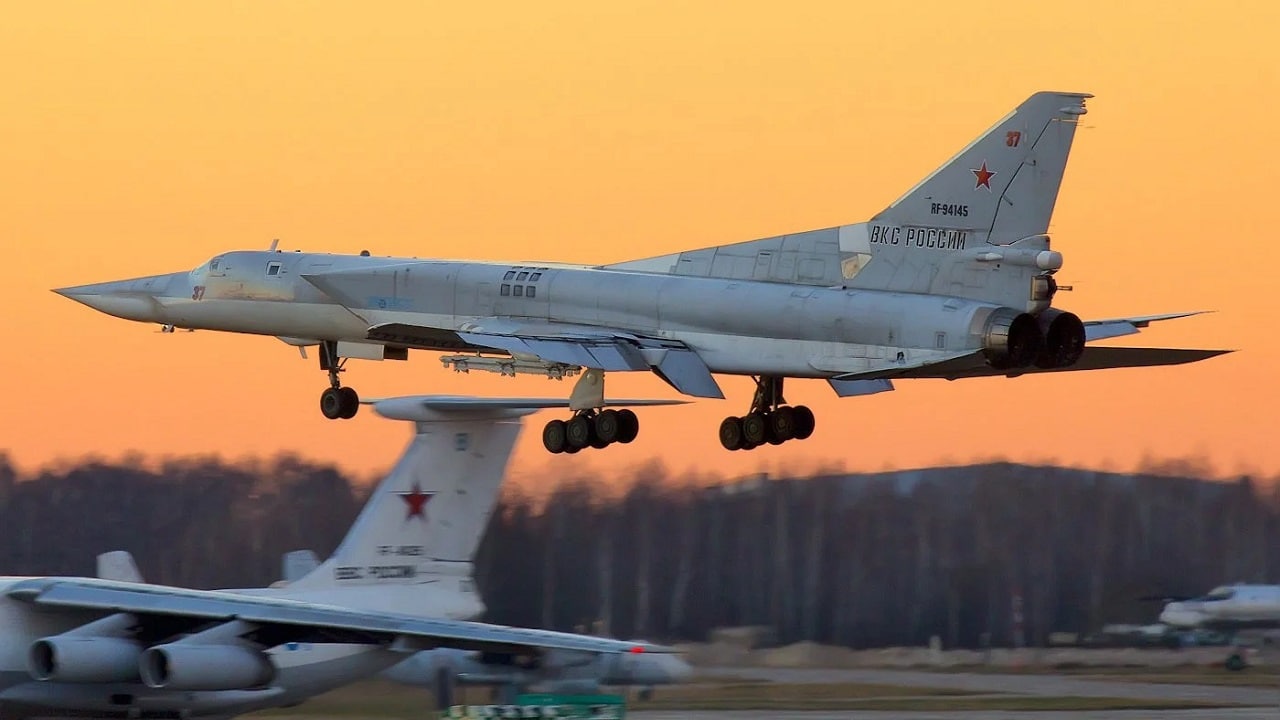
TU-22M3M Bomber. Image from Russian Military.
Why So Vulnerable?
The Tu-22 fleet is degrading because the aircraft is vulnerable in the modern threat environment. The bomber is non-stealthy, with a large radar signature, and flies predictable flight profiles. On the ground, the bomber is vulnerable, too—parking in the open, exposed to drones and missiles. Put simply, the Tu-22 was designed for a different era and struggles in the sensor-saturated battlefield of the 21st century.
Strategic Implications
As the Tu-22 fleet diminishes, Russia has fewer launch platforms and reduced strike capacity, allowing for smaller, less sustained missile salvos. More importantly, the Russian nuclear triad is degraded; the Tu-22 is a significant part of the Russian nuclear triad’s air wing.
Attrition reduces flexibility. And what’s especially concerning for Russia is that many of the strikes against the Tu-22 have occurred deep inside Russia, suggesting that fewer and fewer places are truly secure.
For NATO, this trend demonstrates that high-value targets are vulnerable, even when stored deep within home territory.
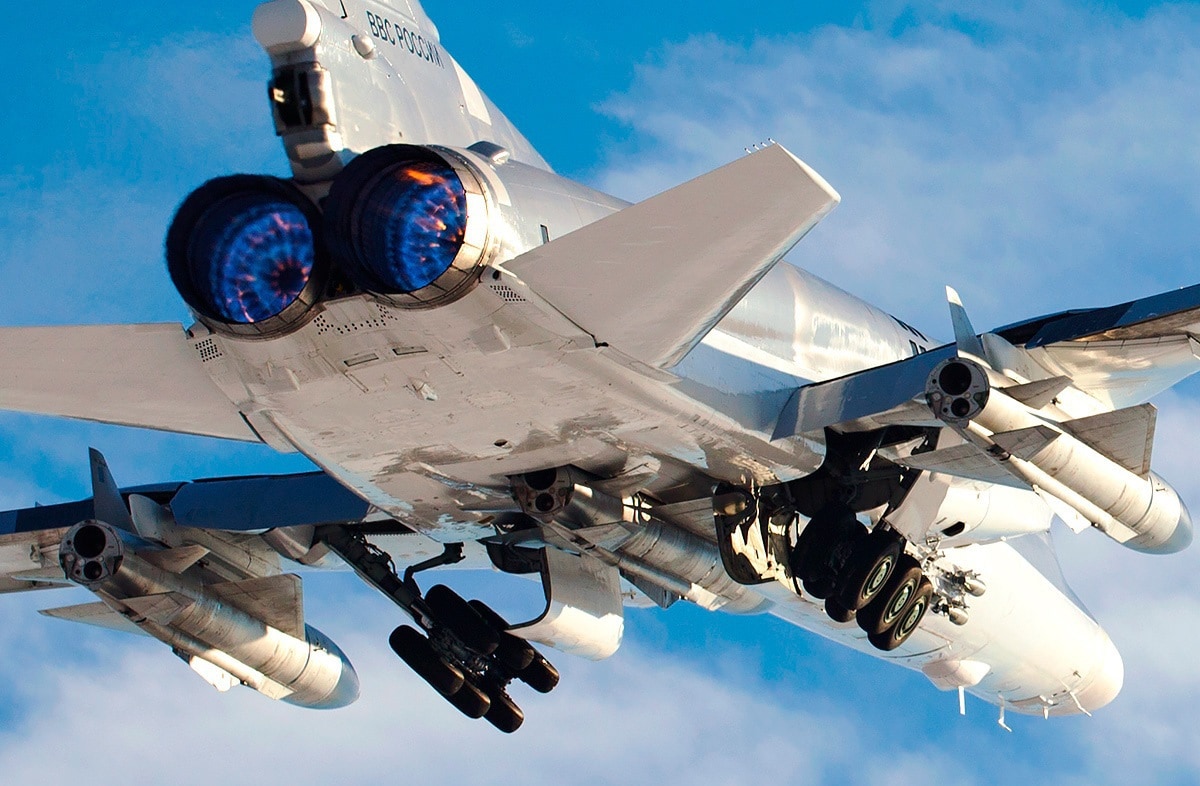
Image: Creative Commons.
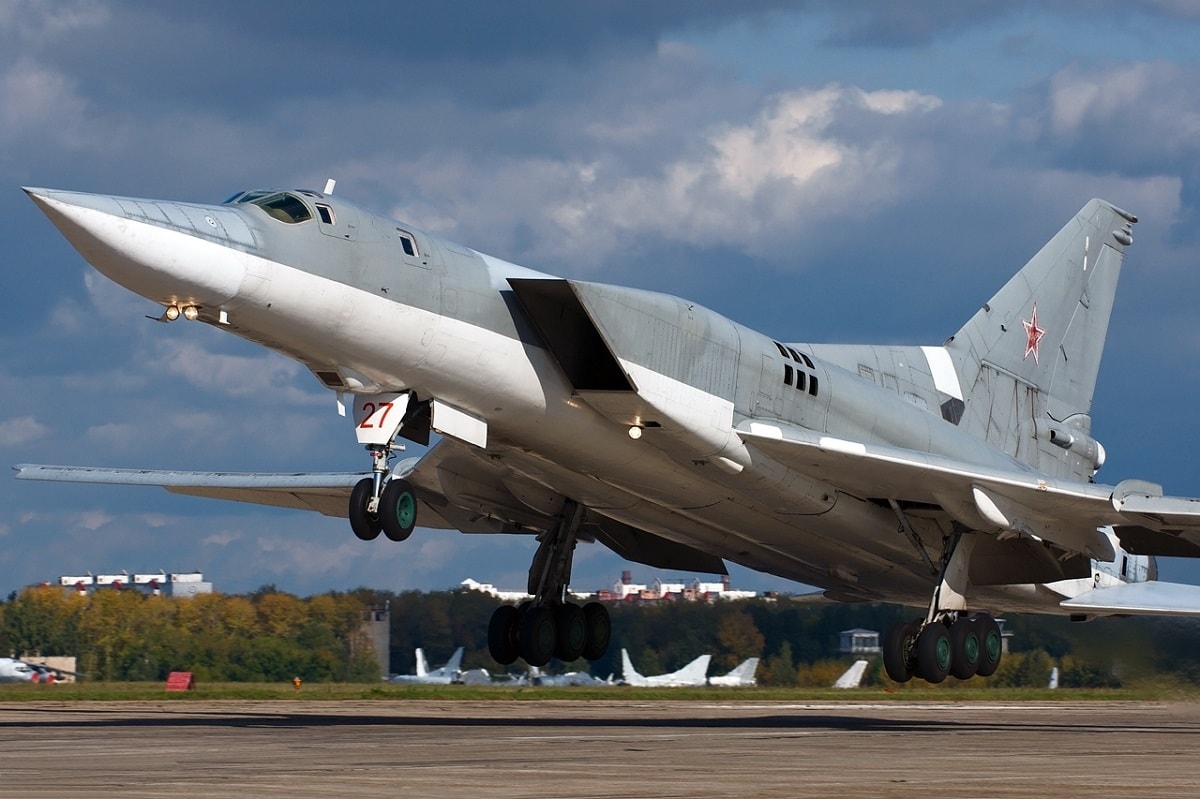
Image: Creative Commons.
The pattern here is consistent across domains and across theaters: high-cost platforms are vulnerable to low-cost systems.
Ukraine has stymied Russian advances using cheap systems to degrade expensive ones. The Tu-22 is a prime example. And while the Tu-22 fleet will not be destroyed overnight, or even in the near term, it is steadily shrinking and clearly trending towards obsolescence.
About the Author: Harrison Kass
Harrison Kass is a writer and attorney focused on national security, technology, and political culture. His work has appeared in City Journal, The Hill, Quillette, The Spectator, and The Cipher Brief. He holds a JD from the University of Oregon and a master’s in Global & Joint Program Studies from NYU. More at harrisonkass.com.