
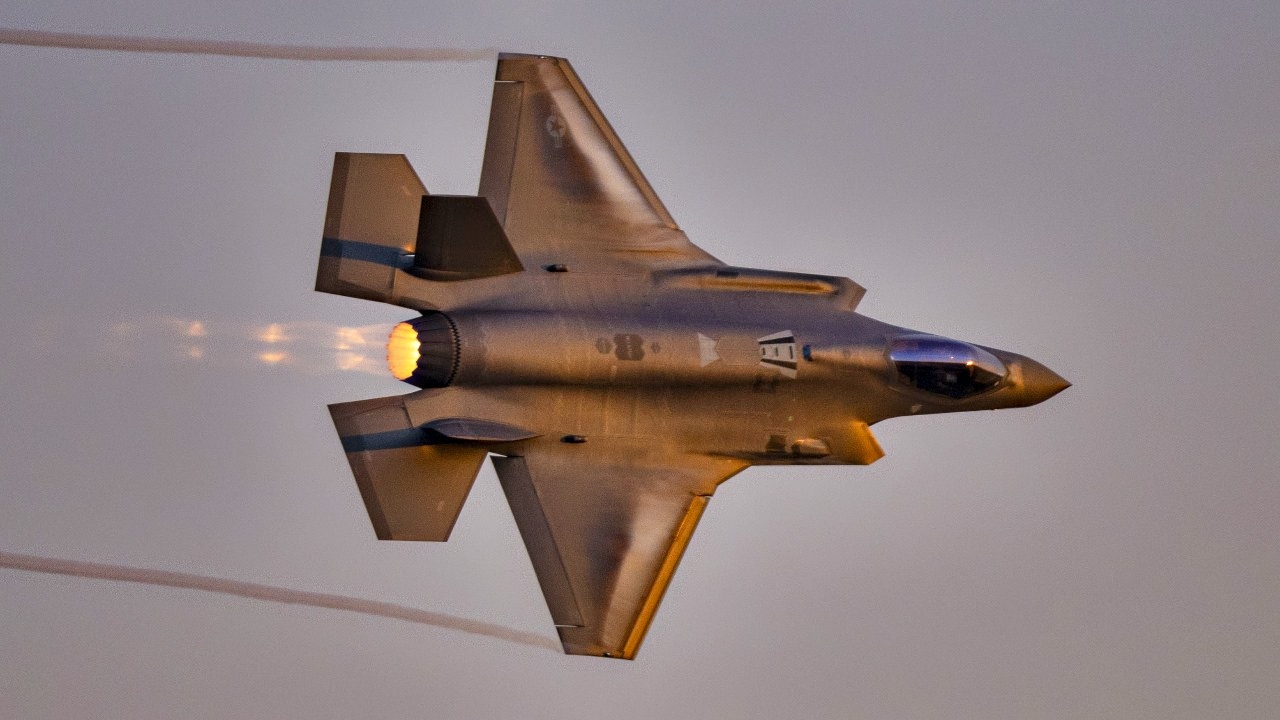
Has Canada’s review of its purchase of F-35 fighter jets become the longest government review process in history?
In March of 2025, Mark Carney was elected the 24th prime minister of Canada. Shortly thereafter, the new prime minister announced a review of Canada’s contract to purchase 88 F-35 fighter jets from Lockheed Martin.
The funds have already been committed for 16 of the fighter jets, with the question of whether to proceed with the purchase of the remaining ones, buy fighter jets from elsewhere, or perhaps a combination of the two.
Canada has also agreed to purchase certain components to keep its production slots for 14 additional jets.
The contract, which had been controversial for many years, was agreed to by Carney’s predecessor, Justin Trudeau, in January of 2023, even as the then-prime minister had vowed to cancel it during previous election campaigns. In 2025, the purchase came up for review after Donald Trump, who had just returned to the White House, instituted tariffs on Canada while talking about making Canada America’s “51st state,” even suggesting that hockey legend Wayne Gretzky should be installed as Canada’s new leader.
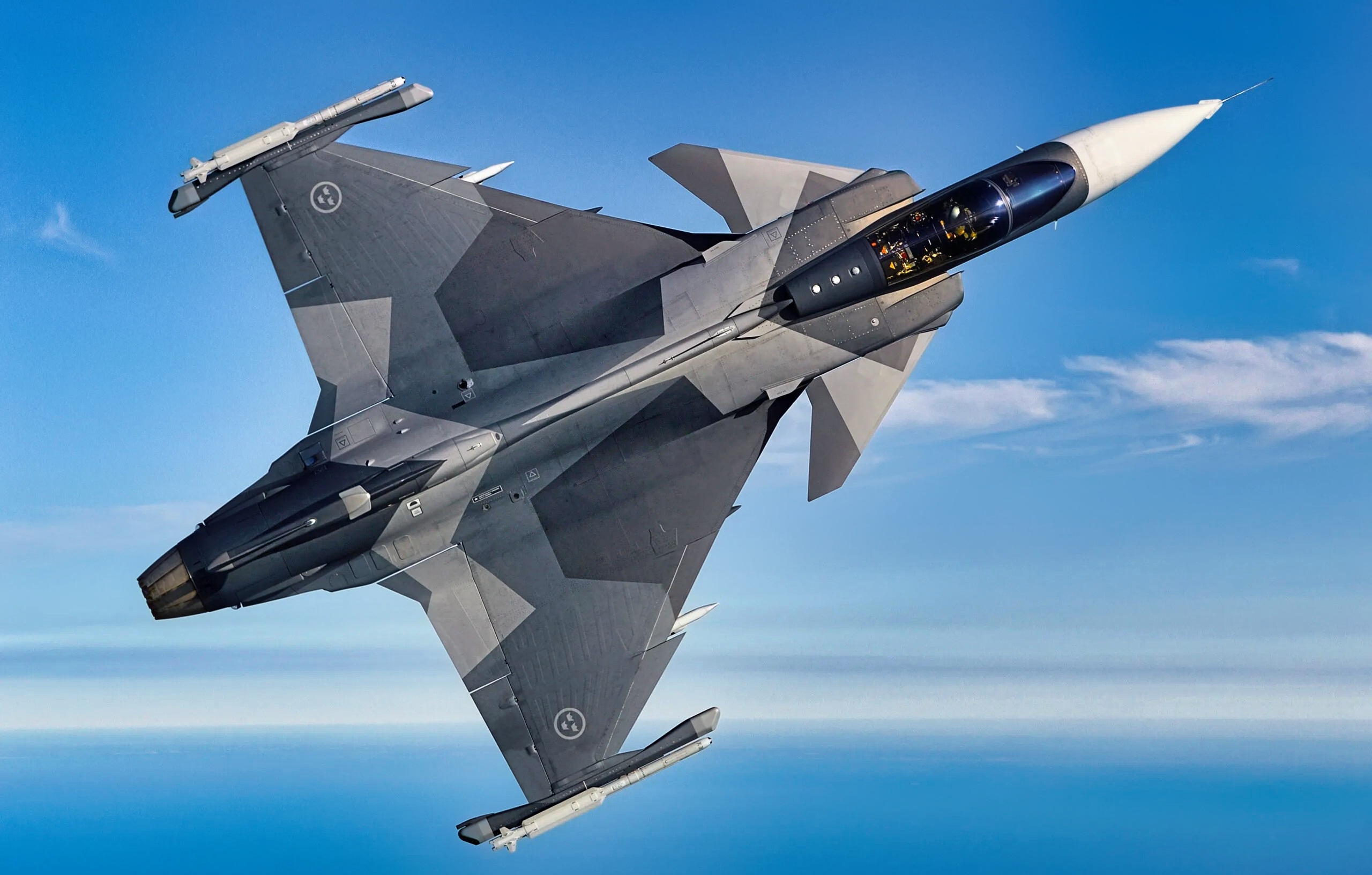
JAS 39 Gripen E Fighter. Image Credit: Saab.
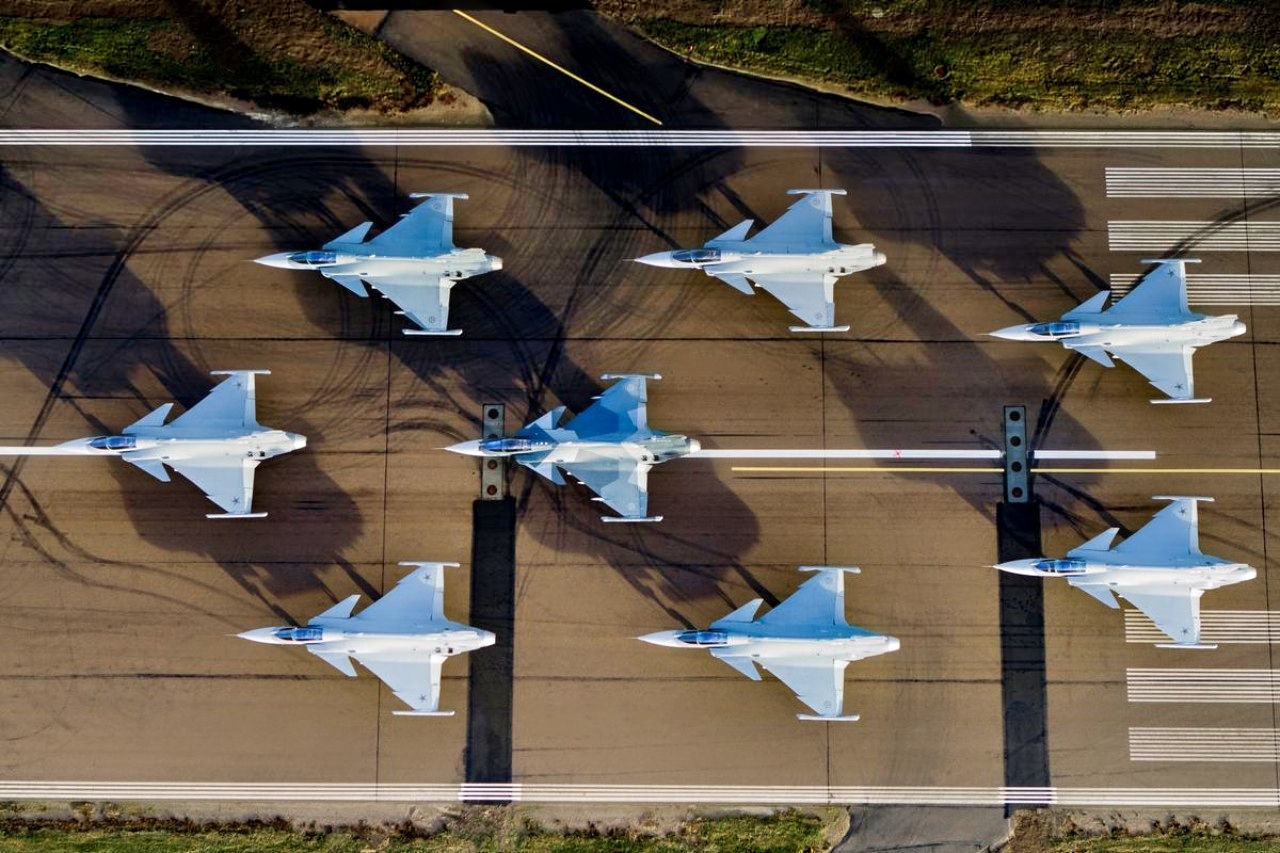
JAS 39 Gripen E. Image Credit: Creative Commons.
Still No Decision on F-35 from Canada
And now, more than a year later, that jet purchase review is still in progress, Reuters reported this week, citing Canada’s Defense Minister in testimony before a Senate committee. Last September was frequently mentioned as a potential deadline for a decision, but that came and went.
Defense Minister David McGuinty confirmed that the review is ongoing, while stating there is no timetable for its conclusion.
“The review of the purchase of the F-35s is continuing… We are taking the necessary time to study very, very closely the question of the fighter fleet,” McGuinty said this week in testimony before the Standing Senate Committee on National Security, Defence and Veterans Affairs.
“The question of other jets from other countries is something that is on the table, that is part of the review,” he added.
Also in his testimony, McGuinty floated the possibility of Canada obtaining observer status in the Global Combat Air Programme, the international effort by Japan, Italy, and the United Kingdom to create a sixth-generation fighter jet, although the Defence Minister said that no commitment has been made to that either.
What’s taking so long?
According to an Aerotime analysis, the Canadian government is under pressure from both sides.
“The review is playing out against a backdrop of unusually tense US-Canada relations. US Ambassador to Canada Pete Hoekstra warned earlier this year that backing out of the F-35 deal could put the North American Aerospace Defense Command partnership at risk, suggesting the US might need to deploy US fighter jets into Canadian airspace to compensate for any capability gap,” Aerotime said.
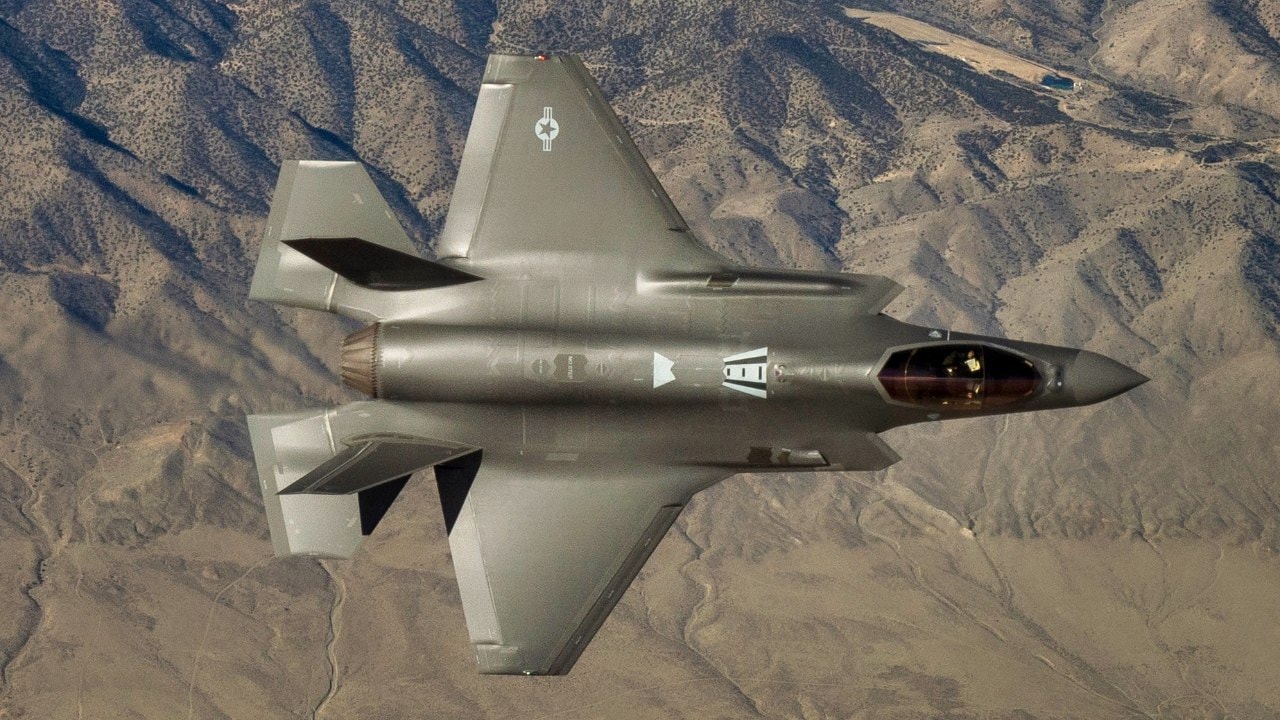
Two U.S. Air Force F-35A Lightning IIs, assigned to the 4th Fighter Squadron from Hill Air Force Base, Utah, conduct flight training operations over the Utah Test and Training Range on Feb 14, 2018. The F-35 is designed to provide the pilot with unsurpassed situational awareness, positive target identification and precision strike in all weather conditions. (U.S. Air Force photo by Staff Sgt. Andrew Lee)
If the purchase of the F-35s doesn’t go forward, the most frequently floated alternative has been Gripen fighter jets, manufactured by Saab.
Per a CBC report in early April, the Swedish company has floated a new “secure, sovereign” data center in Montreal, as part of its pitch to the Canadian government.
F-35s, per that report, have all of their data stored at a Lockheed-controlled data center in Texas.
“Gripen data will also be housed here, securely within Canadian borders,” Saab spokesperson Sierra Fullerton told the CBC. “With the fighter mission system, communications, and technical data all hosted in Canada, Gripen exceeds all industrial, security, and controlled goods requirements.”
“With Gripen, the Royal Canadian Air Force will have full, independent control over aircraft, software, and sensitive data.”
It’s not clear how receptive Canada was to the pitch. But “data sovereignty” has been a priority for Carney’s government, the CBC report said.
“What it really gives you is sovereignty — your indigenous capability to take the data that you collect, and to own it,” Jussi Halmetoja, described as a test pilot and “operational adviser to Saab,” told the network.
About the Author: Stephen Silver
Stephen Silver is an award-winning journalist, essayist, and film critic, and contributor to the Philadelphia Inquirer, the Jewish Telegraphic Agency, Broad Street Review, and Splice Today. The co-founder of the Philadelphia Film Critics Circle, Stephen lives in suburban Philadelphia with his wife and two sons. For over a decade, Stephen has authored thousands of articles that focus on politics, national security, technology, and the economy. Follow him on X (formerly Twitter) at @StephenSilver, and subscribe to his Substack newsletter.