
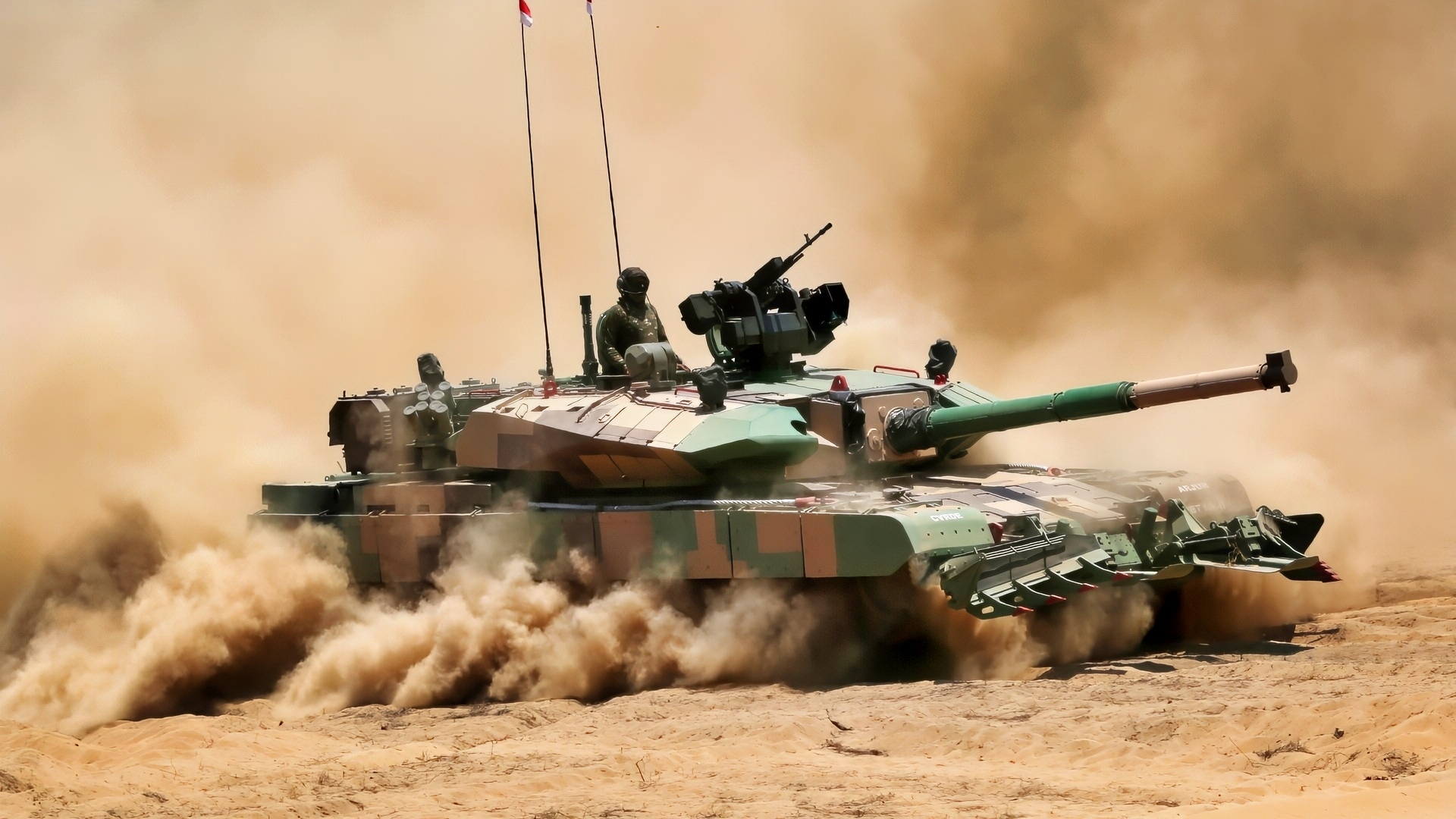
India’s Arjun Tank Took Decades to Build. Its 68-Ton Upgrade Is Still Delayed – India launched the Arjun main battle tank program in May 1974 with a target of beginning production in April 1984. Fifty-two years later, the Army has bought 124 Mk-1 tanks, while a September 2021 order for 118 improved Mk-1As has missed its planned 2024 delivery start. Public reporting available through July 27, 2026, does not confirm that serial Mk-1A deliveries have begun.
The latest delay centers on the powerpack. Janes reported in 2024 that Germany’s MTU would need at least four years to restart production of the MB 838 engine selected for the tank. The original contract schedule called for the first vehicles in 2024 and the final batch in 2027.
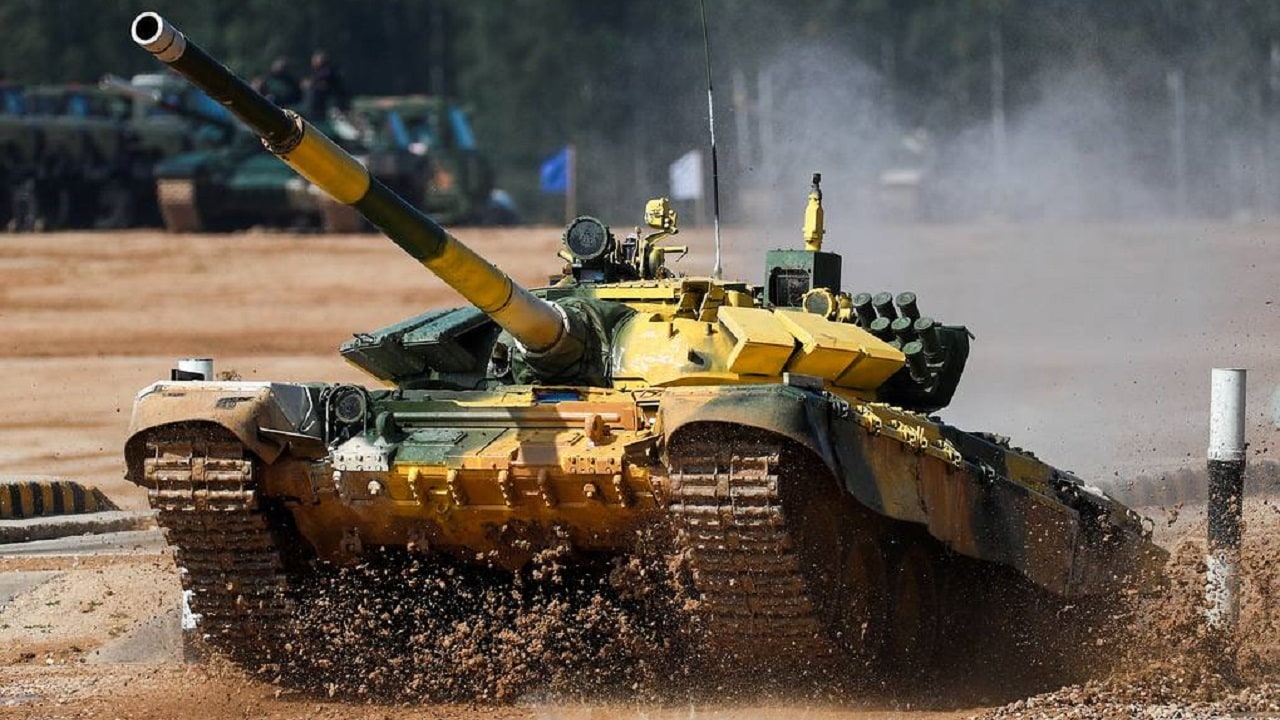
Russian T-72 tank. Image Credit: Creative Commons.
The Arjun has demonstrated real combat value. In comparative trials held in Rajasthan in 2010, the Mk-1 reportedly matched or beat the Russian T-90 in cross-country driving and main-gun accuracy. Its 120mm rifled gun, composite armor and advanced fire-control system give it serious firepower and protection.
The program’s failure lies in turning those qualities into an affordable, supportable fleet able to operate wherever the Army needs armor. The Mk-1A weighs 68 metric tons and requires a special 70-ton road transporter. Its size and weight complicate rail movement, bridge crossings, recovery and deployment outside the desert sectors where it is best suited.
The Arjun Missed Its First Production Date by Decades
A 1998 Comptroller and Auditor General review showed how early the trouble began. The original project cost was 15.5 crore rupees. It rose to 280.8 crore by 1987, while expenditure reached 307.48 crore by March 1995. The audit found unresolved deficiencies in pre-production vehicles and noted that tests had relied on an imported engine because the indigenous prototype was years late.
The design kept changing. The Army said the 62.5-ton Mk-1 was too heavy for parts of India’s road, bridge and rail network, then requested improvements that added roughly six more tons. Mine ploughs, explosive reactive armor and suspension changes increased protection while worsening the mobility problem. A gun-launched missile requirement produced another delay before the Army agreed to accept the Mk-1A without that capability initially. That history explains why the Arjun program remains controversial.
A Good Tank in One Trial Was Not Enough
The Army’s preference for T-72s and T-90s did not establish that Russian tanks were superior in every category. The Arjun’s 2010 performance gave DRDO a strong case for another order, and the Mk-1A incorporated 72 new features after more than 7,000 kilometers of testing. Russian designs also carry electronic and crew-survivability weaknesses.
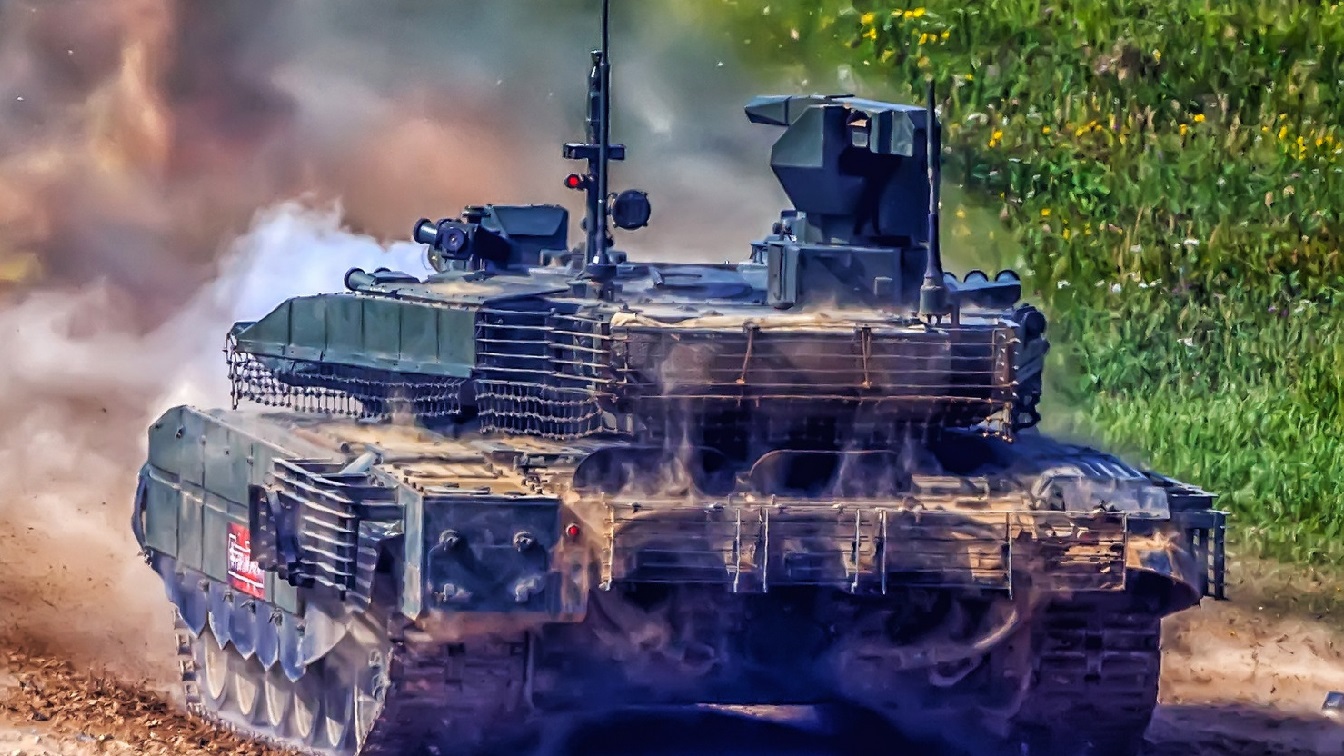
T-90M. Image Credit: Creative Commons.
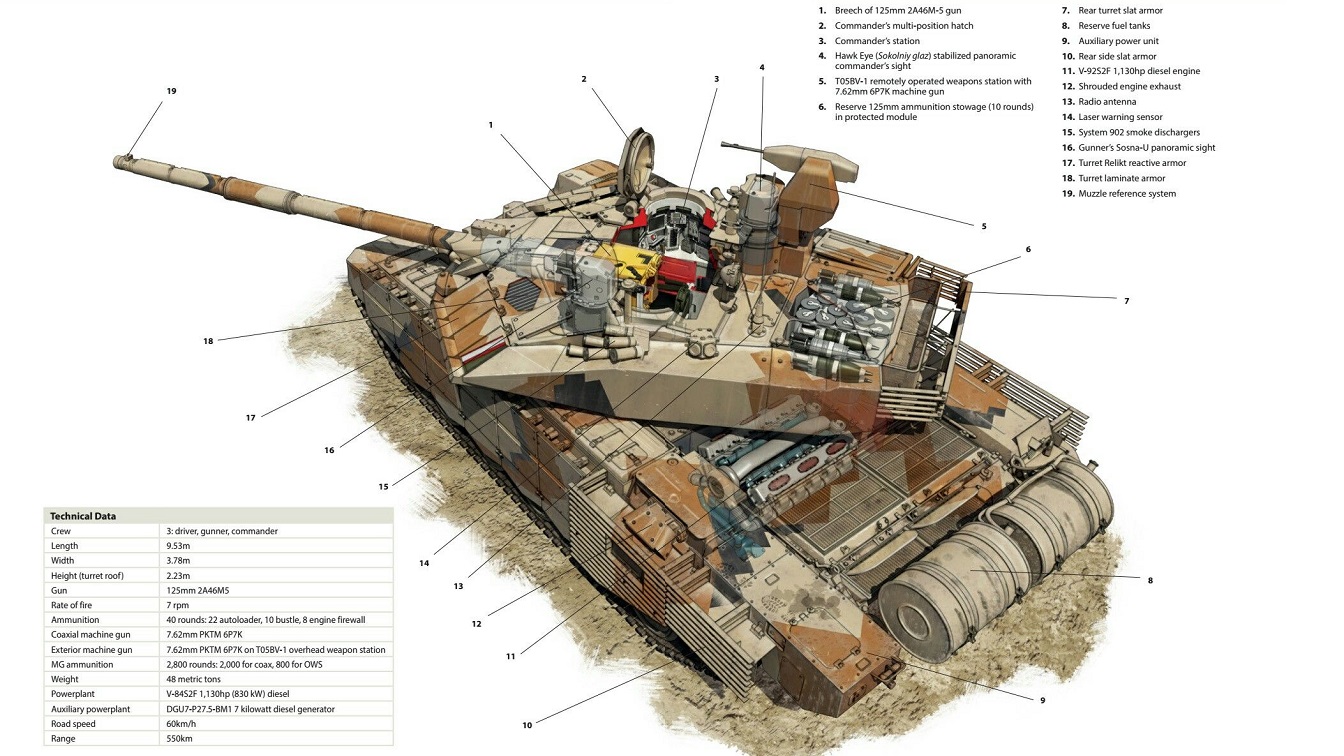
T-90 Tank. Image Credit: Creative Commons.
Scale still favored the Russian-origin fleet. India operates thousands of T-72s and T-90s with established crews, depots, ammunition stocks, transport arrangements and repair chains. A small Arjun fleet needs its own parts, training and heavy recovery support.
The readiness record was poor. Defense News reported in 2015 that an Army official described nearly 75 percent of the 124-tank fleet as grounded, with problems concentrated in the transmission, targeting equipment and thermal sights. The official also said imported components accounted for about 55 percent of the tank’s value. Those figures describe a historical snapshot, not the fleet’s current readiness.
A 2017 CAG report on Army base workshops reinforced the sustainment problem. During the audit period, missing repair and overhaul facilities and inadequate spare support had left the Arjun non-operational since 2013. India had fielded the platform before creating a mature system to maintain it.
The German Engine Exposed the Self-Reliance Gap
The Mk-1A order was promoted as a major achievement for Indian defense manufacturing, with more domestic content and work for 200 vendors. Its schedule still depended on a German engine whose production line was no longer readily available. The hull, armor and electronics were assembled at home, while one imported component controlled delivery of the finished weapon.
BEML test-fired India’s first indigenous 1,500-horsepower tank engine in March 2024. The official plan then required more engines for laboratory testing, installation in vehicles and Army user trials. The government expected the project to finish by mid-2025, but no public announcement by July 27, 2026, declared the complete powerpack qualified for Army service.
Replacing the MTU engine also involves the transmission, cooling system, air filtration, engine bay and controls that manage the powerpack. India must qualify the complete installation before the Army accepts it. The delay resembles the engine bottleneck affecting the Tejas fighter: a domestically designed platform remains tied to propulsion technology that the national industrial base has not yet supplied at scale.
The Arjun Will Remain a Specialized Part of India’s Tank Force
India has approved a different path for the bulk of its armored corps. The Army plans to acquire 1,770 Future Ready Combat Vehicles to replace its T-72s, while the aging T-72 fleet remains in service. For high-altitude operations against China, India developed the much lighter Zorawar tank for rapid mountain deployment.
Those programs define the Arjun’s likely place. It offers heavy firepower and protection for selected formations, especially on suitable terrain near Pakistan, but it is not becoming India’s universal main battle tank. The 2021 contract remains in force, yet the first serial Mk-1A still depends on a powerpack India has not publicly declared ready for Army service.
MORE – The US Navy Has a Tomahawk Missile Crisis It Can’t Solve
About the Author: Harry J. Kazianis
Harry J. Kazianis (@Grecianformula) was the former Senior Director of National Security Affairs at the Center for the National Interest (CFTNI), a foreign policy think tank founded by Richard Nixon based in Washington, DC. Harry has over a decade of experience in think tanks and national security publishing. His ideas have been published in the NY Times, The Washington Post, The Wall Street Journal, CNN, and many other outlets worldwide. He has held positions at CSIS, the Heritage Foundation, the University of Nottingham, and several other institutions related to national security research and studies. He is the former Executive Editor of the National Interest and the Diplomat. He holds a Master’s degree focusing on international affairs from Harvard University.

