
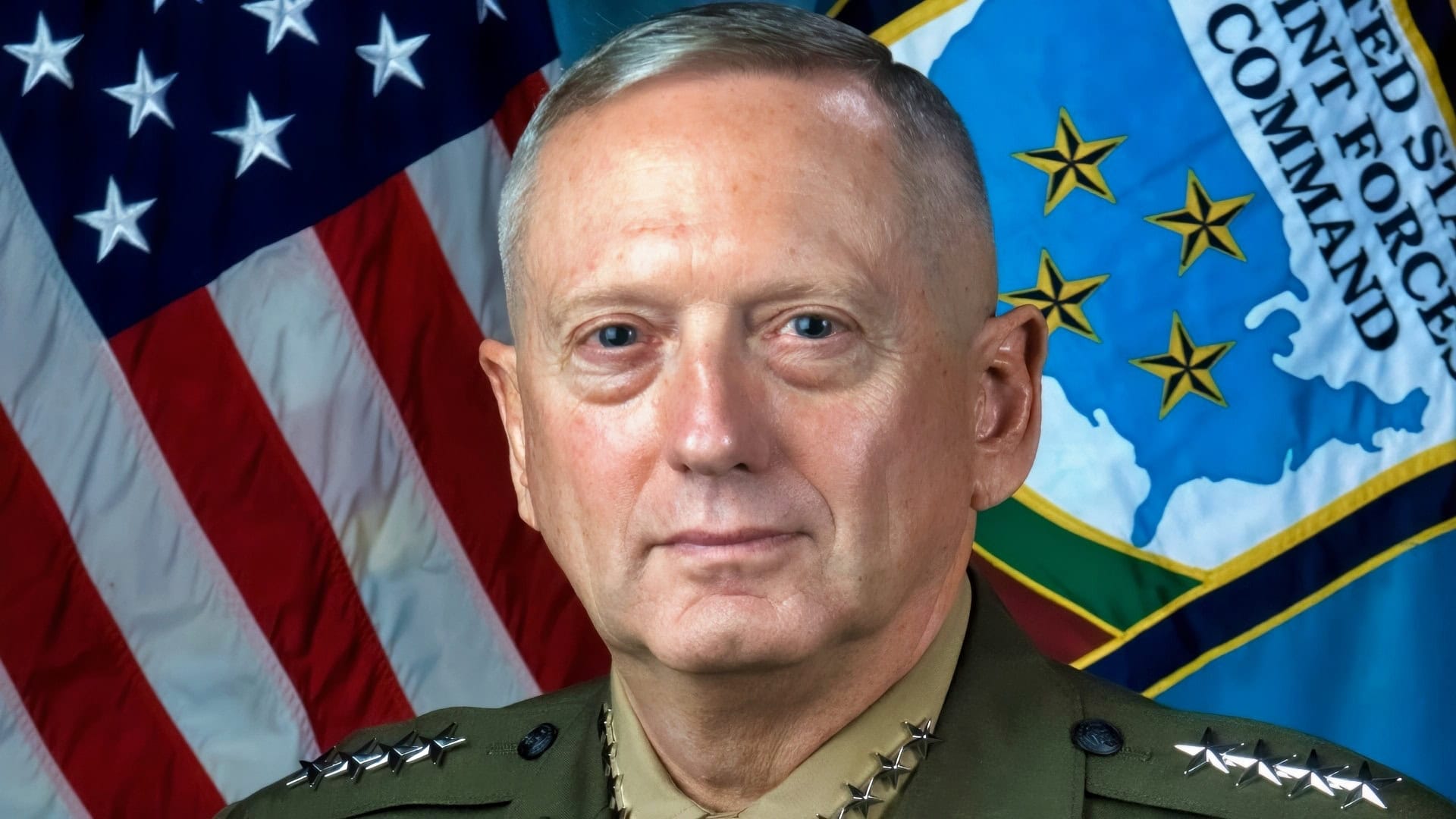
Summary and Key Points: “Engage your brain before you engage your weapon.” US Marine Corps General James Mattis wrote it to his Marines on the eve of the 2003 Iraq invasion. The Warrior Monk meant every word, as his life story shows.
Military History Personified: James ‘Mad Dog’ Mattis Defined the US Marines
“Engage your brain before you engage your weapon.”: US Marine Corps General James ‘Mad Dog’ Mattis
Gen. James Mattis delivered this quote in a letter to his men on the eve of the 2003 invasion of Iraq.
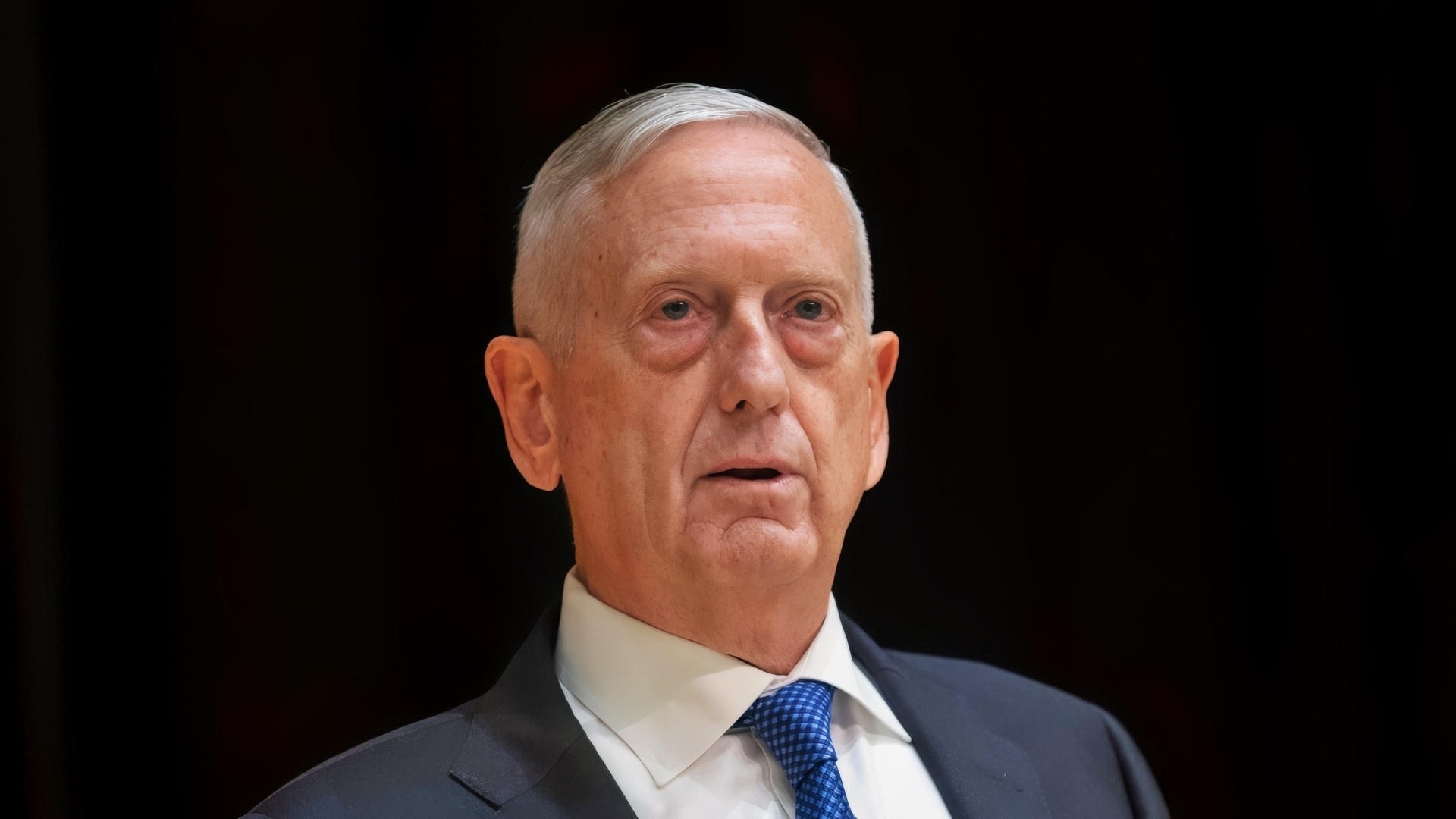
Retired Gen. and former Secretary of Defense, James Mattis, talks about his book tour at Little Hall on Marine Corps Base Quantico, Sept. 25, 2019. Mattis talks about how to improve leadership skills to the audience by making his message personal through bringing up stories about his past Marine Corps career. (U.S. Marine Corps photo by Lance Cpl. Piper A. Ballantine)
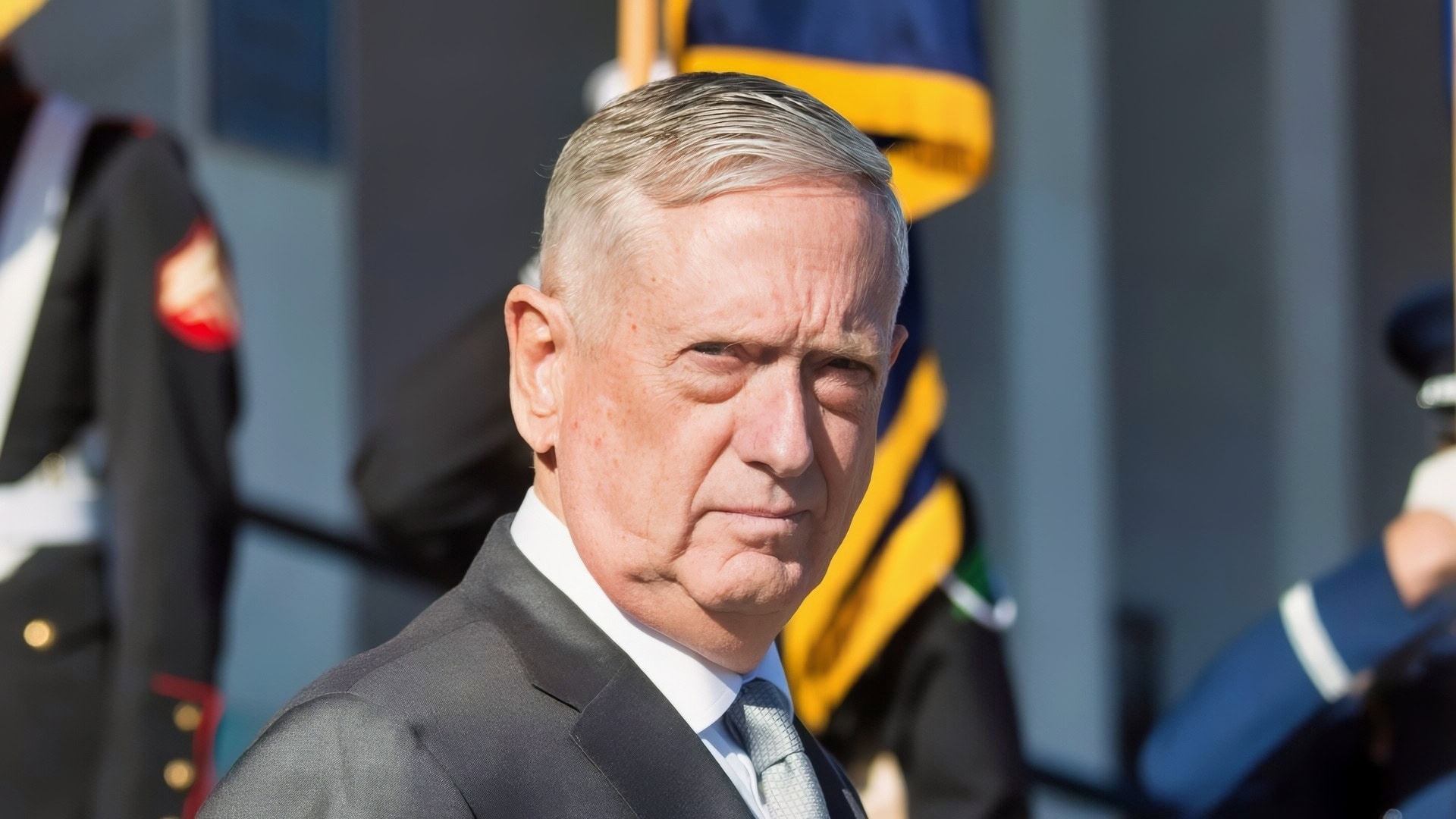
Secretary of Defense Jim Mattis waits for the arrival of President Donald Trump and Vice President Mike Pence Jan. 18, 2018, at the Pentagon in Washington, D.C. (DOD photo by U.S. Navy Petty Officer 1st Class Dominique A. Pineiro)
“While we will move swiftly and aggressively against those who resist,” Mattis said at the time, “we will treat all others with decency, demonstrating chivalry and soldierly compassion for people who have endured a lifetime under Saddam’s oppression.”
Mattis, known for his service in that war and others, and later as the first Secretary of Defense in Donald Trump’s first term, had a unique profile among modern military leaders.
He’s been called “Mad Dog” — a nickname that he is said to dislike — and also the “Warrior Monk.
The latter was Dexter Filkins’ magazine profile of Mattis in The New Yorker in May 2017, early in his tenure leading the Pentagon.
The profile painted two sides of Mattis’ reputation: the tough battlefield commander who clearly appealed to Trump, and the “deeply read scholar-soldier and sophisticated analyst,” sobered by his wartime experiences.
Mad Dog Was An Educated General
Mattis, according to the New Yorker profile, was raised in a “bookish household” in Washington state, whose father was a merchant marine-turned-nuclear engineer.
After graduating with a history degree from Central Washington University in 1972, Mattis enlisted in the Marine Corps.
Around that time, his fiancée called off the wedding when Mattis refused to resign from the Marines; Mattis remained a bachelor for several more decades, finally marrying after retiring from the Marines and leaving as secretary of defense.
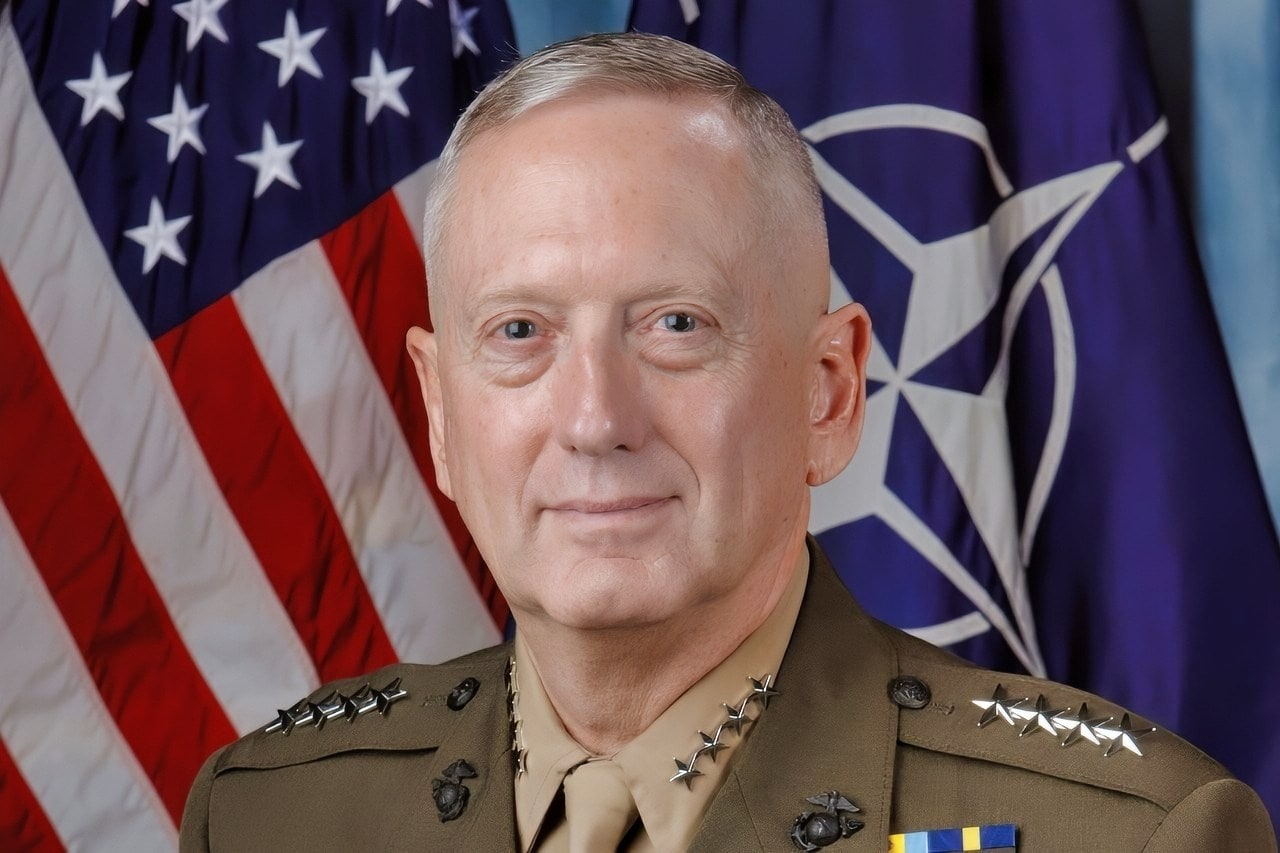
Jim Mattis. Image Credit: Creative Commons.
Mattis later earned a master’s degree in international security from the National War College.
He carried a copy of “Meditations of Marcus Aurelius” on his deployments, gave his men elaborate reading lists, and is said to have a personal library containing “thousands” of books.
And those books, Filkins’s profile said, aren’t necessarily all about war or military strategy.
“You’re as well off if you’ve read ‘Angela’s Ashes’ and Desmond Tutu’s writings, and if you’ve studied Northern Ireland and the efforts for rapprochement there, and in South Africa following their civil war, as you are if you’ve read Sherman and, obviously, von Clausewitz,” Mattis once said in a 2009 interview.
Mattis in Iraq
When Mattis commanded in Iraq, leading 25,000 Marines across four regiments, Filkins wrote that he noticed “other Marines viewed him with a sort of awe.” And during that long war, Mattis was “frequently able to offer his men a sense of integrity amid the ambiguity and chaos.”
In addition, Mattis believed at the time that invading Iraq hadn’t been a good idea.
The New Yorker also shared a famous story from Mattis’ time in Iraq. In April 2024, when he was on his way to a meeting with Iraqi leaders, his convoy was ambushed.
A firefight ensued, and when it was over, Mattis attended the meeting as scheduled, with “blood all over his uniform.”
His Time With Trump
Mattis became head of CENTCOM in 2010, when Barack Obama was president. But he and Obama soon fell at odds, mostly over Iran policy, and in 2013 Obama announced that Mattis would retire five months early.
After retiring, Mattis returned to Washington state, where he cared for his mother, and became a fellow at Stanford’s Hoover Institution.
But Mattis returned to government service after Trump’s first term began in 2016, even after receiving a waiver because he hadn’t been retired from military duty for the required seven years.
The same thing happened again four years later with Lloyd Austin, who led the Pentagon under President Joe Biden.
After serving about two years, Mattis announced his resignation as Defense Secretary just before Christmas in 2018, but he didn’t leave until the following February.
At the time, reports said Mattis resigned over a disagreement with Trump’s decision to withdraw forces from Syria.
In his resignation letter, Mattis wrote to the president that he had “the right to have a Secretary of Defense whose views are better aligned with yours.”
Although Mattis wrote a memoir shortly after leaving the Pentagon, he never went scorched-earth on Trump, unlike many other officials who left his first term.
About the Author: Stephen Silver
Stephen Silver is an award-winning journalist, essayist, and film critic, and contributor to the Philadelphia Inquirer, the Jewish Telegraphic Agency, Broad Street Review, and Splice Today. The co-founder of the Philadelphia Film Critics Circle, Stephen lives in suburban Philadelphia with his wife and two sons. For over a decade, Stephen has written thousands of articles on politics, national security, technology, and the economy. Follow him on X (formerly Twitter) at @StephenSilver, and subscribe to his Substack newsletter.