
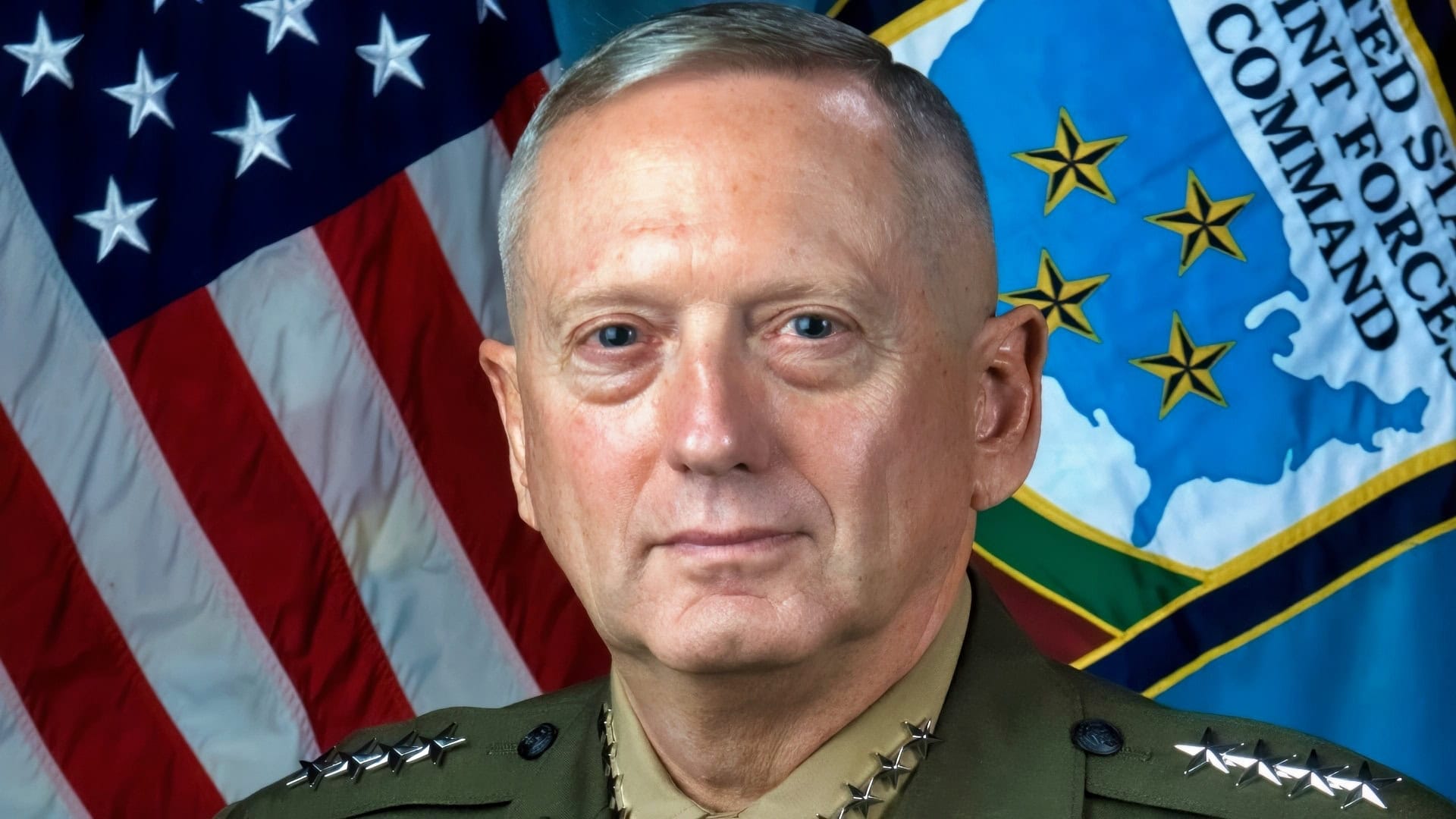
Summary and Key Points: “In any organization, it’s all about selecting the right team. The two qualities I was taught to value most in selecting others for promotion or critical roles were initiative and aggressiveness.” James Mattis said that, and it is worth noticing what is missing from the list. Not loyalty. Not intelligence. Not experience, obedience, or judgment — all things a forty-year Marine career gives a man plenty of reason to value. Initiative and aggressiveness are both the same thing stated twice from different angles: a willingness to act without being told. Mattis spent four decades choosing people on that basis, from his first platoon after commissioning in 1972 through command of the 1st Marine Division in the 2003 drive on Baghdad, US Central Command, and finally the Pentagon.
Forgotten History: He is also the man whose actual call sign was CHAOS, not Mad Dog, and who has spent years telling anyone who will listen that the press invented the nickname everyone uses.
What Makes James Mattis A Legend
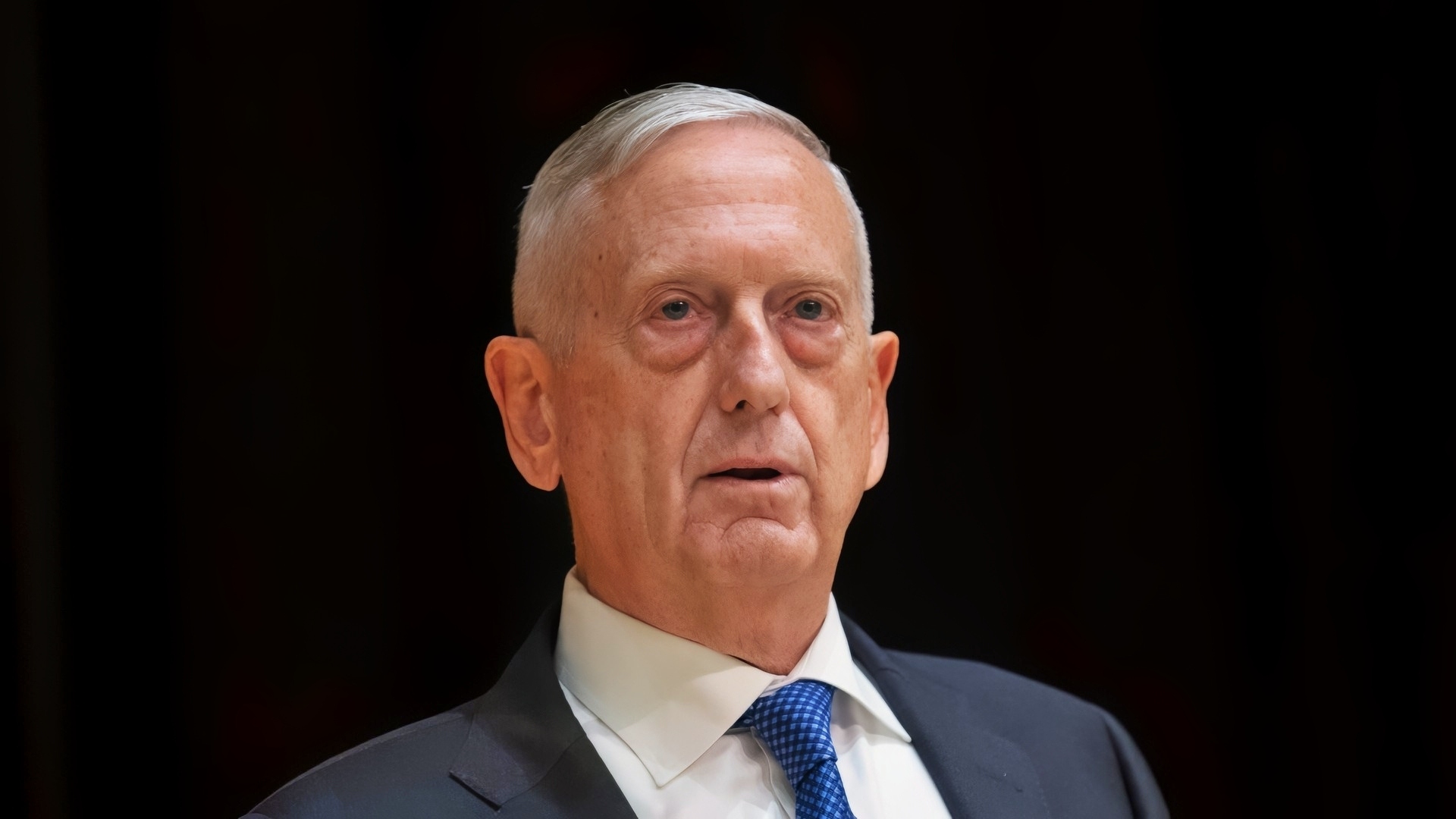
Retired Gen. and former Secretary of Defense, James Mattis, talks about his book tour at Little Hall on Marine Corps Base Quantico, Sept. 25, 2019. Mattis talks about how to improve leadership skills to the audience by making his message personal through bringing up stories about his past Marine Corps career. (U.S. Marine Corps photo by Lance Cpl. Piper A. Ballantine)
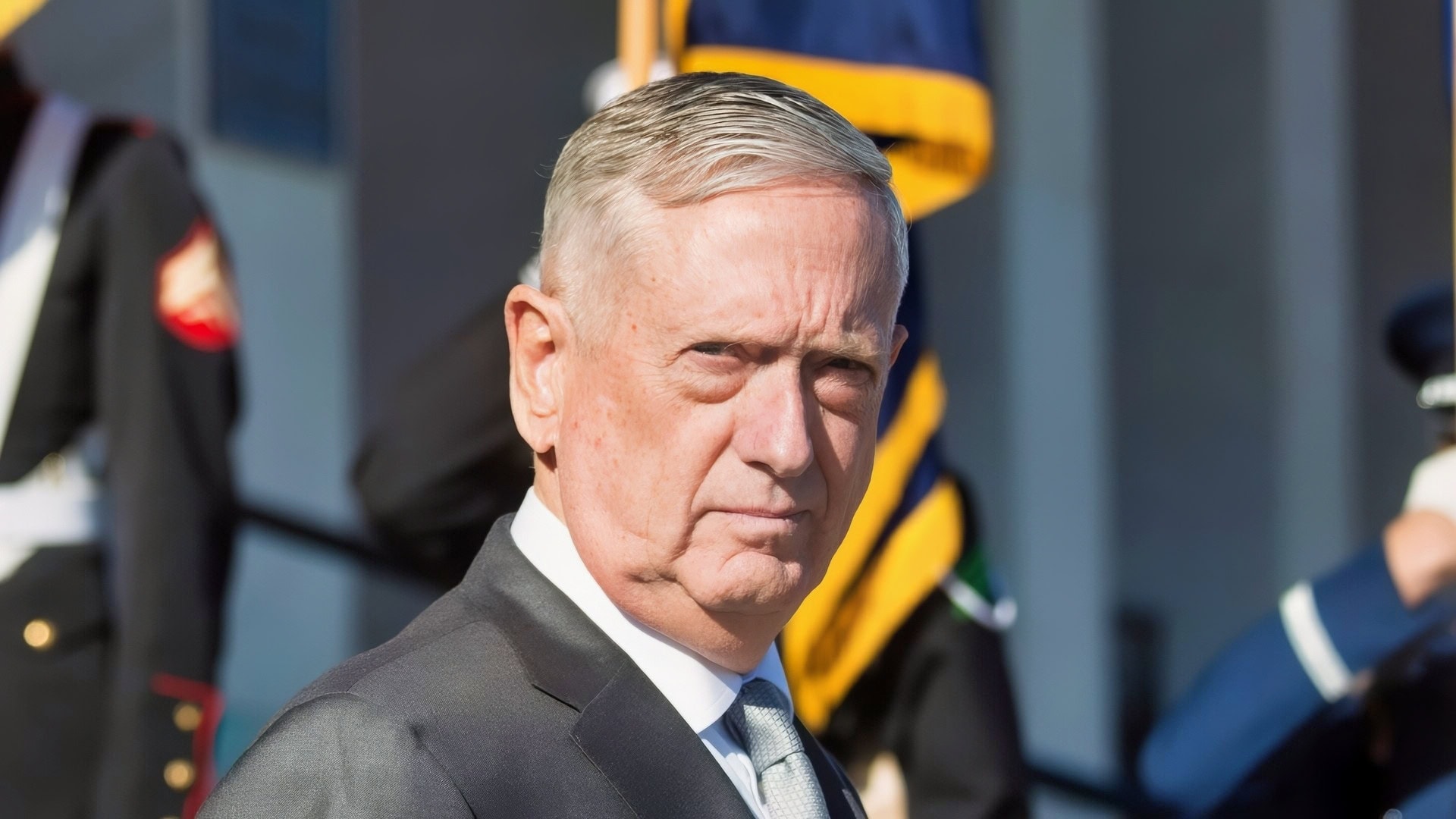
Secretary of Defense Jim Mattis waits for the arrival of President Donald Trump and Vice President Mike Pence Jan. 18, 2018, at the Pentagon in Washington, D.C. (DOD photo by U.S. Navy Petty Officer 1st Class Dominique A. Pineiro)
James Norman Mattis, callsign “CHAOS” (informally referred to as “Mad Dog”), is one of the most prominent American military leaders of the 21st century.
His career spanned four decades, during which he served in several roles, from the Marine Corps to Secretary of Defense.
He was known for his aggressive leadership style, yet he still harbored a strong sense of discipline and restraint.
Early Life and Military Career: James ‘Mad Dog’ Mattis
Mattis was born on September 8, 1950, in Pullman, Washington, and grew up in the Pacific Northwest. His early life was typical for a working-class family.
From a young age, however, he developed an intense interest in reading, history, and military affairs, which would later shape his life. He attended Central Washington University, where he earned a history degree in 1971.
Mattis developed a strong love of learning early in life. He treated learning as a lifelong obligation, a view he carried with him throughout his military career.
Commissioned as a second lieutenant in the U.S. Marine Corps in 1972, Mattis entered a profession that he would remain devoted to for more than forty years.
In his early years in the Marine Corps, he served in platoon- and company-level commands and in staff positions.
Over time, he developed a reputation for demanding high standards while also taking personal responsibility for his Marines’ welfare and preparedness.
He believed leadership was both a moral and professional duty that required constant self-improvement and accountability.
Career in Iraq and NATO Command
Mattis gained national and international attention for the first time during the 2003 invasion of Iraq, when he commanded the 1st Marine Division. Under his leadership, the division conducted a rapid and aggressive advance from Kuwait to Baghdad, contributing significantly to the collapse of Saddam Hussein’s regime.
Despite thecampaign’s speed and intensity, Mattis remained disciplined and restrained, constrained by the asymmetrical nature of warfare in the Middle East.
Following the initial phases of the Iraq War, Mattis continued to rise through the highest levels of military command.
He led the I Marine Expeditionary Force and later served as Supreme Allied Commander Transformation at NATO, a role focused on preparing alliance forces for future conflicts.
In this position, he worked on joint operations, modernization, and adapting large military institutions to unconventional threats. In 2007, he was promoted to four-star General.
In 2010, Mattis assumed command of U.S. Central Command, putting him in charge of American military operations across a vast, volatile region that included the Middle East and Central Asia.
Replacing General David Petraeus, he took command of CENTCOM at the peak of the Global War on Terror.
During his tenure there, he advised then-President Obama to take a more aggressive stance in the Middle East, particularly towards Iran, especially after an Iranian aircraft attacked an American drone in 2011.
Although the Obama administration mistrusted him, he remained in his position until he retired from the military in 2013.
Time as Secretary of Defense
In 2017, after retiring from active duty, Mattis was nominated to serve as Secretary of Defense under Trump’s first term. His appointment required a special congressional waiver because of his recent military service, but it received broad bipartisan support.
As Secretary of Defense, Mattis frequently traveled abroad. He met with other defense ministers worldwide and worked tirelessly to restore confidence in the American Armed Forces.
He also continued to supervise the GWOT, keeping his focus set on the Middle East.
Mattis eventually found himself at odds with President Trump regarding the rapid withdrawal of U.S. forces from Syria without extensive coordination. In December 2018, he resigned as Secretary of Defense.
In his resignation letter, he strongly criticized the President for abandoning regional allies in the Middle East and warned that the U.S. may be playing into the hands of China and Russia.
The resignation drew widespread attention, in part because of its restrained yet unmistakably firm tone. After his resignation, Mattis returned to his post at the Hoover Institution.
Leadership Principles
Throughout his career, Mattis was known as an avid reader and a lover of learning. He became well known for his personal library and his habit of reading widely in history and philosophy. He encouraged everyone who served under him, officers and noncommissioned officers alike, to pick up reading and charged them to expand their minds.
Mattis argued that studying past conflicts was essential to avoid costly mistakes and understand the human dimensions of war. He often warned that ignorance of history leads to repeated failures, often paid for in lives and blood.
This intellectual approach rested on a broader leadership philosophy centered on competence and respect for institutions.
Mattis believed leaders owed their subordinates clarity of purpose and realistic planning, and that moral courage mattered as much as physical courage.
He also strongly supported civilian control of the military, viewing it as essential to a constitutional democracy’s health.
Throughout his career, he maintained a strictly nonpartisan public posture, avoiding political commentary while in uniform.
About the Author: Isaac Seitz
Isaac Seitz, a Defense Columnist, graduated from Patrick Henry College’s Strategic Intelligence and National Security program. He has also studied Russian at Middlebury Language Schools and has worked as an intelligence Analyst in the private sector.