
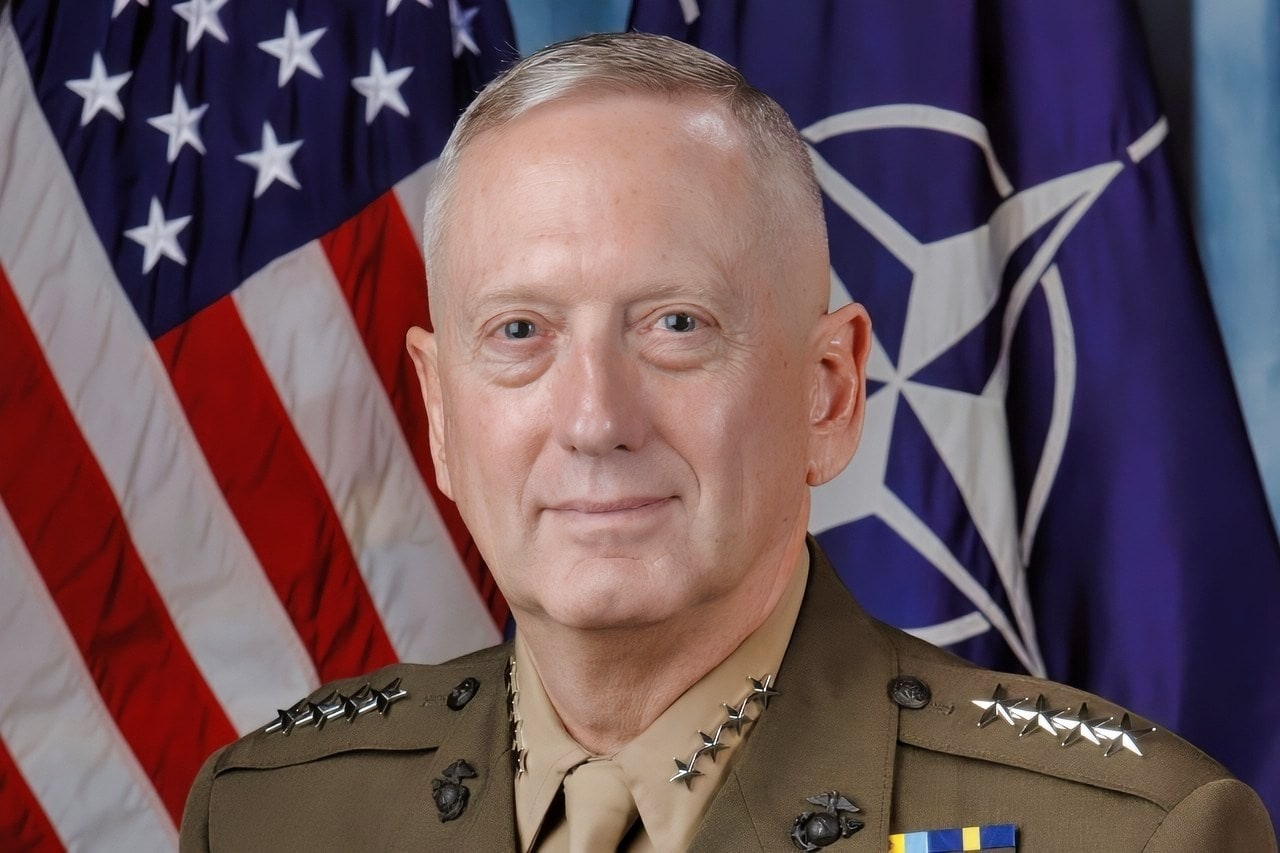
Summary and Key Points: On the eve of the 2003 Iraq invasion, Gen. James Mattis issued a directive that would define his career: “Engage your brain before you engage your weapon.”
-In a letter to his Marines, Mattis balanced the need for “ferocious aggression” against those who resist with “chivalry” toward the Iraqi people.
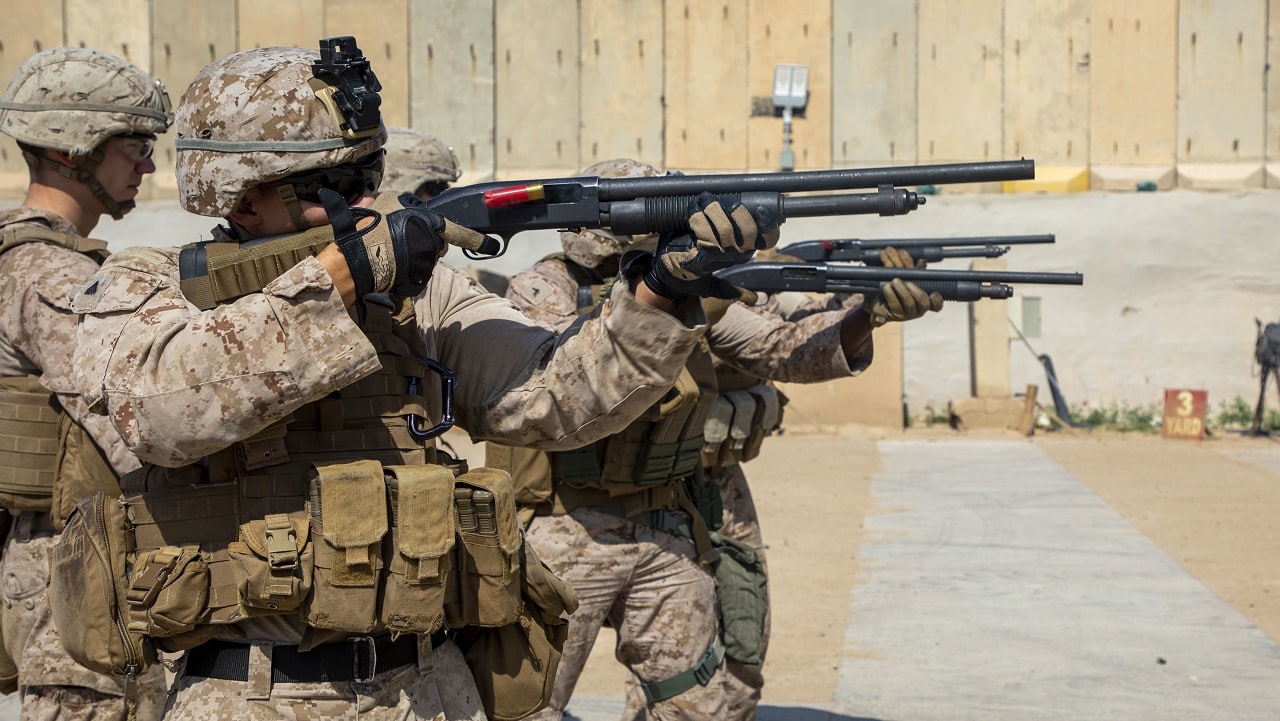
U.S. Marines with 2nd Battalion, 7th Marines, assigned to the Special Purpose Marine Air-Ground Task Force-Crisis Response-Central Command (SPMAGTF-CR-CC) 19.2, fire Mossberg 590A1 12-gauge shotguns at range at the Baghdad Embassy Compound in Iraq, May 8, 2020. The SPMAGTF-CR-CC is a crisis response force, prepared to deploy a variety of capabilities across the region. (U.S. Marine Corps Photo by Cpl. Brendan Custer)
-His command in Iraq became legendary not just for tactical speed, but for his willingness to fire subordinate commanders—including a sitting colonel and recommendations against two senior generals—to maintain the highest standards of leadership and accountability.
-For Mattis, a Marine’s honor was only as clean as their last decision under fire.
The Letter That Defined a Legend: Inside James Mattis’s 2003 Iraq Directive
On the eve of the 2003 Iraq invasion, Gen. James Mattis issued a directive that would define his career: “Engage your brain before you engage your weapon.”
In a letter to his Marines, Mattis balanced the need for “ferocious aggression” against those who resist with “chivalry” toward the Iraqi people. His command in Iraq became legendary not just for tactical speed, but for his willingness to fire subordinate commanders—including a sitting colonel and recommendations against two senior generals—to maintain the highest standards of leadership and accountability. For Mattis, a Marine’s honor was only as clean as their last decision under fire.
Military Quote of the Day: “Engage your brain before you engage your weapon.”- General James Mattis
The above quote comes from a brief letter written by Major Gen. James Mattis, written to “all hands,” in March of 2003, on the eve of the US invasion of Iraq.
The longer version of the quote comes towards the end of the letter, and goes like this, per the American Rhetoric transcript:
“You are part of the world’s most feared and trusted force. Engage your brain before you engage your weapon,” the general wrote to his men. “Share your courage with each other as we enter the uncertain terrain north of the Line of Departure. Keep faith with your comrades on your left and right and Marine Air overhead. Fight with a happy heart and strong spirit.”
The letter began with some talk about Iraqi dictator Saddam Hussein, whom the war was fought to depose.
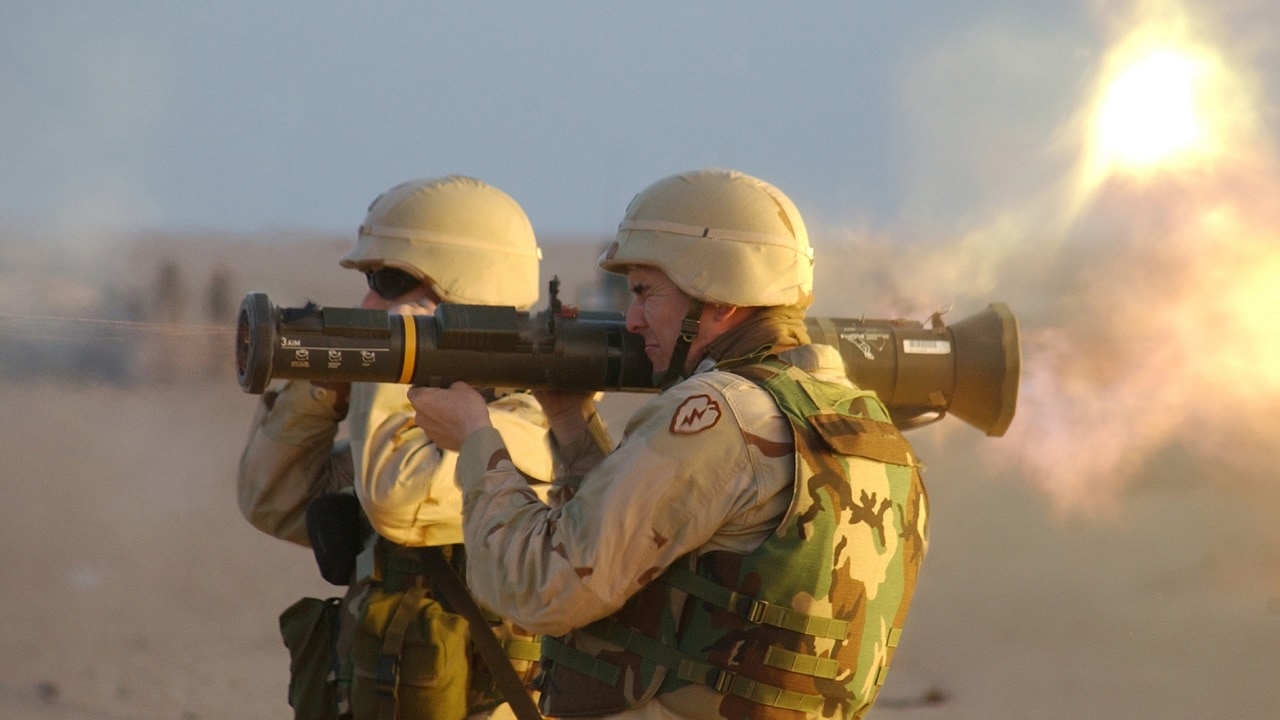
Spc. Thomas Johnson, a paralegal with HHC, 2nd Bde., shoots off an AT-4 round during weapon familiarization at the Udari range in Kuwait Jan. 30.
Soldiers of the 2nd Bde. Combat Team, 25th Infantry Division (Light) are currently preparing for their Operation Iraqi Freedom rotation.
“For decades, Saddam Hussein has tortured, imprisoned, raped and murdered the Iraqi people; invaded neighboring countries without provocation; and threatened the world with weapons of mass destruction,” Mattis wrote.” The time has come to end his reign of terror. On your young shoulders rest the hopes of mankind.”
Mattis also provided some clarity about the mission itself.
“When I give you the word, together we will cross the Line of Departure, close with those forces that choose to fight, and destroy them. Our fight is not with the Iraqi people, nor is it with members of the Iraqi army who choose to surrender. While we will move swiftly and aggressively against those who resist, we will treat all others with decency, demonstrating chivalry and soldierly compassion for people who have endured a lifetime under Saddam’s oppression.”
Mattis also warned about something that was seen as a concern at the time: Saddam’s potential use of weapons of mass destruction on the battlefield.
“Chemical attacks, treachery, and the use of the innocent as human shields can be expected, as can unethical tactics. Take it all in stride. Be the hunter, not the hunted: never allow your unit to be caught with its guard down. Use good judgment and act in the best interest of our Nation.”
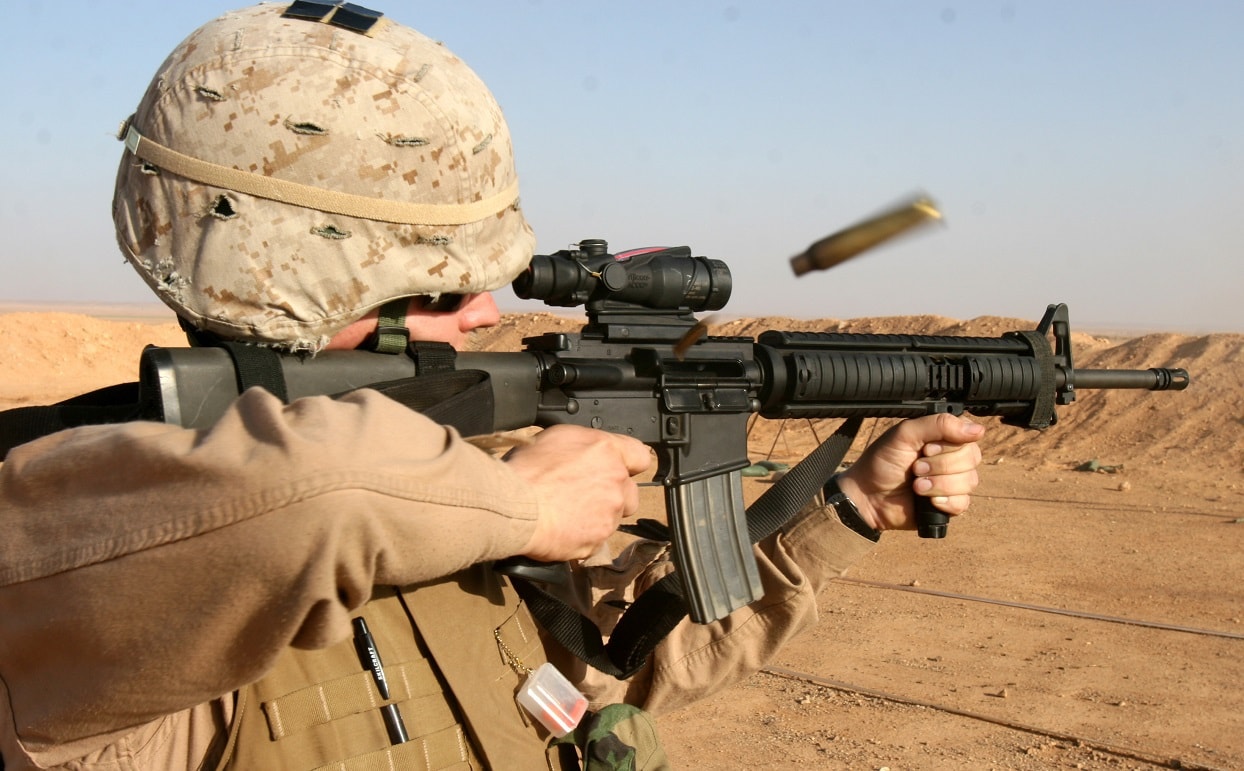
CAMP KOREA VILLAGE, Iraq (May 15, 2007) – Sergeant Christopher L. Mc Cabe fires his rifle during monthly range training here May 15. The Marines and sailors of Detachment 1, Combat Logistics Battalion 2, 2nd Marine Logistics Group (Forward), provide necessities and services to coalition forces throughout the area of operations. Mc Cabe, a Bellaire, Ohio, native, is the staff noncommissioned officer-in-charge of the maintenance section, Det 1, CLB-2, 2nd MLG (Fwd). (U.S. Marine Corps photo by Cpl. Thomas J. Griffith)
The letter ends with some encouraging words for Mattis’ men.
“For the mission’s sake, our country’s sake, and the sake of the men who carried the Division’s colors in past battles—who fought for life and never lost their nerve—carry out you mission and keep your honor clean. Demonstrate to the world that there is ‘No Better Friend, No Worse Enemy’ than a US Marine,” Mattis wrote.
Mattis in Iraq
Per his bio on the website of the Cohen Group, Mattis’s more than 40 years in the Marines “included command of the 1st Marine Expeditionary Brigade in Afghanistan as part of Operation Enduring Freedom and of the 1st Marine Division during the invasion of Iraq in 2003. His time in the military culminated with three years as the Commander of US Central Command, where he oversaw joint efforts in Afghanistan and Iraq and helped shape US policy towards Iran.”
According to his biography in the Military Hall of Honor, Mattis, “as a Major General … commanded the 1st Marine Division during the 2003 invasion of Iraq and subsequent stability operations during the Iraq War. Mattis played a key role in the April 2004 battle of Fallujah, Operation Vigilant Resolve, by negotiating with the insurgent command inside of the city, as well as playing an important part in planning the subsequent Operation Phantom Fury in November.”
The US mission in Iraq did not quite go according to plan. But Mattis was among the figures whose reputation didn’t suffer much from his command in that war.
In 2019, following the end of his tenure as Secretary of Defense in the first Trump Administration, Mattis authored a memoir called Call Sign Chaos: Learning to Lead, which was named for the call sign he used during his command in Iraq. Anthony King, for War on the Rocks, reviewed the book and discussed Mattis’s command in Iraq.
“Mattis’s account of why he personally removed the commander of Regimental Combat Team-1 stood out. This colonel, an honorable man and competent officer, was dismissed in April 2003 after Mattis deemed that he was not driving his troops with sufficient force. Later, I spoke to a staff officer who was at the divisional command post when Mattis fired this officer. Suffice it to say, it was a sad scene,” the review said.
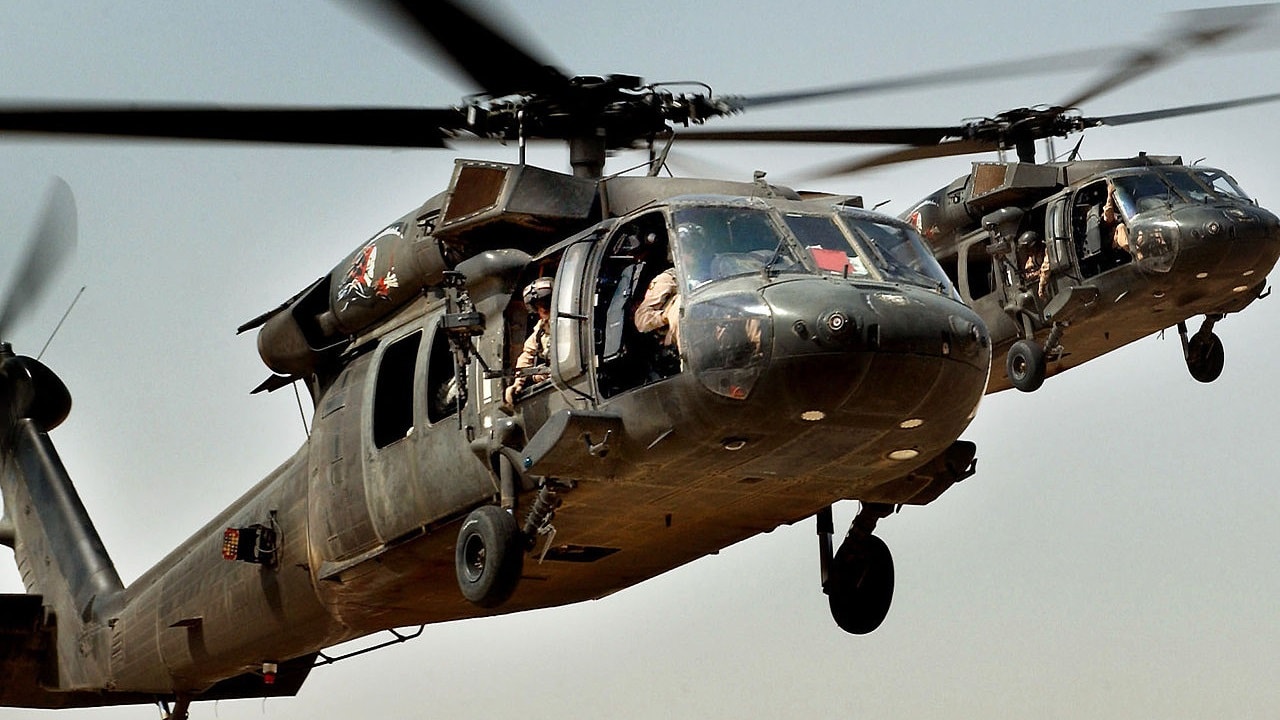
Soldiers from the 101st Airborne Division fly to Forward Operating Base Dagger near Tikrit, Iraq, aboard UH-60 Black Hawk helicopters. This photo appeared on www.army.mil.
“He deeply regretted having to relieve this subordinate, but regarded the sacking as essential. It has become a controversial, even legendary, event. For instance, in his book The Generals, Tom Ricks argues that this dismissal only highlighted the US military’s consistent failure to remove incompetent commanders in Iraq and Afghanistan. Mattis was exceptional — he uniquely was prepared to fire people.”
Later, Mattis took decisive action following the Haditha massacre in Iraq.
“After the Haditha massacre—when, on Nov. 19, 2005, a US Marine platoon killed 24 civilians in Iraq—Mattis decided that it was not enough that the junior perpetrators, guilty though they were, were the only ones punished,” King wrote in the review.
“He conducted an investigation into the event, based on which he sacked the battalion commander, who, Mattis believed, “should have known the details the same day it happened.” He argued that “if lance corporals are not trained properly, their superiors must be held to account for their lack of leadership competence and professional supervision” (p. 167). So Mattis recommended “letters of censure for the divisional commander — a major general — and two senior generals.” In each case, the officers were forced to leave the service.”
While the book appeared shortly after Mattis’s departure as defense secretary, he did not speak much about that topic in it. His aide, Guy Snodgrass, later wrote a book of his own called Holding the Line: Inside Trump’s Pentagon with Secretary Mattis, although Mattis would go on to distance himself from that book.
About the Author: Stephen Silver
Stephen Silver is an award-winning journalist, essayist, and film critic, and contributor to the Philadelphia Inquirer, the Jewish Telegraphic Agency, Broad Street Review, and Splice Today. The co-founder of the Philadelphia Film Critics Circle, Stephen lives in suburban Philadelphia with his wife and two sons. For over a decade, Stephen has authored thousands of articles that focus on politics, national security, technology, and the economy. Follow him on X (formerly Twitter) at @StephenSilver, and subscribe to his Substack newsletter.