
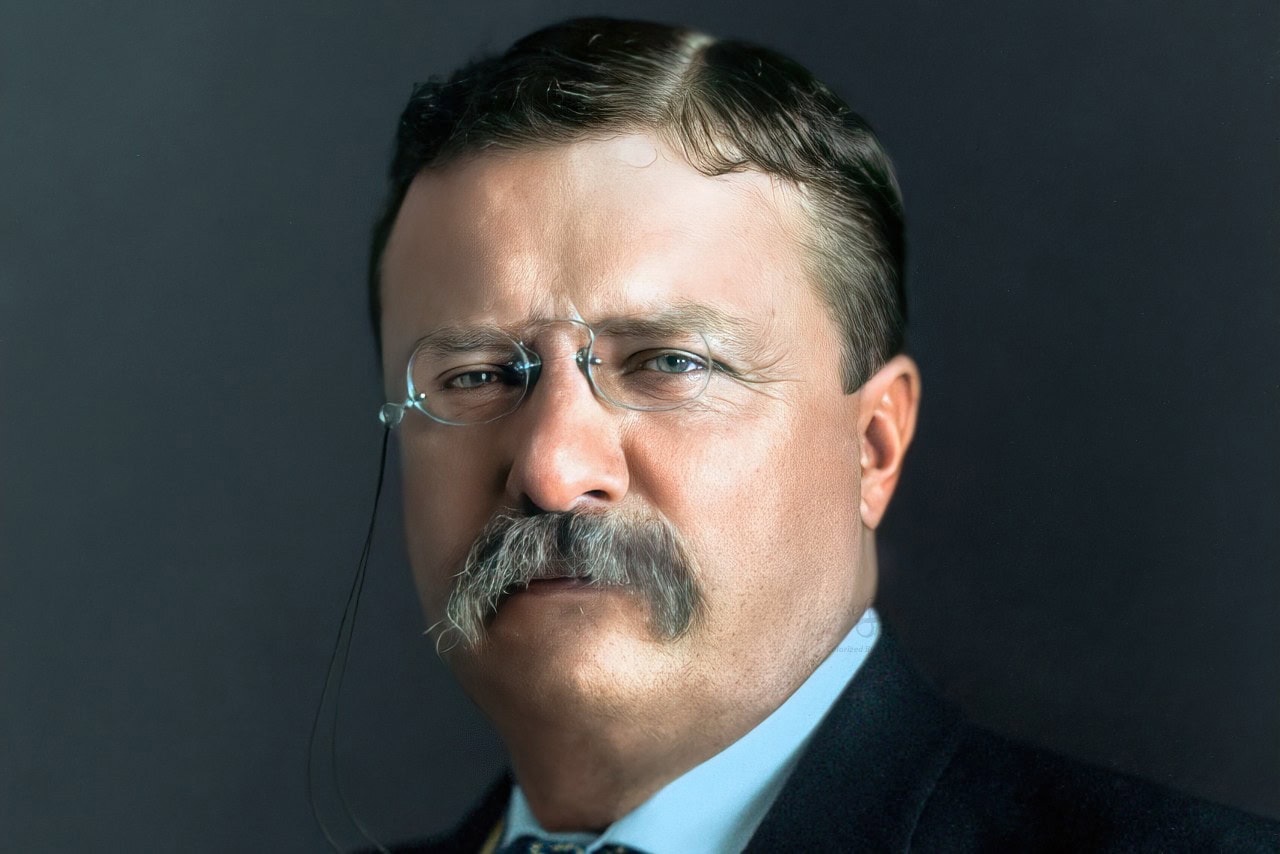
Summary and Key Points: “It is hard to fail, but it is worse never to have tried to succeed.” Expert Harrison Kass takes Theodore Roosevelt at his word and tallies what the trying cost him.
Theodore Roosevelt Is A True American Legend
Theodore Roosevelt is remembered as one of America’s most energetic and versatile presidents.
At different points in his life, Roosevelt was a soldier, a reformer, a conservationist, an explorer, and an advocate of American military power.
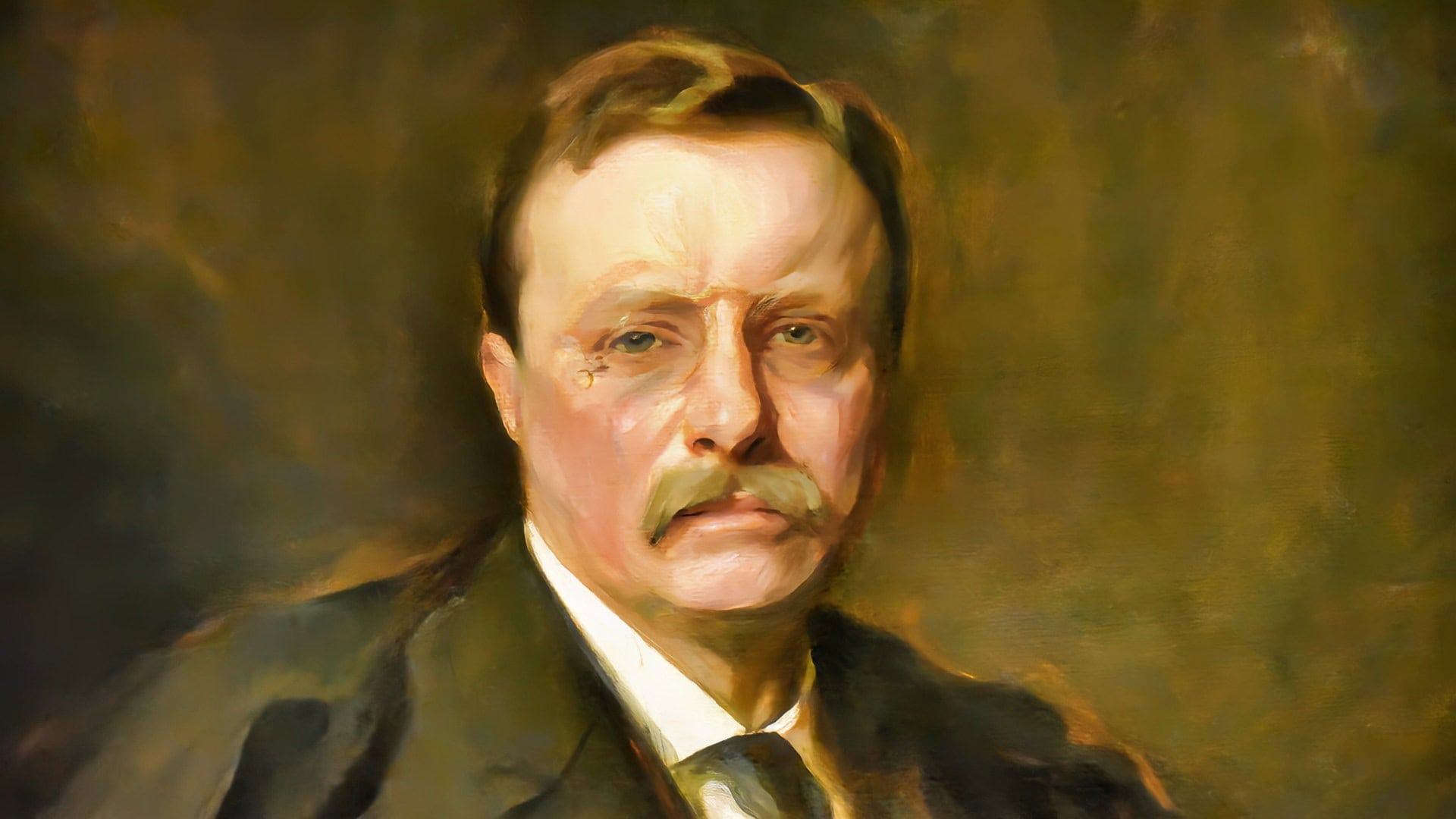
Theodore Roosevelt 19FortyFive.com Image from National Portrait Gallery Taken on 1/23/2026.
Yet his confidence and accomplishments were not necessarily the product of an easy life.
Once, Roosevelt said, “It is hard to fail, but it is worse never to have tried to succeed.” The statement reflects Roosevelt’s lifelong conviction that action, even when unsuccessful, is preferred to passivity. Roosevelt worked through hardships on his way to the presidency, responding in ways that helped define his philosophy of a “strenuous life.”
A Sickly Boy
Born on October 27, 1858, in New York City, Roosevelt grew up in a wealthy and prominent family.
But despite his privileged upbringing, Roosevelt suffered from severe childhood asthma that sometimes caused terrifying attacks, disrupting sleep and daily activities.
As it was the 1800s and modern asthma treatments did not exist, Roosevelt was physically vulnerable.
But rather than dwell on physical weakness as an inability, Roosevelt’s father encouraged his son to develop his body.
Accordingly, Roosevelt embraced exercise, including boxing, hiking, and outdoor activities.
Roosevelt developed greater physical strength, although he never eliminated his asthma.
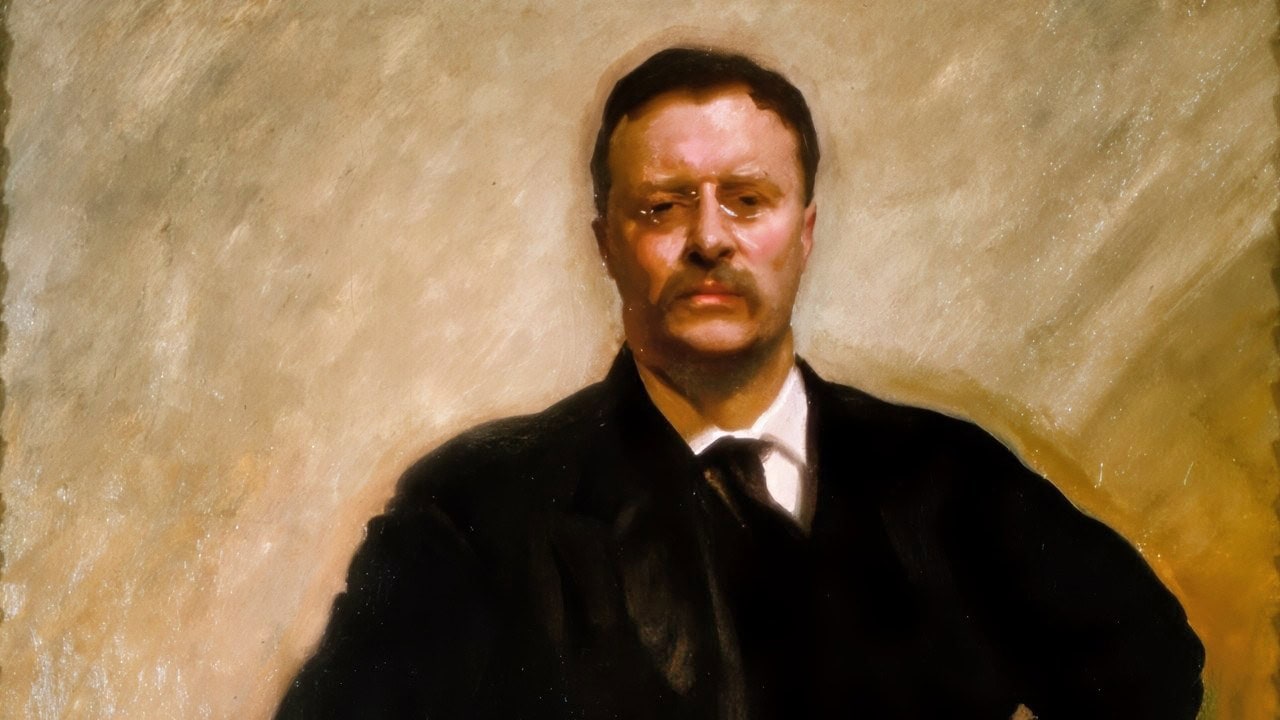
‘Speak softly and carry a big stick; you will go far.’ A Quote by Theodore Roosevelt.
The experience helped establish Roosevelt’s belief that personal limitations should be confronted with concerted efforts at improvement—a feature that would help define Roosevelt’s adult life.
Entering Public Life
Roosevelt entered Harvard College in 1876, where he studied natural history and developed interests in politics, literature, and science.
Roosevelt’s father died when Roosevelt was just 19, a devastating loss, as Roosevelt admired his father and regarded him as a model of moral character and public service.
Nevertheless, Roosevelt completed his coursework and graduated from Harvard in 1880.
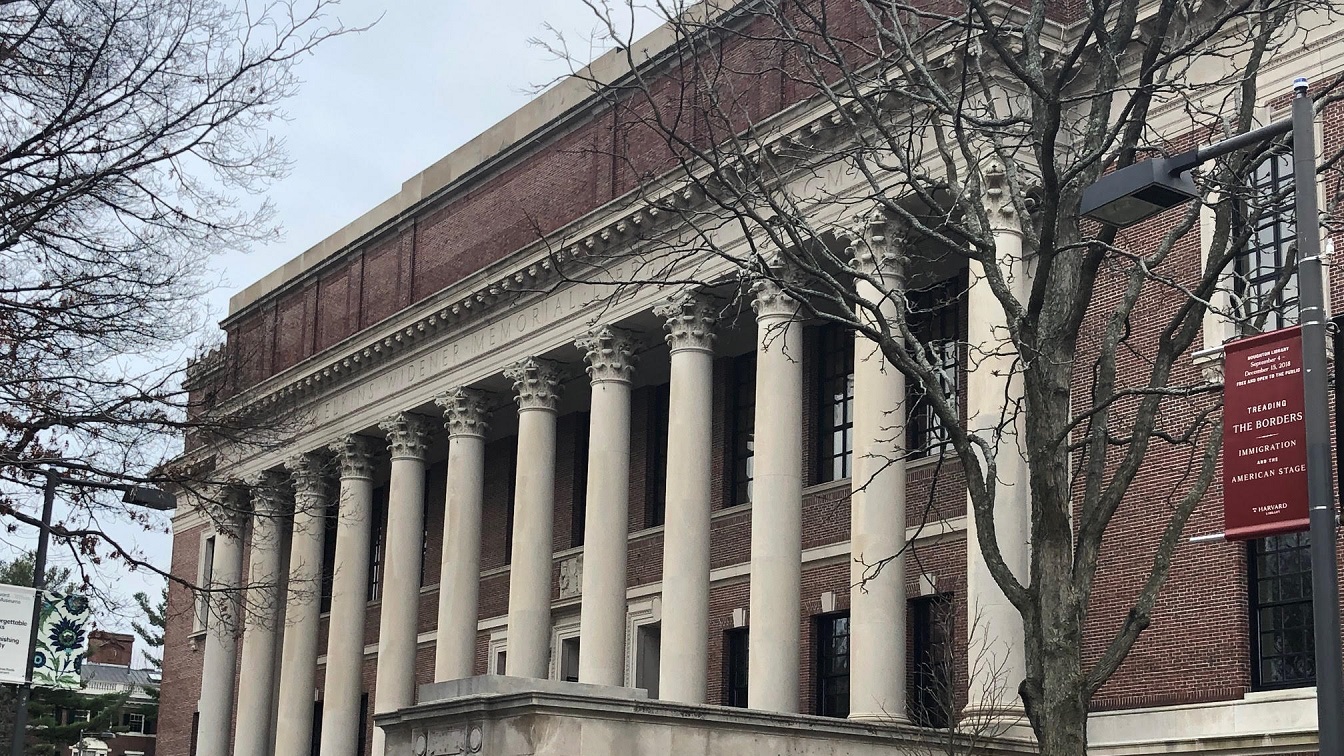
Harvard University from back in 2018. Image Credit: 19FortyFive Staff.
And rather than pursue a comfortable private life, Roosevelt entered politics.
He was elected to the New York State Assembly in 1881, at just 23, where he quickly gained a reputation as an energetic reformer who challenged political corruption and party insiders, often creating enemies—even within his own Republican Party.
A Tragic Loss
Roosevelt experienced the most severe personal crisis of his life early on February 14, 1884, when his mother Martha “Mittie” Roosevelt died of typhoid fever, and hours later, his first wife, Alice Hathaway Lee Roosevelt, died from what is believed to be Bright’s disease.
Roosevelt was just 25 and faced the sudden loss of the two most important people in his life.
In his diary, he drew a large black X and wrote, “The light has gone out of my life.”
Later that year, he withdrew from much of his political life and headed west to the Dakota Territory, where he immersed himself in the frontier and a life of labor and isolation.
Frontier Hardships
Roosevelt invested in cattle ranching in the Dakota Badlands and established the Elkhorn Ranch near Medora.
He fully embraced the demanding life of a rancher, riding long distances and hunting and working alongside cowboys.
Coming from New York City, the experience tested his endurance and exposed him to physical hardships far removed from his privileged upbringing.
He also faced setbacks on the frontier; difficult market conditions and the devastating winter of 1886–1887, which killed enormous numbers of cattle across the Northern Great Plains, damaged his ranch investments.
He lost a substantial portion of his investments and ultimately abandoned ranching as a major business venture.
Despite the failures, the Dakota experience strengthened Roosevelt’s interest in conservation and the American West, and he returned east with a new sense of purpose and greater confidence in his ability to withstand adversity.
Political Setbacks
Roosevelt’s career was far from an uninterrupted rise.
When he came back from the Dakotas, he lost the 1886 New York City mayoral election, finishing third in a three-way contest.
He later held several demanding positions, including US Civil Service Commissioner, president of the New York City Police Board, and Assistant Secretary of the Navy.
His reform efforts frequently generated political opposition.
Famously, in 1898, Roosevelt resigned his Navy Department position to serve in the Spanish-American War, where he helped organize the First US Volunteer Cavalry, popularly known as the Rough Riders.
With the Rough Riders, Roosevelt fought around San Juan Heights in Cuba, where his unit advanced under fire.
Roosevelt became governor of New York in 1899, vice president in March 1901, and then president after William McKinley’s assassination that September.
His rise followed on the heels of illness, grief, and financial and political challenge.
About the Author: Harrison Kass
Harrison Kass is a writer and attorney focused on national security, technology, and political culture. His work has appeared in Tablet, City Journal, The Hill, The Spectator, and The Cipher Brief. He holds a JD from the University of Oregon and a master’s in Global & Joint Program Studies from NYU—more at harrisonkass.com.