
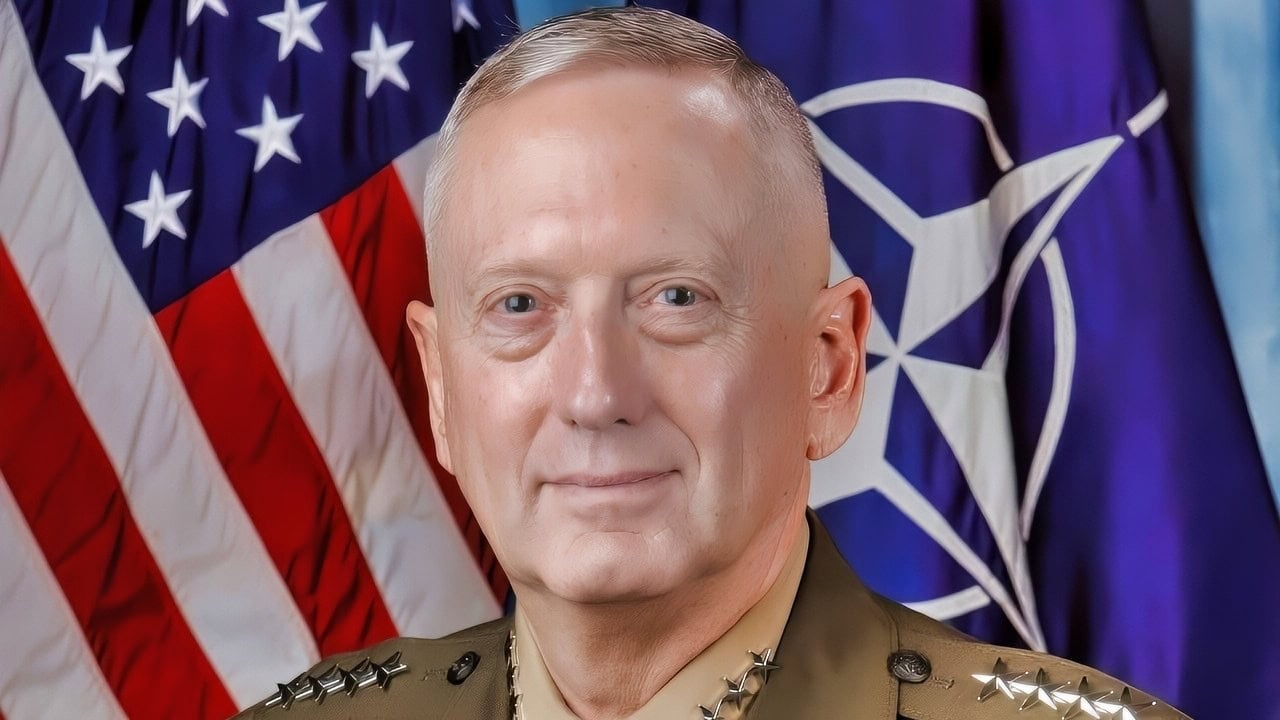
Summary and Key Points: “Wise leadership requires collaboration; otherwise, it will lead to failure.” The line is attributed to James Mattis, and Harrison Kass traces the habit behind it to the years before he was a general.
Why James Mattis Inspires so Many in the US Marines and Around the World
Retired Marine Corps General James Mattis is one of the most recognizable American military commanders of the post-9/11 era.
Known for his blunt assessments, intellectual curiosity, and battlefield leadership, Mattis commanded forces in Afghanistan and Iraq before serving as Secretary of Defense.
A quotation attributed to Mattis captures an important principle of his leadership philosophy: “Wise leadership requires collaboration; otherwise, it will lead to failure.” Although military organizations operate through strict chains of command, successful leadership depends on cooperation.
Mattis’s appreciation for teamwork and delegation developed during his early decades in the Marine Corps, long before he became a general.
Early Life
Born September 8, 1950, in Pullman, Washington, Mattis grew up primarily in Richland, Washington, in a family with a military background (his father served in the Merchant Marine during World War II and his mother worked in Army intelligence).
Mattis developed an early interest in military history and public service.
In 1969, during the Vietnam War, he enlisted in the Marine Corps Reserve.
He also attended Central Washington State College and graduated in 1971 with a degree in history.
In 1972, Mattis received his commission as a second lieutenant through the Naval Reserve Officers Training Corps.
Unlike many other prominent American generals, Mattis did not attend West Point or another federal service academy.
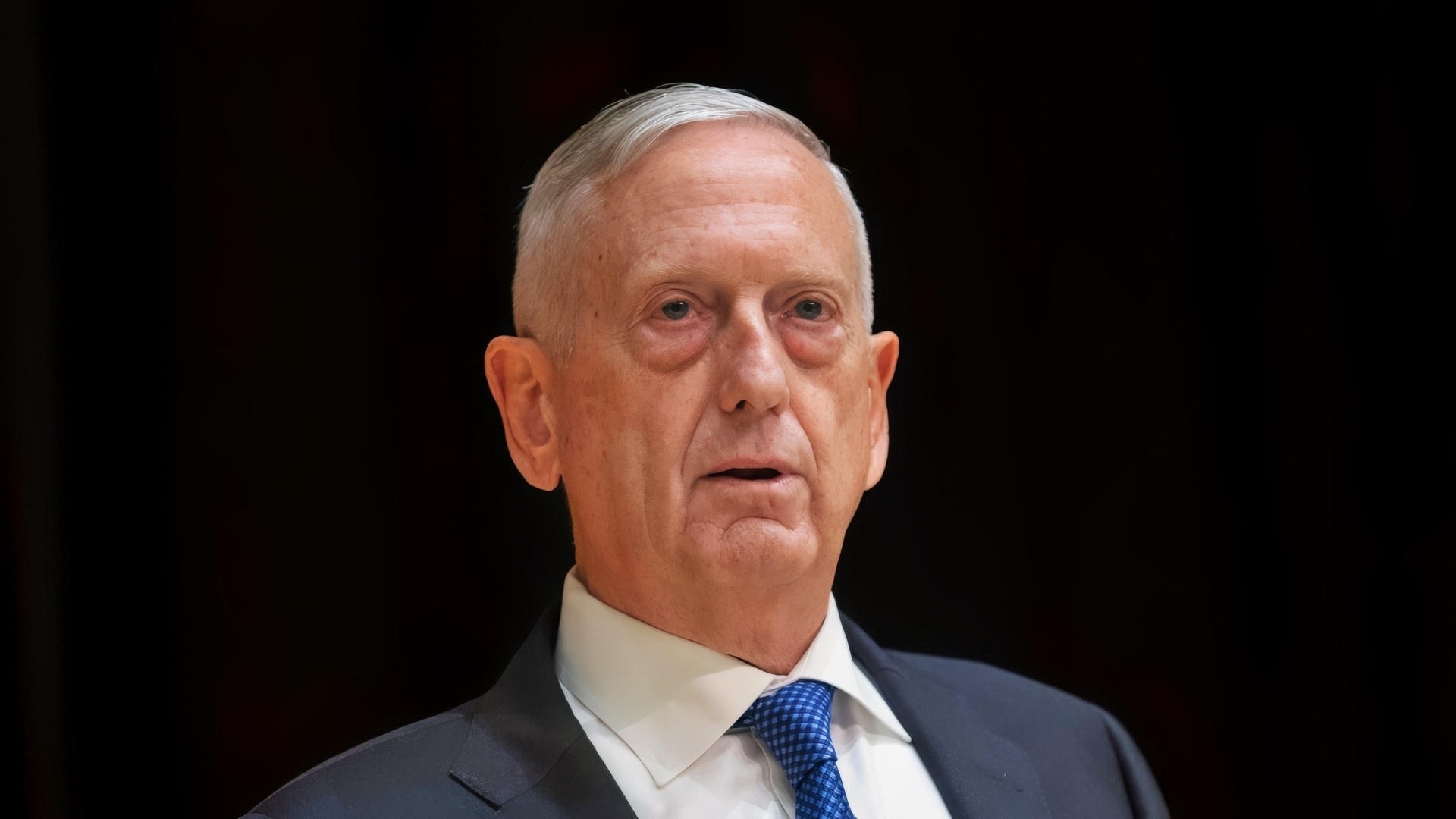
Retired Gen. and former Secretary of Defense, James Mattis, talks about his book tour at Little Hall on Marine Corps Base Quantico, Sept. 25, 2019. Mattis talks about how to improve leadership skills to the audience by making his message personal through bringing up stories about his past Marine Corps career. (U.S. Marine Corps photo by Lance Cpl. Piper A. Ballantine)
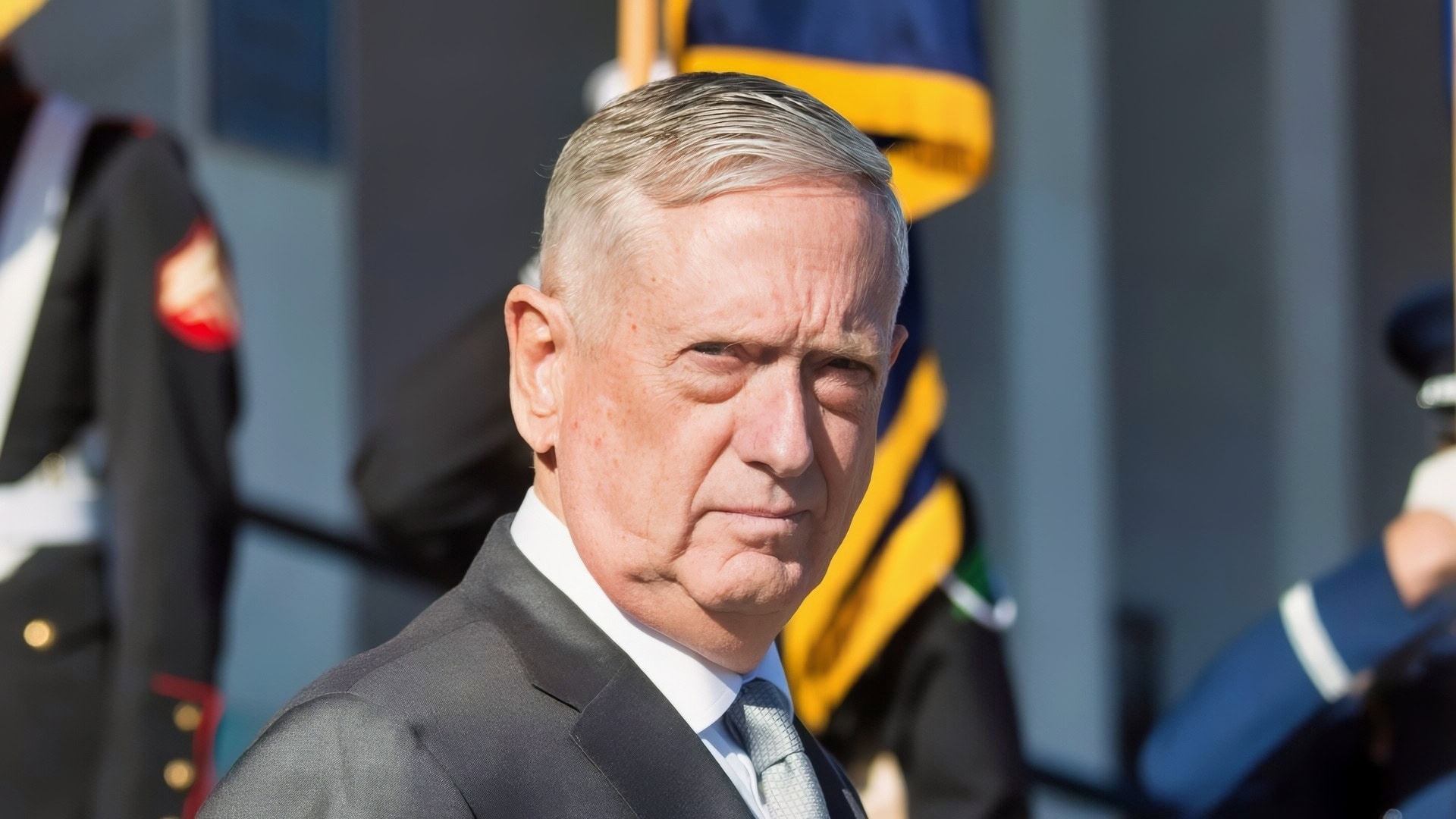
Secretary of Defense Jim Mattis waits for the arrival of President Donald Trump and Vice President Mike Pence Jan. 18, 2018, at the Pentagon in Washington, D.C. (DOD photo by U.S. Navy Petty Officer 1st Class Dominique A. Pineiro)
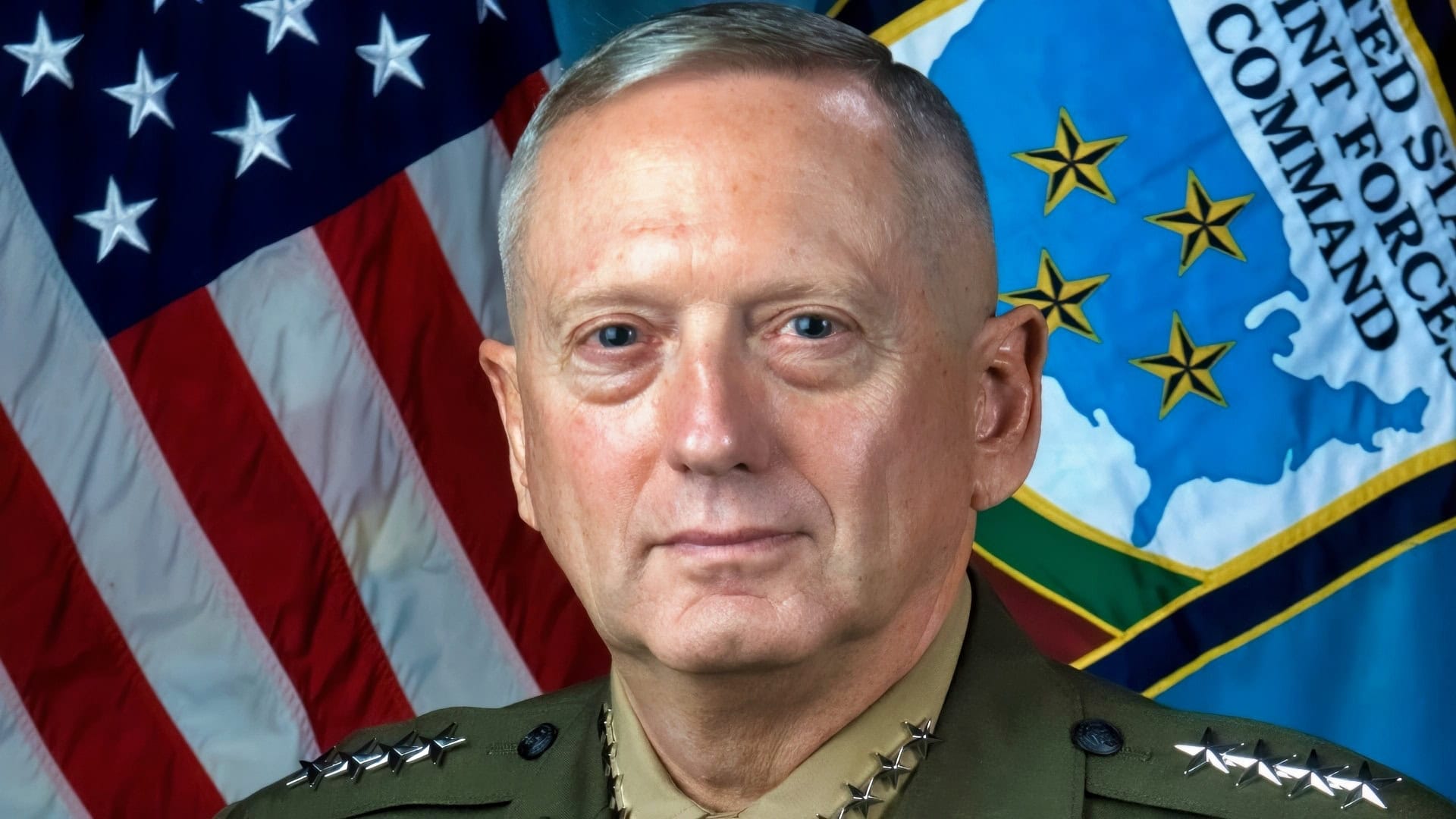
James Mattis US Marines Photo
His earliest military experiences included service as an enlisted reservist before assuming the responsibilities of a commissioned officer.
Junior Officer
Mattis began his commissioned career in the Marine infantry, and his early assignments included serving as a rifle platoon commander and later a rifle company commander.
As a young lieutenant, he was responsible for training, discipline, readiness, and the welfare of enlisted Marines.
Although he held formal authority, many of the NCOs under his command had more practical military experience.
Indeed, the Marine Corps depends heavily on its NCOs, particularly sergeants and staff sergeants, to translate officers’ plans into action.
Therefore, a successful platoon commander must understand when to listen, delegate, and trust the experience of subordinates.
Mattis would become known for emphasizing the importance of small-unit leadership and initiative.
His early infantry service gave him practical exposure to those principles—environments where leadership wasn’t simply about giving orders.
Still, it required building credibility and discipline and developing a unit capable of functioning under pressure.
Reading and Learning
Mattis became famous for his extensive reading and interest in military history.
He believed officers should study previous conflicts rather than assume every battlefield problem was unprecedented.
His professional education included the Marine Corps Amphibious Warfare School, Marine Corps Command and Staff College, and National War College.
These institutions emphasized operational planning, military history, strategy, and the coordination of different military capabilities.
Mattis’s approach to learning reflected a form of intellectual collaboration, drawing on the experience and mistakes of earlier commanders.
Mattis also encouraged those around him to read widely and develop independent judgment.
This leadership philosophy emphasized preparation, competence, and the ability to adapt when circumstances changed.
The Gulf War
The Gulf War served as Mattis’s first major combat command.
By 1990, Mattis had risen to lieutenant colonel and was the commander of the 1st Battalion, 7th Marines.
His battalion deployed during Operations Desert Shield and Desert Storm, following Iraq’s invasion of Kuwait.
During the 1991 Gulf War, American and coalition forces conducted a major campaign to expel Iraqi troops from Kuwait.
Mattis’s responsibilities extended beyond directing infantry movements, as battalion command required coordinating subordinate companies, supporting fires, logistics, comms, and other aspects of military capability.
Success depended on officers and NCOs understanding the mission and executing their responsibilities without constant supervision or input.
The Gulf War provided Mattis an opportunity to apply his training and professional development in a combat environment.
Iraq and Afghanistan
Mattis continued advancing through the Marine Corps during the 1990s.
In 2001, he commanded Task Force 58 during the opening phase of the Afghanistan war.
In 2003, Mattis commanded the 1st Marine Division during the invasion of Iraq.
In both instances, Mattis’s responsibilities expanded dramatically from his days commanding a rifle platoon.
Still, he remained committed to the same fundamental principles: clear objectives, trust in his subordinates, and a coordinated action plan.
About the Author: Harrison Kass
Harrison Kass is a writer and attorney focused on national security, technology, and political culture. His work has appeared in Tablet, City Journal, The Hill, The Spectator, and The Cipher Brief. He holds a JD from the University of Oregon and a master’s in Global & Joint Program Studies from NYU—more at harrisonkass.com.