
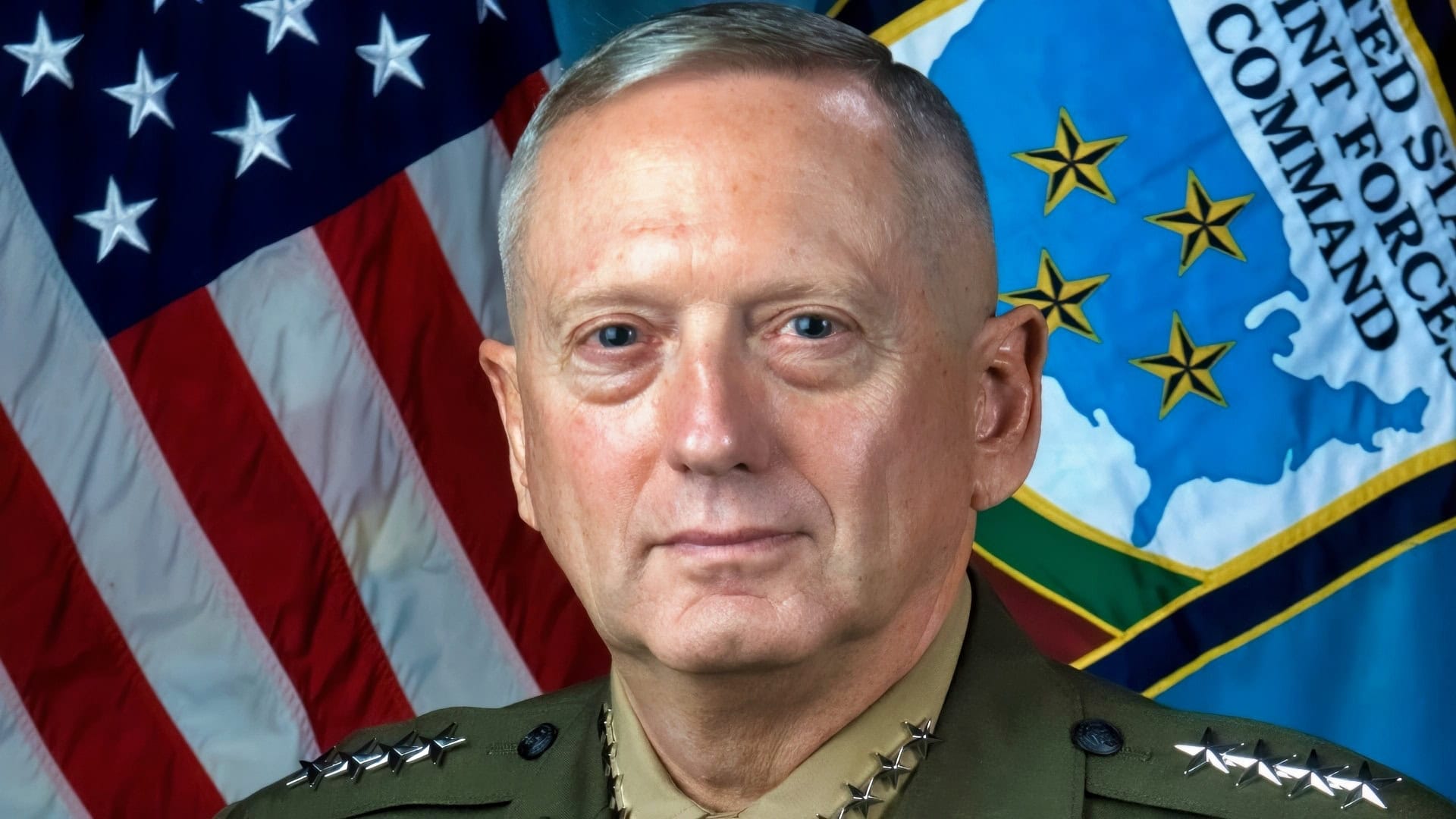
Summary and Key Points: A line commonly attributed to James Mattis holds that wise leadership requires collaboration, or it ends in failure, and his career reads like a long argument for it. Born September 8, 1950, in Pullman, Washington, he enlisted in the Marine Corps Reserve in 1969 and was commissioned through NROTC in 1972, with a history degree and no service academy. As a rifle platoon commander, he leaned on sergeants who knew more than he did, a habit that later shaped his emphasis on NCOs and small-unit initiative. Years of reading earned him the nickname Warrior Monk.
The One and Only James Mattis
Retired Marine Corps General James Mattis is among the most recognizable American military commanders of the post-9/11 era. Known for his blunt language, intellectual curiosity, and battlefield leadership, Mattis commanded Marines in Afghanistan and Iraq before becoming Secretary of Defense.
One quote commonly attributed to Mattis captures the nature of his leadership philosophy: “Wise leadership requires collaboration; otherwise, it will lead to failure.” The quote suggests that although military command is inherently hierarchical, successful leadership requires more than issuing orders.
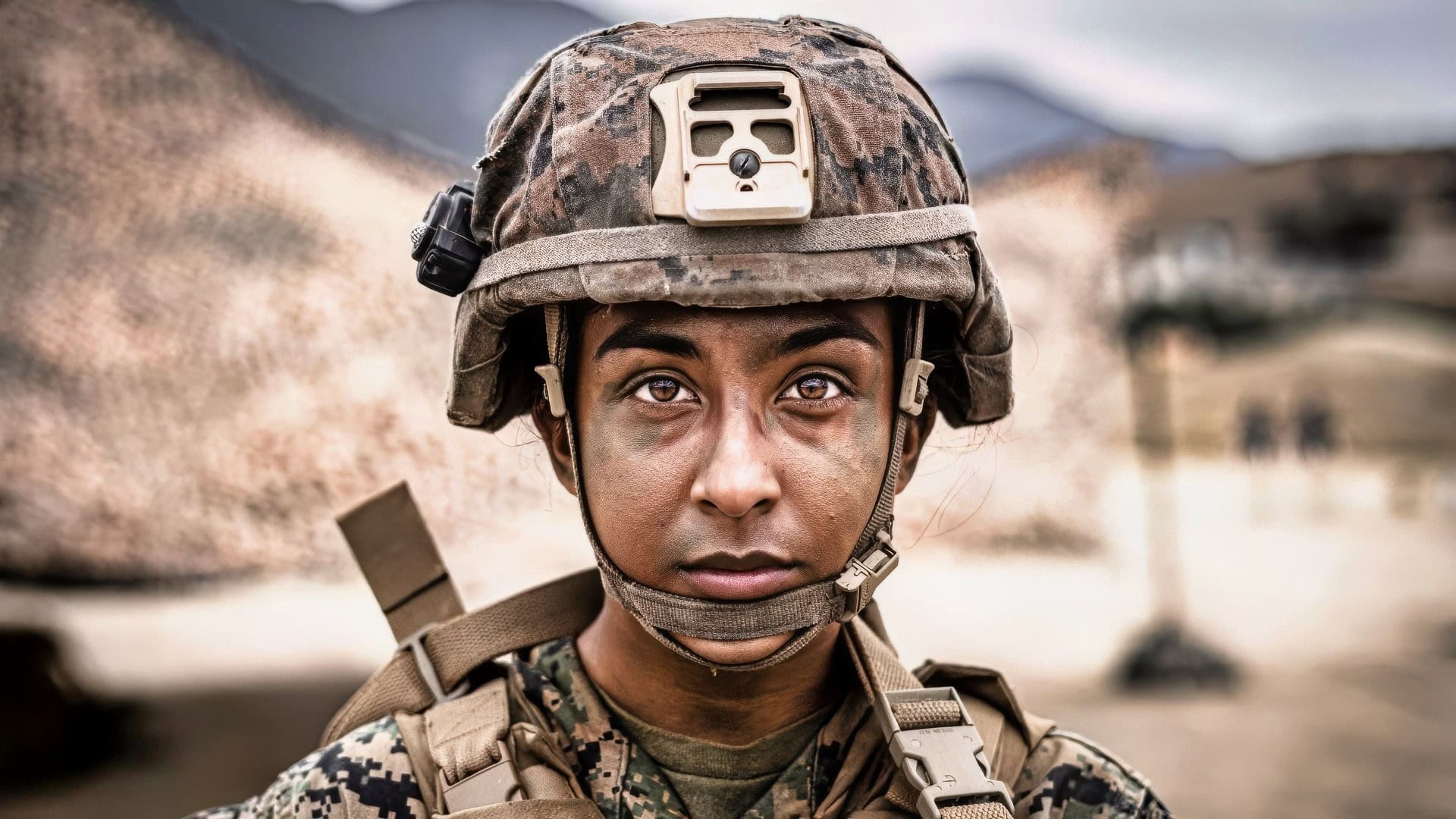
U.S. Marine Pfc. Emily Zamudio with Alpha Company, Infantry Training Battalion, School of Infantry (SOI) West, prepares for a shooting drill at Marine Corps Base Camp Pendleton on Sept. 1, 2021. Zamudio graduated recruit training from the first female platoon to become Marines at Marine Corps Recruit Depot San Diego, May 2021. She then progressed to SOI West where she completed the Infantry Marine Course and earned the military occupational specialty of 0311, infantry Marine. (U.S. Marine Corps photo by Sgt. Tessa D. Watts)
Mattis’s career illustrates the importance of teamwork and trust, principles that he developed during his formative years as a young Marine officer.
Early Life
Born September 8, 1950, in Pullman, Washington, Mattis grew up in a military family with a father who had served in the Merchant Marine during World War II and a mother who had worked in war intelligence.
Raised primarily in Richland, Washington, Mattis developed an early interest in military history before enlisting in the Marine Corps Reserve in 1969, as the Vietnam War intensified.
Mattis graduated from Central Washington State College in 1971 with a bachelor’s in history and then was commissioned as a second lieutenant in 1972 through the Naval Reserve Officers Training Corps.
Unlike some prominent American generals, Mattis did not graduate from a service academy.
Rather, his leadership education began with the practical responsibilities of commanding Marines rather than with the prestige of an elite military institution.
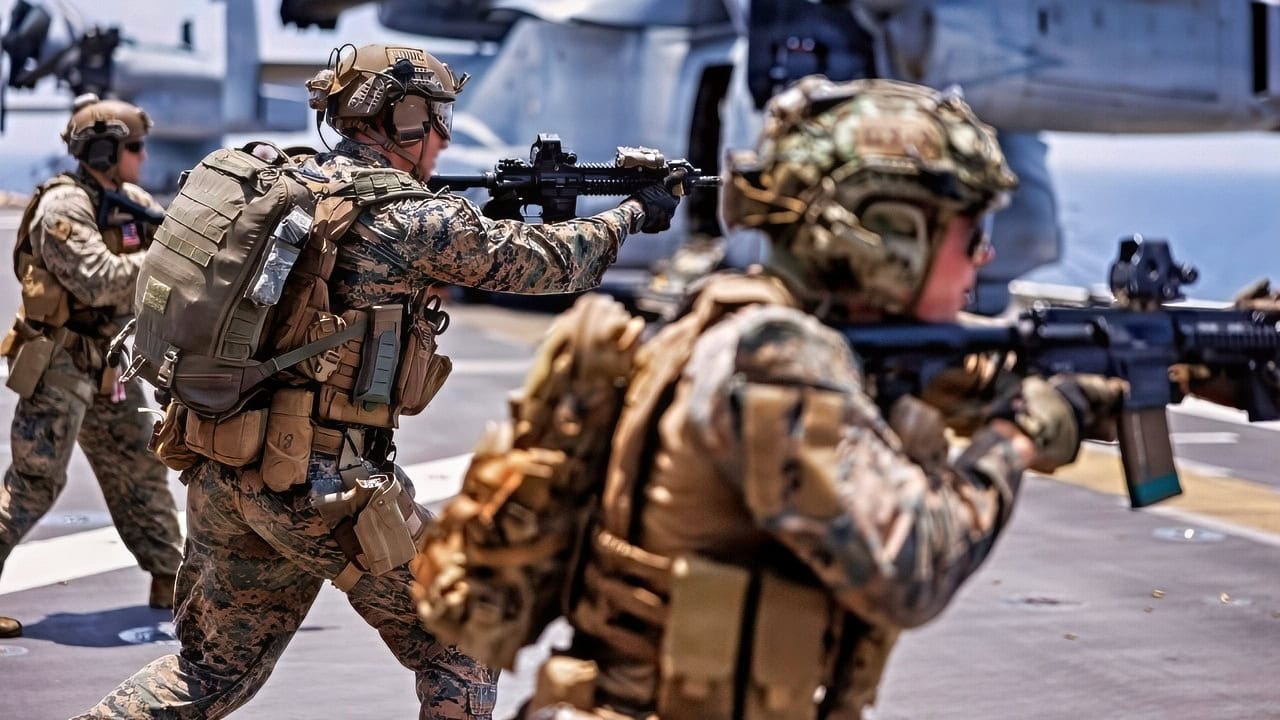
The Marines could land in Iran tomorrow. Navy SEALs would prepare the beach. The 82nd Airborne could infiltrate. The invasion would succeed initially. Then Iran would launch drones and missiles at every U.S. base, satellite terminal, and air defense radar in the Middle East. Getting in is easy. Surviving is the problem.
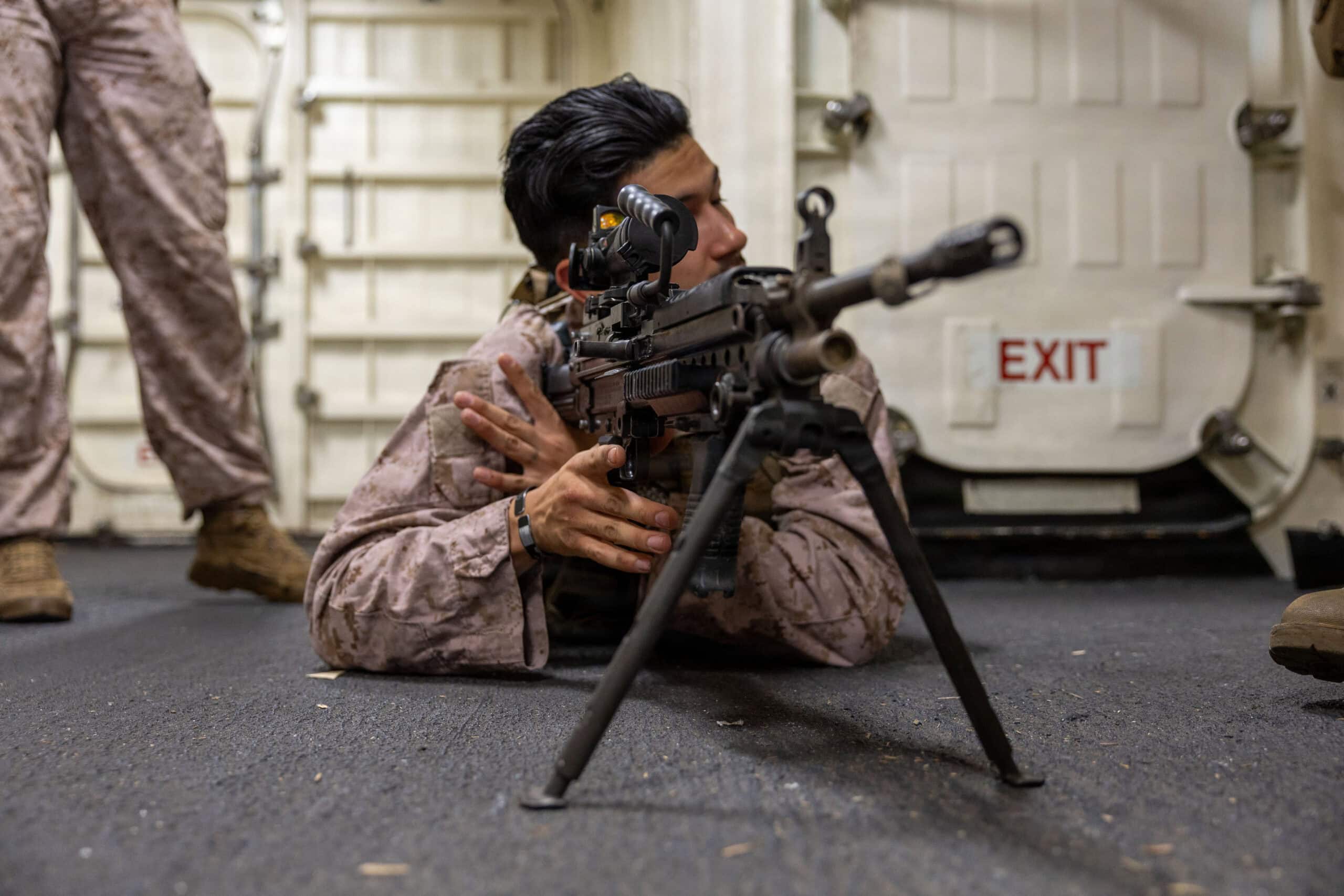
PACIFIC OCEAN (March 23, 2026) U.S. Marine Corps Sgt. Osvaldo Ochoagomez, an infantry squad leader with Lima Company, Battalion Landing Team 3/5, 11th Marine Expeditionary Unit, demonstrates how to use an M27 infantry automatic rifle aboard San Antonio-class amphibious transport dock ship USS Portland (LPD 27), March 23, 2026. Portland, part of the Boxer Amphibious Ready Group, is underway with the 11th Marine Expeditionary Unit in the U.S. 3rd Fleet area of operations demonstrating the U.S. Navy’s long-term commitment to a free and open Indo-Pacific. (U.S. Navy photo by Mass Communication Specialist 2nd Class Sheryssa Dodard)
The Young Officer
Mattis began his commissioned career as an infantry officer with early assignments, including service as a rifle platoon commander, where he was responsible for the training, discipline, and welfare of enlisted Marines.
As a junior lieutenant, Mattis had to rely on experienced NCOs who often had more practical military knowledge than he did, illustrating a fundamental reality of military leadership: rank establishes authority, but experience and competence do not necessarily equate to rank.
Effective platoon commanders listen to their sergeants to better understand their Marines’ capabilities and develop trust.
Mattis would later become known for emphasizing the importance of NCOs and small-unit initiative. Mattis’s early infantry assignments provided the environment in which those principles could develop.
Maturing into a Commander
Mattis progressed through the Marine Corps infantry command structure during the 1970s and 1980s, with assignments including command of a rifle company and battalion-level leadership and staff positions.
As his responsibilities increased, he had to coordinate larger groups of Marines and integrate personnel, planning, and operations.
Along the way, Mattis attended professional military education programs, including the Marine Corps Amphibious Warfare School, Marine Corps Command and Staff College, and National War College.
These institutions exposed officers to military history, operational planning, joint warfare, and the complexities of command.
Mattis became known for his commitment to reading and his belief that commanders should study historical examples of warfare.
He believed that military history allowed officers to learn from the mistakes of others rather than repeat them unnecessarily, hence the nickname “Warrior Monk.”
The Gulf War
By the early 1990s, Mattis had risen to command the 1st Battalion, 7th Marines, which he led during the 1991 Persian Gulf War when American-led coalition forces expelled Iraqi troops from Kuwait.
The campaign required coordination between ground units, aviation, artillery, logistics, and coalition forces.
For Mattis, commanding a battalion in wartime meant relying on subordinate officers and NCOs to execute complex missions.
The Gulf War gave Mattis an important combat test of the principles he had developed over two decades of service—and showed how modern military operations depend on coordinated action.
From Commander to General
Mattis continued advancing through the Marine Corps after the Gulf War, commanding the 7th Marine Regiment and later serving as commanding general of the 1st Marine Expeditionary Brigade.
In 2001, he led Task Force 58 during the opening phase of the Afghanistan war.
The operation involved Marines operating far inland from the sea, supported by naval aviation and other American forces.
Mattis would go on to command the 1st Marine Division during the 2003 invasion of Iraq.
These campaigns demanded intensive coordination across ground, air, naval, and intelligence organizations—which Mattis, a longtime proponent of teamwork, was philosophically equipped for.
About the Author: Harrison Kass
Harrison Kass is a writer and attorney focused on national security, technology, and political culture. His work has appeared in Tablet, City Journal, The Hill, The Spectator, and The Cipher Brief. He holds a JD from the University of Oregon and a master’s in Global & Joint Program Studies from NYU—more at harrisonkass.com.