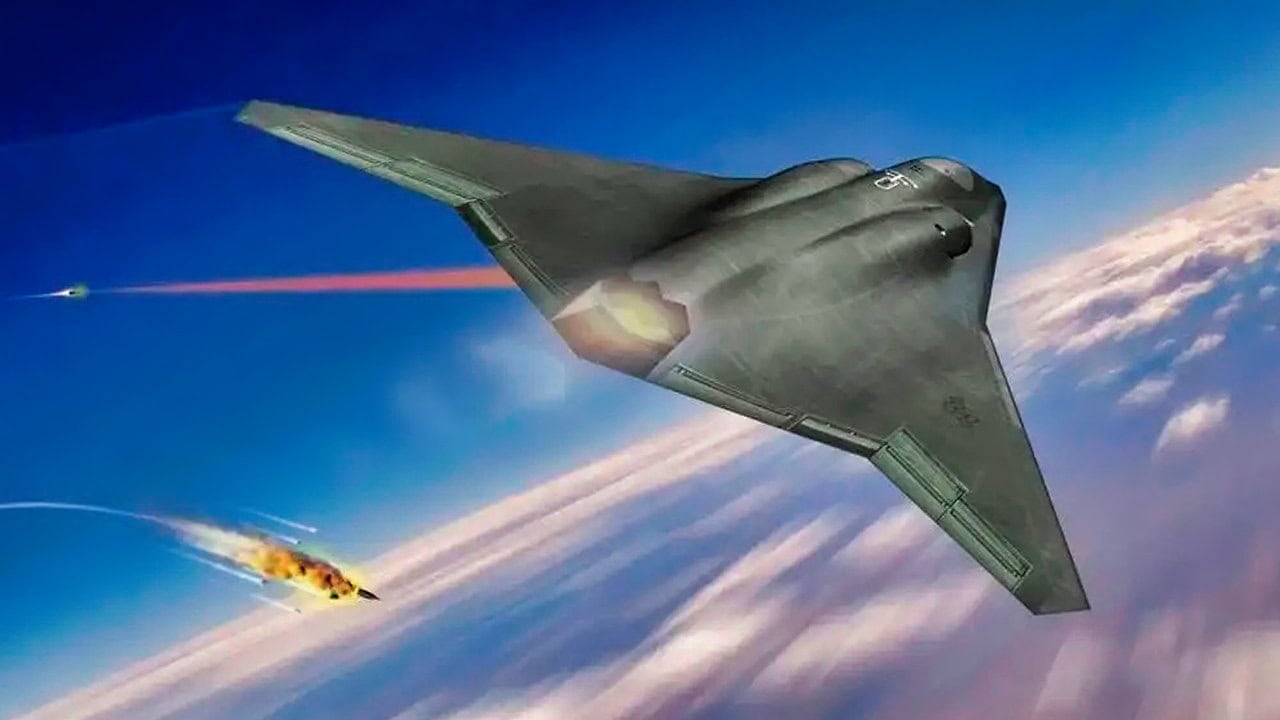
Summary and Key Points on the F/A-XX Fighter: US Navy officials have indicated it should fly more than a quarter farther than current Navy fighters before refueling. Boeing won the development award, worth more than $20 billion, in September, but the jet’s design specifics remain classified.
The F/A-XX Stealth Fighter Is Born
The F/A-XX is the U.S. Navy’s planned sixth-generation fighter.
Built by Boeing, the aerospace and defense prime, the stealthy aircraft is intended to restore the reach and survivability of a U.S. Navy carrier air wing in contested waters and to become the manned core of a much broader network of fighters, sensors, and uncrewed aircraft.
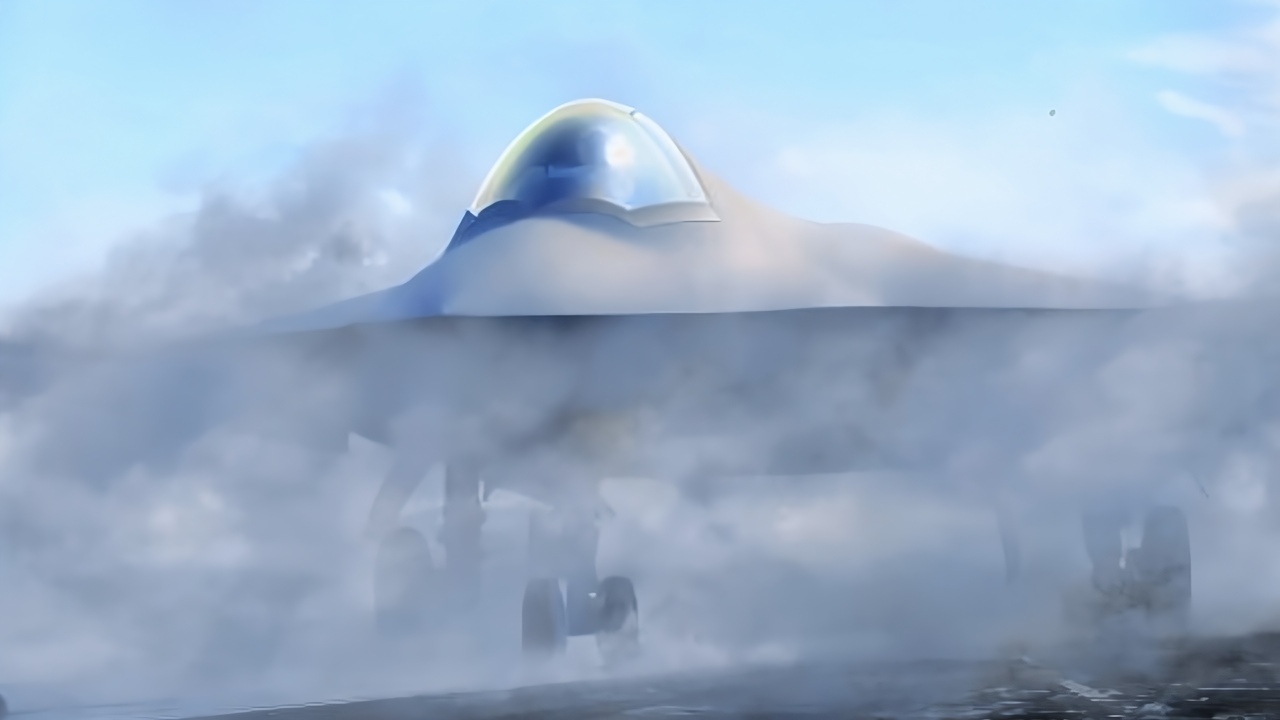
FA-XX from Boeing
F/A-XX: What it Will Replace
The still-provisionally named F/A-XX will initially augment, then replace, the U.S. Navy’s aging F/A-15E/F Super Hornets and EA-18G Growlers from the 2030s onward. The F-35C will remain in the fleet and work alongside the new jets.
At the same time, Collaborative Combat Aircraft, uncrewed aircraft operating without a human pilot onboard, will extend the jet’s reach, including that of its sensor suite and electronic warfare abilities.
The Super Hornet and the Growler have carried much of the U.S. Navy’s strike, fleet defense, and airborne electronic-attack burden for decades.
The F/A-XX is therefore conceived of as the center of a family of systems that can survive in environments where the Super Hornet family could not, while also directing other armed aircraft.
The Capability Leap
One of the most consequential improvements is the jet’s range.
U.S. Navy officials have indicated that the aircraft should fly more than 25 percent farther than the current crop of U.S. Navy fighters before needing refueling.
Compared to the Super Hornet’s estimated 1,275-nautical-mile combat radius, that would represent a substantially greater unrefueled reach.
That is a big deal, as range will matter if a war with China ever happens, as the US Navy will need to position its carriers as far away from Chinese ballistic and cruise missiles as possible.
The F/A-XX’s stealth capabilities are another central promise.
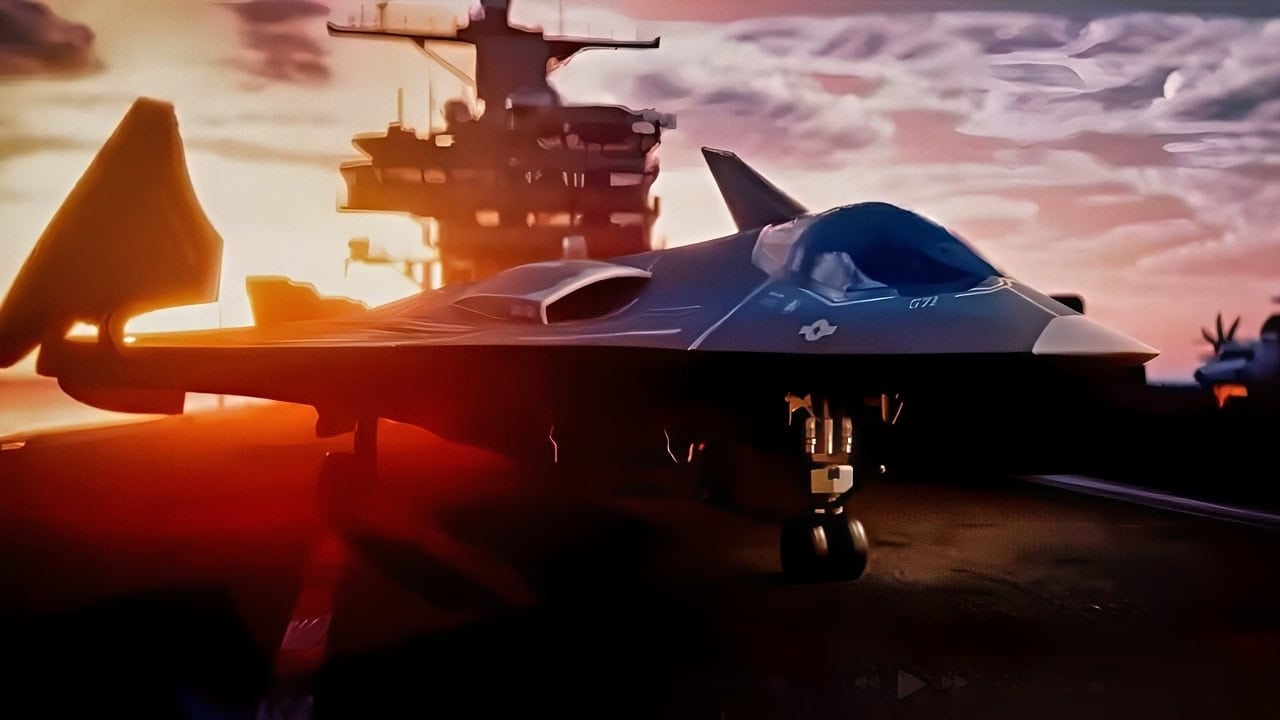
F/A-XX NG Photo. Image Credit: Northrop Grumman.
Public descriptions point to an advanced, low-observable design, improved sensors, and an open mission-system architecture, although the F/A-XX’s exact specifications are naturally classified.
The goal is not invisibility, but instead the ability to penetrate even well-defended airspace and survive, while retaining enough situational awareness to fire its weapons effectively.
Five Things to Know
The F/A-XX is a U.S. Navy program, not a U.S. Air Force program. The F/A-XX is the carrier-based component of the U.S. Navy’s Next Generation Air Dominance effort, whereas the U.S. Air Force’s F-47, a different sixth-generation fighter program, is related but distinct.
Boeing won the F/A-XX development from the Pentagon in September of this year.
The award, worth more than $20 billion, covers full-scale development and multiple test aircraft, ground and airworthiness, and weapons integration trials.
Notably, Northrop Grumman, the aerospace prime and finalist for the F/A-XX program, will not protest its loss to rival Boeing.
The sixth-generation jet is built for manned-unmanned teaming.
Instead of just carrying more weaponry, the aircraft is expected to act as a node controlling or cooperating with uncrewed combat aircraft, multiplying sensor scope, and offering coverage of a much wider swath of the battlefield than a single aircraft could achieve on its own.
One of the jet’s defining advantages will likely be operational reach.
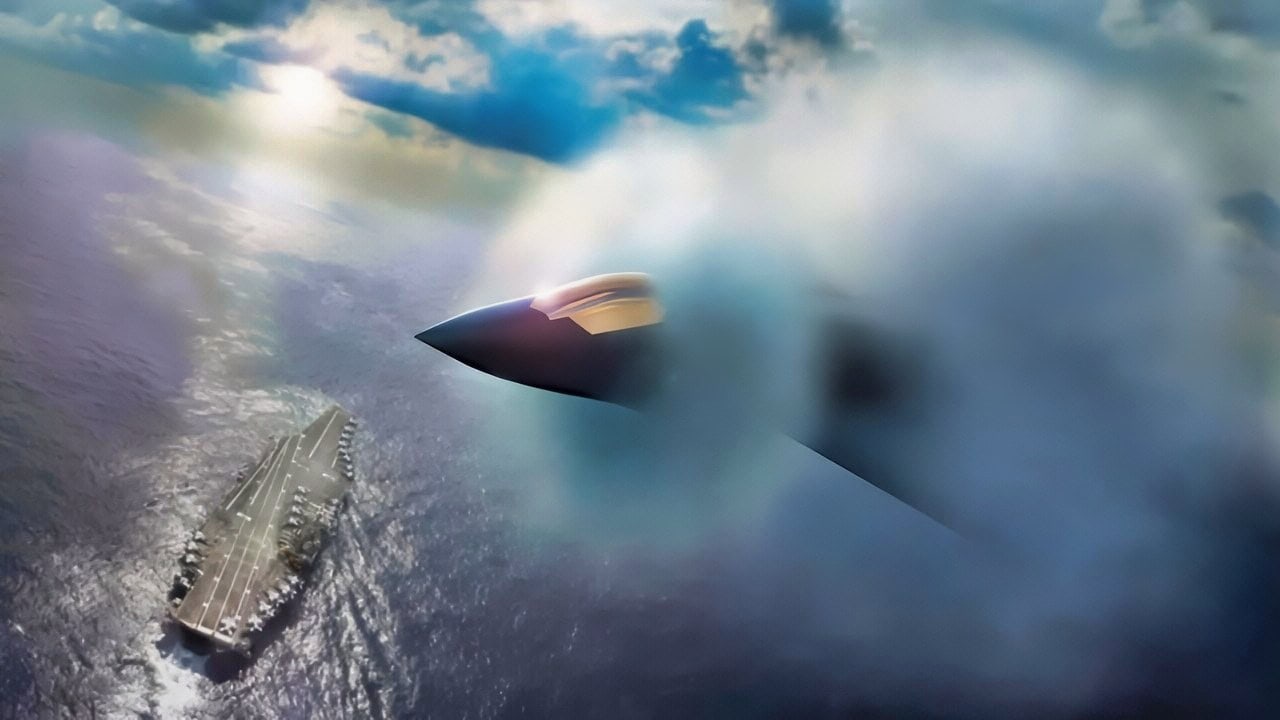
F/A-XX Boeing Image.
With an eye to the Pacific and the potential for a conflagration to erupt in that part of the world, America’s sailing service is keen to boost aircraft combat radii and let warplanes operate farther from hostile shores and warships for longer periods of time before needing to be refueled.
The details of the F/A-XX program are, however, distinctly opaque and complicate penetrative analyses of the aircraft.
The Pentagon has disclosed the broader mission and program structure, but not the aircraft’s design specifics, including images of the aircraft in its entirety, the jet’s engines, radar, payload, or performance specs, all of which remain classified.
The Dawn of a New Era in Naval Air Combat?
The F/A-XX reflects a shift in naval air power from relying on a lone crewed fighter to deploying a distributed combat system.
The jet’s anticipated range addresses the growing danger to aircraft carriers from long-range missiles.
Its stealth and networking address the difficulty of operating inside defended airspace, and its manned-unmanned teaming is set to reduce risk for human pilots.
The award gives Boeing responsibility for one of the United States’ two main sixth-generation fighter efforts and places the firm squarely in the center of the Pentagon’s future air combat plans.
And while there is precious little information about the F/A-XX publicly available, that dearth of information could change in the future.
About the Author: Caleb Larson
Caleb Larson is an American multiformat journalist based in Berlin, Germany. His work covers the intersection of conflict and society, focusing on American foreign policy and European security. He has reported from Germany, Russia, and the United States. Most recently, he covered the war in Ukraine, reporting extensively on shifting battle lines in Donbas and writing about the war’s civilian and humanitarian toll. Previously, he worked as a Defense Reporter for POLITICO Europe. You can follow his latest work on X.