
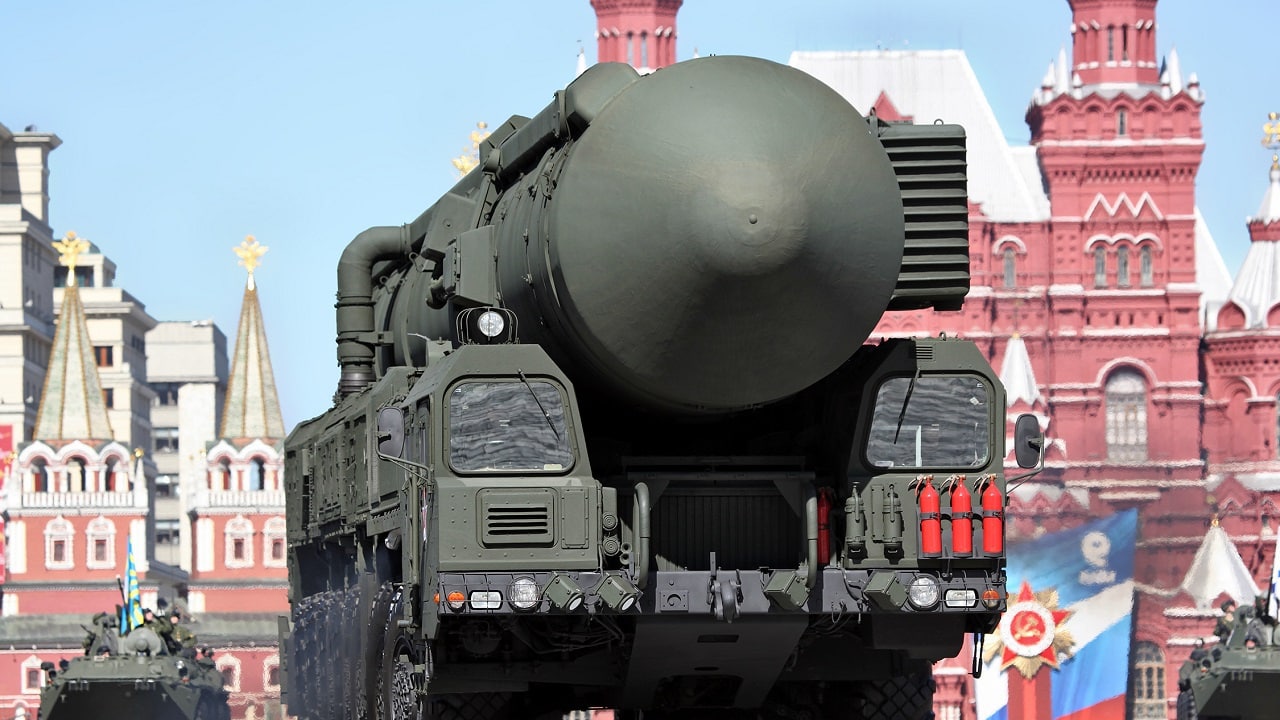
The Best Possible Outcome in Shenzhen at the APEC Summit is a Nuclear Deal, Not Peace in Ukraine: This week, US President Donald Trump, Chinese President Xi Jinping, and Russian President Vladimir Putin will meet in Shenzhen, China, during the APEC summit. It is the first time the leaders of the world’s three largest nuclear powers will sit down together. The White House says the meeting will focus on nuclear weapons and Iran, not Ukraine. No agreement is expected.
Still, the best that could come of Shenzhen would be some movement on a three-way agreement on strategic nuclear weapons. Conversely, the summit will almost certainly not resolve the war in Ukraine
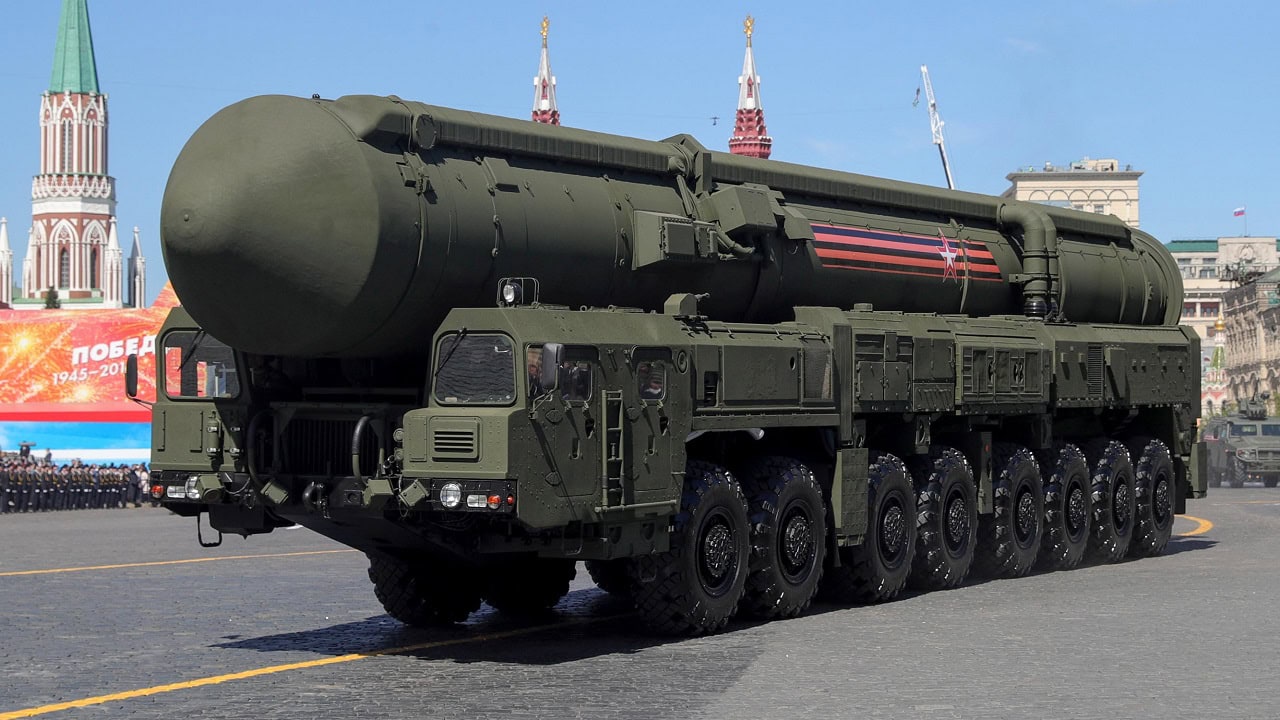
MAY 9, 2018: An RS-24 Yars mobile intercontinental ballistic missile system rolls down Moscow’s Red Square during a Victory Day military parade marking the 73rd anniversary of the victory over Nazi Germany in the 1941-1945 Great Patriotic War, the Eastern Front of World War II. Sergei Bobylev/TASS.
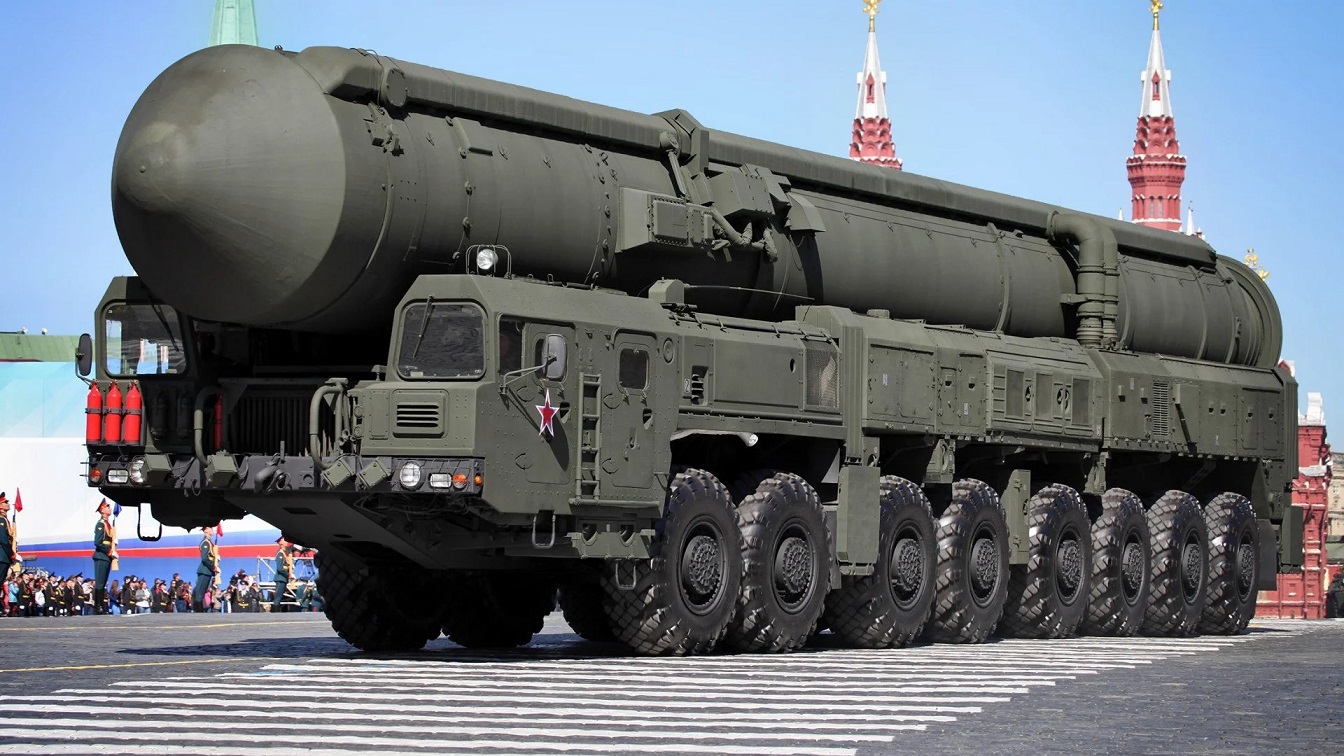
Russian mobile missile. Image Credit: Creative Commons.
The Case for a Tripolar Nuclear Deal
New START, the last US-Russian nuclear arms control treaty, expired in February. Putin offered to observe its limits informally for another year. Trump declined, calling instead for a ‘new, improved, and modernized’ treaty. He has balked for years at another START deal unless China joins. Shenzhen is an opportunity for such a ‘tripolar’ deal.
Such a deal would be a good idea, because a tripolar nuclear arms race would be genuinely new, and it could create weird, competitive effects. The Cold War arms race was bilateral; each superpower sized its arsenal against one rival. With three players, each must hedge against two. If the US builds to match Russia and China combined, both will see an America far bigger than either of them is.
They will then build more. In 2022, the head of US Strategic Command admitted he was ‘not sure what strategic stability looks like in a three-party world.’ It would be better to nip this potential arms race in the bud.
If Trump could pull off a tripolar deal, it would be a genuine, unblemished positive in his legacy. Even his critics would applaud.
Three Big Obstacles to a Nuke Deal
The problems, though, are huge. First, Putin likes his nukes. They are one of Russia’s last claims to great power status. Russia’s economy lags far behind America’s and China’s, and its army has spent nearly five years failing to conquer a smaller neighbor. Without the world’s largest nuclear arsenal, Russia is an oversized regional power with oil. Moscow also insists that British and French warheads be counted – a demand that could stall a deal before it starts.
Second, Xi seems determined to close the gap with the US and Russia. China has around 620 warheads and is expanding its arsenal faster than any other country. By 2030, it could have as many ICBMs as either America or Russia. Beijing says it is ‘neither fair, reasonable, nor realistic’ to ask it to join nuclear talks now. Xi will not freeze China into permanent inferiority.
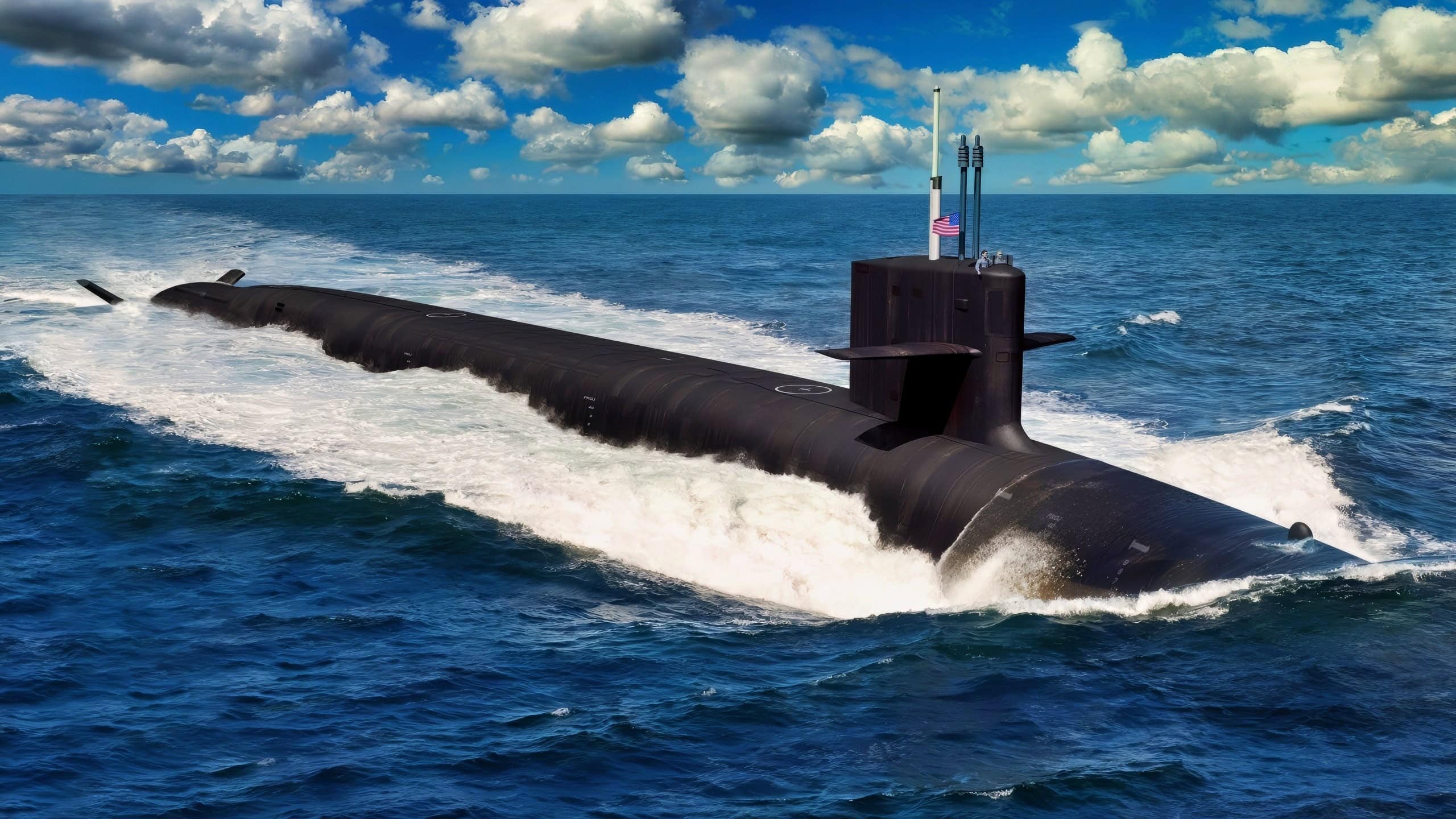
Columbia-Class Submarine SSBN Rendering U.S. Navy Photo
Third, Trump does not grasp issues this complex. Strategic arms control is technical and tedious – counting rules, launchers, verification, inspections. He has no patience for such details and is too disinterested in the grinding diplomacy necessary to change Xi’s and Putin’s minds for a serious deal. We have seen that minimal commitment from Trump on nukes before, when he negotiated with Kim Jong-Un over North Korea’s nuclear weapons and barely made an effort. And this year he let New START die nine months ago, promising something better. There is still no new treaty and little sign of one.
No Ukraine Breakthrough
Trump cannot deliver Ukrainian concessions; that is clear now. Last week’s US-brokered talks in Abu Dhabi deadlocked on territorial concessions, as Kyiv again rejected Putin’s demand for the whole Donbas. And Putin’s demands have now become so fantastical that Europe and Ukraine will never accept them. He reportedly treats Ukraine’s withdrawal from the Donbas as merely the price of a ceasefire, with more territory required for a final deal.
Perhaps Xi and Trump can personally convince Putin to accept a lot less. That would be great. A realistic deal could be that Russia keeps the Donbas, and Ukraine joins NATO. China is Russia’s economic lifeline, and Putin will never find a friendlier American president. Together, they have real leverage.
But neither seems eager to use it. Xi reportedly told Germany’s president that the three would not discuss Ukraine. The White House says the same. Trump would have to push his friend Putin hard to cut a realistic deal. He has never done so far. He even lifted sanctions on Russian diesel to cut American fuel prices before the midterms.
Shenzhen will likely produce a handshake photo and vague language. A three-way nuclear deal is a long shot. A Ukraine peace is an even longer shot.
Author: Dr. Robert Kelly, Pusan National University
Dr. Robert E. Kelly is a professor of international relations in the Department of Political Science and Diplomacy at Pusan National University in South Korea. His research interests include Northeast Asian security, U.S. foreign policy, and international financial institutions. He has written for outlets including Foreign Affairs, the European Journal of International Relations, and The Economist, and has appeared on television news services such as the BBC and CCTV. His personal website/blog is here; his Twitter page is here.