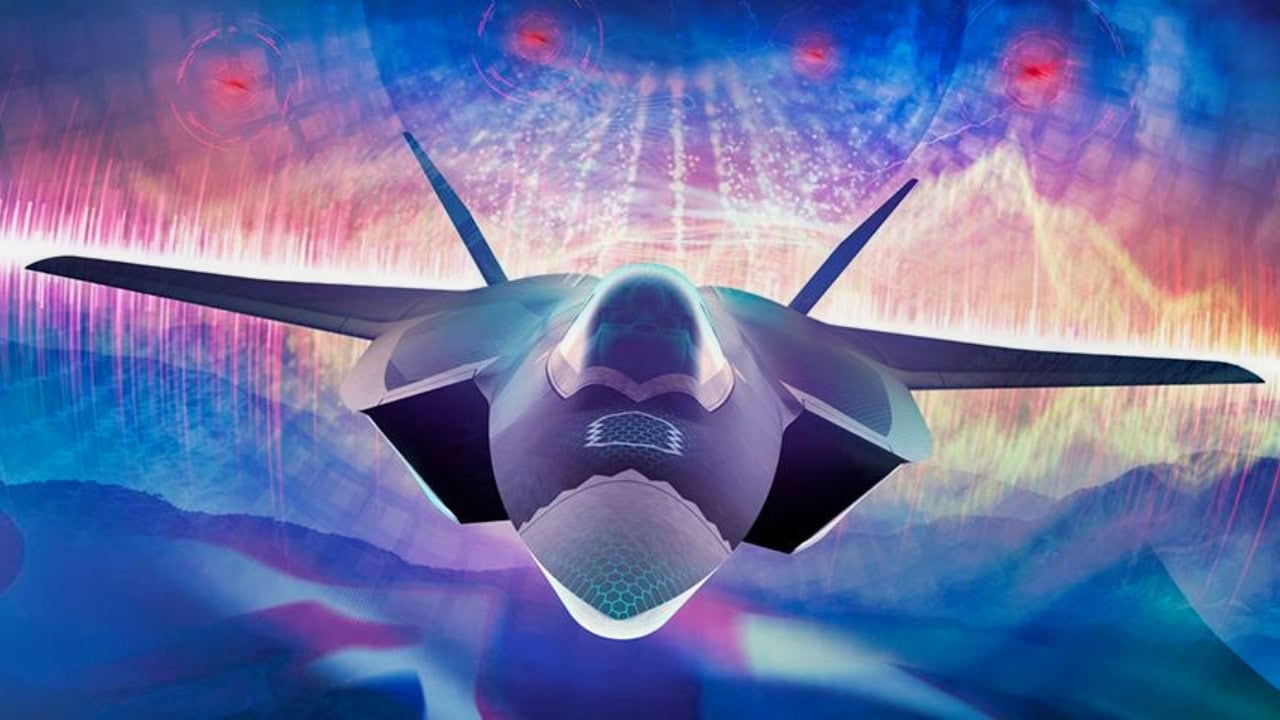
The Global Combat Air Programme, the multinational sixth-generation fighter initiative that includes Italy, the United Kingdom, and Japan, is inching steadily forward. The message is simple: progress and momentum are building.
Though it will be almost a decade before that program enters service, interest in GCAP — known in the United Kingdom as Tempest — is high, with several countries jockeying for position on the sidelines of the program. Here’s where things stand.
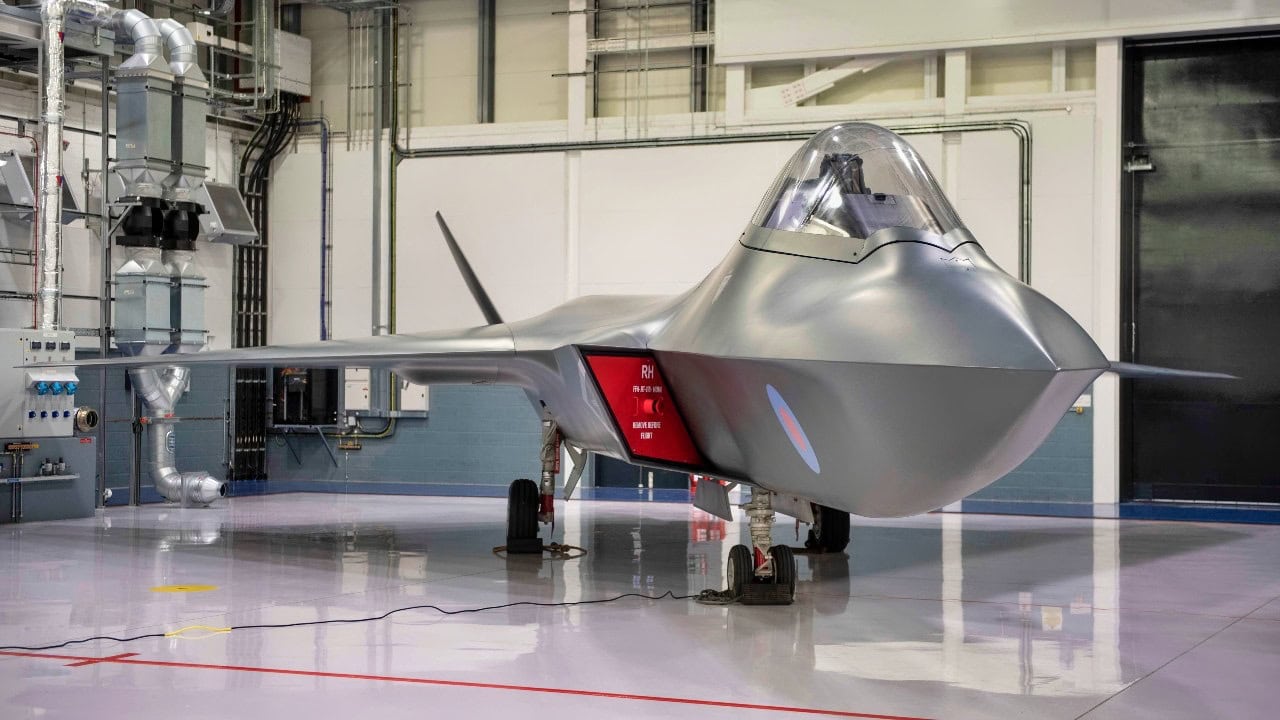
Image of the UK’s concept model for the next generation jet fighter “Tempest”, which was unveiled by Defence Secretary, at Farnborough International Air Show back in 2018.
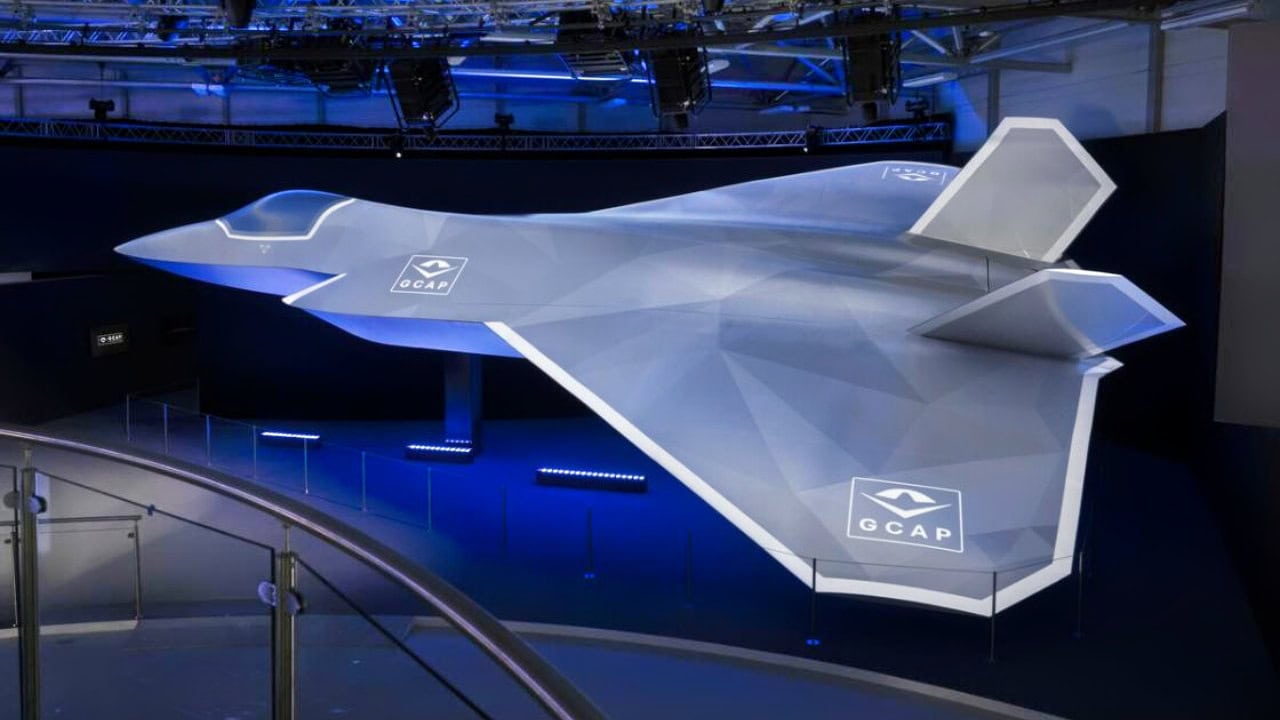
GCAP 6th Generation Fighter
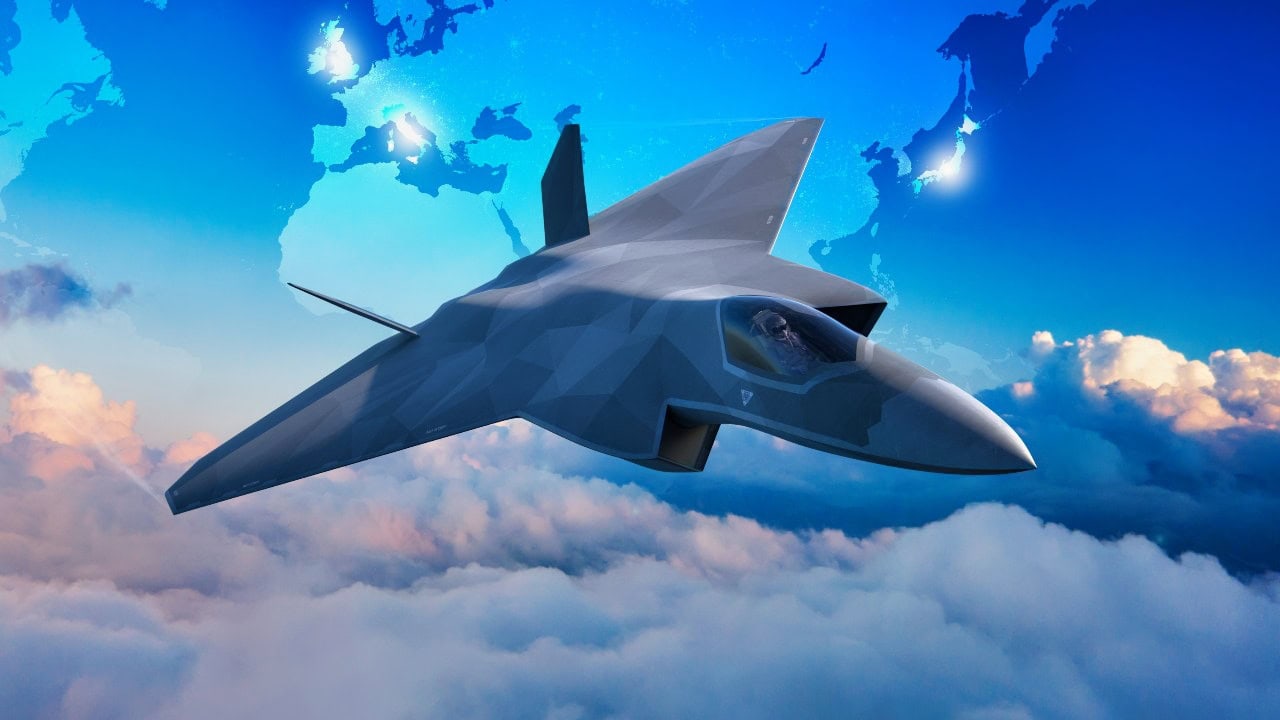
GCAP. Image Credit: Industry Handout.
Production Timeline Optimism
If plans concerning the sixth-generation fighter move forward, whatever fighter GCAP yields would overlap with other fighters like the F-35, a stealthy fifth-generation fighter, in a kind of high-low complement to that American-led program.
The program has moved steadily forward, and late last year, Italy, Japan, and the United Kingdom provided £4.6 billion, or $6.1 billion, to fund Edgewing, the joint venture between the three countries that will ultimately build the fighter that emerges from the Global Combat Air Programme.
Though a prototype has yet to be built, plans seem to be moving quickly, with some program participants apparently quite optimistic about the jet’s production timeline.
The GCAP fighter’s entry into service could be accelerated “by a couple of years,” at least according to the CEO of Leonardo, the Italian defense prime. “It’s true that there is quite a strong push to bring forward the first entry into service of GCAP that was initially stated — that still stated 2035 — closer by a couple of years,” Lorenzo Mariani explained during a call with company investors, as reported by Breaking Defense.
“This is something that has been said in meetings by the ministers and has been motivated correctly, in my view,” Mariani added, “by the urgency of having such a multi-domain system starting to operate as quickly as possible, as early as possible.”
However, Mariani acknowledged that an accelerated production timeline would likely require scaling back the initial prototype’s requirements somewhat. Much of the GCAP program is currently in limbo.
Other Interested Parties
Earlier this summer, Mariani acknowledged that other countries have expressed interest in the GCAP program. However, he said any parties wishing to join the fighter initiative would have to do so by the end of this year.
Following the implosion of the Future Combat Air System earlier this summer, a Franco-German initiative that rivaled the Global Combat Air Programme, Germany may be interested in joining GCAP.
Germany could be a prime candidate for the Global Combat Air Programme, given its large military budget, as well as its experience in international aviation projects, exemplified by the Eurofighter Typhoon program.
However, there is a risk that adding new partners to the Global Combat Air Programme could add new requirements too, with the potential for increasing GCAP’s complexity and cost.
During Farnborough International Airshow last month, Mariani explained the advantages of having Berlin join GCAP, including “strong competence of the German industry, debt funding capability from the German state and joint experience within the community,” exemplified by the Eurofighter program. “The only real risk is disruption in timescales and work share,” he added.
Another potentially interested party is Saudi Arabia.
Though Riyadh has little in the way of aviation expertise, particularly for complex multinational projects hoping to yield cutting-edge military technology, the country can offer its very deep pockets, potentially injecting a large measure of cash into any project it joins.
Late last month, Canada took an initial first step into the Global Combat Air Programme, joining as an observer. As an “observer nation,” Canada will have special access to the GCAP program and may join GCAP more concretely in the future as a full project participant.
Ottawa is expected to gain valuable insights into GCAP, including the project timeline, costs, capability estimates, and information on potential industrial collaboration.
Crucially, however, as an observer nation, Canada has no financial commitments to the project as of now.
Mitsubishi Electric, the Japanese electronics giant, will build three facilities dedicated to electronics and components for the GCAP program, according to Japanese media reports.
Although GCAP project participants expect to field their first fighter in 2034, Mitsubishi Electric expects its contribution to GCAP to begin turning a profit in 2029 or 2030 “or perhaps a year before that,” Kenichiro Fujimoto, Mitsubishi Electric’s CFO, explained to The Japan Times.
About the Author: Caleb Larson
Caleb Larson is an American multiformat journalist based in Berlin, Germany. His work covers the intersection of conflict and society, focusing on American foreign policy and European security. He has reported from Germany, Russia, and the United States. Most recently, he covered the war in Ukraine, reporting extensively on the war’s shifting battle lines in the Donbas and writing on its civilian and humanitarian toll. Previously, he worked as a Defense Reporter for POLITICO Europe. You can follow his latest work on X.