
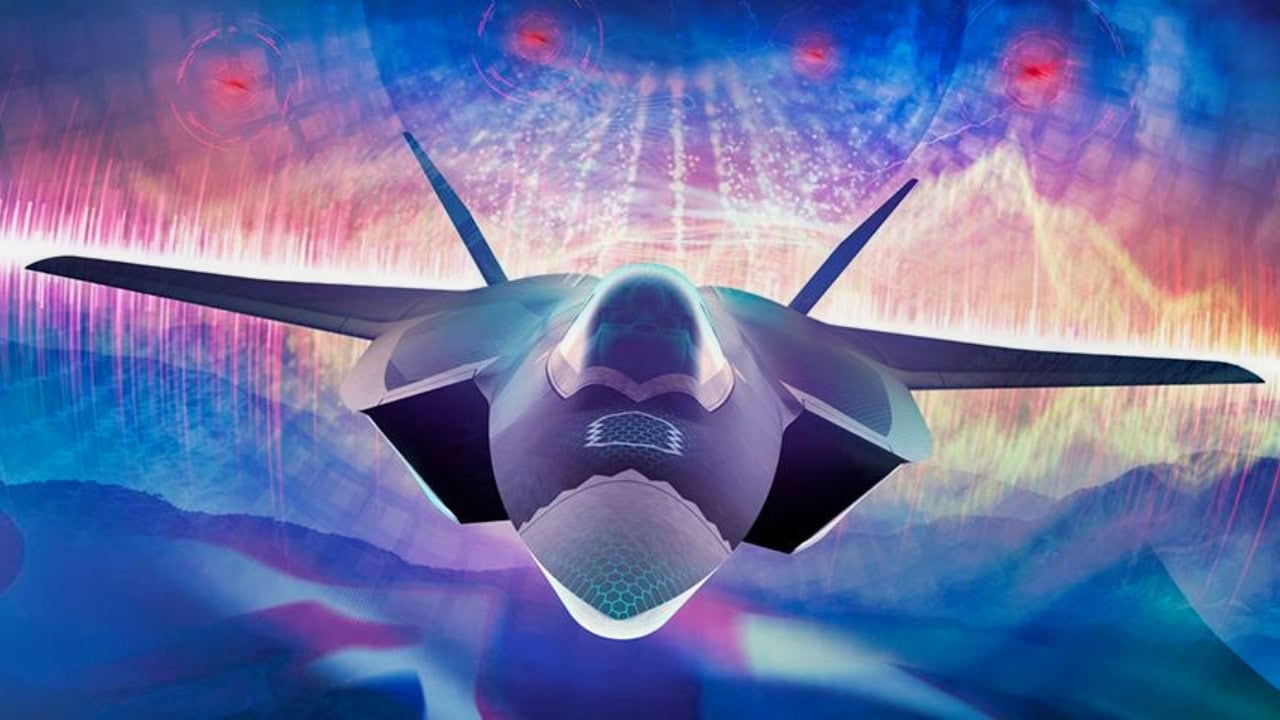
GCAP Could Soon See Poland Join the Program
Europe’s Global Combat Air Programme (GCAP) just received a significant boost as uncertainty still plagues the Future Combat Air System (FCAS), with Polish Deputy State Assets Minister Konrad Golota announcing that Poland is considering joining the program.
Speaking to public broadcaster TVP Info, the Polish official said that the government is looking to involve its defense sector in the project and contribute to the development of a sixth-generation fighter jet.
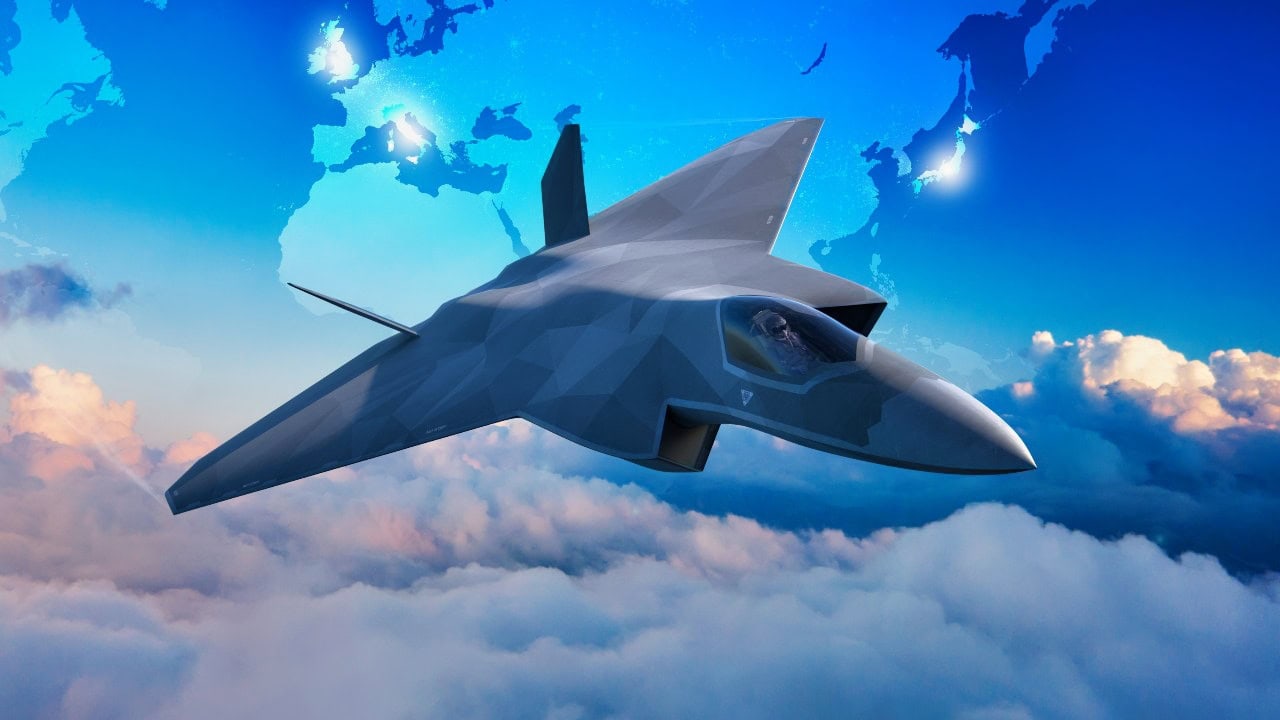
GCAP. Image Credit: Industry Handout.
The move would see Poland join Italy, Britain, and Japan in developing a next-generation aircraft that would provide greater sovereignty for European militaries that might otherwise consider joining a U.S.-led sixth-generation program.
“Today, we need to make up for some delays in this area, because, over the past decades, we have not produced aircraft in Poland, so our aviation industry requires development,” Golota said.
The deputy minister confirmed that Polish officials are already considering the project and in discussions with officials in Italy and Japan.
However, the status of the talks has not been confirmed, meaning the announcement could still indicate that Poland is only in the very early stages of talks.
Golota added that he had spoken to representatives of Italy’s and Japan’s defense industries, and that they have so far indicated interest in working with Poland and in engaging in further discussions.
GCAP and Where It Stands Now
The Global Combat Air Programme (GCAP) is a trilateral effort among the United Kingdom, Italy, and Japan to develop a sixth-generation combat aircraft intended to enter service by 2035, replacing platforms such as the Eurofighter Typhoon and Japan’s Mitsubishi F-2.
The program was formally announced in December 2022, merging the UK-Italian Tempest project with Japan’s F-X fighter initiative into a single effort designed to pool resources and accelerate development timelines.
Much like the United States’ Next Generation Air Dominance (NGAD) program, GCAP is not intended to be a single aircraft but a broader “system of systems.” The program includes plans to develop a crewed stealth fighter, as well as uncrewed “loyal wingman” drones, and advanced sensors and networked data-sharing capabilities.
The aim is to develop a system powered by multiple next-generation assets that make achieving air dominance safer and more efficient, while protecting against modern air defense systems increasingly fielded by the likes of China and Russia.
British officials have repeatedly stressed that GCAP will also depend heavily on artificial intelligence, advanced propulsion systems, and next-generation radars.
The program is currently being formalized through the GCAP International Government Organisation (GIGO), which oversees development alongside industry partners like BAE Systems and Mitsubishi Heavy Industries. Negotiations to finalize industrial structures and contracts have faced some delays, but participating governments have remained steadfast in their intent to deliver.
Why Europe and Japan Want GCAP
The rationale behind GCAP is, at least in part, rooted in a growing desire among U.S. allies to maintain greater operational sovereignty in high-end air combat, particularly as next-generation fighter development becomes more politically sensitive and technologically complex.
While the fifth-generation F-35 has become the dominant Western fighter platform, it is ultimately controlled by the United States. Software, upgrades, mission data, and more are all ultimately under the control of American companies and governance.
For countries like Britain and Italy, GCAP offers a way to retain domestic aerospace industries that would otherwise risk closure or significant weakening if future air combat capabilities were entirely outsourced to U.S. platforms.
Maintaining design and production expertise is critical not just for defense purposes but also for the broader industrial bases of each country, in order to maintain competitiveness and technological leadership.
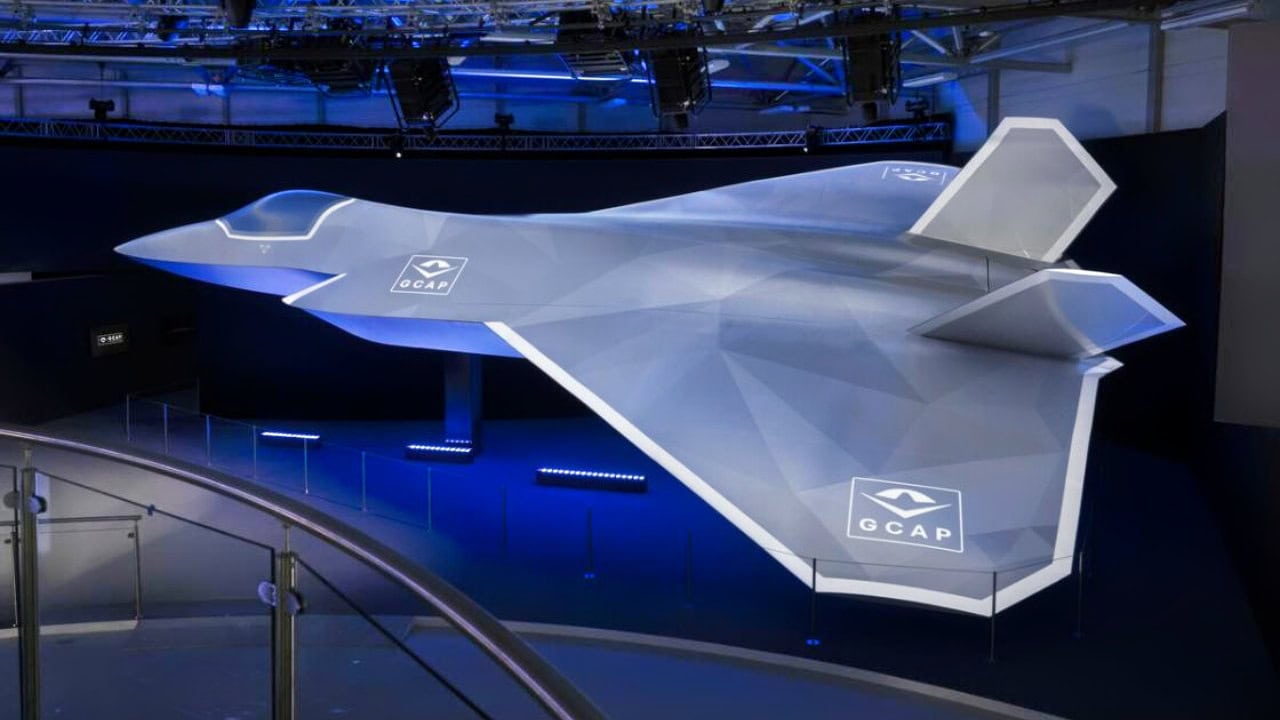
GCAP 6th Generation Fighter
In geopolitical terms, the program also represents the shifting global threats – and threat perceptions, too. European states are increasingly focused on long-term competition with Russia, while Japan faces a rapidly modernizing Chinese air force and growing tensions in the Indo-Pacific.
A jointly developed sixth-generation platform allows these countries to tailor capabilities to their specific needs without relying solely on what the United States considers necessary.
And at the same time, GCAP provides an alternative to the separate (and famously embattled) Franco-German-Spanish Future Combat Air System, which has faced repeated delays and industrial disagreements.
How the Program Works and What Poland Could Add
GCAP is structured as a government-led program with tightly integrated industrial participation, meaning that partner countries are expected to contribute not only funding but also specific technological and manufacturing capabilities.
The involvement of companies like BAE Systems, Leonardo, and Mitsubishi Heavy Industries is part of a deliberate effort to distribute workshare across national industries while maintaining a unified design architecture.
For Poland, joining GCAP would serve multiple purposes. First, it would provide access to advanced aerospace development at a time when the country is seeking to expand and modernize its defense industrial base.
As Golota indicated, Poland has not produced combat aircraft in decades, and participation in GCAP could help rebuild domestic expertise in high-end aviation manufacturing.
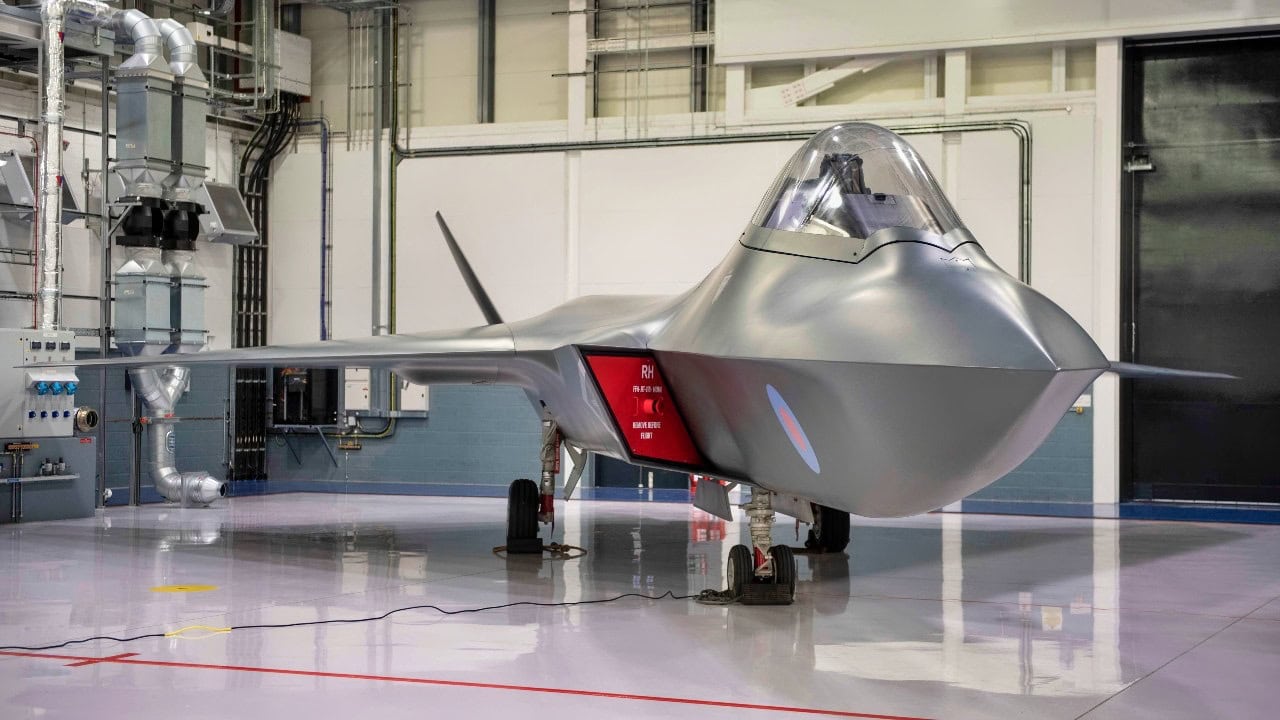
Image of the UK’s concept model for the next generation jet fighter “Tempest”, which was unveiled by Defence Secretary, at Farnborough International Air Show back in 2018.
Second, Poland’s interest comes as decisions are being made about its own future air force structure. Warsaw is already committed to the F-35, but is also considering additional fighters such as the Eurofighter Typhoon.
Joining GCAP would give Poland a stake in the long-term replacement of these platforms, rather than simply remaining a buyer of foreign systems.
Poland could also bring some value to the program. As a frontline NATO state that borders Ukraine and Belarus, it has a direct stake in deterring Russia and shaping future European defense capabilities.
Its inclusion would expand GCAP’s industrial base and potentially strengthen its political weight on the continent.
About the Author: Jack Buckby
Jack Buckby is a British researcher and analyst specialising in defence and national security, based in New York. His work focuses on military capability, procurement, and strategic competition, producing and editing analysis for policy and defence audiences. He brings extensive editorial experience, with a career output spanning over 1,000 articles at 19FortyFive and National Security Journal, and has previously authored books and papers on extremism and deradicalisation.