
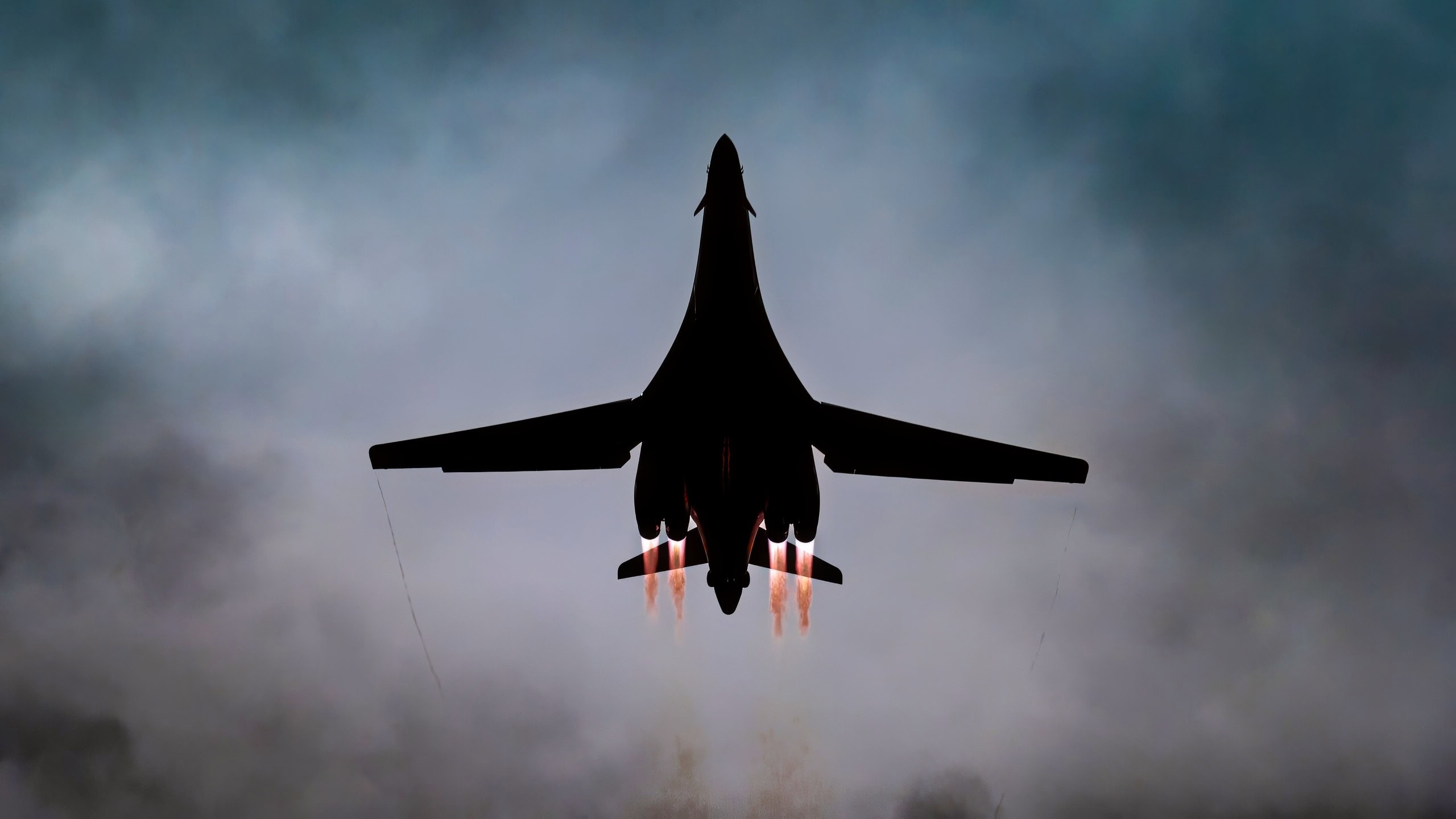
Eastern Flank Deterrence Initiative Aligns with Northeast Corridor Defenses – The outcome of the Pentagon’s ongoing U.S. force posture review will likely be decisive for NATO’s future and the longevity of the transatlantic relationship.
Most commentary and speculation about the outcome thus far have focused on numbers and locations: how many U.S. military personnel and pieces of equipment will remain in Europe, and where those deployments will be concentrated. But a larger question that should guide the discussion in NATO is whether burden-shifting, or perhaps burden-shedding—something the Trump administration has indicated from the beginning—has a coherent strategy behind its rhetoric.
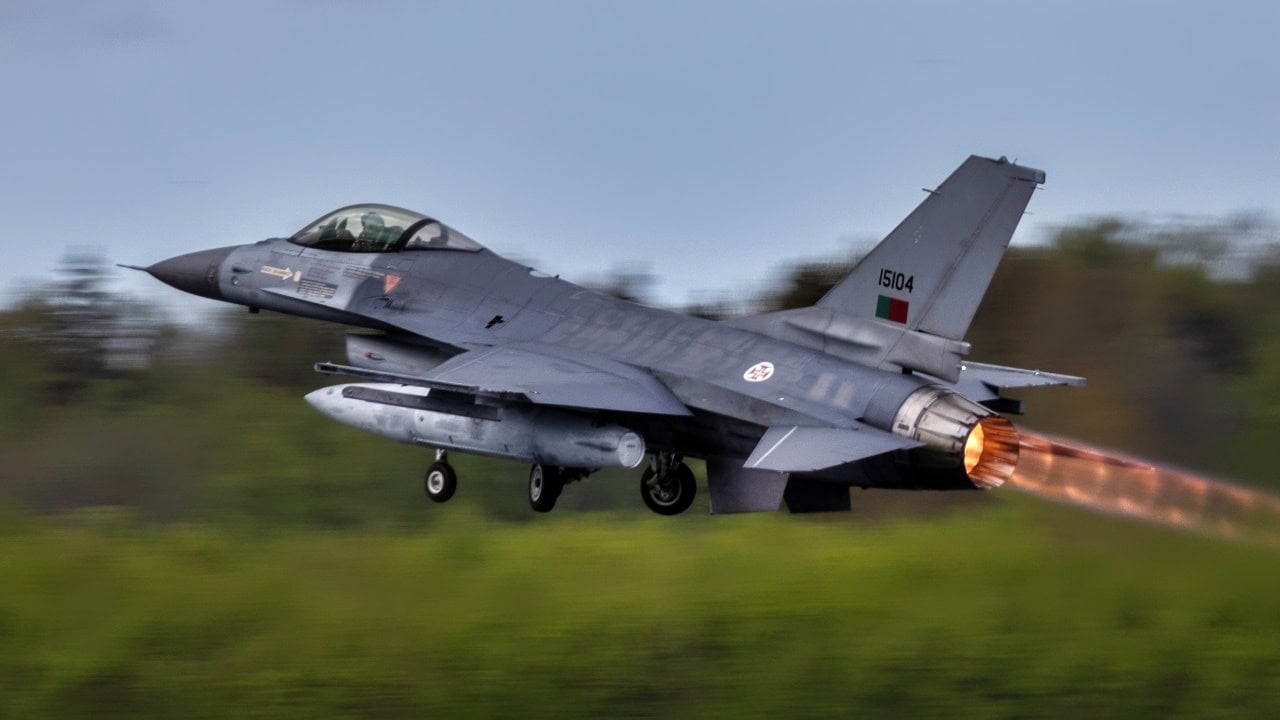
A Portuguese Air Force F-16 Fighting Falcon takes off during a Baltic Air Policing Rotation in Estonia. Baltic Air Policing is a peacetime mission in which NATO Allies deploy fighter jets to cover the airspace of Estonia, Latvia and Lithuania. Image Credit: NATO.
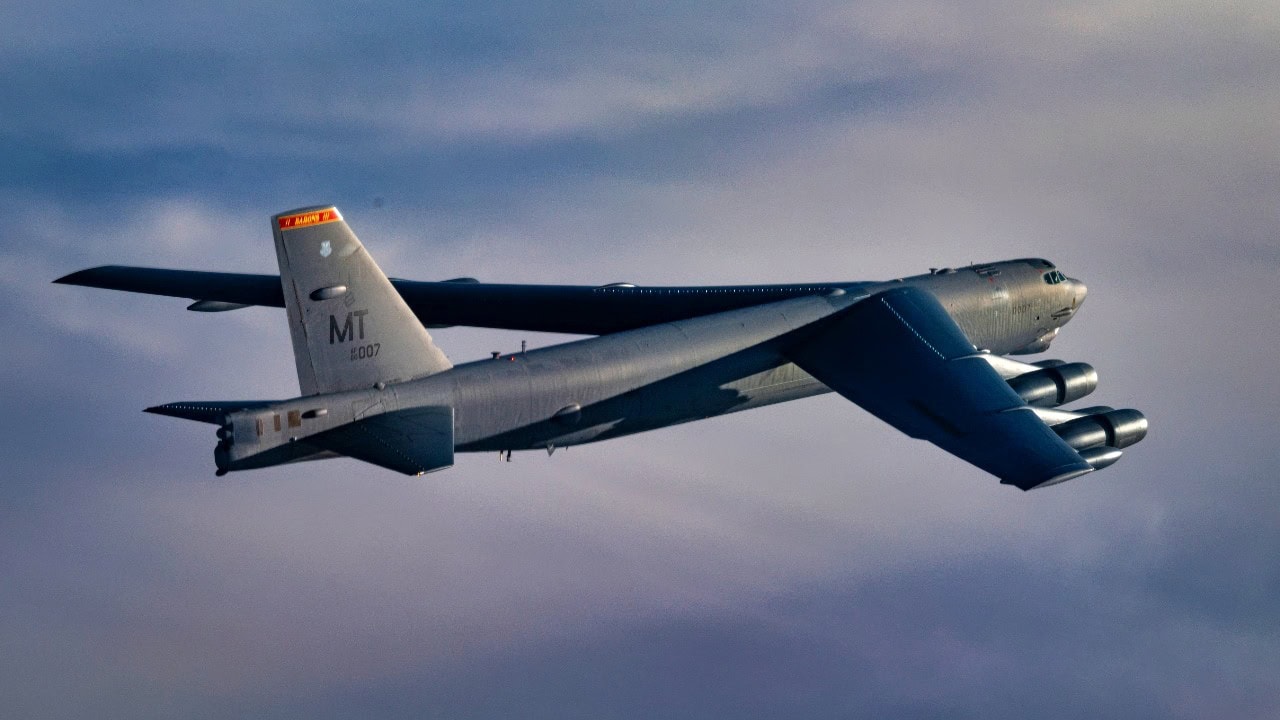
A U.S. Air Force B-52H Stratofortress from the 69th Expeditionary Bomb Squadron flies over the skies of Sweden for their celebration of their acceptance into NATO during Bomber Task Force 25-2, RAF Fairford, United Kingdom, March 11, 2025. These operations demonstrate the ability to rapidly deploy strategic assets in support of global stability. (U.S. Air Force photo by Master Sgt. Chris Hibben)
A Framework Hiding in Plain Sight
The question of the administration’s European military strategy can only be answered with certainty by the Pentagon; however, if the main goal is to lower the cost of US security guarantees to Europe while maintaining America’s influence, there are already conceptual foundations in place that, if properly adapted and linked, could give the Atlantic alliance a new lease on life. This foundation is the Eastern Flank Deterrence Initiative (EFDI), which should, in turn, inform a new regional Northeast Corridor strategy.
How the EFDI Took Shape
The EFDI began taking shape in December 2024, after General Christopher Donahue assumed command of U.S. Army Europe and Africa (USAREUR-AF) and NATO’s Allied Land Command (LANDCOM). Both commands sought to develop a new land-warfare concept to restore deterrence through denial.
The effort’s first major concept-development event was a U.S. European Command-led “counter-mass-and-momentum” wargame in April 2025, simulating a Russian invasion. EFDI-related capabilities subsequently entered Allied experimentation and demonstrations in 2025. By 2026, the concept was being operationalized through major multinational exercises, including Dynamic Front 26 and Sword 26.
What Makes the EFDI Different
In essence, the EFDI is an innovative concept inspired by lessons learned in Ukraine and by the capabilities of the United States and NATO’s most technologically advanced allies. It is a comprehensive warfighting approach that integrates unmanned systems, AI-enabled networks, and affordable capabilities across domains and nations to bolster NATO’s deterrence along the Alliance’s eastern border.
EFDI planning can also support the broader transformation underway in the US military. It leverages the Army Transformation Initiative (ATI) to support NATO’s Regional Plans and offers national and NATO leaders a range of credible military options. Its goal is to help NATO counter Russian mass and momentum and strengthen collective defense.
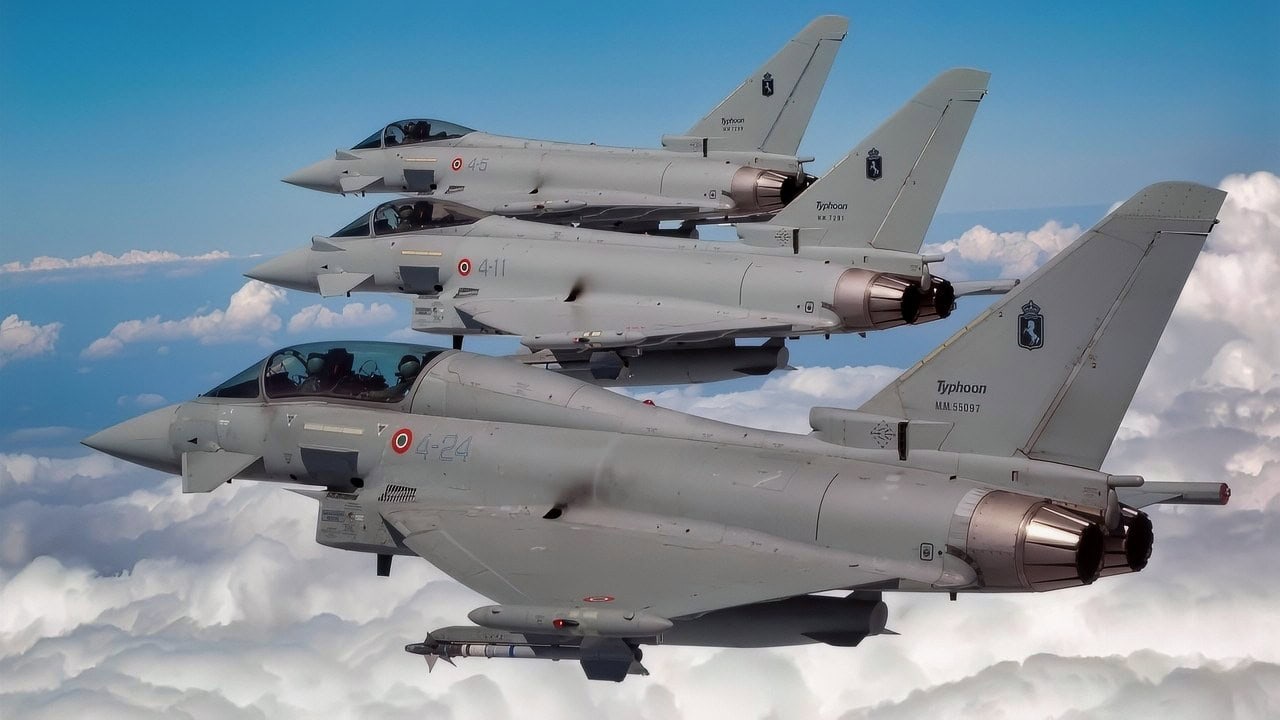
Eurofighter Typhoon Aircraft NATO. Image Credit: Creative Commons.
By increasing NATO’s magazine depth and shifting the cost curve that currently favors the adversary, the EFDI offers the best path yet to enhance NATO’s deterrence posture and promote fair burden sharing among Allies. Although primarily designed for the eastern flank, its principles are applicable in any theater where opponents rely on speed, mass, and long-range fires.
It directly addresses the challenge posed by widespread sensors that make concealment extremely difficult and tackles the cost issues associated with deploying long-range fires. Driven by the need to defeat a massed, fires-centric enemy on a highly transparent battlefield, the EFDI methodology provides a way to avoid the economic trap of using expensive interceptors against inexpensive drones. Most importantly, it emphasizes saving NATO’s decisive human combat power for moments when only soldiers can maneuver and hold ground.
The Northeast Corridor Connection
In 2026, the EFDI is on a path to implementation, and its framing should benefit the core of NATO’s Northeast Corridor, including the Scandinavian countries, Estonia, Latvia, Lithuania, and Poland, with the goal of achieving initial operating capability.
The EFDI embodies NATO’s commitment to burden-sharing and demonstrates its will to defend the eastern flank. It also provides the Army’s answer to the structural conditions of modern warfare.
If the Pentagon’s ongoing force posture review recognizes the new geopolitical reality on NATO’s eastern flank and moves to permanently station U.S. forces in one of the Baltic States, preferably Estonia or Latvia, and in Poland, the EFDI offers a framework for developing an effective strategy for the deterrence and defense of the Nordic/Baltic Northeast Corridor within NATO.
Through the joint efforts of LANDCOM and USAREUR-AF, the EFDI leverages key contributions from regional allies. At the same time, it reaffirms that the United States will continue to supply and enable most of the architecture on which the defense of Europe depends, as NATO’s warfighting model remains heavily reliant on American strategic enablers.

U.S. Soldiers assigned to 12th Combat Aviation Brigade conduct pre-flight checks on an AH-64D Apache longbow helicopter at the Grafenwoehr Training Area, Germany, Sept. 28, 2022. 12th CAB is among other units assigned to V Corps, America’s Forward Deployed Corps in Europe. They work alongside NATO Allies and regional security partners to provide combat-ready forces, execute joint and multinational training exercises, and retain command and control for all rotational and assigned units in the European Theater. (U.S. Army photo by Sgt. Randis Monroe)
The Organizing Principle Washington Needs
Making the EFDI the backbone of NATO’s Northeast Corridor defenses addresses the key political requirements Washington has insisted on from the outset: finding an effective formula to maintain a credible deterrence and defense posture in Europe without adhering to the legacy model of relying predominantly on U.S. forces, thereby freeing additional U.S. capabilities for other key theaters.
The EFDI should be the organizing principle for the ongoing U.S. posture review for Europe.
About the Author: Dr. Andrew A. Michta
Andrew A. Michta is Professor of Strategic Studies at the Hamilton School at the University of Florida, a Nonresident Senior Fellow at the Atlantic Council in Washington, D.C., and a Visiting Fellow at the Hoover Institution at Stanford University. The views expressed here are his own.