
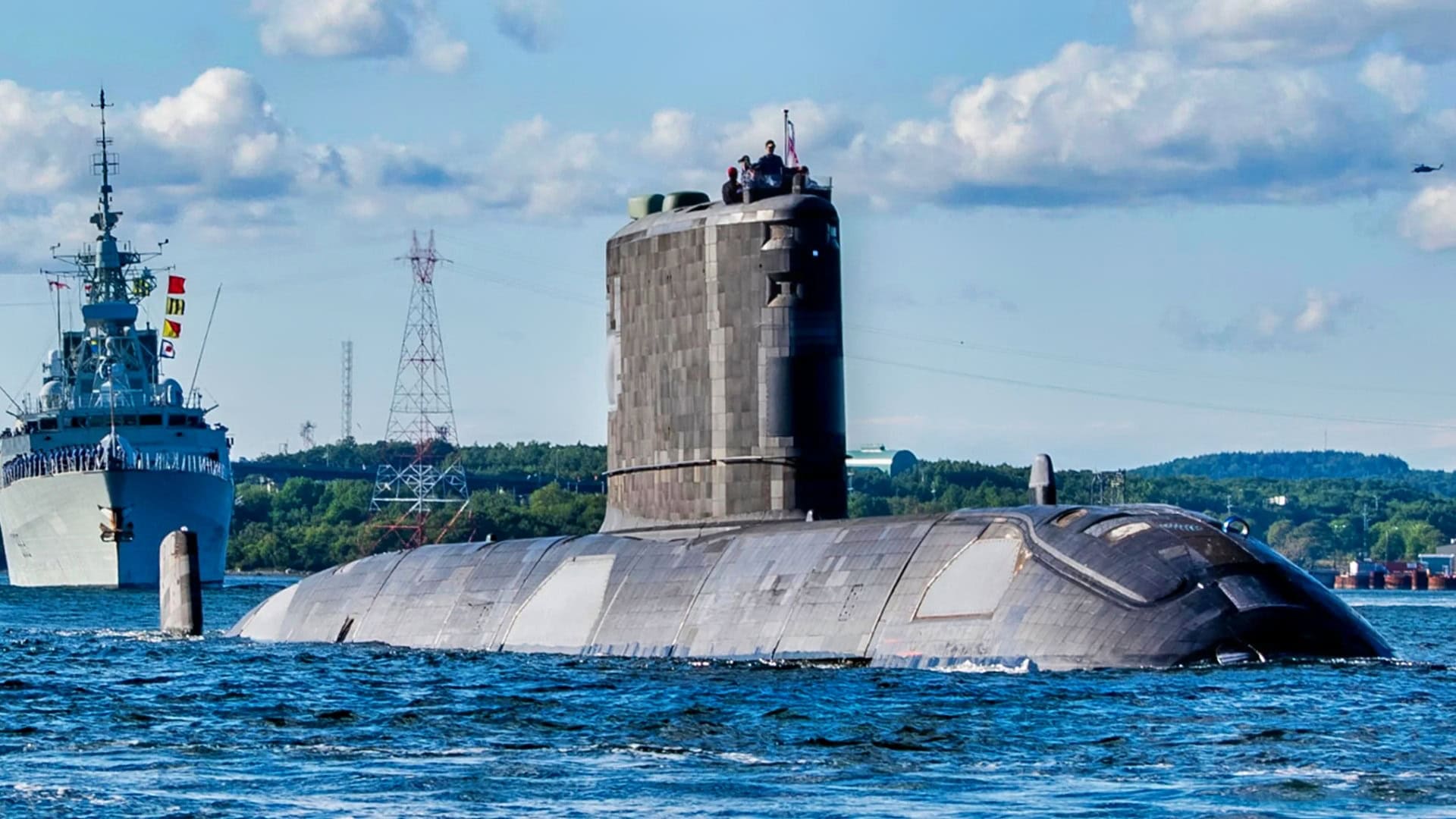
Britain spent approximately £900 million at 1993 prices on four Upholder-class diesel-electric submarines, an average program cost of £225 million per boat. The first was ordered in 1983, and the other three in 1986. The class entered Royal Navy service between June 1990 and June 1993. By October 16, 1994, every boat had been withdrawn. HMS Upholder served for less than four years. HMS Unicorn, the last completed, lasted 16 months.
From the Royal Navy to Canada Go These Submarines
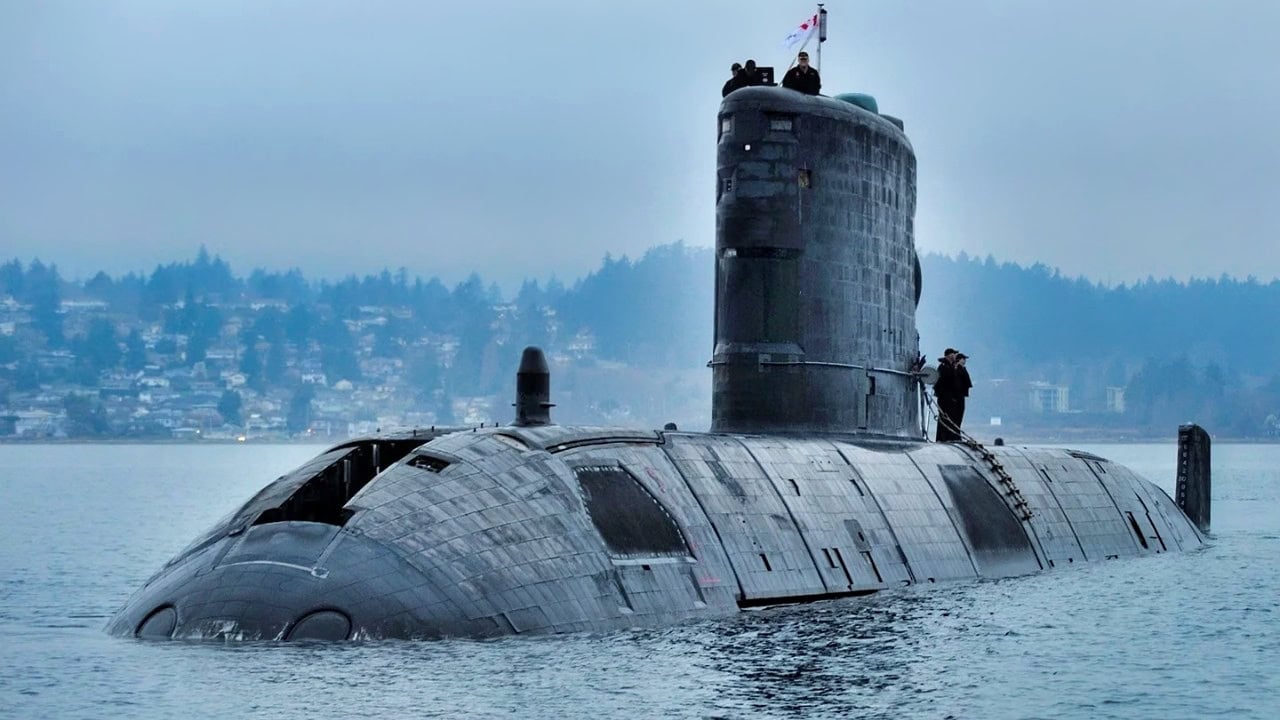
Victoria-Class Submarine Canadian Navy. Image Credit: Government Photo.
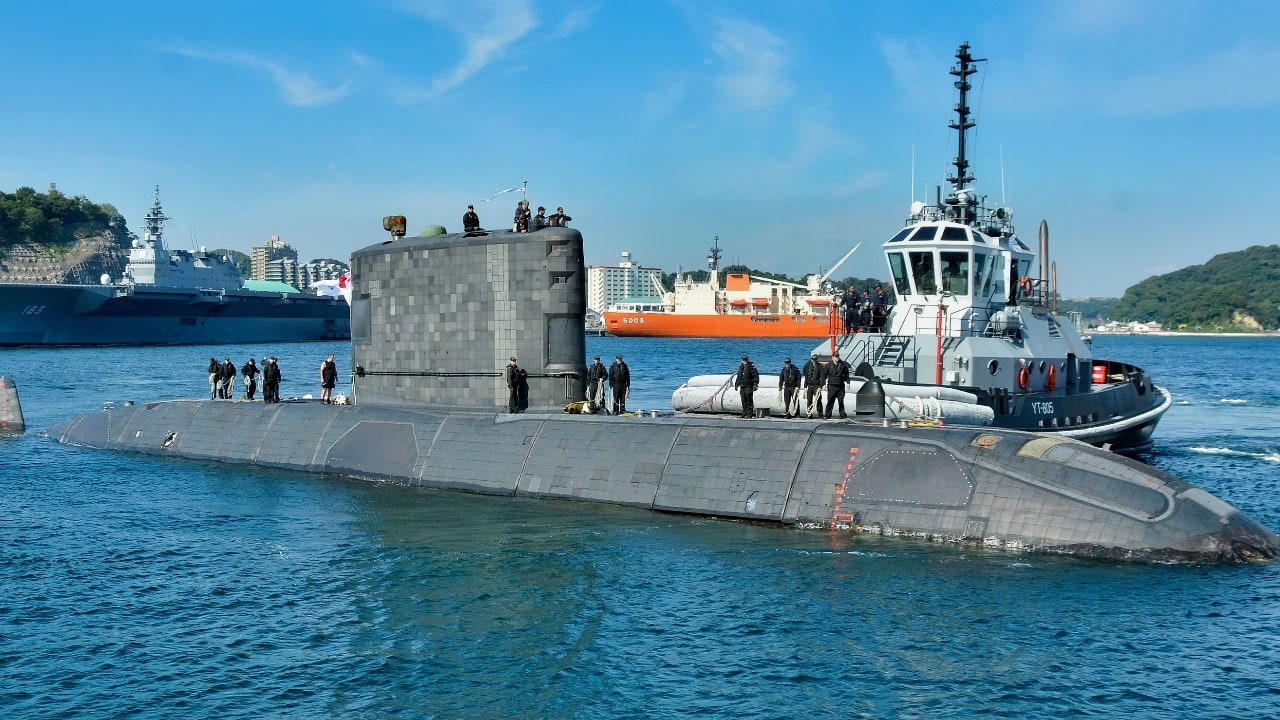
Canada Victoria-Class Submarine. Image Credit: Creative Commons.
The popular version of the story says Britain spent nearly £1 billion on four defective submarines, parked them, and later let Canada have them for £1.
The numbers are real, but the conclusion is wrong.
The £1 payment transferred legal title only after Canada financed a much larger lease-to-buy package.
Britain abandoned the boats because the Cold War mission that had justified them disappeared before the class had finished entering service.
The Type 2400 design was intended to replace aging Oberon-class submarines with a quiet boat suited to anti-submarine warfare, surveillance, and training. Each displaced about 2,500 tons, submerged, reached 20 knots underwater, and carried six 533mm torpedo tubes.
The program suffered a serious flaw in its weapons handling and discharge system. The first three boats needed modification before normal torpedo operation. The fault was corrected. It did not drive the retirement decision.
The official explanation came in July 1993. The Soviet Union had collapsed, the Russian submarine fleet was shrinking, and London judged intensive patrols across the North Atlantic and Greenland-Iceland-United Kingdom gap less important. The government chose a force of 12 nuclear-powered attack submarines and ordered the four Upholders withdrawn by 1995.
Britain Abandoned a Support System, Not Four Useless Submarines
The military logic extended beyond counting hulls.
Nuclear submarines offered greater speed, endurance, and global reach. Retaining only four diesel boats meant preserving separate training, maintenance, spares, and operating arrangements for a tiny class.
Britain had already paid the development and construction bill, but keeping the boats would create future costs for a capability ministers no longer considered essential. The decision protected an all-nuclear fleet by writing off a nearly new conventional one.
The submarines entered long-term care and maintenance in 1994 while Britain sought a buyer. They were not simply left to decay. In 1998, Canada agreed to an eight-year, interest-free lease with an option to purchase. Britain valued the arrangement at C$610 million, roughly US$427 million at the time. A later parliamentary accounting recorded £227.4 million in gross British revenue from the four boats. London also secured reactivation and support work for British companies and transferred the long-term operating burden to Canada.
Britain therefore recovered only a fraction of the £900 million program cost. What it bought with the original money was a completed design, four working submarines, a brief period of Royal Navy service, and an exportable asset. What it bought with the 1994 retirement decision was relief from decades of supporting a four-boat diesel enclave.
Canada’s £1 Purchase Was Really a C$897 Million Acquisition
Canada’s accounting starts with a 2003 Department of National Defence review. The subs today are known as the Victoria-class.
The main contract was C$501 million for the submarines, technical data, and training simulators. Initial support cost C$160 million. Canadian modifications, infrastructure, contingency, and other project expenses added C$151 million, producing an approved C$812 million capital budget. The review concluded that the complete project cost needed to rise to at least C$897 million because C$85 million in related expenses sat outside the original scope.
The nominal £1 paid at the end of the lease did not turn the acquisition into a one-pound bargain. It was the final ownership clause after the lease payments. Canada still paid far less than the C$3 billion to C$5 billion then estimated for new submarines, and auditors judged the lightly used boats to retain about 80 percent of their expected operational lives.
Ottawa also underestimated the cost of reviving and supporting a small foreign-built class. Delivery and readiness dates slipped by years. The same audit raised estimated steady-state personnel, operations, and maintenance spending from C$97 million to C$121 million annually, a 25 percent increase. Reactivation faults, Canadian equipment integration, spare-parts shortages, and later accidents fed the Victoria-class’s chronic availability problem.
Canada Bought an Undersea Institution as Well as Four Hulls
The return was larger than sea days alone. Canada preserved submarine crews, schools, maintenance knowledge, doctrine, and the ability to train surface ships and aircraft against a quiet underwater target. Operational boats conducted surveillance, supported NATO exercises, and carried Mk 48 heavyweight torpedoes. Ottawa plans to modernize the class for service into the mid-2030s while confronting a replacement process measured in decades.
The bargain produced opposite results. Britain accepted a large sunk loss to simplify its future fleet and recovered £227.4 million in gross revenue. Canada avoided the far greater price of new construction but assumed the expense and risk of operating four orphaned submarines. The boats were cheap compared with replacements, not cheap to own.
On July 12, 2026, HMCS Corner Brook, formerly HMS Ursula, fired an Mk 48 heavyweight torpedo during RIMPAC.
Its final strike sank the decommissioned cruiser USS Mobile Bay 32 years after the Royal Navy laid the submarine up.
About the Author: Harry J. Kazianis
Harry J. Kazianis (@Grecianformula) was the former Senior Director of National Security Affairs at the Center for the National Interest (CFTNI), a foreign policy think tank founded by Richard Nixon based in Washington, DC. Harry has over a decade of experience in think tanks and national security publishing. His ideas have been published in the NY Times, The Washington Post, The Wall Street Journal, CNN, and many other outlets worldwide. He has held positions at CSIS, the Heritage Foundation, the University of Nottingham, and several other institutions related to national security research and studies. He is the former Executive Editor of the National Interest and the Diplomat. He holds a Master’s degree focusing on international affairs from Harvard University.

