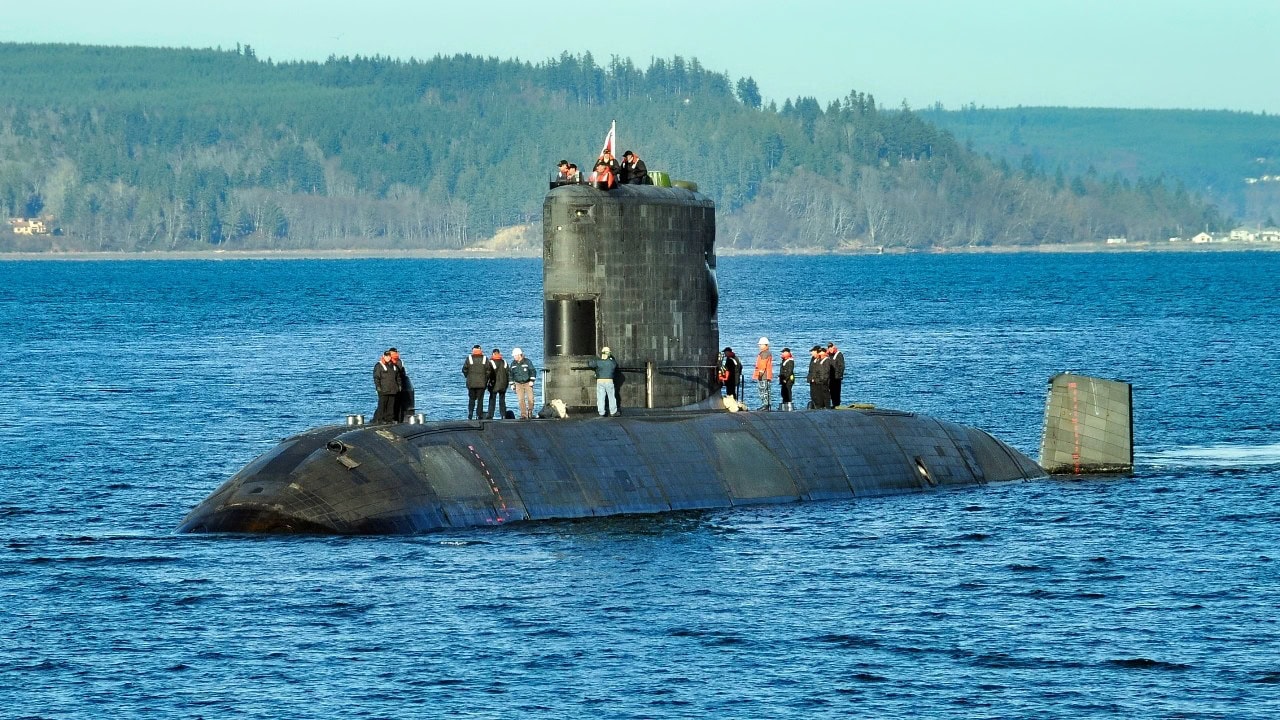
Summary and Key Points: Canada is racing to replace its aging Victoria-class submarines, acquired from the UK in the 1990s and expected to limp into the mid-to-late 2030s.
-Ottawa’s Canadian Patrol Submarine Project aims to triple the fleet to 12 boats, with Arctic-capable submarines able to surface through packed ice.
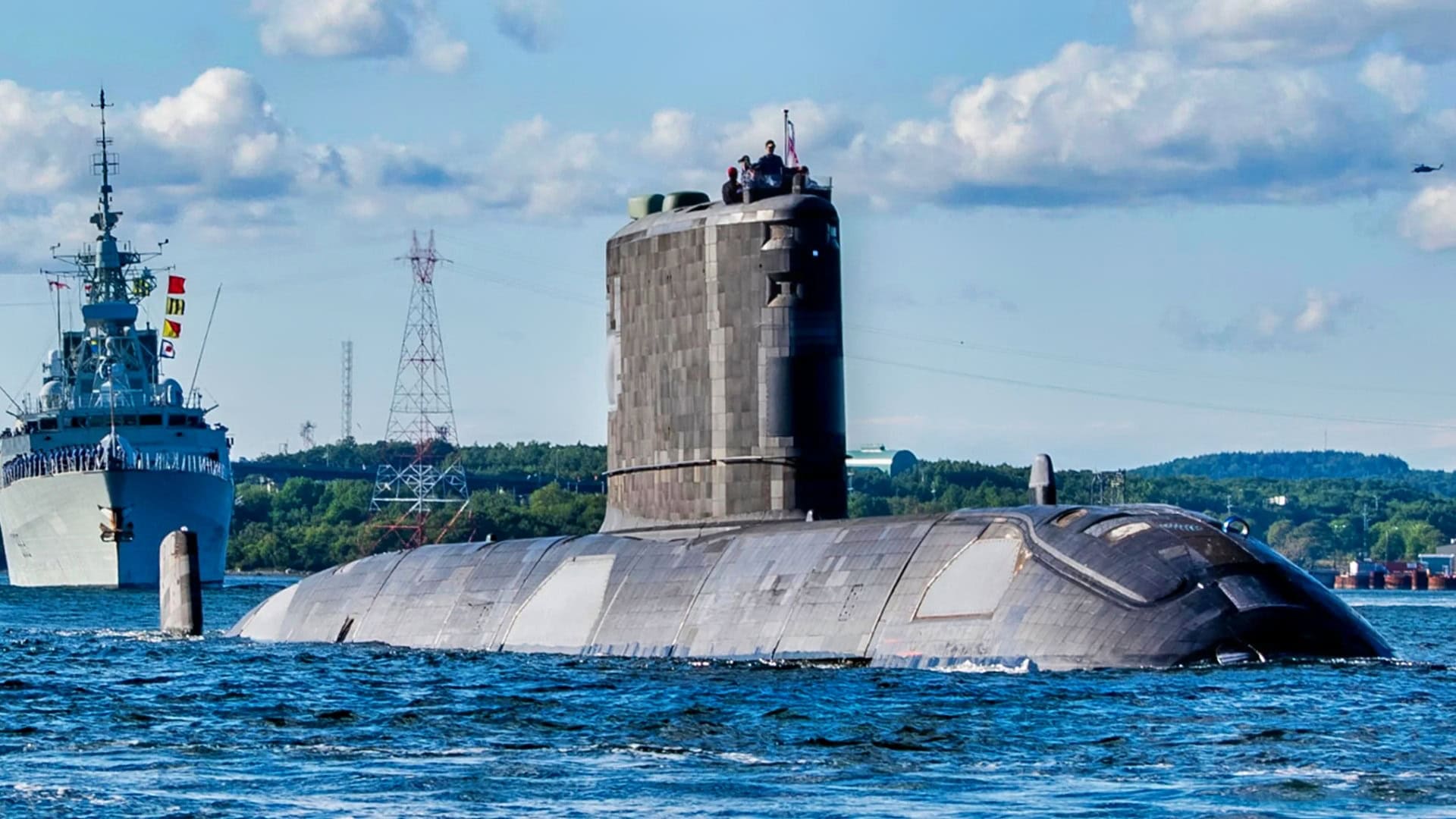
Victoria-Class Submarine Canada.
-Germany’s TKMS is pitching Type-212CD boats with a Seaspan teaming plan and Canadian sustainment hubs, while South Korea’s Hanwha is offering KSS-III-style options tied to domestic steel and high-tech partnerships.
-With only one submarine currently operational, Canada is modernizing the Victorias—but delivery of a new class may take 15 to 25 years.
Canada’s Next Submarine Could Take 15 to 25 Years—Can the Victoria-Class Last?
Canada is on the hunt for a new class of submarines to replace their aged Victoria-class vessels.
Those subs were acquired from the UK Royal Navy in the late 1990s and are rapidly approaching obsolescence.
The diesel-electric submarines are expected to remain in service until the mid-to-late 2030s, and there is no clear replacement.
Ottawa instituted the Canadian Patrol Submarine Project to procure a new fleet of submarines for the Royal Canadian Navy.
Canada plans to triple the fleet size to 12. The new submarines are expected to be capable of operating in the Arctic, punching through meters of packed ice to surface—an important requirement for Canada, given the country’s immense coastline, much of which lies in the Arctic region.
International Bids
Several firms are competing to replace Canada’s Victoria-class submarines.
Competitors are sweetening their prospective deals by offering industrial incentives to provide jobs and augment Canada’s defense-industrial base.
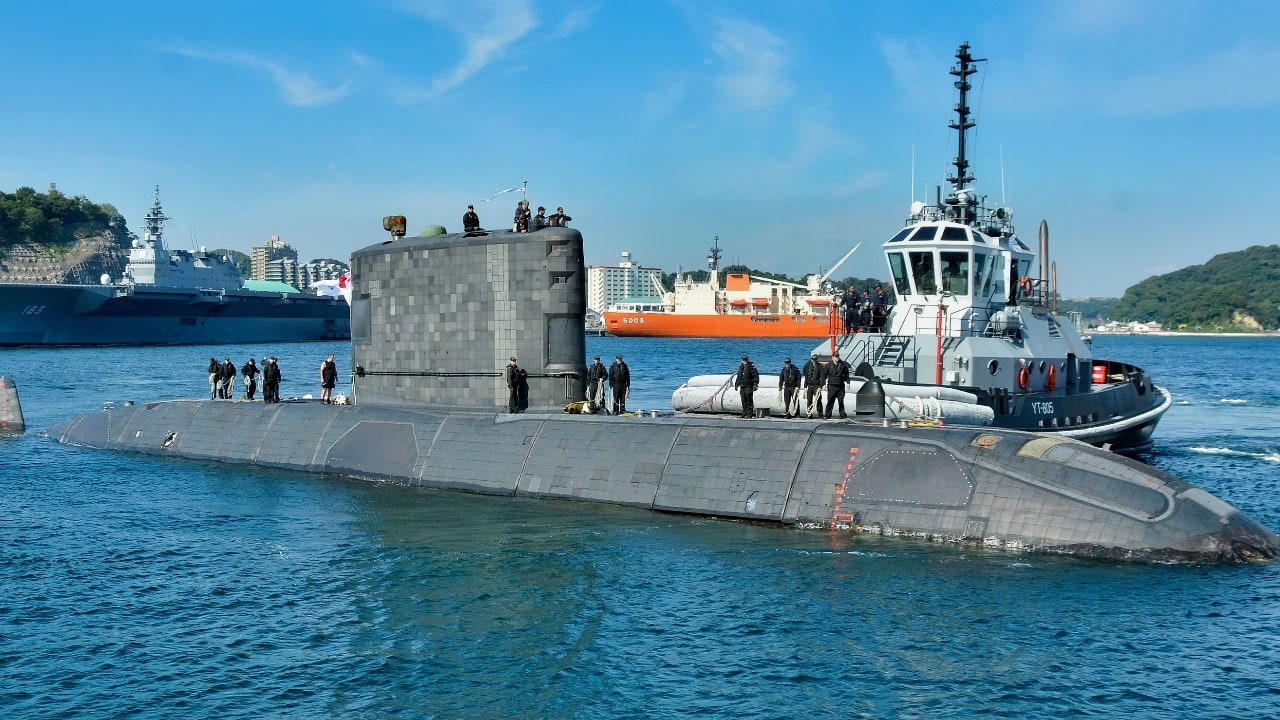
Canada Victoria-Class Submarine. Image Credit: Creative Commons.
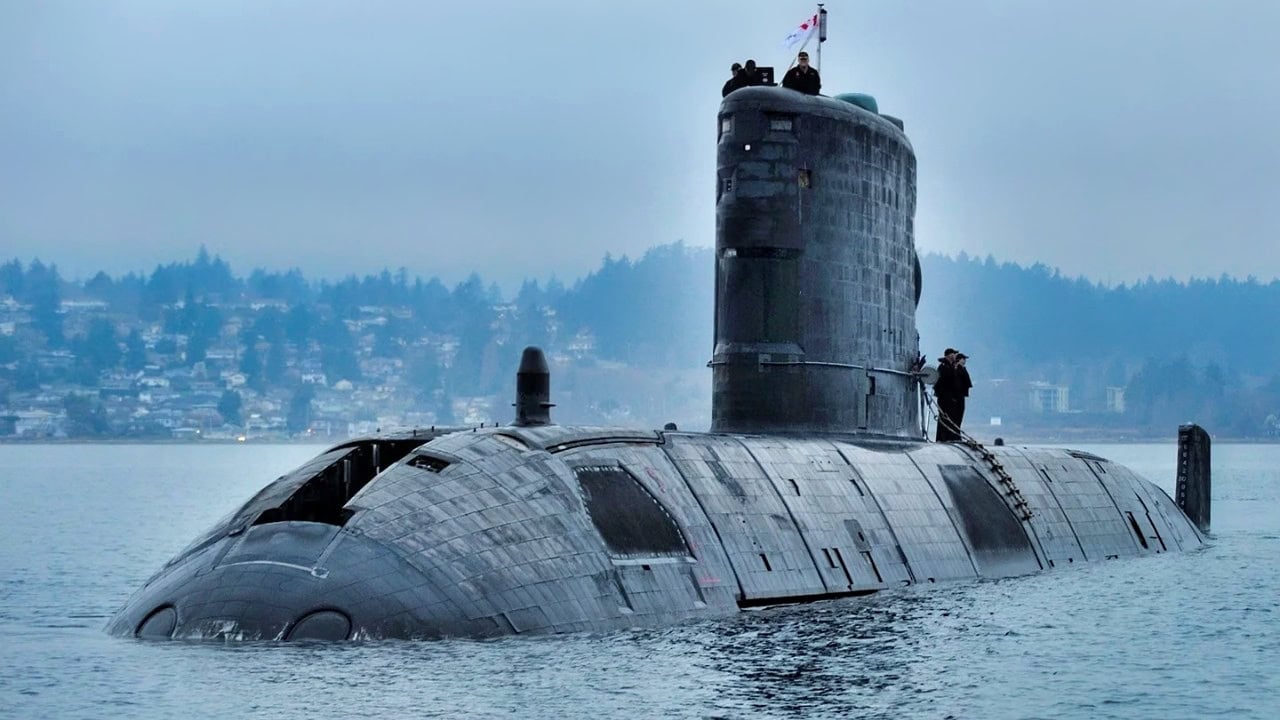
Victoria-Class Submarine Canadian Navy. Image Credit: Government Photo.
Germany’s ThyssenKrupp Marine Systems has proposed building 12 submarines in Canada and building submarine maintenance facilities on Canada’s Pacific and Atlantic coasts, if Ottawa selects the company’s Type-212CD submarines.
As part of the proposed deal, TKMS signed a Teaming Agreement with Canada’s Seaspan Shipyards. Under the terms of that agreement, “TKMS and Seaspan intend to work together as an integrated team with Canada to develop and deliver capabilities that ensure effective sustainment and lifecycle support of future submarine platforms in Canada,” TKMS wrote in a company press release, “with an emphasis on maintaining operational readiness and supporting the Royal Canadian Navy’s requirements.”
However, the CBC reported that Royal Canadian Navy officials are skeptical about the TKMS plan, citing Canada’s lack of industrial capacity to build 12 submarines domestically.
The South Korean Connection
The Hanwha Group, a South Korean firm, is also bidding for the Canadian submarine build. Hanwha signed agreements with a raft of Canadian firms, including Algoma Steel, Telesat, MDA Space, Cohere, and PV Labs, “spanning steel, space, artificial intelligence, and advanced technologies.”
“Hanwha Ocean is to provide Algoma with an aggregate potential value of up to USD $250 million (approximately CAD $345 million),” the South Korean firm explained, adding this would include “support for the development of a new structural steel beam mill in Canada, as well as anticipated purchases of steel products for use in CPSP-related submarine construction and associated maintenance, repair, and overhaul infrastructure in Nova Scotia and British Columbia where the submarine fleet will be fully supported throughout its lifecycle.”
Much of the steel for these boats would be sourced domestically in Canada.
Hanwha is reportedly planning to sail one of its KSS-III attack submarines across the Pacific and dock it on the British Columbia coast as a showcase.
Time is of the Essence
The timeline for the Royal Canadian Navy’s submarine selection is looming—Ottawa gave notice that finalized proposals are expected next month.
A final decision is anticipated later this year. The timing of the deal is important.
“We’re down to a single operational submarine,” the commander of the Royal Canadian Navy, Vice Admiral Angus Topshee, explained in a previous interview with CBC News.
While the HMCS Corner Brook is in active service following the completion of recent maintenance, the other three submarines in the Royal Canadian Navy, HMCS Victoria, HMCS Windsor, and HMCS Chicoutimi, are hung up in maintenance and not currently operational.
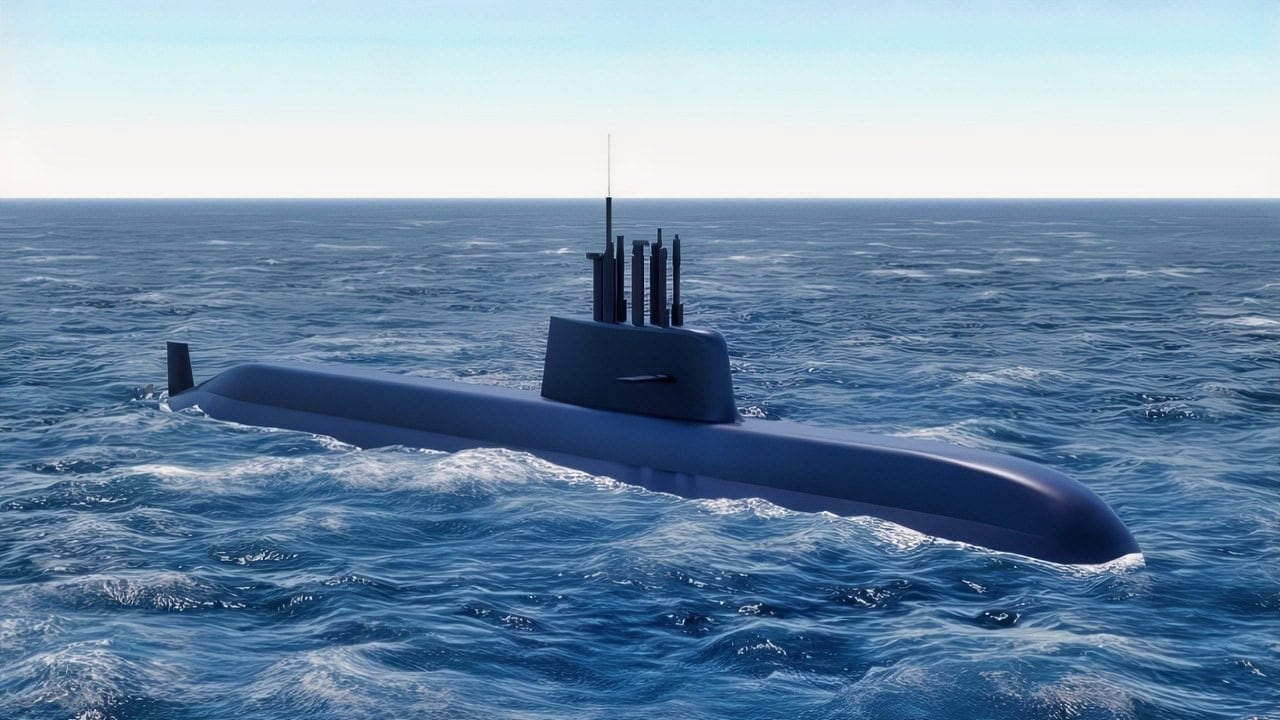
KSS-III. Image Credit: Creative Commons.
“Clearly we need to get that capability locked in for the future and at the numbers that Canada really needs to meet the current environment,” Vice Admiral Topshee added.
Victoria-class Modernization
In the meantime, Ottawa has chosen to modernize the Victoria-class fleet as an interim measure until a submarine design is selected.
The revamped submarines will remain in service until the mid-2030s or so. Ottawa explains that “the Victoria-class Modernization (VCM) will provide modernized and increased capability which will maintain the Victoria-class submarines’ operational relevance through the mid-2030s. VCM is considered a series of 17 individual projects implemented on a common platform to generate the necessary capability for Canada’s submarines as detailed in Strong, Secure, Engaged: Canada’s Defence Policy.”
Given the complexities inherent to maintaining submarines, it remains unclear if that modernization initiative can be completed on time or at budget. Given the relatively low amount of money as a percentage of GDP that Canada puts toward defense historically, it is unclear how unexpected costs would be overcome.
One Canadian daily reported on how long it could be before the Royal Canadian Navy receives its first submarines, irrespective of which design is chosen. “The procurement timeline from project establishment to contract award is highly specific to the project,” The Ottawa Citizen reported. “But,” it added, “staff analysis has shown that the procurement of a new submarine class will take a minimum of 15 years total from project establishment to first delivery and could exceed 25 years depending on the adopted procurement strategy.”
It may be some time yet before a new submarine is chosen for the Royal Canadian Navy—but it could be much longer before that new class of submarines is delivered to Canadian sailors. Can the Victoria-class hold out until then?
About the Author: Caleb Larson
Caleb Larson is an American multiformat journalist based in Berlin, Germany. His work covers the intersection of conflict and society, focusing on American foreign policy and European security. He has reported from Germany, Russia, and the United States. Most recently, he covered the war in Ukraine, reporting extensively on the war’s shifting battle lines from Donbas and writing on the war’s civilian and humanitarian toll. Previously, he worked as a Defense Reporter for POLITICO Europe. You can follow his latest work on X.