
Key Points and Summary – Canadian Victoria-class submarines have repeatedly penetrated NATO and allied carrier groups during exercises, scoring simulated torpedo “kills” on high-value surface ships, including the British carrier HMS Illustrious.
-These quiet diesel-electric boats exploit noisy coastal waters, thermal layers, and gaps in ASW coverage to reach firing position undetected.
-Exercise rules often favor defenders, yet subs still slip through, reinforcing that submarines remain the hardest threat for surface fleets to counter.
-The episodes validate Ottawa’s small undersea fleet as a cost-effective deterrent, while reminding carrier navies that layered, coalition anti-submarine warfare is essential, not optional, in contested seas and future high-end wars.
Victoria-Class vs. Aircraft Carriers: What NATO War Games Keep Revealing
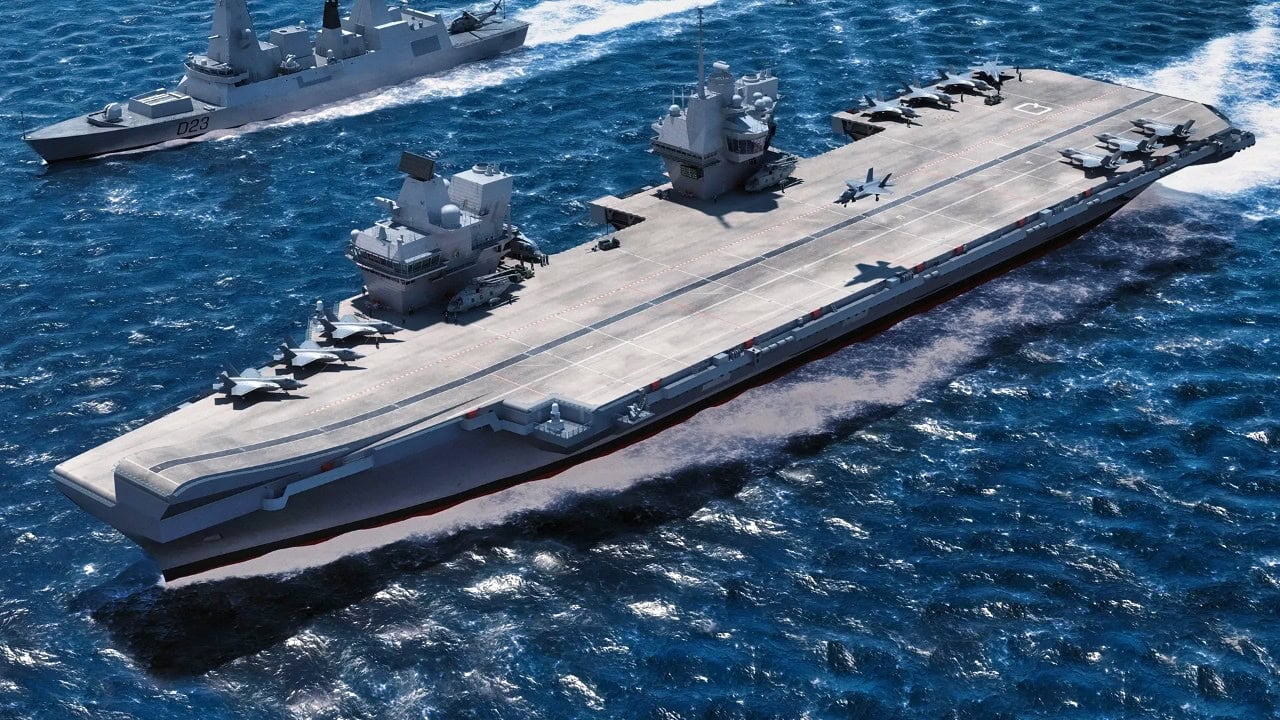
Years back, During NATO and bilateral exercises, the Canadian Victoria-class submarine has successfully penetrated allied surface task groups and achieved simulated “kills,” including against high-value surface combatants—most notably, against the British carrier HMS Illustrious.
The incident reinforces the notion that quiet diesel-electric submarines repeatedly expose carrier and task group vulnerabilities.
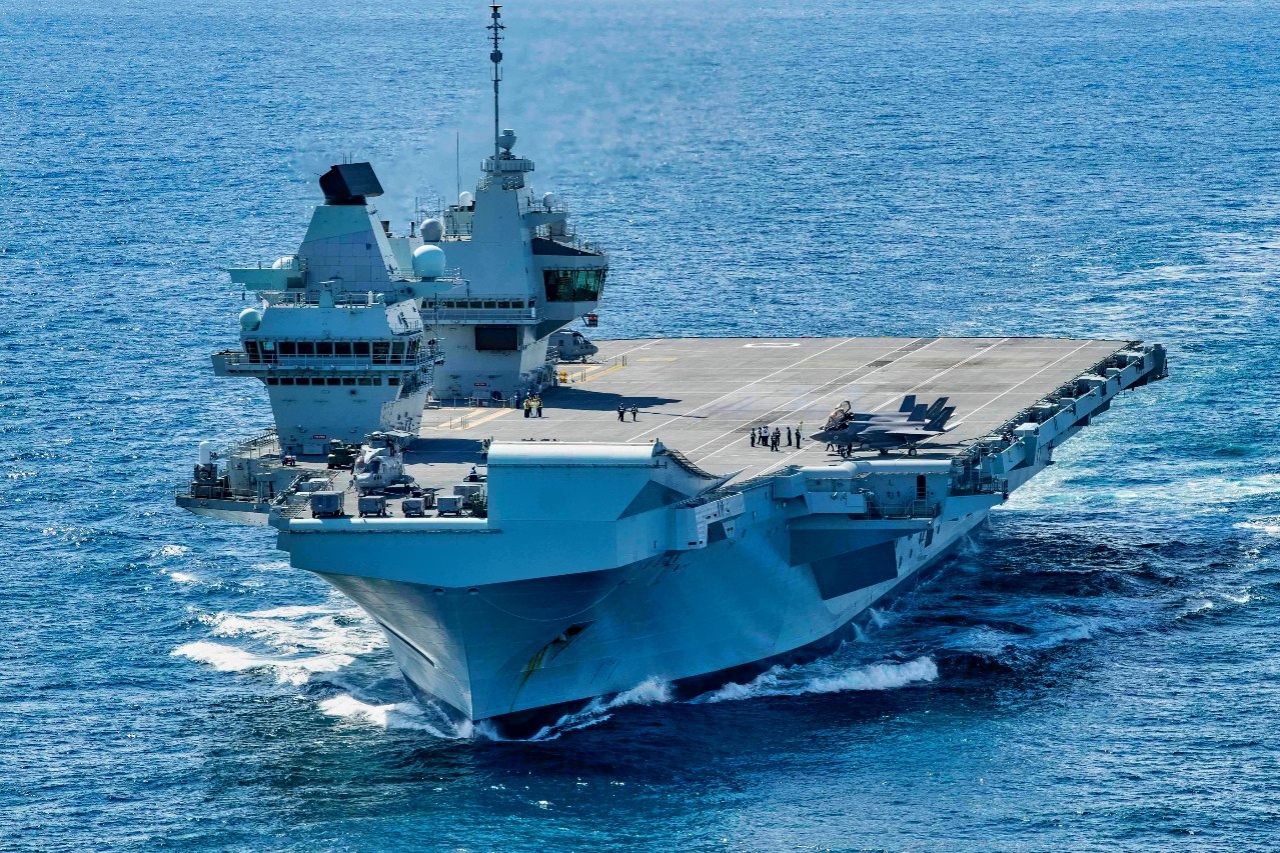
HMS Queen Elizabeth Aircraft Carrier. Image Credit: Royal Navy.
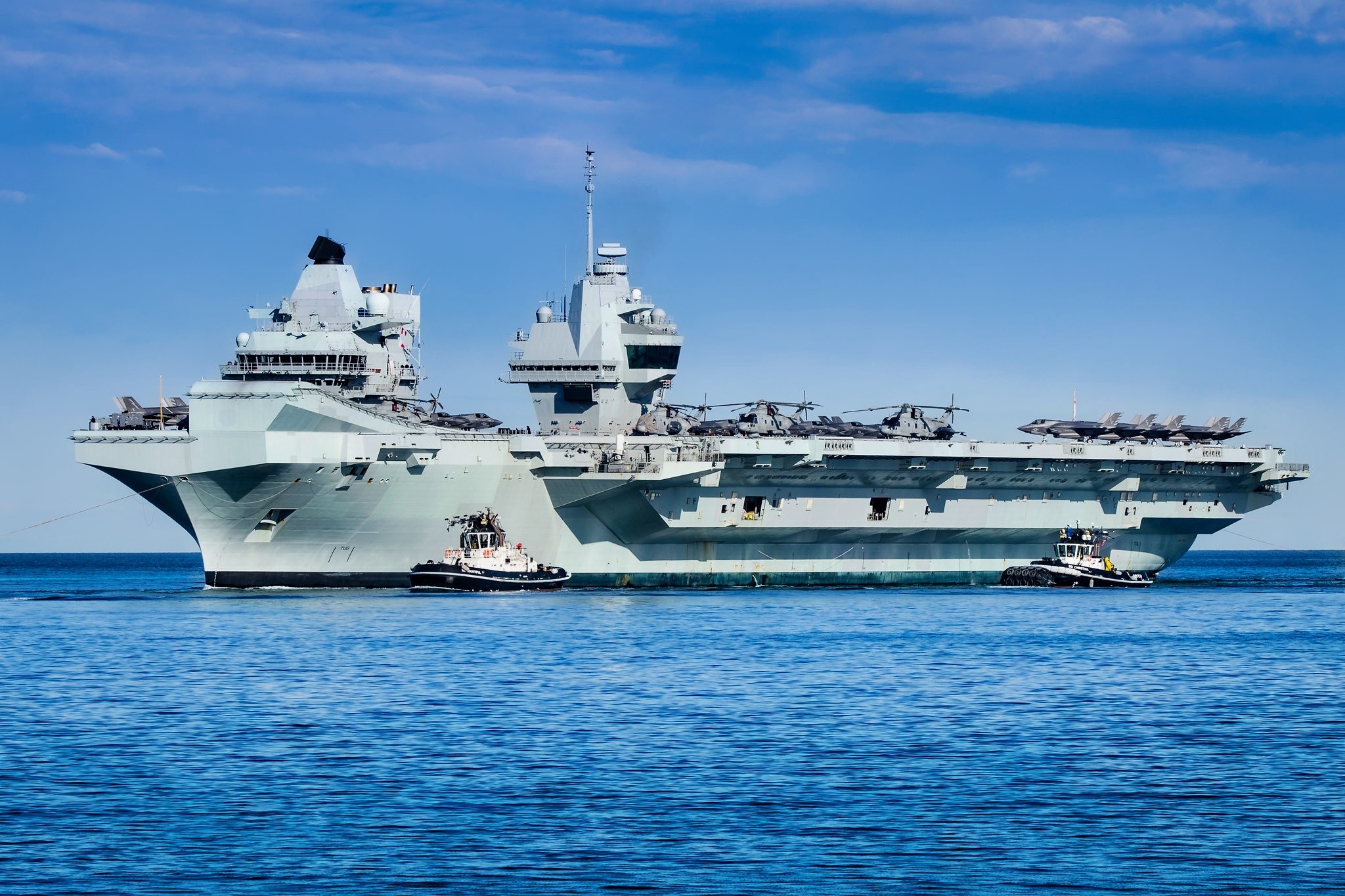
HMS Queen Elizabeth Royal Navy. Image Credit: Creative Commons.
Similar “kills” have occurred with French nuclear and Australian conventional submarines against U.S. carriers, raising broader questions about the survivability of large surface fleets in contested waters.
Victoria-Class Submarine vs. Royal Navy Aircraft Carrier
Canadian submarines have achieved undetected penetration of allied naval formations.
It happened in several cases during NATO and bilateral exercises in the 2000s and 2010s: Canadian boats reached valid torpedo firing positions; exercise adjudicators ruled that simulated “kills” had been achieved against surface combatants.
In the most notable case, a Victoria-class submarine achieved a simulated kill against HMS Illustrious. Public details on the incidents were limited, with no dramatic press releases issued.
But the lessons gleaned from the exercises circulated within naval communities, emphasizing that this was not a one-off fluke but part of a recurring pattern observed across allied exercises.
The Canadian submarines involved were Victoria-class diesel-electric submarines, originally built for the Royal Navy as the Upholder-class. Conventionally powered, rather than nuclear-powered like most modern submarines, the Victoria is optimized for stealth rather than speed and can achieve long endurance on patrol when managed carefully.
Though the Victoria is often criticized for availability issues, the boat is highly capable when operational—as the exercises involving HMS Illustrious suggest.
Running on batteries, the Victoria is extremely quiet—often quieter than nuclear submarines at lower speeds—meaning the diesel-electric propulsion system has a real advantage. And because exercises are usually conducted in littoral waters or congested sea lanes—places with noisy acoustic conditions—the Victoria’s diesel-electric advantage was emphasized.
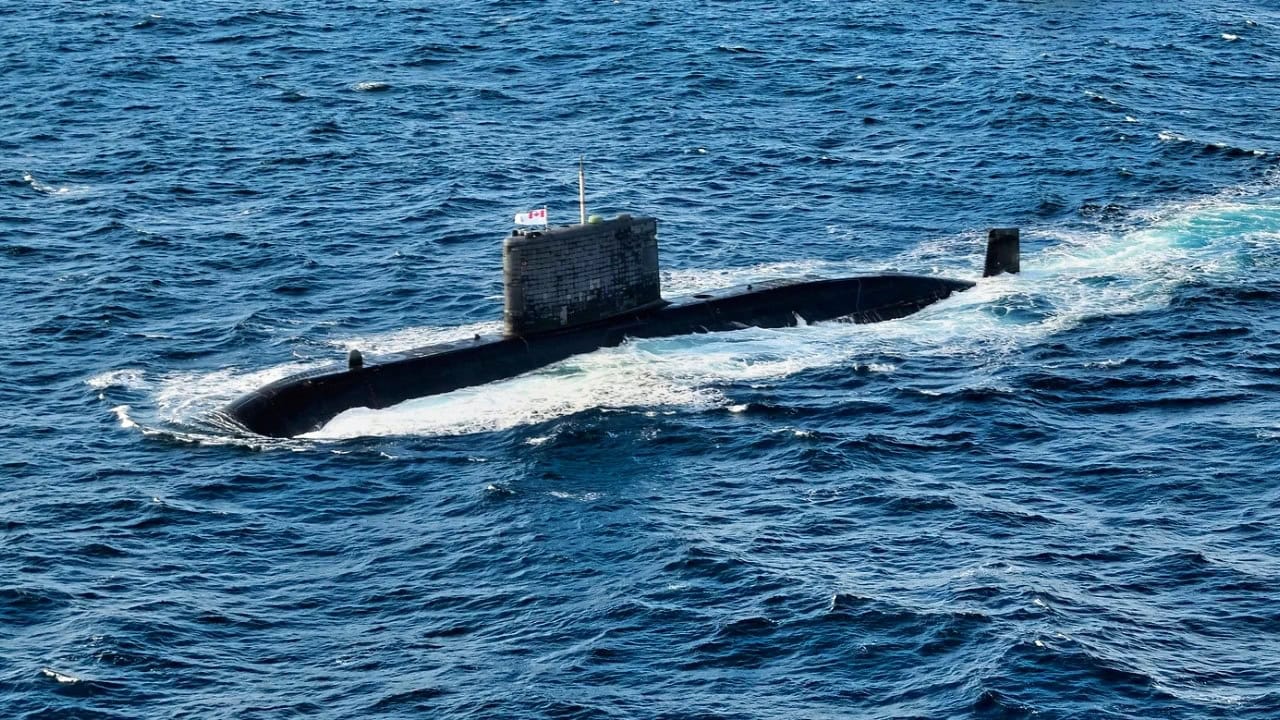
Victoria-Class Submarine at Sea. Image Credit: Creative Commons.
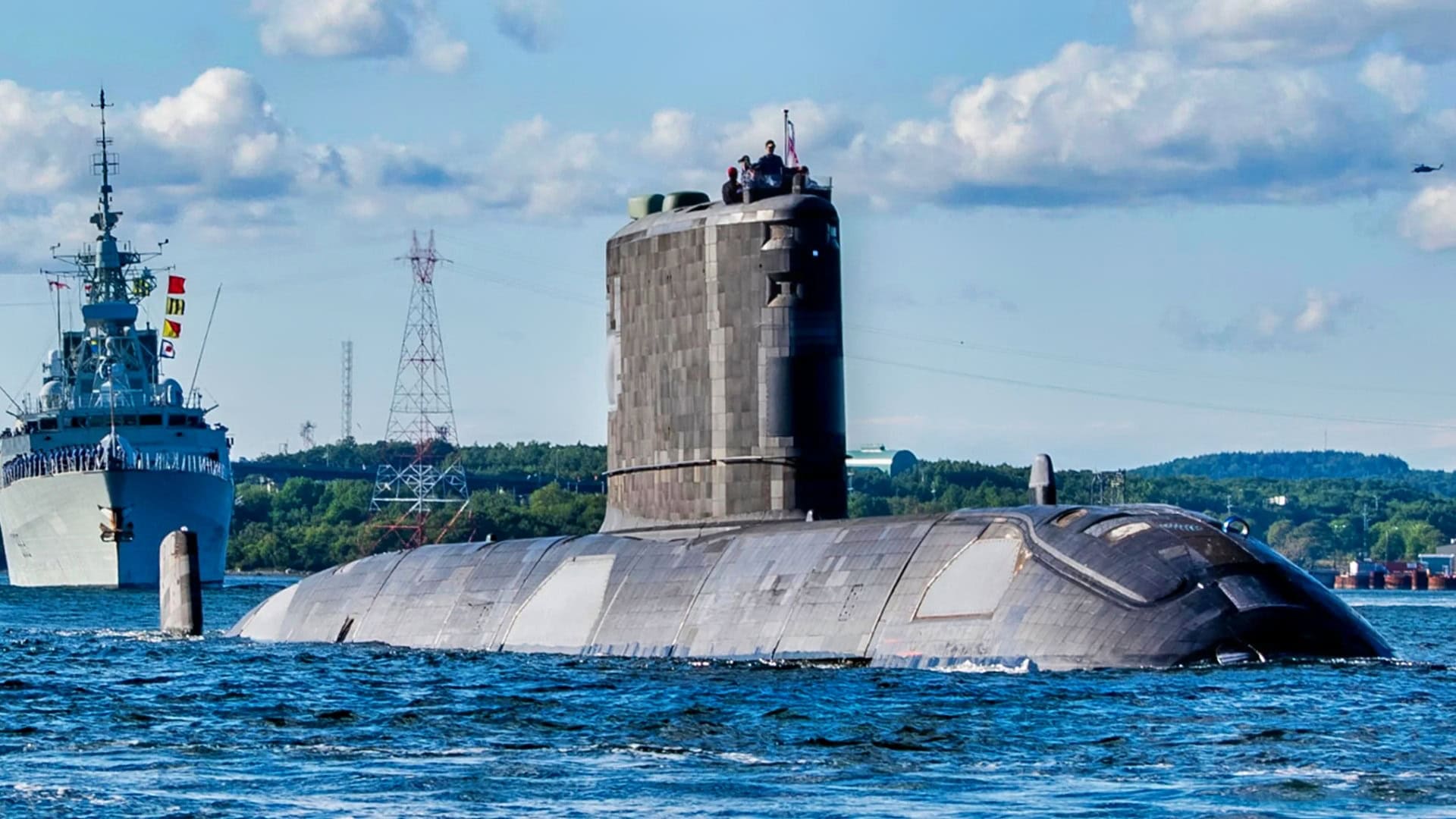
Victoria-Class Submarine Canada.
Tactically, Canadian crews often rely on patience and ambush, exploiting thermal layers and sensor blind spots.
The result is that defenders usually have patchy contact with the submarine, and just one lapse can be enough.
British and allied carrier task groups, like U.S. carrier strike groups, are optimized primarily to defend against air threats and missiles. ASW defenses include destroyers with hull-mounted and towed-array sonar, helicopters with dipping sonar, and maritime patrol aircraft. However, ASW is probabilistic, not absolute.
In the vastness of the ocean, sensors are not a perfect tool. Exercises place constraints on defenders as well, making them more vulnerable, with limited sensor coverage and no omniscient ISR. So a “kill” in an exercise does not directly equate to a combat victory.
Rules of engagement are often tilted in favor of the defenders to prioritize training realism over force protection. Submarines, meanwhile, are given the freedom to operate aggressively to test the defensive screen thoroughly. This system proves better at exposing weaknesses and improving ASW doctrine—the true purpose of the exercises, not score-keeping. Allied navies expect to lose some of these encounters—that’s where much of the value lies.
The exercises do yield tactical and doctrinal lessons. For example, they reaffirm that submarines remain the most dangerous threat to surface fleets. Diesel-electric boats, despite their humble technology, are perilous in choke points, coastal approaches, and archipelagic waters.
This fact highlights the importance of layered ASW, continuous training, and allied interoperability. Because one submarine does not need to dominate—it only needs to sneak through the defensive perimeter once.
Strategically, for Canada, the exercises validate the investment in submarines, despite the small fleet size, demonstrating the Victoria-class’s disproportionate deterrent value.
For Britain and other carrier-operating allies, the HMS Illustrious incident reinforces ASW as a top-tier mission, underscoring the need to defend carriers—ironically—against relatively cheap threats. And for adversaries, the exercises provide proof that even elite navies are vulnerable to asymmetric methods.
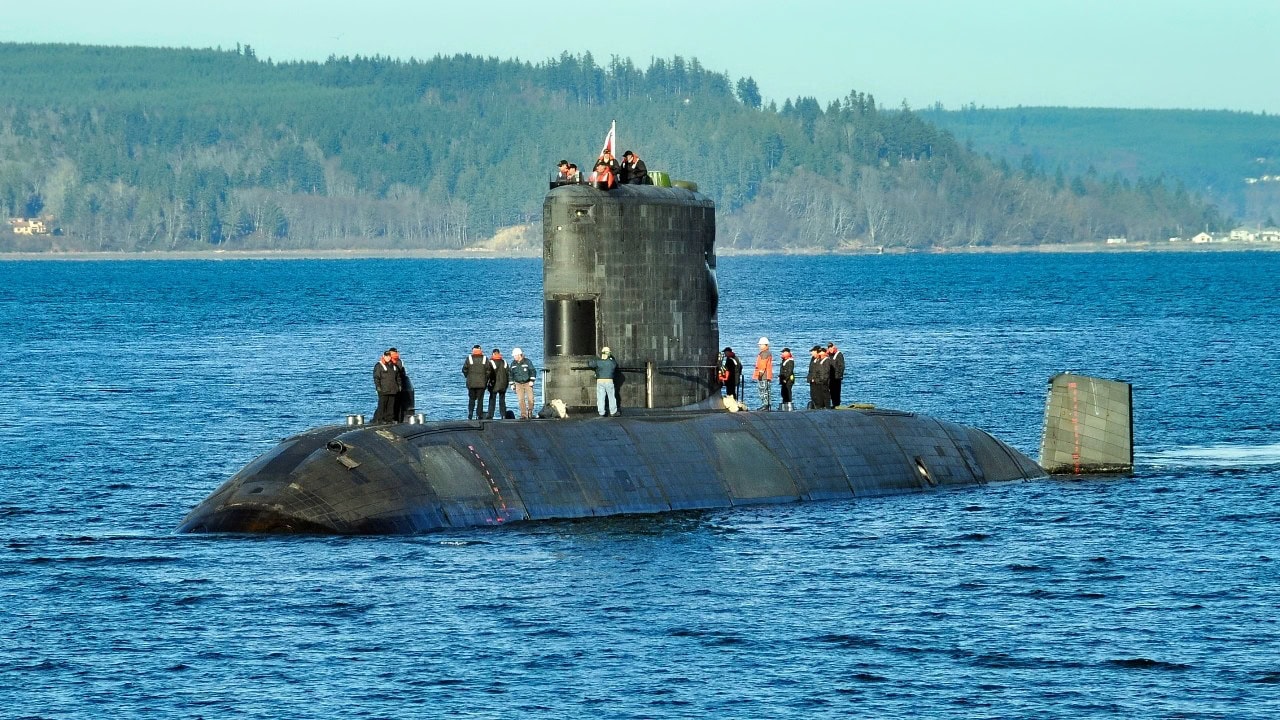
(Dec. 12, 2011) The Royal Canadian Navy long-range patrol submarine HMCS Victoria (SSK 876) arrives at Naval Base Kitsap-Bangor for a port call and routine maintenance. The visit is Victoria’s first to Bangor since 2004. (U.S. Navy photo by Lt. Ed Early/Released)
This explains the global trend: the proliferation of conventional submarines and the renewed focus on ASW across NATO and the Indo-Pacific.
Aircraft Carrier in Trouble?
What the exercises do not prove is that carriers are obsolete or that diesel submarines guarantee victory.
That would be a stretch. The exercises are not approximations of real combat, which would involve more aggressive countermeasures and broader ISR coverage. Exercises exaggerate attacker success—by design.
Through various exercise scenarios—pitting different navies and different submarines against British, allied, and U.S. surface vessels—the trend keeps repeating itself: submarines keep notching “kills.”
The takeaway isn’t that the carrier is doomed; the lesson is that submarines remain the hardest problem for defenders to solve in naval warfare.
About the Author: Harrison Kass
Harrison Kass is an attorney and journalist covering national security, technology, and politics. Previously, he was a political staffer and candidate, and a US Air Force pilot selectee. He holds a JD from the University of Oregon and a master’s in global journalism and international relations from NYU.