
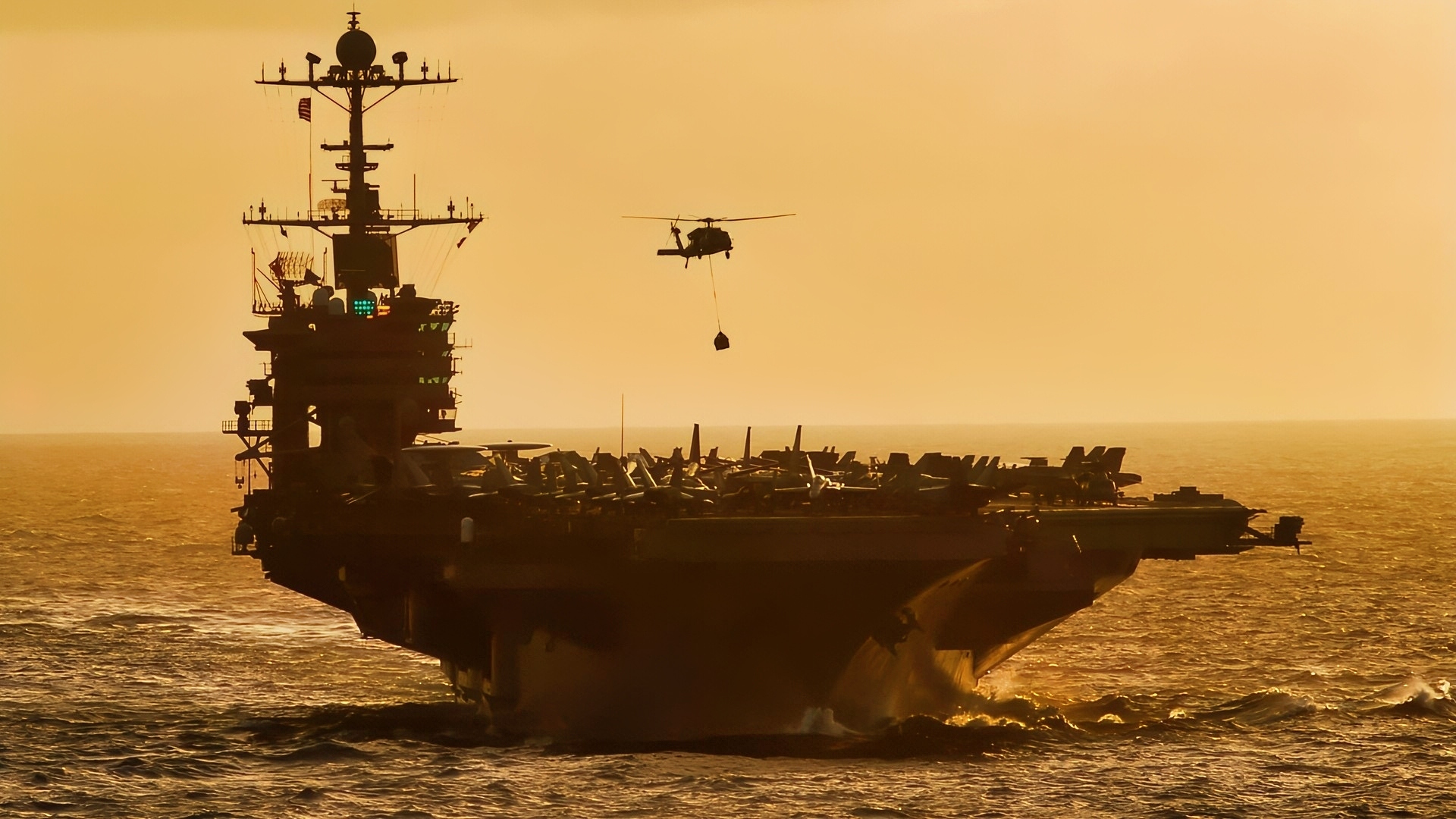
US Navy aircraft carrier USS John C. Stennis CVN-74 has spent more than five years undergoing its midlife overhaul at Newport News Shipbuilding in Virginia.
The Nimitz-class nuclear-powered aircraft carrier entered the shipyard in May 2021.
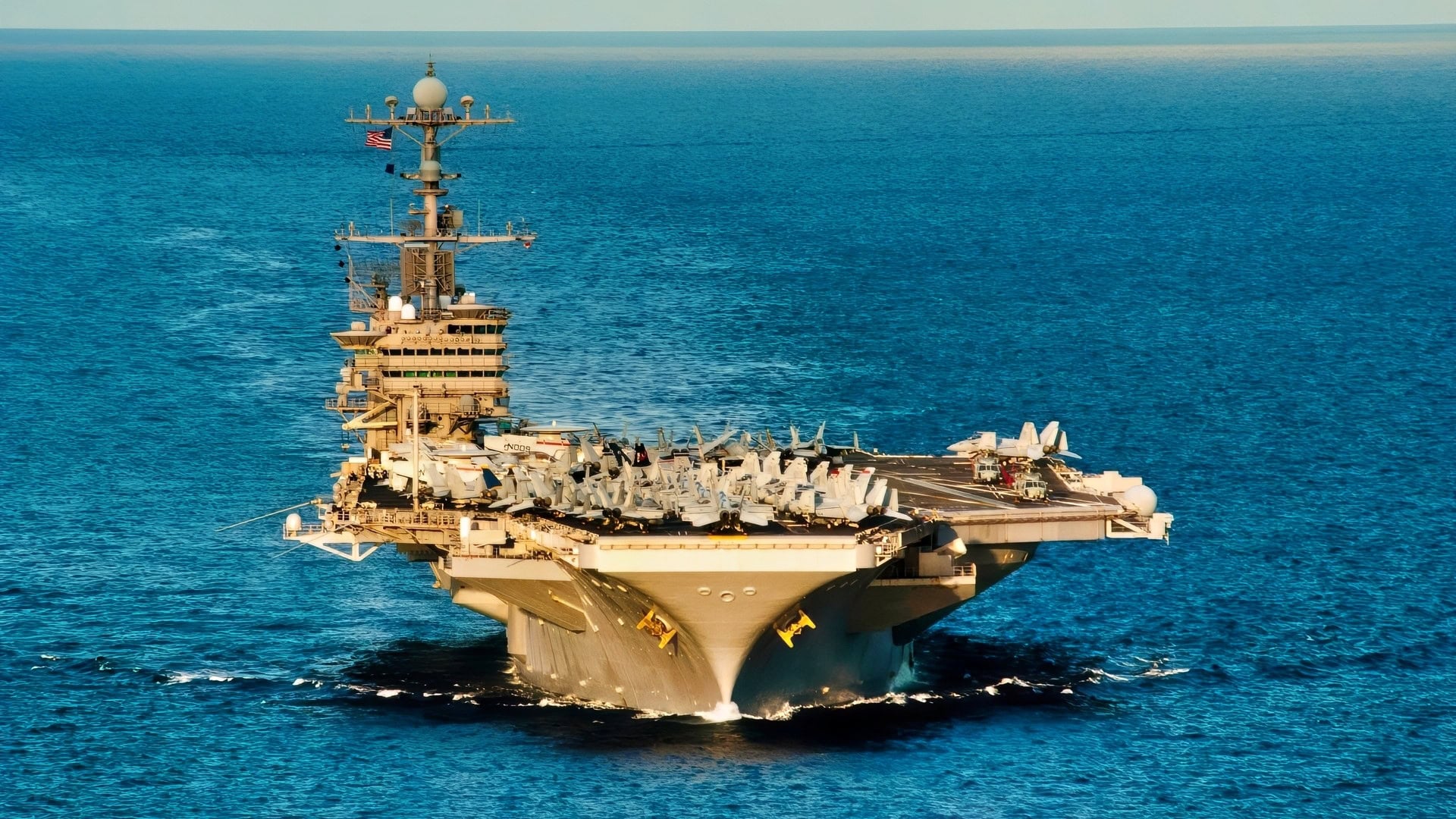
ANDAMAN SEA (Oct. 12, 2012) The Nimitz-class aircraft carrier USS John C. Stennis (CVN 74) moves into formation in the Andaman Sea. Ships and aircraft of the George Washington and John C. Stennis carrier strike groups are conducting exercises to increase interoperability, readiness, and the capability to respond quickly to various potential crises in the region, ranging from combat operations to humanitarian assistance. The U.S. Navy is constantly deployed to preserve peace, protect commerce, and deter aggression through forward presence. Join the conversation on social media using #warfighting. (U.S. Navy photo by Mass Communication Specialist 3rd Class Kenneth Abbate/Released)
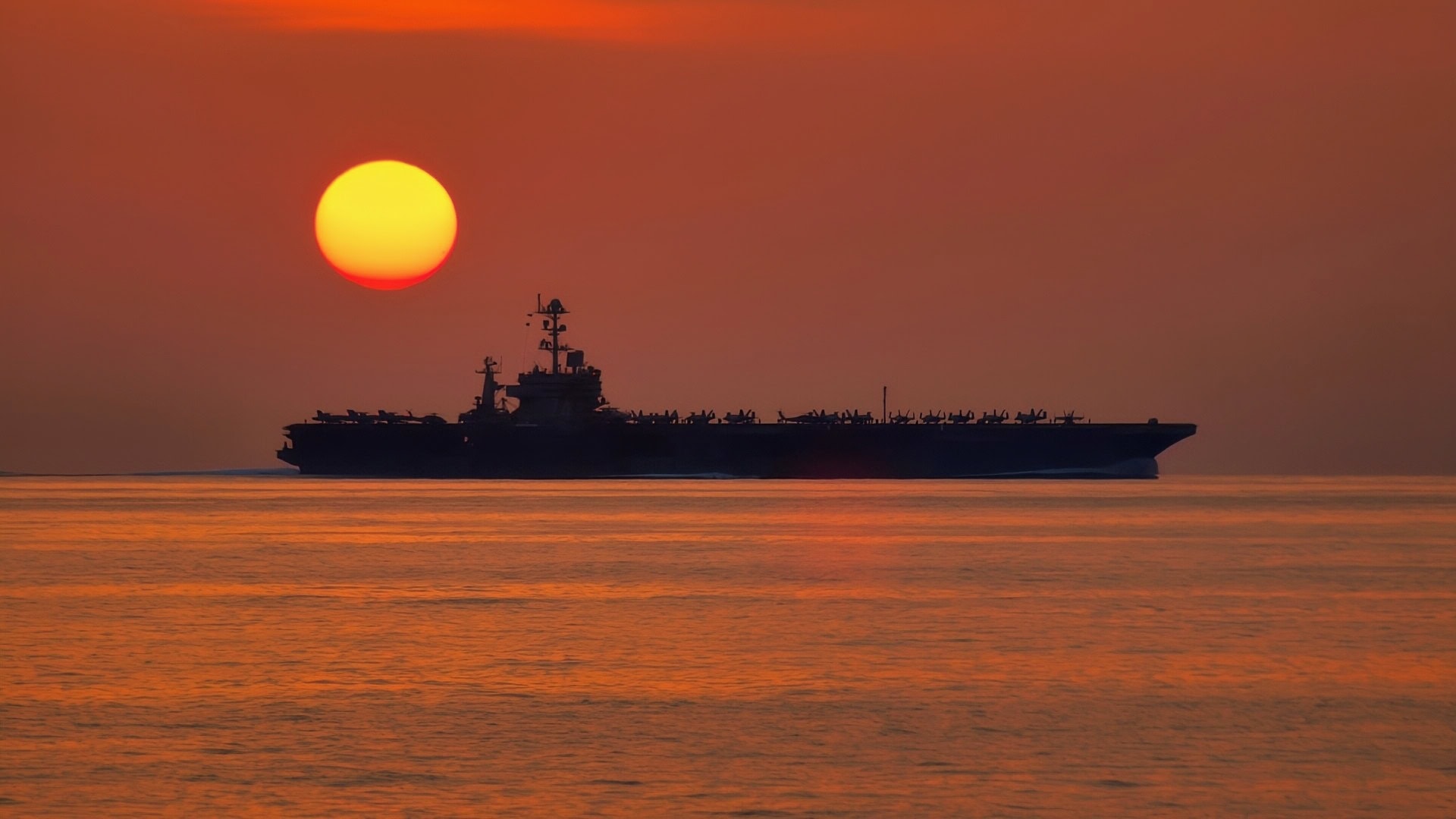
The aircraft carrier USS John C. Stennis (CVN 74) operates in the Arabian Sea during sunset on Jan. 5, 2013. The John C. Stennis Strike Group is deployed to the 5th Fleet area of responsibility to conduct maritime security operations and theater security cooperation efforts. DoD photo by Petty Officer 3rd Class James Stahl, U.S. Navy. (Released)
Originally scheduled for redelivery in August 2025, the carrier had since received a revised target date of October 2026.
Of course, this date came and went without a delivery, with the carrier still afloat at an outfitting berth, the overhaul as of yet uncompleted.
The ongoing delays highlight how persistently overworked America’s naval maintenance and shipbuilding infrastructure is—at a time when China is ramping up naval production.
The Stennis RCOH
The ship is undergoing a Refueling and Complex Overhaul (RCOH), the most extensive maintenance period of a nuclear carrier’s service life.
Stennis entered service in 1995 and is approaching the midpoint of its anticipated 50-year lifespan, right around the time the RCOH is typically scheduled.
The RCOH includes replacing the nuclear fuel in its two reactors.
Workers also inspect, repair, and modernize propulsion equipment, electrical systems, combat systems, and aviation facilities.
Structural repairs address corrosion and decades of accumulated wear.
Crew accommodations and support facilities also receive extensive refurbishment.
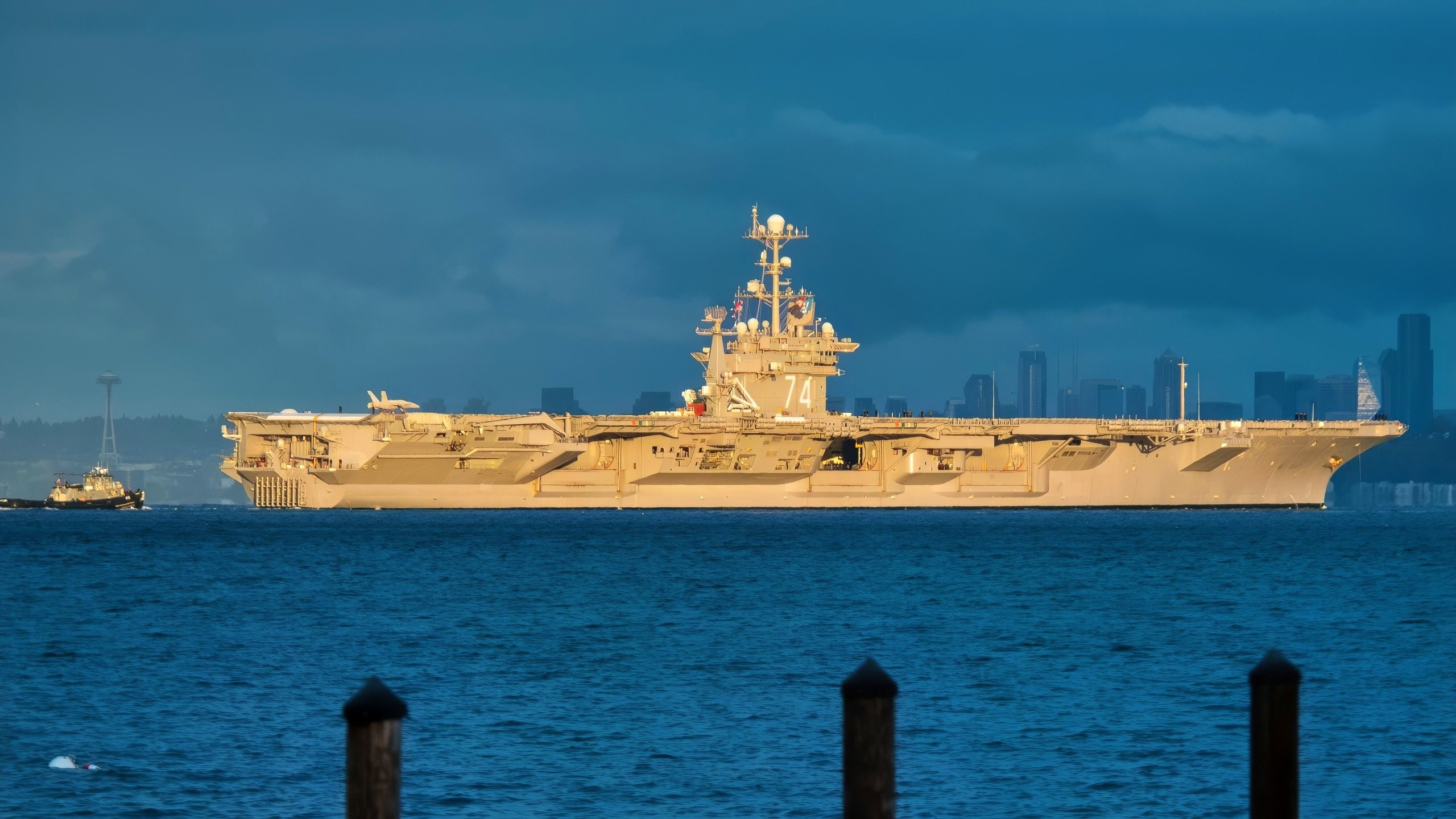
MANCHESTER, Wash. (November 3, 2017) USS John C. Stennis (CVN 74) transits Elliott Bay with Seattle in the background as it gets underway from Naval Base Kitsap’s Puget Sound Naval Shipyard and Intermediate Maintenance Facility. Stennis is underway conducting training as it continues preparing for its next scheduled deployment. (U.S. Navy photo by Mass Communication Specialist 2nd Class Vaughan Dill/Released)
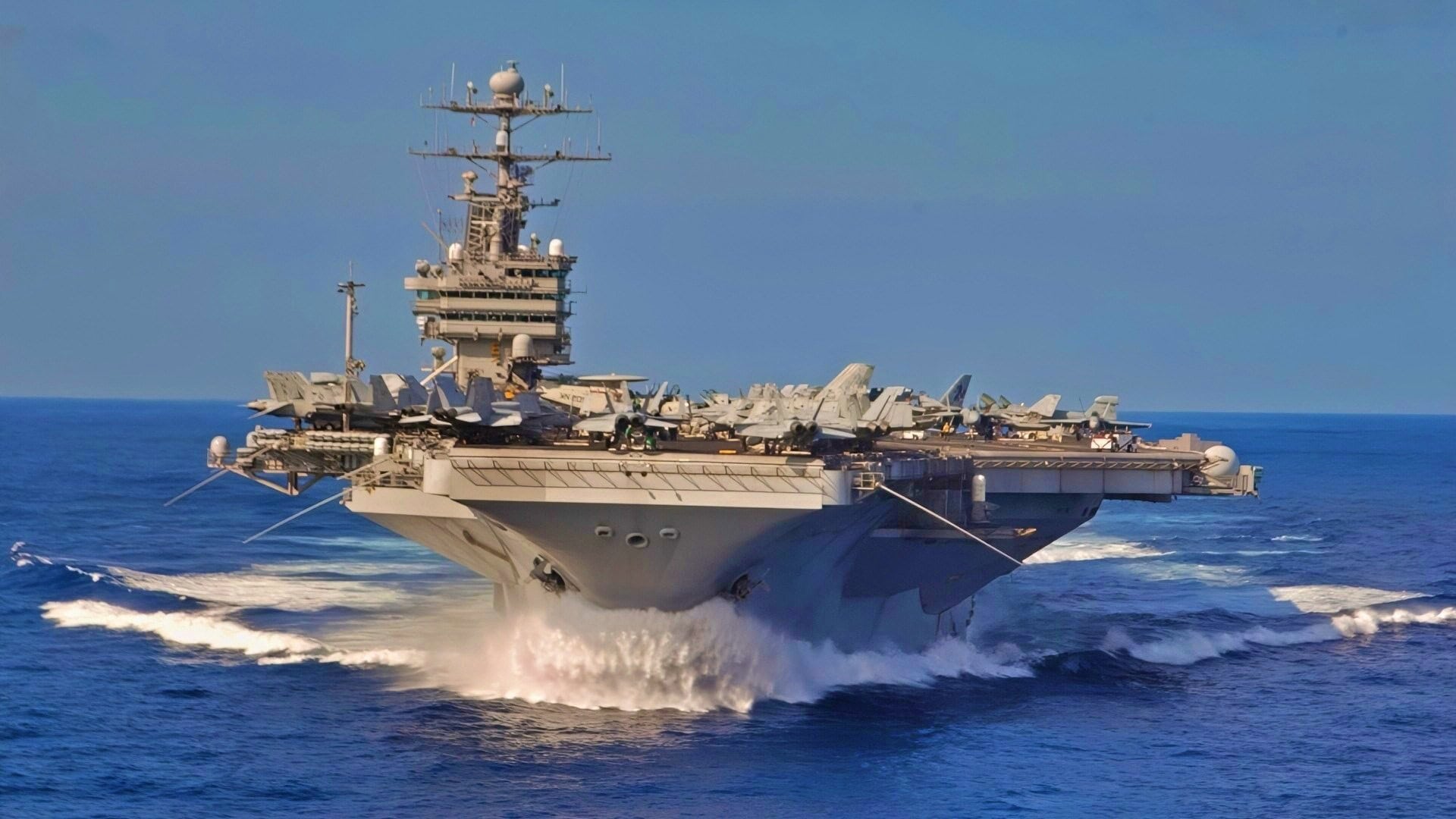
The aircraft carrier USS John C. Stennis (CVN 74) picks up speed as she steams through the western Pacific Ocean on Aug. 25, 2004. Stennis and her embarked Carrier Air Wing 14 are conducting exercises at sea on a regularly scheduled deployment.
(DoD photo by Airman Randi R. Brown, U.S. Navy. (Released))
The overall goal is to prepare Stennis for another 25 years of service.
Accordingly, such overhauls typically require several years and thousands of specialized workers.
Where Are We So Far?
On July 10, 2024, the Navy announced that Stennis had left dry dock—a major milestone reached when the ship transitioned to an outfitting berth at Newport News.
Undocking marked the completion of a major phase of the overhaul, including work that required access to the underwater hull.
However, leaving dry dock does not mean the carrier is ready for sea trials; extensive internal work, equipment installations, and systems integration can continue while the ship is moored. As of November 2026, the Stennis is still at the outfitting berth.
Remaining tasks may include propulsion system restoration, electrical testing, systems integration, and completion of crew spaces.
These activities must be finished and tested before the carrier can safely return to sea.
Why So Long?
The original overhaul contract was valued at approximately $3 billion, with completion initially anticipated in August 2025. Obviously, that date came and went without completion.
The Navy subsequently revised the expected delivery date to October 2026—a delay of 14 months, which has also come and gone without completion.
Apparently, a major complication contributed to the delay: the discovery of damage in a steam turbine component, which required specialized propulsion equipment to repair, as well as additional engineering, replacement parts, and significant unplanned labor.
Additionally, other potential pressures slowing down the RCOH could include workforce shortages, supply chain constraints, unexpected repairs, and industrial congestion.
What Remains?
The remaining work centers on completing and validating the carrier’s restored systems.
Major activities generally include completing propulsion machinery repairs and associated testing, activating electrical distribution and auxiliary systems, integrating upgraded communications, sensors, and defensive equipment, finishing crew accommodations and support facilities, and conducting pier-side inspections and operational checks.
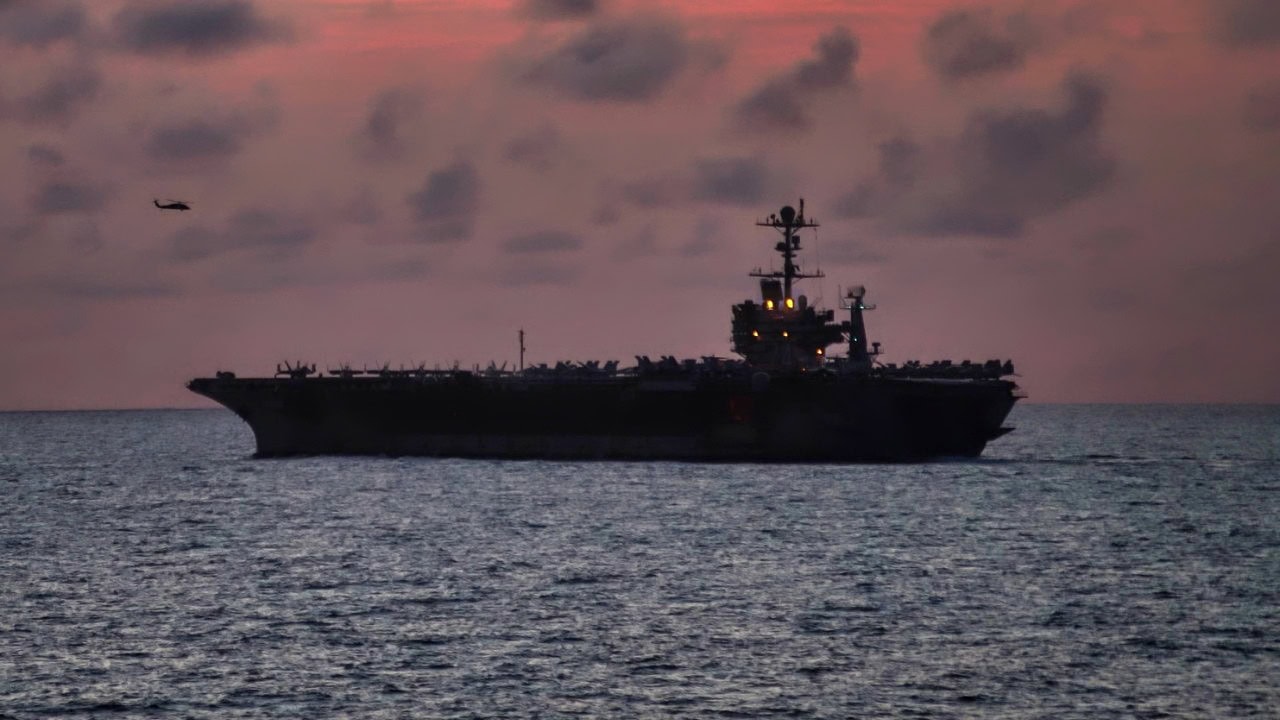
USS John C. Stennis Aircraft Carrier. Image Credit: Creative Commons.
Once major systems are operational, the crew can conduct a fast cruise to simulate underway operations while the ship remains moored.
The carrier must then complete sea trials to demonstrate that its propulsion, steering, electrical, and other critical systems function correctly.
Once successful trials are completed, the ship can be redelivered to the Navy.
The Timeline
In May 2021, Stennis entered RCOH at Newport News Shipbuilding.
In July 2024, the carrier left dry dock and moved to an outfitting berth.
August 2025 was the original redelivery date, which passed. October 2026 was the revised delivery date, which also passed.
Through late 2026 and 2027, the ship will undergo remaining outfitting, equipment activation, and system testing.
In 2027, the ship may undergo sea trials and perhaps redelivery sometime during the year.
In 2028, the Stennis will hopefully return to deployment availability following its post-overhaul training and certification.
The Stennis overhaul demonstrates how difficult it has become to maintain America’s nuclear-powered aircraft carriers.
Its prolonged absence reduces operational flexibility while placing additional demands on the remaining fleet.
About the Author: Harrison Kass
Harrison Kass is a writer and attorney focused on national security, technology, and political culture. His work has appeared in Tablet, City Journal, The Hill, The Spectator, and The Cipher Brief. He holds a JD from the University of Oregon and a master’s in Global & Joint Program Studies from NYU—more at harrisonkass.com.